Fly Fishing in Maryland
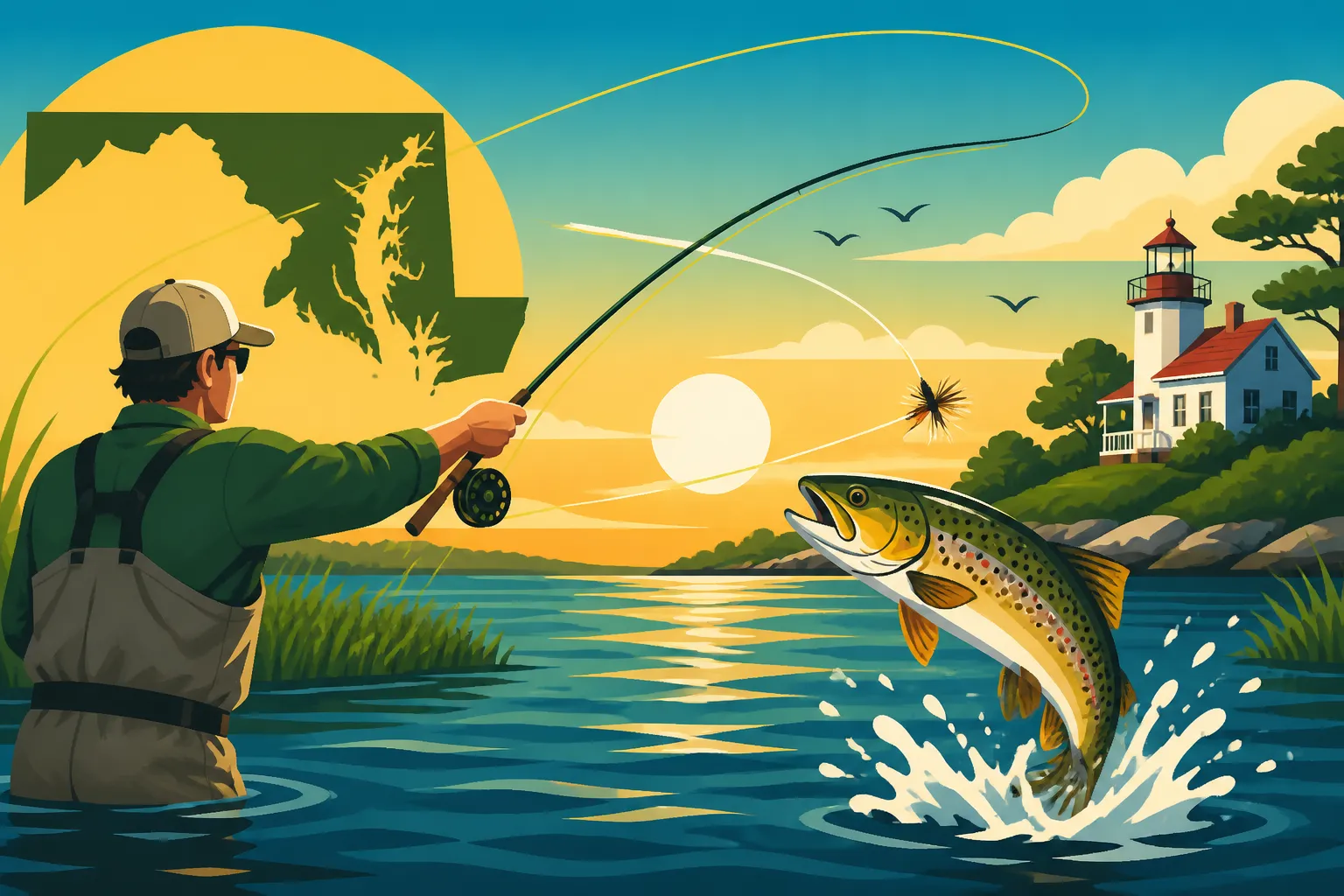
For many folks, when you mention "fishing in Maryland," their minds immediately go to the vastness of the Chesapeake Bay and the pursuit of the iconic striped bass with conventional tackle. But for a growing number of us, the true magic lies in the subtle art of fly fishing, a pursuit that offers a completely different, often more intimate, connection with Maryland's incredibly diverse waterways and the myriad species that call them home. If you've ever felt the tug of a trout on a delicate dry fly or the explosive strike of a rockfish on a chunky clouser, you know what I'm talking about. This comprehensive guide will walk you through everything you need to know to dive into the rewarding world of fly fishing across Maryland.
Beyond the Bay: A Diverse Fly Fishing Landscape
Maryland might be famous for its brackish estuary, but its fly fishing potential stretches far beyond the Bay. We're talking about everything from icy mountain streams teeming with wild trout to warm, sluggish tidal rivers holding predatory snakeheads and massive blue catfish. It's a landscape that constantly challenges and rewards the fly angler, demanding different techniques, gear, and approaches depending on where you cast your line.
Coldwater Fisheries: Western Maryland's Trout Havens
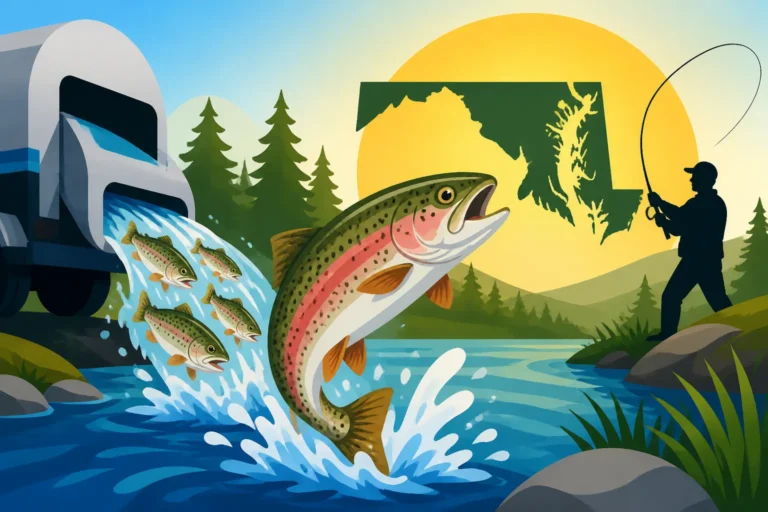
When most fly anglers think of "trout," their minds often drift to the pristine streams of the Rocky Mountains or the East's renowned Appalachian regions. Maryland, though smaller, holds its own special gems, particularly in the mountainous western counties. Here, spring-fed streams tumble through verdant forests, maintaining the cold, oxygen-rich waters that trout demand. You'll find a mix of wild brook trout, our state's native char, alongside robust populations of stocked rainbow and brown trout. These streams often have specific regulations, including designated fly-fishing-only sections and catch-and-release rules, making them perfect for those seeking a purist experience. Understanding the nuances of these coldwater ecosystems is key to consistent success. For those interested in the specifics, our guide on Maryland Trout Species Guide delves into what you can expect to find.
The challenge in these areas isn't just about finding the fish; it's about presenting your fly naturally in often tight, brush-lined quarters. Precision casting, delicate presentations, and a keen eye for subtle takes become paramount. It's a serene experience, often solitary, allowing you to truly immerse yourself in the natural beauty of Maryland's forests while honing your technical skills. Many local outfitters specialize in guided trips to these remote sections, offering invaluable local knowledge.
Warmwater Wonders: Reservoirs, Ponds, and Tidal Rivers
Venturing out of the mountains, Maryland offers an abundance of warmwater opportunities for fly anglers. From the sprawling reservoirs around Baltimore like Loch Raven and Liberty, to countless smaller ponds and lakes, these waters are home to a thriving population of species like largemouth bass, smallmouth bass, crappie, bluegill, and various sunfish. These species are often eager to strike a well-placed popper or streamer, offering exciting topwater action, especially during the warmer months.
The tidal rivers flowing into the Chesapeake Bay, such as the Potomac, Patuxent, and Chester, add another layer of complexity and excitement. These rivers, while known for their striped bass, also hold impressive numbers of blue catfish, channel catfish, and the increasingly popular northern snakehead. Fly fishing for these species requires different tactics—often heavier rods, sinking lines, and large, durable flies designed to imitate baitfish or crayfish. The sheer power of a large blue catfish on a fly rod is an unforgettable experience, and the aggressive nature of a snakehead striking a frog pattern on the surface is nothing short of electrifying. These environments truly highlight the versatility required of a Maryland fly angler.
Brackish & Saltwater Frontiers: The Chesapeake Bay and Coastal Bays
And yes, even the famed Chesapeake Bay itself, along with Maryland's coastal bays near Ocean City, offers fantastic fly fishing opportunities. While the Bay is largely associated with conventional gear, targeting striped bass (rockfish) on the fly is a revered pursuit for many. During the spring and fall migrations, stripers can be found pushing baitfish into shallow waters, creek mouths, and along shoreline structure, making them prime targets for fly anglers. This can involve anything from casting large streamers from a boat to wading shallow flats.
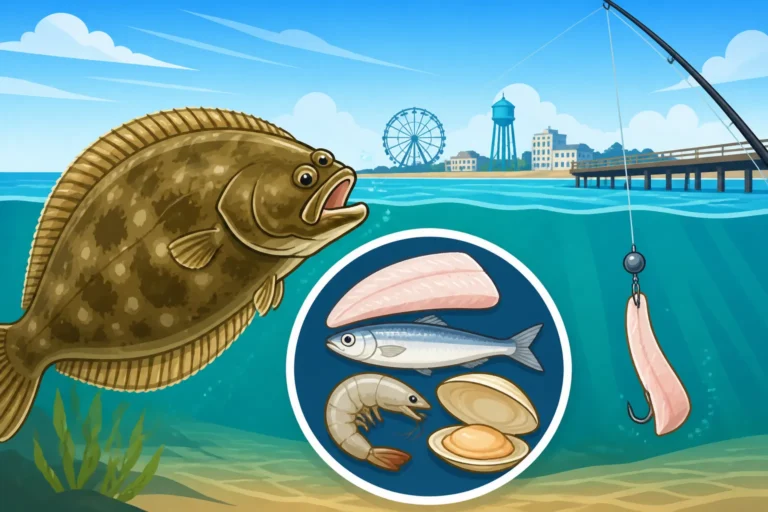
Beyond striped bass, the Bay also holds a healthy population of white perch, a feisty fish that will readily take small flies and provide endless action. On the Atlantic coast, the coastal bays behind Ocean City offer opportunities for flounder, bluefish, and even speckled trout in the warmer months. These diverse brackish and saltwater environments demand robust gear capable of handling larger, stronger fish and the corrosive effects of saltwater. It's a testament to Maryland's angling diversity that one can target trout in the morning and stripers on the fly in the afternoon, all within a few hours' drive.
Essential Gear for Maryland Fly Anglers
Stepping into the world of fly fishing can feel a little daunting with all the specialized gear, but don't let that deter you. The good news is, much of your initial investment can be quite versatile, covering a range of Maryland's fisheries. Over time, you'll naturally expand your arsenal as you discover your preferred species and fishing grounds. The key is to start with reliable, functional equipment.
Rods, Reels, and Lines: The Core Setup
Your fly rod, reel, and line form the triumvirate of your fly fishing setup. Choosing the right combination is crucial for enjoying your time on the water.
-
Rods: For general-purpose fly fishing in Maryland, especially if you're targeting trout in smaller streams or panfish in ponds, a 5-weight, 8'6" to 9' graphite rod is an excellent starting point. It's light enough for delicate presentations but has enough backbone to handle a decent-sized fish. If your heart is set on larger species like bass, snakehead, or striped bass, you'll want to step up to a 7-weight or 8-weight rod, typically 9 feet long. These heavier rods are designed to cast larger, wind-resistant flies and muscle bigger fish. For the really big game, like trophy striped bass or heavy blue catfish, some anglers even opt for 9-weight or 10-weight rods. You can find a wide array of quality rods from brands like Orvis, Redington, and TFO, often available through retailers or online platforms like Amazon, offering choices for every budget.
-
Reels: For trout and panfish, your reel primarily serves as a line storage device. A simple, reliable click-and-pawl or disc drag reel that balances your rod is usually sufficient. However, for bass, snakehead, and especially saltwater species, your reel becomes a critical component. You'll need a robust reel with a smooth, powerful sealed disc drag system to handle long runs and protect your tippet. Corrosion resistance is paramount for saltwater use. Look for reels from reputable manufacturers like Lamson, Ross, or Sage that specify saltwater compatibility.
-
Lines: Matching your fly line to your rod weight is non-negotiable for proper casting. Most lines are weight-forward (WF), designed to help with casting distance and turnover. For general trout and warmwater fishing, a floating line is your go-to. When targeting fish deeper in the water column, such as stripers over submerged structure or blue catfish in river channels, you'll need sinking or sink-tip lines. These lines allow your flies to get down quickly to where the fish are holding. Specialized lines exist for nearly every fishing scenario, from those designed for heavy streamers to lines built for delicate dry fly presentations.
| Species Targeted | Recommended Rod Weight | Line Type (Common) | Typical Leader Length |
|---|---|---|---|
| Small Trout (Wild/Stocked) | 2-4 weight | Floating | 7.5 – 9 feet |
| Larger Trout (Rivers/Lakes) | 5-6 weight | Floating/Sink-Tip | 7.5 – 9 feet |
| Panfish (Bluegill, Crappie) | 3-5 weight | Floating | 7.5 – 9 feet |
| Largemouth Bass | 6-8 weight | Floating/Intermediate | 6 – 9 feet |
| Smallmouth Bass | 5-7 weight | Floating/Intermediate | 6 – 7.5 feet |
| Striped Bass (Bay/Coastal) | 8-10 weight | Intermediate/Sinking | 4 – 7 feet |
| Northern Snakehead | 8-10 weight | Floating/Intermediate | 4 – 7 feet |
| Blue Catfish | 9-12 weight | Sinking | 2 – 5 feet |
Leaders, Tippet, and Flies: The Business End
This is where your fly line connects to your fly, and it's often the most critical part of your presentation.
- Leaders: Leaders are typically tapered monofilament or fluorocarbon, designed to transfer casting energy from the thick fly line to the delicate tippet, and to present the fly naturally. They usually come in lengths from 7.5 to 9 feet for trout and panfish, tapering down to a finer diameter at the end. For larger, aggressive species like bass or stripers, shorter, heavier leaders (4-7 feet) are common, as a more direct connection and less delicate presentation are often needed.
- Tippet: Tippet is the final, thinnest section of line that you tie your fly to. It's often replaced multiple times throughout a day of fishing. Having a range of tippet sizes (from 6X for tiny trout flies up to 0X or even heavier for large saltwater flies) is essential. Fluorocarbon tippet is often favored for its invisibility underwater and abrasion resistance, especially when targeting wary fish or fishing around structure.
- Flies: This is where the artistry and obsession really come into play. A well-stocked fly box for Maryland should include:
- Dry Flies: Imitate insects on the water's surface (e.g., Adams, Elk Hair Caddis, stimulators) for trout and panfish.
- Nymphs: Imitate aquatic insect larvae and pupae (e.g., Pheasant Tail, Hare's Ear, Prince Nymph) for trout.
- Streamers: Imitate baitfish or other larger prey (e.g., Woolly Bugger, Clouser Minnow, Lefty's Deceiver) for trout, bass, stripers, and snakehead.
- Poppers/Gurglers: Topwater flies that create commotion, irresistible to bass, panfish, and snakehead.
- Crab/Shrimp Patterns: Essential for specific saltwater targets.
Carrying a variety of patterns in different sizes and colors is always a good idea, as fish preferences can change throughout the day. Many excellent pattern books and online resources, including those available on Amazon, can guide you in building your initial fly collection for Maryland waters.
Waders, Boots, and Accessories: Staying Comfortable and Prepared
Beyond the core fishing tackle, several other items will make your fly fishing adventures in Maryland more comfortable and productive.
- Waders and Wading Boots: If you plan to fish trout streams or shallow bay flats, waders are indispensable. Chest waders are most versatile, keeping you dry and warm in colder water. Neoprene waders are great for warmth in winter, while breathable Gore-Tex or similar materials are comfortable in warmer weather. Always pair waders with proper wading boots for good traction on slippery rocks and uneven riverbeds. Felt soles offer excellent grip on rocky stream bottoms, though some areas prohibit them to prevent the spread of invasive species, so always check local regulations. Rubber-soled boots with studs are a good alternative.
- Vest or Pack: A good fishing vest or backpack is crucial for organizing your fly boxes, tippet spools, tools, and other essentials. It keeps everything accessible without having to constantly return to shore.
- Tools: Essential tools include forceps (for hook removal), nippers (for cutting line), a hook sharpener, and a net (preferably rubberized to protect fish). Polarized sunglasses are non-negotiable for spotting fish and structure and protecting your eyes. A reliable multi-tool can also be a lifesaver.
- Safety Gear: Always carry a first-aid kit, a whistle, and know your limits, especially when wading. If fishing larger waters or from a boat, a personal flotation device (PFD) is a must. Don't forget bug spray for those humid Maryland evenings!
Mastering Techniques for Maryland's Key Species
Fly fishing is an art form, and like any art, it has its fundamental techniques that, once mastered, allow for endless creative variations. Maryland's diverse fisheries demand a versatile angler, ready to switch between delicate presentations and aggressive power-fishing.
Trout Tactics: Reading Water and Presenting the Fly
Trout fishing on the fly is often what draws many anglers to the sport. In Maryland's trout streams, success hinges on your ability to "read the water" and present your fly naturally.
- Reading the Water: Trout are cold-blooded creatures that prioritize energy conservation and safety. They'll hold in areas where food is delivered to them with minimal effort, and where they can quickly dart for cover if threatened. Look for seams where fast current meets slow current, behind rocks, in deep pools, under cut banks, and at the head or tail of a riffle. These are prime holding lies. Overhanging vegetation also provides crucial cover and shade.
- Dry Fly Fishing: This is arguably the most exciting form of trout fishing, watching a fish rise to sip your fly from the surface. It's effective when insects are actively hatching. The key is a delicate, drag-free drift. Cast upstream of the suspected lie, allowing your fly to float naturally downstream, mimicking a struggling insect. Any unnatural drag will alarm the fish. Often, using a longer leader and fine tippet helps achieve this. Understanding Maryland's Spring Trout Stocking Season can help you time your trips to these productive periods.
- Nymphing: Most of a trout's diet consists of subsurface insects, making nymphing a highly effective technique year-round. You can fish nymphs with an indicator (a small bobber) to detect subtle takes, or "tight-line" nymph without one, relying on direct line contact to feel the strike. Focus on drifting your nymphs along the bottom, where most aquatic insects reside. Weighting your fly or adding small split shot to your leader helps get the fly down quickly.
- Streamer Fishing: When trout are aggressive or larger prey (like sculpins or baitfish) are present, streamers can be incredibly effective. Cast streamers across or downstream and retrieve them with a variety of strips and pauses, imitating a wounded baitfish. This technique often provokes a more violent strike.
Bass and Panfish: Aggressive Strikes and Topwater Fun
Warmwater species like largemouth bass, smallmouth bass, and various panfish offer a fantastic entry point for fly anglers, often being less finicky than trout.
- Topwater Poppers and Gurglers: There's nothing quite like the explosive strike of a bass or the delicate slurp of a bluegill on a topwater fly. Poppers and gurglers, designed to create commotion on the surface, are incredibly effective. Cast them near cover—lily pads, fallen trees, dock pilings, or weed lines—and retrieve with short strips and pauses, letting the ripples dissipate before moving it again. Bass often strike on the pause.
- Streamers and Subsurface Flies: When fish aren't looking up, streamers, weighted flies, and even some larger nymphs are productive. Woolly Buggers, Clouser Minnows, and game changers are excellent choices. Cast them near structure and retrieve them with varying strip speeds and depths. For smallmouth bass, especially in rivers like the Potomac, presentations similar to trout streamer fishing can work wonders. Our guide to Smallmouth Bass in Maryland's Rivers offers more insights into these exciting fish.
- Crappie and Bluegill: These panfish are abundant and provide endless action, making them perfect for beginners or a relaxing day on the water. Small poppers, tiny streamers, and even micro-nymphs fished under a small indicator will often yield consistent bites. Focus on submerged structure, brush piles, or weed edges.
Challenging Predators: Striped Bass and Northern Snakehead
Maryland also offers the thrill of targeting larger, more aggressive predatory fish on the fly, demanding a different level of commitment and gear.
- Striped Bass (Rockfish): Fly fishing for striped bass in the Chesapeake Bay or coastal bays often involves sight fishing to breaking schools of fish, casting to structure, or targeting them in shallow water. Large, baitfish-imitating streamers like Clouser Minnows, Lefty's Deceivers, and Half-and-Halfs are the most common flies.
- Finding the Fish: Look for signs of baitfish (menhaden, silversides, anchovies) and diving birds. These often indicate stripers are feeding below. Fishing during low light conditions (dawn/dusk) or overcast days can be particularly productive. Understanding Maryland Striped Bass Season and Rockfish Rules is essential before heading out.
- Casting and Retrieving: Long, accurate casts are often necessary to reach schooling fish without spooking them. Once your fly is in the strike zone, a fast, erratic retrieve with strong strips is usually best to imitate fleeing baitfish. Be prepared for a powerful strike!
- Shallow Water: Targeting stripers in shallow water during the cooler months or during specific migrations can be incredibly exciting. This often involves quiet approaches, accurate casting, and subtle presentations.
- Northern Snakehead: These invasive but incredibly exciting fish have become a popular target for fly anglers, particularly in the tidal Potomac River and its tributaries, as well as Eastern Shore rivers.
- Topwater Frog Patterns: Snakeheads are ambush predators that love to strike topwater. Large, weedless frog patterns fished over lily pads, hydrilla, and other dense vegetation are incredibly effective. The strike is often violent and unforgettable.
- Streamers: When snakeheads aren't hitting topwater, heavy streamers with weed guards can be fished just below the surface or in open pockets within the vegetation. They are extremely aggressive and will hit almost anything that looks like a meal.
- Handling: Remember, in Maryland, it is illegal to release a live snakehead. If you catch one, you must dispatch it immediately. Our guide on Northern Snakehead in Maryland Waters provides crucial details on these regulations. Their toothy mouths demand a strong leader (sometimes wire) and robust hooks.
Top Fly Fishing Destinations Across Maryland
Maryland boasts an impressive array of fly fishing locales, each with its unique character and target species. From the western mountains to the coastal plains, there's a perfect spot for every fly angler.
Western Maryland's Pristine Trout Streams
The crown jewels of Maryland's coldwater fly fishing are found in the western part of the state.
- Gunpowder River: Flowing from Prettyboy Dam, the Gunpowder Falls (often just called "the Gunpowder") is perhaps Maryland's most famous trout fishery. It's a true tailwater, meaning its cold, consistent flows from the bottom of the reservoir create ideal year-round conditions for trout. It's home to both wild brown trout and abundant stocked rainbows and browns. Designated fly-fishing-only and catch-and-release sections are common. Expect prolific insect hatches, making it a dream for dry fly enthusiasts. You can find detailed information on Fishing the Gunpowder River for Trout.
- Access: Numerous public access points exist, from Masemore Road to Big Falls Road. Wade fishing is common, but be mindful of private property.
- Challenges: The Gunpowder can be heavily pressured, requiring stealthy approaches and accurate casts. Low water can make fish spooky, while high water after heavy rains can make wading difficult and muddy the water. Adapting to conditions and understanding the subtle hatches are key.
- Savage River: Tucked away in Garrett County, the Savage River is another premier wild trout fishery. Known for its challenging wading and breathtaking scenery, it offers a more wilderness-like experience. This river primarily holds wild brown trout and is a favorite among experienced anglers seeking solitude and a true test of skill. Its remote nature means less pressure, but also fewer amenities. For a deep dive into this challenging water, check out Fishing the Savage River for Trout.
- Access: Access points are more limited, typically requiring a drive into Savage River State Forest.
- Challenges: The Savage is often swift and rocky, demanding careful wading. Its wild trout are notoriously wary, requiring precise presentations and an intimate knowledge of local entomology.
Central Maryland's Reservoirs and Rivers
Closer to the major population centers, Central Maryland offers accessible warmwater opportunities.
- Loch Raven Reservoir: Just north of Baltimore, Loch Raven is a sprawling reservoir managed by Baltimore City Department of Public Works. While not known as a "fly fishing destination" in the traditional sense, it offers fantastic warmwater fly fishing for largemouth bass, smallmouth bass, crappie, and panfish. Kayaks and canoes are popular ways to explore its numerous coves and timbered shorelines, presenting poppers and streamers to eager fish.
- Access: Permitted boat access (electric motors only) and limited shore access.
- Challenges: The reservoir can be vast, making it hard to locate fish without a boat. Understanding bass patterns and finding submerged structure are crucial.
- Potomac River (Nontidal): The upper, nontidal stretches of the Potomac River, particularly in Western Maryland, are renowned for their smallmouth bass fishing. This section of the river is a classic wade-and-float smallmouth fishery, where fly anglers can target feisty bronzebacks with poppers, streamers, and crayfish patterns. The clear, flowing water and rocky bottom make for exciting sight-fishing opportunities. Our article on Fishing the Potomac River in Maryland details its many features.
- Access: Numerous public access points are available, including state parks and boat ramps.
- Challenges: Water levels can fluctuate dramatically, impacting wading safety and fishing conditions. Summer recreation traffic can also be a factor.
Eastern Maryland's Tidal Rivers and Estuarine Waters
The Eastern Shore and the Chesapeake Bay region offer unique fly fishing challenges and rewards, primarily for aggressive predators.
- Susquehanna Flats: Located at the very top of the Chesapeake Bay, the Susquehanna Flats are a legendary fishery, especially in spring and fall. These shallow, grass-filled flats are a magnet for striped bass, pickerel, and often hold good numbers of northern snakehead. Fly anglers can sight fish to cruising stripers or cast large weedless flies into the grass beds for an explosive strike.
- Access: Boat access is essential, with numerous ramps in Havre de Grace and Perryville.
- Challenges: Strong currents and rapidly changing tides can be tricky. Knowing when The Susquehanna Flats are Closed to Striped Bass Fishing is vital to avoid violations. The grass beds can be thick, demanding weedless presentations.
- Eastern Shore Tributaries (e.g., Choptank, Chester, Nanticoke): These tidal rivers offer fantastic opportunities for a mixed bag of species. Striped bass, white perch, and northern snakehead are common targets. The mix of brackish and freshwater in different sections means you can find a diverse array of fish.
- Access: Public boat ramps and some shore access points are available in towns like Cambridge, Chestertown, and Salisbury.
- Challenges: Navigating the tides and finding baitfish concentrations are key. Some areas can have heavy boat traffic.
- Ocean City Back Bays: For saltwater fly anglers, the shallow, marshy back bays behind Ocean City provide exciting action. Flounder, bluefish, and even speckled trout (weakfish) can be targeted with crab, shrimp, and baitfish patterns. It's a fantastic place for kayak or wade fishing, offering a different kind of challenge from the open Bay.
- Access: Numerous public boat ramps, kayak launches, and some wade fishing spots are available.
- Challenges: Tidal currents, navigating shallow channels, and understanding the movements of baitfish are important.
Understanding Maryland's Fly Fishing Regulations and Seasons
Navigating fishing regulations can sometimes feel like a puzzle, but it's an absolutely critical part of responsible angling. Maryland's diverse waters mean a patchwork of rules, and being informed ensures a smooth, enjoyable, and legal experience on the water.
Licensing Requirements for Maryland Anglers
First and foremost, almost every angler over a certain age needs a license to fish in Maryland. The specific type of license depends on where you're fishing and your residency status.
- General Fishing License: If you plan to fish in freshwater (nontidal) lakes, ponds, and rivers, you'll need a Maryland Nontidal Fishing License. If you're heading to the Chesapeake Bay or its tidal tributaries, or coastal waters, a Chesapeake Bay & Coastal Sport Fishing License is typically required. The good news for many fly anglers is that Maryland offers a Consolidated Sport Fishing License, which covers both tidal and nontidal waters, making it a popular choice for those who fish across the state's diverse environments. Details on various options are available in our guide on the Maryland Fishing License Guide for 2026.
- Trout Stamp: If you plan to fish for trout in designated trout management areas, you will need to purchase a Maryland Trout Stamp in addition to your regular fishing license. This stamp helps fund trout stocking and management programs. Our article on Maryland Trout Stamp Requirements provides all the necessary details.
- Residency: Costs vary significantly for residents versus non-residents. Be sure to understand the Resident vs Nonresident Fishing Licenses in Maryland rules before purchasing.
- Age Exemptions: Generally, children under 16 do not need a license to fish in Maryland, but always confirm current age exemptions before heading out with the family.
- Where to Buy: Licenses can be purchased online through the Maryland Department of Natural Resources (DNR) website, at bait and tackle shops, or at many sporting goods stores. Buying it online is often the quickest and most convenient method.
Special Regulations and Considerations
Beyond the basic license, many specific areas and species have additional rules designed to protect fisheries.
- Catch and Release Areas: Many of Maryland's premier trout streams, particularly designated fly-fishing-only sections like parts of the Gunpowder and Savage Rivers, operate under strict catch-and-release rules. This means all fish caught must be immediately and carefully released. These regulations are vital for maintaining healthy populations of wild and holdover trout. When fishing these areas, using barbless hooks is often mandatory or strongly recommended to minimize harm to the fish. More on this in our piece about Barbless Hook Rules on Maryland Trout Streams.
- Slot Limits and Size Limits: For species like striped bass, flounder, and some bass species, specific size limits (minimum or maximum) or slot limits (a range of legal sizes) are in place. For instance, striped bass often have a slot limit, meaning only fish within a certain size range can be kept, while anything larger or smaller must be released. It's crucial to know the current Maryland Fishing Size and Catch Limits by Species for your target fish and waterbody.
- Gear Restrictions: Certain areas, especially fly-fishing-only sections, strictly prohibit the use of bait or artificial lures other than flies. Always check signage and DNR regulations for the specific section of stream you plan to fish.
- Invasive Species: Maryland has a significant challenge with invasive species like the northern snakehead and blue catfish. Regulations for these species are often designed to encourage their harvest. For instance, there is no size or creel limit for northern snakehead, and it is illegal to release them alive. Blue catfish also have no size or creel limit in many tidal waters, encouraging anglers to remove them. Always be familiar with Maryland Invasive Fish Rules: Blue Catfish and Snakehead.
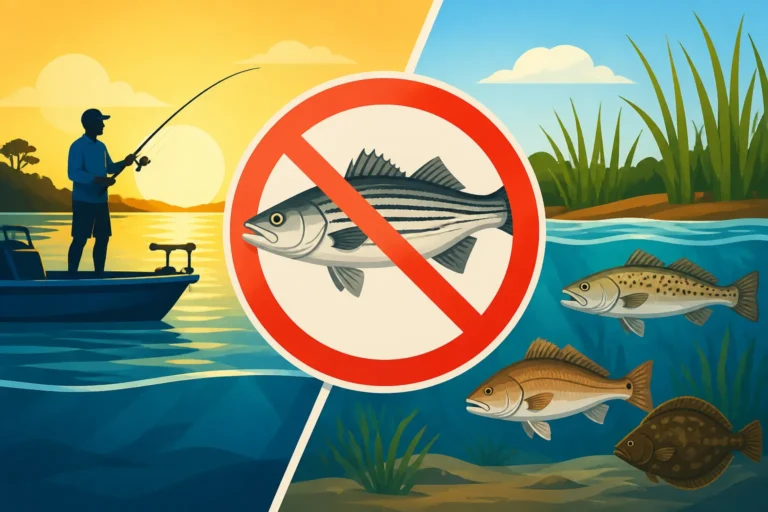
- Seasonal Closures: Some fisheries, particularly those for striped bass, have seasonal closures to protect spawning fish or reduce fishing pressure during critical periods. For example, specific spawning rivers might be closed to striped bass fishing during certain weeks in spring. Our article on Maryland Striped Bass Season and Rockfish Rules will keep you informed on these critical dates.
Staying Up-to-Date
Regulations can change. The Maryland Department of Natural Resources (DNR) updates its fishing guide annually, and sometimes mid-season adjustments are made. The best practice is to always check the most current regulations on the Maryland DNR website before each fishing trip. Downloading the "MD DNR Companion" app can also provide real-time access to rules and regulations, ensuring you're always informed. Ignorance of the law is never an excuse, and penalties for violations can be significant.
Seasonal Strategies for Year-Round Fly Fishing in Maryland
One of the great joys of fly fishing in Maryland is the ability to pursue different species throughout the year. Each season brings unique opportunities and challenges, demanding an adaptable approach.
Spring: Trout Hatches and Anadromous Runs
Spring in Maryland is a time of renewal and explosion in the fishing world. The longer daylight hours and warming waters kick everything into high gear.
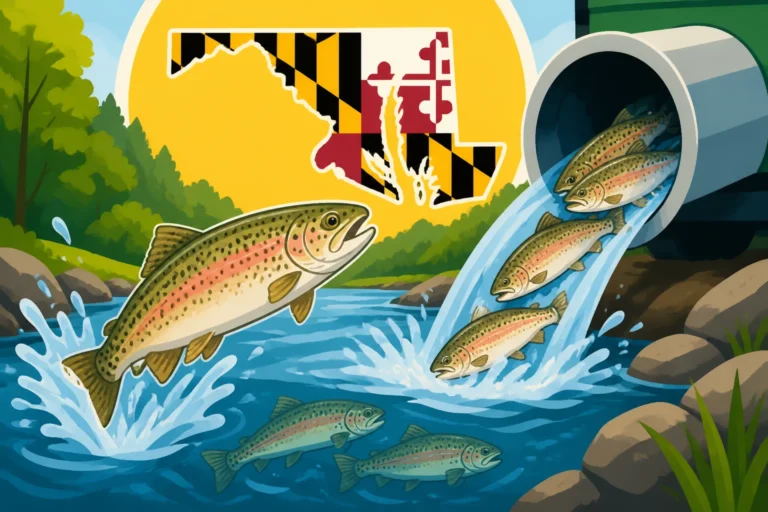
- Trout: This is prime time for trout fishing in Western Maryland. As water temperatures rise, insect hatches become prolific, leading to fantastic dry fly fishing opportunities. Caddis, Hendrickson, Sulphur, and March Brown mayflies are common. The Maryland DNR also undertakes its most extensive trout stocking operations in spring, filling put-and-take streams with catchable rainbow, brown, and golden rainbow trout. It's a busy but incredibly rewarding time. Our guide on Maryland Trout Season, Month by Month offers a detailed look at what to expect.
- White Perch: As water temperatures in the Chesapeake Bay tributaries reach the mid-50s, white perch begin their anadromous spawning runs up into freshwater creeks and rivers. They are incredibly aggressive on the fly, hitting small streamers, nymphs, and even tiny poppers. It's often non-stop action, perfect for honing casting skills and enjoying a bend in the rod.
- Striped Bass: The trophy striped bass season in the Chesapeake Bay often kicks off in spring. While many target these giants with conventional gear, dedicated fly anglers can find success sight-fishing to large fish on the flats or along channel edges, particularly as water temperatures move towards the low 50s. Large baitfish patterns are key.
Summer: Warmwater Action and Coastal Adventures
Summer sees Maryland's waters fully warm up, leading to a shift in focus for many fly anglers towards warmwater species and coastal opportunities.
- Bass and Panfish: Largemouth and smallmouth bass are highly active, especially during dawn and dusk. Topwater poppers and frog patterns fished around lily pads, submerged timber, and weed edges are incredibly exciting. Panfish like bluegill and crappie are abundant and eager to strike small flies throughout the day in reservoirs, ponds, and slow-moving rivers.
- Northern Snakehead: Summer, with its dense aquatic vegetation, is peak season for targeting northern snakehead, especially with weedless frog patterns. The aggressive topwater strikes are legendary. Focus on the tidal rivers of the Potomac and Eastern Shore.
- Chesapeake Bay and Coastal Species: While striped bass fishing might slow down in the heat of summer (and face a closure in August), other species become prominent. Flounder can be targeted in the coastal bays with shrimp and baitfish patterns. Bluefish make appearances, offering aggressive fights on streamers. Even deeper water bottom fishing for white perch can be productive. Our article on Fishing Maryland During the August Rockfish Closure details alternatives when the stripers are off-limits.
- Mountain Streams: Even in summer, the higher elevation trout streams maintain cooler temperatures, offering a respite from the heat and continued opportunities for wild trout, especially during morning and evening hours.
Fall: Prime Striped Bass and Aggressive Trout
Fall is arguably the most anticipated season for many Maryland anglers, particularly those chasing striped bass, but it's also fantastic for trout.
- Striped Bass: As water temperatures begin to drop and baitfish schools migrate, the fall striped bass run in the Chesapeake Bay kicks into high gear. This is a prime time for fly anglers to target schooling stripers, often in shallow water or chasing bait. The fish are actively feeding, preparing for their winter migration, making them aggressive and willing to strike large streamers. The "blitzes" where stripers aggressively feed on baitfish are legendary and offer incredible fly fishing opportunities.
- Trout: Fall brings a resurgence of insect activity on trout streams. Terrestrial patterns (like ants and hoppers) are still effective, and streamer fishing becomes very productive as trout become more aggressive and territorial. Many anglers also enjoy the stunning fall foliage backdrop while fishing.
- Smallmouth Bass: The smallmouth bass in the Potomac and Susquehanna rivers become highly aggressive in the fall, feeding heavily before winter. Streamers and crayfish patterns fished around rocky structure can lead to some fantastic action.
Winter: Challenging but Rewarding Opportunities
Winter might seem like an off-season for fly fishing, but for the dedicated few, Maryland still offers rewarding opportunities.
- Trout (Tailwaters): Maryland's tailwater trout fisheries, like the Gunpowder, remain productive through the winter thanks to the consistent cold water released from dams. Midges become the predominant insect, requiring delicate nymphing techniques with tiny flies. Streamer fishing can also be effective for larger, more sluggish trout. Bundling up is key! Read about Cold-Weather Fishing Tips for Maryland's Chesapeake Bay as similar principles apply to winter trout.
- Striped Bass (Catch and Release): Even in winter, there's a dedicated catch-and-release season for striped bass in certain areas of the Bay. While challenging, targeting these fish with deep-sinking lines and large streamers can yield impressive results for persistent anglers. This is an advanced pursuit, but highly rewarding for those who brave the cold.
- Blue Catfish: These invasive giants remain active in the deeper holes of tidal rivers throughout winter. While not a "traditional" fly rod species, powerful setups (9-12 weight rods) with heavy sinking lines and large meaty streamers (like articulated patterns or even chunks of cut bait if legal with a fly rod) can tempt these enormous fish. The fight is legendary, and their abundant numbers make them a great winter target for those seeking a heavy bend in the rod.
Preparing for Your Maryland Fly Fishing Adventure
A successful day on the water isn't just about having the right gear; it's also about proper preparation, safety, and a willingness to learn. Maryland's diverse waters offer challenges and rewards that can be amplified by smart planning.
Scouting and Local Knowledge
Before you even tie a fly on, a little reconnaissance goes a long way.
- Online Resources: The Maryland DNR website is an invaluable resource, providing maps of public access points, stocking schedules (for trout), and current regulations. Fishing forums and local fly fishing club websites are also treasure troves of information, with anglers sharing reports and tips. YouTube videos showing specific locations or techniques can also be highly educational.
- Local Fly Shops: One of the best resources you can tap into is your local fly shop. Shops like Great Feathers in Monkton or Backwater Angler near the Gunpowder are often run by passionate, knowledgeable individuals who can provide up-to-the-minute reports on hatches, water conditions, and what flies are working. They thrive on helping anglers succeed and are happy to share their expertise. They also stock region-specific flies and gear you might not find elsewhere.
- Scouting in Person: If possible, visit the water you plan to fish beforehand, even if just to walk the banks. Observe water levels, clarity, current speeds, and look for signs of insect activity or fish. This pre-trip scout can save you valuable fishing time. For example, knowing the best spots for Fishing the Upper Chesapeake Bay can save hours of searching.
Safety on the Water
Safety should always be your top priority, especially when wading or fishing alone.
- Wading Safety: Rivers and streams can be deceptively powerful. Always wear a wading belt to prevent your waders from filling with water in case of a fall. Use a wading staff for stability, especially in unfamiliar or swift water. Know your limits and avoid wading in overly swift or deep currents. Pay attention to weather forecasts, as heavy rains can quickly raise water levels and make conditions dangerous. If you're wading below a dam, be aware of generation schedules that can cause sudden increases in water flow.
- Boating Safety: If you're fishing from a boat or kayak in the Chesapeake Bay or its larger tributaries, always wear a U.S. Coast Guard-approved personal flotation device (PFD). Be aware of marine weather forecasts, as the Bay can kick up quickly. Carry all required safety gear (whistle, lights, fire extinguisher, etc.) and know how to use it. When kayak fishing, our guide on Kayak Fishing Safety Tips for Maryland's Chesapeake Bay is a must-read.
- Wildlife: Maryland is home to diverse wildlife. Be aware of venomous snakes (like copperheads, especially in rocky areas) and ticks. Carry bear spray if in remote western Maryland areas. Always give wildlife its space.
- Emergency Preparedness: Always let someone know where you're going and when you expect to return. Carry a fully charged cell phone (though service can be spotty in remote areas). A basic first-aid kit is essential for minor cuts and scrapes.
Local Etiquette and Conservation
Being a good steward of the resource ensures that these incredible fishing opportunities remain for future generations.
- Respect Private Property: Always be aware of property lines and respect private land. Trespassing is illegal and gives all anglers a bad name. Stick to public access points unless you have explicit permission.
- Leave No Trace: Pack out everything you pack in, including all trash, discarded fishing line, and old leaders. Leave the stream or shoreline cleaner than you found it.
- Courtesy to Other Anglers: Give other anglers ample space. Don't crowd someone's fishing spot or wade directly upstream or downstream of them without asking. A simple nod or "hello" can go a long way.
- Practice Catch and Release Ethically: If you're fishing a catch-and-release area or intend to release fish, handle them with care. Keep them in the water as much as possible, use a rubberized net, and avoid excessive handling. Wet your hands before touching fish.
- Support Conservation: Consider joining local conservation groups or organizations that work to protect and enhance Maryland's aquatic habitats. Your support, whether through membership or volunteering, directly impacts the health of the fisheries you enjoy.
Preserving Maryland's Fly Fishing Heritage
Fly fishing isn't just a pastime; it's a culture, a community, and a deep appreciation for the natural world. Ensuring that Maryland's diverse fly fishing opportunities remain vibrant for generations to come requires a collective commitment to conservation and responsible angling practices.
The Role of Anglers in Conservation
Every angler has a part to play in protecting our waters and the fish within them. It's not just the responsibility of state agencies; it's a shared duty.
- Advocacy: Become an advocate for clean water and healthy fisheries. Support organizations like Trout Unlimited, the Coastal Conservation Association Maryland, or local watershed groups that are actively working to improve water quality, restore habitats, and protect fish populations. Their work often involves critical legislative efforts, scientific research, and hands-on restoration projects that directly benefit fly fishing.
- Citizen Science: Participate in citizen science initiatives. Many groups monitor water quality, conduct fish counts, or track invasive species. Reporting your catches, especially of invasive species like blue catfish or snakeheads, to the Maryland DNR helps them track populations and manage fisheries more effectively. Knowing about Maryland's DNR Fishing and Boating Guide, Explained is a great start.
- Ethical Angling Practices: Beyond just following the regulations, embrace a broader ethic of conservation. This includes careful handling of all fish, especially those intended for release, minimizing disturbance to the environment, and always leaving the area better than you found it. This goes a long way in setting a positive example for others and demonstrating respect for the resource.
Habitat Restoration and Protection Efforts
Much of what makes a great fly fishing destination is healthy habitat. Maryland's diverse waters face various pressures, from development and pollution to climate change.
- Riparian Buffers: Healthy stream banks with native vegetation are crucial. These "riparian buffers" filter pollutants, stabilize banks, provide shade to keep water cool (essential for trout), and contribute insect life to the stream. Support efforts to plant trees and shrubs along waterways.
- Water Quality: Pollution, whether from agricultural runoff, urban stormwater, or industrial discharges, degrades water quality and harms aquatic life. Fly anglers often have a keen interest in water quality, as clear, clean water is essential for healthy fish populations and successful fishing. Supporting initiatives to reduce nutrient and sediment pollution in the Chesapeake Bay and its tributaries is paramount.
- Invasive Species Management: The fight against invasive species like the northern snakehead and blue catfish is ongoing. While these species offer unique fly fishing challenges, their unchecked proliferation threatens native ecosystems. Adhering to regulations that encourage their harvest and preventing their spread (e.g., never moving live fish between water bodies) is a direct contribution to conservation. Our guide on Why Maryland Wants Anglers to Kill Invasive Fish explains the ecological reasons.
By actively participating in conservation, educating ourselves, and practicing responsible angling, we can all contribute to preserving the incredible fly fishing heritage that Maryland offers. From the delicate dances with wild trout in mountain streams to the explosive battles with striped bass in the Bay, these experiences are a treasure worth protecting.
Disclaimer
Fishing can be an inherently dangerous activity. Always prioritize safety, wear appropriate personal protective equipment, and be aware of your surroundings. Regulations can change frequently; always consult the most current Maryland Department of Natural Resources (DNR) guidelines before fishing. This guide is for informational purposes only and does not constitute legal advice or an exhaustive list of all regulations.