Northern Snakehead in Maryland Waters
For many anglers in Maryland, the sight of a Northern Snakehead used to be a shocking and often confusing encounter. These fish, with their distinctive patterns and aggressive nature, have truly changed the landscape of our freshwater and brackish fisheries, and understanding them is crucial for anyone wetting a line in Maryland today. This guide will walk you through everything you need to know about Northern Snakeheads in Maryland, from how they got here to how you can effectively target and manage them.
The Uninvited Guest: Understanding the Northern Snakehead's Arrival
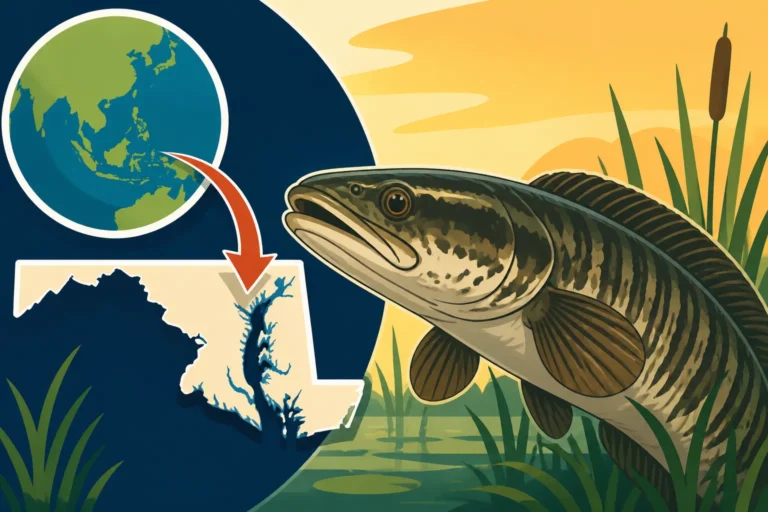
The Northern Snakehead, a predatory fish native to parts of Asia, isn't something Maryland anglers grew up with. Its presence in our waters is a relatively recent phenomenon, one that has stirred up a lot of controversy, concern, and, let's be honest, a fair bit of intrigue among fishermen looking for a new challenge. You see, when a new species shows up unexpectedly, especially one with such a fearsome reputation, it’s bound to get people talking.
Where Did They Come From?
The story of the Northern Snakehead in Maryland is a classic tale of an invasive species, likely introduced through accidental or intentional release by individuals. It's believed that they were initially brought to the United States for food markets or as aquarium fish. The first confirmed sighting in Maryland was in a pond in Crofton back in 2002. Imagine the surprise! A species completely foreign to our ecosystem, suddenly thriving in a local pond. This wasn't some natural migration; this was a human-caused introduction, and the ramifications quickly became apparent.
Once established, these fish proved incredibly resilient. They can tolerate a wide range of conditions, from murky, warm ponds to brackish tidal rivers, which makes Maryland's diverse waterways an ideal home. Their ability to breathe atmospheric oxygen and even survive out of water for short periods (under moist conditions) certainly adds to their mystique and their ability to spread beyond their initial point of introduction. They don't walk on land like some horror movie creature, but they can certainly make it across a damp patch of grass from one water body to another if the conditions are right.
Identifying a Northern Snakehead
Knowing what you're looking at is half the battle, especially when a catch might have specific handling requirements. The Northern Snakehead has a very distinctive appearance that, once you've seen it, is hard to mistake for anything else in Maryland waters. Anglers often describe them as having a "snake-like" head, which is where they get their name, of course.
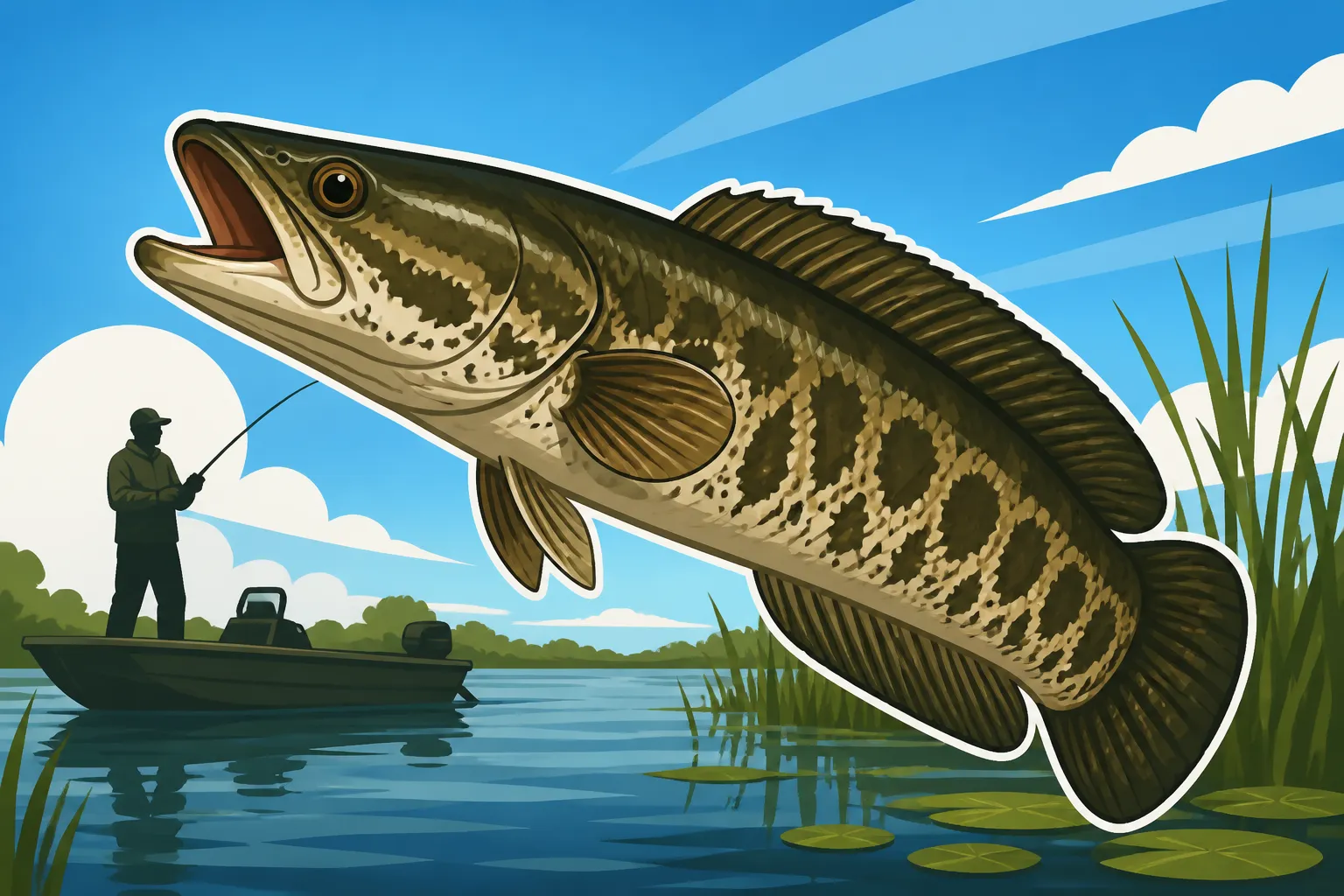
They typically have a long, slender body, often mottled with dark blotches and a tan or brown background, giving them excellent camouflage in vegetated waters. One of the most defining features is their elongated dorsal fin, which runs almost the entire length of their back and lacks any spines. Their pelvic fins are located directly under their pectoral fins, a key identifier. Unlike our native bowfin, which also has an elongated dorsal fin and can be confused, the snakehead’s anal fin is also very long. Their teeth are quite prominent, sharp, and numerous, designed for grasping prey. Pay close attention to these details because mistakenly identifying a native fish as a snakehead could lead to an accidental violation. If you're ever unsure, it's always best to err on the side of caution or consult a reliable identification guide like the one provided by the Maryland Department of Natural Resources (DNR). For a deeper dive, check out How to Identify a Northern Snakehead in Maryland.
Where They've Made Their Home: Snakehead Distribution in Maryland
It's been quite a journey for the Northern Snakehead from that first sighting in Crofton. They didn't stay confined to one pond for long, and their spread across Maryland's varied aquatic environments has been significant. Understanding where they are prevalent is key for anglers looking to target them or simply be aware of their presence.
Favorite Habitats
Northern Snakeheads are incredibly adaptable, which is a major factor in their success as an invasive species. They thrive in shallow, heavily vegetated waters, making many of Maryland's tidal rivers and creeks perfect hunting grounds. Think slow-moving rivers, backwater ponds, and marshy areas with plenty of submerged grass, lily pads, or other aquatic plants. These dense areas provide excellent ambush cover for them to stalk their prey. You'll often find them lurking just under the surface, perfectly camouflaged among the greenery. This preference for thick cover also makes them a challenging and exciting target for anglers, as getting your lure into these spots requires precision.
They can tolerate a range of salinity levels, which is why they've been able to expand from freshwater ponds into the brackish waters of the Chesapeake Bay tributaries. This adaptability allows them to colonize new areas relatively quickly, especially after heavy rains or flooding events that can help them navigate new routes.
Major Strongholds in Maryland
While snakeheads can pop up almost anywhere with suitable habitat, some areas in Maryland have become renowned strongholds for these fish. The Potomac River system is arguably the most famous. From the tidal sections near Washington D.C. down to its confluence with the Chesapeake Bay, the Potomac and its countless creeks and embayments offer prime snakehead habitat. Anglers from all over the region flock to the Potomac, particularly its quieter backwaters, specifically to target these fish. Fishing the Potomac for Blue Catfish and Where to Catch Snakehead on the Potomac River provide more insights into fishing this prolific river system.
Beyond the Potomac, they've also established significant populations in other Chesapeake Bay tributaries on both the Western and Eastern Shores. Rivers like the Nanticoke, the Blackwater, the Wicomico (on the Eastern Shore), and even some sections of the Patuxent River are now well-known for their snakehead populations. Local knowledge is invaluable here; talking to bait shop owners or other anglers will often give you the freshest information on where the bite is hot.
Why They're a Problem: The Invasive Impact
The arrival and proliferation of the Northern Snakehead in Maryland isn't just an interesting biological anecdote; it's a serious ecological concern. While they provide an exciting challenge for sport fishermen, their status as an invasive species means they pose a significant threat to our native fish populations and the delicate balance of our aquatic ecosystems.
Threat to Native Species and Ecosystems
Northern Snakeheads are voracious predators. They sit at the top of the food chain in many of the habitats they invade, and their diet consists of whatever they can overpower – primarily other fish, but also frogs, small crustaceans, and even ducklings. The real worry is that they compete directly with native predators like largemouth bass for food and habitat. Over time, this competition can put immense pressure on native species, potentially leading to declines in their numbers. Imagine a new, aggressive neighbor moving into your block and outcompeting all the existing residents for resources – that's essentially what's happening.
Their reproductive strategy also contributes to the problem. Snakeheads are prolific breeders, producing multiple clutches of eggs throughout the warmer months. They also exhibit parental care, aggressively guarding their nests and young, which significantly increases the survival rate of their offspring. This combination of predatory efficiency and rapid reproduction means their populations can explode, quickly overwhelming areas and outcompeting native fish for critical resources. This is why the state is so keen on anglers helping to control their numbers.
The "Kill on Sight" Mandate and No Release Rule
Because of their invasive nature and the potential harm they can inflict, Maryland has a strict "kill on sight" mandate for Northern Snakeheads. This isn't about being cruel; it's a critical management strategy to try and curb their spread and impact. If you catch a Northern Snakehead in Maryland, you are legally required to humanely kill it and not release it back into the water. This rule is absolute, regardless of size or whether you intend to keep it. The rationale behind this is simple: every snakehead removed from the ecosystem is one less predator competing with native fish and one less fish reproducing.
Transporting a live snakehead is also illegal and carries severe penalties. The last thing anyone wants is for an angler to inadvertently (or intentionally) introduce this species to new waters. So, once it's on the boat or shore, it stays there. Anglers need to be prepared with a blunt object or a knife to quickly and humanely dispatch the fish. Don't worry, they're quite hardy, so a swift blow to the head or severing the spinal cord behind the head are common methods. This is why it's vital to know Why Snakehead Can't Be Released in Maryland and Fine for Transporting a Live Snakehead in Maryland.
The Thrill of the Hunt: Fishing Techniques for Snakeheads
Despite their invasive status, or perhaps because of it, Northern Snakeheads have become a highly sought-after sport fish in Maryland. They are incredibly aggressive, put up a fantastic fight, and offer a unique angling experience. Targeting them successfully often requires specific techniques and a good understanding of their behavior.
Lure Selection and Presentation
Snakeheads are ambush predators, often lurking in dense cover. This means your lure selection and how you present it are paramount. Topwater lures are incredibly popular and effective, especially in the warmer months when snakeheads are most active near the surface. Frog imitations, buzzbaits, and walk-the-dog style baits that can be retrieved over lily pads and through heavy grass are excellent choices. The explosive strike of a snakehead on a topwater lure is truly something to experience – it's often violent and heart-stopping! Many anglers have great luck with specific brands of hollow-body frogs, which can be found readily on sites like Amazon, alongside robust buzzbaits that churn the water surface.
When topwater isn't working, or the fish are holding deeper in the vegetation, weedless soft plastics are your next best friend. Flukes, swimbaits, and creature baits rigged Texas-style can be punched through thick cover or retrieved slowly along weed lines. Jigging spoons or chatterbaits can also elicit strikes, especially if there's a bit more open water or slightly deeper holes within the vegetation. The key is to present your lure right in their face, or very close to their likely hiding spots. For more detailed advice, check out Techniques for Catching Snakehead in Maryland and Fishing Topwater Lures for Maryland Snakehead.
Rods, Reels, and Line
Given the heavy cover and the powerful fight these fish put up, robust gear is essential. You'll want a medium-heavy to heavy action baitcasting rod, typically in the 7 to 7.6-foot range. This provides the backbone needed to pull fish out of thick vegetation and handle their strong runs. Pair this with a sturdy baitcasting reel that has a good drag system and a fast retrieve ratio, which helps in quickly picking up slack line after a strike.
As for line, braid is king for snakehead fishing. Its lack of stretch provides excellent sensitivity for detecting subtle bites and superior strength for cutting through weeds and muscling fish out of heavy cover. A braided line in the 40 to 65 lb test range is a good starting point. Some anglers add a short fluorocarbon leader (20-30 lb test) for abrasion resistance, especially if fishing around submerged wood or sharp rocks, though this can sometimes hinder weedless presentations. Strong, sharp hooks are also non-negotiable; snakeheads have bony mouths, and a dull hook will often result in a missed fish. Don't forget, these fish have teeth, so consider using a wire leader if you're experiencing frequent bite-offs, though many anglers find that heavy braid is sufficient.
Timing Your Strike: Best Seasons and Times
Like any fish, Northern Snakeheads have specific seasons and times when they are most active and therefore most susceptible to an angler's efforts. Understanding these patterns can dramatically increase your success rate and make your time on the water more productive.
Seasonal Patterns
Spring is a fantastic time to target snakeheads in Maryland. As water temperatures begin to rise, these fish become increasingly active after their winter lethargy. They move into shallower, vegetated areas to feed heavily in preparation for spawning. This pre-spawn period often sees them aggressively hitting a variety of lures. Later in spring, they will begin to spawn, and during this time, they become extremely protective of their nests and young. Targeting them during this parental care phase can be very effective, as they will strike at anything perceived as a threat to their fry.
Summer brings consistent action, especially in the early mornings and late evenings. The high heat of midday can sometimes make them sluggish, but they will still be found in their preferred shallow, vegetated haunts. Topwater fishing truly shines during the summer months. As fall approaches and water temperatures cool, snakeheads continue to feed heavily to build up reserves for winter. They might start moving out of the very shallowest waters and into slightly deeper edges of the vegetation or channel drop-offs, but they remain active until the water gets quite cold. Winter fishing for snakeheads is possible, but it typically requires different tactics, focusing on deeper holes or slower presentations.
Best Time of Day
Snakeheads, much like largemouth bass, are often most active during periods of low light. Early mornings, just as the sun is coming up, and late evenings, leading into dusk, are prime times. During these windows, they are more likely to be actively hunting and less wary, making them more prone to striking surface lures. The low light also provides them with an advantage when ambushing prey.
However, don't rule out cloudy days or periods after a good rain. These conditions can often extend their feeding windows throughout the day. In sunny, clear conditions, they tend to burrow deeper into the thickest cover, making them harder to reach. When the sun is high and bright, try fishing the shaded edges of vegetation or under overhanging branches, as these spots provide relief from the sun and ambush points. For further reading, take a look at Best Time of Day to Catch Snakehead in Maryland and Where Snakehead Feed in Shallow Maryland Water.
Beyond the Fight: Handling and Consumption
Catching a Northern Snakehead is one thing, but knowing what to do with it once it's landed is equally important, both for compliance with regulations and for enjoying the fruits of your labor. These fish might be invasive, but they are also quite tasty!
Humane Dispatch and Handling
As mentioned earlier, the rule is clear: if you catch a Northern Snakehead, you must humanely kill it. This isn't just a suggestion; it's a legal requirement designed to prevent their further spread. The most common and humane methods involve a swift, hard blow to the head with a blunt object (like a priest or a small bat) or severing the spinal cord just behind the head. These methods ensure a quick death.
Once dispatched, it's a good idea to bleed the fish, especially if you plan on eating it. A quick cut to the gills will allow the blood to drain, resulting in cleaner, better-tasting fillets. Handle them carefully even after they're dead; those teeth are still sharp! A cooler full of ice is the best way to transport your catch, keeping the meat fresh until you can process it. Remember, transport of live snakeheads is illegal, so always ensure they are deceased before leaving the fishing spot.
Are They Good to Eat? Absolutely!
Here's the silver lining for anglers and a great way to contribute to controlling this invasive species: Northern Snakeheads are delicious! Their flesh is firm, white, flaky, and has a mild, almost sweet flavor, often compared to cod or snapper. They are not oily or "fishy" in taste, making them appealing to a wide range of palates, even those who claim not to like fish. In fact, many restaurants in Maryland have embraced snakehead as a sustainable and local option. To get into the specifics, read Are Snakehead Good to Eat?.
There are countless ways to prepare snakehead. They can be pan-fried, grilled, baked, or even made into fish tacos. Because of their firm texture, they hold up well to various cooking methods and seasonings. Filleting them requires a sturdy, sharp knife, which you can easily find on Amazon. Some anglers find them a bit challenging to fillet due to their bony structure, but with practice, it becomes easier. Think of it as another skill to master on your snakehead journey!
The Angler's Role in Management and Conservation
While the Maryland Department of Natural Resources (DNR) works tirelessly on various conservation efforts, anglers play a uniquely crucial role in managing the Northern Snakehead population. Every fish you catch and remove makes a difference, turning what could be a purely detrimental problem into a sporting opportunity with a conservation benefit.
Reporting and Education
Beyond dispatching every snakehead you catch, there's another valuable step you can take: reporting your catches to the Maryland DNR. While it might seem like a small act, these reports help biologists track the species' distribution, population density, and potential new areas of colonization. This data is vital for understanding the effectiveness of management strategies and for identifying new hot spots that might require more focused attention. Reporting platforms are usually available through the DNR's website or dedicated apps.
Education is also key. Many people, especially those new to fishing or visiting from out of state, might not be aware of the "kill on sight" rule or the reasons behind it. As responsible anglers, we can help by gently educating others on the importance of not releasing snakeheads and how to properly identify them. Sharing your knowledge can help prevent accidental introductions and foster a community of informed, responsible fishermen. Make sure you're up-to-date on Maryland Invasive Fish Rules: Blue Catfish and Snakehead.
Tournament Fishing and Incentives
To further encourage anglers to remove Northern Snakeheads, various fishing tournaments and initiatives have emerged across Maryland. These events often offer prizes for the most snakeheads caught, the largest fish, or simply for participation in the effort. These tournaments not only help reduce snakehead numbers but also raise awareness and create a sense of community among anglers who are passionate about both fishing and conservation.
Beyond organized events, some areas might have ongoing bounty programs or other incentives to encourage anglers to target and remove snakeheads. While the primary motivation for many is the thrill of the catch and the excellent table fare, these additional incentives can certainly sweeten the deal. Always check with the Maryland DNR or local fishing clubs for information on current programs or tournaments in your area. What to Do If You Catch a Snakehead in Maryland covers additional guidance.
Snakehead Myths Versus Reality
Like many creatures with an intimidating appearance and an invasive reputation, the Northern Snakehead has become the subject of numerous myths and exaggerations. While they are indeed a formidable species, separating fact from fiction is important for understanding their true impact and for approaching them with realistic expectations as an angler.
The "Walking Fish" Myth
One of the most persistent myths is that Northern Snakeheads can "walk" on land, traveling great distances to find new water. While it's true they can survive out of water for extended periods – sometimes several days if kept moist and cool – and can wriggle across damp ground for short distances, they are not actively marching overland like some kind of amphibious creature from a science fiction movie. Their primary method of spreading between connected waterways is by swimming.
Their ability to breathe atmospheric oxygen through a specialized organ allows them to survive in oxygen-depleted waters where other fish might perish, and it certainly aids in their survival if they get stranded in a shallow puddle or a low-oxygen backwater. This survival mechanism, however, is often misinterpreted as an ability for overland travel. The truth is impressive enough without the need for embellishment; their resilience is a key factor in their success as an invasive species. Can Snakehead Really Move on Land? dives deeper into this topic.
Danger to Humans and Other Misconceptions
Another common misconception is that Northern Snakeheads are dangerous to humans. While they are powerful predators with sharp teeth and will aggressively defend their nests, there's no evidence to suggest they pose a direct threat to swimmers or waders. Like any wild animal, they should be treated with respect, and care should be taken when handling them (especially to avoid those sharp teeth and gill plates). They are not known to attack people unprovoked, and most interactions are limited to anglers catching them.
Some also mistakenly believe that snakeheads will completely wipe out all other fish species in a given water body. While their impact can be significant, ecosystems are complex, and it's rare for one species to completely eliminate all others. Their presence certainly stresses native populations, but often a new ecological balance is struck. The goal of management isn't necessarily total eradication, which is often impossible for widespread invasive species, but rather control and mitigation of their impact to protect native fish to the greatest extent possible.
Final Thoughts on Maryland's Snakehead Situation
The Northern Snakehead is a fascinating and undeniably challenging fish that has carved out a unique niche in Maryland's diverse aquatic environments. While their presence is a stark reminder of the challenges posed by invasive species, they also offer anglers a thrilling new target and a chance to contribute directly to conservation efforts.
From the quiet, vegetated backwaters of the Potomac to the marshy creeks of the Eastern Shore, these fish have spread, adapting and thriving. Anglers who learn their habits, master the right techniques, and equip themselves with appropriate gear are finding immense satisfaction in targeting them. The explosive topwater strikes, the powerful fights, and the knowledge that each fish removed helps protect native species create a uniquely rewarding experience. And let's not forget the delicious fillets that make for a fantastic meal!
So, the next time you're out on Maryland's waters, keep an eye out for that distinctive snake-like head. If you hook into one, embrace the fight, remember your responsibility to dispatch it humanely, and perhaps even enjoy a fantastic dinner afterward. By understanding and actively engaging with the Northern Snakehead, we can all play a part in managing this invasive species and enjoying the dynamic fishing opportunities Maryland continues to offer.
Disclaimer
This article is for general informational purposes only and does not constitute professional advice. Laws, prices and regulations vary by location and change over time. Consult a qualified professional for guidance on your specific situation.