Maryland Trout Species Guide
For anglers venturing into Maryland's diverse waterways, figuring out which trout species you're likely to encounter, and what makes each one special, can be a real head-scratcher. From the wild mountain streams to the heavily stocked ponds, each trout has its own story, habitat, and fishing challenge. This comprehensive guide will unravel the mysteries of Maryland's trout, helping you understand their characteristics, preferred environments, and the best ways to responsibly pursue them.
The Allure of Maryland Trout Fishing
There's something truly magical about trout fishing in Maryland. Maybe it's the crisp, cool air of a mountain stream, the anticipation of a subtle bite, or the vibrant colors of a freshly caught fish. Maryland offers a surprising array of trout opportunities, from robust stocking programs that ensure plenty of action for casual anglers to pristine wild waters holding elusive native species. It’s not just about catching fish; it's about connecting with nature, understanding delicate ecosystems, and appreciating the beauty of these cold-water gems. Many anglers find themselves drawn to the pursuit of trout year after year, perfecting their techniques and exploring new, hidden pockets of beauty.
The challenge, of course, comes with understanding the nuances. Not all trout are created equal, and knowing your target species can significantly improve your success and your overall experience on the water. Maryland's Department of Natural Resources (DNR) works tirelessly to manage and enhance these fisheries, but it's up to us as anglers to be informed and respectful of the regulations and the fish themselves. The learning curve can feel steep at first, especially when you're trying to differentiate between a wild fish and a recently stocked one, or figuring out the specific rules for a particular stream. But trust me, the reward of cracking that code is immensely satisfying.
Why Trout Are So Special in Maryland
Trout hold a special place in the hearts of many Maryland anglers, and for good reason. They are indicator species, meaning their presence often signals a healthy, clean aquatic environment, particularly one with cold, oxygen-rich water. This is why you'll find them predominantly in the cooler tributaries and mountain streams of Western Maryland, though stocking efforts bring them to many other parts of the state. The act of pursuing trout often takes you to some of the most scenic and tranquil spots Maryland has to offer, away from the hustle and bustle of everyday life. It's an escape, a meditation, and a test of skill all rolled into one.
Beyond their environmental significance, trout are also renowned for their beauty and fighting spirit. Whether it’s the iridescent shimmer of a rainbow, the intricate spots of a brown, or the striking vermiculations of a brook trout, each species is a natural work of art. And when hooked, they put up a spirited fight, making every catch a memorable one. They require a certain finesse and understanding of their behavior, which adds to the allure for many experienced anglers seeking a true challenge. The varying regulations, like those for Maryland Trout Stamp Requirements or Maryland Trout Daily Creel Limit, are all designed to protect these precious resources, ensuring future generations can enjoy the same incredible fishing opportunities we do today.
Rainbow Trout: The Stocked Workhorse of Maryland
When most people think about trout fishing in Maryland, the rainbow trout is likely the first species that comes to mind. These vibrant fish are undoubtedly the most common trout encountered by anglers across the state, primarily due to the Maryland DNR's extensive stocking program. They are a fantastic entry point for new anglers and provide consistent action for seasoned veterans, making them incredibly popular. You'll find them thriving in both put-and-take scenarios and some wilder, self-sustaining populations in colder streams.
The beauty of the rainbow trout lies in its adaptability and willingness to strike a variety of baits and lures. This makes them a perennial favorite, especially during the spring and fall stocking seasons when streams and ponds are brimming with fresh fish. Their relatively aggressive nature means that even a beginner can often experience success, building confidence and fostering a love for the sport. And let's be honest, who doesn't love the thrill of that first solid tug on the line?
Identification and Characteristics of Rainbow Trout
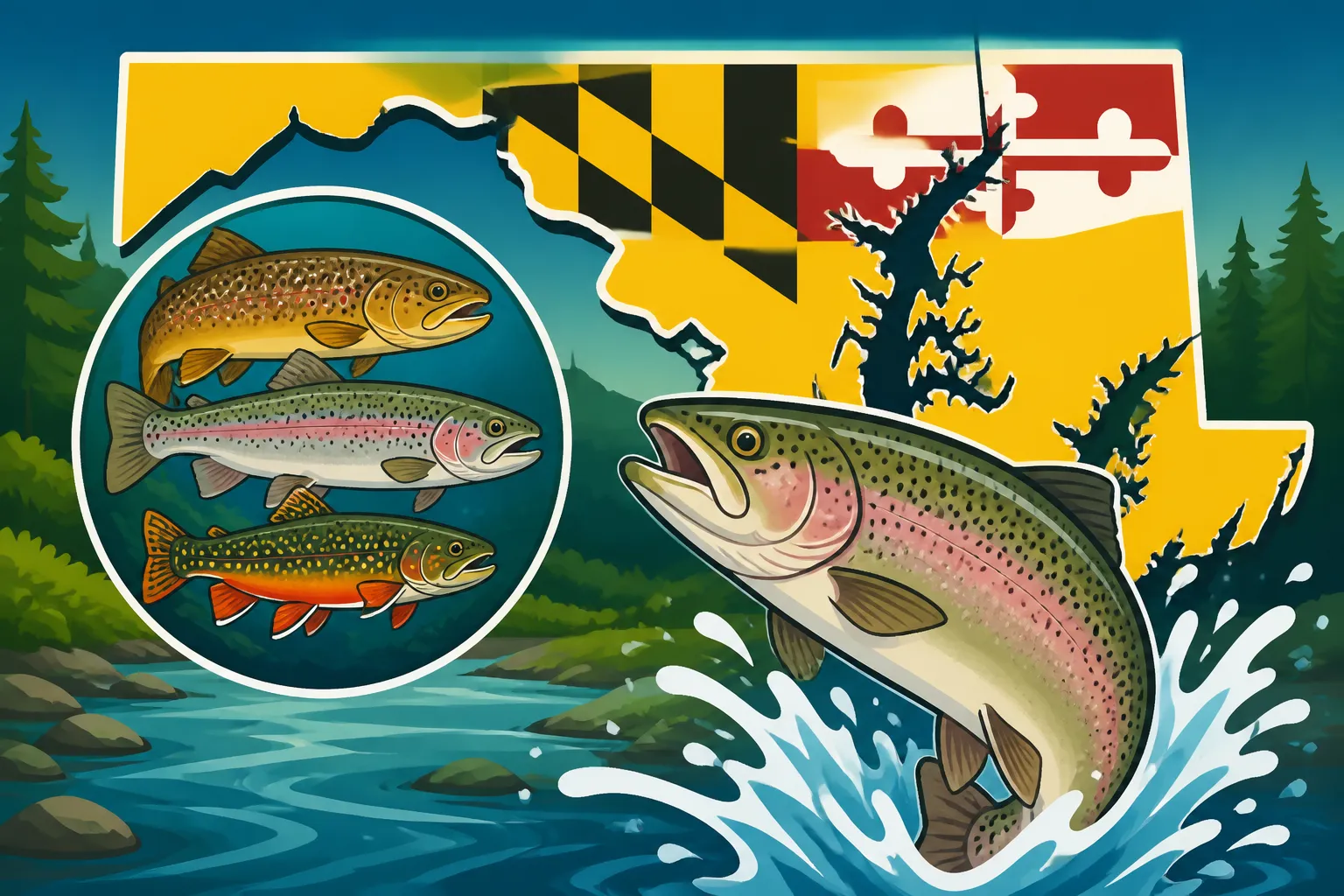
Rainbow trout are named for the distinctive, iridescent pinkish-red band that runs horizontally along their sides, often most prominent in males during spawning season. Their bodies are typically silver-gray to olive-green on the back, fading to a lighter, silvery belly. They are also easily identifiable by the numerous small black spots that cover their back, sides, and fins, including the caudal (tail) fin. These spots are usually more uniformly distributed than on, say, a brown trout.
Size-wise, stocked rainbows in Maryland often range from 10 to 15 inches, though larger "trophy" fish are occasionally included in stockings, offering a shot at something truly substantial. Wild or stream-bred rainbows, found in a few select areas, tend to be smaller, generally ranging from 6 to 12 inches, but their vibrant colors and wild instincts make them a prize nonetheless. Their mouth is relatively small, but they have sharp teeth designed for grabbing insects and small baitfish. When you hook one, especially in clear water, their energetic leaps and runs are truly a sight to behold.
Stocking Programs and Put-and-Take Fishing
Maryland's DNR invests heavily in its rainbow trout stocking program, ensuring that anglers across the state have ample opportunities to catch these popular fish. The majority of these fish are raised in state hatcheries and released into designated "put-and-take" trout waters. These are typically easily accessible streams, rivers, and ponds, chosen for their public access and ability to hold trout for a period, even if they aren't cold enough to sustain a year-round wild population.
The stocking events, especially in spring, create a buzz of excitement. Anglers eagerly await the announcements, flocking to their favorite spots. It's a fantastic way to introduce children and new anglers to the sport, as success rates are generally high. You'll often see families setting up along these streams, baiting hooks with corn, power bait, or worms, enjoying a day outdoors. While some might view put-and-take fishing as less "challenging" than pursuing wild trout, it serves a crucial role in providing widespread recreational opportunities and supporting the angling community. It's a different experience, certainly, but one that brings a lot of joy to many. Keep an eye on the DNR's stocking schedules if you want to hit the streams right after a fresh delivery!
Preferred Habitats and Behavior
Rainbow trout, while cold-water species, are a bit more tolerant of slightly warmer temperatures than brook trout. They thrive in well-oxygenated streams, rivers, and even lakes where water temperatures remain below 70°F (21°C) for most of the year. In Maryland, you'll find them in the cold mountain streams of Garrett and Allegany counties, as well as numerous other streams and impoundments that are regularly stocked. They often prefer areas with a good current, seeking out eddies, riffles, and pools where they can find cover and ambush prey.
Their diet is quite varied, consuming aquatic insects (both larval and adult forms), small crustaceans, minnows, and even terrestrial insects that fall into the water. This opportunistic feeding behavior is why they respond well to a wide range of baits and lures. When fishing for them, pay attention to current seams, undercut banks, and submerged structures like logs or rocks, as these are prime hiding and feeding spots. In stocked ponds, they might cruise open water but will also seek out the cooler, deeper sections during warmer periods. Understanding these habits is key to successful rainbow trout fishing, whether you're using a simple worm on a hook or a carefully presented fly.
Brown Trout: Maryland's Elusive European
If rainbow trout are the eager students of the stream, brown trout are often considered the wily professors. Introduced from Europe in the late 19th century, brown trout have established themselves in many parts of Maryland, creating both self-sustaining wild populations and supplementing stocked fisheries. They are revered for their cautious nature, their incredible fighting strength, and their stunning, often highly camouflaged appearance. Catching a truly wild Maryland brown trout is often seen as a significant achievement for any angler.
Brown trout tend to be more nocturnal and elusive than rainbows, making them a greater challenge to pursue. They are masters of their environment, using structure and shadows to their advantage, and their predatory instincts are highly developed. This species is a true testament to the reward that comes with patience and refined technique, often demanding a more subtle approach and careful presentation. It's a fishing experience that builds character and sharpens your skills like few others can.
Identifying Features and Characteristics
Brown trout are easily distinguished from rainbows by their unique coloration and spotting pattern. Their backs are typically olive-green to light brown, fading to a creamy or yellowish belly. What truly sets them apart are the prominent dark spots, often surrounded by lighter halos, scattered across their sides. Many brown trout also feature distinctive red or orange spots, sometimes ringed with blue, adding to their striking appearance. Unlike rainbow trout, their caudal (tail) fin usually has few to no spots.
These fish often grow larger than rainbows in similar conditions, and wild brown trout can reach impressive sizes in Maryland's more robust cold-water streams. While stocked browns typically mirror rainbow sizes, a wild, stream-bred brown of 15-20 inches is a true trophy. Their heads are often proportionally larger than rainbows, and they possess a more pronounced, somewhat aggressive jawline, hinting at their predatory nature. Their thick, muscular bodies are built for power and endurance, making them formidable fighters when hooked.
Wild vs. Stocked Brown Trout Populations
Maryland is fortunate to have a mix of wild, self-sustaining brown trout populations and waters that receive stocked brown trout. The wild populations are primarily found in the colder, more remote streams of Western Maryland, particularly in Garrett and Allegany counties. These are typically clear, pristine waters with abundant natural food sources and suitable spawning habitat. Pursuing wild brown trout requires a delicate touch, stealth, and often a keen understanding of entomology for fly anglers. These fish are incredibly wary and will vanish at the slightest disturbance.
Stocked brown trout, on the other hand, are released into many of the same put-and-take waters as rainbows, especially in the early spring and fall. These fish provide additional diversity for anglers and can sometimes grow quite large, particularly if they evade initial harvest pressure. However, their survival rate long-term in warmer waters is lower than their wild counterparts. The experience of fishing for a recently stocked brown is different from the pursuit of a native wild fish, but both offer unique challenges and rewards. Understanding the distinction helps anglers appreciate the specific management efforts in place for each type of fishery, like those in designated Maryland Delayed Harvest Trout Waters Explained.
Preferred Habitat and Fishing Strategies
Brown trout exhibit a strong preference for colder water than many other species, generally thriving in temperatures below 65°F (18°C). They are masters of camouflage and often hug tight to cover. You'll find them lurking under undercut banks, beneath submerged logs, around large boulders, and in deep pools, especially where there's overhead cover. These spots offer both protection from predators and prime ambush points for unsuspecting prey. They tend to be more active feeders during low-light conditions, such as dawn, dusk, or even at night, particularly for larger specimens.
When it comes to fishing strategies, stealth is paramount. Long casts and careful approaches are necessary to avoid spooking these wary fish. For bait anglers, worms, live minnows (where legal), or even prepared trout baits can be effective. Spin fishermen often have success with small spinners, spoons, or jerkbaits that imitate baitfish. Fly anglers frequently use streamers, nymphs, and dry flies, carefully matching the local insect hatches or imitating smaller fish. Think about their predatory nature; larger browns are definitely looking for a meal that offers a good caloric payoff. You can find a good selection of trout-specific lures and baits on Amazon that are perfect for tempting these elusive fish, or by visiting a local tackle shop that specializes in Maryland trout fishing.
Brook Trout: Maryland's Native Gem
Among the various trout species found in Maryland, the brook trout holds a special place. It is Maryland's only native trout, a true cold-water specialist whose presence signifies a pristine and healthy stream environment. Often referred to as "brookies," these fish are not actually true trout but rather char, a close cousin. Their vibrant coloration and the untouched beauty of their habitats make them highly prized by conservation-minded anglers. Catching a native Maryland brook trout is more than just a fishing experience; it's a connection to the state's natural heritage.
The pursuit of brook trout often involves hiking into remote, headwater streams, navigating dense foliage, and employing ultra-light tackle with a delicate touch. These aren't the fish you'll find in heavily stocked ponds. They demand respect for their fragile environment and a commitment to conservation. For many, the reward is not just the catch, but the entire journey into Maryland's wild, untouched places.
Distinctive Features of Brook Trout
Brook trout are arguably the most strikingly beautiful of Maryland's trout species. Their backs are a dark olive-green, adorned with worm-like markings called "vermiculations" that extend onto their dorsal fin. Their sides are typically darker, featuring scattered red spots, often with blue halos, similar to brown trout, but usually more vibrant and numerous. What truly sets them apart, however, are their lower fins (pelvic, pectoral, and anal fins) which are edged with a bright white leading edge, followed by a dark line, and then a brilliant orange or red. This "tri-color" fin pattern is unmistakable.
While their beauty is undeniable, brook trout are generally the smallest of Maryland's trout, especially in wild populations. Most stream-dwelling brookies will range from 6 to 10 inches, though some individuals in larger, richer environments might grow a bit bigger. Despite their small size, they are aggressive feeders and surprisingly strong fighters, especially when hooked in a strong current. Their vivid colors serve as excellent camouflage in the dappled light of their native streams.
Native Habitat and Conservation Efforts
Maryland's wild brook trout populations are restricted to the coldest, cleanest, and most oxygenated headwater streams, predominantly in Garrett and Allegany counties, with isolated pockets in other areas with suitable spring-fed tributaries. These streams are characterized by dense riparian buffers (trees and vegetation along the banks), which help keep water temperatures cool, and a lack of pollution or sedimentation. They require pristine conditions to survive and reproduce naturally, making them highly vulnerable to habitat degradation.
Because of their sensitive nature, brook trout are a focal point for conservation efforts in Maryland. Organizations and the DNR work to protect and restore their habitats, focusing on reforestation, erosion control, and advocating for responsible land use practices. Many brook trout streams are managed under strict regulations, often designated as catch-and-release only or with specific gear restrictions, such as Barbless Hook Rules on Maryland Trout Streams. Anglers targeting brook trout play a vital role in their conservation by practicing ethical angling, minimizing their impact on these delicate ecosystems, and releasing fish unharmed. Every native brook trout caught and released is a testament to successful conservation.
Fishing for Wild Brook Trout
Fishing for wild brook trout in Maryland is a unique experience that requires a different approach than chasing stocked rainbows or browns. Forget the crowds; you'll often have these secluded streams all to yourself. Light tackle is essential: an ultralight spinning rod or a small fly rod (2-4 weight) is ideal for presenting small baits or flies in tight quarters. Due to the often overgrown nature of these streams, short rods (under 7 feet) are a blessing.
Stealth is even more critical here than with brown trout. Brookies are extremely sensitive to vibrations and shadows. Approach pools and riffles from downstream, keeping a low profile. Natural baits like small worms or tiny crickets can be highly effective, as can small spinners or spoons (size 0 or 1). For fly anglers, small dry flies (like a Parachute Adams or Elk Hair Caddis) or small nymphs (like a Pheasant Tail or Hare's Ear) are usually the ticket. The focus is on a delicate presentation to avoid spooking these beautiful, wary fish. It's a truly rewarding pursuit that connects you directly with Maryland's untouched wilderness.
Golden Rainbow Trout: A Unique Stocked Opportunity
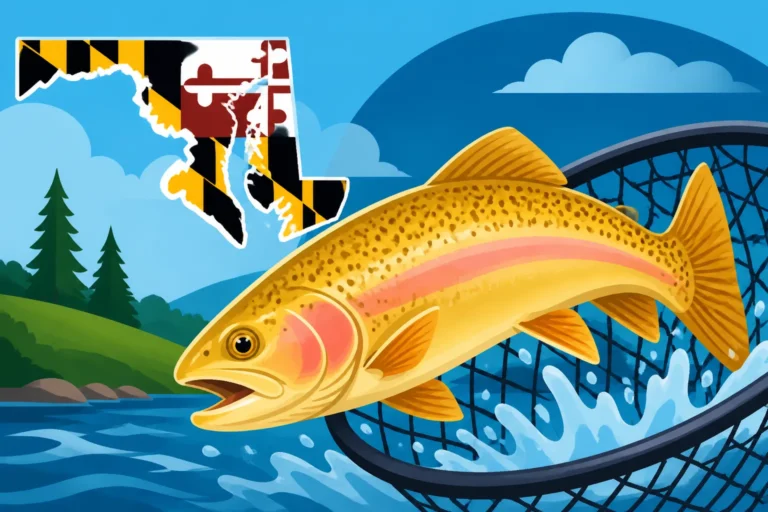
Imagine the thrill of hooking a fish that looks like it's bathed in liquid gold, shining brilliantly against the green backdrop of a Maryland stream. That's the experience of catching a golden rainbow trout! These captivating fish are a color variant of the standard rainbow trout, selectively bred in hatcheries for their stunning golden-yellow to orange coloration. They are periodically stocked by the Maryland DNR into various put-and-take waters, adding an exciting and visually striking dimension to the state's trout fishing program.
While they are genetically rainbow trout, their distinct appearance makes them feel like a completely different species, generating a surge of excitement whenever they're announced as part of a stocking. They serve as a special bonus for anglers, a beautiful prize that stands out from the more common silver-sided rainbows. This unique stocking strategy certainly adds an element of surprise and delight to a day on the water, making every cast a potential moment of wonder.
Appearance and Origins of the Golden Rainbow
The most defining characteristic of the golden rainbow trout is, of course, its vivid, almost luminous, golden-yellow to orange body color. This coloration can range from a light, buttery yellow to a deep, fiery orange, often with a brighter red or orange stripe down its side, similar to a regular rainbow trout. Unlike typical rainbows, their bodies usually have very few, if any, black spots, which further enhances their "golden" appearance. Their fins are often a translucent yellowish color.
These fish are not a hybrid or a separate species; they are a genetic mutation that has been selectively bred over generations in hatcheries. This breeding program originated in West Virginia, where the first "palomino" or "golden" variant was discovered. Maryland, like many other states, stocks these fish primarily to add excitement and variety to its put-and-take fisheries. They are raised alongside regular rainbow trout in hatcheries and share the same biological characteristics, just with a different wardrobe! Knowing that such a stunning fish could be on the end of your line certainly adds a special spark to a fishing trip. You can also explore Golden Rainbow Trout Stocked in Maryland for more specific details on where and when these unique fish are released.
Fishing for Golden Rainbow Trout
Fishing for golden rainbow trout is, in many ways, identical to fishing for standard rainbow trout. They share the same preferences for baits, lures, and habitat. They are typically stocked in the same put-and-take streams and ponds, often alongside their silver-sided counterparts. Their unique color, however, can sometimes make them slightly more conspicuous to both anglers and predators, and perhaps even to other fish in the water, though this doesn't seem to significantly alter their feeding behavior.
Because they are stocked fish, they respond well to a wide array of typical trout baits: power bait (especially chartreuse or orange), corn, worms, and small marshmallow-type baits are all popular choices. For artificial lure enthusiasts, small spinners (like Mepps or Rooster Tail) in brighter colors, or tiny spoons, can be very effective. Fly anglers can target them with nymphs, wet flies, or small streamers. The key is to be present during stocking seasons, particularly in spring and fall, and to pay attention to areas known for receiving these special fish. The sight of a golden rainbow flashing in the sunlight as you reel it in is an unforgettable experience, making them a highly sought-after catch for many.
Why Maryland Stocks Golden Rainbow Trout
The primary reason Maryland stocks golden rainbow trout is to enhance the recreational angling experience. They add a "trophy" element to put-and-take fisheries without requiring the management of a truly different species. Their bright, unusual coloration makes them easily identifiable and exciting to catch, often generating significant angler interest and buzz. For many families and children, catching a "golden fish" is an especially memorable moment, fostering a lifelong love for fishing.
Beyond the "fun factor," stocking golden rainbows can also help distribute angler pressure. When these special fish are announced, it can draw anglers to specific stocked locations, thereby relieving some pressure on other sensitive trout fisheries, particularly those with wild brook or brown trout populations. It's a smart way to maximize recreational opportunities while also supporting conservation efforts for more vulnerable species. The DNR aims to provide a diverse and enjoyable fishing experience for all Marylanders, and the golden rainbow trout plays a shining role in that mission.
Conservation and Management of Maryland's Trout Fisheries
Maryland's trout fisheries are precious resources, and their continued health relies heavily on robust conservation and management strategies. The Maryland Department of Natural Resources (DNR) plays a pivotal role in overseeing these efforts, balancing recreational opportunities with the imperative to protect delicate ecosystems and vulnerable native species. It's a complex task that involves scientific research, habitat restoration, careful stocking programs, and clear regulatory frameworks.
As anglers, we are integral partners in this conservation mission. Our actions on and off the water directly impact the future of trout fishing in Maryland. Understanding the "why" behind certain rules, and actively participating in responsible angling practices, ensures that the joy of pursuing these beautiful fish can be shared for generations to come. It’s a collective responsibility, and one that passionate anglers take very seriously.
Maryland DNR's Role in Trout Management
The Maryland DNR employs a multi-faceted approach to trout management. This includes extensive hatchery operations to raise and stock millions of rainbow and brown trout annually, providing consistent fishing opportunities in designated put-and-take waters. These stockings are carefully planned to coincide with optimal water temperatures and angler access, often leveraging data gathered from previous seasons. The DNR also conducts surveys and research to monitor wild trout populations, assessing their health, distribution, and reproductive success. This scientific data is crucial for making informed management decisions.
Furthermore, the DNR is actively involved in habitat restoration projects. This might include planting riparian buffers to shade streams and prevent erosion, installing in-stream structures to create better cover and spawning grounds, or improving water quality through partnerships with landowners and other agencies. They also enforce fishing regulations, such as those governing Maryland Fishing Size and Catch Limits by Species, to prevent overharvest and protect vulnerable populations. This proactive management ensures that both stocked and wild trout fisheries can thrive.
Protecting Native Brook Trout and Wild Fisheries
The preservation of Maryland's native brook trout populations and other wild trout fisheries is a top priority. These wild populations are often more vulnerable to environmental changes and require more stringent protection than stocked fish. The DNR identifies and designates "wild trout waters" or "special regulation areas" where specific rules apply, such as catch-and-release only, artificial lures only, or Barbless Hook Rules on Maryland Trout Streams. These regulations are designed to minimize angler impact and allow wild fish to reproduce naturally and maintain healthy populations.
Conservation efforts often extend beyond fishing regulations. Protecting the surrounding watershed from pollution, development, and excessive water withdrawals is critical for maintaining the cold, clean water that brook trout need. Anglers can contribute by supporting conservation organizations, participating in stream cleanups, and advocating for responsible land and water use policies. The health of our native brook trout is a barometer for the overall health of Maryland's freshest waterways, making their protection a shared responsibility for all citizens.
Importance of Responsible Angling Practices
Responsible angling is paramount for the sustainability of Maryland's trout fisheries. This includes adhering strictly to all fishing regulations, including licensing requirements, season dates, and size/creel limits. For instance, knowing the rules for Maryland Nontidal vs Tidal Fishing License, Explained is crucial before you even wet a line. But it goes beyond just following the rules; it encompasses ethical behavior and a conservation mindset.
Practicing "catch and release" in sensitive wild trout waters, or when targeting oversized or undersized fish, helps maintain healthy populations. Using proper fish handling techniques—wet hands, minimizing time out of water, and supporting the fish's body—increases their survival rate. Avoiding littering, respecting private property, and minimizing disturbance to the stream environment are also vital. Every angler has a role to play in being a steward of these beautiful fish and their habitats, ensuring that future generations can enjoy the same incredible fishing experiences we cherish today.
Essential Gear and Techniques for Maryland Trout
Getting started with trout fishing in Maryland doesn't have to be complicated, but having the right gear and understanding a few fundamental techniques can dramatically improve your success and enjoyment. Whether you're a seasoned fly angler or a beginner with a spinning rod, tailoring your approach to the specific trout species and water you're fishing is key. It's about being prepared for the conditions and having confidence in your setup.
Many anglers find joy in accumulating and trying out different tackle, and there’s certainly a vast array of options out there. However, you don't need to break the bank to start catching trout. A basic, versatile setup can get you started, and you can always upgrade or specialize as your skills and passion grow. The most important "gear" is often patience and observation.
Basic Spinning Gear for Trout
For many beginner and casual anglers, a spinning rod and reel combo is the easiest and most versatile way to start trout fishing. You'll want an ultralight or light action spinning rod, typically between 5 to 7 feet long. Shorter rods are great for tight, brushy streams, while longer rods offer better casting distance on open waters. Pair this with a small spinning reel (size 1000 or 2000) spooled with 4 to 6-pound test monofilament or fluorocarbon line. Fluorocarbon is less visible underwater, which can be a significant advantage when targeting wary trout.
Terminal tackle should include small hooks (sizes 8 to 14), split shot weights, and small swivels. Baits like live worms, Berkley PowerBait (in various colors and forms), or corn are highly effective for stocked trout. For artificial lures, small inline spinners (like Panther Martin, Mepps, or Rooster Tail in sizes #0 to #2), tiny spoons, or micro-jigs are excellent choices. Carry a small tackle box with a selection of these, and you'll be well-equipped for most put-and-take scenarios. You can easily find starter kits and individual components on Amazon, providing a convenient way to gather your essential trout gear.
| Gear Type | Recommended Specifications | Common Use Case | Why It Works |
|---|---|---|---|
| Rod | Ultralight to Light action, 5-7 feet | Versatile, for bait or small lures | Sensitive tip for detecting bites, light enough for small fish. |
| Reel | Spinning, Size 1000-2000 | Easy to cast, manage light line | Smooth drag crucial for fighting trout without breaking line. |
| Line | 4-6 lb test monofilament or fluorocarbon | All-around trout fishing | Low visibility (fluorocarbon) or good knot strength (mono). |
| Hooks | Baitholder or Aberdeen, Size 8-14 | Bait fishing (worms, powerbait) | Small enough for trout mouths, thin wire for easy penetration. |
| Weights | Split shot (various sizes) | Getting bait to depth/current | Adjustable for different water depths and current speeds. |
| Lures | Small spinners (#0-#2), tiny spoons, micro-jigs | Artificial lure fishing | Mimic baitfish or insects, attract active trout. |
| Bait | Worms, PowerBait, Corn, Salmon Eggs | Stocked trout, general fishing | Easy to use, highly attractive to recently stocked fish. |
Fly Fishing for Trout in Maryland
For many, fly fishing represents the pinnacle of trout angling. It’s an art form that involves presenting artificial flies that imitate aquatic insects, baitfish, or other natural food sources. For Maryland's trout, particularly in wild or delayed harvest streams, fly fishing can be exceptionally effective and deeply rewarding. If you're looking to dive deeper, you might consider reading up on Fly Fishing in Maryland for a broader overview.
A good starting fly fishing setup for Maryland trout would be a 3 to 5-weight fly rod, 7.5 to 9 feet long, paired with a matching fly reel and weight-forward floating fly line. A 7.5-foot 4-weight rod is a versatile choice. You'll also need a tapered leader (7.5 to 9 feet, 4X-6X tippet) and a selection of flies. Essential fly patterns include dry flies (Elk Hair Caddis, Parachute Adams), nymphs (Pheasant Tail, Hare's Ear, Squirmy Wormy), and small streamers (Woolly Bugger). Fly fishing demands patience and practice to master casting and presentation, but the connection it offers to the natural world is unparalleled. Many fly shops in Maryland offer starter kits that include a rod, reel, line, and a basic fly assortment, often with instruction.
Understanding Trout Forage and Seasonal Patterns
Knowing what trout are eating, and how their feeding habits change with the seasons, is a game-changer for successful angling. In spring, when water temperatures rise and insect hatches begin, trout become very active. This is often the best time for dry fly fishing as insects emerge. As the season progresses, and water levels drop, trout might become more selective, and nymphing or streamer fishing in deeper pockets becomes more effective. During the heat of summer, trout retreat to colder, more oxygenated water, often becoming nocturnal feeders, so targeting them at dawn or dusk is best. This applies to both the streams and the lakes like those in Maryland's Deep Creek Lake Fishing Guide.
Fall sees a resurgence of activity as water temperatures cool, and trout, especially brown trout, prepare for spawning. This can be a fantastic time for streamer fishing or targeting larger fish with bait. In winter, trout are less active, congregating in deeper, slower pools, and a slow, subtle presentation with nymphs or tiny jigs is often required. Paying attention to insect hatches, water temperature, and local forage (like crayfish or minnows) will give you a significant advantage, helping you choose the right bait or fly for the conditions.
Trout Fishing Opportunities Across Maryland
Maryland might be known for its Chesapeake Bay fishing, but don't underestimate the fantastic trout fishing opportunities scattered across the state. From the rugged mountains of Western Maryland to the more accessible streams and ponds closer to urban centers, there's a trout fishing spot for every type of angler. Knowing where to go and what to expect from each region is key to planning your next adventure.
The diversity of Maryland's landscape translates directly into a diversity of fishing experiences. You could be wading a wild, pristine stream one day and casting into a popular, stocked pond the next, each offering its own unique charm and challenge. It truly offers a complete angling experience for trout enthusiasts.
Western Maryland's Mountain Streams
The undisputed heartland of Maryland's trout fishing lies in the western reaches of the state, specifically in Garrett and Allegany counties. Here, the Appalachian Mountains provide the cold, clear, and well-oxygenated streams that are essential for supporting both wild and stocked trout populations. These are the places where you'll find the most robust populations of native brook trout, as well as stronghold wild brown trout fisheries. Streams like the Savage River, the Youghiogheny River tributaries, and sections of the Casselman River offer truly wild and challenging angling.
Many of these streams are managed under special regulations, such as catch-and-release or artificial lures only, to protect their sensitive ecosystems. Best Trout Streams in Western Maryland can give you an excellent head start on exploring these areas. The scenery alone is worth the trip, with dense forests, rugged terrain, and crystal-clear water creating an immersive natural experience. Access can sometimes require a bit of a hike, adding to the sense of adventure and solitude. This region is a paradise for fly anglers and those seeking a purist trout fishing experience.
Central and Eastern Maryland's Stocked Waters
While Western Maryland boasts the wild trout, Central and Eastern Maryland provide abundant opportunities for "put-and-take" trout fishing, thanks to the DNR's extensive stocking program. Numerous streams, rivers, and ponds in counties like Frederick, Carroll, Baltimore, Harford, and even some on the Eastern Shore, receive regular stockings of rainbow and sometimes brown trout. These waters are often more accessible and closer to major population centers, making them ideal for a quick trip or for introducing new anglers to the sport.
Popular stocked locations include sections of the Gunpowder River, Catoctin Creek, Patuxent River tributaries, and various small lakes and impoundments. These areas are buzzing with activity during the spring and fall stocking seasons, offering excellent chances for a successful outing. While you might not find wild, native fish here, the sheer volume of stocked trout ensures plenty of action. Many of these locations are family-friendly, with easy access and amenities, making them perfect for a leisurely day of fishing. You can easily find information on Fishing Maryland's Spring Trout Stocking Season to plan your trips around the most productive times.
Delayed Harvest and Catch-and-Release Areas
Maryland also features special "Delayed Harvest" and "Catch-and-Release" trout management areas. Delayed Harvest streams, like specific sections of the Gunpowder Falls or Patuxent River, are stocked with trout in the fall and spring. During designated periods (typically from October 1st to June 15th), these waters are managed under "catch-and-release only" regulations, often with artificial lures or flies only. This allows fish to grow larger and provides extended fishing opportunities for anglers who prefer to release their catch. After June 15th, these waters typically revert to standard statewide regulations, allowing for harvest until the next stocking cycle.
Catch-and-release only areas, sometimes called "Trophy Trout Areas" or "Wild Trout Management Areas," are managed year-round for the sole purpose of providing quality catch-and-release fishing. These areas often harbor healthier populations of wild or larger stocked trout, offering a more challenging and rewarding experience for experienced anglers. Understanding these specific regulations, which can be found in a guide like Maryland's DNR Fishing and Boating Guide, Explained, is critical before fishing any of these special areas. They represent a commitment to sustainable fishing and provide fantastic opportunities for anglers seeking a different kind of challenge.
Disclaimer
This article is for general informational purposes only and does not constitute professional advice. Laws, prices and regulations vary by location and change over time. Consult a qualified professional for guidance on your specific situation.