How Often Are Maryland Trout Streams Restocked?
One of the most common questions and, let's be honest, often a source of intense anticipation (and sometimes mild obsession!) for Maryland anglers is: "When are they going to stock the trout?" It’s a completely fair question. Nobody wants to drive all the way to a prime stream, only to find out it was stocked last week and the fish have already been caught or dispersed. This guide will take a deep dive into how often Maryland trout streams are restocked, giving you the inside scoop on the patterns, processes, and how you can stay informed.
Understanding Maryland's Trout Stocking Philosophy
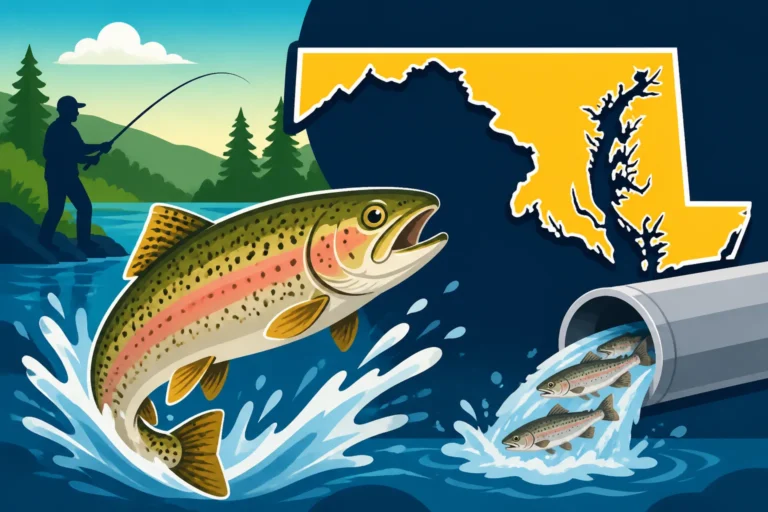
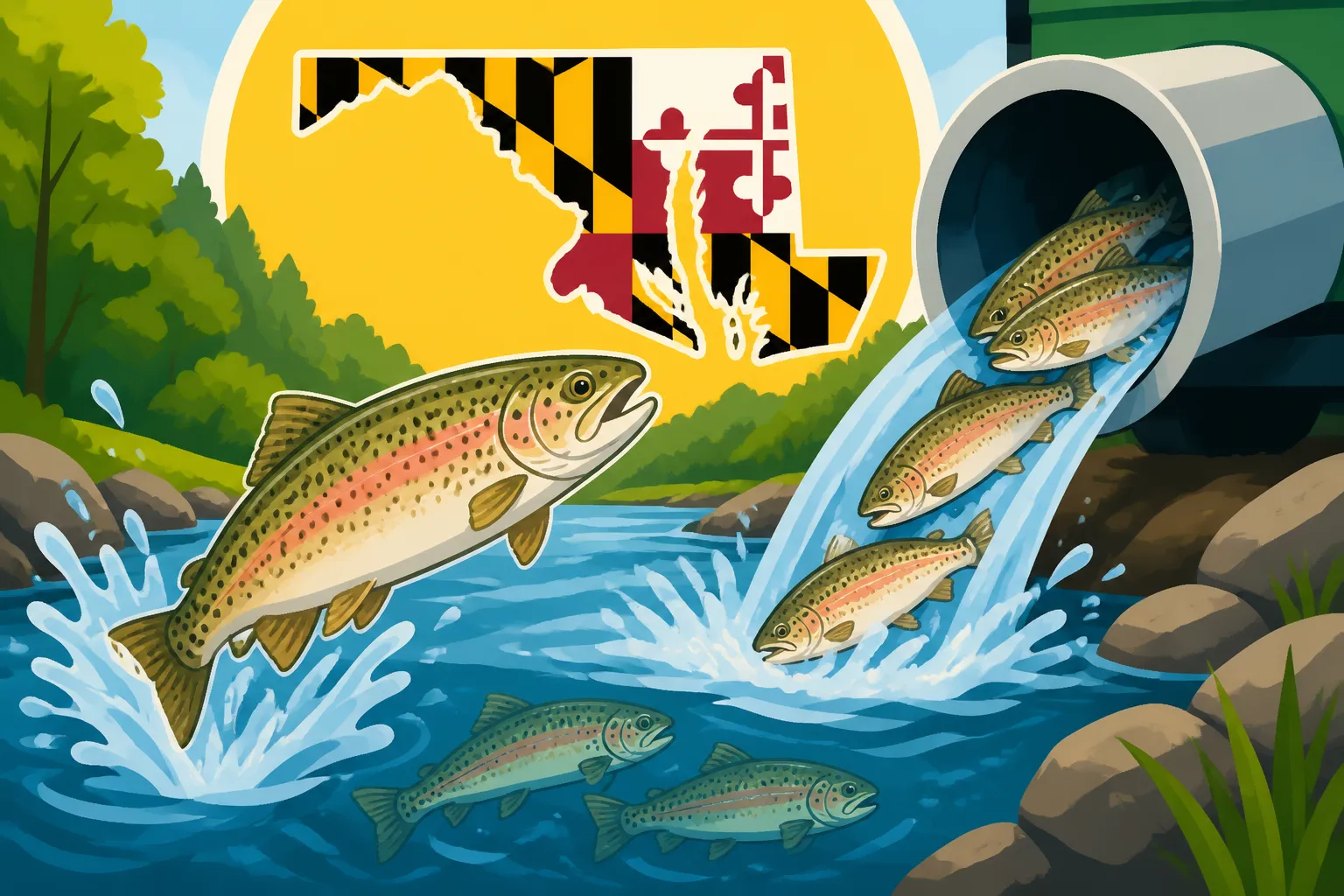
Maryland's trout stocking program is a vital part of its freshwater fishing landscape, designed to provide diverse angling opportunities across the state. It’s not just about dumping fish in the water; there's a careful strategy behind it, heavily influenced by angler demand, environmental factors, and resource management.
Why Restocking is Essential for Maryland Anglers
For many, especially those who enjoy the thrill of a fresh catch, Maryland's "put-and-take" trout fisheries are a significant draw. Unlike wild trout populations that naturally reproduce and sustain themselves, stocked trout are primarily raised in hatcheries. These fish are introduced into waters where natural reproduction might be limited due to habitat constraints, water temperature fluctuations, or other environmental challenges. The Maryland Department of Natural Resources (DNR) invests considerable effort into this program to ensure there are plenty of opportunities for anglers to experience success. Without regular restocking, many popular trout streams would quickly become barren, especially after the initial rush of anglers following an announced stocking. It ensures accessibility and keeps the excitement high, particularly for families and new anglers looking for a more immediate reward.
Key Factors Influencing Stocking Schedules
The DNR doesn't just pick dates out of a hat. Their stocking schedules are a complex dance between several crucial factors:
- Weather and Water Conditions: This is paramount. Trout need cool, well-oxygenated water to thrive, even temporarily. High water temperatures can be lethal, and low water levels can make access difficult for stocking trucks or stress the fish. Heavy rains can also make streams unfishable or unsafe for stocking crews. The DNR constantly monitors stream temperatures and flow rates, often making last-minute adjustments to ensure the health of the stocked fish and the safety of their personnel. A sudden warm spell in early spring, for instance, could delay a planned stocking by a week or more.
- Fish Availability: The state hatcheries, like Albert Powell Hatchery and Beaver Creek Hatchery, work tirelessly to raise thousands of trout each year. The timing of their growth cycles, disease prevention, and logistical planning for transport all play a role in when and how many fish are ready for release. Sometimes, unexpected issues at a hatchery can impact the overall stocking timeline.
- Angler Access and Pressure: Some streams are stocked more frequently because they are easily accessible and receive high angler pressure, meaning the fish are caught out quickly. Other, more remote locations might receive fewer, larger stockings. The DNR also considers school schedules and holidays when planning, trying to maximize opportunities for the public, especially during popular times like spring break.
- Trout Management Area Designations: Maryland classifies its trout waters into different management areas, each with its own rules and stocking frequencies. For example, "Put-and-Take" areas are designed for high catch rates and are stocked more often, while "Delayed Harvest" waters might only get a couple of major stockings in the spring and fall, with specific regulations on harvest during different periods. This distinction significantly impacts how often any given stream might see new fish. You can find out more about the different regulations in our guide, Maryland Trout Daily Creel Limit.
Maryland's Trout Stocking Seasons and Frequencies
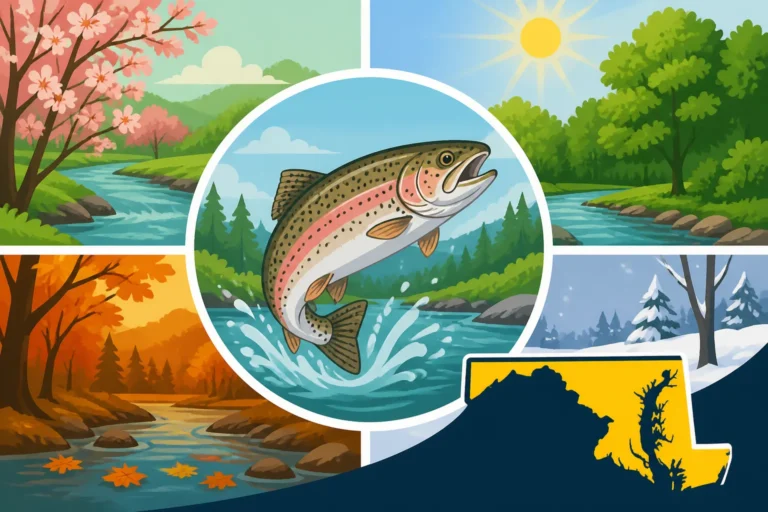
While it might seem like a year-round free-for-all, Maryland's trout stocking efforts really hit their stride during specific seasons, with spring being the undisputed champion. Understanding these general patterns can help you anticipate when your favorite stream might get a fresh batch of fish.
Spring Stocking Bonanza
Without a doubt, spring is the prime season for trout stocking in Maryland. As the winter chill gives way to milder temperatures, but before the scorching summer heat sets in, conditions become ideal for introducing hatchery-raised trout. This period typically kicks off in late February or early March and can run all the way through May, sometimes even into early June if conditions remain favorable.
During the spring, many of Maryland's "Put-and-Take" trout streams receive weekly or bi-weekly stockings. These are the streams where you'll often see the largest concentrations of anglers immediately after a stocking announcement. The idea here is to provide a consistent supply of fish that anglers can catch and keep. DNR stocking trucks are constantly on the move, delivering thousands of rainbow, brown, and golden rainbow trout to dozens of locations across the state. This intense period of stocking means that if you're targeting these waters, your chances of encountering freshly stocked fish are quite high. However, it also means these fish can be caught out rapidly, so staying updated on the latest stocking reports is crucial. For specific details on these events, check out Fishing Maryland's Spring Trout Stocking Season.
Fall and Winter Stockings
While spring gets all the glory, Maryland's trout program doesn't completely shut down in the cooler months. Fall and winter stockings play a crucial, albeit different, role, often targeting "Delayed Harvest" and "Winter Stocked" trout management areas.
- Fall Stockings: As autumn arrives and water temperatures drop again, typically from late September through November, the DNR conducts significant fall stockings. These efforts often replenish "Delayed Harvest" streams, which have special regulations in place—often catch-and-release only for a period, typically until the following June. This allows the fish to acclimate and grow a bit, providing a longer-term fishing opportunity. These stockings are usually less frequent than spring's "Put-and-Take" blitzes, perhaps a major stocking or two per stream during the fall, but they introduce a substantial number of fish. Our guide on Fishing Maryland's Fall Trout Stocking Season provides more detail.
- Winter Stockings: In some specific locations, particularly urban and community ponds that remain ice-free, the DNR might conduct "Winter Stocked" trout programs. These are less about frequent restocking and more about providing cold-weather angling opportunities. These stockings are generally singular events for the season, with the goal of sustaining fishing through the colder months. The frequency here is much lower, usually just once or twice per waterbody throughout the entire winter, but they offer a unique chance to get out when other fisheries might be slow.
The Role of Preseason Stocking
Before the official opening day of Maryland's traditional trout season, there's a period of "preseason stocking." This often begins several weeks before the spring opener, typically in February. The purpose of preseason stocking, as explained in Preseason Trout Stocking in Maryland, Explained, is to get a foundational number of trout into the waters well in advance of the heavy angler pressure that comes with opening day.
These initial stockings ensure that when the season officially kicks off, there are plenty of fish to go around. While anglers can still fish during the preseason stocking period, many waters have specific restrictions, such as catch-and-release only, until the official opening date. This allows fish to spread out and become a bit more accustomed to their new environment, making for a more challenging and rewarding experience once harvest is permitted. The frequency of preseason stocking for any given stream is usually just one or two large drops, setting the stage for the more frequent, in-season stockings to follow. It's a critical part of managing expectations and ensuring a robust start to the spring trout season.
Here’s a simplified breakdown of typical stocking frequencies by management area type:
| Trout Management Area Type | Primary Stocking Season | Typical Frequency | Catch & Keep Allowed? |
|---|---|---|---|
| Put-and-Take | Spring (Feb/Mar – May/June) | Weekly/Bi-Weekly | Yes (within limits) |
| Delayed Harvest | Spring (Mar-Apr), Fall (Sept-Nov) | 1-2 major stockings per season | No (seasonal C&R only) |
| Catch & Release | Varies, often less frequent than Put-and-Take | Less frequent, usually large stockings | No (C&R always) |
| Winter Stocked Ponds | Winter (Nov – Feb) | 1-2 stockings per winter | Yes (within limits) |
Remember, this table provides general guidelines. Always consult the official DNR resources for the most precise and up-to-date information.
Finding Real-Time Stocking Information and Maximizing Your Chances
Knowing the general patterns is one thing, but getting the real-time scoop on recent stockings is another. Thankfully, the Maryland DNR makes it relatively easy to stay informed, allowing you to plan your trips when the chances are best.
Maryland DNR's Official Stocking Resources
The absolute best way to know when and where trout streams have been restocked is to go straight to the source: the Maryland Department of Natural Resources. They are meticulous about publishing their stocking reports, making it accessible to all anglers.
- DNR Website's Trout Stocking Page: This is your primary hub. The DNR maintains an updated list of all recent trout stockings, usually within 24-48 hours of the fish being released. They typically list the date of stocking, the specific stream or pond, and often the number and species of trout stocked. You can bookmark this page on your browser or phone for quick access. This is where you'll get the most detailed information, so make it your first stop before planning a trip.
- Trout Stocking Hotline: For those who prefer a more traditional method or want to check quickly while on the go, the DNR operates a dedicated trout stocking hotline. A quick call can give you the latest updates. The number is typically available on the DNR website, but it's a good idea to save it in your phone contacts.
- Social Media: The Maryland DNR often posts stocking updates, photos, and even videos on their official social media channels, particularly Facebook and X (formerly Twitter). Following these accounts can give you notifications right in your feed, sometimes even before the website is fully updated. It's a great way to see what's happening in real-time and get a visual of the stocking process.
- DNR Fishing and Boating Guide: While not for real-time updates, the annual Maryland's DNR Fishing and Boating Guide, Explained provides maps of trout management areas, detailed regulations, and general information about the stocking program. It's an indispensable resource for understanding the rules that govern specific trout waters, which is just as important as knowing when they were stocked.
Tips for Fishing Recently Stocked Waters
Once you've got the intel on a fresh stocking, here are some tips to help you make the most of your outing:
- Go Early, Go Often: The sooner you get to a freshly stocked stream, the better your chances. Stocked trout can be eager to bite initially, but they can also be caught out quickly or become wary after a few days of angler pressure. Weekends immediately following a stocking are always busy, so if you can swing a weekday trip, you'll likely have less competition.
- Use the Right Bait and Lures: Hatchery trout are accustomed to eating pellets, so they often respond well to baits that mimic this, or are highly attractive. Popular choices include:
- PowerBait or Trout Dough: These scented, moldable baits are often irresistible to stocked trout. They come in a variety of colors and float, keeping your bait off the bottom. You can find many effective options for these on Amazon.
- Worms: Live nightcrawlers or mealworms are classic trout baits and rarely fail.
- Corn or Marshmallows: Believe it or not, these pantry staples can be very effective, especially in heavily pressured put-and-take streams.
- Small Spinners or Spoons: Lures like Panther Martins, Mepps, or Kastmasters in sizes 0-2 can be deadly. Look for silver, gold, or bright colors.
- Flies: For fly anglers, small nymphs (like pheasant tails or prince nymphs), attractor patterns (like mop flies or squirmy wormies), and even small streamers can work wonders. Be sure to check Best Bait for Put-and-Take Trout in Maryland for more detailed recommendations.
- Target Key Holding Spots: Stocked trout, especially initially, don't always disperse far from where they were released. Look for deeper pools, undercut banks, current seams, and areas with overhead cover. If you see other anglers, observe where they are having success, but don't be afraid to explore nearby, less pressured spots. Don't overlook slower, deeper pockets, especially if the water is clear, the trout might be seeking refuge.
- Light Tackle is Key: Stocked trout, particularly the smaller ones, can be spooked easily. Using ultralight spinning gear with 2-4 lb test line, or a 3-5 weight fly rod, will increase your sensitivity and presentation, leading to more hookups. You might find a good selection of ultralight rods and reels on Amazon that are perfect for this type of fishing.
- Understand Regulations: Always double-check the specific regulations for the stream you're fishing. Some areas are catch-and-release only for certain periods, like during the Maryland Delayed Harvest Trout Waters Explained period, while others have specific creel limits and size restrictions. You’ll also need to ensure you have your Maryland Trout Stamp Requirements in order, in addition to your regular fishing license. Knowing Do You Need a Trout Stamp to Catch and Release in Maryland? is also important.
- Practice Catch and Release Mindfully: Even in put-and-take areas, if you're not planning to keep your limit, practice good catch and release techniques to ensure the survival of fish. Use barbless hooks, handle fish minimally with wet hands, and release them gently.
By combining an understanding of Maryland's stocking patterns with real-time information and solid fishing techniques, you'll significantly increase your chances of a successful and enjoyable day on the water.
Disclaimer
Please remember that fishing regulations, stocking schedules, and local conditions can change. Always consult the official Maryland Department of Natural Resources (DNR) website or their latest publications for the most current and accurate information before planning any fishing trip. Adhering to all rules and regulations is essential for responsible angling and conservation.