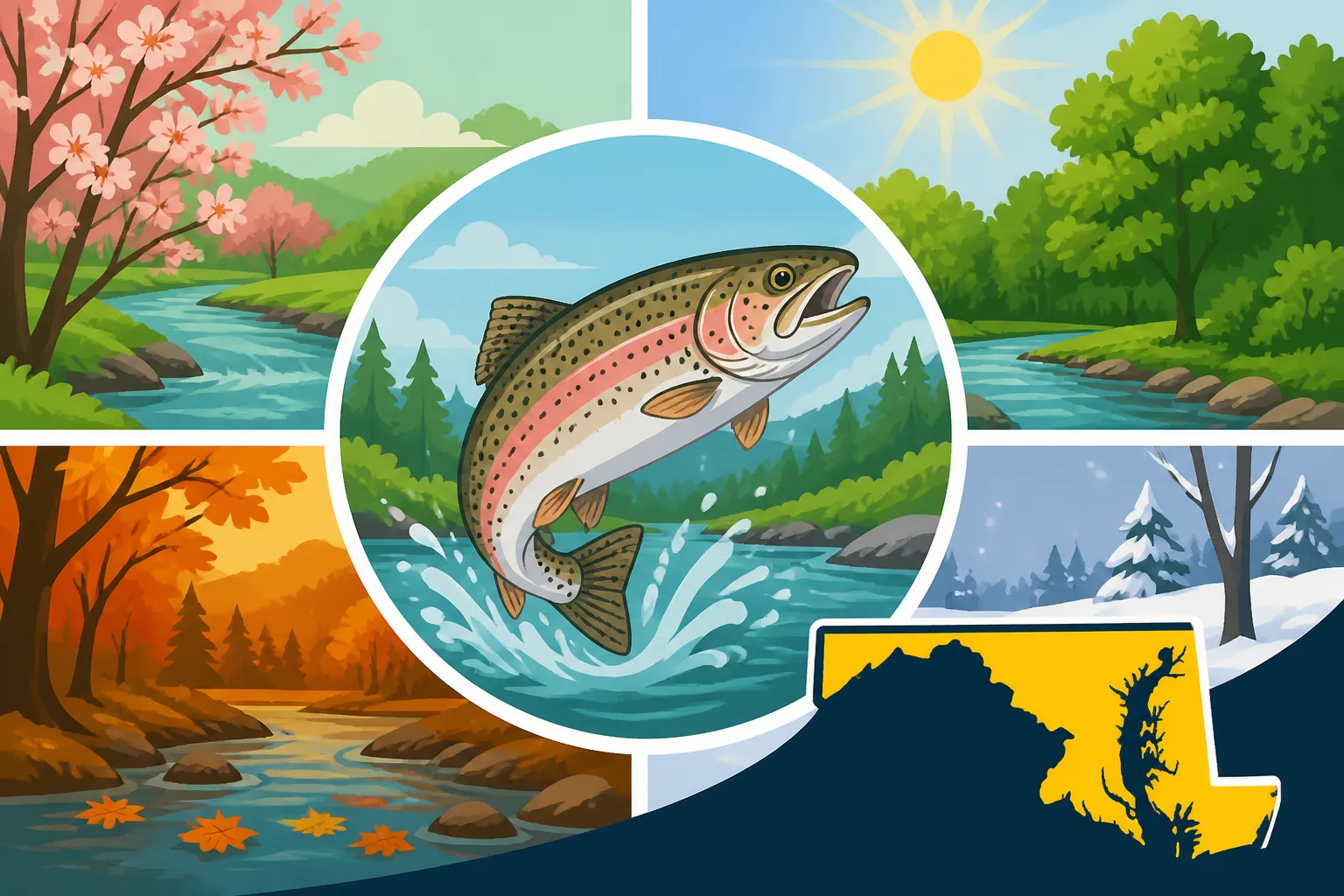
Maryland Trout Season, Month by Month
Navigating Maryland's trout fishing opportunities can feel like solving a complex puzzle, with different regulations, stocking schedules, and river conditions changing throughout the year. Many anglers, both new and experienced, often find themselves wondering exactly when and where to target these elusive fish. This comprehensive guide will break down Maryland's trout season month by month, providing you with the insights and strategies needed to successfully pursue trout in the Old Line State, from the first spring stockings to the quiet depths of winter.
Understanding Maryland's Diverse Trout Programs
Before we dive into the calendar, it's crucial to grasp the different types of trout waters and management programs Maryland employs. The Maryland Department of Natural Resources (DNR) manages trout fisheries in several distinct ways, each with its own set of rules, stocking schedules, and angling experiences. Understanding these differences is the first step to becoming a successful trout angler in the state.
Put-and-Take Waters: Instant Action
These are perhaps the most popular and accessible trout fishing opportunities, especially for families and those looking for a high probability of catching fish. Put-and-take waters are streams and ponds that are regularly stocked with catchable-size trout, primarily Rainbow Trout, but sometimes Brown Trout and even Golden Rainbow Trout. The idea here is simple: fish are "put in" for anglers to "take out."
These waters are heavily stocked before and during the spring season, and often again in the fall. The goal is to provide immediate angling satisfaction. You'll find these spots buzzing with activity, especially right after a stocking truck has made its rounds. While some anglers might scoff at what they call "stocked trout," these programs introduce thousands of fish into public waters, creating incredible opportunities for everyone. It’s a fantastic way to introduce kids to fishing or to simply enjoy a relaxing day with a high chance of success. Just remember, these fish are often actively feeding and less wary than their wild counterparts, so a variety of baits and lures can be effective. Popular baits include corn, PowerBait, worms, and small spinners. For more on what these waters mean, check out our guide on Maryland Put-and-Take Trout Waters, What That Means.
Delayed Harvest Streams: Catch-and-Release Focus
Delayed Harvest (DH) trout streams offer a unique angling experience, blending aspects of both put-and-take and wild trout fisheries. These streams are stocked with trout in the fall and spring, much like put-and-take areas. However, from October 1st through June 15th, these waters are strictly catch-and-release only, and often require the use of artificial lures and flies with barbless hooks. This "delayed harvest" period allows the stocked fish to disperse, acclimate to their new environment, and become more challenging to catch.
During this time, the trout behave more like wild fish, growing larger and becoming more wary, making for a truly rewarding experience for anglers honing their skills. When June 16th rolls around, the regulations change, allowing anglers to keep fish with a specific creel limit until September 30th, when the catch-and-release period begins again. These waters are perfect for those who enjoy the challenge of tricking educated trout and appreciate the opportunity to practice conservation. The regulations can be a bit tricky to follow, so it's always a good idea to consult our detailed breakdown of Maryland Delayed Harvest Trout Waters Explained.
Wild Trout Streams: A Different Challenge
For the purist, Maryland's wild trout streams represent the pinnacle of trout fishing. These are typically smaller, colder, and more remote streams, often found in the mountainous regions of Western Maryland. They support self-sustaining populations of Brook Trout (Maryland's only native trout species) and sometimes wild Brown Trout. These fish are born, live, and reproduce entirely within the stream, never having seen a hatchery truck.
Catching a wild trout, especially a native Brook Trout, is an incredibly special experience. These fish are typically smaller but are renowned for their vibrant colors and feisty fight. They are also incredibly sensitive to environmental changes, making their presence a sign of excellent water quality. Fishing for wild trout demands a stealthy approach, delicate presentations, and a deep understanding of trout behavior. Fly fishing is often the most effective method in these pristine waters. The challenge is immense, but the reward of connecting with a truly wild fish in a beautiful, natural setting is unparalleled. These streams are often subject to special regulations, including catch-and-release only, to protect their delicate populations.
January – February: Winter Chill and Early Opportunities
As the calendar turns to a new year, Maryland's trout fishing often becomes a game of patience and perseverance. The coldest months of January and February can be challenging, but they also offer unique and often rewarding opportunities for the dedicated angler. Don't let the icy air deter you; some of the biggest trout can be caught during this time, albeit with less frequency.
The key to winter success lies in understanding trout behavior in cold water and knowing where to focus your efforts. Many anglers pack away their gear after the fall, but those willing to brave the elements can often find solitude and some incredible fish.
Ice Fishing Potential and Coldwater Behavior
While not as widespread as in northern states, ice fishing for trout can be a possibility in certain Maryland impoundments, particularly in Western Maryland. Deep Creek Lake, for instance, can offer ice fishing opportunities for various species, and if stocked with trout, it becomes a target. However, ice safety is paramount. Always check ice thickness and local conditions before venturing out.
In open water, trout become much more lethargic as water temperatures drop significantly. Their metabolism slows down, and they require less food. This means they won't be as actively chasing down lures or flies. Instead, they'll seek out deeper, slower-moving pools, often near structure, where they can conserve energy. Think about large, deep holes or eddies where the current is minimal. They're looking for stability and an easy meal. Your presentation needs to reflect this slower pace. Small, subtle movements and longer pauses are often more effective than aggressive retrieves.
Finding Winter Holdovers
During January and February, the majority of the fish you'll encounter in non-wild trout waters are "holdovers" from previous fall stockings. These are fish that have survived the initial angling pressure and have adapted to their new environment, becoming much warier and more challenging to catch. These holdovers are often larger and healthier than the freshly stocked fish, having had time to feed and grow.
Targeting winter holdovers requires a refined approach. Traditional baits like PowerBait can still work, but consider scaling down your offerings. Small spinners, micro jigs, or nymphs presented with a very slow drift can be deadly. Fish will be hugging the bottom, so getting your bait or fly down to their level is essential. Using a sensitive rod and light line, perhaps 4-6 lb test fluorocarbon, will help you detect the subtle takes that are common in cold water. Patience is your greatest ally here, as you might need to make many casts into a promising spot before eliciting a strike. Locations with deeper pools, slower currents, and overhead cover are prime targets.
March – April: The Spring Stocking Frenzy
Spring in Maryland, particularly March and April, is synonymous with trout fishing. This is when the Maryland DNR really gets to work, stocking hundreds of thousands of trout into public waters across the state. The anticipation leading up to these stockings is palpable, and for many, it signals the true start of the fishing season. This period offers some of the highest catch rates of the year, especially for those who pay close attention to the stocking schedules.
Preseason Stocking Excitement
Leading up to the traditional opening day of trout season, the DNR conducts extensive preseason stockings. These stockings are often kept a bit hush-hush regarding exact dates and times to prevent overcrowding and ensure a more dispersed fishing experience. However, dedicated anglers often keep a close eye on social media channels and local tackle shop rumors for hints.
The preseason stockings are critical because they allow a good number of trout to acclimate to their new surroundings before the intense pressure of opening day. These fish tend to spread out more and can provide excellent action for those who manage to hit the waters during this brief window. This is when the bigger "trophy" sized trout are often introduced, creating a chance for a truly memorable catch. If you can, take advantage of these early opportunities, as the fish haven't been pressured as much, and competition from other anglers is generally lower. Our guide on Fishing Maryland's Spring Trout Stocking Season has more details.
Opening Day and Initial Pressure
The official opening day of trout season in Maryland is a time-honored tradition, usually falling on the last Saturday in March. It's akin to a holiday for many anglers, with families gathering along stream banks, kids excitedly casting their lines, and the air filled with anticipation. While the exact date can shift slightly each year, it's always a highly anticipated event.
On opening day, the most recently stocked put-and-take waters are teeming with fish. This is the prime time for catching limits, and anglers often use a variety of effective baits. Worms, corn, marshmallows, and various colors of PowerBait are all popular choices, as these fresh hatchery fish are often eager to bite. Small inline spinners from brands like Panther Martin or Mepps are also very effective, especially in moving water. While the atmosphere is festive and exciting, be prepared for crowds, especially at popular access points. If you're looking for solitude, this might not be the day, but if you're seeking fast action and a guaranteed catch, opening day is hard to beat. Just remember to check the Maryland Trout Daily Creel Limit beforehand.
Post-Opening Strategies
After the initial rush of opening day and the subsequent weeks, the fishing pressure can significantly thin out the most accessible put-and-take waters. The trout that remain become warier, more scattered, and more challenging to catch. This doesn't mean the fishing is over; it simply means you need to adjust your strategy.
For put-and-take streams, focus on areas that receive less pressure—deeper pools, undercut banks, or sections of the stream that require a bit more walking to reach. These fish will have learned to associate human presence with danger, so a stealthier approach is vital. Downsizing your line to 4lb test and using more natural baits or smaller, more subtle lures can make a difference. For fly anglers, matching the hatch or using small nymph patterns becomes increasingly important. Remember that continued stockings occur throughout April, especially in specific areas, so keeping an eye on the DNR stocking reports is key to finding fresh fish. Meanwhile, Delayed Harvest streams are in their prime catch-and-release period, offering excellent opportunities for skilled fly and lure anglers who prefer a more challenging, less crowded experience.
May – June: Post-Stocking Challenges and Wild Trout Focus
As spring fully blossoms into early summer, the dynamics of trout fishing in Maryland begin to shift once more. The initial heavy stockings of March and April taper off, and the rising air and water temperatures bring new considerations for anglers. This period is a transition, moving from the high-volume put-and-take opportunities towards a greater focus on surviving holdovers and robust wild trout populations.
Transitioning from Stocked to Natural Trout
By May and June, many of the easily accessible put-and-take waters will have seen their primary stockings of the year. The trout that remain have become much more "stream-wise" – they've experienced angling pressure, learned to avoid common baits, and have become more accustomed to foraging for natural food sources. These fish are no longer as naive as their freshly stocked counterparts.
Anglers need to adapt by employing more subtle techniques. For spin fishermen, this means abandoning brightly colored PowerBait for more natural offerings like live worms, or small, realistic artificial baits like micro jigs or small crankbaits. Focus on presenting these offerings in a natural drift, mimicking insects or small forage fish. Fly anglers will find this period rewarding, as insect hatches become more consistent, allowing for effective dry fly fishing, emerger patterns, and nymphing. Look for trout holding in current seams, around fallen trees, or under cut banks—places offering both shelter and a steady supply of food. The fish are still there, but they demand a more thoughtful approach.
Seeking Shade and Oxygen
As May progresses into June, water temperatures begin to climb steadily. Trout, being coldwater fish, become stressed in warmer water due to reduced oxygen levels. This drives them to seek out areas that offer cooler temperatures and higher dissolved oxygen. Identifying these thermal refuges is critical for success.
Look for spring-fed creeks or tributaries that enter larger streams, as these introduce colder water. Deeper pools, especially those with significant overhead cover from trees or undercut banks, also offer respite from the sun's heat. Areas with turbulent water, such as riffles or rapids, can also hold trout because the aeration increases oxygen levels. Mornings and evenings often become the most productive times to fish, as the water is at its coolest and trout are more likely to be actively feeding. During the heat of the day, trout will hunker down in their thermal sanctuaries. Anglers targeting wild trout in smaller, high-elevation streams will find this period particularly good, as these streams naturally stay colder longer. Remember to handle fish gently in warmer water, as they are more susceptible to stress.
July – August: Summer Strategies for Coldwater Trout
The peak of summer in Maryland—July and August—presents the most challenging conditions for trout anglers. Hot air temperatures translate to warmer water, pushing trout to their physiological limits. Many lower-elevation trout streams can become too warm to support trout, making fishing ethically questionable due to high mortality rates from catch-and-release stress. This is the time when knowing where to go, and sometimes when not to go, becomes paramount.
The Dog Days of Summer: Survival Mode
During July and August, most of Maryland's trout waters will experience significantly elevated water temperatures. For trout, water temperatures above 68-70 degrees Fahrenheit can be lethal. Their metabolism struggles, oxygen levels in the water drop, and they become highly stressed. Fishing for trout in these conditions, even catch-and-release, can lead to delayed mortality, where the fish appears to swim away fine but dies hours later from stress.
Responsible anglers will often put away their trout gear during the hottest parts of summer and focus on other species like bass or panfish, which tolerate warmer water. If you do choose to fish for trout, make sure to check stream temperatures with a thermometer. If the water is above 65 degrees Fahrenheit, it's generally best to leave the trout alone. If temperatures are acceptable, fish only during the coolest parts of the day—dawn and dusk. Use quick, efficient methods to minimize the fight time and handle fish as little as possible. Never lay a fish on hot, dry ground, and get it back into the water quickly.
High-Altitude and Spring-Fed Retreats
If you're determined to catch trout during the summer, your best bet lies in seeking out specific types of waters that naturally remain colder. This means heading to higher elevations in Western Maryland or focusing on streams that are heavily fed by cold springs.
Western Maryland's mountainous regions, like those around Savage River or the upper reaches of the Gunpowder River, contain streams that benefit from cooler ambient temperatures and often have consistent cold spring input. These are primarily wild trout streams or designated put-and-take areas that receive colder water. These streams offer consistent cold water throughout the year, making them prime targets. Think about places like the Youghiogheny River, which supports wild trout populations in its colder stretches.
Even in these cold-water havens, trout will still seek out the coldest pockets. Target deep pools, shady sections, and areas where springs enter the main flow. Fly fishing with small, dark nymphs or emergers is often effective. On the Gunpowder River, for example, even in summer, certain stretches remain cool enough for trout, making it a reliable destination for fly anglers. For essential gear during these warmer months, it's worth checking out sturdy landing nets and specialized fly boxes on Amazon.
September – October: Fall Stocking and Cooler Waters
As the oppressive heat of summer gives way to the crisp air of autumn, trout fishing in Maryland experiences a glorious resurgence. Falling leaves and cooling water temperatures reinvigorate trout and bring a renewed sense of excitement to anglers. This period is marked by another round of significant stockings, and it also offers unique opportunities to target wild trout as they prepare for their spawning rituals.
The Anticipation of Fall Stocking
Just like in the spring, the Maryland DNR undertakes substantial fall trout stockings, usually beginning in late September and continuing through October. These stockings breathe new life into many put-and-take streams and ponds that might have gone quiet during the summer months. For many anglers, the fall stocking season is just as exciting as the spring, often providing excellent fishing opportunities without the intense crowds of opening day.
These newly stocked fish, primarily Rainbow Trout, are often energetic and eager to bite. They're also less stressed than fish stocked into warming spring waters, making them more robust fighters. Popular baits and lures that worked in spring will be effective again: PowerBait, worms, small spinners, and jigs. Pay close attention to the DNR stocking schedule, as timing your trip soon after a stocking can lead to exceptional results. The cooler air and vibrant fall foliage make for incredibly scenic fishing trips, combining the beauty of nature with the thrill of the catch. Our guide on Fishing Maryland's Fall Trout Stocking Season can provide more specific details on what to expect.
Targeting Spawning Brown Trout
While Rainbow Trout typically spawn in the spring, Brown Trout are fall spawners. As water temperatures drop and days shorten in September and October, wild Brown Trout in suitable streams, as well as some holdovers in Delayed Harvest waters, will begin their spawning migrations. This presents a unique opportunity to target these magnificent fish, but it also comes with a significant ethical responsibility.
During the spawn, Brown Trout are often more aggressive as they defend their redds (spawning beds) and compete for mates. This can make them more susceptible to being caught. While it's tempting to target these fish, it's crucial to exercise extreme caution and consideration. Avoid actively fishing over redds, which appear as clean, gravelly depressions in the stream bed. Disturbing spawning fish or their eggs can severely impact future generations. If you do catch a spawning fish, handle it with the utmost care, minimize its time out of water, and release it gently.
Fly anglers often find success during this period using streamer patterns that imitate baitfish, or egg patterns that mimic loose eggs drifting downstream. For spin anglers, small suspending jerkbaits or aggressive spinners can elicit strikes from territorial browns. The focus should be on targeting actively feeding fish in pools adjacent to spawning areas, rather than directly on the redds themselves.
November – December: Late Season Tactics and Winter Holdovers
As autumn transitions into winter, Maryland's trout season winds down for many, but the dedicated angler knows that opportunities still exist, especially for the patient and well-prepared. November and December can offer some surprisingly good fishing for hardy holdover trout, particularly in Delayed Harvest and larger put-and-take streams. The crowds thin out dramatically, leaving plenty of water to explore in peace.
Persistence Pays Off
By November, the flurry of fall stocking activity has largely concluded, and the fish that remain have become true survivors. These are the "winter holdovers," and they are often the largest and most challenging trout to catch. Water temperatures will continue to drop, and trout will once again become less active, similar to conditions in early winter.
The key to success in November and December is persistence and a thorough understanding of where trout seek refuge in cold water. They'll be found in the deepest, slowest pools, often near structure like large rocks, fallen logs, or undercut banks that offer shelter from the current and predators. Your presentation must be slow and deliberate, designed to put a tempting offering directly in front of a sluggish fish. Nymphing with tungsten-beaded flies or using small, heavily weighted jigs with a slow retrieve can be effective. For bait anglers, a small piece of worm or PowerBait presented on a tiny hook with minimal weight, allowing for a natural drift along the bottom, can entice a bite. Don't be afraid to fish the same promising hole multiple times; sometimes it takes several passes to get a reaction.
Preparing for Next Year
While fishing might be slower in the late season, November and December are excellent times to scout new waters, explore different sections of familiar streams, and reflect on the past year's successes and lessons. With fewer leaves on the trees, stream features like deep pools, structure, and current breaks become much more visible, allowing you to identify prime holding areas for the upcoming seasons. This reconnaissance can be invaluable for planning your spring and fall fishing trips next year.
It's also a great time to review your gear. Make sure your waders are patch-free, your reels are cleaned and lubricated, and your lines are in good condition. Replenish your fly boxes or lure assortments, perhaps trying out new patterns you've read about. Consider upgrading essential items like a reliable pair of waders or a new fishing vest that you can find on Amazon to enhance your comfort and efficiency on the water. Taking care of your gear in the off-season ensures you're ready to hit the ground running when the spring stockings begin again. Even though the actual fishing might be slow, the learning and preparation during these months are integral to becoming a more skilled and successful angler.
Essential Gear and Regulations for Maryland Trout Anglers
Successfully targeting trout in Maryland, no matter the season, requires more than just knowing where the fish are. Having the right equipment and a clear understanding of the rules are equally important. Trout fishing can be a gear-intensive endeavor, and Maryland's regulations are designed to manage a precious resource, so being informed is crucial.
Must-Have Tackle for Maryland Trout
Your tackle selection will largely depend on the type of water you're fishing and your preferred method, but some essentials cross all disciplines.
- Rods & Reels: For general trout fishing, a light-action spinning rod (5'6" to 6'6") paired with a small spinning reel spooled with 4-6 lb test monofilament or fluorocarbon is a versatile setup. For fly anglers, a 3-weight to 5-weight fly rod, typically 7'6" to 9' long, is ideal.
- Line: Fluorocarbon leader material is excellent for both spin and fly fishing due to its low visibility and abrasion resistance. Look for 4lb-6lb test for most situations.
- Baits & Lures:
- Spin Fishing: PowerBait (in various colors and forms like PowerEggs or PowerWorms), live worms (mealworms, garden worms), corn kernels, small inline spinners (Mepps, Panther Martin, Rooster Tail), and small spoons (Kastmaster). Micro jigs, often tipped with a piece of Gulp! or a soft plastic, are also very effective, especially for wary fish. You can find a wide variety of these lures and baits on Amazon to stock your tackle box.
- Fly Fishing: A diverse fly box is a must. Include nymph patterns (Pheasant Tail, Hare's Ear, Prince Nymph, Squirmy Wormy, Woolly Bugger), dry flies (Elk Hair Caddis, Adams, Parachute Adams), and streamer patterns (Woolly Bugger, Clouser Minnow). Don't forget emergers and terrestrial patterns for summer.
- Waders & Boots: Many of Maryland's best trout streams are best accessed by wading. Breathable chest waders and sturdy wading boots provide comfort and safety.
- Landing Net: A rubber-coated net is highly recommended for safely landing trout, especially when practicing catch-and-release, as it minimizes harm to the fish's protective slime coat.
- Tools: Hemostats or pliers for hook removal, line clippers, and a small tackle box or vest for organization are indispensable.
Navigating Licensing and Stamps
Fishing for trout in Maryland requires specific licensing. It's not just a general fishing license; there are additional stamps and endorsements you need to be aware of, especially if you plan on keeping trout or fishing in specific areas.
- Maryland Fishing License: First and foremost, anyone aged 16 or older needs a valid Maryland Fishing License. This license can be purchased online, at tackle shops, or at Maryland DNR service centers. There are different options for residents and non-residents, and even short-term licenses for visitors. You can find comprehensive details on the Maryland Fishing License Guide for 2026.
- Maryland Trout Stamp: If you plan to fish for or possess trout, you must also purchase a Maryland Trout Stamp. This is a separate endorsement that goes on top of your base fishing license. Even if you're only planning to catch and release in a designated trout stream, if you're targeting trout, it's generally a good idea to have this stamp. There's often confusion around this, so we've covered it in depth in Maryland Trout Stamp Requirements and also detailed the Maryland Trout Stamp Cost for Residents. Revenue from trout stamp sales directly supports Maryland's trout stocking and management programs, so it's an investment in the future of the fishery.
- Consolidated Licenses: Maryland also offers consolidated licenses that might combine various hunting and fishing privileges. Be sure to select the appropriate license and stamps for your planned activities.
- Age Exemptions: Remember that children under 16 generally do not need a fishing license or trout stamp, making trout fishing a great family activity.
Key Regulations to Remember
Maryland's trout regulations are designed to protect the resource and ensure fair fishing for all. These rules can vary significantly based on the type of water, the time of year, and even the specific species.
- Creel and Size Limits: Always be aware of the daily creel limits (how many fish you can keep) and any minimum size limits for trout. These can change by water type and season. For instance, put-and-take waters typically have a higher creel limit during the harvest season than wild trout streams, which are often catch-and-release only. Refer to the current Maryland Trout Daily Creel Limit for specific numbers.
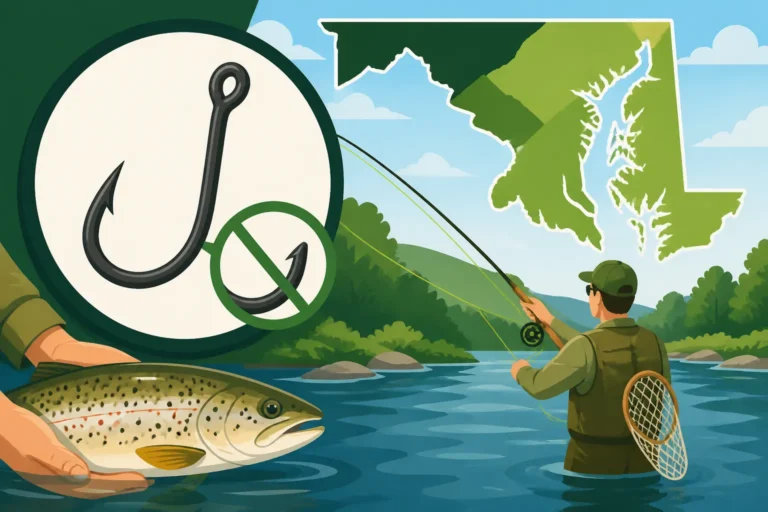
- Barbless Hook Rules: In all Delayed Harvest streams during the catch-and-release period (October 1st to June 15th), and in some designated fly-fishing-only or catch-and-release wild trout areas, only artificial lures or flies with barbless hooks are permitted. This rule is crucial for minimizing harm to released fish. Our guide on Barbless Hook Rules on Maryland Trout Streams elaborates on this. You can easily find barbless hooks or tools to crimp your barbed hooks on Amazon.
- Gear Restrictions: Beyond barbless hooks, some special regulation areas might have further gear restrictions, such as fly-fishing-only zones or areas where natural baits are prohibited. Always check the Maryland DNR Fishing Guide or specific stream signage before you go.
- Catch-and-Release Practices: When fishing in catch-and-release areas, or anytime you plan to release a fish, practice good catch-and-release techniques. Minimize handling time, keep the fish in the water as much as possible, use wet hands when touching the fish, and revive it gently before release. This ensures the fish has the best chance of survival. Even if you don't need a trout stamp to catch and release, understanding the ethics is vital.
By understanding these gear recommendations and adhering strictly to Maryland's fishing regulations, you'll be well-equipped to enjoy a responsible and successful trout fishing experience throughout the year.
Disclaimer
Please note that fishing regulations in Maryland can change frequently. While this guide provides comprehensive and up-to-date information, it is crucial for all anglers to consult the latest official Maryland Department of Natural Resources (DNR) fishing guide or website before heading out. This ensures compliance with all current laws, including licensing, creel limits, size restrictions, and gear requirements. The author and publisher are not responsible for any violations incurred by readers of this content.