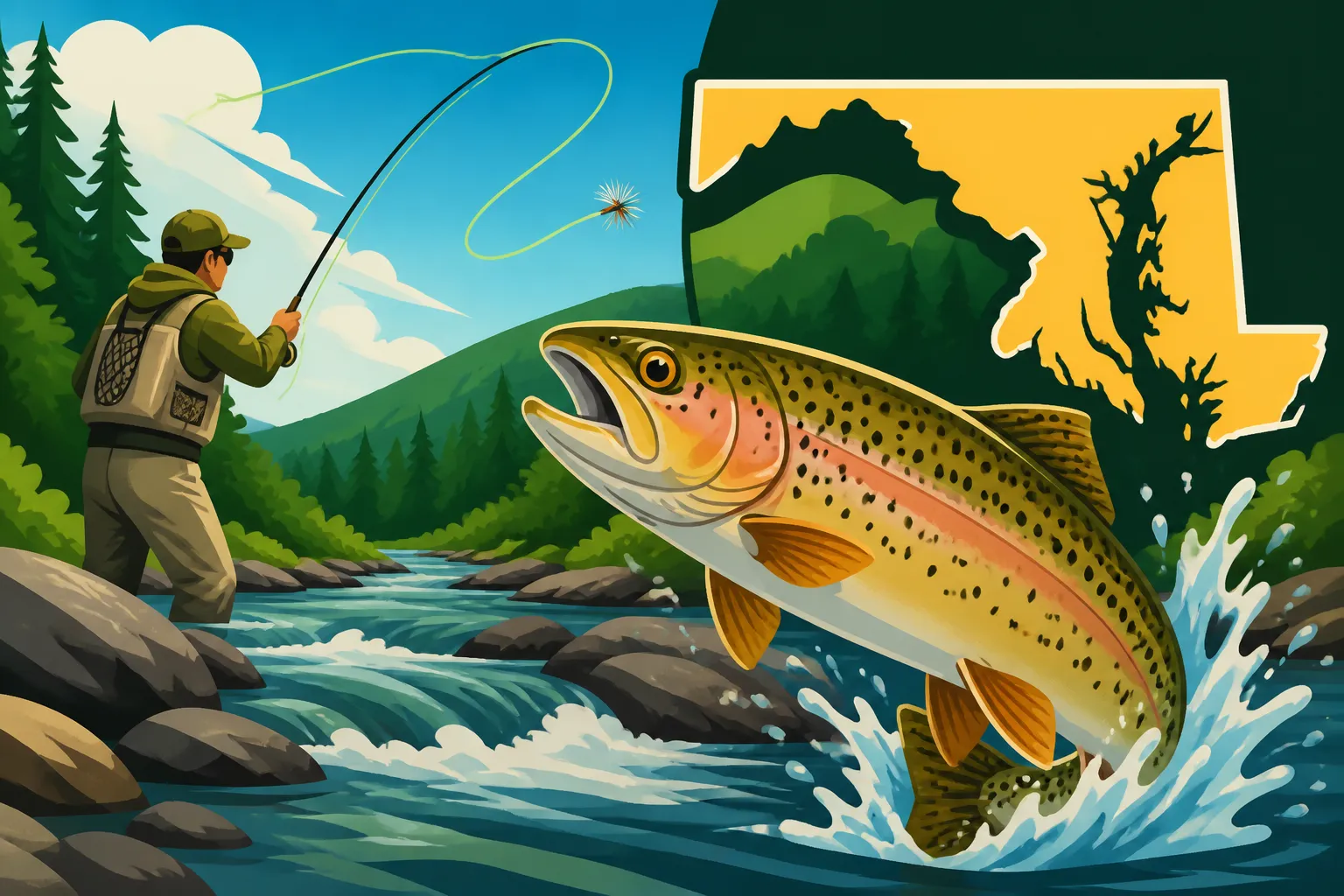
Fishing the Savage River for Trout
Finding truly pristine, wild trout waters in Maryland can feel like a quest, especially when you're dreaming of those crisp, clear mountain streams teeming with feisty fish. It's easy to get lost in the endless regulations or the sheer volume of stocked put-and-take options, but for those seeking a more authentic, challenging, and incredibly rewarding trout fishing experience, the Savage River in Western Maryland stands out. This comprehensive guide will walk you through everything you need to know to successfully fish this remarkable river, from understanding its unique character to mastering the techniques that will put you on the fish.
Savage River Overview: A Western Maryland Gem
The Savage River isn't just another fishing spot; it's an experience, a journey into the heart of Maryland's wild, rugged western landscape. For many anglers, it represents the pinnacle of trout fishing in the state, offering a challenge and a connection to nature that’s increasingly rare. If you've ever felt that yearning for a place where the water runs cold and clear, and the fish fight with the spirit of the wild, then you understand the draw of the Savage.
Where is the Savage River and What's Its Geography?
Nestled deep within Garrett County, Maryland, the Savage River carves its way through the Savage River State Forest, a sprawling wilderness covering over 54,000 acres. This isn't your typical urban park fishing pond; it's a genuine backcountry adventure. The river originates high in the Allegheny Mountains, gathering strength from numerous cold-water springs and tributaries as it flows southward. Its upper reaches are characterized by steep gradients, tumbling cascades, and dense rhododendron thickets that make access challenging but incredibly rewarding. As it moves downstream, particularly below the Savage River Dam, the river widens, and the gradient lessens, forming classic riffle-pool-run complexes that are ideal for fly fishing.
The surrounding geography is dominated by towering hardwoods, hemlock stands, and the aforementioned rhododendron, creating a dense, shaded canopy that keeps the water temperatures consistently low – a critical factor for trout survival. This natural insulation is a huge reason why the Savage River can sustain healthy trout populations, even through warmer months. The remote feel is palpable; cell service can be spotty, and you'll often feel like you have entire stretches of river to yourself, especially on weekdays. This isolation, while demanding, is precisely what many anglers cherish. It's a place where the sounds of the rushing water and the rustle of leaves replace the everyday cacophony, allowing for a truly immersive fishing experience.
What Makes the Savage River Special for Trout?
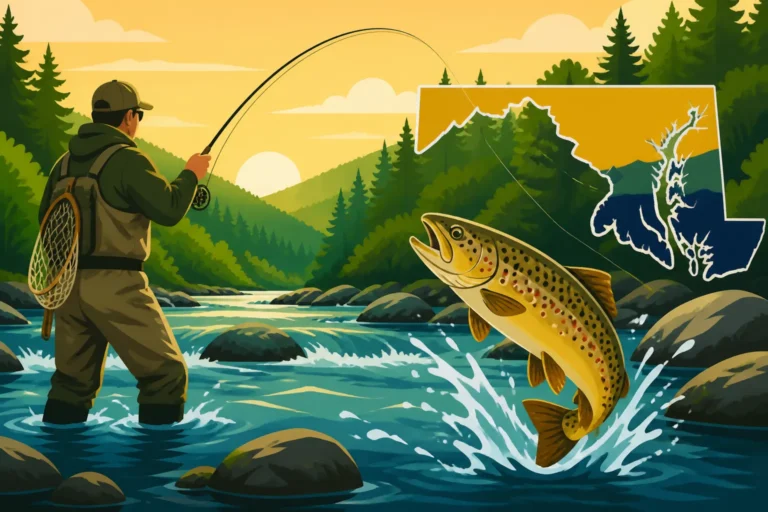
The Savage River’s unique appeal for trout anglers stems from a combination of factors, but its cold, pristine water quality and the presence of wild, reproducing trout populations are at the top of the list. Unlike many other trout fisheries that rely heavily on hatchery-raised fish, the Savage boasts a strong population of native brook trout and naturally reproducing brown trout in its special management sections. These aren't your average, pellet-fed stocked trout; they are wild, wary, and incredibly strong fish that have adapted to their environment, making them a true trophy for any angler.
The river's hydrology is also key. The Savage River Dam, built in the 1950s, creates the Savage River Reservoir, which acts as a massive thermal regulator. Water released from the bottom of the reservoir is consistently cold, even in the peak of summer, ensuring that the river below the dam remains suitable for trout year-round. This cold-water discharge extends for miles downstream, providing a long stretch of prime trout habitat. The substrate is a mix of cobble, gravel, and bedrock, creating excellent holding lies and abundant insect life, which, in turn, provides a rich food source for the trout. The limited access in many areas also acts as a natural conservation measure, reducing fishing pressure and allowing the fish to thrive in a more natural state. It’s this combination of wild fish, stable cold water, abundant food, and relative solitude that elevates the Savage River to its legendary status among Maryland trout enthusiasts.
The Trout You'll Find and When to Target Them
When you commit to fishing the Savage River, you’re not just casting a line; you’re engaging with a complex ecosystem that supports several species of trout, each with its own characteristics and preferred habitats. Understanding these species and their seasonal patterns is paramount to a successful and rewarding outing.
Native Brook Trout and Stocked Populations
The Savage River is a special place because it offers a blend of wild, native fish and strategically stocked populations, allowing for diverse fishing opportunities. The true gems of the Savage are its native brook trout. These stunning fish, with their worm-like markings, red spots, and white-edged fins, are an indicator of truly pristine water quality. You’ll typically find brook trout in the smaller, colder tributaries of the Savage River or in the uppermost, most secluded reaches of the main stem where human impact is minimal. They tend to be smaller than their brown trout cousins, but what they lack in size, they make up for in beauty and a feisty fight. Catching a wild brook trout from the Savage is an achievement, a testament to the river's ecological health. These fish are incredibly sensitive to habitat degradation and warm water, so their presence signifies a healthy, vibrant stream.
Further downstream, particularly in the sections below the dam and into the "trophy trout" management areas, you'll encounter naturally reproducing brown trout. These fish are more resilient and often grow to impressive sizes in the Savage, feasting on the abundant insect life and smaller baitfish. Maryland DNR also supplements the river with rainbow trout and occasionally brown trout in designated "put-and-take" or general regulation sections. While these stocked fish provide more immediate angling opportunities, especially for those less familiar with wild trout behavior, the real magic of the Savage lies in pursuing its wild populations. Knowing the difference between a naturally reproducing fish and a stocked one, which you can often tell by fin condition and overall coloration, adds another layer of appreciation to your catch. If you're interested in distinguishing species, you might want to read our guide on how to identify a Striped Bass vs a White Perch in Maryland, though the principles of observation apply universally.
Prime Seasons for Savage River Trout Fishing
The Savage River offers excellent trout fishing opportunities throughout the year, but each season presents unique conditions and challenges. Your approach will need to adapt to what Mother Nature is offering.
- Spring Stocking Season: This is often the most popular time, especially for those looking to maximize their chances of catching fish. Maryland DNR begins its extensive trout stocking program in early spring, often before the general trout season opens. While the Savage River has its wild sections, the accessible parts see a good number of stocked fish. The water is cold, often high from snowmelt and spring rains, and the fish are typically active. During this time, standard spin fishing tactics with powerbait, worms, or small spinners can be effective, alongside fly fishing with nymphs and streamers that imitate prevalent aquatic insects. However, be aware that many anglers flock to these areas, so expect company. For a broader understanding of statewide stocking, check out Fishing Maryland's Spring Trout Stocking Season.
- Summer Wild Trout Opportunities: Many anglers mistakenly believe that trout fishing dies down in summer. While some streams become too warm, the Savage River, particularly the cold-water release section below the dam, shines in the summer. This is prime time for pursuing wild brook and brown trout. The water levels are generally lower and clearer, and hatches of aquatic insects are prolific, making it ideal for dry fly fishing in the evenings or early mornings. During the day, nymphing or fishing small streamers can be very productive. The dense canopy provides welcome shade, and the solitude is often unparalleled compared to spring. This is when the river truly lives up to its "wild" designation.
- Fall Colors and Aggressive Fish: Fall is arguably the most beautiful time to fish the Savage River. The vibrant foliage creates a stunning backdrop, and the fish become increasingly active as they feed heavily in preparation for winter and the brown trout spawn. Water temperatures are ideal, and stream flows are usually stable. This is a fantastic time for both dry fly fishing, as terrestrial insects fall into the water, and nymphing with larger patterns. Brown trout can be particularly aggressive as they establish spawning redds, offering some of the most exciting battles of the year. While the focus on this article is trout, learning about the broader Best Time of Year to Fish in Maryland can help you plan other fishing adventures.
- Winter Challenges and Rewards: Winter fishing on the Savage is not for the faint of heart, but it can be incredibly rewarding. The river can be icy, and access might be difficult due to snow. However, the cold, clear water means that if you can brave the elements, you might find some very unpressured and large trout. Slow, deep nymphing or swinging small streamers are the most effective techniques. The fish are less active but will still feed opportunistically. The silence and stark beauty of the winter landscape add a mystical quality to the experience. Just be sure to dress warmly, layer up, and prioritize safety on slippery banks.
| Season | Typical Water Conditions | Primary Trout Behavior | Recommended Techniques |
|---|---|---|---|
| Spring | High, cold, often turbid | Active, feeding on fresh food | Nymphing, streamers, bait (in legal areas) |
| Summer | Lower, clear, consistently cold | Active, surface feeding | Dry flies (mornings/evenings), nymphing |
| Fall | Stable, clear, ideal temps | Highly active, pre-spawn feeding | Dry flies, nymphs, streamers |
| Winter | Low, very cold, clear, icy | Less active, opportunistic feeding | Deep nymphing, slow streamers |
Navigating Savage River's Unique Regulations
Fishing the Savage River isn't just about knowing where to cast; it's crucially about understanding and adhering to its specific, and sometimes complex, regulations. Maryland has designated parts of the Savage River as special management areas to protect its unique wild trout populations and provide quality angling experiences. Ignoring these rules can lead to significant penalties, so it's essential to be prepared.
Fly Fishing Only and Catch & Release Sections
One of the most distinctive features of the Savage River is its designated "Trophy Trout Fishing Area," often referred to as a Catch and Release (C&R) and Fly Fishing Only (FFO) section. This area typically extends from the Savage River Dam downstream for a few miles. In these sections, the rules are strict for a reason: they are designed to nurture large, healthy trout populations and provide a high-quality, challenging experience for fly anglers.
- Fly Fishing Only (FFO): This means exactly what it sounds like. You are only permitted to use a fly rod, fly reel, fly line, and artificial flies. Spin fishing gear, bait, and artificial lures other than flies are strictly prohibited. The idea is to reduce incidental harm to the fish and to offer a unique challenge that aligns with the pursuit of wild trout. This restriction helps maintain the ecological integrity of the wild trout populations by minimizing stress from less selective fishing methods. If you're new to fly fishing, this area provides an excellent opportunity to hone your skills, but make sure you come prepared with the right gear. Our guide on Fly Fishing in Maryland can offer some initial tips.
- Catch & Release (C&R): In these designated sections, all trout caught must be immediately released unharmed. This is critical for sustaining the trophy trout populations. This means no keeping fish for dinner, regardless of size or species. When practicing C&R, it's vital to minimize the time the fish is out of water, handle it gently with wet hands, and use barbless hooks to ensure easy removal. The goal is for the fish to swim away strong and continue to grow, spawn, and contribute to the river's health. The success of the Savage River as a trophy trout fishery hinges on every angler’s commitment to these practices. For more specifics, consider "Is a Maryland Fishing License Required for Catch and Release?", although on the Savage, these specific C&R rules are paramount.
Beyond these special sections, other parts of the Savage River and its tributaries may fall under general trout regulations, which allow for spin fishing and bait, and have specific size and creel limits. Always consult the latest Maryland Freshwater Sportfishing Guide for the most up-to-date and precise boundaries and rules before you head out. These regulations are updated annually and sometimes even mid-season, so staying informed is crucial.
Gear Restrictions, Barbless Hooks, and Trout Stamp Requirements
Beyond the Fly Fishing Only designation, there are other important gear restrictions and requirements you need to be aware of when fishing the Savage River, particularly in its special management zones.
- Barbless Hooks: In the Trophy Trout Fishing Area and other designated C&R sections, the use of barbless hooks is mandatory. This rule is designed to minimize damage to the fish's mouth and internal organs, ensuring a higher survival rate upon release. Many flies come with barbed hooks, so you’ll need to either purchase barbless flies or, more commonly, pinch down the barbs on your existing hooks with a pair of pliers. This simple act makes a huge difference in the fish's ability to recover. You can learn more about this in our article about Barbless Hook Rules on Maryland Trout Streams. Even if you're fishing a general regulation section, using barbless hooks is a good practice for ethical angling.
- Artificial Lures (Other Sections): In sections not designated FFO, artificial lures are permitted. However, in most trout management waters, only single-pointed hooks are allowed, and treble hooks are often prohibited or restricted. Always double-check the regulations for the specific stretch of river you plan to fish. For instance, some areas may allow bait like worms or corn, while others restrict it entirely to protect the fish from deep hooking.
- Maryland Trout Stamp: If you plan to fish for trout in any designated trout waters in Maryland, including the Savage River, you are required to possess a valid Maryland Fishing License and a Maryland Trout Stamp. This stamp is an additional endorsement that helps fund the state's trout stocking and management programs, ensuring these fisheries remain viable. Even if you only intend to catch and release, the trout stamp is still required. You can purchase your Maryland Fishing License Guide for 2026 and trout stamp online through the Maryland Department of Natural Resources (DNR) website or at authorized license agents. For detailed cost information, refer to the Maryland Trout Stamp Cost for Residents and Nonresidents. It's important to remember that this revenue directly supports the health of places like the Savage River.
- Creel and Size Limits: While the FFO/C&R section has a zero-creel limit, other sections of the Savage River and its tributaries will have specific daily creel limits (the number of fish you can keep) and minimum size limits. These vary by species and by location, so always verify the current regulations. For instance, wild brook trout often have very restrictive limits, or may be C&R only, even outside of designated FFO zones, to protect their fragile populations.
Always remember that these regulations are in place for a good reason: to preserve and enhance the incredible fishing resource that is the Savage River. Taking the time to understand and follow them not only keeps you compliant with the law but also contributes to the long-term health of the fishery for future generations of anglers.
Effective Techniques and Essential Gear for Success
Fishing the Savage River, especially its wild trout sections, demands a thoughtful approach to techniques and gear. It's a place where stealth, presentation, and understanding the subtle nuances of trout behavior truly pay off. This isn't usually a place for heavy gear or loud movements; precision and finesse are your allies.
Fly Fishing Strategies for Different Sections
Given the Savage River's reputation and its Fly Fishing Only sections, mastering various fly fishing strategies is crucial. The river's character changes, offering different opportunities.
- Dry Fly Fishing: Matching the Hatch: When insects are hatching, there's nothing quite like seeing a trout rise to a well-presented dry fly. The Savage River has healthy populations of various aquatic insects, including Caddisflies, Mayflies (like Hendricksons, Sulphurs, and Green Drakes), and Stoneflies. Pay attention to what's hatching – look for insects flying around, shucks on rocks, or fish rising steadily. "Matching the hatch" means selecting a dry fly that imitates the size, shape, and color of the natural insects. Present your fly gently upstream of a rising fish, allowing it to drift naturally with the current. This often requires careful wading, precise casting, and a keen eye. Early mornings and late evenings during spring, summer, and fall are typically the best times for dry fly action.
- Nymphing: Subsurface Success: Even when fish aren't rising, they are almost always feeding sub-surface. Nymphing is often the most consistently productive method on the Savage River. Trout spend the vast majority of their time feeding on insect larvae and pupae that live on the river bottom or drift in the current. Common nymph patterns like Pheasant Tails, Hare's Ears, Stonefly nymphs, and Caddis larvae imitations are staples.
- Indicator Nymphing: This involves suspending one or more nymphs under a strike indicator (a small bobber) that signals subtle takes. It’s effective for covering various depths and is particularly useful in faster runs and deeper pools.
- Euro-Nymphing/Tightline Nymphing: This highly effective technique involves using a long, sensitive rod and a specialized leader without an indicator, allowing direct contact with your flies as they drift. It's excellent for fishing complex currents, pocket water, and getting a precise drift in deeper seams, which is common in the Savage. This method allows for incredible sensitivity to even the lightest takes, which is often necessary when targeting wary wild trout.
- Streamer Fishing: Targeting Aggressive Trout: For larger, more aggressive trout, especially brown trout, streamer fishing can be incredibly exciting. Streamers imitate baitfish, leeches, or larger aquatic insects. Patterns like Woolly Buggers, Sculpzillas, or articulated streamers can be effective when fished aggressively, stripped through pools, along undercut banks, or swung across currents. This technique often provokes a predatory strike and can be particularly productive in higher, off-color water or when targeting fish that are actively hunting. It's also a great method for probing deeper sections where fish might be holding.
Regardless of the technique, stealth is paramount. Trout in the Savage are wary, and heavy footsteps, bright clothing, or sloppy casting will often spook them before you even get a chance. Move slowly, wade carefully, and keep a low profile.
Recommended Gear for Savage River Conditions
Having the right gear makes a huge difference in your comfort, safety, and success on the Savage River. Its rugged terrain and cold water dictate specific equipment choices.
- Fly Rod and Reel: A 9-foot, 4- to 5-weight fly rod is a versatile choice for the Savage River, capable of handling dry flies, nymphs, and smaller streamers. For dedicated nymphing, some anglers prefer longer 10- or 11-foot rods, especially for Euro-nymphing. Pair your rod with a matching reel that has a smooth drag system and is spooled with a good quality floating line. Having a spare spool with a different line (e.g., a sinking line for streamers) can also be beneficial. For more on what to look for, check out Fly Fishing Gear for Maryland Trout Streams.
- Waders and Boots: Waders are non-negotiable for comfortable and safe fishing in the cold waters of the Savage River. Breathable chest waders are ideal, offering protection from the elements and allowing you to wade deep. Pair them with sturdy wading boots that provide excellent ankle support and grip on slippery rocks. Felt soles offer superior traction on wet rocks but are often banned in other states due to invasive species concerns; check Maryland's current regulations, though studded rubber soles are a safe bet and generally acceptable. Always wear wading belts for safety.
- Layered Clothing: The weather in Western Maryland can change rapidly. Dress in layers, even in summer, as morning temperatures can be chilly. Wicking base layers, fleece or wool mid-layers, and a waterproof/breathable outer shell are essential. Don't forget a warm hat and gloves, especially for cooler seasons.
- Accessories:
- Tippet and Leaders: Carry a range of fluorocarbon tippet sizes (3X-6X) for different fly presentations and conditions.
- Forceps/Hemostats: Essential for quickly and safely removing hooks from fish, especially with barbless hooks.
- Nippers: For cutting line and tippet.
- Strike Indicators: Various types (yarn, foam, pinch-on) for nymphing.
- Split Shot: Small weights for getting nymphs down to depth.
- Net: A rubber-mesh landing net is highly recommended. It’s much gentler on the fish's slime coat and fins than nylon nets, further aiding in successful catch and release.
- Polarized Sunglasses: Crucial for spotting fish, reading water, and protecting your eyes.
- Hat: For sun protection and reducing glare.
- Insect Repellent: Ticks and mosquitoes can be prevalent, especially in warmer months.
- First Aid Kit: For minor cuts and scrapes.
- Water and Snacks: Staying hydrated and energized is important for a full day of fishing.
- Navigation: A map of Savage River State Forest or a GPS device/app can be very helpful, as cell service can be unreliable.
Being well-prepared with the right gear ensures you can focus on the fishing and fully enjoy the rugged beauty of the Savage River without being caught off guard by the elements or challenging conditions.
Accessing the Wild Beauty of the Savage River
The Savage River, by its very nature, is a wild and somewhat remote destination. While its pristine condition is a major draw, it also means that access can sometimes be challenging. Planning your approach and understanding the terrain is key to a rewarding and safe fishing trip.
Popular Access Points and Parking
While the Savage River flows for many miles, specific access points are more commonly used and provide the easiest entry into different stretches of the river.
- Big Run State Park: Located along the upper Savage River, Big Run State Park is a popular starting point for many anglers. The park offers primitive camping, picnic areas, and direct access to sections of the river that are managed under general regulations, often seeing trout stockings. From here, you can wade upstream or downstream, exploring various runs and pools. Parking is available within the park. This area provides a good balance of accessibility and natural beauty, making it a favorite for families or those who prefer slightly less strenuous access. It’s a great base camp if you plan to spend a few days exploring.
- Savage River State Forest Roads: Much of the Savage River flows through the Savage River State Forest, which is crisscrossed by a network of forest roads. Many of these roads (like Big Savage Road, Westernport Road, and New Germany Road) run parallel to or cross the river at various points, offering informal pull-offs and smaller parking areas. These often lead to less-frequented sections, providing more solitude. However, be aware that these roads can be gravel, narrow, and sometimes seasonally impassable, especially in winter or after heavy rains. Always use caution, and a vehicle with good ground clearance is often advisable.
- Below the Savage River Dam: This is arguably the most famous and heavily fished section of the Savage River, primarily because it's where the Trophy Trout Fishing Area (FFO/C&R) begins. There is dedicated parking near the dam, usually marked. From here, anglers can walk down to the river and explore the long, productive stretches below the cold-water release. This area offers excellent fishing for both wild brown and rainbow trout, often of significant size. Due to its popularity, expect to share this section with other anglers, especially on weekends or during prime seasons. Despite the potential for crowds, the quality of fishing here is often exceptional.
- Other Smaller Access Points: Throughout the Savage River State Forest, there are numerous smaller tributaries and less obvious access points that intrepid anglers can discover. These often involve more hiking and bushwhacking but can lead to truly secluded water where wild brook trout thrive. Always consult a detailed map (like a topographical map or a good fishing app) before venturing off the main access points, and be mindful of private property boundaries. While you won't find specific guided tours solely for the Savage, if you're ever looking for general fishing guides for other areas in Maryland, resources like FishingBooker can help you find options.
Remember to always park responsibly, ensure your vehicle is not blocking gates or rights-of-way, and display any required state park or forest parking permits.
Navigating the Terrain: Wading and Hiking
Fishing the Savage River isn't just about casting; it's also about navigating its rugged banks and often swift currents. The terrain demands respect and careful preparation.
- Wading Challenges: The Savage River is a classic freestone stream, meaning its bed is composed of rocks, cobble, and gravel. These rocks can be incredibly slippery due to algae growth. Sturdy wading boots with good grip (felt or rubber with studs) are essential. A wading staff is highly recommended, especially when crossing swift currents or navigating unfamiliar stretches. The water, even in summer, is consistently cold due to the dam release, so quality waders are a must for comfort and safety. Always test the depth and current with your wading staff before taking a step, and never wade beyond your comfort or skill level. The bottom can be uneven, with sudden drop-offs.
- Hiking and Bushwhacking: Many of the best fishing spots on the Savage River require some hiking. In the upper, more remote sections and along its tributaries, you'll often find yourself bushwhacking through dense rhododendron tunnels, climbing over fallen logs, and navigating steep banks. Trails may be unmaintained or non-existent in these areas. Be prepared for strenuous activity and allow ample time for travel to and from your fishing spots. Carrying a backpack with water, snacks, a first-aid kit, and rain gear is wise. For those seeking solitude, the effort is well worth it, but it’s not for every angler.
- Safety Considerations: The remote nature of the Savage River means you're often far from immediate help.
- Tell someone your plans: Inform a friend or family member of where you're going and when you expect to return.
- Weather: Western Maryland weather can change quickly. Be prepared for sudden rain showers, thunderstorms, or drops in temperature. Flash floods can occur in narrow stream valleys after heavy rains.
- Wildlife: The Savage River State Forest is home to black bears, coyotes, and venomous snakes (though sightings are rare). Be aware of your surroundings and know how to react in case of an encounter.
- Cell Service: Cell phone reception is often unreliable or non-existent in many parts of the state forest. Don't rely on your phone for navigation or emergency communication.
- Hydration and Nutrition: Especially during long hikes and wading sessions, staying hydrated and keeping your energy levels up is crucial.
- Physical Fitness: A reasonable level of physical fitness is beneficial for comfortably navigating the demanding terrain of the Savage River.
By respecting the wild character of the Savage River and preparing adequately for its terrain, you can ensure a safe and memorable fishing experience, fully immersed in one of Maryland's most spectacular natural treasures. If you're looking for more general knowledge about the region's fishing, consider articles like Fishing Spots in Western Maryland's Mountains or Best Trout Streams in Western Maryland.
Protecting This Pristine Fishery: Conservation and Etiquette
The Savage River is a true gem, a testament to what thoughtful management and angler dedication can achieve. But its pristine nature isn't guaranteed; it relies heavily on every angler's commitment to conservation and respectful etiquette. This isn't just about following rules; it's about being a steward of this incredible resource.
Practicing Leave No Trace Principles
The foundational principle for anyone venturing into a natural environment like the Savage River is "Leave No Trace." This isn't just a suggestion; it's a code of conduct that ensures the beauty and health of the environment are preserved for everyone, including the fish.
- Pack it in, Pack it out: This is the golden rule. Whatever you bring into the state forest and along the river—whether it's snack wrappers, old fishing line, or empty water bottles—must come back out with you. This includes organic waste like apple cores and banana peels, which take a long time to decompose and can attract unwanted wildlife. Take a small trash bag with you and commit to leaving no trace of your visit. Better yet, pick up any litter you might find left by others.
- Stay on Designated Trails or Minimize Impact: Where trails exist, stick to them. In areas without formal trails, try to walk on durable surfaces like rock or bare ground, avoiding sensitive vegetation. Repeated foot traffic on delicate plants can create erosion and damage the ecosystem. When wading, avoid kicking up excessive sediment, which can disturb aquatic insects and fish habitat. Think about how your presence impacts the immediate environment.
- Respect Wildlife: The Savage River is part of a vibrant ecosystem. Observe wildlife from a distance and never feed animals. This includes bears, deer, birds, and even smaller creatures. Feeding wildlife can alter their natural behaviors, make them dependent on human food, and lead to conflicts. If you're lucky enough to spot a bear or other large animal, give it plenty of space.
- Minimize Campfire Impacts: If you're camping in designated areas, adhere to all fire regulations. Use established fire rings, keep fires small, and ensure they are completely extinguished before leaving. In many sensitive areas, or during dry periods, campfires may be entirely prohibited. The Savage River State Forest is prone to wildfires, so vigilance is critical.
Adhering to Leave No Trace principles means every angler contributes positively to the long-term health and beauty of the Savage River, ensuring it remains a pristine fishery for generations to come.
Respecting Wildlife and Fellow Anglers
Fishing the Savage River isn't solely about your personal experience; it's about being part of a larger community of nature enthusiasts. Respect for wildlife and other anglers is crucial for a harmonious and enjoyable environment.
- Wildlife Encounters: While fishing, you are a visitor in the home of various wildlife. Be mindful of spawning fish, nesting birds, and other animals. Avoid disturbing them. If you see fish on spawning redds (cleared gravel beds where fish lay eggs), give them a wide berth and do not wade through or cast to them. This is especially important for brown trout in the fall. Being aware of creatures like Maryland Invasive Fish Rules: Blue Catfish and Snakehead can help you understand the broader ecosystem even when focusing on trout.
- Sharing the River: While the Savage River can offer solitude, especially on weekdays or in more remote sections, you will likely encounter other anglers, particularly in popular areas below the dam. Practice good river etiquette:
- Give Space: Maintain a respectful distance from other anglers. A good rule of thumb is to give them enough space so your casting doesn't interfere with theirs, typically 50-100 feet or more, depending on the stream size and conditions.
- Don't Crowd: If someone is already fishing a prime run or pool, find another spot. Don't crowd in or cut them off. You can always ask if they mind you fishing nearby, but be prepared to move if they prefer solitude.
- Communicate: If you need to pass another angler, politely ask if you can walk behind them or wade across the river. Don't just barge through their fishing area.
- Downstream Courtesy: Generally, anglers work their way upstream, as it's easier to present flies naturally and less likely to spook fish. If you're moving downstream, be extra careful not to disturb water that another angler might be working.
- Responsible Catch and Release: In the C&R sections, this is paramount. Handle fish minimally and with wet hands, keep them in the water as much as possible, and revive them gently before release. Avoid dragging fish onto rocks or dry land. The goal is to ensure every released fish has the best chance of survival.
- Private Property: Be aware of private property boundaries. While much of the Savage River flows through public land, some sections may border private holdings. Respect "No Trespassing" signs and ensure you are only accessing the river via legal public easements or designated areas. Knowing the lay of the land is part of responsible angling.
By embracing these principles of conservation and etiquette, you not only enhance your own experience but also contribute to a positive, sustainable fishing culture on the Savage River. This ensures that this magnificent fishery remains a cherished destination for everyone who values its wild beauty and exceptional trout.
Disclaimer
The information provided in this guide is for general informational purposes only and is subject to change. Fishing regulations, seasons, and access points can vary and are updated periodically by the Maryland Department of Natural Resources (DNR). It is always the angler's responsibility to consult the most current Maryland Freshwater Sportfishing Guide or visit the official Maryland DNR website before planning any fishing trip to ensure compliance with all laws and regulations. The author and publisher are not responsible for any inaccuracies or outdated information. Always prioritize safety and practice ethical angling.