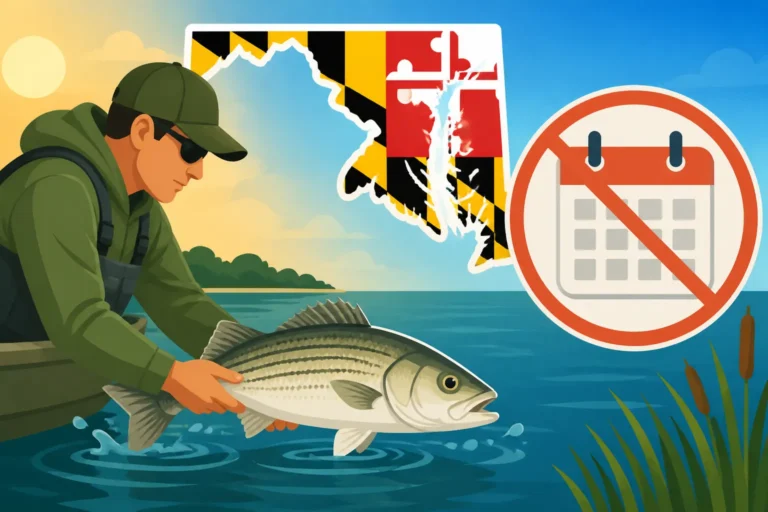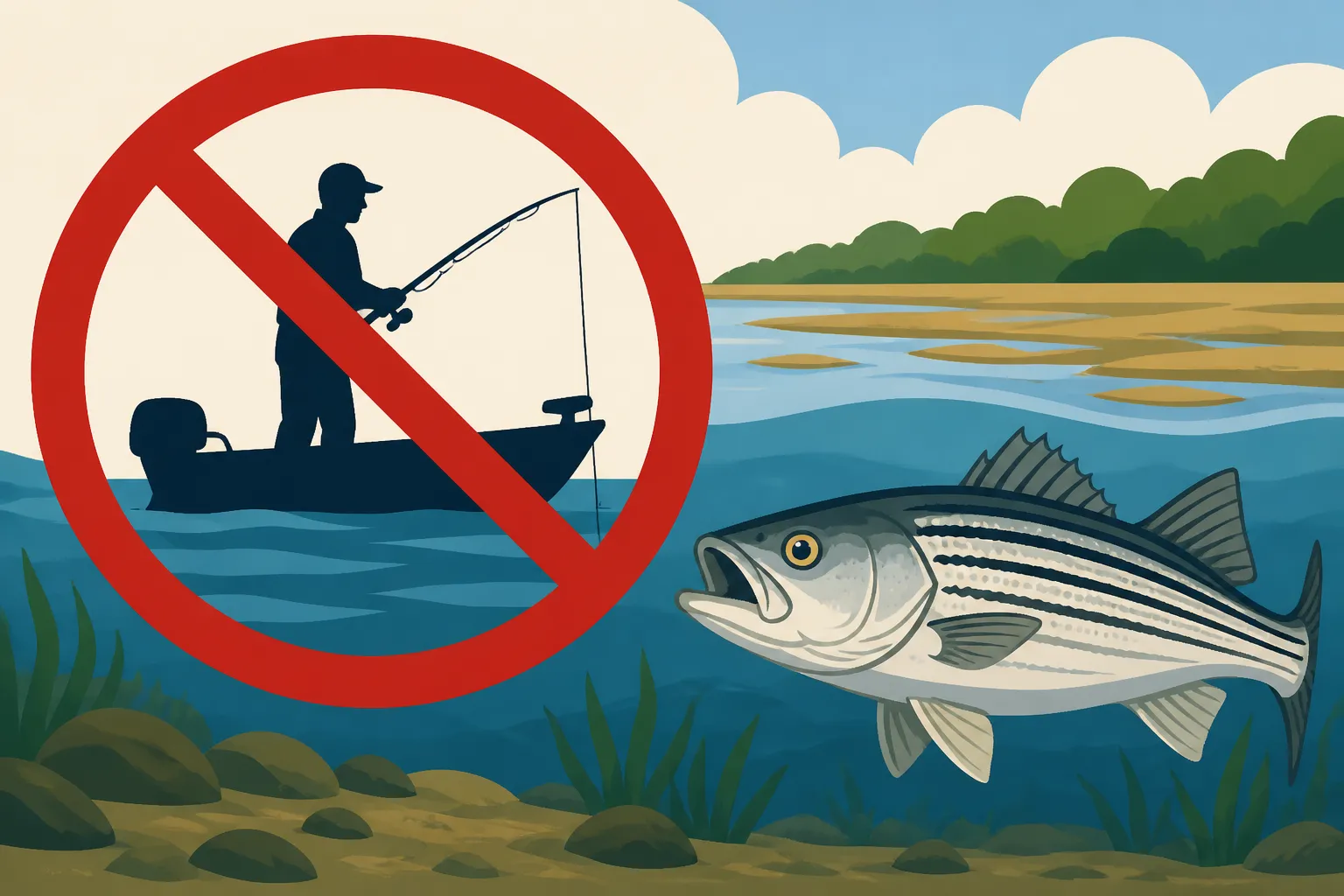
Why Are the Susquehanna Flats Closed to Striped Bass Fishing?
It's a tough pill to swallow when you've got your heart set on hitting the legendary Susquehanna Flats, rods rigged and ready, only to find out it's closed to striped bass fishing. This isn't just a minor inconvenience; it can be incredibly frustrating, especially if you've traveled a distance or planned your entire weekend around targeting Maryland's iconic rockfish. But trust me, these closures aren't arbitrary. This guide will deep dive into the critical reasons behind the Susquehanna Flats' closure to striped bass fishing, explaining the science, the conservation efforts, and what it all means for the future of this beloved fishery.
The Susquehanna Flats: A Cradle for Striped Bass
The Susquehanna Flats, located at the very top of the Chesapeake Bay where the Susquehanna River meets the brackish waters, isn't just another fishing spot; it's a vital, irreplaceable ecosystem. For anglers, it’s a place of lore, known for its incredible beauty and the sheer abundance of fish it can hold. But for striped bass, or rockfish as we affectionately call them here in Maryland, it's home, or at least, their nursery.
An Essential Spawning Ground
Think of the Susquehanna Flats as the ultimate maternity ward for striped bass on the East Coast. Every spring, as water temperatures begin to rise, adult striped bass migrate from the deeper waters of the Chesapeake Bay and even the Atlantic Ocean, making their way up the Susquehanna River. This journey culminates in the Flats, where the unique combination of freshwater inflow, submerged aquatic vegetation, and shallower, warmer waters provides the perfect conditions for spawning. It’s here that millions of eggs are laid and fertilized, beginning the next generation of rockfish that will eventually populate the Bay and the Atlantic seaboard. Without healthy spawning grounds like the Flats, the entire striped bass population would be in serious jeopardy.
Unique Ecosystem Dynamics
The Susquehanna Flats boasts a complex and fragile ecosystem that supports not just striped bass, but a multitude of other species. The extensive beds of submerged aquatic vegetation (SAV), often called "grass beds," act as critical nurseries for juvenile fish, including those tiny striped bass larvae that are barely visible to the naked eye. These grass beds provide shelter from predators and a rich feeding ground of invertebrates. Additionally, the Flats act as a natural filter, helping to improve water quality in the upper Bay. This delicate balance is easily disrupted, and human activity, even something as seemingly innocuous as fishing during sensitive periods, can have cascading negative effects on the entire system. Understanding the bigger picture helps put these closures into perspective, not as a restriction, but as a protective measure for a truly special place.
Understanding Striped Bass Spawning Vulnerability
Striped bass are truly remarkable fish, but their spawning process makes them particularly susceptible to disturbance. It's not just about letting them lay their eggs; it's about ensuring those eggs and the subsequent larvae have the best possible chance of survival in a critical stage of their life cycle.
The Delicate Spawning Process
The spawning ritual of striped bass is a fascinating, yet highly vulnerable, event. It typically occurs in late spring when water temperatures reach an optimal range, usually between 58 to 69 degrees Fahrenheit (around 14-20 degrees Celsius). Female striped bass release millions of eggs into the water column, often near the surface, where males then fertilize them. These eggs are semi-buoyant, meaning they float freely in the current for a couple of days before hatching. During this period, and immediately after hatching, the tiny larvae are extremely susceptible to physical disturbance, changes in water quality, and predation. A boat propeller, the splash of a cast lure, or even the stress of being caught and released can interfere with successful spawning and early larval development. This is why areas like the Susquehanna Flats are so important, and why disturbance must be minimized.
Why Catch and Release Can Still Be Harmful
Even if you're a devout catch-and-release angler, targeting striped bass during their spawning period in these sensitive areas can still pose a significant threat. Think about it: an adult female striped bass carrying millions of eggs is expending massive amounts of energy to reach the spawning grounds and perform her biological duty. The act of fighting on a line, being brought to the boat, handled, and then released, even if done quickly and carefully, causes immense physiological stress. This stress can lead to "post-release mortality," where the fish dies hours or days later from exhaustion or injury, or it can compromise her ability to successfully spawn or recover afterwards. Some studies suggest that even perfectly executed catch-and-release can result in a significant percentage of fish dying, especially when water temperatures are higher or fish are already stressed from spawning. Therefore, a complete closure, even for catch-and-release, is often the most effective way to ensure the maximum number of fish successfully spawn and survive. For more details on catch-and-release practices, you might want to read about Maryland Catch and Release Rules During Closed Seasons.
Maryland's Conservation Strategy: Protecting the Future of Rockfish
The decision to close the Susquehanna Flats to striped bass fishing is not made lightly. It’s a carefully considered component of a much broader, science-based conservation strategy implemented by the Maryland Department of Natural Resources (DNR) to protect and rebuild the striped bass population. This strategy is driven by data, ecological understanding, and the long-term health of the fishery.
The Role of the Maryland DNR
The Maryland DNR is tasked with managing the state's natural resources, including its valuable fisheries. They work closely with other states along the Atlantic coast through organizations like the Atlantic States Marine Fisheries Commission (ASMFC) to implement regional management plans for migratory species like striped bass. These plans are crucial because striped bass travel extensively, meaning conservation efforts need to be coordinated across multiple jurisdictions. The DNR's decisions are rooted in scientific assessments of the striped bass stock, which include population surveys, harvest data, and reproductive success rates. When these assessments indicate a decline or vulnerability, strict measures, such as spawning closures, are put in place. You can always find the latest information in the Maryland DNR Fishing and Boating Guide, Explained.
Coordinated Conservation Efforts
It’s important to remember that the Susquehanna Flats closure isn't an isolated rule. It's part of a comprehensive framework that includes other seasonal closures, size limits, and daily bag limits across various seasons and locations in Maryland and beyond. For example, closures also often occur in other critical spawning rivers, such as the Nanticoke, Choptank, Patuxent, and Potomac. You can learn more about these broader rules in Maryland Striped Bass Season and Rockfish Rules and Maryland Spawning River Closures for Striped Bass. This multi-faceted approach aims to protect fish at different life stages and ensure the overall sustainability of the population. Without these coordinated efforts, the long-term viability of striped bass fishing, which is a major economic driver and cultural touchstone for the region, would be in serious jeopardy.
Here's a quick overview of typical spawning season conditions and why they matter:
| Factor | Importance for Striped Bass Spawning | Why Closures Help |
|---|---|---|
| Water Temperature | Optimal range (58-69°F) triggers spawning. | Avoids stress from fishing in unfavorable temps. |
| Freshwater Flow | Essential for egg buoyancy and larval development. | Protects from disruption in sensitive river currents. |
| Submerged Vegetation | Provides shelter and food for newly hatched larvae. | Prevents physical damage to critical nursery habitats. |
| Angler Pressure | Even C&R causes stress during peak spawning. | Minimizes stress on actively spawning fish. |
| Time of Year | Generally late April to May, varying annually. | Ensures protection during peak vulnerability. |
Navigating the Closure: What Anglers Need to Know and How to Adapt
Okay, so the Susquehanna Flats are closed to striped bass. Now what? While it can be frustrating, especially if you’ve been eagerly awaiting the season, it doesn't mean your fishing season is over. It simply means you need to adjust your plans and explore other fantastic opportunities that Maryland fishing has to offer during this time. Remember, these measures are for the long-term good of the fishery, ensuring there will be fish to catch for years to come.
Respecting the Rules and Regulations
First and foremost, it's crucial to know the exact dates of the closure. These can vary slightly year to year based on environmental conditions and scientific assessments. Always check the official Maryland DNR website for the most current Maryland's 2026 Striped Bass Season Dates and regulations before heading out. Fishing in a closed area or during a closed season for striped bass can result in significant fines and penalties, and frankly, it undermines the very conservation efforts designed to protect the fish we all love to catch. Ignorance of the law is no excuse, and violating these rules contributes to the decline of the fishery. Many anglers find it helpful to pick up an official Maryland Fishing License Guide for 2026 at a local tackle shop or view it online to stay fully informed.
Alternative Fishing Opportunities
Just because striped bass are off-limits in the Flats doesn't mean other species aren't biting! Spring in Maryland is a fantastic time for a variety of freshwater and tidal species.
- Crappie and Largemouth Bass: Many of Maryland's freshwater lakes and reservoirs, like Loch Raven Reservoir or Deep Creek Lake, offer excellent opportunities for largemouth bass and crappie during the spring. You can often find great deals on tackle and gear for these species on Amazon.
- White Perch: The white perch run in the Bay's tributaries is a spring tradition. These feisty panfish offer fast action and delicious table fare. They move into shallower waters to spawn and can be caught with simple bottom rigs and bloodworms or small artificials. This is an incredible opportunity to still enjoy Fishing Maryland's Chesapeake Bay, A Complete Guide even if you can't target rockfish.
- Catfish: Maryland rivers, especially the Potomac, are home to an abundance of blue catfish and channel catfish, which are often active in the spring. There are no limits on blue catfish, and they provide great sport and excellent eating. You can often find specific gear for targeting these robust fish through online retailers like Amazon.
- Trout: For those who prefer cooler waters, Maryland's trout streams are regularly stocked in the spring. Check out areas like the Gunpowder River or the Savage River for some incredible trout fishing, often with specific Maryland Trout Stamp Requirements.
By diversifying your fishing targets, you can still have a productive and enjoyable time on the water while giving the striped bass the space they need to thrive. It’s all part of being a responsible angler and appreciating the full range of fishing experiences Maryland offers.
The Long-Term Benefits of Spawning Closures
While these closures might feel restrictive in the short term, their importance cannot be overstated. They are a critical tool in ensuring the long-term health and sustainability of Maryland's iconic striped bass fishery, and by extension, the entire Chesapeake Bay ecosystem.
Ensuring a Healthy Population for the Future
The primary goal of closing spawning grounds like the Susquehanna Flats is to boost reproductive success. By minimizing disturbance during this crucial time, more eggs are laid successfully, more larvae hatch, and more juvenile fish survive their incredibly vulnerable early stages. This directly contributes to a stronger year class of striped bass, which, in a few years, will grow into the adult fish we all love to catch. Think of it as an investment in the future. We sacrifice a bit of immediate gratification to ensure that future generations of anglers, and the fish themselves, can continue to thrive. Without consistent, successful spawning, the overall population would decline, leading to even stricter regulations or even a complete collapse of the fishery, something no one wants.
Supporting Ecosystem Resilience
Beyond just the striped bass, these closures contribute to the overall health and resilience of the Chesapeake Bay ecosystem. The Susquehanna Flats, with its extensive submerged aquatic vegetation, is a critical habitat. Protecting it from excessive boat traffic and fishing pressure during the spring helps preserve these vital grass beds, which are essential not only for striped bass but also for countless other fish, invertebrates, and waterfowl. A healthy, resilient ecosystem is better able to withstand environmental challenges, such as pollution or climate change, ensuring that the Bay remains a vibrant and productive natural resource for everyone. Taking a moment to consider the broader ecological impact can help us appreciate why these measures are so necessary. If you're passionate about the Bay, learning more about Maryland Invasive Fish Rules: Blue Catfish and Snakehead can also provide context on ongoing ecosystem challenges.
Disclaimer
Please remember that fishing regulations, seasons, and licensing requirements in Maryland can change frequently. It is always your responsibility to consult the latest official Maryland Department of Natural Resources (DNR) regulations before engaging in any fishing activities. The information provided here is for general guidance and educational purposes only and should not be considered legal advice.