When Does Maryland Start Stocking Trout Each Year?
It’s a tale as old as time for Maryland anglers: that burning question about when the Maryland Department of Natural Resources (DNR) will finally drop those eager trout into our streams and lakes. We've all been there, checking the calendar, refreshing websites, and hoping for a hint of when those beautiful, hungry fish will make their grand entrance. This guide is here to shed some light on the Maryland trout stocking schedule, helping you understand when to expect the action to begin and how to stay ahead of the game.
The Anticipation: Unraveling Maryland's Annual Trout Stocking Schedule
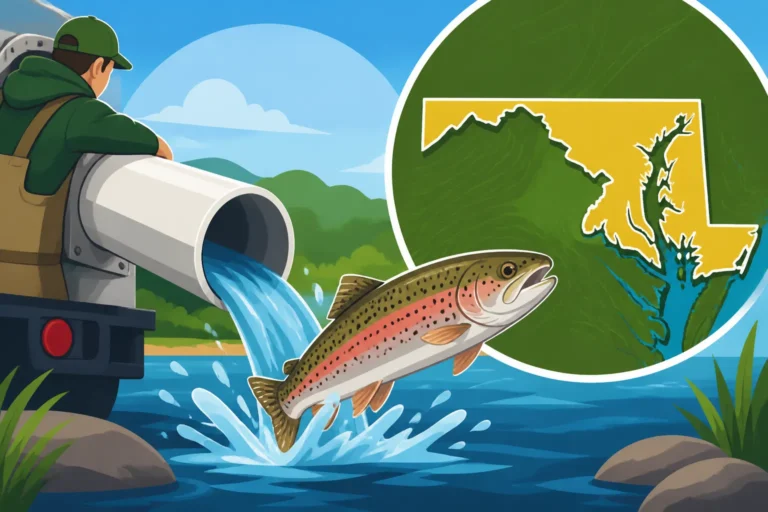
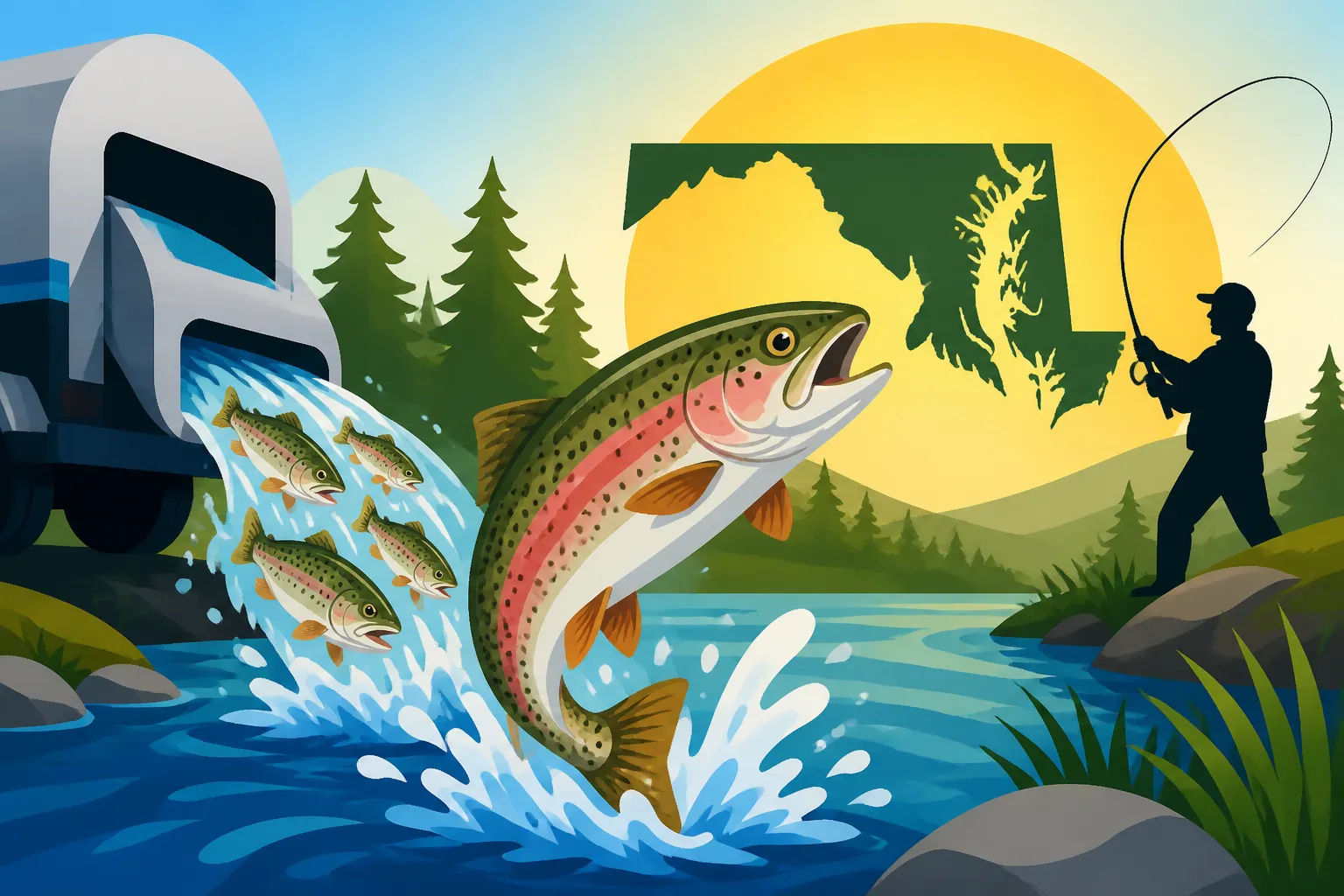
For many, the first hint of trout stocking marks the unofficial start of spring, even if the air still carries a winter chill. Maryland's stocking program is designed to provide diverse fishing opportunities, from the popular put-and-take fisheries that offer immediate angling gratification to the more challenging delayed harvest and wild trout areas. Knowing when those fish are hitting the water is key to planning your trips and getting in on the best action. The Maryland DNR doesn't just stock once; it's a carefully orchestrated, multi-season affair that keeps anglers coming back for more.
Preseason Stocking: Kicking Off the Year
The very first trout stocking efforts typically begin in late winter, often kicking off in February, sometimes even bleeding into early March, depending on the weather and stream conditions. This initial wave is what we call the "preseason" stocking. Think of it as the appetizer before the main course – a chance to get out there and shake off the winter rust. These early stockings are crucial because they set the stage for the spring season, introducing fish to popular angling spots before the major crowds descend.
During this preseason period, Maryland DNR crews are out diligently stocking streams and lakes across the state, prioritizing areas that are easily accessible and known for high angler traffic. The goal is to provide immediate fishing opportunities as soon as conditions allow. Water temperatures are still quite cold, which means the trout can be a bit sluggish, but they're certainly catchable if you know your stuff. This is a fantastic time for those who enjoy a bit of solitude on the water before the full swing of spring. It's often when you'll find the first batches of Rainbow Trout and sometimes even the dazzling Golden Rainbow Trout, making for some truly exciting catches.
One common frustration for anglers is the exact timing, as it can shift slightly year to year based on everything from ice melt to road conditions for the stocking trucks. The DNR aims for consistency but Mother Nature often has the final say. Keeping an eye on the weather forecasts for freezing temperatures or heavy snow becomes almost as important as checking the fishing reports. These initial stockings are vital for those looking to get a jump start on the season and often target the larger, more accessible waters that can handle the initial influx of fish and anglers.
Spring Stocking Season: The Main Event
When most anglers think about trout stocking in Maryland, they're probably picturing the massive efforts that occur throughout the spring season. This is truly the "main event" and the busiest time of year for trout stocking. Typically, the spring stocking season begins in early to mid-March and continues vigorously through April, often extending into May, especially in areas with colder water or later warming trends. This period sees the largest volume of trout released into Maryland's waters.
During the spring, the DNR focuses on a wide array of waters, including the popular put-and-take trout streams, delayed harvest areas, and many community ponds and lakes. The sheer number of fish stocked ensures that there are opportunities for anglers of all skill levels to enjoy success. From the picturesque streams of Western Maryland like the Savage River and the Gunpowder Falls to smaller, local ponds closer to urban centers, the spring stocking program is comprehensive. This is also when you'll see a mix of species, predominantly Rainbow Trout, but often healthy numbers of Brown Trout are included, especially in designated wild trout or delayed harvest sections. For a comprehensive look at the yearly trout patterns, check out our guide on Maryland Trout Season, Month by Month.
Anglers really need to stay on their toes during this time. Streams that were barren one week can be teeming with fish the next. The increased competition from other anglers means that showing up early after a stocking notification can make a huge difference in your success. It’s a wonderfully vibrant time on the water, with families, seasoned fly casters, and bait fishermen all enjoying the bounty. The demand is high, so the DNR works hard to spread the fish around, creating a rotating schedule that brings fresh trout to different locations throughout the weeks.
Fall Stocking Efforts: A Second Wind
Just when you thought the trout season might be winding down, Maryland offers a fantastic "second wind" with its fall stocking program. This usually kicks off in October and can run through November, providing a welcome extension to the angling calendar. While perhaps not as massive in scale as the spring stockings, the fall efforts are incredibly popular, especially with those who prefer cooler weather fishing and less crowded waters.
The fall stockings focus on many of the same streams and lakes that received fish in the spring, refreshing the populations for anglers looking to hit the water before winter truly sets in. The cooler water temperatures of autumn are ideal for trout, making them active and feisty, often leading to some excellent fishing. This season is particularly cherished by fly fishermen, as many aquatic insects are still active, and the vibrant fall foliage creates a stunning backdrop for a day on the water. It’s a perfect time to try out new techniques or test new gear you might have picked up on sale, maybe even from Amazon, to prepare for the cooler weather.
These later stockings are often a great opportunity to target larger holdover trout from the spring, alongside the newly stocked fish. The reduced fishing pressure, compared to the spring frenzy, can also lead to a more relaxed and rewarding experience. Don't underestimate the fall; it can offer some of the most memorable trout fishing of the year. Many of the designated Maryland Put-and-Take Trout Waters, What That Means, see a fresh batch of fish during this period, ensuring sustained opportunities.
Here’s a quick overview of Maryland's general trout stocking periods:
| Stocking Period | Typical Months | Primary Species Stocked | Target Water Types |
|---|---|---|---|
| Preseason | February – Early March | Rainbow Trout, Golden Rainbow Trout | Accessible Put-and-Take Streams, Lakes |
| Spring | Mid-March – May | Rainbow Trout, Brown Trout, Golden Rainbow Trout | Put-and-Take Streams, Delayed Harvest, Lakes, Community Ponds |
| Fall | October – November | Rainbow Trout, Brown Trout | Put-and-Take Streams, Delayed Harvest, Lakes |
How Maryland DNR Manages Trout Stocking and Updates Anglers
It's understandable to feel a bit lost trying to track when trout stocking happens. The Maryland DNR is actually quite transparent, but you need to know where to look. Their process is a thoughtful balance of biological science, logistical challenges, and public information dissemination. They can't just dump fish anywhere, anytime; there are considerations like water temperature, stream flow, accessibility, and, of course, the health and readiness of the fish themselves.
Official Communication Channels: Where to Find Real-Time Info
The absolute best way to stay informed about Maryland's trout stocking schedule is directly through the Maryland DNR's official channels. They maintain an updated stocking schedule that is usually available online. This isn't just a list of proposed dates; it's often updated in real-time as stocking trucks leave the hatcheries and deposit their precious cargo. If you're serious about hitting the newly stocked waters, this is your go-to resource.
Here's where you should be looking:
- Maryland DNR Website: The DNR's Fishing & Boating page, specifically the "Trout Stocking" section, is the primary hub. They typically post a weekly or bi-weekly schedule, showing which bodies of water have been, or are about to be, stocked.
- Social Media: Follow the Maryland DNR's official social media accounts (Facebook, X/Twitter). They often share real-time updates, photos, and even videos of stocking events, which can be incredibly exciting for anglers.
- Email Newsletters: Sign up for DNR fishing newsletters. These often provide summaries of recent stockings and upcoming plans, right to your inbox.
- Local Tackle Shops: Don't underestimate the power of local knowledge! Your local bait and tackle shop owners are often tuned into the DNR updates and can provide invaluable insights into recent stocking activity in their area. They're usually anglers themselves and are eager to share the good news.
The DNR also has a system for notifying the public about important regulations, like those for Maryland Trout Stamp Requirements or Maryland Trout Daily Creel Limit, which are critical to understand before you head out. Checking these resources frequently, especially during the peak spring season, can make the difference between a successful trip and a frustrating one. These channels become especially active during the busiest times of the year for stocking, so keeping them bookmarked on your phone or computer is a smart move.
Factors Influencing Stocking Dates: Why It's Not Always Fixed
While the DNR does its best to stick to a schedule, trout stocking is far from an exact science. Many factors can influence when and where fish are stocked, leading to variations from year to year and even week to week. This can be frustrating for anglers who want to plan ahead, but it's all done in the best interest of the fish and the fishery.
Key factors that can cause shifts in the stocking schedule include:
- Water Temperature and Flow: Trout are cold-water fish. If stream temperatures are too high, the stress of stocking can be detrimental to their survival. Similarly, if water levels are too low, it can make it difficult for fish to disperse and find suitable habitat. Conversely, extreme high flows from heavy rains can make stocking difficult and unsafe for DNR personnel.
- Hatchery Production: The availability of fish from state hatcheries like Albert Powell Fish Hatchery or Bear Creek Hatchery directly impacts stocking numbers and timing. Sometimes, unexpected events like equipment failures or disease outbreaks can affect production schedules.
- Weather and Road Conditions: Maryland experiences a wide range of weather. Heavy snow, ice, or flooded roads can make certain stocking locations inaccessible for the large DNR trucks, forcing delays or reroutes.
- Logistical Challenges: Simply put, getting hundreds of thousands of fish into dozens of locations requires significant planning and manpower. Truck availability, staffing, and other logistical hurdles can occasionally cause minor adjustments to the schedule.
Understanding these variables helps us appreciate the complexity of the operation. The DNR isn't trying to keep secrets; they're responding to dynamic environmental conditions. A little flexibility on the angler's part goes a long way. When the DNR explains How Maryland Decides Which Rivers Get Stocked, it's clear that careful consideration goes into every decision, balancing angler access with ecological health.
Maximizing Your Chances: Gear, Tactics, and Regulations for Stocked Trout
Now that you know when to expect those feisty trout, let's talk about how to be ready. Catching stocked trout, especially in the busy early season, requires a bit of preparation and understanding of their behavior. These fish have often been raised in a hatchery and might behave differently than their wild counterparts, at least initially.
Essential Gear for Successful Trout Fishing
Having the right equipment can significantly improve your success rate. You don't need to break the bank, but a few key items will make your time on the water more enjoyable and productive.
- Rod and Reel: A light to medium-light action spinning rod (5-7 feet) paired with a small spinning reel spooled with 4-6 lb test monofilament or fluorocarbon line is perfect for most stocked trout scenarios. If you're into fly fishing, a 3-5 weight fly rod is ideal for Maryland's trout streams. You can often find decent combo kits on Amazon that include a rod, reel, and even some basic line, making it easy to get started without a huge initial investment.
- Bait & Lures: For put-and-take trout, classic baits like powerbait (various colors and forms), worms (especially mealworms or wax worms), and corn are often incredibly effective. Small spinners (like Rooster Tails or Mepps) and tiny spoons are also go-to lures. Fly anglers will want an assortment of nymphs, streamers, and dry flies appropriate for the season. For more specific recommendations, check out our guide on the Best Bait for Put-and-Take Trout in Maryland.
- Tackle Box Essentials: A small tackle box with an assortment of small hooks (sizes 8-14), split shot weights, small swivels, and a few different bobbers will cover most situations. Don't forget a pair of needle-nose pliers for hook removal and a small net for landing fish gently.
- Waders/Boots: Depending on where you plan to fish, waterproof boots or even chest waders can be invaluable for accessing prime spots and staying comfortable. Fishing Maryland's spring trout stocking season often means dealing with cold water, so staying dry is key. You can find comfortable and durable waders and wading boots from brands like Simms or Orvis, many of which are available through retailers like Amazon.
- Fishing Vest/Pack: A comfortable vest or small backpack to carry your tackle, extra line, a water bottle, and snacks is a great idea. Organization makes a big difference when you're moving between spots. For fly anglers, a good fishing vest allows quick access to all your essential flies and tools. If you're looking to upgrade your fly fishing kit, consider our piece on Fly Fishing Gear for Maryland Trout Streams.
Understanding Maryland's Trout Regulations
Before you even think about casting a line, you absolutely must familiarize yourself with Maryland's specific trout fishing regulations. These rules are in place to manage the fishery sustainably and ensure everyone has a fair chance at catching fish. Ignoring them can lead to hefty fines and a ruined day on the water.
Key regulations to be aware of include:
- Fishing License: If you're 16 or older, you need a valid Maryland fishing license. Additionally, if you plan to fish for trout, you'll need a Trout Stamp. This small additional purchase goes directly to funding the state's trout stocking program.
- Season Dates & Creel Limits: Maryland has different regulations for various types of trout waters. "Put-and-take" waters often have liberal creel limits (the number of fish you can keep) and specific season opening dates. "Delayed Harvest" streams have special catch-and-release periods where only artificial lures and flies with single, barbless hooks are allowed, followed by an open harvest period. "Catch-and-Release" areas, as the name suggests, require all fish to be immediately returned to the water. Always check the current Maryland DNR fishing guide for the most up-to-date information on Maryland Fishing Size and Catch Limits by Species.
- Tackle Restrictions: Pay close attention to tackle restrictions, especially in delayed harvest and special regulation waters. Barbless hooks are often mandated in these areas to minimize harm to the fish.
- Possession Limits: Understand the daily creel limits for trout. Exceeding these limits is a serious offense. Remember that special rules might apply to unique species like the What Is a Golden Rainbow Trout?, even though they are typically counted within the general trout limit.
It’s your responsibility as an angler to know and follow these rules. A quick read of the annual Maryland DNR Fishing Guide, available online or at tackle shops, will answer most of your questions. Don't rely on hearsay; get the facts straight from the source. The rules for Maryland's Delayed Harvest Trout Streams are particularly important for ethical angling in those sensitive areas.
Ultimately, the excitement of Maryland's trout stocking season is a shared experience. By staying informed, preparing your gear, and respecting the regulations, you're set for a fantastic time on the water, whenever those fish decide to make their grand appearance. Happy fishing!
Disclaimer
The information provided in this guide is for general informational purposes only and is subject to change. Fishing regulations, stocking schedules, and other details are set by the Maryland Department of Natural Resources (DNR) and can be updated at any time. Always consult the official Maryland DNR website and current fishing guide for the most accurate and up-to-date regulations and stocking information before planning your fishing trip.