Maryland Striped Bass Season and Rockfish Rules
Oh, the beloved Maryland striped bass, affectionately known as rockfish! If you've spent any time on our beautiful Chesapeake Bay or its tributaries, you know the thrill of a rockfish fight is unmatched. But you also know the frustration that often comes with trying to keep up with the ever-evolving rules and regulations. It feels like every season brings a new set of dates, sizes, and limits, making it a real headache for even the most seasoned anglers. This comprehensive guide is here to untangle the complexities of Maryland's striped bass season and rockfish rules, helping you navigate the waters with confidence and stay on the right side of conservation.
Understanding the Maryland Striped Bass Landscape
Fishing for striped bass in Maryland is more than just a pastime; it's a deep-rooted cultural tradition, a significant economic driver, and a critical component of our ecosystem. But the very popularity of this iconic fish also makes its management a continuous challenge.
The Iconic "Rockfish" and Its Importance
For generations, the striped bass has been Maryland's state fish, a true superstar of the Chesapeake Bay. Anglers from all over flock to our waters hoping to land one of these powerful, striped beauties. Their migratory patterns bring them into the Bay to spawn, creating incredible fishing opportunities that drive our local charter businesses, tackle shops, and waterfront communities. They are a keystone species, playing a vital role in the Bay's food web. There's nothing quite like feeling that strong tug on your line, seeing those distinctive stripes, and knowing you've connected with a true Maryland legend. That connection, that passion, is why these rules, however complex, are so important to us all.
The Challenge of Conservation
Despite their resilience, striped bass populations face significant pressures from overfishing, habitat degradation, and environmental changes. The Chesapeake Bay serves as the primary spawning and nursery ground for the majority of the Atlantic Coast's striped bass population, making Maryland's role in their conservation absolutely critical. Balancing the desires of anglers and the needs of a healthy fish population is a constant tightrope walk. The rules aren't just arbitrary restrictions; they're carefully crafted efforts to ensure that future generations can experience the same thrill of catching a rockfish that we do today. It’s a delicate dance between sport, sustenance, and ecological responsibility.
Why the Rules Keep Changing
It can feel incredibly frustrating when the rules seem to change on a dime, sometimes even mid-season. One year you're celebrating a generous slot limit, the next you're scratching your head over reduced harvest opportunities. This isn't just bureaucratic whimsy. Striped bass are a highly migratory species, and their population health fluctuates based on a myriad of factors, including spawning success, environmental conditions, and fishing pressure along the entire Atlantic coast. Scientists constantly monitor these populations, and when data indicates a decline or a need for stricter measures to ensure long-term health, regulations are adjusted. It's a dynamic situation, often driven by the Atlantic States Marine Fisheries Commission (ASMFC), which mandates that states implement measures to maintain the stock. This often leads to Maryland's New Striped Bass Rules for 2026 being announced with very little lead time, leaving many anglers scrambling to stay compliant.
Key Regulatory Bodies and Their Role
Understanding who makes the rules can help you understand why they are made and how to stay informed. It's not just one entity, but a collaboration of state, interstate, and even inter-jurisdictional bodies working to manage this crucial fishery.
Maryland Department of Natural Resources (DNR)
The Maryland Department of Natural Resources (DNR) is your primary point of contact for all things fishing within Maryland's state waters. They are responsible for implementing and enforcing the regulations set forth by both state legislation and interstate compacts. The DNR conducts extensive research, monitors fish populations, manages stocking programs, and provides angler education. They issue all fishing licenses, including the essential Maryland Fishing License Guide for 2026 and the specific Maryland Chesapeake Bay Sport Fishing License Explained that many striped bass anglers need. Their website is typically the most up-to-date source for current regulations, stocking schedules, and any emergency closures. They also manage the state's enforcement efforts, so knowing their role is critical to staying compliant.
Atlantic States Marine Fisheries Commission (ASMFC)
While the Maryland DNR manages fishing within Maryland, the Atlantic States Marine Fisheries Commission (ASMFC) plays a crucial overarching role. The ASMFC is an interstate compact of 15 Atlantic coastal states (from Maine to Florida) that cooperatively manages shared migratory marine fishery resources, including striped bass. They develop Fishery Management Plans (FMPs) based on scientific assessments of fish stocks. These FMPs often include mandatory measures that member states, like Maryland, must implement to conserve the species. For striped bass, the ASMFC sets the overall harvest limits and management strategies, and then each state develops its specific regulations (season dates, size limits, bag limits) to meet those federal mandates. This often explains why rules can seem so similar across states or why Maryland might be required to implement stricter rules even if local conditions seem favorable.
Potomac River Fisheries Commission (PRFC)
If you fish the mighty Potomac River, particularly its tidal portions, you'll encounter another layer of regulation from the Potomac River Fisheries Commission (PRFC). The Potomac River forms a border between Maryland and Virginia, and its unique status means that it's managed by a separate commission established through a compact between the two states. The PRFC sets its own seasons, size limits, and creel limits for various species, including striped bass, within the Potomac's tidal waters. These rules can, and often do, differ from those in the main stem of the Chesapeake Bay or other Maryland tributaries. It's an extra step for anglers who venture into these productive waters, but it's essential to check the PRFC's regulations specifically, as a Maryland fishing license holder is still subject to PRFC rules when fishing in PRFC-managed waters.
Maryland's General Striped Bass Fishing Seasons
Trying to understand the Maryland striped bass fishing season can feel like deciphering a complex calendar. It's not just one continuous season; it's a series of distinct periods, each with its own set of rules, designed to protect the fish during critical times, especially spawning.
The Spring Trophy Season (April/May)
The Spring Trophy Season is one of the most anticipated times for many Maryland anglers, typically running for a limited window in April and May. This is when the largest striped bass, often referred to as "trophy" fish, migrate into the Chesapeake Bay to spawn. The season is usually very short, sometimes only a few weeks, and it often comes with a higher minimum size limit and a strict one-fish-per-angler bag limit. The focus is on catching one large fish, a true trophy, before the fish disperse. You'll find boats congregated in the main stem of the Bay, particularly in the lower and middle Bay regions, often trolling large lures or setting up chum lines. Anglers often brave cold, blustery conditions for a chance at a truly magnificent fish. Always double-check the exact dates for Maryland's 2026 Striped Bass Season Dates to ensure you're fishing legally during this specific window.
The Summer/Fall Season (May-December, with closures)
Following the brief spring trophy season, Maryland typically transitions into a longer summer and fall season for striped bass, which usually opens in mid-May and can extend into December. This season is often broken into several segments, with specific open and closed periods. A notable closure period frequently occurs in August, a frustrating time for many recreational anglers when you cannot harvest striped bass, though Can You Target Striped Bass in Maryland in August? might involve catch-and-release fishing for other species. This August closure is implemented to protect striped bass during warmer water temperatures when they are more vulnerable to stress and mortality from being caught and released. During the open periods of the summer and fall, you'll generally find a slot limit in place, meaning you can only keep fish within a specific size range, along with a daily bag limit, usually one fish per person. This period sees anglers using a variety of techniques, from jigging and live-lining to trolling and chumming, targeting fish that are dispersed throughout the Bay and its tributaries.
Winter Catch-and-Release Season (January-March)
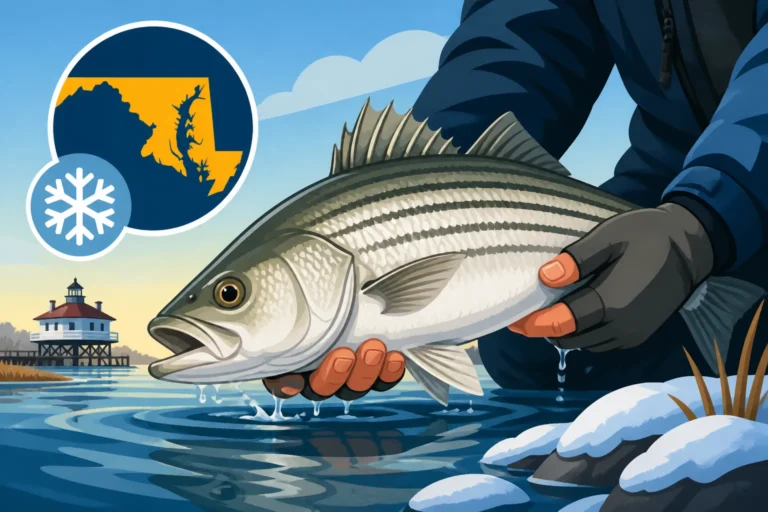
As the waters cool down and the main harvest season closes, Maryland usually offers a winter catch-and-release striped bass season, typically from January 1 through March 31. During this time, anglers can still target striped bass, but all striped bass caught must be immediately released, regardless of size. This season provides a fantastic opportunity for dedicated anglers to get out on the water when there's less boat traffic and often more challenging conditions. It requires extra care and ethical angling practices to ensure the fish's survival, emphasizing quick release and minimal handling. Many anglers turn to vertical jigging or light tackle fishing in deeper channels where the striped bass congregate. It's a testament to the passion for this fish that so many will brave the cold for the chance to feel that familiar tug, even if it means sending the fish back to fight another day. Remember to understand Maryland Catch and Release Rules During Closed Seasons thoroughly.
Specific Seasonal Rules and Their Nuances
While the general outline of the seasons is helpful, the devil is truly in the details when it comes to Maryland's striped bass regulations. Each season has specific nuances regarding dates, locations, and methods that can trip up even experienced anglers.
Spring Trophy Season Details
The Spring Trophy Season, usually a short window in April and May, is specifically designed for anglers hoping to land one large fish. In recent years, this season has often applied only to the main stem of the Chesapeake Bay, south of the Brewerton Channel. This means that if you're fishing in a tributary river or north of that line, you might still be in a closed season, or under different regulations altogether. The size limit for the trophy season is typically much larger than other seasons, often in the 35-inch range or more, with a strict limit of one fish per angler. Methods like trolling with large tandem rigs or parachutes, often tipped with surgical hoses, are popular during this time, aiming for those truly massive, pre-spawn females. It's crucial to check the specific opening and closing dates and any designated fishing zones each year, as they can shift based on conservation needs and stock assessments. For example, some years might see a slight adjustment to the southern boundary or specific days of the week designated for fishing.
Summer/Fall Season Breakdown
The summer and fall seasons are the longest periods for striped bass harvest, but they are far from continuous. Historically, there's been an initial open period starting in mid-May, followed by a mandatory closure, often throughout August, to protect heat-stressed fish. After this closure, the season reopens, typically from September through December, or until harvest limits are met. During these open periods, anglers are usually subject to a slot limit, such as 19-24 inches, and a daily bag limit of one fish per person. This slot limit is a critical conservation tool, allowing smaller, younger fish to grow and larger, breeding-stock fish to contribute to future spawns. Maryland Rockfish Slot Limit Explained delves into this further. Fishing can be excellent during these times, especially in the cooler fall months when the fish are actively feeding. You'll find anglers targeting channel edges, structure like the Bay Bridge pilings, and various points and shoals throughout the Bay. Many anglers find success by jigging with soft plastics or metal jigs, live-lining spot or eels, or light tackle casting.
Catch and Release: When It's the Only Option
Catch and release is not just a personal choice in Maryland; it's a mandatory practice during specific closed seasons, such as the winter season (January-March) and the spring spawning river closures. It's also required if you catch a striped bass that falls outside the legal slot limit during an open harvest season. The intent of catch and release is to allow fish to survive and potentially spawn or be caught again. To ensure the highest survival rate, anglers should use barbless hooks, or at least de-barb their hooks, and handle fish minimally. Using circle hooks is often recommended or even required in some instances, especially when fishing with natural bait, as they tend to hook fish in the corner of the mouth, reducing gut-hooking. Avoid removing fish from the water if possible, especially larger fish, and use proper fish handling tools like lip grippers to minimize stress. If a fish is deeply hooked, cutting the line as close to the hook as possible is often the best course of action. This practice is vital for the long-term health of the striped bass population.
Size and Creel Limits: The Numbers You Need to Know
The most immediate and impactful rules for any angler are the size and creel (bag) limits. These numbers dictate what you can keep and how many, and they are rigorously enforced to manage the striped bass harvest.
Understanding the Slot Limit
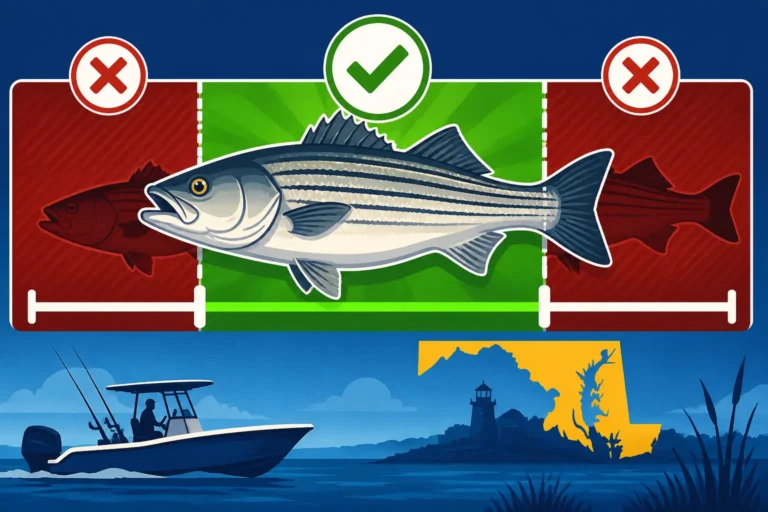
Maryland frequently employs a "slot limit" for striped bass during its primary harvest seasons. This means that you can only keep fish that fall within a very specific size range – for example, 19 to 24 inches. Any fish shorter than the minimum (e.g., 18 inches) must be released, and any fish longer than the maximum (e.g., 25 inches) must also be released. The rationale behind the slot limit is twofold: it protects young, juvenile fish, allowing them to grow and mature, and it safeguards the larger, sexually mature breeding stock that are essential for successful spawning. It's a strategy designed to promote a healthier, more sustainable population by allowing fish outside the slot to continue their life cycle. Many anglers find this challenging because it means releasing really big, impressive fish, but it's a sacrifice for the greater good of the fishery. Measuring your fish accurately from the tip of the snout to the end of the tail (with mouth closed) is paramount. Having a reliable, easy-to-read measuring device is a must, readily available at local tackle shops or online retailers like Amazon.
Daily Bag Limits Per Angler
In addition to size limits, Maryland imposes a daily bag limit, specifying how many legal-sized striped bass each angler can keep in a 24-hour period. This limit is almost universally set at one fish per person per day during most open seasons, though the spring trophy season might have slightly different rules regarding size. This one-fish limit underscores the conservation efforts currently in place to rebuild the striped bass stock. It means that even if you catch ten fish within the slot, you can only keep one. This requires anglers to make a choice, often opting to keep the largest legal fish they catch. It's important to remember that this limit applies to each individual angler, not per boat. So, if you're on a boat with four anglers, you can potentially keep four fish, assuming each angler catches a legal fish and stays within their individual limit. Keeping track of your catch and being honest with yourself and your fellow anglers is part of ethical fishing.
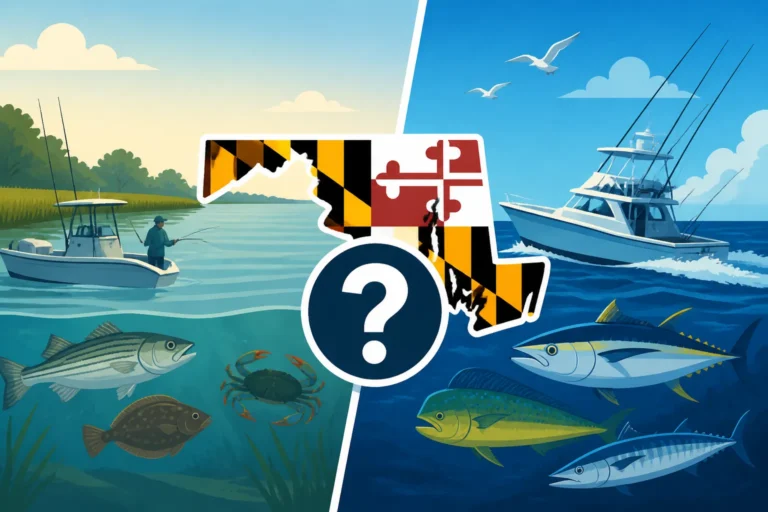
Maryland Striped Bass Minimum Size in the Ocean vs the Bay
It's a common misconception that all striped bass rules are the same across Maryland waters, but this isn't true, especially when comparing the Chesapeake Bay and its tributaries to the Atlantic Ocean. Typically, the minimum size limit for striped bass caught in the Atlantic Ocean off Maryland's coast can be different from the Bay's slot limit. For instance, the ocean often has a higher minimum size, sometimes with a different daily bag limit (though usually still one fish). These differences arise because the ocean fishery targets striped bass that are part of a larger, coastal migratory stock, and the regulations are harmonized with other Atlantic states, not just the Chesapeake Bay's unique management needs. So, if you're heading to Ocean City to fish the surf, the jetties, or offshore wrecks, always check the coastal regulations specifically, as they will likely differ from what you follow in the Bay. The Maryland DNR's website will clearly delineate these differences.
Special Considerations and Protected Areas
Beyond the general seasons and limits, there are specific areas and times when striped bass are particularly vulnerable or when certain gear restrictions apply. These special rules are crucial for protecting spawning fish and ensuring sustainable practices.
Spawning River Closures
One of the most critical conservation measures in Maryland is the closure of specific spawning rivers and their tributaries to striped bass fishing during the spring. This is when the majority of the Atlantic Coast's striped bass return to the fresh and brackish waters of the Chesapeake Bay's rivers to reproduce. These closures are absolute; no striped bass fishing (not even catch and release) is permitted in these designated areas during the specified dates. The rivers typically include the Susquehanna, Choptank, Nanticoke, Patuxent, and Potomac, among others, and the specific boundaries and dates are clearly outlined by the DNR each year. This is a non-negotiable rule, and violating it can result in significant penalties. You can find detailed maps and specific dates for Maryland Spawning River Closures for Striped Bass on the DNR website. It's a small sacrifice to ensure the future of this incredible fishery, allowing the fish to complete their reproductive cycle undisturbed.
Barbless Hook Requirements
To further protect striped bass, particularly during catch-and-release periods or when they are most vulnerable to stress, Maryland often implements barbless hook requirements. While not always universal, these rules frequently apply during specific seasons (like the winter catch-and-release season) or in certain designated areas, such as the spawning rivers even during non-fishing seasons if other species are targeted. Barbless hooks greatly reduce injury to fish, making it easier to remove the hook quickly and causing less tissue damage, which increases the fish's chances of survival after release. You can buy hooks that are already barbless, or you can easily crimp down the barb on a standard hook with a pair of pliers. It’s a simple, ethical practice that every angler should adopt, especially when fishing for striped bass. Many anglers even carry a small pair of pliers or a dedicated de-barbing tool, which you can find easily on Amazon, as part of their essential fishing kit.
Maryland's DNR Fishing and Boating Guide, Explained
Trying to keep all these rules straight in your head can be a monumental task. Thankfully, the Maryland Department of Natural Resources publishes an annual Fishing and Boating Guide. This guide is an invaluable resource, often available in print at tackle shops, DNR service centers, and online as a PDF. It condenses all the complex regulations, including those for striped bass, into an accessible format. It covers everything from license requirements, including where to buy a Maryland fishing license in person, to size and creel limits for all species, special closures, and even information on invasive species. Think of it as your yearly fishing bible. While the DNR website generally has the most up-to-the-minute updates, especially for emergency rule changes, the annual guide provides a comprehensive overview that you can reference throughout the year. Always make it a habit to review the latest edition before your first trip of the season, and keep a copy (or the digital version on your phone) handy while you’re on the water.
Navigating the Rules: Tips for Anglers
Staying compliant and enjoying your time on the water amidst all these regulations doesn't have to be overwhelming. With a proactive approach and a few good habits, you can master the Maryland striped bass rules.
Staying Up-to-Date on Regulations
The single most important tip for any angler targeting striped bass in Maryland is to proactively stay informed about the current regulations. As discussed, these rules can change, sometimes even mid-season, due to scientific assessments or emergency conservation measures. Here's how you can stay on top of it:
- DNR Website: Bookmark the Maryland DNR's fishing regulations page. This is the official source for all current rules. Check it regularly, especially before heading out.
- Email Alerts: Sign up for the DNR's fishing newsletters and email alerts. They often send out notifications about rule changes, special announcements, and fishing reports.
- Social Media: Follow the Maryland DNR's official social media channels. They often post timely updates regarding seasons, limits, and closures.
- Local Tackle Shops: Your local tackle shop owners and staff are often incredibly knowledgeable about the latest regulations and can be a great resource for clarification.
- Print Guide: Keep a copy of the current Maryland DNR Fishing and Boating Guide with you. While the website is key for updates, the guide provides a comprehensive overview.
The frustration of seeing rules change is real, but taking a few minutes to check before you launch your boat or cast your line can save you a lot of hassle and potential penalties.
Essential Gear and Practices
Having the right gear and adopting responsible fishing practices are not just about catching fish; they're about complying with regulations and contributing to conservation.
- Measuring Device: A reliable measuring tape or fish ruler is absolutely non-negotiable. Attach it to your boat, tackle box, or have a roll-up version handy. Make sure it's clearly marked and easy to read, especially in low light.
- Circle Hooks: Consider using circle hooks, especially when fishing with natural bait, as they are mandated in some areas and generally improve fish survival by reducing gut-hooking.
- De-hooking Tools: Keep a pair of long-nosed pliers or a dedicated de-hooking tool readily available. This allows for quick and safe hook removal, minimizing handling time for released fish.
- Net/Lip Gripper: Use a rubber-coated net or a quality lip gripper when landing fish you intend to release. These reduce scale and slime removal, protecting the fish's natural defenses.
- Cooler with Ice: If you plan to keep a legal fish, have a cooler with plenty of ice ready. Promptly placing your catch on ice helps preserve its quality for the table.
- Appropriate License: Make sure you have the correct Maryland fishing license for your specific activity and location. For most Bay anglers, this will involve a Maryland Chesapeake Bay Sport Fishing License Explained.
- Catch-and-Release Ethics: If you're fishing during a catch-and-release only season, or if you catch a fish outside the slot limit, practice proper catch-and-release techniques. Minimize air exposure, support the fish horizontally, and revive it gently if needed.
Having these items and practicing these techniques helps you stay compliant and shows respect for the resource. You can find many of these essential items from reputable fishing brands on platforms like Amazon, ensuring you're well-equipped for your next trip.
Reporting Violations
Seeing someone disregard fishing regulations can be incredibly disheartening, especially when you know the effort that goes into conservation. If you witness a suspected fishing violation, it's important to report it to the Maryland Natural Resources Police (NRP). They are the primary law enforcement agency for environmental and conservation laws in Maryland.
- NRP Hotline: The most direct way to report a violation is to call the NRP's toll-free hotline: 1-800-628-9944.
- Provide Details: When reporting, try to provide as much detail as possible: the date and time, the specific location (GPS coordinates if possible), a description of the vessel or individual (boat name, registration number, clothing, vehicle make/model/license plate), the nature of the violation, and your contact information (optional, but helpful if they need more details).
- Do Not Intervene: While it’s tempting to confront violators, it’s safer and more effective to let law enforcement handle it. NRP officers are trained professionals.
Reporting violations is a crucial step in protecting Maryland's fisheries and ensuring that everyone plays by the rules. It demonstrates that the angling community cares deeply about the long-term health of our fish stocks. Understanding Maryland Fishing License Penalties for Violations can highlight the seriousness of non-compliance.
What Happens When Rules Change
The dynamic nature of fisheries management means that regulations are not static. Understanding how and why rules change can help you anticipate shifts and stay informed.
Emergency Closures and In-Season Adjustments
Sometimes, the Maryland DNR, often acting under mandates from the ASMFC, may need to implement emergency closures or make in-season adjustments to striped bass regulations. This might happen if new scientific data indicates a more severe decline in the population than previously understood, if harvest limits are being approached faster than anticipated, or if specific environmental conditions (like unusually warm water) put undue stress on the fish. These emergency actions can occur with very little warning, sometimes requiring immediate implementation. They are never taken lightly, as they impact anglers and businesses, but they are deemed necessary to protect the resource. This is why staying subscribed to DNR alerts and checking their website frequently is paramount. A mid-season change can drastically alter your fishing plans, so being prepared for such eventualities is part of fishing in Maryland.
The Public Comment Process
While emergency changes happen quickly, most significant regulatory adjustments go through a public comment process. Before major changes to seasons, size limits, or other rules are finalized, the Maryland DNR will typically announce proposed changes and invite public input. This usually involves public meetings (both in-person and virtual) and an online portal for written comments. This is your opportunity as an angler to voice your opinions, provide feedback, and share your experiences related to the proposed regulations. While your individual comment might not change a sweeping mandate from the ASMFC, consistent feedback from the angling community can influence the specific implementation details or provide valuable insights into the on-the-water realities. Engaging in this process is a powerful way to have your voice heard and contribute to the future management of our striped bass fishery. Keeping an eye on the DNR's announcements is a good way to participate.
Maryland's striped bass fishery is a treasure, and understanding its complex rules is a crucial part of enjoying it responsibly. Whether you're planning for the Spring Trophy Season, navigating the summer slot limits, or braving the winter for a catch-and-release thrill, knowing the latest regulations from the DNR, ASMFC, and PRFC is essential. Remember to consult official sources, equip yourself with the right gear, and always practice ethical angling. Your efforts not only ensure your compliance but also contribute to the long-term health and vitality of this magnificent fish for generations to come. Happy fishing, and may your lines be tight with legal rockfish!
Maryland Striped Bass Seasons and Limits at a Glance (2026 Projections)
Please note: This table provides a general overview based on common past regulations and is subject to change. Always consult the Maryland DNR website for the most current and official regulations before fishing.
| Season/Period | Typical Dates (Approx.) | Designated Areas | Size Limit (Total Length) | Daily Bag Limit Per Angler | Notes |
|---|---|---|---|---|---|
| Spring Trophy Season | Late April – Mid May | Mainstem Chesapeake Bay (South) | 35 inches or larger (specific limit may vary) | 1 fish | Specific weekly/daily open dates often apply. |
| Summer Season Segment 1 | Mid May – Mid July | Chesapeake Bay & Tidal Tributaries | 19 – 24 inches (slot limit) | 1 fish | Check specific opening/closing dates annually. |
| Summer Closure | August 1 – August 31 | Chesapeake Bay & Tidal Tributaries | None (Harvest Prohibited) | 0 fish | Catch-and-release also prohibited in some areas. |
| Fall Season Segment | Sept 1 – Dec 31 | Chesapeake Bay & Tidal Tributaries | 19 – 24 inches (slot limit) | 1 fish | May close earlier if harvest targets are met. |
| Winter C&R Season | Jan 1 – March 31 | Chesapeake Bay & Tidal Tributaries | None (Catch & Release Only) | 0 fish | Barbless hooks often required. Minimal handling. |
| Spawning River Closures | Mid March – Early June | Specific Spawning Rivers & Zones | None (All Fishing Prohibited) | 0 fish | Absolutely no striped bass fishing allowed. |
| Ocean Coastal Season | Varies | Atlantic Ocean & Coastal Bays | Often 28-31 inches (or similar slot) | 1 fish | Rules may differ significantly from Bay rules. |
Disclaimer
The information provided in this guide is for general informational purposes only and is subject to change without notice. Fishing regulations, including seasons, size limits, and creel limits for striped bass in Maryland, are established by the Maryland Department of Natural Resources (DNR), the Atlantic States Marine Fisheries Commission (ASMFC), and the Potomac River Fisheries Commission (PRFC), and can be updated frequently. Always consult the official Maryland DNR website, the PRFC website, or the current year's Maryland Guide to Fishing and Boating for the most accurate and up-to-date regulations before engaging in any fishing activity. Failure to comply with current regulations can result in fines and penalties.