Surf Fishing Techniques for the Maryland Coast
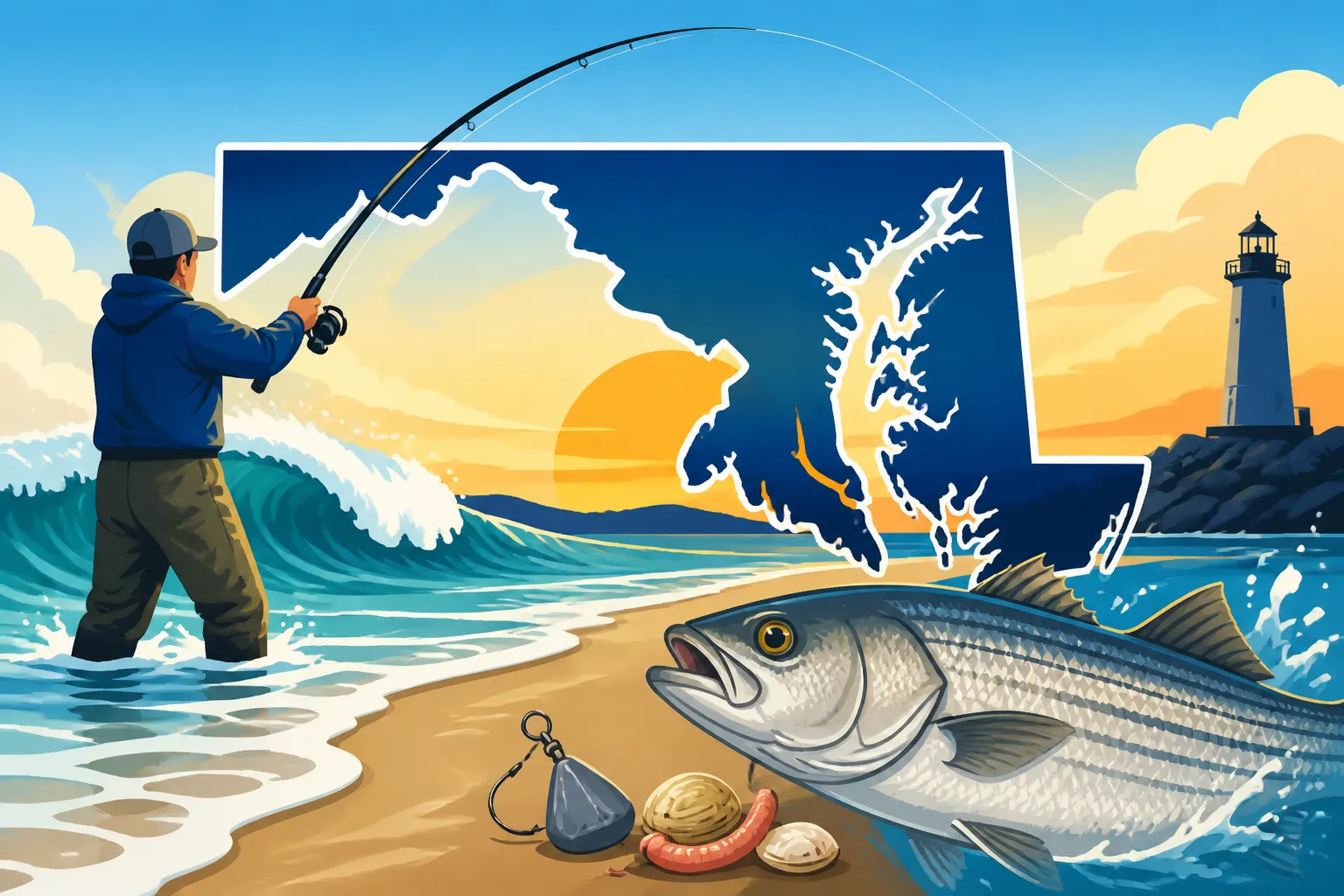
There’s something truly primal and exhilarating about standing on the edge of the vast Atlantic, casting a line into the churning surf, and waiting for a bite. But let’s be real, surf fishing isn’t just about tossing a hook into the waves and hoping for the best. The Maryland coast, with its dynamic beaches and diverse fish populations, presents a unique set of challenges and rewards. From reading the subtle signs of the water to choosing the perfect rig for a stubborn drum, it can feel like there's a secret handshake you're missing. If you’ve ever felt overwhelmed by the gear, confused by the tides, or just plain frustrated by an empty cooler after a long day on the sand, this guide is for you. We’re going to dive deep into effective surf fishing techniques specifically tailored for the Maryland coast, helping you turn those frustrations into triumphant catches.
Understanding the Maryland Coastline for Surf Fishing
Before you even think about casting, it’s crucial to understand the very ground (or sand!) you’ll be standing on. The Maryland coast, particularly around Ocean City and Assateague Island, isn't just a flat expanse of sand. It's a complex, ever-changing environment sculpted by tides, currents, and storms, and knowing its nuances is your first step to success.
Key Characteristics of Maryland's Surf
The Atlantic surf along Maryland's coast is characterized by a series of underwater features that act as highways and dining rooms for fish. These aren't always visible from shore, but if you learn to "read the water," you'll start to see them. You're looking for sandbars, which are elevated ridges of sand running parallel to the shore. Between these sandbars and the beach, you'll find troughs or sloughs – deeper channels where fish often cruise, seeking food or shelter from strong currents.
Beyond that, you have cuts or guts, which are breaks in the sandbars. These are prime spots! They act like funnels, concentrating baitfish and creating ambush points for predatory species. Understanding how waves break can give you clues: waves tend to break over sandbars and then reform and crash again in the deeper troughs. Look for areas where waves are consistently reforming closer to shore, as this often indicates a deeper channel within casting distance. The more you observe, the more these subtle signs will reveal themselves.
Popular Maryland Surf Fishing Locations
Maryland offers some fantastic spots for surf fishing, each with its own charm and species profile. Probably the most famous is Assateague Island National Seashore. This barrier island boasts miles of undeveloped beach, offering an incredible sense of wildness. It's renowned for its excellent fishing, particularly for larger species like drum and striped bass, especially during migration. Plus, the wild ponies make for a pretty unique backdrop! You'll often find more experienced anglers here, but it's welcoming for all. Many people enjoy the peaceful escape you can find while surf fishing at Assateague Island National Seashore.
Then there’s Ocean City, Maryland. While its beaches are more developed and often busier, especially in summer, don't underestimate its surf fishing potential. The jetties at the inlet are fantastic for various species, but even the open beaches can yield good catches, particularly during the shoulder seasons. The main difference here is often the crowd and the sheer number of access points. Parking can be a challenge, but the convenience of nearby amenities can be a trade-off. Other spots, like North Beach or areas around Calvert Cliffs State Park, offer different experiences, usually with less intense surf and a focus on Bay-side species or smaller Atlantic fish.
Essential Gear for Maryland Surf Fishing
Surf fishing is a demanding sport for your equipment. The corrosive saltwater, abrasive sand, and powerful fish all take their toll. Investing in the right gear isn’t just about making your life easier; it's about making your trips more successful and your equipment last longer. Skimping on quality here often leads to frustration and premature gear failure, and nobody wants to deal with a broken reel when a trophy fish is on the line.
Rods and Reels for the Beach
When it comes to rods, length is key in surf fishing. You're typically looking at rods anywhere from 10 to 12 feet, sometimes even longer for extreme distance casting. This extra length helps you cast heavier weights further out, past the closest breakers and into those productive troughs and cuts we talked about. A good surf rod will have a strong backbone for fighting powerful fish and a sensitive tip to detect subtle bites. For beginner to intermediate anglers, a medium-heavy to heavy power rod with a moderate-fast action is a great all-around choice. Brands like St. Croix, Tsunami, and Penn offer excellent surf rods that can withstand the rigors of the beach.
For reels, you have two main choices: spinning or conventional. Spinning reels are generally easier for beginners to master, especially for casting, and are very popular for surf fishing. Look for larger sizes, typically 6000 to 10000 series, with good line capacity and a sealed drag system to keep out sand and saltwater. Penn Battle and Shimano Baitrunner series are perennial favorites. Conventional reels, while offering more power and greater casting distance for experienced users, have a steeper learning curve due to the risk of "backlash." They are often preferred for targeting larger fish or using heavier lines. Whichever you choose, ensure it's rated for saltwater use and made from corrosion-resistant materials. A high-quality reel can be a significant investment, but it will pay dividends in longevity and performance. Many anglers turn to Amazon to research and purchase a wide variety of these specialized rods and reels, often finding competitive prices and detailed reviews.
Terminal Tackle and Rigs
Your terminal tackle is where the rubber meets the road, or rather, where the bait meets the fish. For surf fishing, weight is critical. Pyramid sinkers are the most common choice, ranging from 2 to 8 ounces, designed to dig into the sand and hold your bait in place against the waves and current. The weight you choose will depend on the surf conditions and the strength of the current. Always carry a variety!
As for rigs, the "fish finder rig" is a staple for targeting larger, bottom-feeding fish like drum, stripers, and large bluefish. It allows the fish to take the bait without feeling the full weight of the sinker, making it less likely for them to drop the bait. This rig consists of a sinker slide, a swivel, a leader (usually 18-36 inches of 30-50 lb fluorocarbon or monofilament), and a hook. For smaller species like croaker, spot, or pompano, a pre-tied Pompano rig or a two-hook bottom rig works wonders. These typically have two smaller hooks on short leaders extending from a main line, allowing you to present two baits simultaneously. For hooks, circle hooks are highly recommended, especially when targeting striped bass or other regulated species, as they significantly reduce gut-hooking and improve catch-and-release survival rates. Always check the current Maryland Fishing Size and Catch Limits by Species and specific regulations for circle hook requirements, such as those often in place for striped bass. Ensure you also have plenty of heavy-duty swivels, snaps, and leader material on hand.
Mastering Baits and Lures for Maryland Surf
The age-old question in fishing: bait or lure? The answer, especially in surf fishing, is often both! Different species prefer different presentations, and sometimes, the bite just calls for one over the other. Having a diverse tackle box and being ready to switch can make all the difference between a slow day and a banner day.
Natural Baits for Coastal Species
Natural bait is often king in the surf, as it appeals to a wide range of species with its scent and natural texture. One of the most popular and effective baits along the Maryland coast is the humble bloodworm. These segmented worms, with their powerful jaws, release a potent scent that attracts just about everything that swims, from spot and croaker to flounder and even striped bass. They can be a bit pricey, but they are consistently productive. Fresh clam, especially surf clams, are another powerhouse bait, particularly good for targeting red drum and various panfish. They stay on the hook surprisingly well if you tough them properly.
Squid strips are universally appealing and durable, making them a fantastic choice when bait stealers are prevalent or when you're looking for flounder, bluefish, or small sharks. For larger predatory fish like striped bass and bluefish, fresh cut bait is hard to beat. Menhaden (bunker), mullet, or spot, cut into chunks or strips, release a strong oil and scent trail that can draw in big fish from a distance. Peeler crab, though expensive and sometimes hard to come by, is absolute candy for red drum, black drum, and large striped bass. It’s worth the effort when you’re targeting those trophy fish. For the specific art of selecting and presenting bait, you might find valuable insights in a guide on Best Bait for Surf Fishing at Assateague Island.
Artificial Lures and Their Application
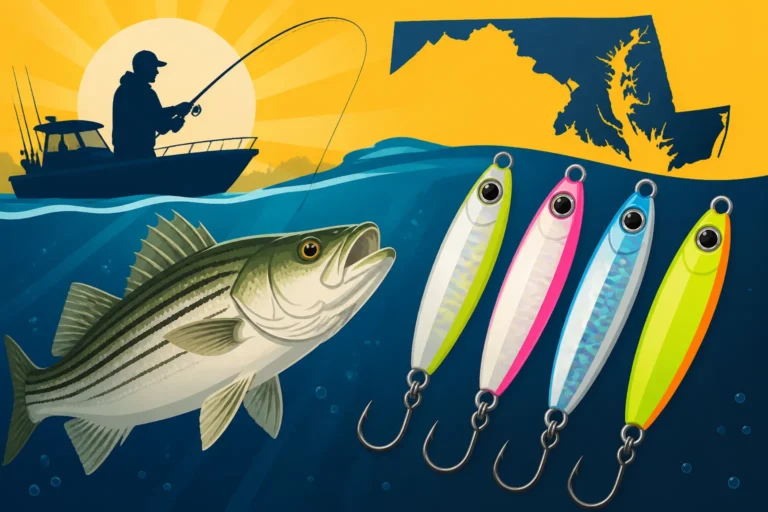
While bait tends to be a numbers game, artificial lures offer a more active and often more exciting way to surf fish. They allow you to cover more water, mimic fleeing baitfish, and often elicit aggressive strikes from predatory species. Metal spoons, like the Kastmaster or Hopkins Shorty, are excellent for casting long distances and imitating small baitfish. They're particularly effective for bluefish, Spanish mackerel, and sometimes even striped bass when retrieved at a medium-fast pace.
Poppers, with their distinct splashing action, are incredibly exciting to use, especially at dawn or dusk when predatory fish like striped bass and bluefish are actively feeding on the surface. Casting a popper into a feeding frenzy and watching a fish explode on it is an unforgettable experience. Soft plastic swim shads, often rigged on jig heads, can be bounced along the bottom or retrieved slowly through the water column to imitate injured baitfish, making them deadly for flounder, striped bass, and even some aggressive panfish. Bucktail jigs, often tipped with a piece of Gulp! or a soft plastic trailer, are incredibly versatile. They can be jigged vertically, retrieved in a "swim-and-pause" motion, or simply slow-rolled along the bottom, attracting a wide array of species. Having a selection of these artificials in different sizes and colors, and knowing when to deploy them, gives you a significant edge.
Reading the Water: Key to Success
This is where experience truly pays off, but even beginners can start to develop this crucial skill. Standing on the beach, looking at a seemingly uniform expanse of water, it's easy to feel lost. But beneath the waves, there's a dynamic landscape, and learning to interpret it is like unlocking a secret map to where the fish are hiding. This is often the biggest hurdle for new surf anglers, and it takes patience and keen observation to overcome.
Identifying Productive Structures
As mentioned earlier, the surf zone isn't flat. You have sandbars, troughs, and cuts. Your goal is to identify these and cast your bait into the deeper water of the troughs and especially the cuts, as fish often use these channels to move and feed. How do you spot them? Watch the waves. Waves generally break when they hit shallower water. If you see a line of waves breaking farther out, and then a calmer section, and then another line of waves breaking closer to shore, you've likely identified an outer sandbar, a deeper trough, and an inner sandbar. The calm water in between is your target zone.
Another key sign is a "rip current" or "run-out." These are channels where water that has pushed onto the beach flows back out to sea. They appear as a calmer, darker lane of water, often with foam or debris flowing directly offshore. While dangerous for swimmers, rip currents are a magnet for fish because they carry baitfish and dislodged food items offshore. Predators will sit on the edges of these rips, waiting to ambush anything that washes by. Learning How to Read a Sandbar for Surf Fishing can provide even more detailed guidance on these critical observations.
Understanding Tides and Currents
Tides are the breath of the ocean, and their movement significantly impacts surf fishing. Along the Maryland coast, particularly near the inlets or larger bays, tidal swings can be substantial, creating strong currents. Generally, the last two hours of an incoming tide and the first two hours of an outgoing tide are often the most productive. Why? Because the moving water dislodges bait from the bottom, stirs up nutrients, and pushes baitfish closer to shore or through those productive cuts and channels.
Different fish species also show preferences for certain tides. For example, some anglers swear by the incoming tide for red drum, as they move closer to the beach with the advancing water to forage. Flounder, on the other hand, can often be caught during the outgoing tide as they position themselves to ambush bait being swept out of the shallows. Strong currents, while beneficial for moving bait, can also make it difficult to hold bottom with your sinker. You may need to increase your weight or adjust your casting angle to compensate. Always be mindful of the current, especially if wading, as strong undertows can be dangerous.
Casting and Retrieval Techniques
You've got the right gear and you know where to cast, but getting your bait out there effectively and then presenting it correctly is an art form. It's not just about brute strength; it's about technique, rhythm, and understanding how your line interacts with the wind and waves. A well-executed cast can be the difference between reaching that distant trough and your bait landing in the shallow wash.
Power Casting for Distance
Surf casting often requires significant distance, especially when targeting those outer sandbars and deeper channels that hold bigger fish. The "pendulum cast" or "off-the-ground cast" are advanced techniques that can propel your rig hundreds of feet, but they require practice and proper form to avoid injury or equipment damage. For most anglers, a powerful overhead cast or a modified "side-arm" cast will suffice. The key is to use your entire body – legs, hips, torso, and arms – in a fluid motion.
Timing is crucial; you want to load the rod with the weight of your sinker and bait, then release your line at the peak of the cast. Practice in an open field to perfect your technique without the pressure of fishing. Remember, safety first! Always look behind you to ensure no one is in your casting path, and be mindful of other anglers and beachgoers. Beyond distance, accuracy is important. You want to land your bait precisely where you believe the fish are, whether that's in a specific cut or along the edge of a sandbar. For an in-depth look at improving your casting, you might want to check out Techniques for Surf Casting at Assateague.
Effective Retrieval Strategies
Once your bait is in the water, your job isn't over. For natural baits on a bottom rig, the retrieval is minimal. You want to keep your line taut to feel bites, but let the current and waves do the work of presenting your bait naturally. However, it's a good practice to periodically reel in a few feet, then let it settle again, to slightly relocate your bait and create a small puff of sand that can attract curious fish. After some time, it’s also good to completely reel in, check your bait, and recast to a slightly different spot, especially if the current has moved your rig significantly.
When using artificial lures, retrieval is everything. The speed, pauses, and actions you impart to your lure will determine its effectiveness. For spoons, a steady, medium-fast retrieve often works best to mimic a fleeing baitfish. For poppers, a "pop-pop-pause" or "walk-the-dog" retrieve creates surface commotion that calls in aggressive predators. Swim shads and bucktails can be retrieved slowly, with occasional lifts and drops of the rod tip to make them "dance" along the bottom, imitating an injured or foraging fish. Experiment with different retrieval speeds and actions until you find what the fish are responding to on a given day. Sometimes, a subtle change in your retrieve can be the secret handshake that unlocks the bite.
Targeting Specific Maryland Surf Species
The Maryland coast is a rich fishery, offering a diverse array of species throughout the year. Knowing what you're targeting and tailoring your techniques accordingly is fundamental. Each fish has its preferred habitats, baits, and seasons, and understanding these nuances will greatly increase your chances of success. It's a bit like being a detective, gathering clues to find your quarry.
Striped Bass (Rockfish) Techniques
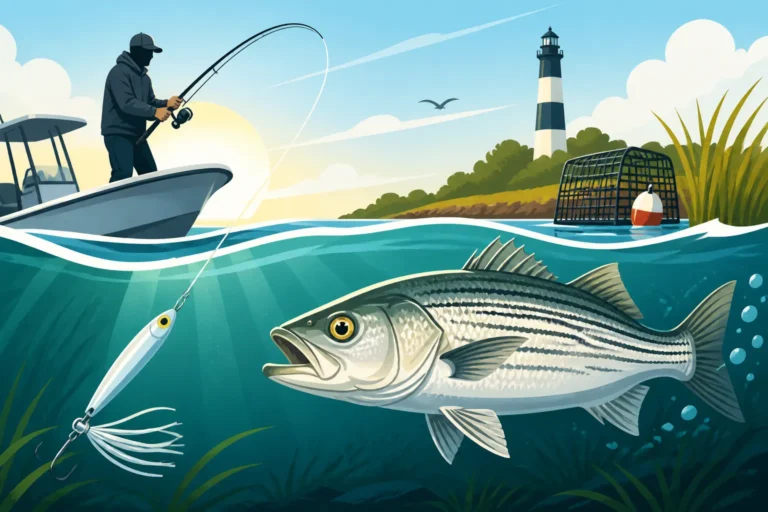
Striped bass, affectionately known as "rockfish" in Maryland, are arguably the most sought-after game fish in the surf. They migrate along the coast, offering fantastic opportunities during spring and fall. For specific dates and regulations, always consult the Maryland Striped Bass Season and Rockfish Rules. In the surf, bait fishing is highly effective. Fresh cut bait like menhaden (bunker) or fresh clam are prime choices, fished on a fish-finder rig with a heavy pyramid sinker. Cast these into deeper troughs or cuts, particularly during dawn, dusk, or nighttime, which are often the most productive periods.
Beyond bait, artificial lures can be incredibly effective, especially when stripers are actively feeding. Large metal spoons, big plugs (surface poppers or diving swimmers), and heavy bucktail jigs are all excellent choices. When fish are busting on the surface, a topwater popper can be exhilarating. If they're holding deeper, a swim shad or bucktail jig bounced along the bottom can entice a strike. Pay close attention to bird activity; diving gulls often indicate baitfish being pushed to the surface by feeding striped bass.
Flounder, Bluefish, and Drum
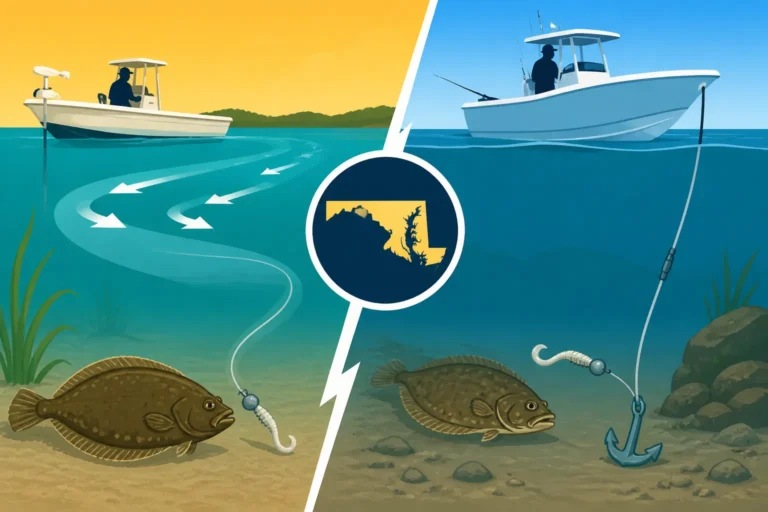
Flounder: These delicious flatfish are often caught closer to shore, especially in calmer surf and around the mouths of inlets or sloughs. They love to ambush bait as it passes over sandy bottoms. The classic flounder rig consists of a sinker at the bottom, with one or two snelled hooks above it, usually adorned with beads or small spinner blades. Best baits include live minnows, strips of squid, or artificials like Berkley Gulp! shrimp or swimming mullet. A slow retrieve, bouncing the bait along the bottom, is usually most effective. Always be aware of the Maryland Flounder Size Limit, which can change based on conservation efforts.
Bluefish: Known for their aggressive nature and sharp teeth, bluefish are a blast to catch in the surf. They often hunt in schools and can decimate baitfish with their voracious appetites. They readily hit metal spoons, plugs, and even cut bait (like chunks of bunker or mullet). Use a fast, erratic retrieve for lures to trigger their predatory instinct. Because of their sharp teeth, it's wise to use a heavier monofilament or fluorocarbon leader, or even a wire leader, to prevent bite-offs. If you catch a bluefish on cut bait, don't be surprised if another hits your line almost immediately!
Red Drum: These powerful game fish are a dream catch for many surf anglers, particularly during their spring and fall migrations. The Maryland coast, especially Assateague Island, can be excellent for them. They primarily feed on the bottom, so a strong fish-finder rig with a large circle hook is your go-to. Preferred baits include fresh peeler crab, large chunks of fresh clam, or big pieces of cut bait like spot or mullet. Cast into the deepest troughs and let your bait soak. The bite is usually a slow, steady pull. For more specific information on these impressive fish, check out Red Drum Along Maryland's Coast.
Safety, Etiquette, and Conservation
Surf fishing is a wonderful pastime, but it takes place in a wild environment that demands respect. Beyond the thrill of the catch, it’s paramount to prioritize safety, practice good etiquette, and contribute to the conservation of our precious fisheries. Ignoring these aspects not only puts you at risk but also jeopardizes the future of the sport for everyone.
Essential Safety Practices
The ocean can be unpredictable and dangerous. Always be aware of your surroundings. Rip currents, as we discussed, are strong channels of water flowing offshore and can quickly pull you out to sea. If you plan to wade, never go deeper than waist-high, and be mindful of sudden drops or holes in the bottom. If caught in a rip current, don't fight it directly; instead, swim parallel to the shore until you're out of the current's pull, then swim back to land. Weather can change quickly, so keep an eye on forecasts. Lightning is a serious threat on an open beach with a long graphite rod acting as a conductor. If you hear thunder, pack up and seek shelter immediately.
Sun protection is also critical. Long hours on the beach mean prolonged exposure to UV rays. Wear wide-brimmed hats, sunglasses, and UV-protective clothing. Apply sunscreen frequently, even on cloudy days. Stay hydrated by bringing plenty of water. Beyond environmental hazards, be cautious with your tackle. Sharp hooks, heavy sinkers, and flying lures can cause serious injury to yourself or others. Always look before you cast, and handle fish carefully, especially those with sharp spines or teeth. A good pair of pliers or a dehooking tool is essential for safe hook removal. On Amazon, you can find a wide array of specialized sun protection gear, fishing pliers, and first-aid kits that are ideal for surf fishing.
Beach Etiquette and Regulations
Sharing the beach means respecting others. When surf fishing, maintain a reasonable distance from other anglers to avoid tangling lines or encroaching on their space. If the beach is crowded, be mindful of swimmers and sunbathers, and avoid casting over them. Always clean up after yourself. Leave no trace behind – this includes discarded fishing line, bait containers, food wrappers, and especially hooks. Monofilament fishing line can be particularly harmful to wildlife, so dispose of it properly in designated receptacles or take it home.
Understanding and adhering to fishing regulations is not just good etiquette, it's the law. Before every trip, familiarize yourself with the current Maryland Fishing License Guide for 2026, as well as specific size and bag limits for the species you intend to target. Maryland's Department of Natural Resources (DNR) publishes a comprehensive guide each year, and regulations can change, so staying informed is crucial. This includes understanding the specific rules for Maryland Striped Bass Season and Rockfish Rules, which are frequently adjusted for conservation. Carrying your fishing license and knowing the rules for different species ensures you're fishing legally and responsibly, contributing to sustainable fisheries for generations to come.
Advanced Tips for the Dedicated Surf Angler
Once you've got the basics down, there's always more to learn and experiment with. Surf fishing can be an incredibly dynamic pursuit, and pushing your boundaries with new techniques can open up entirely new opportunities for exciting catches. These advanced approaches often require more specialized gear or a deeper understanding of the environment, but the rewards can be significant.
Kayak-Assisted Surf Fishing
For those looking to extend their reach beyond the typical casting distance, kayak-assisted surf fishing offers a compelling advantage. Instead of casting from shore, you use a kayak to paddle your bait out to prime locations – outer sandbars, deep channels, or even just beyond the break zone where bigger fish often lurk. This allows you to deploy multiple lines with heavy baits into areas that are otherwise inaccessible, significantly increasing your chances of connecting with trophy-sized fish like large red drum or striped bass.
However, this method comes with its own set of challenges and safety considerations. Launching and landing a kayak through crashing surf requires skill and practice, and conditions can change rapidly. You'll need specialized gear, including a stable sit-on-top fishing kayak, a reliable personal flotation device (PFD), and a waterproof VHF radio for communication. Anchoring systems designed for surf conditions are also crucial to keep your kayak stable while your baits are out. Never venture out alone, and always check weather and surf forecasts rigorously. If you're interested in exploring this exciting frontier, a dedicated resource on Kayak Fishing Techniques for Maryland Waters would be an excellent next step. It's a fantastic way to blend the thrill of kayaking with the rewards of surf fishing.
Night Fishing from the Surf
When the sun dips below the horizon, a whole new world of surf fishing opens up. Many of the most prized predatory species become more active under the cover of darkness, venturing closer to shore to feed without the pressure of bright daylight. This can be an incredibly productive, and often serene, way to experience the surf. Species like striped bass, red drum, bluefish, and various shark species are often more readily caught at night. The lack of boat traffic and human activity can make fish bolder.
Specialized gear for night fishing includes powerful headlamps (with red light options to preserve night vision), glow-in-the-dark lures, and glow sticks attached to rod tips to detect subtle bites. Safety is paramount at night; visibility is reduced, so you need to be extra cautious of waves, currents, and obstacles. Always fish with a buddy or let someone know your exact location and expected return time. Be prepared for cooler temperatures, even in summer, and bring extra layers. The quiet solitude of the beach at night, under a blanket of stars, combined with the anticipation of a strong bite, creates an unforgettable fishing experience. You can find more targeted advice on how to rig up for darkness by looking at topics like Night Fishing Techniques for Maryland Piers, which can be adapted for the surf.
Species and Technique Cross-Reference for Maryland Surf Fishing
| Target Species | Preferred Baits | Effective Lures | Ideal Rig Type | Best Conditions | Seasonality on MD Coast |
|---|---|---|---|---|---|
| Striped Bass | Fresh cut bait (bunker, mullet), clam, bloodworms | Large metal spoons, plugs (poppers/divers), swim shads, bucktails | Fish-finder, 2-hook bottom (clam) | Dawn/Dusk, Night, Moving Tide | Spring (April-May), Fall (Oct-Dec) |
| Flounder | Live minnows, squid strips, Gulp! | Small bucktails, swim shads, Gulp! | Flounder rig, 2-hook bottom | Calm surf, Incoming/Outgoing Tide | Late Spring (May-June), Fall (Sept-Oct) |
| Bluefish | Cut bait (bunker, mullet), squid | Metal spoons, large poppers, swim shads | Fish-finder, single hook | Any, especially active feeding | Summer (June-Sept) |
| Red Drum | Peeler crab, fresh clam, large cut bait | Large bucktails, heavy swim shads | Fish-finder | Incoming Tide, Night | Spring (May-June), Fall (Sept-Nov) |
| Black Drum | Fresh clam, peeler crab | N/A (primarily bait feeders) | Fish-finder | Incoming Tide, Night | Spring (April-May) |
| Croaker / Spot | Bloodworms, small pieces of clam, shrimp | Small jigs (tipped with bait) | 2-hook bottom, Pompano rig | Any, moving tide | Summer (June-Sept) |
| Sharks (Small) | Cut bait (bluefish, mackerel) | N/A (primarily bait feeders) | Fish-finder (heavy leader) | Night | Summer (June-Sept) |
Disclaimer
Fishing regulations, seasons, and licensing requirements can change frequently. Always consult the latest official Maryland Department of Natural Resources (DNR) publications or website before heading out. This guide is for informational purposes only and does not substitute for official regulations. Stay safe and fish responsibly.