Kayak Fishing Techniques for the Chesapeake Bay
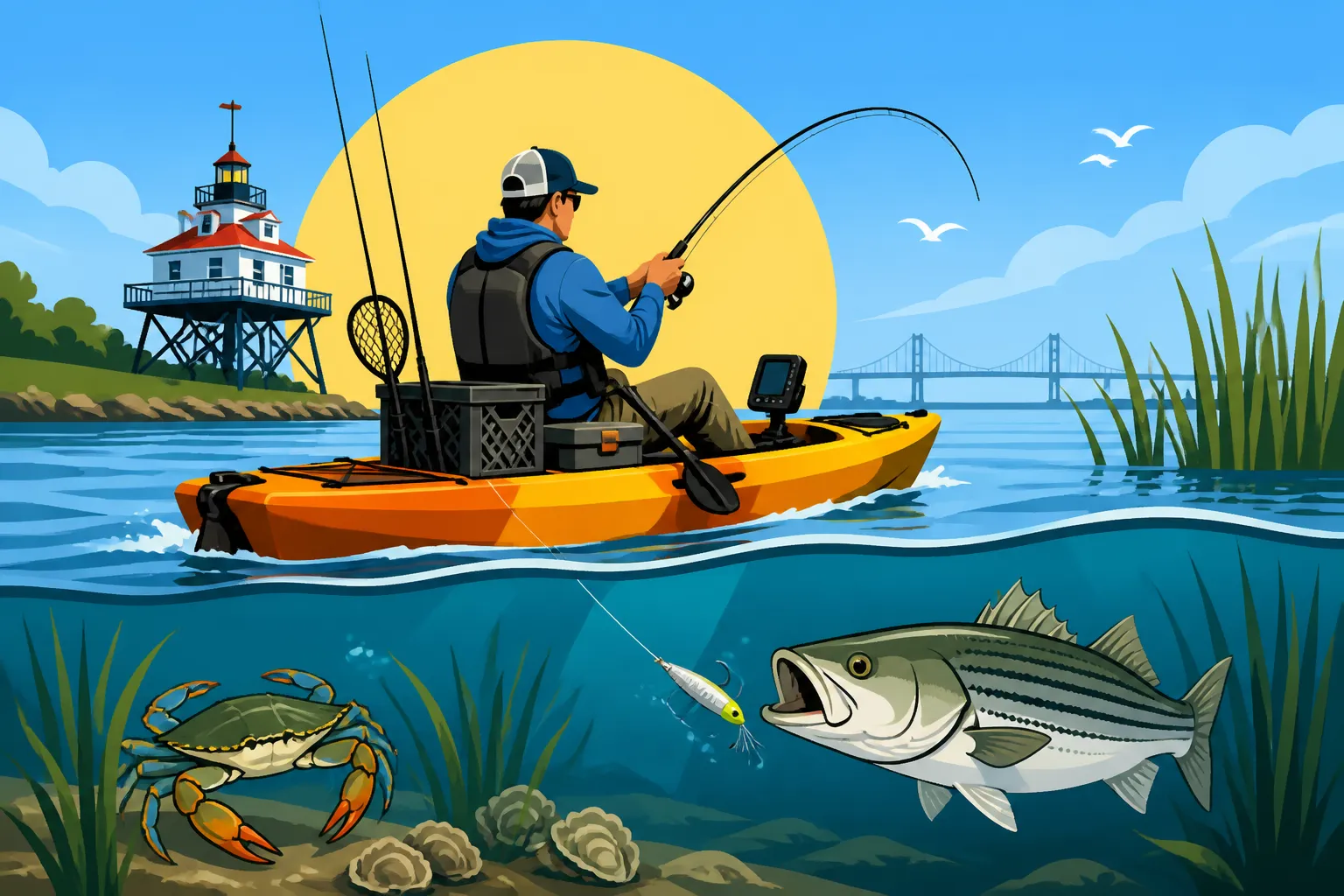
There's nothing quite like the feeling of silently gliding across the Chesapeake Bay in a kayak, paddle dipping gently into the water, with the promise of a big rockfish or a mess of white perch just a cast away. But let's be real, the Bay can be intimidating from a small craft – the currents, the winds, the sheer vastness of it all. This guide is here to demystify kayak fishing in Maryland's iconic estuary, offering practical techniques and strategies to help you feel confident and successful on the water.
Gearing Up and Staying Safe for Chesapeake Bay Adventures
Before you even think about casting a line, getting your gear sorted and understanding safety protocols is absolutely crucial when kayak fishing the Chesapeake Bay. This isn't your local pond; it's a dynamic, sometimes challenging environment that demands respect.
The Right Kayak and Essential Gear
Choosing the right kayak is the first step. For the Chesapeake, you'll want something stable and designed for fishing, often wider than a recreational kayak, and preferably with good tracking to handle currents and boat wakes. Pedal-drive kayaks are a game-changer here, allowing you to maintain position or even troll while keeping your hands free for fishing. Look for models with plenty of storage for tackle, a comfortable seat for long days on the water, and rigging options for accessories like rod holders and fish finders. Brands like Hobie, Old Town, and Native Watercraft are popular choices for their stability and features.
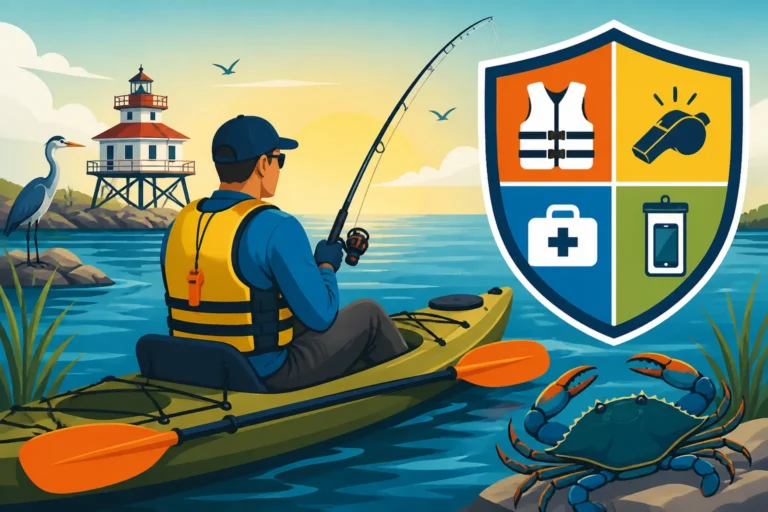
Beyond the kayak itself, you'll need a personal flotation device (PFD) that fits well and is comfortable enough to wear all day – it's not just a suggestion, it's a lifesaver. A good paddle (even if you have a pedal drive, a paddle is your backup!), an anchor system (a grappling anchor or a drag chain works well in different conditions), and a sturdy cooler for your catch and refreshments are also must-haves. Many anglers find great deals on these essential items, from dry bags to rod holders, on platforms like Amazon.
Prioritizing Safety on Open Water
Safety isn't just a recommendation; it's the foundation of any successful kayak fishing trip on the Bay. Always tell someone your float plan – where you're launching, where you intend to go, and when you expect to return. This simple step can be invaluable if things go sideways. Weather conditions can change rapidly on the Chesapeake, so always check the forecast before heading out, paying close attention to wind speed and direction. What starts as a calm morning can turn into a rough chop in a hurry.
Beyond the PFD, a visible flag or light for dawn/dusk fishing makes you much more noticeable to larger boats. A loud whistle, a signaling mirror, and a marine-band VHF radio are also vital for communication and distress calls, especially when you're out of cell service range. For more detailed insights into staying safe, check out our guide on Kayak Fishing Safety Tips for Maryland's Chesapeake Bay.
Basic Rigging for Fishing Success
Efficient rigging can make or break your day on the water. Rod holders are paramount, allowing you to paddle or pedal hands-free while trolling or simply moving between spots. Flush-mount holders are great for storage, while adjustable rail-mounted holders give you flexibility for different fishing techniques. Many kayak anglers also invest in a compact fish finder, often powered by a small portable battery, to locate structure and baitfish. This can be a huge advantage in finding productive fishing grounds.
Consider a simple tackle management system that keeps your most-used lures and tools easily accessible. A milk crate or a custom-built PVC frame can hold multiple tackle boxes, a net, and other essentials, keeping them secure yet within reach. Think about a paddle leash and leashes for your rods and other valuable gear – the last thing you want is to watch your favorite rod sink to the bottom of the Bay! For more specialized setups, our article on Best Kayak Rigging for Striped Bass Fishing offers excellent tips.
Mastering Essential Techniques for Chesapeake Bay Species
The Chesapeake Bay is teeming with diverse fish species, and kayak fishing offers a unique advantage in reaching spots larger boats can't. Knowing the right techniques for your target species is key to filling your cooler.
Targeting Striped Bass from a Kayak
Striped bass, or rockfish as we call them here in Maryland, are the undisputed kings of the Chesapeake. Kayak anglers have fantastic success targeting them, especially when they're in shallower waters or around structure. Jigging is incredibly effective. Look for schools of baitfish on your fish finder, or birds diving, and drop heavy jigs (1 oz to 3 oz depending on current and depth) to the bottom, then snap them up and let them fall. Soft plastics, often paired with a jig head, are a local favorite.
Trolling from a kayak is another killer technique. With a pedal-drive kayak, you can cover ground efficiently, pulling small bucktails, soft plastic swimbaits, or even shallow-diving crankbaits. Pay attention to channel edges, submerged humps, and points where current creates ambush opportunities. Live-lining spot or other baitfish can also be incredibly productive when rockfish are actively feeding, though it requires a bit more effort to keep bait alive. You can learn more about specific tactics in our comprehensive guide on Maryland Striped Bass Fishing Techniques.
Finding and Catching White Perch
White perch are a beloved panfish in the Chesapeake, offering consistent action and delicious fillets. They are incredibly abundant and a perfect target for kayak anglers due to their preference for shallow, structured areas. Look for them around oyster reefs, docks, submerged timber, and creek mouths. Light tackle is the way to go here. Small jigs (1/16 oz to 1/8 oz) tipped with a small piece of bloodworm, fish bites, or a tiny soft plastic grub are highly effective.
Fishing a bottom rig with two small hooks is also a classic method. You can anchor up and fish around structure, or slowly drift over known perch haunts. Fly fishing for white perch can also be a blast, especially in the spring and fall. These fish are aggressive feeders and will readily hit small streamers or poppers. They tend to school up, so when you find one, you've often found a lot! Our detailed article on White Perch in Maryland's Chesapeake Bay can give you even more pointers.
Bottom Fishing for Flounder and Croaker
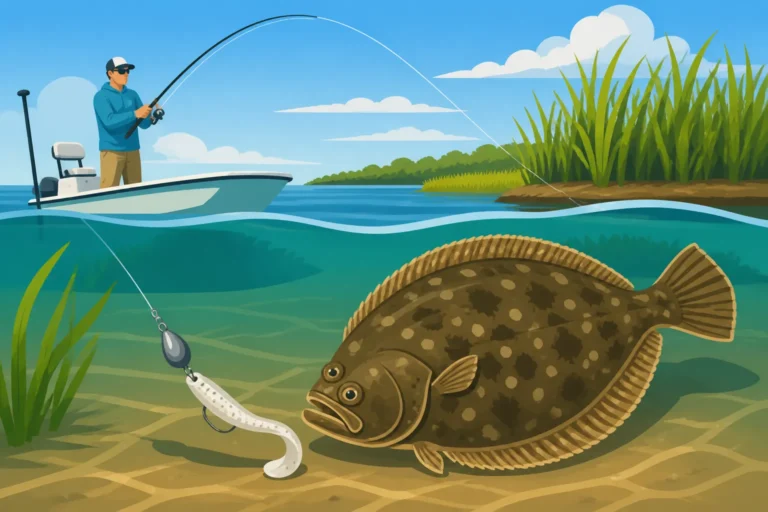
While striped bass and white perch get a lot of attention, bottom dwellers like flounder and croaker offer fantastic opportunities for kayak anglers, especially in the warmer months. For flounder, target sandy bottoms near channels, grass beds, and structure. Drifting with a basic flounder rig (a sinker at the bottom, with two hooks above it) baited with a strip of squid, a minnow, or a Gulp! shrimp imitation is a popular and effective method. Pay attention to the tide, as flounder often ambush prey moving with the current.
Croaker, known for their distinctive "croaking" sound, are often found in similar areas as flounder, but also around oyster beds and deeper channel edges. They'll readily take bottom rigs baited with peeler crab, bloodworms, or squid. A great tactic is to find a promising area, drop anchor, and soak a few baits. You might be surprised by the size of the croaker you pull up! For specific regulations and hot spots, check out our guide on Flounder Fishing in Maryland.
Navigating the Bay: Tides, Structure, and Strategic Approaches
Kayak fishing the Chesapeake isn't just about casting; it's about understanding the environment. The Bay is a complex ecosystem, and knowing how to read the water, tides, and structure will significantly improve your catch rate.
Understanding Chesapeake Bay Tides and Currents
Tides are the lifeblood of the Chesapeake, influencing everything from fish feeding patterns to safe navigation. Understanding how to use them is paramount for kayak anglers. Fish often feed most actively during moving water – either an incoming or outgoing tide – as it washes bait past their ambush points. Slack tide can be slower, but sometimes certain species will bite then too. Always check a local tide chart before you go.
Currents, especially in narrower creeks or around points, can be strong. Learning to paddle or pedal against them efficiently, or using them to your advantage for drifts, is a skill you'll develop over time. Look for current breaks, which are areas where the flow is interrupted by structure like points, jetties, or submerged humps. Fish will often hold in these calmer spots, waiting for an easy meal to be swept by. Our article on How Tides Affect Fishing in Maryland's Chesapeake Bay delves deeper into this crucial topic.
Fishing Structure and Drop-Offs
Fish, especially predatory ones like striped bass, are almost always associated with some form of structure. This could be anything from submerged oyster reefs and grass beds to man-made structures like bridge pilings, jetties, and docks. From a kayak, you can stealthily approach these areas that larger boats might avoid. Use your fish finder to identify these underwater features, noting any baitfish or larger arches that might indicate game fish.
Drop-offs and channel edges are also prime real estate. As the bottom depth changes rapidly, it creates natural highways and ambush points for fish. Position your kayak on the shallower side and cast into the deeper water, or drift along the edge. The key is to present your lure or bait in a way that mimics natural prey moving along these transitions. Don't be afraid to experiment with different depths and casting angles until you find the sweet spot.
Reading the Water and Spotting Fish
One of the greatest advantages of kayak fishing is the ability to connect directly with the water. Learn to read subtle clues that indicate fish activity. Look for nervous baitfish skipping on the surface, which often signals predators below. Diving birds, especially terns and gulls, are a dead giveaway for schools of baitfish being pushed to the surface by feeding rockfish or bluefish. Pay attention to changes in water color or temperature, as these can also point to productive zones.
Sometimes, you'll even spot fish directly! Cruising red drum in shallow flats, or the tell-tale "V" wake of a snakehead moving through lily pads, are all visible cues. Polarization sunglasses are an indispensable tool for cutting glare and seeing into the water. The more time you spend on the water, the better you'll become at interpreting these subtle signs, turning observations into hookups.
Seasonal Approaches and What to Target
The Chesapeake Bay offers fantastic kayak fishing opportunities year-round, but what you target and how you fish will change dramatically with the seasons.
Springtime Opportunities
Spring on the Chesapeake is all about the awakening of the Bay. As water temperatures rise, fish become more active. This is a prime time for the spring striped bass run, though specific rules and closures apply to protect spawning fish. Kayak anglers often target the Bay's many tributaries for white perch spawning runs. These runs can provide incredible action, with perch moving into shallow creeks and rivers to spawn. Small jigs and bait are extremely effective here.
It's also a great time to target pickerel and largemouth bass in the upper reaches of tidal rivers and ponds that drain into the Bay. The water is often clearer, and fish are hungry after a long winter. Early spring winds can be a challenge, so always prioritize safety and choose your fishing days carefully. Remember to consult Maryland Striped Bass Season and Rockfish Rules for the latest regulations, as they can shift seasonally.
Summer Challenges and Rewards
Summer on the Chesapeake can be a mixed bag for kayak anglers. The heat can make fishing challenging in the middle of the day, but early mornings and late evenings often provide excellent opportunities. Striped bass often move to deeper, cooler waters, making them harder to reach from a kayak unless you're targeting specific deep structures. However, this is prime time for species like croaker, spot, and flounder, especially in the shallower bay areas and tidal creeks.
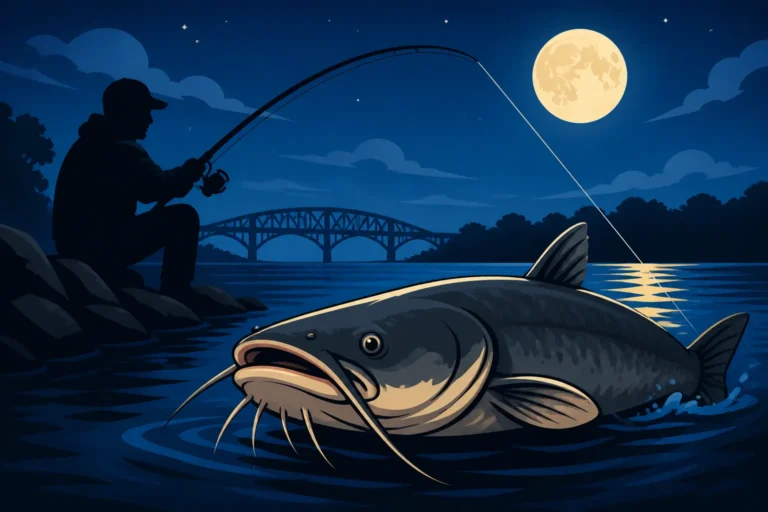
Topwater action for bluefish can be explosive, and they are often within range of kayak anglers. Night fishing from a kayak can also be incredibly productive in the summer, especially for larger bottom feeders, but demands extra safety precautions like strong lights and heightened awareness. Despite the heat, the abundance of species makes summer kayak fishing incredibly rewarding.
Fall Run Excitement
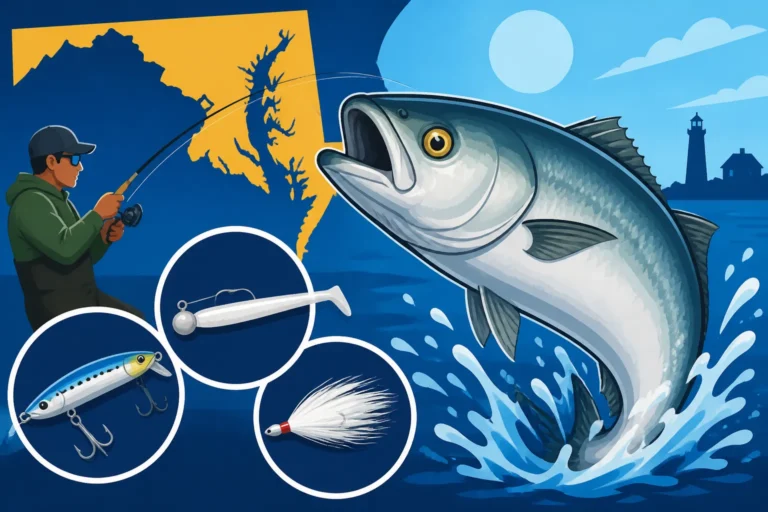
Fall is arguably the most exciting time for kayak fishing on the Chesapeake Bay. As water temperatures drop, baitfish begin their migration out of the rivers and into the main Bay, and predatory fish like striped bass go on a feeding frenzy to fatten up for winter. This "fall run" offers some of the best opportunities for trophy rockfish from a kayak. Look for diving birds, breaking fish, and active bait schools throughout the Bay. Trolling, jigging, and casting topwater lures or swimbaits can all be highly effective.
White perch fishing also picks up again, with schools gathering in deeper holes and channels before winter. The cooler weather makes for more comfortable fishing, though strong winds can still be an issue. Kayak anglers often find themselves surrounded by schools of feeding fish, creating unforgettable experiences. Our article on Fishing Maryland's Fall Striped Bass Run has more tips for this incredible season.
Seasonal Kayak Fishing Targets in the Chesapeake Bay
| Season | Primary Target Species | Common Techniques | Preferred Habitat |
|---|---|---|---|
| Spring | White Perch, Striped Bass | Light Tackle, Jigging | Tidal Rivers, Creek Mouths, Shallower Bay |
| Summer | Croaker, Spot, Flounder, Bluefish | Bottom Fishing, Trolling | Sandy Bottoms, Channel Edges, Grass Beds |
| Fall | Striped Bass, White Perch | Jigging, Trolling, Topwater | Main Bay, Tributary Mouths, Channel Edges |
Disclaimer
This article is for general informational purposes only and does not constitute professional advice. Laws, prices and regulations vary by location and change over time. Consult a qualified professional for guidance on your specific situation.