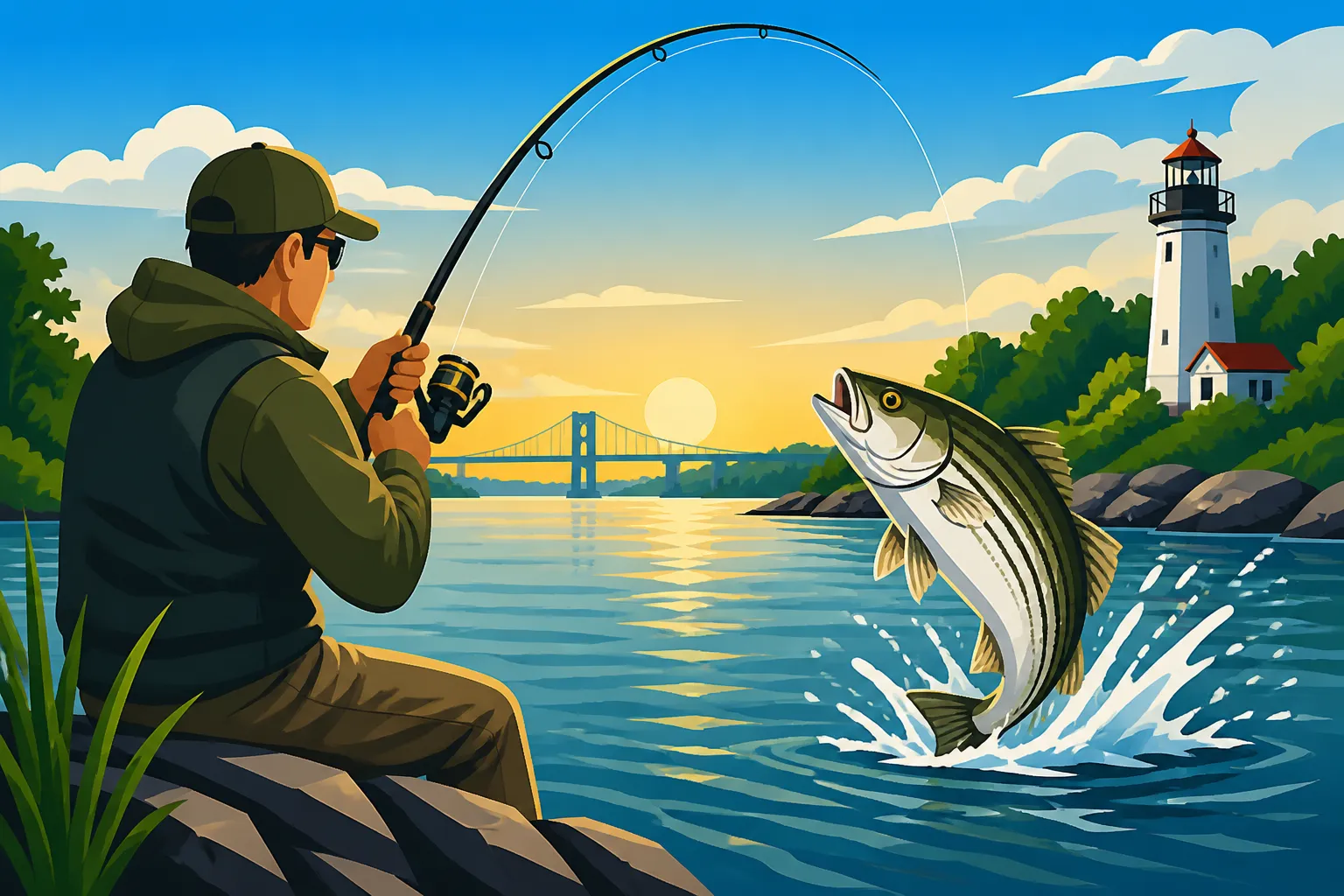
Fishing the Potomac River in Maryland
The Potomac River, a majestic waterway that forms a significant portion of Maryland's western and southern borders, presents a unique and often perplexing challenge for anglers. From its cold, rocky headwaters in Western Maryland to its broad, brackish tidal reaches emptying into the Chesapeake Bay, the river changes character dramatically, and with it, the fish species and fishing opportunities. This comprehensive guide aims to demystify fishing the Potomac River in Maryland, covering everything from understanding its diverse ecosystems and identifying prime fishing spots to mastering essential techniques, navigating complex regulations, and maximizing your success on its ever-changing waters.
Understanding the Potomac's Diverse Waters
The Potomac River isn't just one body of water; it's a dynamic system with distinct sections, each offering different fishing experiences and presenting unique challenges. Understanding these fundamental differences is crucial for any angler hoping to find consistent success. It’s not uncommon for anglers new to the area to get frustrated by how quickly the river can transition from a peaceful freshwater stream to a bustling tidal estuary.
The Tidal Potomac: A Bay Tributary
As the Potomac River flows eastward, it eventually encounters the powerful influence of the Chesapeake Bay, becoming what's known as the Tidal Potomac. This section, roughly from Washington D.C. downstream to Point Lookout, is characterized by its fluctuating water levels driven by the tides, and its brackish water, a mix of fresh river flow and salty bay water. This transition zone is a biological hotbed, supporting an incredible diversity of fish species that can tolerate both freshwater and saltwater conditions.
Fishing here can be an absolute blast, but it also requires a different approach than upstream. The tidal currents are strong, affecting everything from bait presentation to boat positioning. Water clarity can vary wildly, from tannin-stained after a rain to relatively clear on a calm, outgoing tide. Anglers often find themselves needing to adapt their strategies based on the tide cycle, knowing that fish behavior, especially for species like striped bass and white perch, is intrinsically linked to the ebb and flow. This is where you'll encounter the famous "rockfish" (striped bass), hard-fighting blue catfish, and the increasingly popular northern snakehead, all within a stone's throw of urban centers.
The Nontidal Potomac: A Freshwater Haven
Above the fall line, generally considered to be around Great Falls near Washington D.C., the Potomac transforms into its nontidal, freshwater self. This upstream stretch, particularly in Western Maryland, is a completely different world. Here, the river flows freely over rocky bottoms, through riffles, runs, and deep pools, driven by gravity rather than lunar cycles. The water tends to be clearer and colder, especially in the spring-fed tributaries and closer to the Appalachian mountains.
This part of the Potomac is a paradise for freshwater anglers. Smallmouth bass reign supreme, thriving in the rocky currents and providing incredible light-tackle action. You'll also find various panfish, catfish (channel and flathead, in addition to blue catfish making inroads), and even muskie in certain stretches. The challenges here are less about tides and more about navigating rapids, understanding current seams, and finding access points along its winding banks. Fly anglers especially cherish the upper Potomac for its pristine beauty and challenging, rewarding smallmouth fishery. The peace and quiet, often punctuated only by the sounds of rushing water and birdsong, are a stark contrast to the busy lower tidal sections.
Potomac River Fisheries Commission PRFC Waters
One of the most unique and often confusing aspects of fishing the Potomac River in Maryland is the presence of the Potomac River Fisheries Commission (PRFC) waters. Unlike most rivers where regulations are set by a single state's Department of Natural Resources (DNR), the mainstem of the tidal Potomac River, from its mouth up to the District of Columbia boundary, is jointly managed by the PRFC. This means that both Maryland and Virginia have a stake in its management, and the PRFC sets its own specific regulations, including licensing requirements, size limits, and creel limits, which can sometimes differ from the general Maryland or Virginia state rules.
For anglers, this often creates a headache: "Do I need a Maryland license, a Virginia license, or a PRFC license?" The answer depends on where you're fishing and what you're targeting. Generally, if you're fishing from a boat on the mainstem tidal Potomac, a PRFC license is often required, regardless of whether you're a Maryland or Virginia resident. However, if you're fishing in a Maryland tributary to the Potomac (like the Patuxent or Mattawoman Creek), you'll need a Maryland license. It's a complex system that catches many anglers off guard, leading to potential fines if not properly understood. Always consult the latest PRFC regulations and consider checking out What Is the Potomac River Fisheries Commission License? for a deeper dive.
Prime Fishing Spots Along the Maryland Potomac
The sheer length and diversity of the Potomac River means there are countless fishing spots, each with its own charm and target species. Knowing where to go is half the battle, especially for those who aren't intimately familiar with the region. Whether you're casting from shore or dropping anchor from a boat, there's a perfect spot waiting for you.
Key Tidal Potomac Access Points
The Maryland side of the Tidal Potomac offers numerous public access points, from sprawling state parks to smaller county ramps, providing opportunities for anglers of all stripes.
Fort Washington Marina and Fort Washington National Park: Located on the eastern shore of the Potomac just south of the Woodrow Wilson Bridge, this area offers excellent shore fishing opportunities, especially for catfish and occasional striped bass. The historic fort provides a scenic backdrop, and there are often areas where you can cast from rip-rap or small sandy stretches. It's a popular spot, so don't expect solitude, but the convenience and potential for good catches make it a perennial favorite. For boaters, there are marinas nearby.
Fletcher's Cove: While technically in Washington D.C., Fletcher's Cove is easily accessible from Maryland and is a legendary spot on the nontidal yet still very deep and slow-moving "tidal" portion of the Potomac below Chain Bridge. It’s known for its incredible spring shad run, but also offers excellent opportunities for smallmouth and largemouth bass, catfish, and even carp. It's a vibrant hub where you can rent boats, purchase bait, and connect with other anglers. For more details on this specific area, check out Fishing the Potomac Near Fletcher's Cove. The current here can be surprisingly strong, so come prepared with heavier sinkers if you're bottom fishing.
National Harbor Area: Just south of the Woodrow Wilson Bridge, the National Harbor offers pier and shore fishing, particularly along the main promenade. While it's a bustling tourist destination, anglers can find success targeting catfish, white perch, and even a few striped bass, especially during cooler months or early mornings. The challenge here is fishing around pedestrian traffic, but the convenience for urban anglers is unparalleled. You can learn more about fishing this popular urban spot at Fishing the Potomac Near National Harbor. This area is best for a casual fishing experience, perhaps combining it with a family outing.
Point Lookout State Park: At the very mouth of the Potomac where it meets the Chesapeake Bay, Point Lookout State Park offers prime fishing from its long fishing pier and along the shoreline. Here, you'll encounter a wider variety of estuarine and bay species, including striped bass, bluefish, croaker, spot, and flounder, in addition to the ever-present blue catfish. The pier provides access to deeper water without needing a boat, and the surrounding waters are fantastic for kayak or small boat anglers. The blend of river and bay influences makes this a dynamic and exciting location, but it also means dealing with stronger tides and potentially rougher water conditions.
Nontidal Hotspots and River Access
Moving upstream into the freshwater stretches, the fishing spots change dramatically, offering different species and environments.
C&O Canal National Historical Park Access Points: The Chesapeake & Ohio Canal runs parallel to the Potomac for 184 miles from Georgetown in D.C. to Cumberland, MD. While fishing in the canal is an option, many of its access points provide excellent routes to the mainstem Potomac. Areas like Angler's Inn, Great Falls, and Point of Rocks offer trails and river access suitable for wading or casting from shore. These spots are renowned for smallmouth bass, especially in the rocky sections and rapids. The scenery is absolutely breathtaking, making for a truly immersive fishing experience. However, navigating the trails and finding safe wading spots requires careful planning.
Antietam Creek and Monocacy River Confluence: These significant tributaries flow into the nontidal Potomac and offer excellent fishing in their own right, but their confluence areas with the main river are often hotspots. Here, you can target smallmouth bass, various panfish, and even some stocked trout in the cooler waters of Antietam Creek. The mix of tributary flow and mainstem currents creates fertile feeding grounds. These areas often provide easier access and shallower wading opportunities, making them ideal for fly anglers or those using light spinning gear.
Paw Paw Bends and Western Maryland Stretches: Further upstream in Western Maryland, the Potomac becomes even more wild and remote. Areas around Hancock, Oldtown, and Cumberland offer fantastic smallmouth bass fishing, as well as opportunities for muskie and channel catfish. Access can be more challenging, often requiring some hiking or a smaller boat/kayak. The rewards, however, are substantial, with less fishing pressure and truly wild fish. For anglers seeking a pristine smallmouth experience, the upper nontidal Potomac is a must-visit. For more on this specific type of fishing, consider reading Fishing the Nontidal Upper Potomac for Smallmouth Bass.
Fishing From Shore vs. Boat
The Potomac offers fantastic fishing opportunities for both shore-bound and boat anglers, but each comes with its own set of advantages and challenges.
Shore Fishing Advantages and Challenges:
Shore fishing is accessible and budget-friendly, making it ideal for beginners or those without a boat. Public piers, parks, and accessible riverbanks provide ample casting opportunities. You can often focus on specific structures like submerged logs, rock piles, or eddy lines without the complexities of boat navigation. However, shore fishing limits your reach, restricting you to areas easily accessible by land. Prime spots can get crowded, and you're at the mercy of conditions right in front of you. Accessing deeper holes or specific current breaks might be impossible without a boat. Patience is key, as is a willingness to move and explore different spots. For instance, at Fort Washington, you might have great success casting cut bait for catfish, while further upstream along the C&O Canal, small jigs or soft plastics from the bank are perfect for bass.
Boat Fishing (Kayak, Powerboat) Advantages and Challenges:
Having a boat—whether a full-sized powerboat, a jon boat, or a kayak—opens up a vast amount of water that is inaccessible from shore. You can follow schools of fish, explore remote coves, target channel edges, and cover much more territory. Kayaks are particularly popular on the Potomac, offering stealth and access to shallow areas where larger boats can't go. However, boat ownership comes with its own costs and responsibilities, including trailering, launching, maintenance, and navigating potentially dangerous currents or heavy boat traffic, especially on the tidal sections. Safety is paramount, and having the right safety gear and knowledge of the river is non-negotiable. Using platforms like FishingBooker can help you find local guides who know the ins and outs of both shore and boat fishing spots.
| Feature | Shore Fishing | Boat Fishing (Powerboat/Kayak) |
|---|---|---|
| Accessibility | High (parks, piers, public banks) | Moderate (requires boat, ramp access) |
| Cost | Low (gear, bait, license) | High (boat, maintenance, fuel, ramp fees, gear) |
| Reach | Limited (specific spots) | Extensive (whole river, channels, remote areas) |
| Stealth | Moderate to High (less disturbance) | High (kayak), Moderate (powerboat) |
| Species Access | Good for common species (catfish, perch, bass) | Excellent for all species, including deeper dwellers |
| Safety Concerns | Primarily footing, potential swift currents | Weather, boat traffic, currents, navigation, capsizing (kayak) |
| Crowd Factor | Can be crowded at popular spots | Can escape crowds by exploring |
| Flexibility | Low (fixed location) | High (can move with fish, adapt to conditions) |
Targeting Key Fish Species in the Potomac
The Potomac River is a true angler's paradise, offering a diverse array of fish species that cater to every fishing style and preference. From hard-fighting invasives to native gems, there's always something to reel in. Understanding what each species offers and how to target them effectively is key to a successful outing.
Blue Catfish: An Invasive, Abundant Fishery
Without a doubt, the blue catfish has become the dominant species in the tidal Potomac River, and increasingly, in the nontidal stretches as well. These whiskered giants are an invasive species, but they've established a robust, fast-growing population, and their sheer size and fighting power make them a thrilling target for anglers. Many anglers initially frustrated by the difficulty of catching native species have found great joy and success in targeting these abundant fish.
Blue catfish are voracious eaters, consuming everything from smaller fish to mussels and crabs. They grow to immense sizes, with fish over 50 pounds being caught regularly, and the state record for Maryland's largest blue catfish ever caught coming from these waters. The Maryland Department of Natural Resources (DNR) actively encourages anglers to harvest blue catfish due to their invasive nature and the threat they pose to native species like striped bass and white perch. There's currently no size or creel limit on blue catfish in Maryland, further encouraging harvest. This means you can keep as many as you want, and they make for excellent table fare! You can explore the full extent of this at Maryland Blue Catfish Limit, or Lack of One.
Techniques and Bait: Blue catfish are not picky. Cut bait (especially fresh gizzard shad, herring, or even chicken liver) fished on the bottom with a stout circle hook is the most effective method. Target deeper channels, creek mouths, and areas with current breaks. Anchor upcurrent and let your bait drift into a promising spot. Rods should be heavy-action, and reels spooled with strong braid or monofilament. They offer an incredible fight, and landing a big one is a true test of strength. For more specific tactics, check out Fishing the Potomac for Blue Catfish.
Northern Snakehead: The Controversial Fighter
Another high-profile invasive species, the northern snakehead, has firmly established itself in the Potomac River, particularly in its shallow, vegetated tributaries like Mattawoman Creek and the Occoquan River (in Virginia, but similar habitat to Maryland's tributaries). These exotic predators are infamous for their ability to breathe air and survive out of water for short periods, but for anglers, they are celebrated for their aggressive strikes and powerful, acrobatic fights.
Like blue catfish, snakeheads are an invasive species, and Maryland regulations require anglers to not release them alive once caught. This "catch and kill" policy helps manage their population and protect native fish species. Anglers have fully embraced this, turning snakehead fishing into an exciting and challenging pursuit. Their preference for thick vegetation and shallow, oxygen-rich water makes them a unique target. If you're looking for a thrilling topwater bite, this is your fish.
Techniques and Bait: Topwater lures, especially frog imitations, are incredibly effective for snakeheads, offering explosive surface strikes that get the adrenaline pumping. They'll also hit spinnerbaits, chatterbaits, and even live bait like minnows or shiners. Focus on areas with lily pads, submerged grass, and woody debris. Early mornings and late evenings, or overcast days, are often the best times. You'll need heavy gear to pull them out of their dense cover. Discover more about where to find them at Where to Catch Snakehead on the Potomac River and master the methods with Techniques for Catching Snakehead in Maryland.
Smallmouth Bass: Western Maryland's Gem
As you move upstream into the nontidal, rocky sections of the Potomac, the smallmouth bass becomes the star of the show. These feisty bronzebacks are native to the region and thrive in the cooler, clearer, current-driven waters of the upper river. Known for their powerful runs and aerial acrobatics, smallmouth bass are a favorite among fly anglers and spin fishermen alike.
Unlike their largemouth cousins who prefer still, vegetated waters, smallmouth bass gravitate towards rocky structures, current seams, and riffles. They are ambush predators that rely on current to bring food to them. Catching a robust smallmouth from the Potomac's scenic upstream stretches is an incredibly rewarding experience, offering a sense of connection to the wild heart of the river. The smallmouth fishery on the Potomac is considered one of the best in the Mid-Atlantic.
Techniques and Bait: Light spinning gear with 6-8 lb test line is ideal for smallmouth. Popular lures include small crankbaits, spinnerbaits, tubes, grubs, and finesse jigs. For fly anglers, poppers, streamers, and crayfish patterns are highly effective. Focus your casts around current breaks, large boulders, submerged ledges, and eddy lines. Wading is a common and effective technique in many areas of the upper Potomac. Patience and a keen eye for subtle changes in current are crucial. Remember to always practice responsible catch-and-release to preserve this fantastic fishery. For detailed information on this specific pursuit, check out Fishing the Nontidal Upper Potomac for Smallmouth Bass.
Striped Bass (Rockfish) and White Perch: Brackish Water Favorites
While blue catfish and snakeheads dominate the headlines, the tidal Potomac still offers excellent opportunities for two classic Chesapeake Bay species: striped bass (known locally as rockfish) and white perch. These species are highly migratory and seasonal in their presence, often moving into the Potomac to spawn or to forage.
Striped Bass: Maryland's state fish, the striped bass, makes significant runs into the tidal Potomac, especially in the spring for spawning and again in the fall as they chase baitfish. These powerful fish are prized for their fighting ability and delicious meat. Regulations, including size and creel limits, are strictly enforced to protect this iconic species, which you can learn more about at Striped Bass: Maryland's State Fish. While the glory days of massive schools might be less frequent, consistent fishing can still be found.
Techniques and Bait: During their spring and fall runs, trolling with bucktails or surgical hoses, jigging with soft plastics or metal jigs, and live-lining spot or other baitfish are effective methods. Look for them around channel edges, bridge pilings, and prominent points. Chumming can also be effective when they are actively feeding. The Potomac River below D.C. can offer excellent striped bass fishing, often in waters that don't see the same pressure as the main Bay.
White Perch: These smaller, schooling fish are abundant throughout the tidal Potomac and its tributaries. White perch are a fantastic target for anglers of all ages and skill levels, offering consistent action and excellent table fare. They move into shallower waters and tributaries in the spring for their spawning run, then disperse throughout the tidal river during the warmer months. Learn more about this popular panfish at White Perch in Maryland's Chesapeake Bay.
Techniques and Bait: White perch are eager biters and can be caught using small jigs, spinners, or bait such as bloodworms, grass shrimp, or small pieces of clam. Bottom fishing rigs with multiple hooks are very effective when you locate a school. Look for them in deeper holes, around submerged structures, and along channel edges. During their spring run, they will congregate in the shallower, brackish creeks.
Essential Techniques and Gear for Potomac Anglers
Successful fishing on the Potomac River, given its varied environments and diverse fish species, often boils down to having the right techniques and gear. It's not about having the most expensive equipment, but rather understanding what works best for the conditions and the fish you're targeting.
Live Bait vs. Artificial Lures
This age-old debate has no single answer, as both live bait and artificial lures have their place on the Potomac. Often, the most successful anglers are those who are versatile and know when to switch between the two.
Live Bait:
- Pros: Often irresistible to fish, especially finicky ones. The natural scent and movement can trigger bites when artificials fail. Highly effective for blue catfish (cut bait like shad, herring), snakeheads (live minnows/shiners), and even striped bass (live spot).
- Cons: Can be messy to handle, requires special storage (bait bucket, aerator), and can be expensive. Not always readily available, and sometimes requires catching your own. Can lead to "bycatch" of unwanted species.
- When to Use: When fish are lethargic, in cold water, or when you're targeting non-aggressive feeders like large catfish. Also excellent for species like snakehead that often react strongly to live prey.
Artificial Lures:
- Pros: Clean, reusable, and allows for active fishing (casting and retrieving). Enables anglers to cover a lot of water quickly and experiment with different presentations. Can be tailored to mimic various baitfish or prey. Excellent for smallmouth bass (crankbaits, jigs), snakeheads (topwater frogs, spinnerbaits), and striped bass (jigs, trolling lures).
- Cons: Requires skill in presentation and knowledge of lure types and colors. Fish can be "spooked" by unnatural movements. Can be expensive to build a varied tackle box.
- When to Use: When fish are active, for predatory species, or when covering a large area to locate fish. Ideal for targeting bass and snakehead that strike aggressively.
A well-rounded Potomac angler will have a selection of both. For example, you might start with topwater lures for snakehead in the morning, then switch to live bait or soft plastics if the bite slows down or if you decide to target catfish later in the day.
Bottom Fishing and Trolling Strategies
These two classic techniques remain incredibly effective for various species found in the Potomac.
Bottom Fishing:
This is the go-to method for blue catfish, channel catfish, white perch, and even some striped bass in deeper sections of the tidal river.
- Setup: A simple bottom rig with a weight (sinker) at the bottom and one or two hooks on dropper loops above it is standard. Use circle hooks, especially when targeting catfish, as they are safer for the fish and result in more hookups in the corner of the mouth, reducing gut-hooking.
- Bait: Cut bait (shad, herring, bluegill), chicken liver, clam snouts, or bloodworms for perch.
- Technique: Cast your rig out, let it sink to the bottom, and wait for a bite. On the tidal Potomac, you'll need to use heavier sinkers to hold your bait in place against the current. Pay attention to slack tide periods for easier fishing, or anchor strategically to allow your bait to sit in a current seam. In the nontidal sections, focus on deeper holes, pools, and the slower water behind obstructions.
Trolling:
Primarily used for striped bass in the wider, open stretches of the tidal Potomac, especially during spring and fall migrations. It's also effective for species like flounder if they venture into the lower river.
- Setup: Trolling involves dragging lures or baits behind a moving boat. Use stout rods with line counter reels. Spreaders, umbrellas rigs, bucktails with plastic trailers, or deep-diving crankbaits are common choices.
- Technique: Vary your speed and depth to find where the fish are holding. Pay close attention to your fish finder to identify bait schools and subsurface structure. Trolling can be very effective for covering large areas and locating schools of actively feeding fish. On the Potomac, focus on channel edges, drop-offs, and around prominent points where current concentrates baitfish. In the lower river, like near Point Lookout, you might also pick up bluefish or Spanish mackerel occasionally.
Topwater and Finesse Tactics
For those who love the visual thrill of a surface strike or the delicate art of coaxing a bite, topwater and finesse techniques are incredibly rewarding on the Potomac.
Topwater Tactics:
This is the preferred method for northern snakeheads and can be explosive for largemouth and smallmouth bass during low-light conditions or in warmer water.
- Lures: Frog imitations (for snakeheads in pads), poppers, walk-the-dog style baits (Spooks, Whopper Ploppers), and buzzbaits.
- Technique: Cast your lure into or around heavy cover (lily pads, submerged grass for snakeheads; fallen trees, docks for bass) and retrieve with pauses and twitches. The key is to mimic a struggling or fleeing animal on the surface. Be ready for a violent strike; don't set the hook until you feel the weight of the fish. This is exhilarating fishing and particularly effective in the shallow, vegetated tributaries of the tidal Potomac.
Finesse Tactics:
Primarily for smallmouth bass in the clearer, nontidal upper Potomac, and sometimes for reluctant largemouth bass in the tidal creeks. Finesse fishing is about subtle presentations and light tackle.
- Lures: Small soft plastics (tubes, grubs, drop-shot worms), small jigs, and micro-crankbaits.
- Technique: Use lighter lines (4-8 lb test), sensitive rods, and stealthy approaches. Focus on precise casts to specific structures like individual boulders, current seams, or subtle changes in depth. Slow, deliberate retrieves are often more effective than aggressive ones. The goal is to make your lure look as natural as possible, enticing a bite from a wary fish. This method requires patience and a good feel for what your lure is doing underwater.
Navigating Regulations and Licensing on the Potomac
Fishing the Potomac River in Maryland comes with its own unique set of regulatory challenges, primarily due to its shared border with Virginia and the special jurisdiction of the Potomac River Fisheries Commission (PRFC). Misunderstanding these rules can quickly turn a fun day on the water into a costly one.
Maryland vs. Virginia vs. PRFC Licenses
This is arguably the most confusing aspect of Potomac River fishing. Many anglers new to the area express frustration, asking, "Why do I need to know which state's regulations apply, and what's a PRFC license?" The situation arises because the main stem of the tidal Potomac River is considered a "shared" resource, jointly managed by Maryland and Virginia through the PRFC.
- Maryland Fishing License: Required if you are fishing in any Maryland tributary to the Potomac River (e.g., Mattawoman Creek, Piscataway Creek) or if you are fishing in the nontidal section of the Potomac River that flows through Maryland. If you're a Maryland resident, this is your base license. Check out Maryland Fishing License Guide for 2026 for more details.
- Virginia Fishing License: Required if you are fishing in any Virginia tributary to the Potomac River (e.g., Occoquan River, Chopawamsic Creek).
- Potomac River Fisheries Commission (PRFC) License: This is where it gets tricky. If you are fishing from a boat on the mainstem of the tidal Potomac River (from its mouth up to the D.C. boundary), you generally need a PRFC license. This applies to both Maryland and Virginia residents, and often non-residents as well. The PRFC license covers fishing in these specific waters, regardless of which state's side of the river you're on, as long as you're in the main channel. Some anglers choose to purchase both a Maryland and a Virginia state license plus a PRFC license to ensure they are covered no matter where they go. Always carry your license and be aware of where you are on the river.
The general rule of thumb: If you're fishing a creek or river that flows into the Potomac, you need the license for the state that creek is in. If you're on the main body of the tidal Potomac River in a boat, a PRFC license is typically required. It's a system designed to ensure fair access and management, but it certainly adds a layer of complexity for anglers.
Size and Creel Limits Specific to the Potomac
Beyond licensing, the PRFC also sets specific size and creel limits for certain species in its waters, which can sometimes differ from the general statewide Maryland or Virginia regulations. This is particularly relevant for popular species like striped bass and white perch.
- Striped Bass (Rockfish): The PRFC often mirrors or closely aligns with Maryland's and Virginia's striped bass regulations, but always check the most current PRFC guide. These limits are frequently adjusted based on stock assessments to protect the spawning population. You need to know the minimum and maximum size (slot limits) and the daily creel limit. Violating these can lead to significant fines.
- White Perch: While white perch are abundant, the PRFC may have specific daily creel limits that differ slightly from general Maryland regulations. These are usually generous, but it's important to be aware.
- Catfish: For blue catfish, due to their invasive status, there are typically no size or creel limits imposed by the PRFC, aligning with Maryland's encouragement to harvest these fish. However, for channel catfish and flathead catfish, there might be specific limits.
The key takeaway here is always to consult the most current PRFC fishing regulations handbook before heading out on the mainstem Potomac. Don't assume Maryland's general rules apply everywhere. It’s better to be safe than sorry when it comes to compliance. A general overview of statewide limits can be found at Maryland Fishing Size and Catch Limits by Species, but remember to cross-reference with PRFC rules for the Potomac.
Understanding Invasive Species Rules
The Potomac River is ground zero for two of Maryland's most prolific and problematic invasive fish species: the blue catfish and the northern snakehead. Because of their detrimental impact on native ecosystems, specific rules and strong recommendations are in place regarding their handling.
- Blue Catfish: As mentioned, the blue catfish population has exploded in the Potomac, consuming vast amounts of forage and competing directly with native species. For this reason, anglers are strongly encouraged to harvest blue catfish. There are generally no size or creel limits, and there are no restrictions on transporting live blue catfish (though it's always wise to transport them humanely in a cooler with ice if you intend to keep them for consumption). The more you remove, the better for the river's native populations.
- Northern Snakehead: The northern snakehead is a particularly concerning invasive species due to its aggressive predatory nature and ability to spread rapidly, even moving short distances over land. It is illegal to possess a live northern snakehead in Maryland, and if you catch one, you are required to kill it immediately. They should not be released back into the water. This rule is absolute and strictly enforced. Transportation of live snakeheads, even if captured, is also prohibited. The Maryland DNR wants anglers to help control their spread. For a comprehensive look at the rules surrounding these fish, refer to Maryland Invasive Fish Rules: Blue Catfish and Snakehead.
It's crucial to be able to identify these invasive species accurately and adhere to the regulations. If you're unsure, take a quick photo and safely dispatch the fish. Most anglers consider it a civic duty to remove these fish, especially the snakehead.
Seasonal Fishing Opportunities on the Potomac River
The Potomac River offers year-round fishing, but the species you'll find, their behavior, and the most effective techniques change dramatically with the seasons. Understanding these seasonal shifts is fundamental to maximizing your success and avoiding frustrating unproductive trips.
Spring: Spawning Runs and Awakening Waters
Spring on the Potomac is a time of incredible activity and abundance, as warming waters trigger spawning runs for many species. This is arguably one of the most exciting times to be on the river.
- Yellow Perch and White Perch: As early as February and March, depending on water temperatures, yellow perch begin their spawning migration into the tidal tributaries of the Potomac. They are followed shortly after by white perch, which make massive runs into creeks like Mattawoman Creek, Piscataway Creek, and others. Anglers flock to these areas to intercept schools of these panfish, offering fast-paced action. Small jigs tipped with bloodworms, minnows, or plastic grubs are incredibly effective. It's a fantastic time for family fishing outings.
- Pre-Spawn Bass: Largemouth and smallmouth bass become very active in the spring as they prepare for their spawn. Largemouth will move into shallower, protected coves and backwater areas of the tidal Potomac, while smallmouth will be found aggressively feeding in the rocky stretches of the nontidal river. Spinnerbaits, crankbaits, and jigs can be highly productive.
- Tidal Striped Bass Activity: The spring also marks the arrival of large migratory striped bass into the tidal Potomac, heading upstream to spawn. This is a highly regulated and sensitive period. While the main spawning grounds might have closures, anglers can often target striped bass in the lower tidal sections before they reach those areas, or during specific open seasons. The "trophy season" often occurs in early spring, allowing for the harvest of larger fish within a tight slot limit. Always double-check the current Best Time of Year to Fish in Maryland and the specific PRFC regulations for striped bass.
Summer: Catfish and Topwater Action
Summer on the Potomac can be hot, but the fishing remains excellent, especially for certain species that thrive in warmer water.
- Consistent Blue Catfish: The blue catfish bite is incredibly consistent throughout the summer months across the entire tidal Potomac and extending into the nontidal sections. They are active and aggressively feeding, making them a reliable target even on the slowest days. Bottom fishing with cut bait is highly effective, and you can often fill a cooler with delicious fillets. The best approach is to seek out deeper holes or channel edges where temperatures remain slightly cooler.
- Northern Snakehead Topwater: Summer, with its abundant vegetation and warm water, is prime time for northern snakehead, especially for those exhilarating topwater strikes. Head into the shallow, vegetated backwaters and tributaries in the early morning or late evening with frog imitations. The warmer temperatures make these fish incredibly active and aggressive.
- Bass in Deeper Water: While the intense heat can make bass fishing challenging midday, early mornings, late evenings, or fishing after dark can be productive for both largemouth and smallmouth. Bass will often move into deeper cover, shady areas, or cooler current seams. Finesse techniques, Texas-rigged worms, or deep-diving crankbaits can entice bites. Night fishing for bass and catfish can be particularly rewarding in the summer.
Fall: Cooler Waters and Aggressive Feeding
As water temperatures begin to drop in the fall, the Potomac experiences another surge of fishing activity. Many species enter a "feeding frenzy" as they prepare for winter.
- Striped Bass Migration: Fall sees a major migratory run of striped bass back through the tidal Potomac as they exit the bay system. These fish are actively chasing baitfish like menhaden and mullet, making for some of the most exciting fishing of the year. Trolling, jigging, and live-lining are all effective. Look for birds diving, which often indicates baitfish being pushed to the surface by predatory stripers. This is often regarded as the Best Month to Catch Striped Bass in Maryland.
- Active Bass: Both largemouth and smallmouth bass become very aggressive in the fall. They are putting on weight for winter, hitting a wide variety of lures with gusto. Crankbaits, spinnerbaits, and jigs can all be highly productive as bass move to shallower flats to feed on schooling baitfish.
- Continued Catfish Bite: The blue catfish bite remains strong through the fall, often picking up even more as water temperatures become ideal for their metabolism. They will continue to feed heavily, making them an excellent target for consistent action.
Winter: Unique Challenges and Rewards
Winter fishing on the Potomac presents its own set of challenges, primarily cold weather and slower fish metabolism, but it can also offer unique rewards for the dedicated angler.
- Slower Bite, Deep Water Fish: Most species become less active in the cold water. Largemouth and smallmouth bass will retreat to deeper holes and cover, requiring slower presentations and finesse techniques. Striped bass, if present, will also be found in deeper channels, and often prefer slower-moving baits.
- Focus on Blue Catfish: Blue catfish remain active even in very cold water, making them the most reliable target throughout the winter. They will congregate in deep channels, bends, and holes in the tidal Potomac. Bottom fishing with cut bait is still the most effective method, though retrieves will need to be slower to entice strikes. For the persistent angler, winter can yield some truly massive blue cats.
- Ice Fishing Potential (Upper Nontidal): In the very upper, nontidal reaches of the Potomac or in some associated impoundments in Western Maryland, ice fishing can be an option if conditions allow for safe ice thickness. However, on the main stem of the Potomac itself, safe ice is rare and unpredictable due to current, making it generally unsuitable for ice fishing. Always exercise extreme caution and check local ice conditions before venturing out.
Hiring a Guide or Charter for Potomac Success
For many anglers, especially those new to the area, navigating the complexities of the Potomac River can be overwhelming. From understanding its diverse sections and regulations to finding fish and mastering techniques, there's a steep learning curve. This is where hiring a knowledgeable guide or charter can make all the difference, transforming a potentially frustrating day into a memorable and successful one.
Why Consider a Guide on the Potomac
A fishing guide on the Potomac River is much more than just someone who drives a boat. They are invaluable resources who can drastically improve your fishing experience, especially on a waterway as complex as the Potomac.
- Local Knowledge and Expertise: Potomac guides spend countless hours on the water, intimately familiar with its ever-changing conditions, secret hotspots, and seasonal patterns. They know where the fish are holding based on the time of year, tide, water temperature, and recent weather. This eliminates the guesswork and allows you to spend your time fishing, not searching. They know the subtle nuances that only comes from years of experience.
- Navigating Complex Waters: The Potomac can be a challenging river to navigate, with strong currents in the tidal sections, rocky rapids upstream, and ever-present hazards. A guide ensures your safety and can steer you clear of dangerous areas, allowing you to relax and enjoy the scenery and the fishing. They understand the intricacies of the PRFC waters and license requirements, so you don't have to worry about compliance.
- Targeting Specific Species: Want to catch a trophy blue catfish? Or experience the explosive topwater bite of a northern snakehead? Maybe you're after a Potomac River smallmouth bass. Guides specialize in specific species and techniques, providing you with the best chance to achieve your fishing goals. They have the right gear, bait, and strategies dialed in for each target.
- Learning Opportunity: For beginners or those looking to refine their skills, a guided trip is an excellent educational experience. Guides are often keen to share their knowledge, teaching you new techniques, how to "read" the water, and how to identify different fish species. It's like a hands-on fishing masterclass.
- Gear and Tackle Provided: Most guides provide all the necessary rods, reels, tackle, and bait, saving you the expense and hassle of buying or transporting your own. This is a huge benefit for travelers or those just getting into fishing.
Finding Reputable Potomac Fishing Services
When choosing a guide or charter on the Potomac, it's essential to do your homework to ensure you find a reputable and experienced professional.
- Online Search and Reviews: Start with a simple online search for "Potomac River fishing guides Maryland" or "Potomac River fishing charters." Pay close attention to online reviews on platforms like Google, Yelp, and specialized fishing booking sites. Look for consistent positive feedback regarding the guide's knowledge, professionalism, boat safety, and success rates.
- Fishing Forums and Local Tackle Shops: Local fishing forums and bait and tackle shops are invaluable resources. Anglers often share their experiences and recommend guides. Store owners and staff are usually highly knowledgeable about local guides and can offer trustworthy suggestions.
- Specialized Booking Platforms: Platforms like FishingBooker specialize in connecting anglers with licensed guides and charters. These sites often feature detailed profiles, customer reviews, clear pricing, and secure booking options, making it easier to compare services and find a guide that meets your specific needs and budget. For instance, FishingBooker allows you to filter by location (like various ports on the Potomac), target species, and even boat type.
- Interview Your Guide: Don't hesitate to call potential guides and ask questions. Discuss what species you're interested in, their typical trip itinerary, what's included (gear, bait, snacks), and their experience. A good guide will be happy to answer your questions and help you set realistic expectations.
Remember, a good guide should be licensed (e.g., USCG Captain's License for charters) and insured. Confirm these credentials for your peace of mind. For more on the services of guides, you can look at posts such as Fishing Guides for Maryland's Potomac River.
What to Expect on a Guided Trip
Knowing what to expect can help you prepare and get the most out of your Potomac guided fishing experience.
- Meeting Point and Time: Your guide will typically provide a clear meeting point, often a boat ramp or marina along the Potomac, and a start time. Be punctual.
- Safety Briefing: A reputable guide will always provide a safety briefing at the beginning of the trip, covering life jacket usage, boat safety procedures, and any specific hazards.
- Target Species and Techniques: The guide will usually have a game plan based on recent fishing reports and conditions, but they'll often consult with you about your preferences. You might spend the morning jigging for striped bass, then switch to bottom fishing for blue catfish, or dedicate the entire trip to stalking snakeheads in the shallows.
- Gear and Bait: As mentioned, all necessary fishing gear and bait are typically provided. However, if you have a favorite rod or a lucky lure, ask if you can bring it along.
- What to Bring: Always bring appropriate clothing for the weather (layers are key!), rain gear, sunglasses, a hat, sunscreen, and any personal medications. Many guides allow you to bring your own snacks and non-alcoholic beverages in a small cooler. Don't forget your fishing license!
- Fish Cleaning: Most guides offer to clean and fillet your catch at the end of the trip, often for a small additional fee or as part of the gratuity. This is a huge convenience.
- Gratuity: It is customary to tip your guide, typically 15-20% of the trip cost, especially if you had a great experience and they worked hard for you. This is a significant part of a guide's income.
A guided trip on the Potomac is an investment, but for many, the knowledge gained, the increased chances of success, and the sheer enjoyment of a stress-free fishing experience make it well worth it.
Disclaimer
Please note that fishing regulations in Maryland and for the Potomac River Fisheries Commission (PRFC) waters can change frequently. It is the responsibility of each angler to consult the most current regulations published by the Maryland Department of Natural Resources (DNR) and the PRFC before engaging in any fishing activity. This guide provides general information and should not be considered a substitute for official regulatory sources. Always prioritize safety and adherence to local laws.