Fishing the Gunpowder River for Trout
If you've ever felt the frustration of living in a bustling state like Maryland, yet longed for a tranquil escape where the whisper of a trout stream replaces the drone of traffic, you're not alone. Many anglers dream of pristine waters teeming with wary trout, but often struggle to find such a gem amidst development. This guide is your in-depth look at one of Maryland's true treasures – the Gunpowder River, specifically tailored for those of us eager to cast a line for its resident and stocked trout. We'll dive deep into its unique characteristics, complex regulations, and the best ways to experience its exceptional fishing.
Why the Gunpowder River is a Maryland Trout Mecca
The Gunpowder River isn't just a trout stream; for many Maryland anglers, it's the trout stream. What makes this waterway so special, drawing fly fishers and spin casters alike from all corners of the state and beyond? It's a combination of unique geographical features, a passionate conservation effort, and a thriving population of trout that truly sets it apart.
Unique Habitat and Water Conditions
The magic of the Gunpowder begins upstream with the Prettyboy Dam. This dam releases a steady flow of cold, oxygen-rich water from the bottom of the reservoir, creating an ideal environment for trout even during the sweltering Maryland summers. While much of the surrounding area experiences significant temperature fluctuations that make trout survival challenging, the Gunpowder maintains consistent cold temperatures, usually staying below 68 degrees Fahrenheit, which is critical for these cold-water fish. This thermal refuge is quite rare in the Mid-Atlantic and forms the backbone of its reputation. Imagine escaping the oppressive August heat, knowing that just a short drive away, you can wade into waters cool enough to hold vibrant trout. It's a feeling of pure relief and anticipation. The riverbed itself offers a diverse landscape, from rocky riffles that oxygenate the water to deep pools and undercut banks that provide perfect hiding spots for trout. This varied structure means the river isn't just a monotonous stretch of water; it's a dynamic ecosystem constantly changing and offering new challenges and rewards to the observant angler.
Diverse Trout Populations
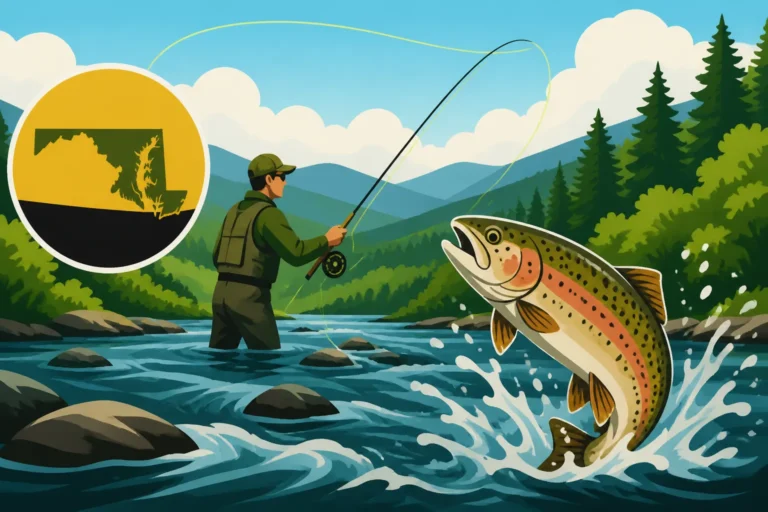
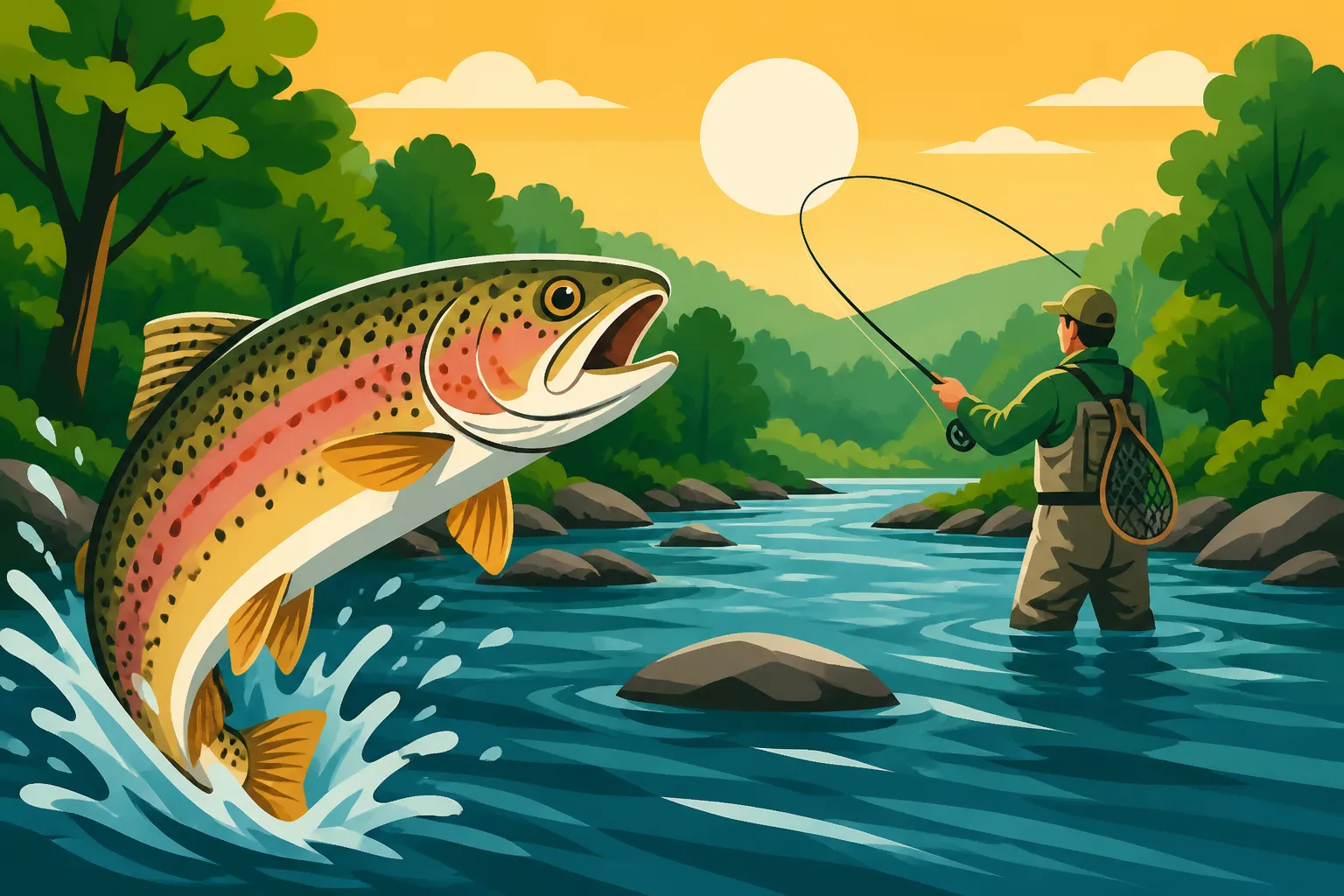
The Gunpowder River is a veritable melting pot when it comes to trout species, offering something for everyone. While the star of the show for many purists is the wild brown trout population, which naturally reproduces within the river's cooler stretches, you'll also find a robust presence of stocked fish. The Maryland Department of Natural Resources (DNR) regularly stocks rainbow trout, particularly in the more accessible "put-and-take" and "delayed harvest" sections, augmenting the natural fishery and providing ample opportunities for anglers of all skill levels. These rainbows, fresh from the hatchery, often offer a more eager bite, making them a fantastic target for beginners or those looking for more consistent action. Moreover, if you venture into some of the Gunpowder's smaller, colder tributaries, you might even encounter the elusive brook trout, Maryland's only native trout species. These beautiful, vibrant fish are a testament to the pristine conditions found in these smaller feeder streams, and catching one is often considered a special achievement. This blend of wild, wary browns, feisty stocked rainbows, and occasional native brookies creates a truly diverse and exciting fishery, ensuring that every trip to the Gunpowder holds the potential for a memorable catch. It’s this blend that makes the experience so rich and varied.
Understanding the Gunpowder's Special Regulations
Fishing the Gunpowder River successfully means more than just knowing where to cast your line; it requires a deep understanding of its often complex and strictly enforced regulations. These rules, set forth by the Maryland DNR, are designed to protect the fragile trout populations, enhance the fishing experience, and manage the diverse angling pressure the river receives. Ignoring them isn't just frowned upon; it can lead to significant penalties, so it's crucial to be informed. You might find resources on Maryland Fishing License Penalties for Violations if you're ever curious about the consequences.
Catch and Release Zones Explained
Perhaps the most critical regulation on the Gunpowder River involves its dedicated "Catch and Release" sections. These areas are specifically managed to foster a healthy, self-sustaining wild trout population, particularly brown trout. In these zones, often designated as "Fly Fishing Only" or "Artificial Lures Only," anglers are legally required to release all fish immediately and unharmed. This means no bait, no treble hooks, and certainly no keeping fish for dinner. The rationale behind these stringent rules is straightforward: by allowing trout to grow, reproduce, and remain in the river, the DNR ensures a robust population of larger, wilder fish, offering a premier angling experience. When you're in one of these zones, it's not just about the catch; it's about the challenge, the careful handling, and the satisfaction of knowing you're contributing to the health of the fishery. Understanding Do You Need a Trout Stamp to Catch and Release in Maryland? is also important, as the stamp itself is a revenue source for conservation efforts. Many anglers even go further by using Barbless Hook Rules on Maryland Trout Streams to minimize harm, even if not explicitly required in all catch and release areas.
Delayed Harvest and Put-and-Take Sections
Beyond the strict catch and release zones, the Gunpowder River also features "Delayed Harvest" and "Put-and-Take" sections, each with its own unique set of rules and angling opportunities. It's easy to get these confused, and a quick check of the current Maryland Fishing Regulations Guide, Where to Find It is always a good idea.
-
Delayed Harvest Areas: These sections are a fantastic middle ground. During the cooler months, typically from October 1st through June 15th, they operate under catch and release, artificial lures only rules, much like the special regulation areas. However, once June 16th rolls around, these waters transition. Anglers are then permitted to use bait and keep a limited number of trout per day, usually up to five fish. The idea is to allow the trout stocked in spring and fall to grow larger and provide challenging fishing for several months before allowing harvest. This seasonal shift means you need to be aware of the calendar when fishing these spots. Understanding Fishing Maryland's Delayed Harvest Trout Streams can help clarify these seasonal nuances.
-
Put-and-Take Sections: These areas are designed for immediate gratification and are heavily stocked with rainbow trout, particularly in the spring. As the name suggests, the expectation here is that anglers will catch and keep their fish. These sections generally allow the use of natural bait, artificial lures, and have a daily creel limit, typically five fish. They are incredibly popular, especially with families and new anglers, as the chances of catching fish are much higher. However, because of the heavy fishing pressure, the fish don't usually last long after stocking events. If you're looking for a relaxing day with a high probability of bringing home dinner, these are your spots. You'll definitely want to check the Maryland Trout Daily Creel Limit for these sections.
To make it a bit clearer, here's a table comparing the general regulations you'll encounter on the Gunpowder:
| Section Type | Primary Species Targeted | Gear Restrictions | Harvest Rules | Best Time to Fish for Harvest | Best Time to Fish for Challenge |
|---|---|---|---|---|---|
| Catch & Release | Wild Brown Trout | Fly-fishing or Artificial Lure Only; Barbless hooks recommended | All fish must be immediately released unharmed. No harvest. | N/A | Year-round |
| Delayed Harvest | Stocked & Wild Trout | Artificial Lure Only (Oct 1 – Jun 15); Any legal gear (Jun 16 – Sep 30) | Catch & Release (Oct 1 – Jun 15); 5 fish/day (Jun 16 – Sep 30) | Late June – September | Fall, Winter, Early Spring |
| Put-and-Take | Stocked Rainbow Trout | Any legal gear | 5 fish/day, no size limit (check specific regulations as they can change) | Immediately after stocking | Any time for quick action |
Remember, these are general guidelines. Always consult the latest Maryland DNR Fishing and Boating Guide for the most up-to-date and site-specific regulations, as rules can and do change.
Essential Gear and Techniques for Gunpowder Trout
Fishing the Gunpowder River, with its diverse conditions and regulations, requires a thoughtful approach to gear and technique. Whether you're a seasoned fly angler or prefer the simplicity of spin fishing, having the right setup can make all the difference between a frustrating day and a memorable one.
Fly Fishing Essentials
For many, the Gunpowder is synonymous with fly fishing, and for good reason. Its clear, cold waters and abundant insect life make it a prime location for presenting artificial flies. If you're serious about Fly Fishing in Maryland, especially for trout, the Gunpowder will be a frequent destination.
- Rod and Reel: A lightweight setup is usually preferred. A 3-weight to 5-weight fly rod, typically 8 to 9 feet long, paired with a matching reel is ideal. The lighter rod offers sensitive feel for subtle takes and protection for light tippets, while still having enough backbone to handle a decent-sized trout.
- Fly Line and Leaders: A weight-forward floating line is versatile for most situations. For leaders, start with a 9-foot tapered leader ending in 4x or 5x tippet. You'll want to carry spools of finer tippet (6x or 7x) for more selective fish or smaller flies, and perhaps heavier tippet (3x or 4x) for streamer fishing.
- Fly Patterns: The "what to use" can feel overwhelming, but a core selection will cover most bases.
- Nymphs: These are often the most effective flies, as trout feed subsurface for the majority of their diet. Think about patterns like Pheasant Tail Nymphs, Hare's Ear Nymphs, Prince Nymphs, Caddis Larva imitations (like Green Weenies or Higa's SOS), and various midge patterns (Zebra Midges, Brassies). Sizes 14-20 will cover a lot of ground.
- Dry Flies: While trout mostly feed below the surface, the Gunpowder does experience prolific hatches that can bring fish up to feed. Having a selection of Elk Hair Caddis, Adams, Sulphurs, BWOs (Blue-Winged Olives), and terrestrials (Ants, Beetles, Hoppers) in sizes 12-20 can lead to explosive surface takes. Matching the hatch is key here. You might find specific recommendations on Best Flies for Gunpowder Falls Trout.
- Streamers: For targeting larger, more aggressive trout, especially wild brown trout, streamers can be incredibly effective. Patterns like Woolly Buggers (olive, black, brown), Clouser Minnows, and Sculpin imitations in sizes 6-10 are great choices. Strip these through deeper pools or along undercut banks.
- Accessories: Don't forget essentials like forceps for hook removal (barbless hooks are highly recommended), a net with a rubber bag (less damaging to fish scales and slime coat), split shot or putty for weight, strike indicators, and a wading staff for safety on slippery rocks. A quality vest or pack to keep everything organized is also a game-changer.
Spin Fishing Strategies for the Gunpowder
While fly fishing gets a lot of attention, spin fishing can be incredibly effective on the Gunpowder, especially in the stocked and delayed harvest sections. It offers a different approach and can be particularly enjoyable for those who prefer this method or are new to trout fishing.
- Ultra-Light Gear: The key to success with spin fishing for trout is to use ultra-light tackle. A 5 to 6.5-foot ultra-light spinning rod paired with a small reel spooled with 4-6 lb test monofilament or fluorocarbon line is perfect. The light line allows for better casting of small lures and a more natural presentation, while the sensitive rod helps detect subtle bites.
- Lure Choices:
- Small Spinners: Classic trout lures like Mepps Aglia, Panther Martin, and Roostertail spinners are highly effective. Sizes 0-2 in silver, gold, or brass blades, often with a white, yellow, or black dressed treble hook (which you should swap for a single, barbless hook if fishing in artificial-only or catch & release areas) are excellent choices.
- Spoons: Tiny spoons like the Kastmaster or Little Cleo, in sizes 1/16 oz to 1/8 oz, can imitate baitfish and flash enticingly. Silver and gold are standard, but try trout-pattern finishes too.
- Soft Plastics: Small trout worms, grubs, or minnow imitations rigged on a tiny jig head (1/32 oz to 1/16 oz) or under a bobber can be deadly. These offer a very natural presentation and come in a myriad of colors.
- Inline Spinners & Jig Heads: Try small trout magnet type jigs or small marabou jigs bounced along the bottom or slowly retrieved.
- Bait Fishing (Where Permitted): In "put-and-take" and the summer "delayed harvest" sections, natural bait can be highly effective. Popular choices include PowerBait (in various colors and forms), corn, mealworms, wax worms, and garden worms. Rig these on a small hook (size 8-12) with a minimal amount of weight, such as a single split shot, to allow for a natural drift.
- Presentation is Key: No matter your tackle, how you present your lure or bait is crucial. Trout are sensitive to heavy splashes and unnatural movements. Cast upstream and allow your lure to drift naturally downstream, retrieving just fast enough to impart action. Pay attention to seams, eddies, and areas with current breaks where trout often lie in wait.
Remember to double-check the regulations for the specific section you plan to fish, especially regarding bait and single vs. treble hooks. Local tackle shops are invaluable resources for current conditions and what's working. If you're looking for guided trips or local expertise, platforms like FishingBooker can help connect you with experienced guides who know the Gunpowder River intimately and can provide tailored advice on gear and techniques.
Best Access Points and Fishing Zones
The Gunpowder River stretches for miles, offering a variety of fishing experiences depending on which section you choose to explore. Understanding the different access points and characteristics of each zone is crucial for planning a successful outing. The river flows from its headwaters at Prettyboy Dam down towards the Chesapeake Bay, transforming along the way.
Upper Gunpowder Prettyboy Dam to Falls Road
This section is often considered the heart of the Gunpowder's wild trout fishery and is primarily regulated as a Catch and Release, Fly Fishing Only or Artificial Lures Only area. It's colder, wilder, and generally more challenging, but it holds the reward of larger, native brown trout.
- Prettyboy Dam Tailwater: Immediately below the dam, the water is consistently cold, making it a prime spot even in summer. Access here can be rugged, requiring some hiking, but the reward is pristine water and typically fewer anglers. This is where you'll find some of the most challenging, yet rewarding, fishing. The steep banks and swift current demand careful wading and precise casting.
- Masemore Road: This is a popular and relatively easy access point. There's usually a small parking lot, and trails lead both upstream and downstream, offering miles of wadeable water. The river here features a mix of riffles, runs, and deeper pools, perfect for nymphing or dry fly fishing during hatches. It's common to see dedicated fly anglers here.
- Falls Road: Another key access point, Falls Road provides access to a long stretch of the river. There's a decent amount of parking, and the river here is quite varied. You'll find areas that are more open and easier to cast, as well as tighter sections requiring more technical presentations. This area often holds a good population of wild brown trout, and it's where many anglers hone their skills. The flow can be strong in places, so a wading staff is highly recommended. The secluded feel, even though it's not far from civilization, makes it a true escape.
Middle Gunpowder Falls Road to Route 1
As the Gunpowder flows downstream from Falls Road, it enters a section that becomes more accessible and often includes Delayed Harvest and Put-and-Take areas, especially after the confluence with the Little Gunpowder Falls. The water here may warm slightly compared to the upper reaches but still holds plenty of trout, particularly in the spring and fall.
- Gunpowder State Park (Hammerman Area vicinity): While Hammerman itself is more for swimming and boating, the general vicinity downstream from Falls Road includes accessible sections of the river, often designated as Delayed Harvest or Put-and-Take. These areas see significant stocking of rainbow trout, especially in spring, making them popular for families and spin fishers. You'll find plenty of parking and relatively easy access to the riverbanks. These are great spots if you're looking to take advantage of Maryland Put-and-Take Trout Waters, What That Means during harvest season.
- Glencoe Road / Loch Raven Drive: Various parking areas along Loch Raven Drive (which runs parallel to sections of the river) provide access to stretches that blend wild trout potential with stocked fish. This area can be a good choice for anglers who prefer to mix fly fishing with light spin tackle, depending on the specific regulations of the sub-sections. The scenery here is beautiful, with wooded banks and often well-maintained trails.
- Bunker Hill Road: This area, slightly further downstream, offers additional access. It’s typically part of the more heavily stocked sections and often sees high fishing pressure, particularly right after a stocking event. If you're keen on catching stocked rainbows, checking stocking schedules and heading to these spots early is a good strategy. Keep an eye on local announcements for Maryland Trout Season, Month by Month for stocking updates.
Lower Gunpowder Route 1 to the Bay
Below Route 1, the Gunpowder River begins its transition from a cold-water trout stream to a warmer, tidal river that eventually empties into the Chesapeake Bay. While it's no longer considered prime trout habitat, especially as summer approaches, this lower section still offers angling opportunities for other species.
- Patterson Road / Days Cove: In these downstream areas, the influence of the dam's cold water diminishes, and the river starts to broaden and warm. While a stray trout might be found during cooler months, especially after a fresh stocking, the primary targets here shift to warm-water species like bass, catfish, and panfish. As you get closer to the bay, you might even encounter striped bass or white perch, particularly during their seasonal runs.
- Tidal Waters: The very lowest reaches of the Gunpowder are tidal. Here, you're firmly in Chesapeake Bay territory. Fishing here would involve targeting species like white perch, yellow perch, catfish, and sometimes even striped bass. This area is far removed from the cold, clear trout waters upstream. If you're interested in tidal fishing, you might want to look at a Maryland Nontidal vs Tidal Fishing License, Explained to ensure you have the correct permit.
Choosing the right section depends entirely on your target species, preferred fishing method, and tolerance for crowds. For serious trout anglers seeking wild fish, the upper reaches are king. For those looking for more consistent action with stocked fish, the middle sections, especially during stocking periods, are ideal. Many anglers will consult FishingBooker to find local guides who specialize in specific sections of the river, providing invaluable insight into current conditions and the best places to fish based on the time of year.
Seasonal Strategies for Success on the Gunpowder
The Gunpowder River is a year-round fishery, but the tactics, target species, and even the "feel" of the river change dramatically with the seasons. Understanding these shifts is key to consistent success and truly appreciating the river's dynamic nature.
Spring Fishing Frenzy
Spring on the Gunpowder is a time of renewed energy and abundant opportunity. As the air warms, water levels often rise with spring rains, and the Maryland DNR starts its intensive stocking program.
- Post-Stocking Action: Starting in early spring, often around March, the put-and-take and delayed harvest sections are heavily stocked with eager rainbow trout. This is prime time for anglers looking for high-numbers days, especially with spin gear using PowerBait, worms, or small spinners. If you’re looking for action, keep a close eye on the stocking schedule. The fish are fresh and often aggressive. However, expect company, as these areas can get crowded.
- Wild Trout Activity: Even the wild brown trout in the catch-and-release sections become more active. The rising water temperatures (still cool!) stimulate insect activity. Early hatches of stoneflies, caddis, and midges can bring fish to the surface, offering exciting dry fly opportunities. Nymphing remains incredibly effective as trout feed heavily on subsurface larvae and pupae washed out by higher flows. Focus on seams and current breaks.
- High Water Challenges: Spring rains can lead to high and murky water, making fishing challenging. If the river is blown out, targeting slower eddies or waiting for water levels to drop and clear slightly is advisable.
Summer Low Water Challenges and Opportunities
Summer brings a different set of challenges and demands a more strategic approach, especially for the well-being of the trout.
- Thermal Refuges: As air temperatures soar, the Gunpowder's dependence on the cold water release from Prettyboy Dam becomes paramount. The colder upper sections remain viable, but even there, trout will seek out the coldest water. Focus your efforts early in the morning or late in the evening when water temperatures are at their coolest. Avoid fishing in the heat of the day, especially if water temperatures approach or exceed 68 degrees Fahrenheit, as the stress on released fish can be lethal.
- Terrestrial Fishing: With reduced insect hatches, trout often turn their attention to terrestrials (ants, beetles, grasshoppers) that accidentally fall into the water. Fishing dry flies imitating these insects along grassy banks or under overhanging trees can be surprisingly effective and incredibly fun in the catch-and-release sections.
- Nymphing in Deep Pools: In low, clear summer water, trout become extremely wary. Nymphing with very light tippets (6x-7x) and small, subtle patterns in deep pools or riffle transitions can still produce. Stealth and a delicate presentation are crucial.
- Delayed Harvest Changes: Remember that in the delayed harvest sections, June 16th marks the shift to allowing bait and harvest. These sections will see a new wave of angling pressure as people can now keep fish. This is a good time to consider taking fish for dinner from these areas, alleviating pressure on the wild trout.
Fall and Winter Fishing
Fall is arguably one of the most beautiful and productive seasons on the Gunpowder, transitioning into a challenging but rewarding winter.
- Fall Colors and Spawning Reds: As leaves turn vibrant, the brown trout begin their spawning rituals. While it's exhilarating to see large brown trout on their redds (spawning beds), it's crucial to avoid disturbing them. Targeting fish actively spawning or on redds is unethical and detrimental to the fishery. Instead, focus on fish in nearby deeper pools or feeding lanes. Nymphing and streamer fishing are highly effective as trout feed aggressively to build energy for winter.
- Delayed Harvest Reset: October 1st marks the return of catch-and-release regulations to the delayed harvest sections. New stockings often occur, and these fish, along with the holdovers, provide excellent opportunities for a catch-and-release experience.
- Winter Nymphing: Winter fishing on the Gunpowder is a test of patience and skill, but it can be incredibly rewarding. The river quiets down, and crowds thin out. Trout are still present but become sluggish and feed subtly. Deep nymphing with tiny midge patterns, small stoneflies, or caddis larvae in slow, deep pools or behind large rocks is the primary tactic. Look for the warmest parts of the day, usually early afternoon. Layered clothing and warm waders are a must.
- Ice on Tributaries: While the main stem of the Gunpowder rarely freezes over due to the dam's release, some smaller, shallower tributaries might develop ice, creating unique scenic opportunities, though fishing might be limited.
Each season on the Gunpowder offers a distinct experience. Being prepared for these changes, from gear adjustments to understanding the Maryland Fishing License Guide for 2026 for current regulations, will significantly increase your enjoyment and success on this magnificent Maryland trout stream. If you're planning a trip and want to maximize your chances, consider using a service like FishingBooker to find a local guide who can navigate these seasonal nuances for you.
Preserving the Gunpowder Fishery
The Gunpowder River is a precious resource, offering a unique cold-water fishery in a state where such habitats are scarce. Because of its ecological importance and popularity among anglers, practicing responsible stewardship is not just good manners; it's essential for ensuring the river remains healthy and vibrant for future generations.
Best Practices for Catch and Release
In the catch-and-release and delayed harvest (during C&R periods) sections of the Gunpowder, proper handling of fish is paramount to their survival. Every angler plays a critical role in minimizing stress and injury to trout.
- Minimize Fight Time: The longer a fish fights, the more exhausted it becomes, reducing its chances of survival after release. Use appropriate tackle that allows you to land fish efficiently, without overpowering them to the point of breaking fine tippets.
- Wet Hands Only: Always wet your hands thoroughly before touching a fish. Dry hands can strip away the trout's protective slime coat, making them vulnerable to infection and disease.
- Keep Fish in Water: Whenever possible, keep the fish in the water while unhooking it. A quick photo with the fish still submerged is always better. If you must lift a fish for a photo, do so quickly and support its body horizontally, never holding it vertically by the jaw or tail, which can damage internal organs and its spine.
- Barbless Hooks: While not always mandatory, using barbless hooks (or crimping down the barbs on your hooks) makes hook removal much easier and quicker, reducing trauma to the fish. This is a practice highly encouraged in sensitive fisheries like the Gunpowder. You'll find more details on Barbless Hook Requirements in Maryland Fly Fishing Zones.
- Quick Release: Once unhooked, gently hold the fish facing upstream in the current until it regains its strength and swims away on its own. Never toss or drop a fish back into the water. Watch for it to swim off with a strong flick of its tail. If it struggles, continue to hold it gently until it's ready.
Respecting the Resource and Fellow Anglers
Beyond handling fish, our actions on and off the water directly impact the health of the river and the quality of the angling experience for everyone.
- Leave No Trace: Pack out everything you pack in, including all trash, discarded fishing line, and food wrappers. Even biodegradable items should be packed out. The goal is to leave the riverbank cleaner than you found it.
- Wade Responsibly: Avoid unnecessary wading through prime fish habitat, especially during spawning seasons. Be mindful of redds (spawning beds), which appear as clean, light-colored depressions in the riverbed. Stepping on them can destroy eggs. If you're unsure about where wild trout spawn, doing a bit of research on Where Striped Bass Spawn in Maryland (though for a different species, the concept of protected spawning areas is similar) can highlight the importance of respecting these zones.
- Respect Private Property: Much of the land along the Gunpowder River is private. Always know where you are and respect posted signs. Stick to public access points and trails.
- Practice Angling Etiquette: Give other anglers ample space. If someone is already fishing a run, either choose another spot or ask politely if you can fish nearby. Don't crowd others. If you're looking for guidance or want to explore new spots while ensuring you're respecting local rules and private property, an experienced guide found through FishingBooker can be an excellent resource.
- Report Violations: If you witness poaching, pollution, or other illegal activities, report them to the Maryland Department of Natural Resources. Protecting the Gunpowder is a collective effort. The Maryland Fisheries Complaint and Poaching Hotline is available for this purpose.
By adhering to these practices, we ensure that the Gunpowder River continues to be a pristine and productive fishery, a true gem for Maryland's angling community, for years to come.
Disclaimer
Please be aware that fishing regulations, including licensing requirements, catch limits, and seasonal restrictions, can change frequently. While we strive to provide the most current information, it is the angler's responsibility to consult the official Maryland Department of Natural Resources (DNR) website or their current Fishing and Boating Guide before each outing to ensure compliance with all applicable laws and regulations. This guide is for informational purposes only and should not be considered a substitute for official DNR publications.