Barbless Hook Rules on Maryland Trout Streams
Navigating the ever-evolving world of fishing regulations can feel like trying to untangle a particularly stubborn knot in your fishing line – frustrating, confusing, and sometimes, you just want to snip it all and start over. One area that often leaves anglers scratching their heads, especially those who love chasing trout, concerns the rules around barbless hooks in Maryland. If you've ever wondered why these rules exist, where they apply, and how to stay on the right side of them, you've come to the perfect place. This comprehensive guide is designed to clear up all that confusion, helping you understand Maryland's barbless hook requirements on trout streams so you can fish confidently and responsibly.
Understanding Maryland's Barbless Hook Requirement
It's easy to dismiss regulations as just more rules, but the barbless hook requirement in many of Maryland's trout streams is deeply rooted in a commitment to conservation and the health of our precious fish populations. This isn't just about making things difficult; it's about ensuring sustainable fishing for generations to come.
Why Barbless Hooks Matter for Trout
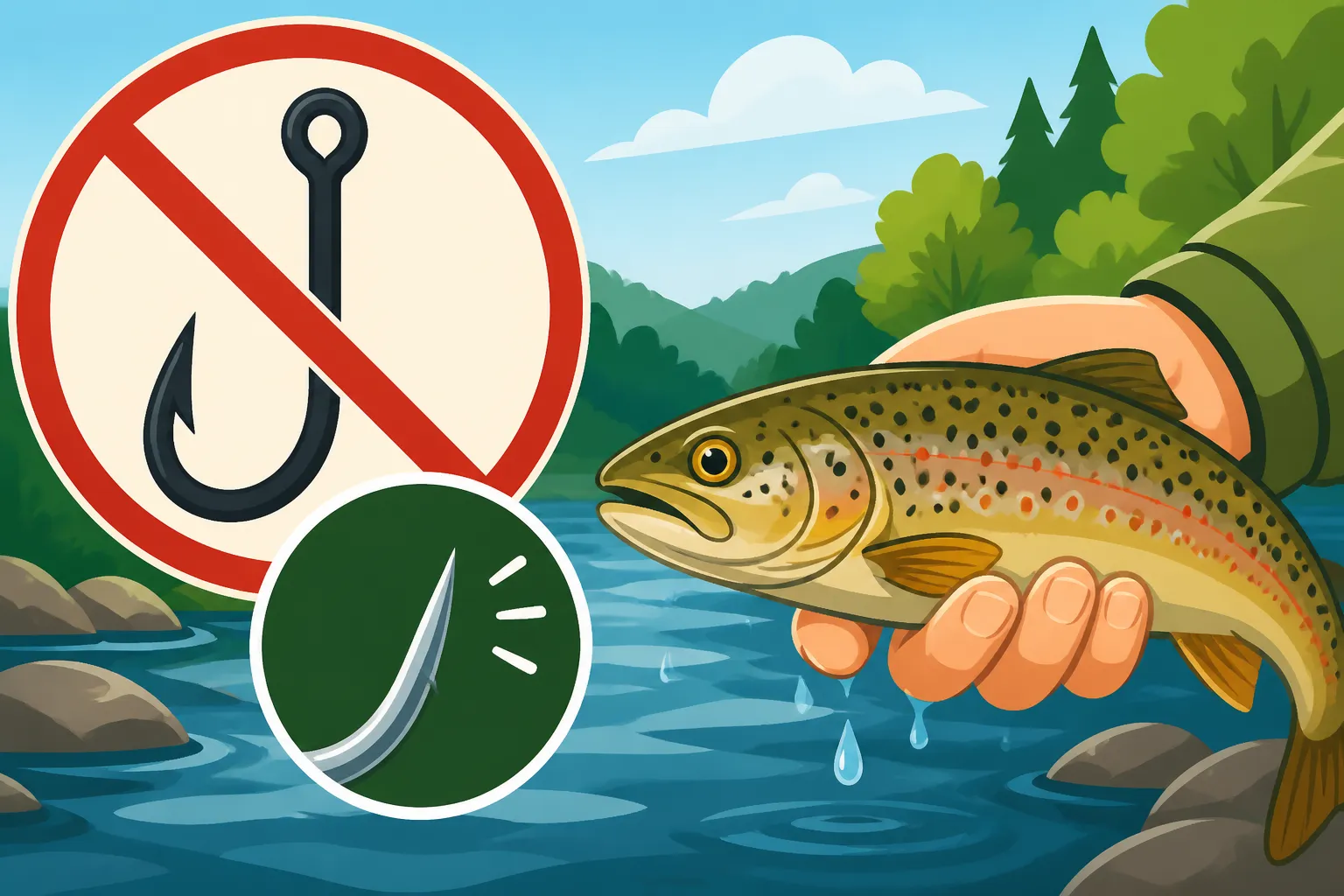
Imagine catching a beautiful rainbow trout, its flanks shimmering with vibrant colors, only to have a deeply embedded barbed hook tear at its mouth as you try to release it. This unfortunate scenario is precisely what barbless hook regulations aim to prevent. Barbless hooks significantly reduce the physical trauma to a fish, making the unhooking process quicker, smoother, and far less stressful for the fish. When you're practicing catch and release, especially in sensitive trout waters, minimizing stress and injury is paramount to the fish's survival post-release.
Beyond just the visible damage, internal injuries are a major concern. A barbed hook can get lodged in the gills or deeper within the mouth, causing internal bleeding or damage to vital organs that might not be immediately apparent but can be fatal later. With a barbless hook, the point often slides right out with minimal effort, allowing the fish to return to the water with a much higher chance of recovery. It’s a small change in your tackle that makes a monumental difference for the well-being of the fish.
Where Barbless Hooks Are Mandated
Maryland doesn't require barbless hooks on all trout streams, which is where some of the confusion arises. Instead, these rules apply specifically to certain designated areas where conservation efforts are most concentrated, primarily in waters managed for catch and release or those under special regulations. These include "Catch and Release Only" areas, "Fly-Fishing Only" sections, and during specific periods in "Delayed Harvest" waters.
For instance, prime trout fishing destinations like sections of the legendary Gunpowder Falls or the Savage River, known for their stunning trout populations and pristine waters, often fall under these more stringent rules. These are typically the streams where you'll find signs explicitly stating "Catch and Release Only," "Fly-Fishing Only," or "Barbless Hooks Required." Always double-check the latest Maryland Department of Natural Resources (DNR) fishing guide or website, as these designations can change. A quick glance at the Maryland's DNR Fishing and Boating Guide, Explained can often save you a headache later.
The Legal Ramifications of Non-Compliance
Ignoring the barbless hook regulations isn't just a minor oversight; it's a violation of Maryland fishing law and can lead to real consequences. Maryland DNR Natural Resources Police actively patrol these special regulation areas, and they take these rules seriously because they're vital to the health of the fishery. If you're caught using barbed hooks in a designated barbless-only zone, you could face fines and penalties.
These penalties are designed to deter non-compliance and protect the resource. Depending on the severity and whether it's a repeat offense, fines can range from moderate to substantial. Beyond the monetary cost, there's also the potential embarrassment and the feeling of having contributed to harm rather than conservation. It’s always best to err on the side of caution and ensure your tackle is compliant, especially since it's so easy to make the switch. For more details on what can happen if you don't follow the rules, check out our guide on Maryland Fishing License Penalties for Violations.
Making the Switch to Barbless Hooks
If you’re used to fishing with barbed hooks, the idea of switching might seem daunting or like an unnecessary chore. However, it’s incredibly simple to adapt your existing tackle or purchase new, ready-to-go barbless options. Embrace this change not as a burden, but as an opportunity to become a more ethical and responsible angler.
Converting Barbed Hooks
You don't necessarily need to buy all-new hooks to comply with barbless regulations. Many anglers, myself included, simply convert their existing barbed hooks using a pair of needle-nose pliers or specialized crimping pliers. The process is straightforward: locate the barb on the shank of the hook and apply firm, steady pressure with the pliers until it's completely flattened against the shank. You want to ensure there are no sharp protrusions left that could catch on a fish's mouth.
It’s important to check your work carefully. Run your finger gently along the spot where the barb used to be – it should feel smooth. If you can still feel any slight bump, give it another squeeze. This quick modification takes mere seconds per hook, and you can easily convert an entire tackle box in an afternoon. Good quality pliers are key here; you can find excellent options specifically designed for fishing, often available on platforms like Amazon, that will make this task even easier and more effective.
Buying Barbless Hooks Directly
For those who prefer not to crimp or who want the peace of mind of factory-made perfection, purchasing hooks that are already barbless is a fantastic option. Many major fishing tackle manufacturers, recognizing the growing trend towards conservation and stricter regulations, now offer a wide range of hooks explicitly designed without barbs. These hooks come in various sizes and styles, suitable for everything from tiny dry flies to larger streamers or bait hooks.
By buying them pre-made, you eliminate any doubt about whether you've crimped the barb sufficiently, and you can simply tie them on and fish. Retailers both online and in brick-and-mortar stores stock these, so a quick search on sites like Amazon will yield plenty of results. This is often the simplest path for anglers looking to ensure 100% compliance and minimize harm to the fish they catch.
Recommended Tackle and Lures for Barbless Fishing
The good news is that switching to barbless hooks doesn't mean you need to overhaul your entire fishing strategy or limit your lure selection. In fact, many of the most effective trout fishing techniques translate perfectly well, or even benefit from, barbless hooks. Fly anglers already often use barbless patterns, but spin fishermen can also easily adapt. Small spinners, micro jigs, and soft plastic baits are all highly effective with barbless hooks.
When fishing with barbless hooks, the most crucial change is often in your technique rather than your tackle. Maintain constant pressure on the line to prevent the fish from throwing the hook, and ensure your drag is set properly to absorb sudden runs. Landing a fish quickly and efficiently is also important to minimize stress. Using a landing net with a fine, knotless mesh can further aid in safe handling and quick release, regardless of whether you're fly fishing or using spinning gear.
Navigating Maryland's Special Trout Management Areas
Maryland is blessed with diverse trout streams, each with its own character and, often, specific rules designed to protect its unique fishery. Understanding these different designations is crucial for knowing when and where barbless hooks are mandatory. These special management areas are where conservation efforts are at their peak.
Delayed Harvest Waters
Delayed Harvest (DH) trout streams are a popular concept in Maryland, offering fantastic fishing opportunities throughout much of the year, but with a twist. During the "delayed harvest" period, typically from October 1st through June 15th, these waters are designated as "Catch and Release Only," and often, only artificial lures with barbless hooks are permitted. This allows trout stocked in the fall and spring to thrive throughout the cooler months, providing sustained catch-and-release opportunities. Then, from June 16th to September 30th, the regulations usually loosen, allowing for a creel limit and the use of natural baits, and sometimes, barbed hooks are permitted again.
It’s a seasonal dance, so you must always be aware of the exact dates and rules for the specific stream you're fishing. For example, a popular spot like the Patuxent River's Delayed Harvest section might require barbless hooks one month, but not the next, making it essential to consult the Maryland DNR regulations. This ensures that the resource is managed dynamically, providing both catch-and-release enjoyment and harvest opportunities at different times. You can learn more about Fishing Maryland's Delayed Harvest Trout Streams to plan your trips effectively.
Catch and Release Only Zones
These are the strictest of the trout management areas, where the sole purpose is to provide an undisturbed environment for trout to grow, reproduce, and provide exceptional fishing without harvest pressure. In "Catch and Release Only" zones, the rules are typically very clear: only artificial lures and flies with barbless hooks are allowed, and all fish must be immediately returned to the water unharmed. There is no seasonal variation here; the rules are in effect year-round.
These areas are often sanctuaries for wild or holdover trout, where fish can reach impressive sizes. The rigorous regulations, including the barbless hook mandate, are in place to ensure maximum survival rates for these fish. Respecting these rules is paramount to the success of these programs and the health of these unique fisheries. When fishing these areas, quick handling, minimal contact, and proper release techniques are just as important as using the right hook.
Fly-Fishing Only Streams
Similar to catch-and-release zones, "Fly-Fishing Only" streams or sections impose specific tackle restrictions, and almost universally, this includes the requirement for barbless hooks. The emphasis here is on the traditional art of fly-fishing, using flies tied to mimic natural insects or baitfish. These areas provide a unique angling experience, often in serene and picturesque settings.
The combination of fly-fishing gear and barbless hooks minimizes the impact on the trout, aligning with the conservation-focused management of these waters. Even if you're not planning to keep any fish, the barbless rule is strictly enforced to protect the fish from undue stress during the fight and release. If you're new to fly fishing or these specific regulations, resources like Barbless Hook Techniques for Maryland Trout Streams can offer helpful tips for navigating these specialized zones.
Here's a quick reference table for Maryland's common trout stream designations and their hook requirements:
| Stream Designation | Harvest Permitted | Bait Permitted | Hook Type Required | Notes |
|---|---|---|---|---|
| Put-and-Take | Yes, with daily creel limits | Yes, any legal bait/lure | Barbed or Barbless | Most common, generally stocked, less restrictive. |
| Delayed Harvest (Oct 1 – Jun 15) | No (Catch & Release Only) | No (Artificial Lures Only) | Barbless Only | Allows trout to grow and be caught multiple times. |
| Delayed Harvest (Jun 16 – Sep 30) | Yes, with daily creel limits | Yes, any legal bait/lure | Barbed or Barbless | Harvest season after the C&R period. |
| Catch & Release Only | No (Catch & Release Only) | No (Artificial Lures Only) | Barbless Only | Year-round protection for wild or trophy trout. |
| Fly-Fishing Only | Varies (often Catch & Release) | No (Flies Only) | Barbless Only | Emphasizes traditional fly-fishing methods. |
Always remember that these are general guidelines, and it's essential to consult the most current Maryland DNR regulations for the specific body of water you intend to fish. Regulations, especially for species like trout, can be updated regularly, and staying informed is part of being a responsible angler.
Disclaimer
The information provided in this guide is intended for general informational purposes only and is subject to change. While we strive to offer the most accurate and up-to-date details, fishing regulations in Maryland, including those concerning barbless hooks, can be modified by the Maryland Department of Natural Resources (DNR) at any time. It is solely the angler's responsibility to review and comply with all current federal, state, and local fishing laws and regulations before engaging in any fishing activity. Always consult the official Maryland DNR website or their latest printed fishing guide for the definitive rules and any emergency closures or updates. Failure to do so may result in penalties or fines.