Maryland’s DNR Fishing and Boating Guide, Explained
It can feel like you need a law degree just to understand Maryland's fishing rules, right? Between tidal, nontidal, species-specific regulations, and seasons that seem to change faster than the weather, it's easy to get overwhelmed. This guide is here to untangle the complexities of Maryland's Department of Natural Resources (DNR) Fishing and Boating Guide, helping you confidently navigate the rules so you can spend less time worrying and more time fishing.
Why the Maryland DNR Fishing and Boating Guide is Your Best Friend
Let's be real, the sheer volume of fishing regulations can be daunting. You're out there, just trying to enjoy a peaceful day on the water, and suddenly you're second-guessing if you've got the right license, if that rockfish is legal size, or if you can even be fishing for striped bass in that particular creek on that specific day. It's enough to make anyone want to throw their rod in the towel. But this is precisely where the Maryland DNR Fishing and Boating Guide steps in, acting as your definitive, authoritative source for all things legal on Maryland waters. It's not just a dry compilation of laws; it's the rulebook for responsible, enjoyable, and sustainable angling in a state blessed with incredible aquatic diversity.
The Sheer Volume of Rules and Why They Exist
Maryland is a unique state, boasting an incredible variety of fishing environments. From the vast expanse of the Chesapeake Bay and its tidal tributaries to the pristine mountain streams of Western Maryland, the deep, cold waters of Deep Creek Lake, and the surf-pounded beaches of the Atlantic Ocean, each ecosystem supports different fish species with different needs. This incredible diversity means that a one-size-fits-all approach to fishing regulations simply doesn't work. The rules are designed to protect fragile populations, manage harvesting pressure, and ensure that future generations can enjoy the same incredible fishing opportunities we do today.
For example, the regulations for catching a trophy striped bass in the Chesapeake Bay are vastly different from the rules for targeting trout in a put-and-take stream or chasing smallmouth bass in the upper Potomac River. These differences account for migration patterns, spawning seasons, population health, and even the unique biology of each species. It’s a lot to keep track of, and it often feels like the rules are in constant flux, but these changes are usually driven by scientific assessments and the need to adapt to changing environmental conditions or fish stock numbers. It’s not designed to make your life harder, but to keep our fisheries healthy.
Navigating the Information Overload: Print vs. Digital
In today's digital age, you have more options than ever to access the Maryland DNR Fishing and Boating Guide. Traditionally, anglers would pick up a physical copy at a tackle shop or a DNR service center. These printed booklets are still available, and many seasoned anglers prefer the tangible feel and the ability to highlight or make notes right in the margins. There's something comforting about flipping through a paper guide when you're out on the water, especially if you're in an area with spotty cell service.
However, the digital realm offers incredible convenience. The Maryland DNR website hosts the complete guide as a downloadable PDF, which is fantastic because you can keep it on your phone or tablet. This means you can quickly search for specific terms or species, and you're far less likely to accidentally leave your guide at home. Plus, the DNR website is usually the first place to find emergency closures or last-minute regulation changes that might not make it into a printed guide until the next edition. Some apps even integrate this information, making it even more accessible. While you might not find the guide itself on platforms like Amazon, you can certainly find plenty of supplemental materials, like knot-tying books or first aid kits, to prepare for your trip, often while browsing fishing gear or tackle boxes.
What Essential Information You'll Find Inside
When you crack open the Maryland DNR Fishing and Boating Guide, you'll immediately see that it's laid out to cover every aspect of recreational fishing and boating in the state. Think of it as your primary textbook for understanding the "do's" and "don'ts" of Maryland's waters. It consolidates information that would otherwise require you to hunt across multiple websites or government documents, saving you a tremendous amount of time and potential headaches.
Licensing and Permit Requirements
This section is non-negotiable – it's the foundation of legal fishing in Maryland. The guide meticulously details all the different types of fishing licenses available, which can vary significantly depending on where you plan to fish and your residency status. For instance, you'll find comprehensive information on the nuances between a freshwater (nontidal) license and a saltwater (tidal) license, explaining when you need one or both. Our comprehensive Maryland Fishing License Guide for 2026 provides a great overview, but the DNR guide gets into the granular detail.
It also clarifies specific endorsements like the Maryland Trout Stamp Requirements for those looking to fish in designated trout waters, or the Maryland Chesapeake Bay Sport Fishing License Explained for anyone venturing into the Bay's tidal areas. The guide also addresses special circumstances, like what licenses kids need (or don't need!), options for seniors, and how non-residents can obtain licenses. You'll even find details about situations where a charter boat captain's license covers passengers, meaning you might not need your own state license when fishing with a professional guide – a relief for many who simply want to enjoy a day on the water without the administrative hassle.
Species-Specific Regulations, Size, and Creel Limits
This is arguably the most referenced part of the guide. Maryland manages its fish populations with precise rules for nearly every species you might encounter. For each fish, the guide will outline:
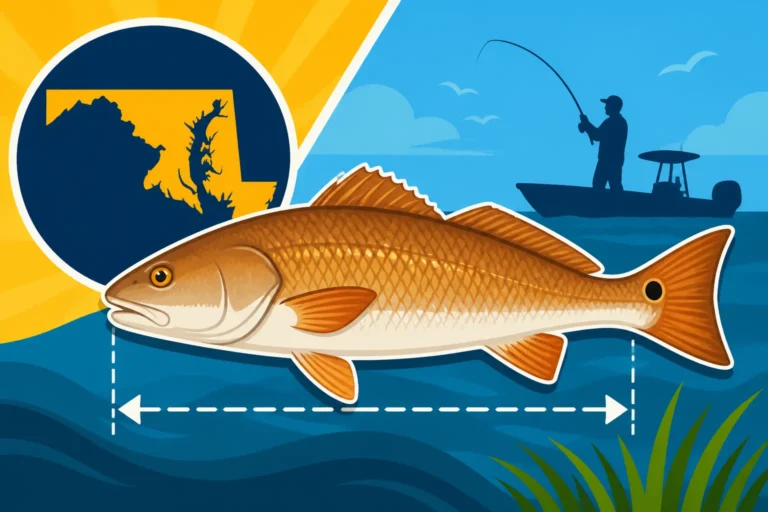
- Minimum and Maximum Size Limits: Often referred to as "slot limits," these rules dictate the smallest and largest fish you can legally keep. For example, Maryland Rockfish Slot Limit Explained details the specific measurements for striped bass, a critical species for Maryland anglers. These limits are designed to protect juvenile fish and large breeding adults, ensuring a healthy population structure.
- Daily Creel (Bag) Limits: This specifies the maximum number of fish of a particular species you can keep in a single day. You'll find these limits for popular species like white perch, flounder, and, of course, striped bass. Understanding Maryland Fishing Size and Catch Limits by Species is crucial to avoid violations.
- Possession Limits: While often the same as daily creel limits, some species may have different possession limits that apply to the total number of fish you can have on your person, in your cooler, or in your vehicle.
- Special Regulations for Invasive Species: The guide places a strong emphasis on managing invasive fish like blue catfish and northern snakehead. It explicitly states rules for species like Maryland Blue Catfish Possession Rules and Maryland Snakehead Fishing Rules, often encouraging harvest and prohibiting their release back into the wild to prevent further ecological damage. This section is vital for protecting Maryland's native ecosystems.
The guide ensures that anglers are aware of what they can and cannot keep, and perhaps more importantly, why these rules are in place.
Seasons, Closures, and Special Restrictions
Fishing isn't a year-round free-for-all, and the guide makes sure you know it. This section details when you can (and cannot) fish for certain species, often broken down by specific dates and even times of day. A prime example is the Maryland Striped Bass Season and Rockfish Rules, which outlines complex seasons for keeping rockfish that can change from year to year, or even mid-season. It's not uncommon for different sections of the Chesapeake Bay or its tributaries to have slightly different season dates, so regional awareness is key.
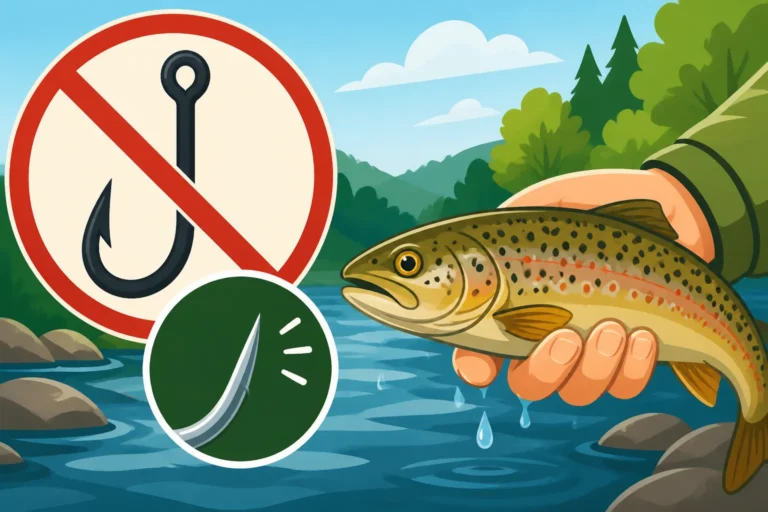
You'll also find information on specific closures, such as the crucial Maryland Spawning River Closures for Striped Bass in the spring, which protect vulnerable populations during their reproductive periods. These closures are vital for the long-term health of our fisheries. Additionally, the guide explains nuances like Maryland Catch and Release Rules During Closed Seasons, clarifying if you can still target a species but must immediately release it unharmed. It might even include details about special regulations for certain sensitive areas, like catch-and-release only zones in trout streams or restrictions on specific tackle, such as the use of barbed hooks in particular fly-fishing areas.
| License Type | Covered Waters | Residency | Duration | Key Endorsements (if applicable) | General Cost Info (See Guide for specifics) |
|---|---|---|---|---|---|
| Resident Nontidal | Freshwater lakes, ponds, nontidal rivers | Resident | Annual | Trout Stamp (if fishing trout streams) | Moderate |
| Resident Chesapeake Bay Sport | Tidal portions of Chesapeake Bay & Tribs | Resident | Annual | N/A | Moderate |
| Resident Consolidated | All tidal & nontidal waters | Resident | Annual | Trout Stamp (hunting/trapping options too) | Higher |
| Nonresident Nontidal | Freshwater lakes, ponds, nontidal rivers | Nonresident | Annual, 7-Day | Trout Stamp (if fishing trout streams) | Higher than resident |
| Nonresident Chesapeake Bay Sport | Tidal portions of Chesapeake Bay & Tribs | Nonresident | Annual, 7-Day | N/A | Higher than resident |
| Nonresident Consolidated | All tidal & nontidal waters | Nonresident | Annual | Trout Stamp (hunting/trapping options too) | Significantly Higher |
| 3-Day Bay/Coastal | Tidal Bay, Coastal Bays, Atlantic Ocean | Nonresident | 3 Consecutive Days | N/A | Affordable Short-Term |
| Senior Consolidated | All tidal & nontidal waters | Resident | Annual | Trout Stamp (hunting/trapping options too) | Reduced (for eligible seniors) |
Note: Always refer to the official Maryland DNR Fishing and Boating Guide for the most current costs, eligibility, and specific regulations.
Beyond the Basics: Important Sections You Might Overlook
While licenses and size limits are often the first things anglers check, the Maryland DNR Fishing and Boating Guide is packed with other crucial information that can impact your safety, legal standing, and even your ethical approach to fishing. Skipping these sections could lead to more than just a missed fish; it could put you in a dangerous situation or result in hefty fines.
Boating Regulations and Safety
For many Maryland anglers, fishing goes hand-in-hand with boating. Whether you're navigating the vast Chesapeake Bay in a center console or paddling a kayak in a quiet creek, the guide covers essential boating laws. This isn't just about fishing; it's about safe navigation. You'll find details on vessel registration requirements, the necessary safety equipment you must have on board (like personal flotation devices for every passenger), and rules of the road for waterway navigation.
It also addresses serious offenses like operating a vessel under the influence (OUI) – the marine equivalent of DUI. Understanding these rules is paramount for the safety of everyone on the water, including yourself, your passengers, and other boaters. A fishing trip can quickly turn sour if you're cited for a boating violation, even if your fishing practices are entirely within the rules. The guide aims to prevent such incidents by providing clear guidelines, ensuring that your vessel is legally equipped and safely operated.
Invasive Species Guidelines and Reporting
Maryland, like many states, grapples with the challenge of invasive species that threaten native fish populations and ecosystems. The DNR guide provides critical information on how to identify these species and, more importantly, what to do if you catch them. Species like the Maryland Blue Catfish, an Invasive Giant and the Northern Snakehead in Maryland Waters are high-priority concerns. The guide explicitly outlines the "kill on sight" mandate for northern snakeheads in many areas, emphasizing the need to prevent their spread.
It also details the legalities around possession and transport. For instance, you'll learn about the Maryland Blue Catfish Possession Rules which often allow for unlimited harvest, and the severe penalties for violations such as the Fine for Transporting a Live Snakehead in Maryland. These regulations aren't just suggestions; they are legally binding directives designed to protect the delicate balance of Maryland's aquatic environments. The guide empowers anglers to be part of the solution by properly handling and reporting these destructive invaders.
Penalties, Violations, and Reporting a Poacher
No one wants to run afoul of the law, and the DNR guide makes it abundantly clear what the consequences are for not following the rules. This section details the potential fines, license suspensions, and other penalties associated with various infractions. From fishing without the correct license to keeping undersized fish or exceeding creel limits, the Maryland Fishing License Penalties for Violations can range from moderate fines to significant legal trouble. Ignorance of the law is generally not an excuse, which is why having the guide at your fingertips is so critical.
Beyond personal accountability, the guide also outlines how you, as a responsible angler, can contribute to conservation efforts by reporting violations. It provides contact information, such as the Maryland Fisheries Complaint and Poaching Hotline, allowing concerned citizens to alert authorities to suspected poaching or other illegal activities. By understanding both the rules and the consequences of breaking them, and by knowing how to report violations, you play a vital role in protecting Maryland's precious natural resources for everyone.
Keeping Up-to-Date with Maryland's Ever-Changing Rules
If you've been fishing in Maryland for any length of time, you've probably experienced the frustration of rules seemingly changing out of nowhere. One year, the rockfish slot limit is X; the next, it's Y. Seasons shift, special closures pop up, and sometimes it feels like you need to check the DNR website daily just to keep up. This isn't a uniquely Maryland problem, but it is a constant reality for anglers here. Understanding why these changes occur and how to stay informed is crucial for any dedicated fisherman.
Why Regulations Change So Often
The aquatic world is dynamic, and so are the populations of the fish we love to catch. Regulations aren't set in stone for decades; they are carefully crafted and frequently adjusted based on the latest scientific data. Factors like fish stock assessments, which measure the health and abundance of a species, are paramount. If a particular fish population is struggling due to overfishing, environmental factors, or disease, emergency closures or reduced limits might be implemented. Conversely, if a population is robust, limits might be relaxed slightly.
Furthermore, environmental conditions play a massive role. Water temperature fluctuations, unusual weather patterns, habitat degradation, and even the spread of invasive species can all trigger regulatory adjustments. Federal mandates also influence state rules, especially for migratory species like striped bass that traverse multiple state waters. Finally, public input, though sometimes slow to effect change, also contributes to the regulatory process. So, while it can be frustrating to learn about Why Maryland Issues Mid-Season Rule Changes, know that these adjustments are usually a response to real-world ecological needs, aiming for long-term sustainability rather than short-term convenience.
Best Practices for Staying Informed
Given the dynamic nature of fishing regulations, simply reading the guide once at the start of the year isn't enough. The Maryland DNR provides several excellent avenues for staying current:
- The Official DNR Website: This is your absolute go-to source. The "Fishing and Boating" section is updated regularly with press releases, news alerts, and the most current version of the digital guide. It's good practice to check this site before any significant fishing trip, especially if targeting a highly regulated species like striped bass. You can even sign up for email newsletters that send regulation updates directly to your inbox.
- Social Media: Follow the Maryland DNR on their official social media channels. They often post timely alerts about emergency closures, season changes, or critical announcements that might affect your fishing plans.
- Local Tackle Shops: Don't underestimate the wisdom of your local tackle shop owners and staff. They are often on the front lines of regulatory changes, hearing directly from customers and sometimes even from DNR officials. They can offer practical advice and insight into how recent changes might affect fishing in your specific area.
- Mobile Apps: There are various fishing apps available (some free, some paid) that aggregate fishing regulations. While useful, always cross-reference with the official DNR site if there's any doubt. For instance, if you're looking for gear, you could always hop on Amazon and search for a waterproof phone case to ensure your digital guide stays safe, or even a portable charger to keep your device powered up for those important regulation checks.
Making it a habit to glance at the DNR's official communication channels before heading out is the best way to avoid unintentional violations and ensure your fishing experience is both enjoyable and compliant.
Disclaimer
The information provided in this guide is intended for general informational purposes only and is not a substitute for the official Maryland DNR Fishing and Boating Guide. While we strive to offer accurate and up-to-date content, fishing regulations are subject to change. Always consult the most current official Maryland DNR Fishing and Boating Guide and website before engaging in any fishing or boating activities to ensure full compliance with all laws and regulations.