How Water Clarity Affects Fishing in the Chesapeake Bay
Chesapeake Bay water clarity changes drastically due to rain, wind, and tides, affecting fish behavior and angler strategy.
Match the method to the moment.
Seasonal patterns, proven tactics, rigging and presentation basics, bait choices, and how to adapt as conditions change.
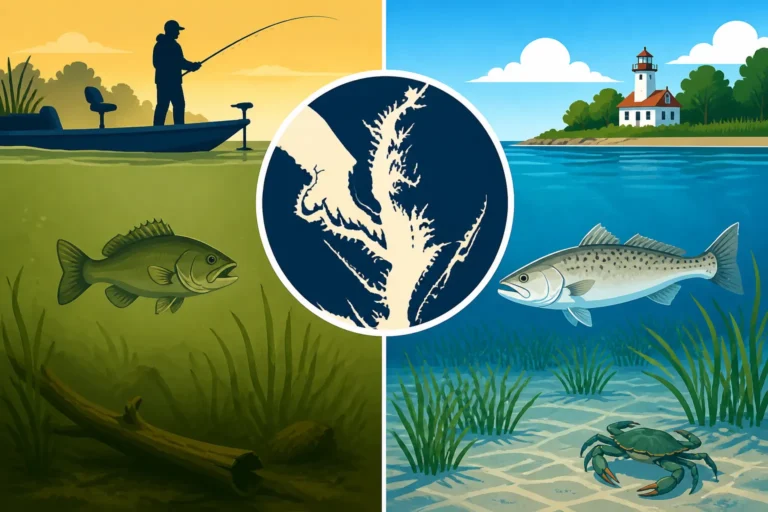
Chesapeake Bay water clarity changes drastically due to rain, wind, and tides, affecting fish behavior and angler strategy.
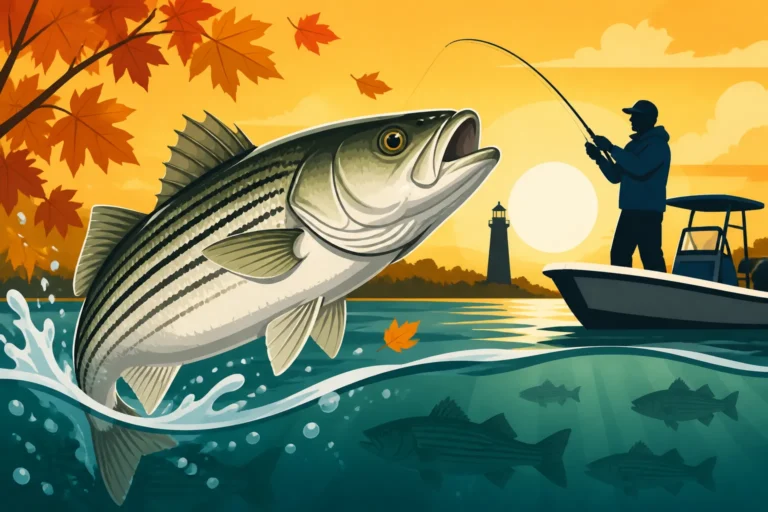
Maryland striped bass migration timing depends on cooling water temperatures and baitfish moving out into the Chesapeake Bay.
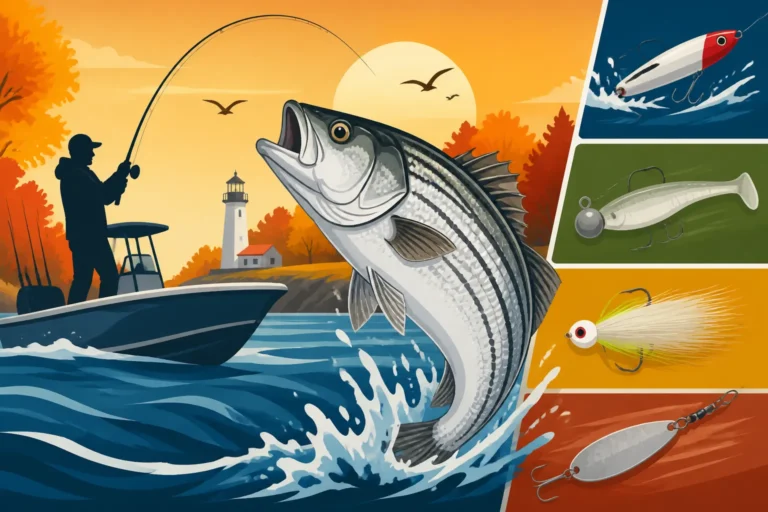
Maryland’s fall striped bass run and Chesapeake Bay locations explain where rockfish migrate and how they feed on baitfish.
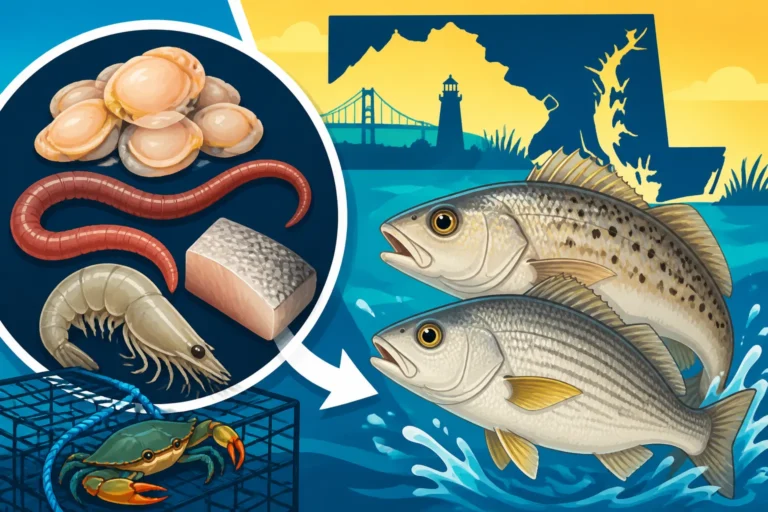
Maryland anglers discover effective baits for catching spot and croaker on sandy or muddy bottoms in the Chesapeake Bay.
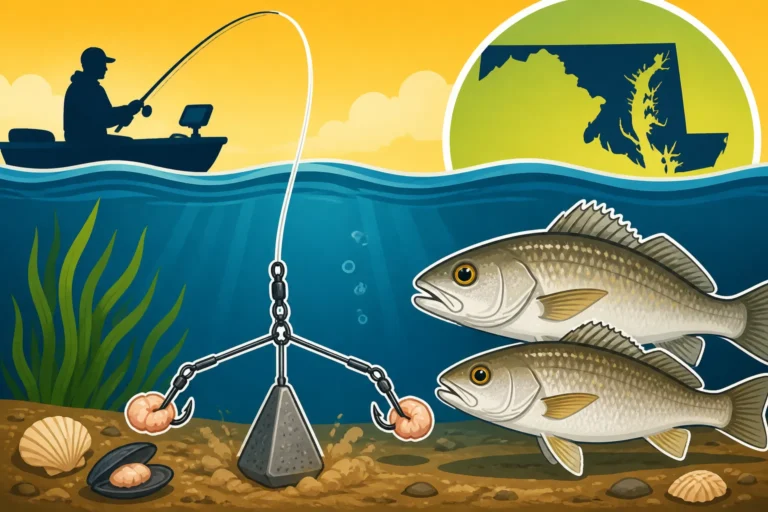
Proven bottom fishing techniques for Maryland spot and croaker explain where to find them and which baits work best.

Chesapeake Bay bluefish blitz tactics explain how to approach surface feeding frenzies and successfully hook aggressive predators.

Maryland bluefish blitzes in the Chesapeake Bay require specific lures to catch aggressive predators feeding on baitfish.
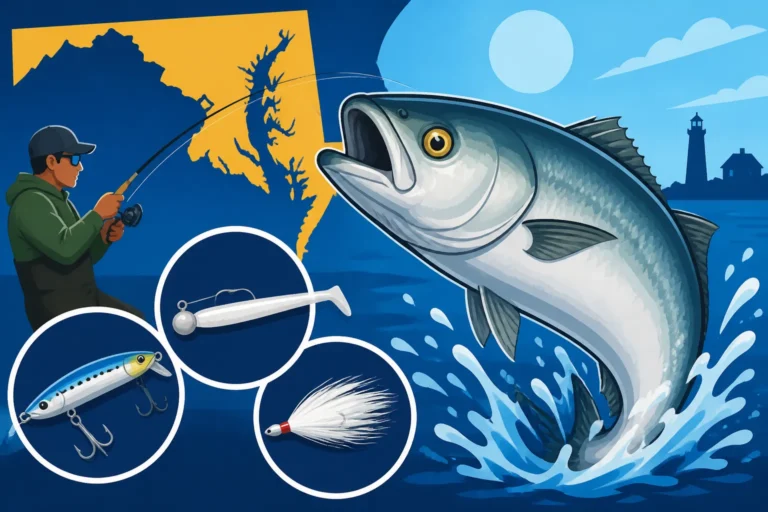
Techniques for catching aggressive bluefish in Maryland waters explain seasonal patterns, feeding habits, and local hotspots.
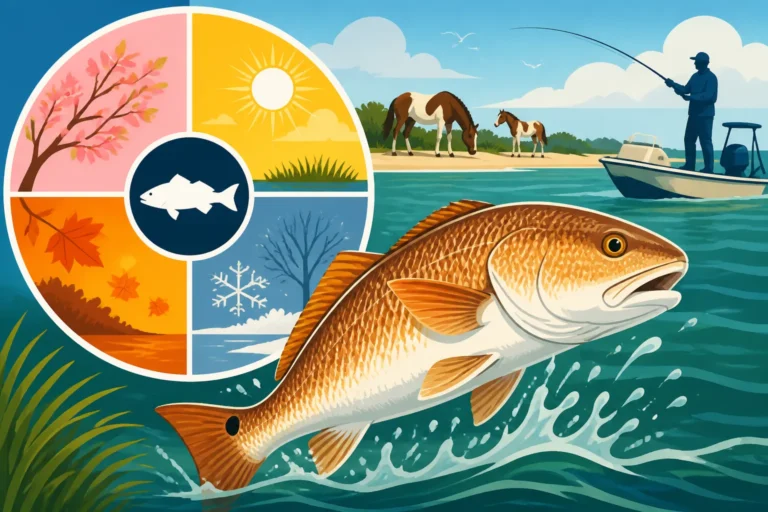
Red drum fishing near Assateague peaks from September to November and during spring when migratory fish follow baitfish into surf waters.
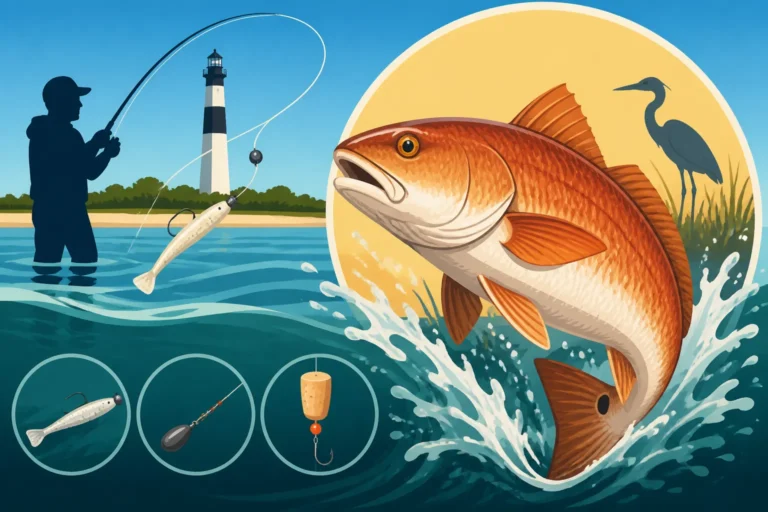
Red drum fishing techniques at Assateague Island explain surf zone habitats, local diets, and heavy ten to twelve foot rods.