Fishing Maryland’s Spring Trout Stocking Season
There’s a special kind of anticipation that builds in Maryland as winter’s chill begins to fade and the first hints of spring emerge. For many anglers, it’s not just about warmer weather; it’s about the promise of freshly stocked trout. Yet, nothing can deflate that excitement faster than showing up to a stream only to find you've either arrived too late after the crowds have picked through the fish, or worse, you're at the wrong place entirely. This comprehensive guide is designed to cut through the confusion, helping you understand, prepare for, and ultimately succeed during Maryland's highly anticipated spring trout stocking season.
Understanding the Maryland DNR Spring Trout Stocking Program
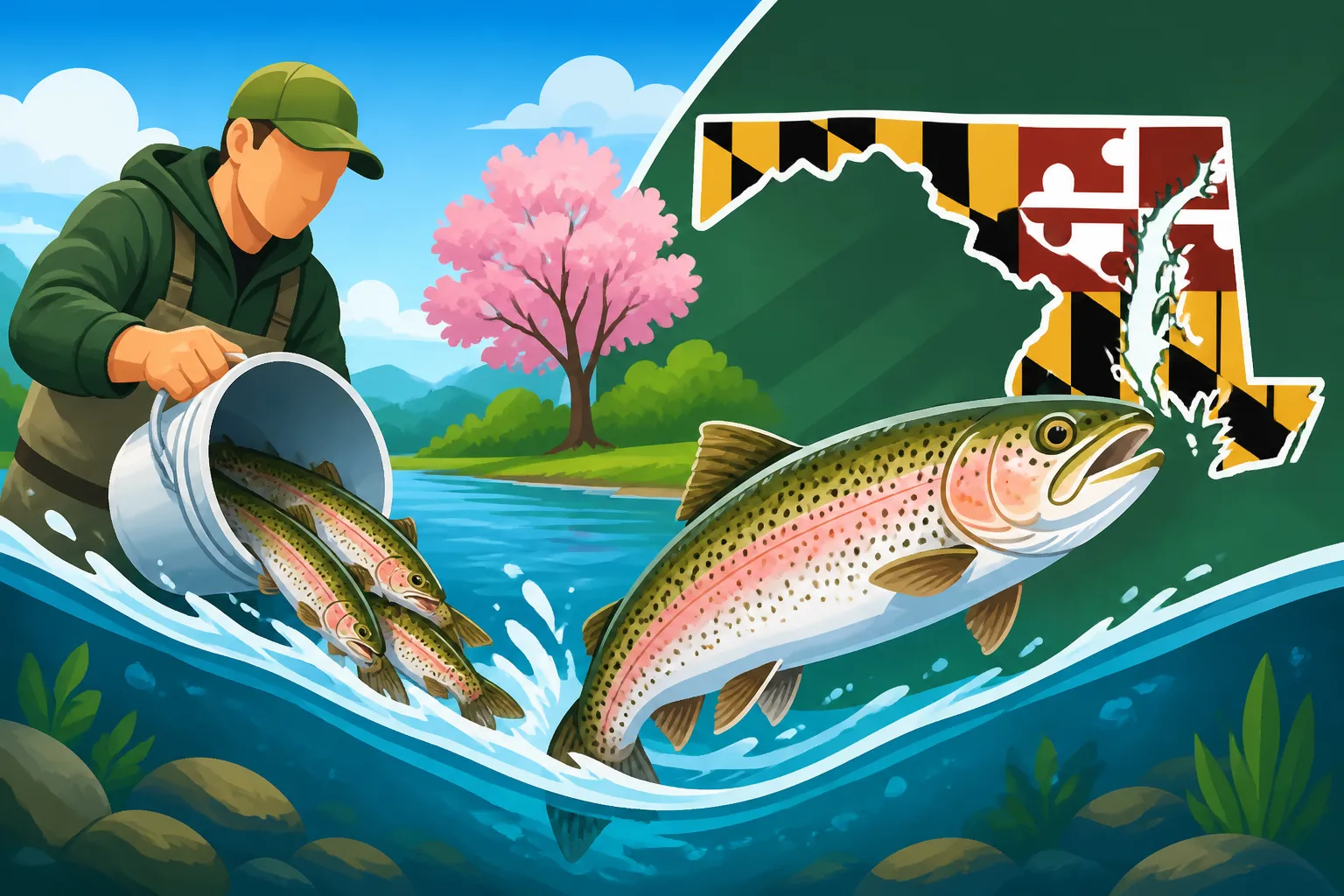
Maryland's Department of Natural Resources (DNR) works tirelessly each spring to ensure anglers have ample opportunities to catch feisty trout across the state. This isn't just a random act of generosity; it's a carefully planned program designed to provide immediate fishing opportunities, particularly in waters that might not sustain natural trout populations year-round due to temperature or habitat limitations. For many, this stocking program is the highlight of their spring fishing calendar.
When and Where to Find Stocking Schedules
The timing of spring stockings can feel a bit like a closely guarded secret, but the Maryland DNR actually makes this information publicly available, albeit with a bit of a lead time. Generally, stockings begin in late winter or early spring, as soon as water temperatures are favorable and ice has melted from access points. This typically means February and March, often extending into April and sometimes even May, depending on weather conditions. The DNR's website is the absolute best resource, providing weekly updates on planned stockings. They usually list the specific streams, rivers, and lakes that will be stocked, often indicating the date and even the species and number of fish. It's not always a minute-by-minute live tracker, but it gives anglers enough notice to plan their trips. Subscribing to their email alerts or following their social media channels can also give you a leg up, as they often post updates there as well. Being a bit flexible is key, as conditions like heavy rain or sudden cold snaps can cause last-minute changes to the schedule.
Trout Species You'll Encounter
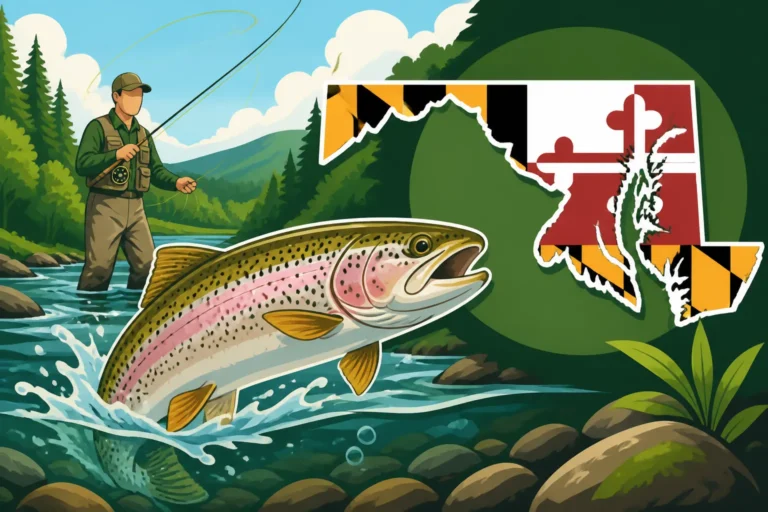
When you head out during Maryland's spring stocking season, you're primarily going to be targeting three main species, though occasionally you might encounter a specialty fish. The vast majority of stocked trout are Rainbow Trout. These are the workhorses of the stocking program, known for their eager biting nature and relatively hardy disposition, making them perfect for "put-and-take" fisheries. They're often hatchery-raised and eager to strike a variety of baits and lures, which is great for beginners and seasoned anglers alike.
You’ll also find Brown Trout in many stocked waters. While also hatchery-raised, brown trout can be a bit more elusive and wary than rainbows, offering a slightly greater challenge. They tend to be a bit hardier in slightly warmer waters and can survive longer post-stocking. Lastly, and perhaps the most exciting for some, are the Golden Rainbow Trout. These are a unique genetic variant of the rainbow trout, recognizable by their vibrant, almost neon-yellow or orange color. They're stocked in smaller numbers and are highly sought after for their distinctive appearance. Catching a "golden" is often a memorable event and a point of pride for many anglers. Understanding these species helps you choose your approach, as Brown Trout, for instance, might require a more subtle presentation than a hungry Rainbow.
Essential Gear for Spring Trout Success
Having the right gear is paramount to enjoying and succeeding during the spring trout stocking season. While you don't need to break the bank, having reliable equipment that matches the often-chilly, sometimes fast-moving waters and eager, freshly stocked fish can make all the difference. Don't underestimate the impact a simple upgrade or the right choice of line can have on your catch rate.
Rod, Reel, and Line Selection
For general spring trout fishing in Maryland's stocked waters, a light to ultralight spinning setup is typically your best bet. A rod in the 5 to 6.5-foot range with a fast or moderate-fast action will offer the sensitivity needed to detect subtle bites while still providing enough backbone to cast lighter lures and control a feisty trout. Match this with a small spinning reel, typically in the 1000 to 2500 size range, spooled with 4 to 6-pound test monofilament or fluorocarbon line. Monofilament is a popular choice because it has some stretch, which can be forgiving when a trout makes a sudden run, and it's generally more affordable. Fluorocarbon, on the other hand, is nearly invisible underwater and has less stretch, offering increased sensitivity and better hook sets, but it can be a bit pricier.
For those venturing into deeper pools or where the water is exceptionally clear, you might even consider a 2 to 4-pound test fluorocarbon leader tied to your main line. This setup provides excellent stealth without sacrificing too much strength. Many anglers find great deals on these lighter rods and reels on platforms like Amazon, especially when assembling a setup specifically for trout. For anglers interested in the nuances of line choice, our guide on choosing the best Fishing Maryland's Spring Trout Stocking Season can offer more in-depth advice.
Baits, Lures, and Flies That Work
The beauty of fishing for freshly stocked trout is their eagerness to bite. This means you have a wide array of options when it comes to what you present to them. For bait fishing, classics like powerbait (in various colors like rainbow, cheese, or chartreuse), corn, salmon eggs, and small worms (like red wigglers or mealworms) are incredibly effective. These baits appeal to the trout's natural instincts and are often what they've been fed in the hatchery. Rig them on a small hook (size 10-14) under a bobber or with a small split shot for bottom fishing.
When it comes to artificial lures, small inline spinners like Mepps Aglia, Panther Martin, or Rooster Tail in sizes #0 to #2 are absolute killers. Colors like silver, gold, black, or even bright fluorescents can be highly productive depending on water clarity and sunlight. Small spoons, such as Kastmasters or Little Cleos, in 1/8 to 1/4 ounce sizes, also work well, especially in larger pools or faster currents. For the fly-fishing enthusiast, early spring calls for nymphs like Pheasant Tails, Hare's Ears, and Prince Nymphs, or small emerger patterns. If trout are rising, tiny dry flies mimicking midges or early Caddis can be effective. Having a variety of these options in your tackle box, maybe picked up from Amazon, ensures you can adapt to what the trout are biting on any given day.
Here's a quick reference for popular baits and lures for stocked trout:
| Bait/Lure Type | Examples | Ideal Conditions/Notes |
|---|---|---|
| Artificial Baits | PowerBait (various colors), Trout Magnets | Slow-moving water, still pools, bottom fishing, scent appeal |
| Natural Baits | Worms (red wigglers), Salmon Eggs, Corn | All conditions, especially good for finicky fish, natural scent |
| Inline Spinners | Mepps, Panther Martin, Rooster Tail | Moving water, retrieving through pools, visual attraction |
| Small Spoons | Kastmaster, Little Cleo | Larger pools, faster currents, casting distance, flashy |
| Jigs | Micro jigs with grub tails | Light current, vertical jigging, subtle presentation |
| Nymphs (Flies) | Pheasant Tail, Hare's Ear, Prince Nymph | Moving water, targeting bottom feeders, subtle drifts |
| Dry Flies (Flies) | Midges, Caddis (small) | Rising trout, calm water, surface presentation |
Effective Techniques for Stocked Trout Success
Stocked trout, especially right after they've been introduced to a new environment, can behave differently from wild trout. They're often less wary but can sometimes be disoriented. Understanding how to approach these fish and present your offerings effectively is key to filling your creel.
Reading the Water and Locating Fish
Unlike wild trout that have established territories, newly stocked trout often congregate in certain areas where they feel safe or where food is easily accessible. When you arrive at a stocked stream, take a few moments to observe. Look for deeper pools, undercut banks, slower currents adjacent to faster ones, and areas with submerged structures like logs or rocks. These spots provide cover and a respite from strong currents.
In lakes and ponds, stocked trout will often cruise along the shorelines, especially near drop-offs or points. If the water has just been stocked, they might still be somewhat bunched up in the areas where they were released. Don't be afraid to move around and try different spots. Fish from upstream down, or cast across currents, allowing your bait or lure to drift naturally into potential holding lies. Remember, trout are often facing upstream, waiting for food to drift down to them. Pay attention to changes in water color or flow; a clearer section might require a more delicate approach than a slightly turbid area.
Presentation Strategies for Different Baits
How you present your bait or lure is often more important than what you're using. For natural baits like PowerBait or corn, using a small sinker (split shot or an egg sinker) to get it to the bottom or just off the bottom is often very effective. A common setup involves a small hook, a few inches of leader, and then a split shot or two just above a swivel. This allows the bait to drift naturally. Some anglers prefer to float PowerBait using a small bobber, especially in shallower water or when fish are suspended.
When using inline spinners or small spoons, casting slightly upstream and retrieving slowly, just fast enough to get the blade spinning, is a proven technique. This mimics a fleeing baitfish or insect. Vary your retrieve speed and depth until you find what the fish are responding to. For fly anglers, nymphing under an indicator or high-stick nymphing through riffles and runs will generally be the most productive. Focus on achieving a natural, drag-free drift. Remember, freshly stocked trout are usually opportunistic feeders, so a slightly aggressive retrieve might trigger a strike, but often, subtlety and a natural presentation win the day. For more on maximizing your catch-and-release success, explore our guide on Maryland Catch and Release Rules During Closed Seasons.
Navigating Regulations and Etiquette
Maryland has specific rules in place to manage its trout fisheries, and knowing them is crucial. Beyond the written laws, there's also an unwritten code of etiquette that helps ensure everyone has a pleasant experience, especially when fishing popular stocked waters.
Maryland Trout Stamp and License Requirements
First and foremost, if you're planning to fish for trout in Maryland, you generally need a valid Maryland fishing license. Beyond that, anyone 16 years of age or older who wants to fish for trout must also possess a special Maryland Trout Stamp Requirements. This stamp helps fund the stocking program, so it directly contributes to the opportunities you're enjoying. There are some exceptions, such as on designated Maryland Free Fishing Days where licenses and stamps are waived, but otherwise, consider the trout stamp a non-negotiable part of your gear.
You can purchase your license and trout stamp online through the Maryland DNR's COMPASS system or at various authorized license agents across the state. It's always a good idea to check the current regulations annually, as limits and seasons can occasionally change. For detailed costs, you might want to review the Maryland Trout Stamp Cost for Residents guide. Failure to possess the proper licenses and stamps can result in fines, so it's far better to be prepared.
Dealing with Crowds and Practicing Respect
Spring trout stocking days, especially on weekends, can draw quite a crowd to popular spots. This is a reality of fishing publicly accessible, well-stocked waters. The key to enjoying your outing, despite the numbers, is patience and respect. Find an open spot and give your fellow anglers ample space. A general rule of thumb is to allow at least one rod length of space between yourself and the next angler, more if the stream allows.
Avoid "crowding out" someone who is already fishing a productive hole. If you see someone catching fish, ask politely if you can fish nearby or wait your turn. If the stream is small, consider moving to a different section if one area is too packed. Don't cast over another angler's line, and be mindful of your backcast if you're fly fishing. When walking along the stream bank, try to stay back from the water's edge to avoid spooking fish. Practicing "catch and release" in areas that aren't specifically designated for it, or simply taking only what you need, also shows respect for the resource and your fellow anglers. Sharing the water means sharing the responsibility.
Extending Your Spring Trout Season
While the initial stocking days get a lot of attention, your trout fishing opportunities don't necessarily end there. With a bit of knowledge and a willingness to explore, you can extend your spring trout season well beyond the first rush, often finding more solitude and a greater challenge.
Fishing Delayed Harvest and Catch-and-Release Areas
Maryland offers several types of trout waters that provide different experiences. Beyond the typical "put-and-take" stocked areas, you'll find Maryland Delayed Harvest Trout Waters Explained. In these sections, trout are stocked in the spring and fall, but regulations specify that they are catch-and-release only for a significant portion of the year. This allows the fish to spread out, become more acclimated to their environment, and grow, often becoming more challenging to catch. From June 16th through September 30th, the delayed harvest rules transition, and you are allowed to keep a limited number of trout. These areas are fantastic for anglers who prefer the challenge of outsmarting more naturalized trout and who enjoy practicing catch-and-release fishing.
Similarly, there are designated catch-and-release trout management areas, which often have wild or holdover trout populations and are managed with strict no-kill rules year-round. While not solely reliant on spring stockings, they often benefit from neighboring stocked areas. These waters typically require specific techniques, like fly fishing with barbless hooks, and offer a truly rewarding experience for dedicated trout anglers seeking a purist approach. Understanding these nuances can significantly prolong your enjoyment of the trout season.
Post-Stocking Strategies
The initial days after a stocking can be a frenzy, but what happens a week or two later? The fishing can still be excellent, but you might need to adjust your approach. Freshly stocked trout that have survived the initial onslaught will begin to spread out, find more natural cover, and start feeding on natural insects and forage in the stream. This means they might become a bit warier and less prone to hitting brightly colored PowerBait.
This is when a switch to more natural-looking baits and lures pays off. Small worms, crickets, or subtle jigs with natural-colored plastic bodies can be very effective. For lure anglers, trying slightly smaller, less flashy spinners or spoons might entice strikes. Fly anglers will find their niche here, as trout become more accustomed to feeding on aquatic insects. Focus on presenting your offerings as naturally as possible, paying close attention to seams, eddies, and deeper pockets where trout might be holding. Early mornings and late evenings can also become more productive as the fish settle into a more natural routine. Don't give up on a stream just because the first week after stocking has passed; the fishing often transitions to a more rewarding, skilled endeavor.
Troubleshooting and Common Challenges
Even the most seasoned anglers face challenges, especially when dealing with the unpredictable nature of wild (or semi-wild) creatures and fluctuating environmental conditions. Spring trout fishing in Maryland is no exception. Knowing how to adapt can turn a frustrating day into a successful one.
Dealing with Finicky Fish
There are days when trout, despite being recently stocked, seem to have lockjaw. This can be incredibly frustrating. When you encounter finicky fish, it's time to run through a mental checklist of adjustments. First, consider your presentation. Are you spooking the fish with heavy footsteps or shadows? Try to approach the water stealthily. Next, downsize your tackle. Go to a lighter line (2-4 lb test), smaller hooks (size 16-20), and smaller baits or lures. A single salmon egg or a tiny piece of worm on a small hook can sometimes be the ticket when larger offerings are ignored.
Change your bait or lure color. Sometimes, a subtle change from bright chartreuse to a natural brown or black can make all the difference. Experiment with retrieve speed and depth if you're using lures. For fly anglers, trying a different nymph pattern, or even adding a tiny split shot to get your fly deeper, can be crucial. Sometimes, trout will hug the bottom in colder water, making a deep, slow drift necessary. If all else fails, move to a different spot or even a different stream; a fresh start can often reset your luck. Remember, persistence and adaptation are key.
Weather's Impact on Trout Fishing
Spring weather in Maryland can be incredibly fickle, swinging from warm, sunny days to cold, rainy ones in a matter of hours. These changes significantly impact trout behavior. A sudden cold front can make trout lethargic and less willing to feed aggressively. In these conditions, a slower, deeper presentation with natural baits is often more effective. On the other hand, a warm, sunny day might activate insect hatches, prompting trout to feed on the surface.
Rain can be a mixed blessing. A light rain can actually improve fishing by washing terrestrial insects into the water and breaking up the surface, making trout less wary. However, heavy rains can muddy the water, increase flow significantly, and make fishing difficult or even dangerous. In murky water, use baits with strong scent, or lures with more vibration and brighter colors to help fish locate them. Always prioritize safety during high water conditions. Dress in layers, as spring mornings can be cold, but afternoons might warm up considerably. Waterproof gear, easily found on Amazon, is a must-have for those unpredictable spring showers. Understanding How Rain Affects Fishing on Maryland Rivers can help you plan your trips around the forecasts.
Disclaimer
The information provided in this guide is for general informational purposes only and is subject to change. Always consult the official Maryland Department of Natural Resources (DNR) regulations before fishing, as rules regarding licenses, trout stamps, seasons, and catch limits can be updated annually. Fishing involves inherent risks; always prioritize safety and adhere to local laws and regulations.