Smallmouth Bass in Maryland’s Rivers
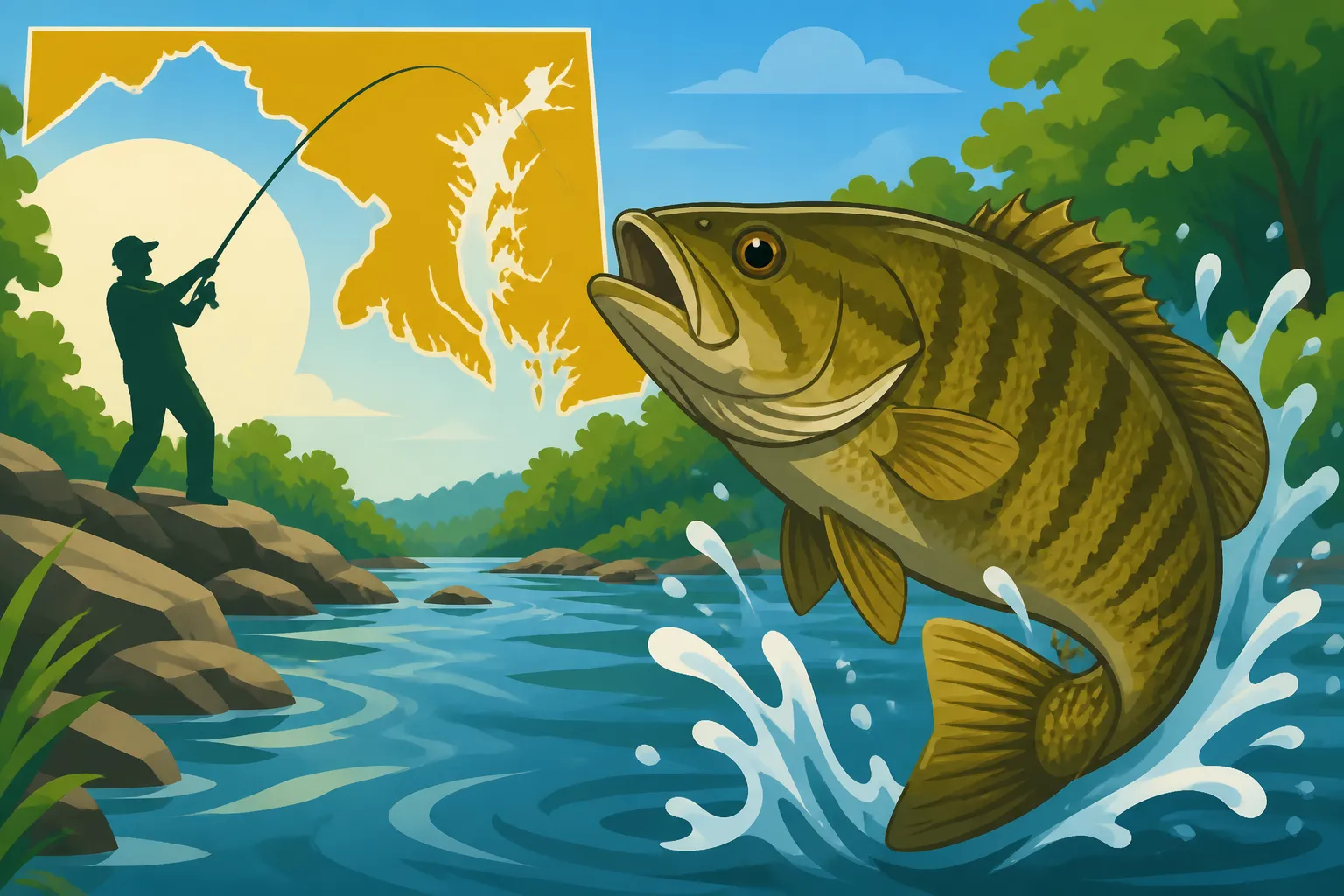
Few experiences in Maryland fishing are as exhilarating and rewarding as targeting smallmouth bass in our beautiful rivers. Many anglers, myself included, have spent countless hours trying to crack the code of these feisty bronzebacks, often encountering frustrating days where the fish seem to vanish or refuse every lure. It’s easy to feel defeated when you’ve cast a hundred times with no luck, or when you’re new to river fishing and the current seems to be conspiring against you. This comprehensive guide is here to demystify smallmouth bass fishing in Maryland, providing you with the insights, techniques, and location knowledge you need to turn those frustrating outings into triumphant memories on the water.
Understanding Maryland's Smallmouth Bass Population
Smallmouth bass are often revered by anglers for their aggressive strikes, acrobatic fights, and sheer tenacity. Unlike their largemouth cousins, who prefer stiller, weed-choked waters, smallmouth thrive in moving water environments—rivers, creeks, and rocky lake shores. In Maryland, our river systems provide perfect habitats for these spirited fish, making them a prime target for those seeking a dynamic fishing challenge away from the bustling Bay.
Where Smallmouth Bass Thrive in Maryland
Maryland's smallmouth bass populations are predominantly found in the western and central parts of the state, especially in rivers with rocky bottoms, moderate currents, and a mix of riffles, runs, and pools. These conditions offer them ample foraging opportunities for crayfish and baitfish, as well as plenty of ambush points and protection from predators. Think clear, flowing water that's rich in oxygen and structure. You're less likely to find robust smallmouth populations in the slower, murkier tidal rivers further east, which tend to favor largemouth and other species.
The cool, oxygenated waters of the upper reaches of our major river systems are truly where smallmouth shine. These areas often feature a mosaic of habitat types: shallow, fast-moving riffles where they might ambush insects; deeper, slower pools where they can retreat during harsh midday sun; and countless rock formations that provide current breaks and hiding spots. It's a complex ecosystem that demands a keen eye and understanding from the angler. Successfully fishing these waters isn't just about casting; it's about reading the water and understanding how these fish use their environment.
Smallmouth Bass: Native Status and Ecological Role
It's a common misconception that smallmouth bass are native to all waters they inhabit. In Maryland, smallmouth are considered a native species to the western part of the state, particularly in the Potomac River drainage. They have been present in these waters for a very long time, evolving alongside other native species and playing a crucial role in the riverine ecosystem as apex predators. Their presence indicates a healthy, functioning river system.
As native predators, smallmouth bass help maintain the balance of the aquatic food web. They feed on a variety of organisms, including insects, crayfish, and smaller fish, which in turn helps control populations of these species. This predatory role is vital for ecosystem health, preventing overpopulation of certain species and ensuring a diverse and resilient environment. When you're out on the river and see a healthy smallmouth, you're looking at a sign of a robust and balanced habitat, which is something all anglers should appreciate and strive to protect. Understanding their native status also helps us prioritize conservation efforts, ensuring that these iconic fish continue to thrive for future generations.
What Makes Maryland's Smallmouth Fishing Unique
Maryland offers a truly unique smallmouth fishing experience due to the varied nature of its river systems and the diverse aquatic landscapes they present. From the broad, powerful flows of the upper Potomac to the more intimate, boulder-strewn sections of its tributaries, there's a smallmouth adventure for every type of angler. It's not just about the numbers of fish; it's about the challenge and the immersion in nature.
One of the defining characteristics is the sheer beauty of the surroundings. Many of the best smallmouth rivers flow through picturesque landscapes, offering a sense of wilderness even relatively close to urban centers. This provides a refreshing escape, where the focus isn't just on the catch, but on the entire experience of being on the water. Moreover, the prevalence of wading opportunities in many of these rivers allows for an incredibly intimate and engaging style of fishing, where you're truly part of the environment, rather than just observing it from a boat. Smallmouth Bass vs Largemouth Bass in Maryland, How to Tell Them Apart highlights some key differences that make targeting smallmouth a distinct and often preferred pursuit for many.
Key Maryland Rivers for Smallmouth Bass
When it comes to smallmouth bass fishing in Maryland, a few rivers stand out as premier destinations. These waterways offer the ideal combination of habitat, forage, and public access, making them magnets for anglers seeking a memorable bronzeback experience. Knowing where to focus your efforts can significantly improve your chances of success and help you understand the nuances of river fishing.
The Mighty Potomac River: Upper Stretches and Access Points
The Potomac River is undoubtedly the undisputed king of smallmouth bass fishing in Maryland. Its upper stretches, particularly from the Great Falls area upstream into western Maryland, offer some of the finest smallmouth opportunities on the East Coast. The river here is characterized by a mix of fast-moving riffles, deep rock-strewn pools, and expansive flats, providing diverse habitats that smallmouth absolutely love. Access can vary, from roadside pull-offs to well-maintained state parks and boat ramps.
Anglers often favor the areas around Williamsport, Brunswick, and upstream towards Hancock. These sections typically have excellent water quality and plenty of rocky structure. When you're standing on the bank or wading through a stretch, look for current seams, eddies behind large boulders, and areas where faster water transitions into deeper, slower pools. These are prime ambush points for smallmouth. Boat ramps can be found at various points along the river, like the public ramps near Lander or Shepherdstown, allowing easier access to larger sections of the river. But don't underestimate the power of wading – many prime spots are only reachable on foot. Fishing the Upper Potomac for Smallmouth Bass offers even more specific guidance on navigating these productive waters.
The Susquehanna River: Below Conowingo and Beyond
While perhaps more famous for its striped bass runs and the incredible Fishing the Susquehanna Flats in Maryland in the spring, the Susquehanna River in Maryland also holds a significant population of smallmouth bass, particularly in the tidal freshwater section below the Conowingo Dam. This stretch is a powerful, dynamic fishery, offering a different kind of smallmouth challenge compared to the upper Potomac. The sheer volume of water and the rocky bottom provide ideal conditions, though currents can be strong, demanding respect and caution.
Below the dam, especially during generation events, the river can be incredibly productive. Smallmouth will stack up in eddies, behind current breaks, and in deeper holes, waiting for baitfish to be swept downstream. Anglers here often use heavier tackle to contend with the powerful current and larger fish. While many fish from boats, there are some limited shore fishing opportunities, especially when the dam isn't generating heavily. Further upstream, beyond the influence of the dam, the Susquehanna offers more classic river smallmouth habitat, though access can be a bit more spread out.
Other Notable Rivers and Creeks for Bronzebacks
While the Potomac and Susquehanna might get most of the attention, Maryland has several other rivers and creeks that offer fantastic, albeit often more intimate, smallmouth bass fishing experiences. These smaller waterways can be less pressured and provide a wonderful chance to explore different landscapes and fishing styles. Think of them as hidden gems, waiting to be discovered.
The Monocacy River, for example, which flows through Frederick County before joining the Potomac, is a fantastic smallmouth fishery. It's generally shallower and wadable in many sections, making it perfect for fly fishing or light tackle. Look for limestone ledges, downed trees, and gravel bars. Antietam Creek, famous for its historic significance, also holds a healthy population of smallmouth, especially in its lower reaches before it meets the Potomac. These smaller tributaries often require a more stealthy approach and lighter presentations but can yield impressive results for persistent anglers. Exploring these less-traveled paths can lead to truly memorable days on the water.
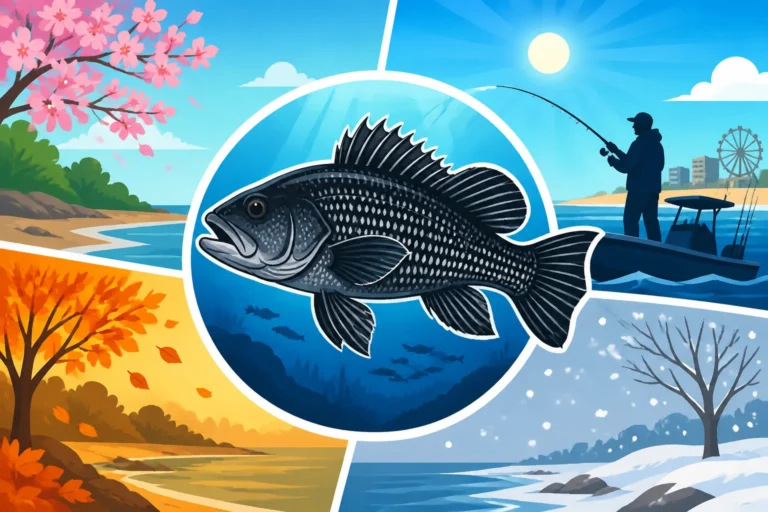
Optimal Seasons and Conditions for Smallmouth Fishing
Understanding the best times of year and the ideal environmental conditions is paramount to successful smallmouth bass fishing in Maryland. Smallmouth are highly sensitive to water temperature, flow, and clarity, and their behavior shifts dramatically throughout the seasons. Knowing these patterns will help you plan your trips and choose the right techniques to increase your chances of a hook-up.
Spring: Pre-Spawn and Spawning Frenzy
Spring is often considered one of the best times to target smallmouth bass in Maryland, especially during the pre-spawn and spawning periods. As water temperatures begin to climb from the cold grip of winter, typically reaching the mid-40s to low 50s Fahrenheit, smallmouth start to move out of their deeper wintering holes and into shallower, rocky areas to feed aggressively. This pre-spawn phase is when they bulk up for the energy-intensive spawning process, making them incredibly eager to strike.
Once water temperatures reach the mid-50s to low 60s, smallmouth begin to spawn. They'll typically fan out circular nests on gravel beds or rocky bottoms in shallower, protected areas of the river. During this time, male smallmouth become extremely territorial and will fiercely guard their nests, often striking anything that comes too close. While targeting bedding fish can be effective, many anglers prefer to fish around the edges of these spawning areas to avoid undue stress on the reproductive process. After the spawn, males remain on the nests for a period, continuing to protect the eggs and fry, still offering some opportunities. Best Time of Year to Fish in Maryland further details how various species behave throughout the year.
Summer: Low Water, Deeper Holes, Early/Late Fishing
Summer fishing for smallmouth in Maryland can be excellent, but it often requires adapting your approach to warmer water temperatures and typically lower, clearer river conditions. As the sun beats down and water heats up, smallmouth will often retreat to deeper, cooler pools, seeking refuge from the heat and bright light. They'll also hold tight to shaded areas, undercut banks, and the oxygenated current breaks behind larger rocks.
Fishing during the early morning hours, at dusk, or even into the night can be incredibly productive during the summer. During these cooler periods, smallmouth often become more active and venture into shallower feeding zones. You'll want to focus on presenting lures slowly and precisely, targeting shady spots and current seams. If the river is very low and clear, try using lighter lines and more natural presentations to avoid spooking these wary fish. A heavy rainstorm can temporarily stir things up, but generally, consistent summer conditions mean you need to be strategic about timing and location.
Fall: The Feeding Frenzy Before Winter
Autumn is another fantastic season for smallmouth bass fishing, as the fish enter a prime feeding period to prepare for the colder months ahead. As water temperatures cool down, typically into the 60s and then 50s, smallmouth become incredibly active, often schooling up and aggressively chasing baitfish and crayfish. This can lead to some of the most exciting and productive fishing of the year, with multiple hook-ups possible in a single spot.
During the fall, smallmouth will often move back into shallower areas, especially sunny rock flats and the heads of pools, to feed during the day. As temperatures drop further, they might start moving towards deeper holes again, but their primary focus is on consuming as much forage as possible. Crankbaits, jerkbaits, and spinnerbaits that imitate baitfish can be incredibly effective during this time, as smallmouth are actively hunting. Look for schooling baitfish, and you'll likely find hungry smallmouth nearby, ready to put on a show.
Impact of Water Temperature, Clarity, and River Flow
Water conditions are arguably the most critical factors influencing smallmouth bass behavior. Water temperature dictates their metabolism, activity levels, and where they will hold. For instance, in colder water (below 50°F), smallmouth are lethargic and prefer deeper, stable temperatures, requiring slow presentations. In warmer water (above 70°F), they seek oxygenated current or shade and may feed more actively during low-light conditions.
Water clarity also plays a huge role. Clear water often means fish are more wary, necessitating lighter lines, natural-colored lures, and longer casts. Murky or stained water, common after heavy rains, can make fish less visually reliant, so brighter colors, vibration, and scent become more important. River flow, too, is a game-changer. High, fast water can scatter fish, pushing them into eddies or slack water along the banks, making wading difficult or dangerous. Low, slow water concentrates fish into specific holes and makes them more susceptible to spooking. Always check river gauges and forecasts before heading out; conditions can change rapidly in river environments.
Essential Gear and Tackle for Maryland Smallmouth
Stepping onto a Maryland river to chase smallmouth bass requires specific gear that can stand up to the challenge of currents, rocky terrain, and hard-fighting fish. Having the right tools won't just improve your catch rate, it will make the entire experience more enjoyable and safer. Don't just grab any old rod; think about the conditions you'll face.
Rods, Reels, and Lines: Spinning vs. Casting
For smallmouth bass, most anglers will find themselves choosing between spinning and baitcasting setups, or even carrying both. Spinning gear is generally more user-friendly, excellent for casting lighter lures, and very forgiving for beginners. A medium-light to medium power spinning rod, typically 6'6" to 7' long, paired with a 2500 or 3000 series reel, is a versatile choice. This setup allows for good sensitivity when detecting subtle bites and enough backbone to handle a fighting fish in current.
Baitcasting gear, on the other hand, offers greater accuracy, power, and control, especially with heavier lures or in windy conditions. A medium to medium-heavy baitcasting rod, also in the 6'6" to 7' range, with a high-quality baitcasting reel, is ideal for more experienced anglers. This setup shines when you're punching jigs into heavy current or launching crankbaits a long distance. For line, 8-12 lb test fluorocarbon or monofilament is common, with braid (15-20 lb) as a main line backed with a fluorocarbon leader for abrasion resistance and stealth. You can find a vast selection of these items on platforms like Amazon, offering different brands and price points to suit any budget and preference.
Lures and Baits: The Smallmouth Arsenal
Smallmouth bass are opportunistic feeders, but they do have preferences, and certain lures consistently produce results in river environments. Your tackle box for Maryland smallmouth should be diverse, covering various depths, retrieve speeds, and forage imitations.
- Crankbaits: These are excellent for covering water and imitating baitfish. Look for shallow-diving models for shallower rivers and medium-diving ones for deeper pools. Colors mimicking shad, crayfish, or perch are often effective.
- Topwater Lures: Poppers, walk-the-dog baits, and prop baits can provide explosive strikes, especially during low-light conditions or when fish are active near the surface. How to Fish a Popper for Smallmouth Bass is a great resource for mastering this technique.
- Jigs: Grubs, tubes, and hair jigs are incredibly versatile. They imitate crayfish or baitfish and can be fished slowly along the bottom or jigged through the water column. Pair them with appropriately sized soft plastic trailers.
- Soft Plastics: Senkos, flukes, and creature baits rigged weightless, on a drop shot, or Texas-rigged, can be deadly when smallmouth are finicky or holding tight to cover.
- Spinnerbaits and Chatterbaits: These offer flash and vibration, great for stained water or covering broad areas quickly.
- Live Bait: Minnows and crayfish can be irresistible to smallmouth, especially when other presentations fail. Just be sure to check local regulations regarding live bait use.
It's a good idea to have a range of options, varying in color and size. A sunny day might call for natural, translucent colors, while overcast conditions or stained water might warrant brighter, more opaque lures. Having a few different brands of Best Crankbaits for Susquehanna Smallmouth Bass or similar lures from stores you can find on Amazon can make a real difference on tough days.
| Lure Type | Best Use Case | Retrieve Style | Ideal Conditions |
|---|---|---|---|
| Shallow Crankbait | Covering water, imitating fleeing baitfish | Steady retrieve, occasional twitch | Shallow riffles, rocky flats, clear water |
| Popper (Topwater) | Low-light conditions, active surface feeding | Pop-pause, walk-the-dog, erratic jerks | Calm water, early morning/late evening, structure |
| Tube Jig | Bottom bouncing, imitating crayfish | Drag, hop, twitch along bottom, retrieve with current | Deeper pools, current breaks, rocky areas |
| Soft Plastic Worm | Finesse fishing, finicky fish, mimicking worms/leeches | Slow drag, twitch, drop shot | Clear water, subtle bites, pressured fish |
| Spinnerbait | Covering water, flash and vibration for reaction strikes | Steady retrieve, stop-and-go, bumping cover | Stained water, windy conditions, around submerged wood |
Wading Gear and Safety Considerations
For many anglers, wading is the quintessential way to fish for smallmouth bass in Maryland's rivers. It allows for unparalleled access to prime spots, a more intimate connection with the water, and the ability to move stealthily. However, wading comes with its own set of safety concerns, especially in rivers with strong currents or slippery, rocky bottoms.
A good pair of chest waders is essential, providing protection from the cold water and allowing you to venture into deeper areas. Neoprene waders are excellent for colder water, while breathable waders are better for warmer months. Critically, invest in high-quality wading boots with felt soles or rubber soles with studs for maximum grip on slick river rocks. A wading belt is non-negotiable; it helps prevent water from filling your waders if you happen to slip or fall, keeping you safer and more comfortable. A wading staff is also a highly recommended safety tool, providing an extra point of contact and stability, especially in fast currents or when navigating uneven bottom terrain. Wading the Susquehanna River Safely emphasizes these precautions and offers specific advice for more challenging river conditions. Always let someone know where you're going and when you expect to return.
Proven Techniques for Catching Smallmouth Bass
Catching smallmouth bass consistently in Maryland's rivers isn't just about having the right gear; it's about employing effective techniques that account for their behavior and the river environment. These fish are smart, opportunistic, and can be incredibly challenging, making a well-executed cast and retrieve all the more satisfying.
Casting and Retrieving Strategies for River Bass
When fishing for smallmouth in a river, your casting and retrieving strategies need to be deliberate and adaptable. Unlike lake fishing, where you might cast aimlessly, river fishing demands precision. You want to cast upstream and across the current, allowing your lure to drift naturally downstream and through potential holding areas before beginning your retrieve. This mimics the movement of natural forage, which is often swept along by the current.
Vary your retrieve speed and action. Sometimes a fast, erratic retrieve will trigger a reaction strike, especially with crankbaits or spinnerbaits. Other times, a slow, methodical drag or hop along the bottom with a jig or soft plastic is what it takes to entice a bite from a wary fish in deeper water. Pay close attention to where strikes occur and try to replicate that retrieve. Smallmouth often hit on the pause or just as the lure changes direction, so incorporate pauses and subtle jerks into your retrieve. The goal is to make your lure look like an easy, injured meal that the current is delivering right to their doorstep.
Targeting Structure: Rocks, Eddies, and Current Breaks
Smallmouth bass are masters of using river structure to their advantage, both for ambush and for conserving energy. They don't want to fight the current constantly, so they'll often position themselves in "current breaks" where the water flow is reduced. These are prime targets for anglers. Look for large boulders, fallen trees, bridge pilings, or even subtle changes in the river bottom that disrupt the flow.
Eddies, where the current swirls back upstream or forms a calmer pocket, are also hotspots. Smallmouth will sit in these calm zones, waiting for food to drift by in the main current. Cast your lure so it swings into or along the edge of these eddies. Another key structure is rock piles and ledges, which provide countless hiding spots and ambush points. Fishing upstream of these features and allowing your lure to wash over them can be incredibly effective. Remember, smallmouth are predators, and they're looking for the path of least resistance to find their next meal.
Reading the River: Current, Depth Changes, and Oxygen
One of the most valuable skills an angler can develop for river smallmouth fishing is the ability to "read the river." This means understanding how the current, depth, and oxygen levels influence where fish will be holding. The river isn't a uniform body of water; it's a dynamic system with countless subtle clues that can reveal fish locations.
Fast-moving riffles oxygenate the water and can hold fish, especially in warmer months, but the smallmouth will typically be in the seams just out of the strongest current. Deeper pools offer refuge from bright sun and predators, and often hold larger fish. Look for transitions: where a riffle drops into a pool, where fast water meets slow water, or where the bottom changes from rock to gravel. These transition zones concentrate forage and offer prime feeding opportunities for bass. Even subtle color changes in the water can indicate depth variations or different bottom compositions. Observing the river for just a few minutes before casting can reveal these patterns and drastically improve your approach.
Fly Fishing Considerations for Smallmouth Bass
For those who enjoy the art and challenge of fly fishing, Maryland's smallmouth rivers offer some incredible opportunities. Fly fishing for smallmouth provides a unique, highly engaging experience, often requiring different tactics and presentations than conventional gear. These fish are incredibly strong on a fly rod, making for thrilling battles. Fly Fishing in Maryland provides a broader overview of the sport in the state, but smallmouth specific tactics are key.
When fly fishing for smallmouth, you'll want a 6 to 8-weight rod, which offers enough power to cast larger flies and subdue feisty bass. Weight-forward floating lines are standard, but a sinking tip or full sinking line can be very useful for getting flies down to deeper holding fish. Your fly selection should mimic the prevalent forage:
- Streamers: Clouser Minnows, Woolly Buggers, and other baitfish imitations are deadly, especially in olive, black, white, or chartreuse colors. Vary your retrieve to make them dart and pause like injured bait.
- Poppers and Gurglers: For surface action, smallmouth will aggressively attack topwater flies during low-light periods or when insects are active.
- Crayfish Patterns: Smallmouth absolutely love crayfish, so flies that imitate these crustaceans, fished slowly along the bottom, can be incredibly effective.
- Nymphs: Larger stonefly and hellgrammite patterns can also entice bites, particularly when smallmouth are feeding sub-surface.
Presentation is key. Cast upstream and allow your fly to drift naturally through likely holding spots, then impart subtle movements during the retrieve. Accuracy is paramount; getting your fly into that tight current seam or behind that boulder can be the difference between a strike and a missed opportunity.
Conservation and Responsible Angling Practices
The popularity of smallmouth bass fishing in Maryland means that responsible angling practices are more important than ever. As stewards of our waterways, it's up to us to ensure that these incredible fish populations remain healthy and abundant for generations to come. Conservation isn't just about following rules; it's about making conscious decisions that benefit the ecosystem.
The Importance of Catch and Release for Smallmouth
Catch and release is a cornerstone of smallmouth bass conservation, especially in heavily fished river systems. While keeping a legal fish for dinner is certainly part of the angling tradition, voluntarily releasing most or all of your smallmouth bass helps maintain strong, healthy populations. This is particularly important for larger, older fish, which are often the best breeders and contribute significantly to the genetic strength of the population.
When you practice catch and release, you're giving that fish another chance to spawn, grow, and provide sport for other anglers. It helps reduce fishing pressure and ensures that there are always plenty of fish in the river. Think of it as an investment in the future of our fisheries. The joy of landing a beautiful bronzeback, snapping a quick photo, and then watching it swim away strongly is a reward in itself.
Best Practices for Handling Smallmouth Bass
Proper fish handling is crucial for the survival of released smallmouth bass. Mishandling can cause significant stress, injury, or even death, negating the positive impact of catch and release. Always prioritize the fish's well-being.
- Minimize Air Exposure: Smallmouth bass, like all fish, need water to breathe. Keep them in the water as much as possible, especially during unhooking and photography. If you must lift them for a photo, do so quickly, holding your breath if you can.
- Wet Hands: Always wet your hands before touching a fish. Dry hands can remove the protective slime coat, making the fish vulnerable to disease and infection.
- Support the Fish: When holding a smallmouth, support its body horizontally with one hand under its belly and the other gently gripping its lower jaw (if it's a larger fish). Avoid hanging fish vertically by the jaw, as this can damage their spine and internal organs.
- Gentle Unhooking: Use a de-hooking tool or needle-nose pliers to remove hooks quickly and gently. If a fish is deeply hooked, especially in the gills or gut, it's often best to cut the line as close to the hook as possible rather than trying to rip it out. Barbless hooks can also make unhooking much easier and less traumatic.
- Revival: If a fish seems lethargic after release, hold it gently in the current, facing upstream, allowing water to flow over its gills until it regains strength and swims away on its own. Never just toss a tired fish back into the water.
Regulations Specific to Smallmouth Bass in Maryland
While I cannot provide specific numbers or current dates, it's vital to be aware that smallmouth bass in Maryland are subject to specific regulations concerning size limits, creel limits (daily possession limits), and sometimes even seasonal closures. These rules are put in place by the Maryland Department of Natural Resources (DNR) to manage fish populations and ensure their sustainability.
For instance, there might be a minimum size limit, meaning any fish caught below that length must be immediately released. There will also be a creel limit, dictating how many smallmouth you can keep in a single day. Some rivers or specific sections might have special regulations, such as catch-and-release only periods or unique slot limits designed to protect certain size classes of fish. It is your responsibility as an angler to check the most current Maryland DNR fishing regulations before every trip. These regulations can change year to year, so always confirm what's legal. Ignorance of the law is never an excuse, and violations can lead to fines and penalties.
Common Challenges and Troubleshooting
Even the most seasoned smallmouth angler faces challenges on the river. These fish can be notoriously finicky, and river conditions are constantly changing. Knowing how to adapt and troubleshoot common problems can turn a slow day into a successful one. It’s all part of the learning curve and the exciting puzzle that smallmouth fishing presents.
Dealing with Finicky Bites and Tough Conditions
There are days when smallmouth bass seem to have lockjaw, refusing every lure you throw at them. This can be incredibly frustrating, especially when you know fish are present. Finicky bites often occur after a cold front, during periods of high pressure, or when water levels are very low and clear, making fish exceptionally wary.
When faced with tough conditions, finesse is often the answer. Scale down your line size, use smaller lures, and present them as naturally and slowly as possible. Try different soft plastic baits rigged on a light jig head or a drop shot rig. Sometimes, a subtle twitch or a dead-sticked presentation (letting the lure sit still on the bottom) is all it takes to trigger a strike. Experiment with different colors, too; often, a slight change from your go-to pattern can make a difference. Moving to a new spot, even if it's just a hundred yards upstream or downstream, can also sometimes reset your luck, as different areas may hold fish with different temperaments.
Navigating Tricky River Conditions Safely
River conditions can change rapidly and present significant safety hazards, especially for wading anglers. High water, strong currents, and slick rocks are all real dangers. It's crucial to prioritize safety over catching fish. If the river looks too high, too fast, or too murky after heavy rains, it's often best to reschedule your trip. Maryland's DNR Fishing and Boating Guide, Explained always contains the most up-to-date safety advice and information relevant to navigating our waterways.
When wading, always face upstream, shuffling your feet rather than lifting them to maintain balance and feel for sudden drops or unstable footing. Use a wading staff for added stability, especially when crossing areas with strong current. If you're fishing from a kayak or small boat, be acutely aware of strainers (fallen trees that can trap a boat), swift currents, and shallow rock gardens. Wear a personal flotation device (PFD) at all times, even if you're a strong swimmer. The river can be beautiful, but it demands respect, and a momentary lapse in judgment can have serious consequences.
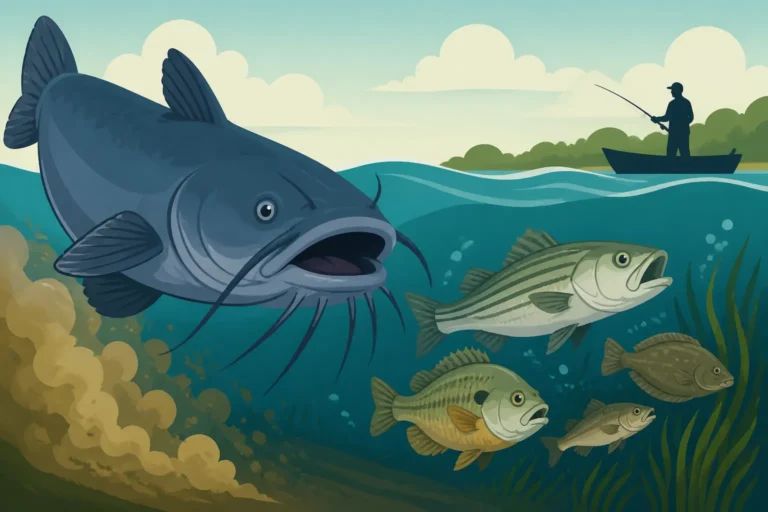
Avoiding Other Species: Blue Catfish and Snakehead
While smallmouth bass are often the primary target, Maryland's rivers are home to many other species, some of which can be a nuisance or, in the case of invasives, require specific handling. Blue catfish and northern snakeheads, both invasive species, are increasingly prevalent in many of the same waters that hold smallmouth, particularly in the Potomac and Susquehanna.
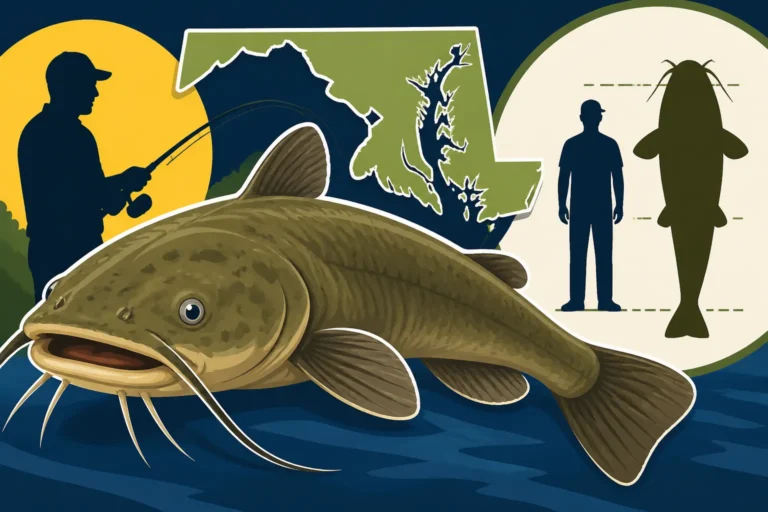
You might inadvertently hook into a large blue catfish when targeting smallmouth, especially if you're fishing deeper holes with bait or larger lures. While they are a powerful fight, they're generally not what smallmouth anglers are after. Northern snakeheads, with their distinctive patterns and aggressive nature, also inhabit shallow, weedy areas that smallmouth sometimes frequent. It's important to be able to identify these fish. Maryland Invasive Fish Rules: Blue Catfish and Snakehead details specific rules for these species. If you catch a snakehead, you are often required to kill it and not release it alive. Always know the regulations for invasive species in your fishing area.
The Future of Maryland Smallmouth Bass Fishing
The passion for smallmouth bass fishing in Maryland is strong, and with continued dedication to conservation, the future of this fishery looks bright. Anglers play a critical role in advocating for healthy rivers, practicing responsible fishing, and supporting organizations that work to protect aquatic habitats. Our collective efforts ensure that the thrill of hooking a hard-fighting bronzeback continues for future generations.
Community Involvement and Habitat Preservation
One of the most impactful ways to safeguard smallmouth bass populations is through community involvement and active participation in habitat preservation efforts. Many local conservation groups and watershed associations dedicate their time and resources to improving water quality, removing invasive species, and restoring natural riverine habitats. This could involve stream clean-ups, tree plantings along riverbanks to reduce erosion and provide shade, or advocating for better land use policies that minimize runoff pollution.
By joining these groups, volunteering your time, or simply supporting their initiatives, you contribute directly to the health of the rivers where smallmouth bass thrive. Even seemingly small actions, like properly disposing of trash and fishing line, can make a significant difference. A healthy river ecosystem benefits not only smallmouth but all aquatic life, leading to more robust and enjoyable fishing experiences for everyone.
Adapting to Environmental Changes
Our river systems are dynamic and constantly undergoing changes, whether due to natural forces or human impact. As anglers, we need to be prepared to adapt our strategies to these evolving conditions. This might mean adjusting to new regulations, understanding how changes in climate or land use affect water temperatures and flows, or even observing shifts in fish behavior due to changes in their forage base.
For example, increased frequency of heavy rain events can lead to more fluctuating river levels and increased turbidity, requiring anglers to adapt their lure choices and techniques. Conversely, prolonged droughts can lead to lower, clearer water, making fish more wary and necessitating a finesse approach. Staying informed about environmental news and local watershed health reports can help you anticipate these changes and develop the flexibility needed to remain a successful smallmouth angler in Maryland.
Inspiring the Next Generation of Smallmouth Anglers
Passing on the love for smallmouth bass fishing is essential for its long-term future. Introducing children and young adults to the sport not only helps them develop an appreciation for nature and conservation but also ensures that there will be future stewards of our waterways. There's nothing quite like seeing the excitement in a child's eyes as they land their first smallmouth.
Take a child fishing, teach them about the importance of clean water, and explain the rules of catch and release. Show them how to identify different fish species and explain why protecting our rivers matters. By fostering a sense of wonder and responsibility, we empower the next generation to cherish and protect these amazing fish and their habitats. Maryland's rivers are a precious resource, and sharing the smallmouth experience is one of the best ways to ensure their legacy endures.
Disclaimer
This article is for general informational purposes only and does not constitute professional advice. Laws, prices and regulations vary by location and change over time. Consult a qualified professional for guidance on your specific situation.