Maryland Trout Stamp Requirements
Navigating the ins and outs of fishing regulations in Maryland can sometimes feel like trying to untangle a particularly stubborn fishing knot, especially when it comes to specific endorsements like the trout stamp. Many anglers get genuinely confused about whether they need one, where it applies, and what it all means for their day on the water. If you've ever found yourself scratching your head at the tackle shop or wondering if you're truly compliant before casting into a beautiful stream, you're in the right place. This comprehensive guide is here to demystify Maryland's trout stamp requirements, helping you fish confidently and legally.
Understanding the Maryland Trout Stamp
The Maryland trout stamp is more than just another sticker on your license; it's a vital part of the state's efforts to maintain and enhance its trout fisheries. For many of us, the idea of paying an extra fee beyond our general fishing license can feel like just another hurdle. But understanding its purpose helps frame it not as a burden, but as an investment in the very waters we love to fish.
What Exactly Is a Trout Stamp?
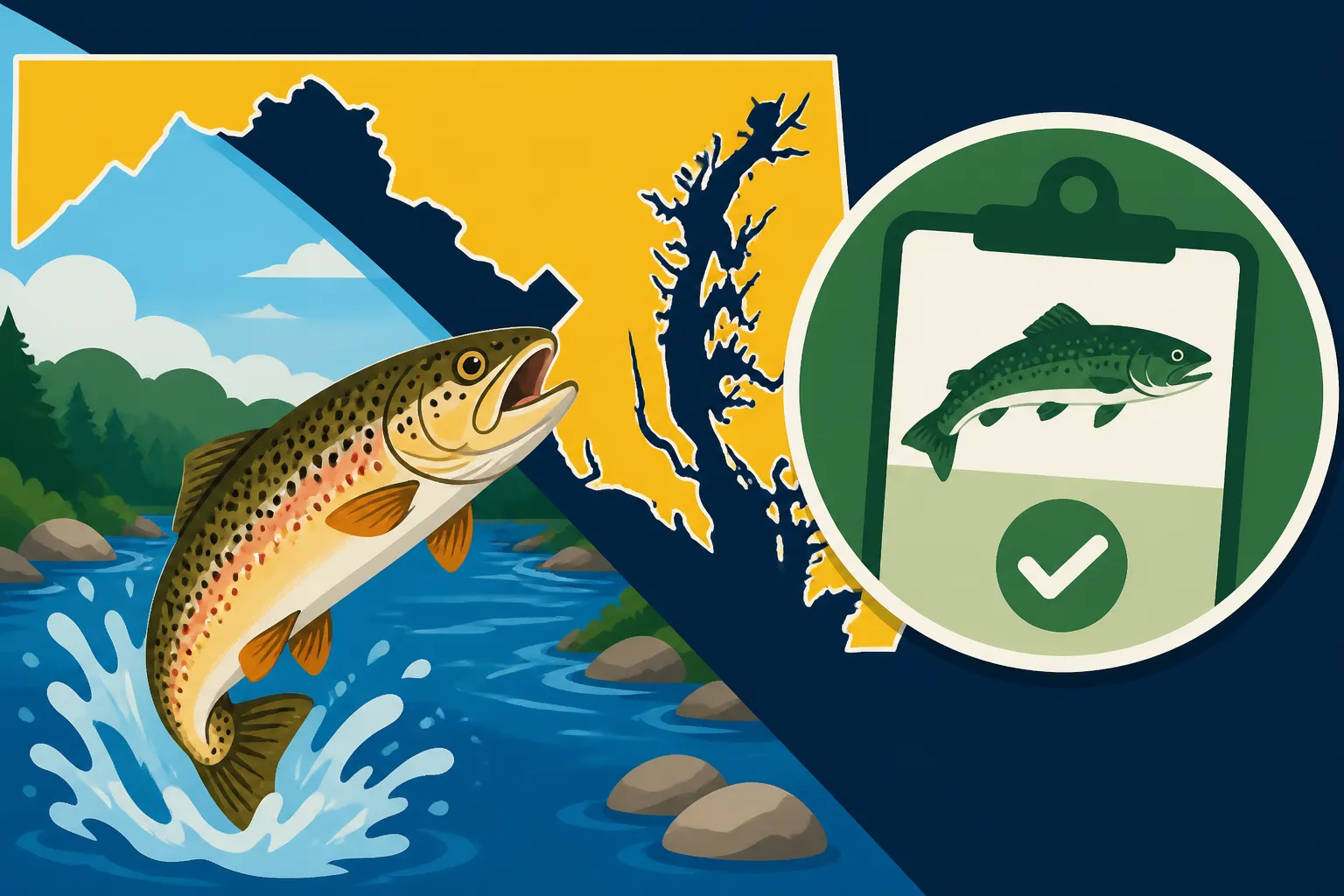
At its core, a Maryland trout stamp is a special endorsement required in addition to your basic recreational fishing license if you plan to fish for trout in designated trout management waters, or if you intend to harvest trout from any Maryland waters. Think of it as a specialized permit that ensures you're contributing directly to the resources you're using. It's not just a revenue generator; it's specifically earmarked for trout-related programs. Without a valid Maryland fishing license, a trout stamp alone won't get you far, so make sure you've covered your bases with a general license first. If you need a refresher on the foundational requirements, check out our guide on the Maryland Fishing License Guide for 2026.
This little stamp, whether it's a physical decal or an electronic notation on your license, signifies your permission to engage in trout fishing activities beyond the general scope of a regular license. It helps the Maryland Department of Natural Resources (DNR) track angler participation in these specific fisheries and, perhaps more importantly, provides dedicated funding. Without this specific revenue stream, the robust stocking and management programs Maryland is known for simply wouldn't be possible.
Why Maryland Requires a Trout Stamp
The "why" behind the trout stamp is all about conservation and sustainable management. Maryland's trout fisheries, especially its put-and-take and delayed harvest programs, are incredibly popular and require significant resources to maintain. The money generated from trout stamp sales goes directly back into these programs.
Imagine the cost and logistical challenge of raising hundreds of thousands of trout in hatcheries and then transporting them to streams and lakes across the state. This isn't a small undertaking! Your trout stamp dollars help cover the expenses associated with operating these hatcheries, feeding the fish, and distributing them to ensure that anglers have ample opportunities to catch trout. Beyond stocking, these funds also support critical habitat restoration projects, stream access improvements, and scientific research aimed at understanding and improving trout populations, including native brook trout. It’s a direct feedback loop: you pay a small fee, and that fee contributes to more fish and better fishing environments for everyone. It helps ensure that the beautiful streams and lakes we cherish for trout fishing remain vibrant and healthy for years to come.
Who Needs a Trout Stamp
This is where it can get a little tricky, and it’s often the source of most confusion. Generally, any angler aged 16 or older who intends to fish for or possess trout in designated trout waters, or possess trout from any Maryland waters, must have a valid trout stamp in addition to their basic fishing license.
However, there are a few important nuances. For instance, if you're fishing in a non-designated body of water and accidentally catch a trout, but immediately release it unharmed, you wouldn't necessarily need a trout stamp. The requirement primarily kicks in when you are targeting trout or retaining them. If you're planning a trip to one of the state's famous put-and-take streams, like the Gunpowder Falls, a trout stamp is unequivocally necessary. Similarly, if you fish a cold mountain stream hoping for wild brook trout, even if you plan to release them, the stamp is still generally required because you are actively fishing in designated trout waters. We’ll delve deeper into the specifics of these waters in the next section. Certain exemptions exist for younger anglers, as we discuss in our guide on Do Kids Need a Fishing License in Maryland? and also for older anglers, which we cover in Do Seniors Need a Fishing License in Maryland?. It's always best to err on the side of caution and obtain the stamp if you have any intention of targeting trout.
When and Where a Trout Stamp is Mandatory
One of the biggest headaches for anglers is pinpointing exactly when and where a trout stamp becomes a non-negotiable requirement. Maryland's diverse waters, from the vast Chesapeake Bay to tiny mountain streams, have different rules, and understanding these distinctions is key to avoiding an unwelcome conversation with a DNR officer. It’s not just about catching trout; it’s about where you’re fishing and what your intentions are.
Tidal vs. Nontidal Waters and Trout Stamps
Maryland's fishing regulations often distinguish between tidal and nontidal waters, and the trout stamp is no exception. Generally, trout stamps are primarily associated with nontidal, freshwater fisheries. The vast majority of trout habitat in Maryland, whether naturally occurring or stocked, exists in rivers, streams, lakes, and reservoirs that are not influenced by the ocean's tides.
If you're casting your line in the Chesapeake Bay or its tidal tributaries, you're unlikely to encounter trout, and therefore, a trout stamp is typically not needed. Your standard Chesapeake Bay Sport Fishing License or a Nontidal Fishing License (if you’re not fishing for tidal species) covers you in these areas. However, some rivers have both tidal and nontidal sections. For example, parts of the Gunpowder River near the bay are tidal, but further upstream, it becomes a famous nontidal trout fishery. If you transition from the tidal to the nontidal sections of such a river and intend to fish for or possess trout, you absolutely need that trout stamp. This distinction can be a real gotcha for anglers who assume their general tidal license covers all bases. For more clarity on these licenses, take a look at our article on Maryland Nontidal vs Tidal Fishing License, Explained.
Stocked Trout Waters
Maryland boasts an impressive network of stocked trout waters, categorized mainly into "Put-and-Take" and "Delayed Harvest" streams. These are the prime areas where your trout stamp becomes mandatory.
Put-and-Take Trout Waters: These are perhaps the most popular and straightforward. As the name suggests, trout are regularly stocked here for anglers to catch and keep, subject to daily creel limits. These waters are typically well-marked and often have high angler pressure immediately following stocking events. Think of locations like sections of Big Hunting Creek or the Patapsco River. If you plan to fish in these areas, regardless of whether you keep a fish or not, the trout stamp is required because you are actively participating in a designated, managed trout fishery. The DNR invests heavily in these programs, and your stamp ensures that investment can continue.
Delayed Harvest Trout Waters: These streams offer a unique fishing experience, with specific seasonal regulations. During certain times of the year (typically fall through early summer), these waters are managed for catch-and-release fishing only, often with tackle restrictions like artificial lures and barbless hooks. Later in the season, they transition to a put-and-take fishery where harvest is allowed. Regardless of the specific season or whether you're catching and releasing or keeping fish, a trout stamp is mandatory to fish these designated areas. The rationale is similar to put-and-take: you are utilizing a specialized, managed trout resource funded by stamp sales. Knowing the nuances of these waters is critical for compliance, and you can learn more by reading about Maryland Put-and-Take Trout Waters, What That Means and Maryland Delayed Harvest Trout Waters Explained.
Wild Trout Streams
Beyond the stocked waters, Maryland is home to a number of pristine wild trout streams, primarily in the western mountainous regions. These streams support self-sustaining populations of native brook trout, and sometimes wild brown trout, a testament to the state’s natural beauty and conservation efforts.
Fishing in these wild trout streams almost always requires a trout stamp. While these waters are not stocked with hatchery fish, they are still actively managed by the DNR to protect the delicate ecosystems that allow wild trout to thrive. This management includes monitoring populations, protecting habitat from degradation, and ensuring responsible angling practices. Even if your intention is strictly catch-and-release, the act of fishing in these designated wild trout waters means you're engaging with a resource that benefits from the broader conservation efforts funded by trout stamps. It’s about supporting the overall health of trout habitats across the state, not just the put-and-take programs. Always check the current regulations for specific wild trout streams, as they often have unique rules regarding tackle, creel limits, and access.
| Scenario | Location Type | Trout Stamp Required? | Notes |
|---|---|---|---|
| Targeting/Keeping Trout | Put-and-Take Waters | Yes | Mandatory for all anglers 16+ years old. |
| Targeting/Keeping Trout | Delayed Harvest Waters (Harvest Season) | Yes | Mandatory for all anglers 16+ years old. |
| Targeting/Releasing Trout | Delayed Harvest Waters (C&R Season) | Yes | Mandatory for all anglers 16+ years old, even if solely catch-and-release. |
| Targeting/Releasing Wild Trout | Wild Trout Streams | Yes | Mandatory for all anglers 16+ years old, even if solely catch-and-release. |
| Accidental Trout Catch & Release | Non-Trout Designated Waters | No | If immediately and safely released, no stamp needed. |
| General Fishing (No Trout Intent) | Tidal Waters (e.g., Chesapeake Bay) | No | Trout are generally not present; standard tidal license covers fishing. |
| General Fishing (No Trout Intent) | Nontidal Waters (e.g., Bass Lakes) | No | Unless specifically designated as trout waters or you plan to keep an accidentally caught trout. |
Cost and Types of Maryland Trout Stamps
Understanding what a trout stamp is and where you need it leads naturally to the practical question: "How much is it going to cost me, and are there different options?" Just like with your general fishing license, the cost of a Maryland trout stamp can vary based on your residency status and the duration of the stamp you need. It’s not just a single price point for everyone, and knowing your options can save you a bit of money or ensure you have exactly what you need for your fishing plans.
Resident vs. Nonresident Trout Stamp Costs
Maryland, like many states, differentiates its pricing for residents and nonresidents. This is a common practice, as residents contribute to the state's tax base and often have more direct involvement in local conservation efforts.
For Maryland residents, the annual trout stamp is quite affordable, usually just a few dollars. This small fee, when multiplied by thousands of resident anglers, adds up quickly to significantly support the state's trout programs. If you're a Maryland resident who enjoys frequent trout fishing outings throughout the year, an annual stamp is almost always the most economical and convenient option.
Nonresidents, on the other hand, typically pay a higher fee for their Maryland trout stamp. This is standard across the country, reflecting the idea that nonresidents are utilizing state resources without the same level of tax contribution. For example, as of recent information, a resident might pay around $5 for an annual trout stamp, while a nonresident might pay closer to $10 or more. While this might seem like a jump, it's still a modest investment for access to some truly excellent trout fishing opportunities. It's an important consideration for our out-of-state angling friends planning a trip to Western Maryland's beautiful streams or the renowned Gunpowder River. You can find the precise, up-to-date costs in our detailed breakdown of the Maryland Trout Stamp Cost for Residents and Nonresidents.
Annual vs. Short-Term Options
Unlike the main fishing licenses which often have various short-term options (like 3-day or 7-day licenses), the trout stamp typically comes as an annual endorsement. While you might purchase a short-term fishing license for a weekend trip, the trout stamp usually piggybacks onto that as an annual add-on, regardless of your base license duration.
This means if you're a nonresident planning a 3-day fishing trip to Maryland specifically for trout, you'll likely still need to purchase the full annual nonresident trout stamp in addition to your Maryland Nonresident 3-Day Fishing License Cost. There isn't usually a "3-day trout stamp" in the same way there might be for a general license. For most anglers, especially those who fish for trout more than once or twice a year, the annual stamp provides peace of mind and simplifies the process. It's a one-and-done purchase that covers you for the entire license year, which typically runs from January 1st to December 31st.
Combining with a Fishing License
To simplify things, Maryland offers various ways to purchase your fishing license and trout stamp, often allowing you to combine them into one transaction. This is particularly convenient when buying online or at a local tackle shop.
When you go to purchase your basic Maryland Fishing License Guide for 2026, you'll usually be presented with the option to add a trout stamp. For residents, this often means selecting the "Consolidated Sport Fishing License" option, which includes your Nontidal License, Bay & Coastal Sport Fishing License, and the Trout Stamp all in one package, often at a slightly reduced combined rate compared to buying each component separately. This consolidated option is a fantastic value for the dedicated Maryland angler who enjoys both freshwater and saltwater fishing, as well as trout. Nonresidents, too, can typically add the trout stamp during their standard license purchase process. This streamlined approach minimizes the number of separate purchases and ensures you have all the necessary endorsements for your intended fishing activities. It’s always best to purchase everything at once to avoid forgetting a crucial stamp later.
How to Purchase a Maryland Trout Stamp
Getting your hands on a Maryland trout stamp, thankfully, isn't a complicated ordeal. The Maryland Department of Natural Resources (DNR) has made the process quite accessible, offering several convenient methods to ensure anglers can secure their required endorsements without too much hassle. Whether you're a tech-savvy angler or prefer the traditional route, there's an option for you.
Online Purchase Process
The most popular and often easiest way to purchase your Maryland trout stamp is online through the Maryland DNR's Compass portal. This platform is designed to be user-friendly, allowing you to buy not just fishing licenses and stamps, but also hunting licenses, boating permits, and more.
Here’s a general rundown of the online process:
- Visit the DNR Compass Website: Head to the official Maryland DNR licensing portal. You'll typically need to create an account if you don't already have one. This usually involves providing some personal information like your name, address, and date of birth.
- Select Your License: Choose the appropriate fishing license (e.g., Resident Annual Nontidal Fishing License, Nonresident 7-Day Fishing License Options).
- Add Endorsements: During the purchase flow, you’ll be prompted to add various endorsements. This is where you'll find the option to add the "Trout Stamp." Make sure to select it.
- Review and Pay: Double-check your selections to ensure you have the correct base license and the trout stamp. Proceed to payment using a credit or debit card.
- Print or Save: Once purchased, you'll receive a confirmation, and often, a printable version of your license that includes your trout stamp endorsement. You can also save a digital copy to your phone. Maryland accepts digital proof, so having it on your smartphone is perfectly acceptable.
Buying a Maryland Fishing License Online is incredibly convenient, allowing you to purchase your stamp even minutes before heading to the stream, as long as you have internet access. This is especially useful for last-minute fishing trips or if you’ve forgotten to renew.
In-Person Vendors
For those who prefer a more traditional approach, or who like to support local businesses, Maryland has a vast network of authorized license agents scattered across the state. These agents are typically local tackle shops, sporting goods stores, bait shops, and even some large chain retailers like Bass Pro Shops or even via Amazon (though Amazon itself doesn't sell licenses directly, many of their partner tackle shops do!).
When you visit an authorized vendor, you simply tell the staff what you need – your basic fishing license and the trout stamp. They will use the DNR's online system to process your purchase and print out a physical license and stamp right there on the spot. This method is great because you can also chat with local experts about current fishing conditions, hot spots, and perhaps pick up some bait or tackle. It’s a full-service experience that many anglers still appreciate. When looking for a local vendor, search for "Maryland fishing license agent near me" or check the DNR website for an updated list of authorized sellers.
Other Purchase Methods
While online and in-person purchases are the most common, there might be other less frequent options, such as purchasing by phone or mail, although these are typically slower and less common for individual stamps. For example, some specialized licenses or combination licenses might still be available via mail, but for a standalone trout stamp, the digital and retail options are by far the most efficient. It's always best to refer to the official Maryland DNR website for the most current and accurate purchase methods. Remember, possessing a valid license and stamp is your responsibility, so plan ahead to ensure you're compliant before your line hits the water.
Exemptions and Special Cases
Even with a clear understanding of trout stamp requirements, there are always those specific situations that leave anglers wondering, "Do I really need one?" Maryland's regulations do include some exemptions and special considerations that can apply to certain demographics or angling scenarios. It's crucial to understand these to avoid unnecessary purchases or, worse, unintended violations.
Kids and Seniors: Do They Need a Trout Stamp?
This is a common question, and thankfully, there are some clear answers, though they have changed over the years, so always check current regulations.
Kids: In Maryland, anglers under the age of 16 are generally exempt from needing a basic fishing license. This is a wonderful initiative to encourage youth participation in fishing. The good news is that this exemption often extends to the trout stamp as well. Therefore, if you have a child under 16 years old who is fishing for trout, they typically do not need to purchase a trout stamp. This makes it easier for families to enjoy a day of trout fishing without the added cost or complexity for their younger members. However, they must still adhere to all other regulations, such as Maryland Trout Daily Creel Limit and size restrictions.
Seniors: For Maryland residents who are seniors, the rules are also favorable. Maryland offers a special "Senior Consolidated Sport Fishing License" to residents 65 years of age or older. This consolidated license is a fantastic value, as it includes the nontidal fishing license, the Chesapeake Bay & Coastal Sport Fishing License, and the trout stamp, all for a significantly reduced, often one-time fee. Once a senior Maryland resident purchases this consolidated license, they are covered for all these fishing activities for the rest of their lives. So, while seniors do technically need a trout stamp if they are fishing for trout, it's typically bundled into a very affordable, comprehensive senior license. Nonresident seniors, however, would still need to purchase the appropriate nonresident fishing license and a nonresident trout stamp. You can find more details in our post, Do Seniors Need a Fishing License in Maryland?.
Catch and Release Only Fishing
This is perhaps the most frequently debated point among anglers: "If I'm just catching and releasing, do I still need a trout stamp?" The answer, in most cases, is yes, if you are fishing in designated trout waters.
Many anglers believe that because they are not harvesting fish, they aren't impacting the fishery in a way that warrants the stamp. However, Maryland's regulations are structured differently. The requirement for a trout stamp is often tied to the act of fishing in designated trout waters or targeting trout, not solely the act of possession.
Why? Even catch-and-release fishing can put stress on fish, and the management of these specific trout-designated areas (like Delayed Harvest streams or Wild Trout Management Areas) still requires funding. The DNR stocks these waters, manages their habitat, and enforces specific rules to protect the resource, all of which cost money. Your trout stamp contributes to these efforts, ensuring that even catch-and-release opportunities remain robust.
Think of it this way: you're utilizing a specially managed resource. Whether you take a fish home or not, you're enjoying the fruits of a program supported by these fees. So, if you're headed to a stream explicitly identified as a trout management area, assume you need that stamp, even if you plan to carefully release every fish you catch. We explore this further in Do You Need a Trout Stamp to Catch and Release in Maryland?.
Disabled Anglers and Military Personnel
Maryland recognizes the contributions and challenges faced by disabled individuals and military personnel, offering certain considerations regarding fishing licenses and stamps.
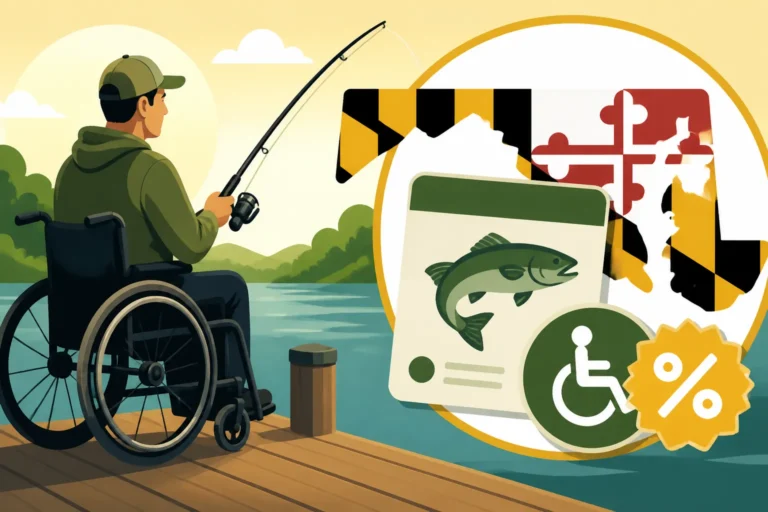
Disabled Anglers: Maryland provides a "Free Universal Disability Pass" which grants certain fishing and hunting privileges to residents with permanent disabilities. This pass generally exempts eligible individuals from purchasing various fishing licenses and stamps, including the trout stamp. Eligibility typically requires proof of disability from a licensed physician or government agency. This thoughtful provision allows disabled anglers to enjoy the state's natural resources without financial barriers.
Military Personnel: Active-duty military personnel who are residents of Maryland can often purchase licenses at resident rates, and in some cases, certain exemptions or discounts may apply depending on their deployment status or veteran status. Non-resident military personnel stationed in Maryland may also qualify for resident pricing. While a specific military exemption from the trout stamp itself might not always exist for all categories, the general military discounts on base licenses can make the overall cost more manageable. It's always advisable for military members and veterans to check the most current Maryland Military Fishing License Discounts and regulations directly with the DNR, as policies can sometimes be updated. Showing proper military ID or documentation is usually required to claim any benefits.
The Impact of Your Trout Stamp Dollars
It’s easy to view any extra fee as just another cost, but the Maryland trout stamp truly makes a tangible difference. Understanding where your money goes can transform it from a mandatory expense into a meaningful contribution to the sport you love. The funds generated by trout stamp sales are not just tossed into a general state budget; they are specifically earmarked for critical programs directly benefiting trout fisheries across Maryland.
Funding Trout Stocking Programs
This is perhaps the most direct and visible impact of your trout stamp purchase. A significant portion of the revenue from trout stamps goes directly to funding Maryland's extensive trout stocking program. Each year, the Maryland DNR, through its hatcheries like the Albert M. Powell Hatchery and the Bear Creek Hatchery, raises hundreds of thousands of trout – primarily rainbow trout, but also brown trout and golden rainbow trout – and releases them into designated waters across the state.
These stocking efforts provide abundant fishing opportunities, especially in the popular "put-and-take" streams, where anglers can enjoy a high probability of success. Without these funds, the scale and frequency of these stockings would be dramatically reduced, leading to fewer fish and less enjoyable angling experiences. Your stamp literally puts fish in the water, ensuring that families, beginners, and seasoned anglers alike have a chance to experience the thrill of catching trout in Maryland. It's about providing immediate and accessible fishing for many, which is crucial for encouraging participation in the sport.
Habitat Restoration and Stream Management
Beyond simply stocking fish, your trout stamp dollars are vital for maintaining and improving the very environments where trout live. Healthy trout populations, especially wild ones, depend on clean, cold water and intact riparian habitats. Funds are allocated to numerous habitat restoration projects.
This can include initiatives like planting trees along stream banks to provide shade and reduce water temperatures (trout thrive in cold water!), stabilizing eroding stream banks to prevent sedimentation, installing in-stream structures (like logjams or rock deflectors) to create vital cover and diverse flow patterns for fish, and even removing barriers that prevent fish migration. These projects aren't glamorous, but they are absolutely essential for the long-term health and sustainability of Maryland's trout fisheries. By improving the habitat, the DNR not only helps stocked fish survive longer but also supports the delicate ecosystems that allow native fish, like the beautiful brook trout, to thrive. It's an investment in the entire aquatic ecosystem, ensuring that the streams remain vibrant for generations to come.
Enforcement and Conservation Efforts
Finally, your trout stamp also contributes to the broader conservation and enforcement efforts necessary to protect Maryland’s natural resources. It’s not enough to stock fish and restore habitats; these efforts need to be safeguarded through effective regulation and enforcement.
Funds support the work of DNR law enforcement officers who patrol streams and lakes, ensuring that anglers are compliant with license and stamp requirements, as well as catch limits and tackle restrictions. This enforcement is crucial for preventing overharvesting and maintaining the integrity of managed fisheries. Moreover, a portion of the funds supports scientific research into trout populations, water quality monitoring, and educational programs designed to promote responsible angling practices. By contributing to these broader conservation efforts, your trout stamp helps ensure that Maryland's trout fishing remains a high-quality experience for everyone. It’s an investment in the present and future of a cherished natural resource.
Common Misconceptions and Troubleshooting
Despite the efforts to clarify regulations, certain myths and misunderstandings about the Maryland trout stamp persist. These can lead to frustration, confusion, or even unintentional violations. Let’s tackle some of the most common misconceptions and offer some troubleshooting advice to keep you on the right side of the rules.
"I'm Just Catch and Release"
As we touched on earlier, this is arguably the biggest misconception. Many anglers mistakenly believe that if they only practice catch and release, they are exempt from needing a trout stamp. This is generally false when fishing in designated trout waters.
The critical distinction is that the stamp is often required for the privilege of fishing in designated trout management waters, regardless of your intent to harvest. Think about it: whether you keep the fish or not, you are still utilizing a resource that requires significant investment in stocking, habitat management, and enforcement – all funded by those trout stamps. If you're fishing a Put-and-Take Trout Water or a Delayed Harvest Trout Water, even during its catch-and-release season, you need that stamp. The only scenarios where catch-and-release might not require a stamp are if you accidentally catch a trout in waters not designated for trout management and immediately release it. But if you're specifically targeting trout, or simply fishing in a known trout stream, even with the best intentions of releasing every fish, you need the stamp. This is a rule where it's always safer to assume you need it than to risk a fine.
"I Didn't Know There Were Trout Here"
Sometimes, anglers find themselves in a bind because they unknowingly ventured into trout waters. This is a common scenario for those exploring new areas or fishing streams that may have small, unadvertised populations. Unfortunately, "I didn't know" is generally not a valid defense if you're found fishing for or possessing trout in designated waters without a stamp.
Maryland DNR does a commendable job of marking designated trout waters, often with signage at popular access points, and through detailed maps in their annual fishing guide. It's the angler's responsibility to know the regulations for the waters they intend to fish. Before heading out, especially to a new stream or river, it's always wise to consult the Maryland Fishing Regulations Guide, Explained or the DNR website's trout stocking schedule and maps. This proactive approach can prevent an awkward encounter with a natural resource police officer and potential fines. If you're truly unsure, assume there might be trout and get the stamp, or choose a different fishing spot that you know for certain is general nontidal water.
What Happens If You Fish Without a Stamp?
Fishing for trout in designated waters without a valid trout stamp, just like fishing without a basic license, is a violation of Maryland law. The consequences can range from a warning to a substantial fine. Natural Resource Police officers regularly patrol popular fishing areas, including trout streams, and they are diligent about checking licenses and endorsements.
If you are caught, you could face penalties similar to those for fishing without a license. These fines can easily exceed the cost of an annual trout stamp, making the small upfront investment a much more appealing option. Beyond the financial penalty, violations can also result in points on your fishing license, which, for repeated offenses, could lead to suspension of your fishing privileges. It's simply not worth the risk. Always ensure you have your basic license and any necessary endorsements, like the trout stamp, before you cast your line. Remember that compliance with regulations helps support the very resources we all want to enjoy, making for a better fishing experience for everyone involved. For a broader understanding of the repercussions, read our guide on What Happens If You Fish in Maryland Without a License?.
Disclaimer
The information provided in this guide is for general informational purposes only and does not constitute legal advice. Fishing regulations in Maryland are subject to change by the Department of Natural Resources (DNR). While we strive to provide accurate and up-to-date information, it is the sole responsibility of the angler to consult the official Maryland DNR fishing regulations prior to engaging in any fishing activities. Always verify current laws, seasons, size limits, and creel limits directly from the Maryland DNR website or their official guide.