Striped Bass: Maryland’s State Fish
For anglers across Maryland, few fish hold the same iconic status, or inspire as much passion and occasional frustration, as the striped bass. Often simply called "rockfish" by locals, these magnificent creatures are the heart and soul of our fishing scene, yet keeping up with their ever-changing regulations, understanding their complex movements, and mastering the techniques to catch them can feel like a full-time job. This comprehensive guide is here to untangle the complexities, offering deep insights into Maryland's state fish, from their biology to the best ways to responsibly pursue them in our diverse waters.
Why Striped Bass Reign Supreme in Maryland Waters
There's just something about the striped bass that captures the imagination of every angler who casts a line into Maryland's waters. It's more than just a fish; it's a symbol, a tradition, and a powerful force that has shaped our state's fishing culture for generations. From the tidal rivers to the vast expanse of the Chesapeake Bay, the striped bass is undeniably Maryland's most cherished and pursued game fish, earning its rightful place as our official state fish.
A Legacy Etched in Bay History
The history of Maryland fishing is inextricably linked with the striped bass. For centuries, these fish have provided sustenance, sport, and a connection to the natural world for communities up and down the Chesapeake Bay and its tributaries. Indigenous peoples relied on them, colonial settlers learned to fish for them, and modern Marylanders continue to flock to the water each year with the hope of catching a prized rockfish. This deep, historical bond makes every striped bass encounter feel like a participation in a long-standing tradition. It’s not just about the catch; it’s about the legacy.
Think about the old black and white photographs of anglers holding massive stripers, or the stories passed down from grandparents about fishing the Bay. These aren't just fish tales; they're chapters in Maryland's history book, all centered around this incredible species. The very identity of a Maryland angler often revolves around their experiences with rockfish, be it a thrilling spring trophy hunt or a peaceful summer evening spent jigging the channel edges. This cultural significance means that any conversation about fishing in Maryland inevitably turns to striped bass.
The Ecological Role of the Rockfish
Beyond their cultural importance, striped bass play a crucial ecological role in the Chesapeake Bay ecosystem. As apex predators, they help maintain the balance of smaller fish populations, influencing the health and stability of the entire food web. Their movements, from spawning runs deep into freshwater rivers to feeding frenzies in the main stem of the Bay, dictate the flow of energy and nutrient cycling throughout Maryland’s aquatic environments. They are a vital barometer of the Bay's overall health.
When striped bass populations are robust, it's often a sign that the Bay itself is thriving, with ample baitfish and clean water to support them. Conversely, declines in their numbers can signal broader environmental challenges that affect all species. Their presence, or absence, is felt throughout the food chain, impacting everything from the smallest crustaceans to the ospreys and bald eagles that also prey on Bay fish. Understanding their ecological significance helps us appreciate the delicate balance of the natural world we cherish.
The Angler's Deep Connection
For many Maryland anglers, the connection to striped bass runs deeper than just sport. It's about the thrill of the chase, yes, but also about the beauty of the Bay, the camaraderie with fellow fishermen, and the quiet moments of reflection on the water. Catching a striped bass, especially a large one, is often considered the pinnacle of local fishing achievement, requiring skill, patience, and a bit of luck. It's a fish that demands respect, and in return, offers unforgettable memories.
Whether you're a seasoned charter captain guiding clients to trophy fish or a weekend warrior casting from a pier, the excitement that ripples through the boat or along the shore when a striped bass hits the line is palpable. That distinct thump, the powerful run, and the subsequent fight are experiences that etch themselves into an angler's memory. This deep, almost spiritual connection is why so many of us dedicate countless hours to pursuing them, despite the challenges and the ever-present need to adapt to changing regulations. Striped Bass: Maryland's State Fish is more than a title; it's a statement of our shared passion.
Decoding Striped Bass Identification and Life Cycle
Understanding the striped bass begins with knowing how to identify them and appreciating their incredible journey from a tiny egg to a powerful, migratory fish. Maryland's waters are home to a variety of fish, and while seasoned anglers can spot a rockfish a mile away, new enthusiasts might sometimes confuse them with similar-looking species like white perch or hybrid striped bass. Knowing their unique features and life cycle is crucial for compliance with regulations and a deeper appreciation of the species.
Spotting a Striped Bass: Key Features
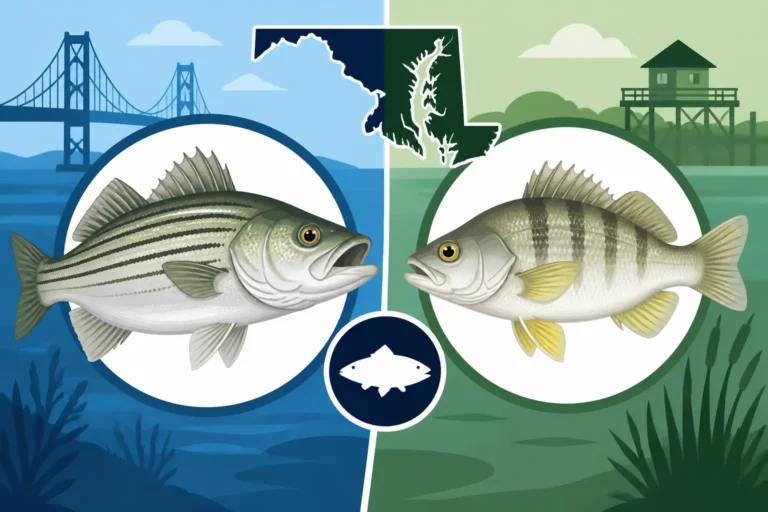
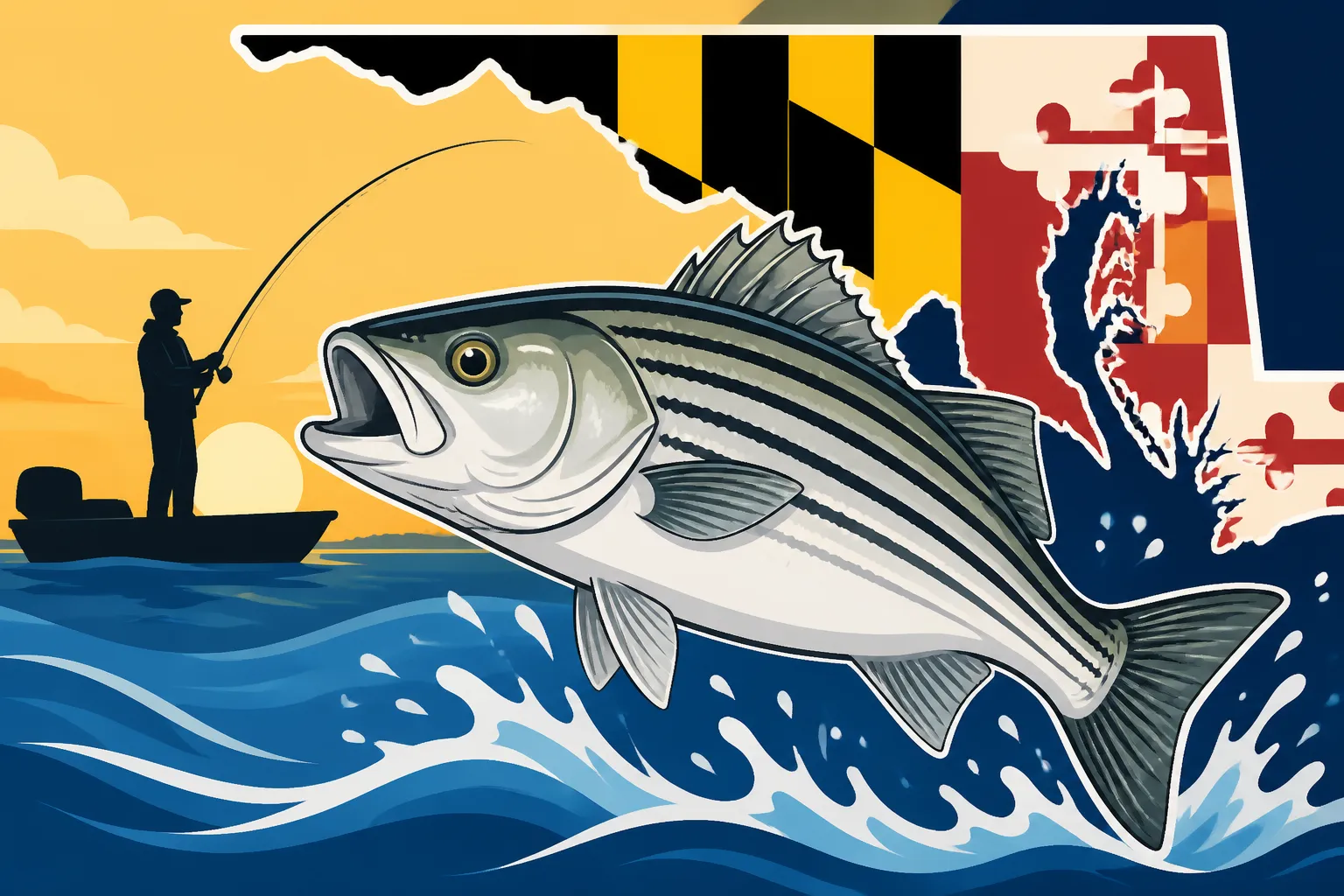
Striped bass are quite distinctive, but it's good to know what to look for, especially when distinguishing them from their cousins. The most prominent feature, of course, are the seven or eight dark, unbroken horizontal stripes running along their silvery-white bodies from gills to tail. Unlike white perch, which have faint or broken stripes, the rockfish's lines are usually very clear and continuous. Their body shape is also more elongated and torpedo-like compared to the flatter, more oval shape of a white perch.
Another key identifier is their mouth. Striped bass have a relatively large mouth, with the lower jaw protruding slightly beyond the upper jaw, giving them an aggressive, predatory look. Their fins are typically dark, and their scales are quite large and prominent. Paying attention to these details can prevent accidental misidentification, especially when handling a fish that might be close to a size limit or that you intend to release. Take a moment to truly observe your catch before deciding on its fate. If you're ever unsure, it's always best to err on the side of caution and release the fish unharmed. Knowing How to Identify a Striped Bass vs a White Perch in Maryland can be very helpful.
From Egg to Trophy: The Striped Bass Life Cycle
The life cycle of a striped bass is nothing short of an epic journey, intricately tied to the health of the Chesapeake Bay and its freshwater tributaries. It all begins in the spring, typically from April to early June, when mature striped bass migrate from the Bay and even the ocean far up into the freshwater portions of rivers like the Choptank, Nanticoke, and the mighty Susquehanna to spawn. These are critical spawning grounds, where females release millions of eggs that are fertilized by numerous males. Where Striped Bass Spawn in Maryland is truly fascinating.
After spawning, the adult fish slowly move back downriver and eventually disperse throughout the Bay and coastal waters for the summer and fall, feeding heavily. The fertilized eggs drift with the current as they develop, eventually hatching into tiny larvae. These larvae and juvenile striped bass spend their early lives in the relatively protected, nutrient-rich nursery areas of the upper Bay and its tidal rivers, feeding on zooplankton and small invertebrates. As they grow, they move into larger prey and gradually join the migratory patterns of the adults, sometimes venturing out into the ocean as they mature, only to return to their natal rivers to spawn themselves, completing the cycle.
Understanding Striped Bass Behavior
Striped bass are highly migratory and opportunistic predators, and their behavior changes significantly with the seasons, water temperatures, and available food sources. In the spring, their primary drive is reproduction, leading to massive spawning runs upriver. As water temperatures rise in summer, they often seek cooler, deeper waters, congregating around structure like channel edges, oyster reefs, and bridge pilings, or moving towards the ocean where the water is colder and saltier. This is when you might find them in schools, feeding voraciously.
In the fall, as temperatures begin to drop, striped bass become incredibly active, participating in what anglers call the "fall run." This is a period of intense feeding as they bulk up for the winter months, often chasing massive schools of baitfish like bunker (Atlantic menhaden) closer to the surface. During the coldest parts of winter, many large stripers migrate out of the Bay and into the ocean, while smaller resident fish may overwinter in deeper channels or thermal refuges within the Bay. Understanding these seasonal shifts in behavior is paramount to successful angling, as it dictates where and how you should fish. How Cold Water Affects Striped Bass Behavior in the Bay can drastically change your approach.
Essential Regulations for Maryland Striped Bass Fishing
Ah, the regulations! If there's one thing that can make even the most seasoned Maryland angler groan, it's keeping up with the ever-changing rules for striped bass. It often feels like the rulebook is rewritten annually, and sometimes even mid-season. These regulations are critical for managing the health of the striped bass population, but for anglers, it can be a source of real frustration and confusion. Missing a detail can lead to fines, so understanding the nuances is non-negotiable.
Navigating the Maryland Striped Bass Season
Maryland's striped bass season is typically segmented into several distinct periods, each with its own set of rules regarding size limits, creel limits (how many fish you can keep), and sometimes even specific geographic closures. The spring trophy season, for example, often targets larger fish in specific parts of the Bay, while the summer and fall seasons might have different size restrictions and bag limits. There are also usually periods of complete closure, such as in August in the mainstem Bay, designed to protect the fish during periods of high stress due to warm water or spawning activity.
It’s absolutely vital to check the latest Maryland Department of Natural Resources (DNR) fishing guide or website before every trip, as these rules can and do change. What was legal last year, or even last month, might be different today. For instance, Maryland's 2026 Striped Bass Season Dates will likely be updated annually, and staying current is key. These changes are implemented with the best intentions for stock recovery, but they demand constant vigilance from anglers. Always confirm the rules for the specific area and date you plan to fish.
The Elusive Striped Bass Slot Limit
One of the most talked-about and often confusing aspects of Maryland striped bass regulations is the "slot limit." Instead of a simple minimum size, a slot limit means you can only keep fish that fall within a specific size range, for example, between 19 and 24 inches. Fish smaller than the minimum must be released, and, crucially, fish larger than the maximum of the slot must also be released. This approach aims to protect both the younger, growing fish and the older, larger, more reproductively valuable "trophy" breeders.
The challenge with slot limits, aside from remembering the exact numbers, is the precision required. You need an accurate measuring device on hand and must be prepared to release a truly magnificent fish if it's over the upper slot limit. This can be heartbreaking for an angler who has battled a large striper to the boat, but it's a critical part of the conservation effort. Understanding Maryland Rockfish Slot Limit Explained is crucial, and it means every angler needs to measure their catch carefully and be ready to make a difficult decision for the sake of the fishery.
Catch and Release Protocols and Tools
Given the frequent closures, slot limits, and conservation efforts, catch and release fishing is an increasingly common and often necessary practice for Maryland striped bass anglers. But it’s not just about tossing the fish back; proper catch and release techniques are essential for the fish's survival. Using appropriate gear, minimizing handling time, and practicing responsible release methods can significantly increase a fish’s chances of thriving after being caught.
Always use barbless hooks or de-barb your hooks to make removal easier and reduce tissue damage. Avoid playing a fish to exhaustion, especially in warm water, which can be incredibly stressful for the fish. When handling, use wet hands or a wet towel to protect their slime coat, and support their body horizontally to prevent internal organ damage. Fish grippers can be useful, but avoid hanging fish vertically by their jaw. Have your camera ready for a quick photo, and then get that fish back in the water as quickly and gently as possible. A good pair of pliers or a dehooking tool, readily available on platforms like Amazon, is a must-have for every tackle box. Knowing Maryland Catch and Release Rules During Closed Seasons is also vital, as is the understanding that even during open seasons, releasing oversized or undersized fish requires the utmost care.
Prime Habitats: Where to Find Striped Bass in Maryland
Knowing where to find striped bass in Maryland is half the battle, and luckily, these fish are abundant across a wide variety of habitats. From the vast open waters of the Chesapeake Bay to the quiet, winding tributaries and the dynamic Atlantic coast, striped bass utilize different environments throughout their life cycle and across seasons. Understanding these prime habitats can dramatically improve your chances of a successful and rewarding fishing trip.
Chesapeake Bay: The Heart of Rockfish Country
The Chesapeake Bay truly is the epicenter of striped bass fishing in Maryland. Its expansive waters, diverse bottom structure, and rich food sources provide an ideal environment for rockfish at various stages of their lives. During the spring, large migratory fish push deep into the Bay and its rivers for spawning. Throughout the summer and fall, schools of striped bass can be found feeding along channel edges, around oyster reefs, near bridge pilings, and over submerged humps and ledges. Key areas include the mainstem Bay near Annapolis, the Patapsco River near Baltimore, and the Middle Grounds.
Anglers often target specific structures or depth changes where baitfish congregate, knowing that striped bass won't be far behind. The Bay offers opportunities for trolling, jigging, live-lining, and even fly fishing, depending on the season and location. Weather patterns and tides play a huge role here; a strong tidal current can concentrate bait and actively feeding stripers in predictable areas. Even without a boat, many public piers and shore access points provide excellent opportunities to target rockfish in the Bay. Familiarizing yourself with Fishing Maryland's Chesapeake Bay, A Complete Guide is highly recommended for anyone looking to maximize their experience.
Rivers and Tributaries: Spawning Grounds and Feeding Zones
The numerous rivers and tributaries feeding into the Chesapeake Bay are not just spawning grounds for striped bass; they also serve as vital feeding zones and nurseries for juvenile fish. Rivers like the Choptank, Nanticoke, Patuxent, and Susquehanna become bustling highways for striped bass during their spring migration. These areas, particularly the fresher sections, are where the future of the fishery is born.
Throughout the warmer months, many resident striped bass, especially smaller "schoolies," will remain in these tidal rivers, feasting on baitfish, crabs, and other invertebrates. Look for them around points, creek mouths, submerged logs, and docks. Fishing these rivers often requires a different approach than the open Bay, sometimes favoring lighter tackle and more finesse techniques. Understanding the specific characteristics of each river can unlock incredible fishing opportunities, from the upper reaches of the Susquehanna Flats to the marshy shores of the Eastern Shore rivers. Fishing the Patuxent River or Fishing the Choptank River are great places to start exploring.
Ocean City and Coastal Waters: Different Tactics, Different Fish
While the Chesapeake Bay gets most of the attention, Maryland's Atlantic coast, particularly around Ocean City, also offers fantastic striped bass fishing, often for larger, ocean-migratory fish. Here, the dynamics are quite different. Striped bass are typically found closer to shore, in the surf, around jetties, and in the inlets and back bays. The seasons for coastal striped bass fishing can also differ slightly from the Bay, influenced by ocean migration patterns.
Surf fishermen often target striped bass from the beaches of Assateague Island, casting into the waves for cruising fish. In Ocean City, the Inlet and surrounding jetties are renowned hotspots, especially during the spring and fall runs when large stripers move along the coast. The back bays can also hold fish, particularly smaller ones. These coastal environments often call for heavier tackle to contend with strong currents and larger waves, and different baits or lures than those typically used in the Bay. Ocean City Maryland Fishing Guide offers a wealth of information for those looking to explore this exciting facet of Maryland's striped bass fishery.
Mastering Maryland Striped Bass Fishing Techniques
Becoming a truly successful striped bass angler in Maryland requires more than just luck; it demands a deep understanding of techniques that change with the seasons, tides, and fish behavior. There's no single "best" way to catch a rockfish, as what works in April might be completely ineffective in August. Developing a diverse arsenal of tactics is key to consistently finding and hooking these magnificent fish throughout the year.
Spring Trophy Season Tactics
The spring trophy season is arguably the most anticipated time of year for many Maryland striped bass enthusiasts. This is when the largest migratory females make their way up the Bay to spawn, offering anglers a chance at a true "fish of a lifetime." The dominant technique during this period is often trolling with large umbrella rigs, Mojos, or tandem rigs, usually fished from planer boards or downriggers to cover expansive areas of water. The goal is to imitate schools of baitfish, often Atlantic menhaden, which the stripers are heavily feeding on before spawning.
Anglers typically target deeper channels and major congregation areas in the middle and lower Bay, following the migration routes. Precision in depth control and lure presentation is crucial. Many charter boats specialize in this technique, often running multiple rods to increase chances. While it’s a thrill to hook into a massive striper, remember that proper handling and quick release are paramount, especially for these large, mature spawners, as they are the future of the fishery. Charter Fishing During Maryland's Trophy Rockfish Season can be a great way to experience this.
Summer Bay Fishing Strategies
As the Bay waters warm up in summer, striped bass behavior shifts, and so must angler tactics. Many larger fish will seek cooler, deeper waters, often congregating around prominent structures like the Chesapeake Bay Bridge, the Patuxent River mouth, or deep channel edges. This is prime time for live-lining spot or other small baitfish, a highly effective technique where a live baitfish is fished on a circle hook near structure or schools of stripers. Chumming and chunking, where cut bait is deployed to create a scent trail, can also be very productive, especially in conjunction with live-lining.
Jigging with soft plastics or metal jigs is another popular and effective method during the summer. Anglers target schools of fish marked on their sonar, dropping jigs down and working them vertically through the water column. Early mornings and late evenings often provide the best bite during the heat of summer, as stripers tend to be more active in lower light conditions. Fishing around current breaks and eddies is also a smart move, as these areas often hold baitfish seeking refuge. Jigging Techniques for Maryland's Chesapeake Bay Striped Bass are diverse and effective.
Fall Run Blitzes and Winter Opportunities
The fall run is a frenetic and exciting time on the Chesapeake Bay, as striped bass aggressively feed in preparation for winter. This is when you'll often encounter surface blitzes – massive schools of stripers driving baitfish to the surface, creating a feeding frenzy that can be seen from a distance. Casting topwater lures, soft plastics, or metal jigs into these blitzes can result in non-stop action. Trolling with spoons or bucktails also remains highly effective, as fish are widely dispersed and actively hunting.
Even into the colder winter months, opportunities exist, particularly for dedicated anglers. A significant portion of the striped bass population, especially smaller to mid-sized fish, will remain in the Bay, often concentrating in deeper channels and thermal refuges in the upper Bay or certain tidal rivers. Jigging or vertical presentations with soft plastics or blade baits can be effective during this period, though the bite will often be slower and more subtle. Winter Fishing for White Perch in Maryland also often leads to encounters with striped bass in the same cold-water haunts.
The Best Baits and Lures for Maryland Striped Bass
Choosing the right bait or lure for Maryland striped bass can feel like navigating a maze, but understanding the options and when to use them is a crucial step in becoming a successful angler. Striped bass are opportunistic feeders, meaning they'll hit a wide variety of offerings, but certain presentations are undeniably more effective in specific situations, seasons, and habitats. Having a well-stocked tackle box, perhaps with items ordered from Amazon for convenience, gives you the versatility you need.
Live Bait and Cut Bait for Bottom-Dwellers
Live bait is often considered one of the most effective ways to catch larger, more finicky striped bass, especially during the warmer months when fish might be holding deeper or around structure. Live spot, small menhaden (bunker), or eels are prime choices. These are typically fished on a fish-finder rig with a circle hook, allowing the bait to swim naturally. The key is to present a lively bait where the striped bass are likely to be feeding, such as along channel edges, oyster reefs, or bridge pilings. The natural movement and scent of live bait are often irresistible.
Cut bait, such as chunks of fresh menhaden, herring, or even blue crab, can also be incredibly productive, particularly when fishing on the bottom or when chumming. A fish-finder rig with a fresh chunk of oily bait can attract striped bass from a distance. This method is often preferred for targeting fish that are less active or that are foraging on the bottom. When using cut bait, ensure it's fresh and has a strong scent to maximize its drawing power.
Artificial Lures: Jigging, Trolling, and Casting
Artificial lures offer a versatile and active way to target striped bass. They come in countless forms, each designed for specific techniques and conditions.
- Jigging: Soft plastic jigs, often called "plastics" or "shads," are incredibly popular and effective. Brands like Bass Kandy Delights, BKDs, or large soft jerkbaits rigged on a lead head are fantastic for vertical jigging over schools of fish or bouncing along the bottom. Metal jigs, like Stingers or spoons, also work wonders, especially when stripers are chasing bait. The key is to vary your retrieve and jigging motion until you find what triggers a bite. Best Lure Colors for Jigging Chesapeake Bay Rockfish can make a difference.
- Trolling: For covering large areas, especially during the spring trophy season or fall run, trolling is king. Umbrella rigs, tandem rigs (typically a bucktail and a shad), and large Mojos are common choices. These are fished behind the boat at specific depths and speeds to imitate schools of baitfish. Spoons, like Drone Spoons or Tony Accetta spoons, are also highly effective, especially when pulled behind a planer or inline weight.
- Casting: When stripers are busting bait on the surface or working shallower areas, casting is thrilling. Topwater plugs (poppers, walk-the-dog lures) create commotion that draws aggressive strikes. Diving plugs, crankbaits, or large swimbaits are excellent for imitating baitfish just below the surface. Bucktails, often tipped with a piece of soft plastic or pork rind, are classic lures that can be jigged, cast, or trolled and remain incredibly effective in almost any situation.
Essential Tackle and Gear Considerations
Having the right tackle is just as important as choosing the right bait or lure. Your rod and reel setup should match the technique and the size of fish you expect to encounter. For heavy trolling, you'll need robust conventional gear, while for light jigging or casting, a medium-heavy spinning setup is usually appropriate. A reliable fishing line, typically braided line with a fluorocarbon leader, is essential for strength, sensitivity, and abrasion resistance.
Don't forget the small but crucial accessories. Pliers for hook removal, a good measuring tape, a net with a rubberized mesh (kinder to the fish's slime coat), and a sharp knife are all indispensable. A pair of polarized sunglasses will help you spot fish and structure, and a comfortable fishing vest or bag, like those you can find on Amazon, will keep your essential tools organized. Always make sure your hooks are sharp, your knots are strong, and your drag is properly set. This attention to detail can make all the difference between a missed opportunity and a successful catch.
| Season | Primary Techniques | Common Baits/Lures | Target Areas | Typical Gear |
|---|---|---|---|---|
| Spring | Trolling (Trophy Season) | Umbrella rigs, Mojos, large bucktails | Main Bay Channels, Spawning Rivers (lower sections) | Heavy Conventional, Planer Boards, Downriggers |
| Summer | Live-lining, Jigging, Chumming | Live spot/eels, soft plastics, metal jigs, cut bait | Bridge pilings, Channel edges, Oyster reefs, Deep holes | Medium-Heavy Spinning/Conventional |
| Fall | Jigging, Trolling, Casting | Soft plastics, metal jigs, topwater plugs, spoons, bucktails | Surface blitzes, Channel edges, Inlets, Bay mouth | Medium-Heavy Spinning/Conventional |
| Winter | Vertical Jigging | Soft plastics, blade baits | Deep channels, Thermal refuges, River mouths | Medium Spinning/Baitcasting |
Conservation and the Future of Maryland's Striped Bass
The health and sustainability of Maryland's striped bass population are paramount, not just for the fish themselves, but for the ecological balance of the Chesapeake Bay and the future of our cherished fishing traditions. While regulations can sometimes feel burdensome, they are a direct response to the scientific assessment of the stock and are designed to ensure that future generations can enjoy the same opportunities we do. Conservation isn't just a buzzword; it's an active responsibility shared by every angler.
Why Conservation Matters More Than Ever
Striped bass populations have faced significant challenges over the decades, experiencing boom-and-bust cycles influenced by environmental factors, habitat degradation, and fishing pressure. The sheer popularity of striped bass means that they are subjected to immense pressure from recreational and commercial fisheries alike. Without concerted conservation efforts, including strict management plans and angler cooperation, the stock could face severe declines, impacting the entire ecosystem and the economy built around it.
It's not just about having fish to catch; it's about maintaining a healthy, resilient population that can withstand environmental stresses and continue its vital role in the Bay. Declining fish stocks can have cascading effects, impacting baitfish populations, bird species, and even the clarity of the water. Therefore, every regulation, every slot limit, and every decision to release a fish responsibly contributes to a much larger effort to preserve this invaluable resource. Are Chesapeake Bay Striped Bass Populations Declining? is a question that weighs heavily on every angler's mind.
Anglers' Role in Sustaining the Fishery
As anglers, we are not just participants in the fishery; we are its most passionate stakeholders and its most important stewards. Our actions on the water have a direct impact on the future of striped bass. Beyond simply following the regulations, which is a baseline expectation, there are many ways we can actively contribute to conservation. Practicing proper catch and release techniques, as discussed earlier, is a huge one. Minimizing stress on released fish ensures they survive to spawn again.
Another important role is educating ourselves and others. Sharing knowledge about current regulations, best practices for fish handling, and the importance of conservation helps foster a community of responsible anglers. Supporting organizations that conduct scientific research and advocate for healthy fisheries also makes a difference. Remember, every fish released carefully, every adherence to a slot limit, and every piece of information shared, contributes to the larger goal of sustaining our beloved striped bass for the long haul.
The Ongoing Debate and Management Efforts
The management of striped bass is a complex and often contentious issue, involving state, federal, and interstate agencies, as well as a multitude of stakeholders from commercial watermen to recreational anglers. The Atlantic States Marine Fisheries Commission (ASMFC) plays a crucial role in developing coast-wide management plans, which Maryland then implements through its own DNR regulations. These decisions are based on scientific stock assessments, environmental data, and economic considerations, and they are constantly being reviewed and adjusted.
This ongoing debate often centers on balancing the needs of different user groups with the biological imperative to maintain a healthy stock. Anglers often voice frustrations over changing regulations, but it's important to remember that these changes are usually driven by the latest scientific data indicating the health of the population. Engaging respectfully in these discussions, staying informed, and advocating for sustainable practices are all part of our responsibility as stewards of Maryland's state fish. The future of striped bass fishing in Maryland depends on a collaborative, informed approach by everyone involved. How Maryland's Striped Bass Rules Changed From Last Year illustrates this dynamic process.
Disclaimer
This article is for general informational purposes only and does not constitute professional advice. Laws, prices and regulations vary by location and change over time. Consult a qualified professional for guidance on your specific situation.