Best Lure Colors for Jigging Chesapeake Bay Rockfish
It can be incredibly frustrating to stand on the deck of a boat or a pier, looking out at the vastness of the Chesapeake Bay, and wonder what the heck you should tie on. You’ve got your jigging setup ready, but with so many lure colors out there, how do you choose the one that will actually tempt a Maryland rockfish (striped bass) to bite? This guide is here to break down the mystery of lure colors for jigging in the Chesapeake Bay, helping you pick the right hue for success and put more fish in the cooler.
Understanding Rockfish Vision and Preferences
Before we dive into specific colors, it’s helpful to understand a bit about how rockfish perceive their underwater world. They aren't humans, and their vision works differently in varying light and water conditions. What looks vibrant to us above the surface might appear muted or even disappear underwater, especially at depth or in cloudy water.
The Science of Color in Water
Water acts as a filter, absorbing different wavelengths of light at different depths. Red is the first color to disappear, usually within the first 10-15 feet of water, quickly followed by orange and yellow. Greens and blues penetrate much deeper. This is why you often hear experienced anglers talk about how bright colors become gray or black the deeper they go. However, it's not just about how deep you're fishing; water clarity also plays a huge role. In turbid or stained water, light doesn't penetrate as effectively, and even greens and blues can be diminished quickly. Understanding this helps us choose colors that stand out, or blend in, depending on our strategy.
How Light Conditions Affect Lure Visibility
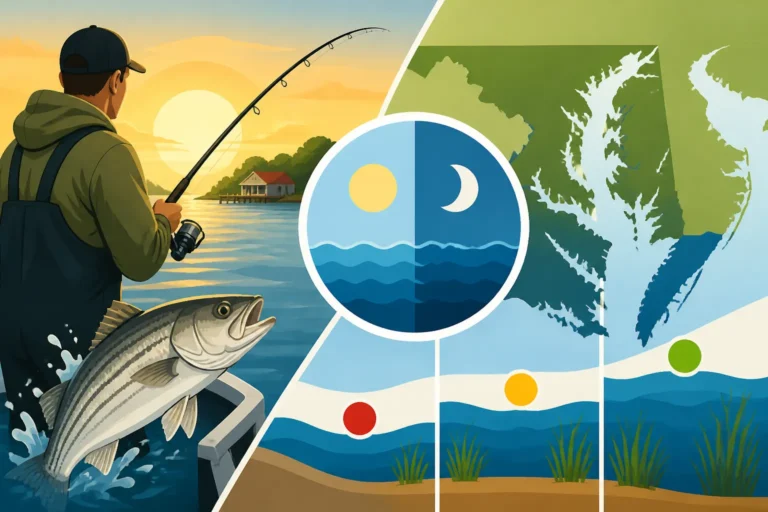
Think about a bright, sunny day versus an overcast, dreary one. On a bright day, there's a lot of light penetrating the water, and colors will retain their vibrancy more. This is often when natural baitfish patterns or subtle, translucent colors can be highly effective. The fish can see the subtle details and realism. On the flip side, during low-light conditions – like dawn, dusk, or heavily overcast days – or in very murky water, you need a lure that creates a strong contrast or silhouette. This is where those super bright, "unnatural" colors really shine, making your lure noticeable when everything else looks dull. It's about grabbing their attention when they're relying more on their lateral line to detect vibrations and less on their eyesight.
Top Lure Colors for Chesapeake Bay Rockfish
When jigging for rockfish in the Chesapeake Bay, certain lure colors consistently produce results. These aren't just random choices; they're based on decades of angler experience and a fundamental understanding of what triggers a bite.
Natural Hues for Clear Water
When the Chesapeake Bay waters are clear, and baitfish are abundant and visible, mimicking nature is often the best approach. Colors like olive, grey, silver, and various shades of green or blue can be deadly. These colors imitate the natural forage that rockfish are used to hunting, such as bay anchovies, silversides, or juvenile menhaden. For example, a soft plastic jig in a "pearl with a black back" or "chartreuse with a blue back" can perfectly mimic a local baitfish. Think about the prevalent bait in the area you’re fishing. If you're seeing a lot of peanut bunker, a lure with some brown or bronze tones might be effective. For those looking to stock up, many popular jig brands found on Amazon offer these natural variations, often labeled as "shrimp," "mullet," or "pilchard."
Bright and Bold for Murky Conditions
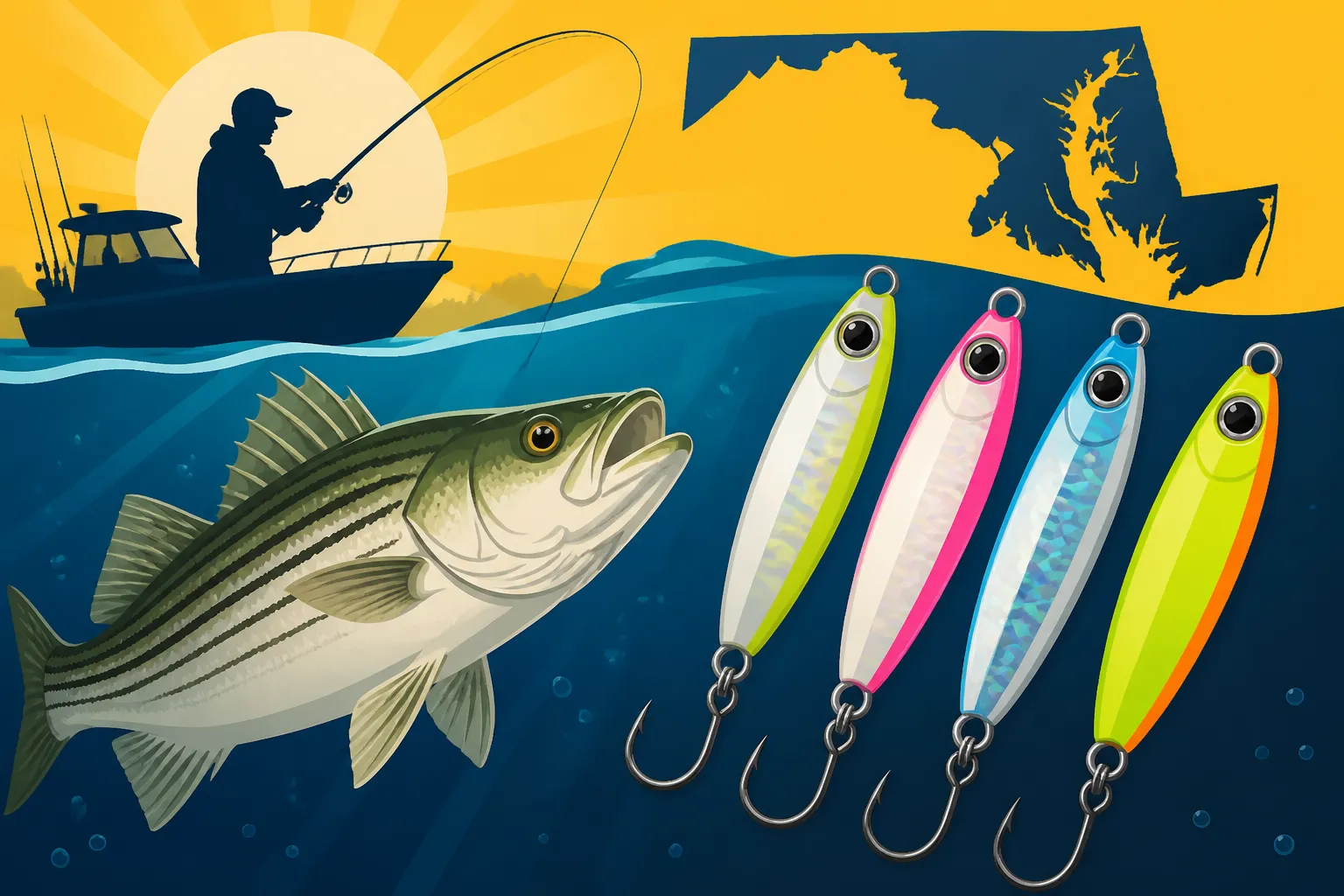
Conversely, when the Bay turns muddy after a heavy rain, or if you're fishing in a notoriously turbid area like some of the upper tributaries, subtlety goes out the window. This is when you need to switch to bright, attention-grabbing colors. Chartreuse, bright pink, electric chicken (a mix of chartreuse and pink), and even vibrant orange become much more effective. These colors create a strong visual contrast against the murky water, making it easier for rockfish to spot your lure. They don't necessarily look like natural bait, but they scream "food!" in a low-visibility environment. In these conditions, the fish are relying more on their lateral lines to detect vibrations, but a splash of bold color can be the final trigger.
The Allure of White and Chartreuse
If you could only pick two colors for jigging rockfish in the Chesapeake Bay, white and chartreuse would be at the top of most seasoned anglers' lists.
- White: White is a universal producer. It's highly visible in most water conditions, from clear to slightly stained, and it often mimics the belly flash of a struggling baitfish. It creates a stark silhouette in deeper or darker water, making it easy for rockfish to key in on. Many anglers will start with white and adjust if it's not working. You can find countless variations of white soft plastics and bucktails on Amazon, from pure white to pearl with glitter.
- Chartreuse: Chartreuse is another superstar, especially in the Bay's often stained or off-color waters. Its bright, almost neon-greenish-yellow hue penetrates well in low light and murky conditions, making it highly visible. It’s also a color that fish seem to instinctively react to, even when they’re not actively feeding. It's a go-to for many when the bite is tough or when fishing deeper spots or during cloudy days. If you're looking for a good starting point for your jigging tackle box, make sure you have plenty of white and chartreuse options. For more specific guidance on what to target, check out our guide on what white perch eat in the Chesapeake Bay, as some of these baitfish also attract rockfish.
Seasonal and Situational Color Choices
The Chesapeake Bay is a dynamic environment, and what works one day might not work the next. Successful anglers adapt their lure choices, including color, based on the season, weather, and current conditions.
Spring and Fall Runs: Matching the Hatch
During the spring and fall runs, rockfish are often keyed in on specific baitfish migrations. In the spring, especially during the trophy season when fish are moving up to spawn in rivers like the Choptank or Susquehanna, they might be focused on river herring or shad. Lures that mimic these baitfish in terms of size and color (often shades of silver, blue, and green, sometimes with hints of red or orange) can be very effective. As fall approaches, the "peanut bunker" (juvenile menhaden) often become the primary forage. Lures with a broader profile and natural olive, grey, or silver colors that imitate these small, oily baitfish will often get crushed. For those interested in understanding the nuances of the season, our article on Maryland's 2026 Striped Bass Season Dates provides a deeper dive into regulations, which often influence seasonal fishing strategies.
Summer Patterns: Deeper and Darker
As summer heats up, rockfish often retreat to deeper, cooler waters, particularly around structure like the Bay Bridge Pilings for Striped Bass or channel edges. In these deeper environments, light penetration is reduced, meaning those vibrant surface colors lose their punch. This is where darker, more subdued colors can become surprisingly effective. Think dark purples, blues, blacks, or even dark greens. These colors create a strong silhouette against the ambient light filtering down from above, making your lure look like a natural prey item to a rockfish lurking in the shadows. Sometimes a lure that appears black to us might actually be a very dark blue or purple, which can still offer that subtle flash in deep water.
Adapting to Baitfish and Water Clarity
Beyond the general seasonal patterns, always pay attention to what the fish are currently feeding on and the clarity of the water you're fishing. If you see schools of baitfish jumping, try to match the size and color of those baitfish. If the water is gin clear, lean towards more translucent and natural patterns. If it's chocolate milk, reach for your brightest chartreuse or pink. Even subtle changes in water clarity can make a big difference. For instance, a light rain can stir up sediment, reducing visibility and calling for a brighter color, whereas consistent clear weather might allow you to go back to natural patterns. Staying informed about conditions is key, and resources like Maryland's DNR Fishing and Boating Guide can offer general insights into local conditions.
Practical Tips for Jigging Success
Choosing the right lure color is just one piece of the puzzle. How you approach the situation and the overall presentation of your jig are equally important.
Experimentation is Key
No single color will work every single time. Fish can be finicky, and what they prefer can change hourly, even by the minute. The best advice is to start with a couple of your most trusted colors (like white and chartreuse) and then experiment. If you're not getting bites, switch colors. Try a natural color, then a bright one. If you're fishing with friends, have everyone try different colors until someone hits on a pattern. Keep a mental note, or even a physical log, of what colors worked in what conditions. Over time, you'll develop your own personal go-to list based on your specific fishing spots and conditions. It's all part of the fun of fishing!
Size, Profile, and Action Over Color
While color is important, it’s often secondary to the size, profile, and action of your lure. A jig that's the wrong size for the baitfish rockfish are currently feeding on, or one that has an unnatural swimming action, is unlikely to get bit, no matter the color.
- Size: Match the size of your lure to the prevalent bait. If they're feeding on tiny bay anchovies, a huge 6-inch jig might be ignored. If they're crushing large bunker, a small 3-inch lure might not get noticed.
- Profile: Does your jig look like a slender baitfish, or is it more stout like a peanut bunker? The shape matters.
- Action: How does the lure move in the water? Does it dart, flutter, or glide realistically? The action you impart with your rod tip is crucial in making the lure appear alive.
Sometimes, a fish might hit a less-than-ideal color simply because the size, profile, and action were spot-on. Consider these factors first, then fine-tune your color choice. Remember, fishing for striped bass requires understanding many nuances, and our guide on Maryland Striped Bass Fishing Techniques covers a lot of these factors in detail.
Rigging Considerations
The way you rig your jig can also impact how the color is perceived. For soft plastic jigs, ensuring the plastic is rigged straight on the jig head is critical for optimal action. If it’s crooked, it won’t swim naturally. The jig head color itself can also play a subtle role. Some anglers prefer jig heads that match the body of the lure, while others like a contrasting head to simulate the eye or head of a baitfish. Using a fluorocarbon leader is also a smart move, especially in clear water, as it's nearly invisible and won't deter wary rockfish from biting. When browsing for jig heads or leaders, you'll find a wide selection of choices available on platforms like Amazon.
Maryland Rockfish Lure Color Guide
Here’s a quick reference table to help you decide on lure colors based on common Chesapeake Bay fishing conditions:
| Water Clarity | Light Conditions | Depth | Recommended Lure Colors | Notes |
|---|---|---|---|---|
| Clear | Bright Sun | Shallow-Mid | Silver, Pearl, Olive, Light Blue | Mimics natural baitfish, subtle flash. |
| Clear | Overcast/Low Light | Shallow-Mid | White, Bone, Chartreuse (subtle) | Good visibility, slight contrast. |
| Slightly Stained | Bright Sun | All | White, Pearl, Light Chartreuse | Maintains visibility, offers good contrast. |
| Slightly Stained | Overcast/Low Light | All | Chartreuse, Electric Chicken, White | High visibility, stands out in diffused light. |
| Murky/Muddy | Any | All | Bright Chartreuse, Pink, Orange | Maximum contrast and visibility. |
| Deep Water | Any | Deep | Dark Blue, Purple, Black, Dark Green | Creates strong silhouette against light from above. |
| Baitfish Present | Any | Varies | Match Local Baitfish (e.g., bunker, anchovy) | Size and profile are key, then color. |
Disclaimer
Please note that fishing regulations, including size and catch limits, can change. Always consult the latest Maryland Department of Natural Resources (DNR) guidelines before heading out on the water. This guide is for informational purposes only and does not constitute legal advice regarding fishing regulations.