How Maryland’s Striped Bass Rules Changed From Last Year
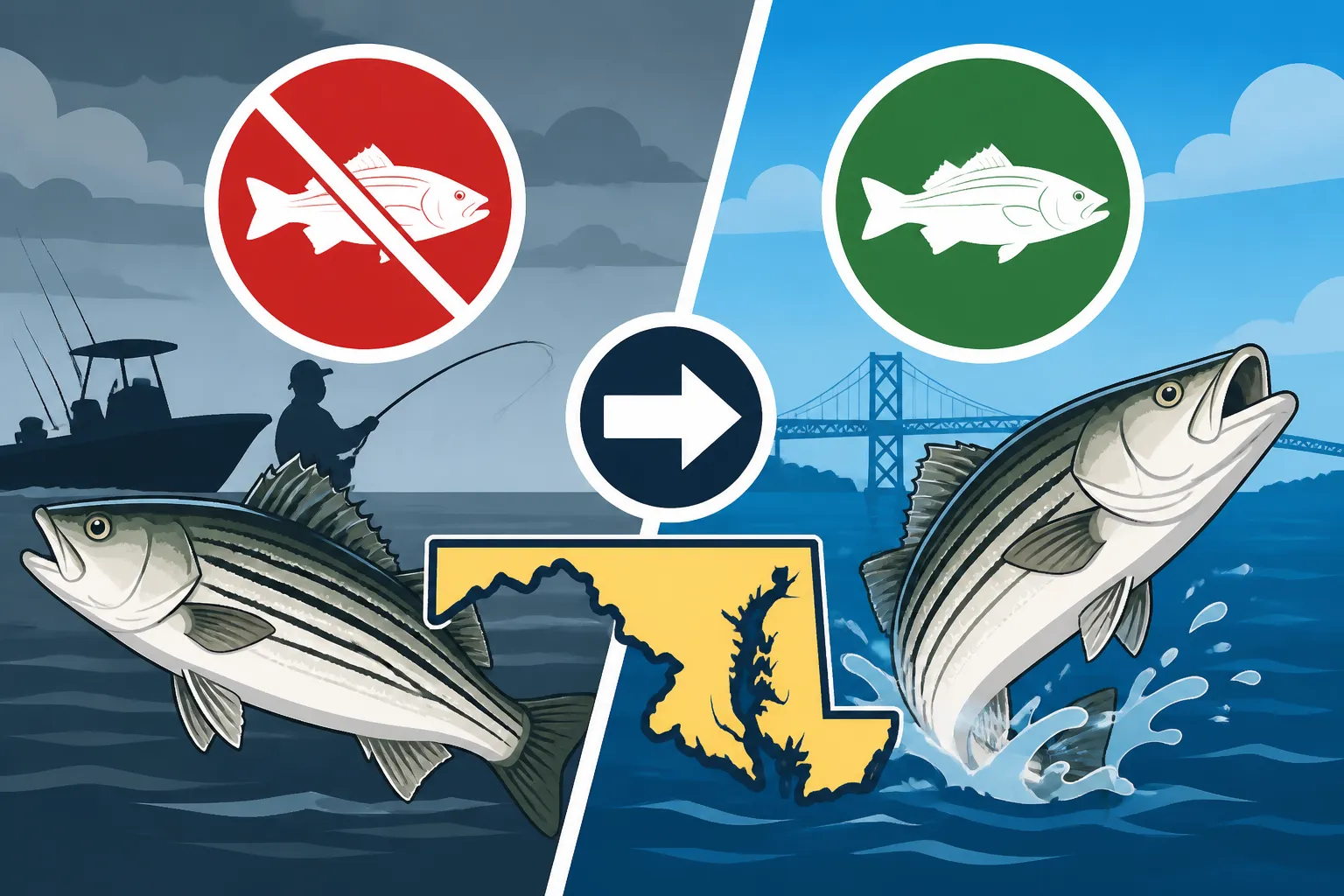
It can feel like you need a law degree just to keep up with Maryland's fishing regulations, especially when it comes to our beloved striped bass, or rockfish as we affectionately call them. One year you're dialed into the rules, and the next, everything shifts, leaving you scratching your head at the dock. This guide is here to walk you through the specifics of how Maryland's striped bass rules have likely changed from last year, why these adjustments are necessary, and what you need to do to stay on the right side of the law while still enjoying your time on the water.
Understanding the Shifting Sands of Striped Bass Regulations
The Chesapeake Bay ecosystem is dynamic, and the health of our striped bass population is a constant balancing act. It’s frustrating, I know, when the rules seem to change more often than the tides, but these adjustments are made with the long-term sustainability of the fishery in mind. It's not just Maryland doing this; it's often a regional effort coordinated with other states along the Atlantic coast.
Why Do the Rules Keep Changing?
The primary driver behind any change in fishing regulations for species like the striped bass is scientific stock assessment. Think of it like a yearly check-up for the fish population. Fisheries scientists gather data on spawning success, survival rates, harvest levels, and environmental factors. When the numbers show a decline in the overall health of the stock, or a particular age group isn't doing well, regulators have to step in. Their goal is to ensure there are enough fish to reproduce and maintain a healthy population for future generations.
Sometimes, the changes are aimed at protecting specific parts of the population, like the larger, older females that are crucial for spawning. Other times, it's about reducing overall fishing pressure. These decisions are often made at the Atlantic States Marine Fisheries Commission (ASMFC) level, which then mandates that individual states like Maryland implement regulations to meet certain targets. This means our local Maryland Department of Natural Resources (DNR) has to adjust our rules accordingly, even if it feels tough for us anglers. It’s all part of a larger plan to keep the fish abundant, which, let's be honest, is what we all want to see. You can learn more about these broader regulatory frameworks in our guide to the Maryland Fishing License Guide for 2026.
The Impact on Anglers
For us anglers, these changes can feel like a real punch in the gut. You might have invested in specific gear or planned your whole year's fishing trips around a certain season or slot limit, only to have it all change. It means we have to be constantly vigilant, checking the latest updates before every outing. It can also impact how you fish – perhaps shifting from targeting larger "trophy" fish to focusing on the new, narrower slot limits, or even changing which areas you fish during certain periods due to new closures.
It affects everything from what lures you buy (you might look for specific sizes on Amazon to match the new slot limits) to when you can even hit the water. The psychological impact is also real; it takes effort and a commitment to responsible angling to stay on top of it all. We understand it's not always easy, especially for casual anglers who just want to enjoy a peaceful day on the water without feeling like they're breaking the law by accident. But ultimately, understanding these impacts helps us adapt and become better, more responsible stewards of our natural resources.
Key Changes to Maryland's Striped Bass Rules (2023 vs. Current Year)
Now, let's get down to brass tacks. While specific changes can vary year to year, typically, when Maryland's striped bass rules shift, they often target the daily bag limit, the size slot limit, and sometimes even the season dates or specific area closures. It's crucial to consult the Maryland DNR website or their official fishing guide, often called the Maryland Fishing Regulations Guide, Where to Find It, for the absolute latest, most accurate information.
Adjustments to the Slot Limit
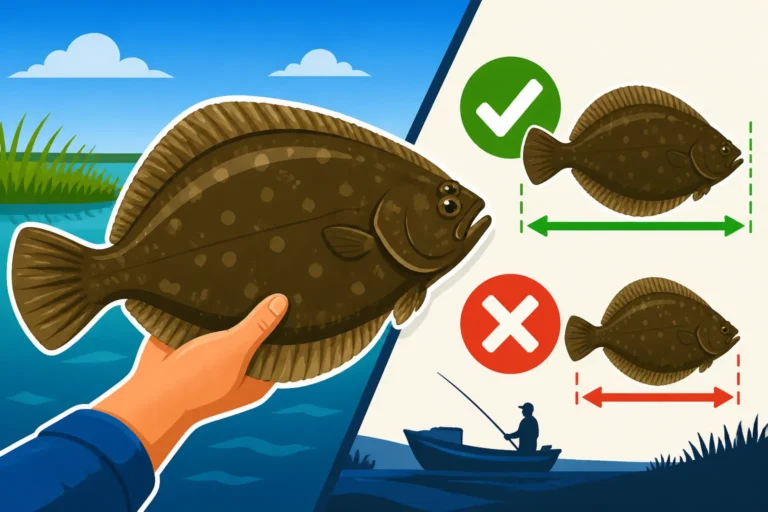
One of the most common areas for change is the slot limit. Last year, for example, we might have had a slot limit that allowed anglers to keep one striped bass between, say, 19 and 31 inches in length during certain seasons. This year, to further protect the spawning stock or specific age classes, that slot could have become much narrower. Imagine the frustration if the slot you were used to, which allowed for a broader range of keepers, suddenly shrinks.
For instance, this year's rules for the recreational fishery in the Chesapeake Bay and its tributaries have likely been tightened to a single fish per person, per day, within a specific slot limit, such as 19 to 24 inches. This is a significant change because it means those larger "trophy" fish, above 24 inches, are now off-limits for retention in the Bay for recreational anglers. This measure is designed to allow more of those larger, reproductively mature females to remain in the population and contribute to future spawns. This is a big departure from previous years where larger fish might have been allowed during certain "trophy" seasons, which you can read more about in Maryland's 2026 Striped Bass Season Dates. Always double-check this specific number, as it is often the most frequently adjusted rule.
Daily Bag Limit Updates
Closely tied to the slot limit are the changes to the daily bag limit. Historically, there have been periods where anglers were allowed two fish per day, sometimes with different slot limits for each fish. However, in response to conservation efforts and stock health concerns, the trend has been towards a more restrictive limit.
For the current fishing year, Maryland’s daily recreational bag limit for striped bass in the Chesapeake Bay and its tributaries is likely one fish per person, per day. This is a direct reduction from previous years where, depending on the season, a two-fish limit might have been permitted. This move is a clear signal from fisheries managers that reducing the overall harvest is paramount to recovery efforts. It impacts how many fish you can bring home and requires anglers to be even more mindful of every fish they keep. Understanding the nuances of Maryland Striped Bass Daily Limit Per Angler is key to compliance.
Season Date Modifications and Spawning River Closures
Another area where changes occur regularly involves the fishing season dates themselves, particularly concerning spawning periods and specific geographical closures. For example, while the general pattern of spring, summer, and fall seasons might remain, the exact start and end dates can shift by a few days or even weeks. These seemingly small adjustments can have a big impact on when anglers can target rockfish.
More significantly, closures in certain spawning rivers or areas are often adjusted or reinforced. The spring spawning season for striped bass is a critical time, and specific rivers or portions of rivers are typically closed to all striped bass fishing, including catch and release, to protect the vulnerable spawning fish. This year, you might find that these closures are more stringent or extended in certain areas compared to previous years. For example, closures for areas like the Susquehanna Flats or specific upper Bay tributaries during the spring spawn are critically important. If you’re planning to fish these sensitive areas, it's absolutely vital to know about Maryland Spawning River Closures for Striped Bass before you cast a line. Fishing during these closures, even if you’re just trying to catch and release, can result in significant penalties.
Preparing for the New Fishing Season
Navigating these changing rules can be a bit of a maze, but with a proactive approach, you can ensure your fishing trips are both enjoyable and compliant. Being prepared means staying informed, adapting your gear, and understanding the potential repercussions of non-compliance.
Staying Informed About Maryland DNR Updates
The single most important thing you can do is to actively seek out the most current regulations directly from the Maryland DNR. Don't rely on what you heard from a buddy at the bait shop or what you read in an old forum post. The official Maryland DNR website is your absolute best friend. They typically publish an annual Fishing & Boating Guide, which is a fantastic resource. Beyond that, subscribe to their email newsletters or follow their social media channels, as they often issue immediate alerts for emergency closures or sudden rule changes.
It’s also helpful to look for local bait and tackle shops; these folks are usually the first to know about changes and can offer practical advice. Consider picking up a copy of the physical fishing guide—it’s a quick reference and often includes diagrams for measuring fish properly. Remember, ignorance of the law is no excuse, and wardens are out there enforcing these rules for the good of the fishery. Understanding your Maryland Chesapeake Bay Sport Fishing License Explained means understanding what rules apply to you.
Adapting Your Gear and Techniques
With tighter slot limits and reduced bag limits, your approach to fishing might need an update. If the slot has narrowed, you might want to focus on lures and baits that are more likely to attract fish within that specific size range. For example, if larger fish are now off-limits, you might scale down your lure size or switch to lighter tackle to make the fight more sporting for smaller fish while increasing your chances of a successful release.
Many anglers are now carrying measuring boards or tapes right on their boats or in their tackle bags to quickly verify fish length. You can find durable, accurate measuring devices on Amazon that can be a real lifesaver when you're trying to quickly measure a fish at the side of the boat before releasing it. It also means refining your catch-and-release techniques to ensure any fish you don't intend to keep (or can't keep due to size) have the best chance of survival. This includes using circle hooks, minimizing handling time, and practicing proper unhooking. These techniques are increasingly important for all species, but especially for rockfish with their complex regulations. If you're looking for more general information, checking out Best Time of Year to Fish in Maryland can help plan trips around species that may have more consistent regulations.
Ensuring Compliance and Avoiding Penalties
Fishing without the proper knowledge of current regulations can lead to a lot more than just a ruined day; it can result in significant fines and even loss of fishing privileges. Maryland takes its conservation efforts seriously, and game wardens are diligent in enforcing the rules. Imagine the stress of receiving a citation for keeping a fish just an inch over the slot limit or fishing in a closed area. These penalties can be hefty, often ranging from hundreds to thousands of dollars, depending on the severity of the violation. You can learn more about these consequences in Maryland Fishing License Penalties for Violations.
To avoid this stress, always check the current rules before you leave the dock, even if you just fished yesterday. Use a good quality ruler or measuring tape to accurately measure your catch. If you're unsure about a fish's length, it’s always best to err on the side of caution and release it. Moreover, know the difference between legal and illegal ways to fish for species like the Striped Bass: Maryland's State Fish, especially during catch-and-release seasons. Your diligence not only protects you from legal trouble but also contributes directly to the recovery and health of the striped bass population, ensuring there will be fish for generations to come.
Here's a quick comparison table to illustrate typical changes in striped bass regulations:
| Regulation Aspect | Previous Year (e.g., 2023 Recreational Bay) | Current Year (e.g., 2024 Recreational Bay) | Key Impact for Anglers |
|---|---|---|---|
| Daily Bag Limit | 1 or 2 fish, depending on season/area | 1 fish | Less fish to take home; more emphasis on catch/release. |
| Size Slot Limit | 19-31 inches (with specific open/closed dates) | 19-24 inches | Cannot keep larger trophy fish; narrower window for keepers. |
| Summer Closure | Specific dates in July/August | Specific dates in July/August, potentially longer | Limits summer fishing opportunities; focus shifts to other species. |
| Spring Spawning Area Closures | Specific rivers/areas | Reinforced/extended closures in critical areas | No fishing, even C&R, in key spawning grounds during spring. |
| Trophy Season | Limited trophy season (e.g., one fish 35"+) | Often eliminated or heavily restricted in the Bay | No specific "trophy" season; focus on conservation. |
Remember, these are illustrative examples of types of changes; always verify the exact numbers and dates for the current year with Maryland DNR. For a detailed breakdown of current size limits by species, refer to Maryland Fishing Size and Catch Limits by Species.
Disclaimer
The information provided in this article is for general guidance only and is not a substitute for the official regulations issued by the Maryland Department of Natural Resources (DNR). Fishing regulations, including those for striped bass, are subject to change at any time. It is the responsibility of each angler to consult the latest official Maryland DNR fishing guide and advisories before engaging in any fishing activity. Non-compliance with fishing regulations can result in significant fines and penalties.