How Big Do Bluegill Get in Maryland Ponds?
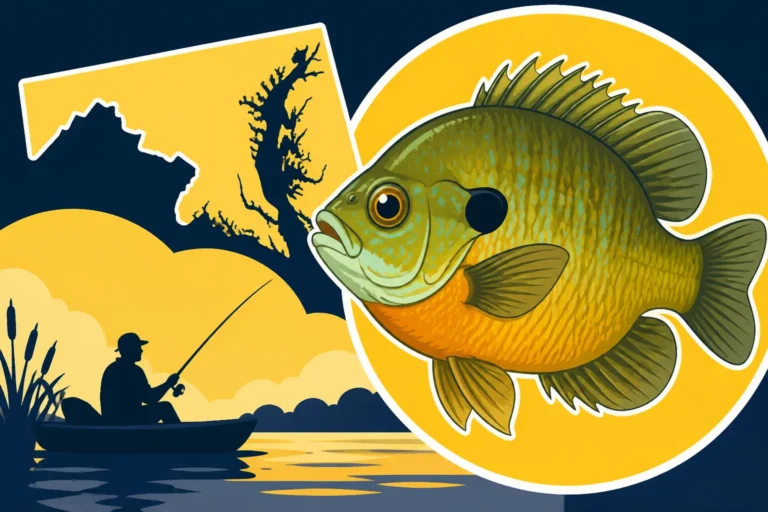
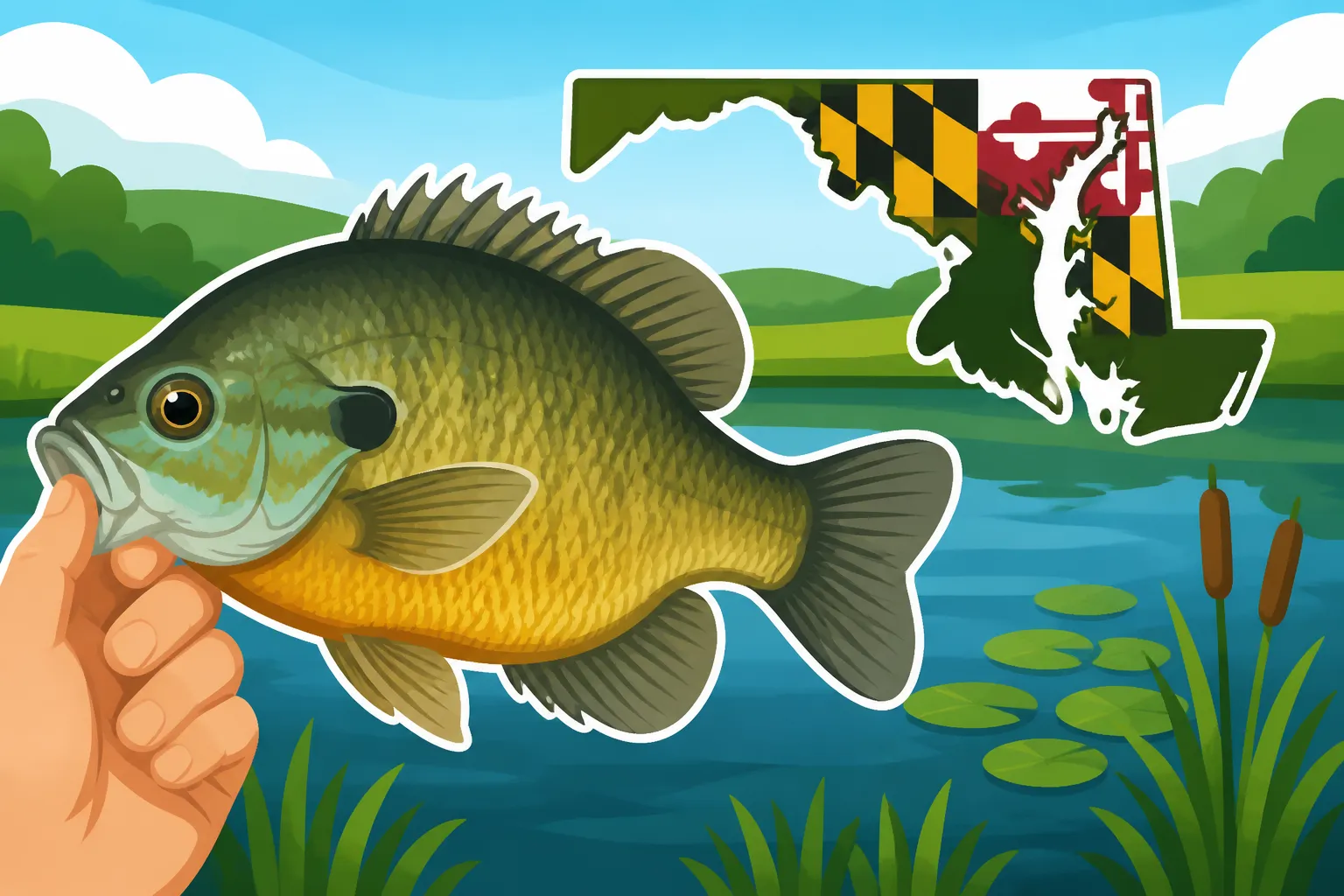
It's a question many of us ponder when we're out on a quiet Maryland pond, watching those feisty little bluegill tugging at our lines: "Just how big can these guys actually get?" It's easy to feel a little disappointed when you're mostly catching hand-sized fish, wondering if there's some secret to finding those dinner-plate-sized 'gills. This guide is all about setting realistic expectations for bluegill size in Maryland ponds, understanding what influences their growth, and sharing some tried-and-true tips to help you land those larger, more brag-worthy specimens.
Understanding Bluegill Growth Factors in Maryland
Bluegill might seem simple, but their growth is a fascinating dance of environmental factors. It's not just about how long they live, but how well they live, that dictates their size. A bluegill's journey from tiny fry to a respectable panfish is heavily influenced by its surroundings, especially in the often-closed ecosystems of local ponds.
Pond Size and Depth
You might think a bigger pond means bigger fish, and often, that's true! Larger ponds, generally those over an acre or two, offer more varied habitats. They'll have deeper sections for thermal refuge during summer and winter, diverse bottom structures, and a wider range of aquatic vegetation. This translates to more hiding spots from predators and a broader base of insect larvae, small crustaceans, and even tiny baitfish to feed on. A smaller, shallower pond, while sometimes having an initial burst of growth, can quickly become overcrowded. When there are too many mouths to feed, resources dwindle, and bluegill tend to become stunted, never reaching their full potential. It's a classic case of too many diners at a small buffet.
Deep Creek Lake, for example, with its vastness and varied depths, presents a different scenario than a quarter-acre farm pond. While Deep Creek might offer excellent habitat for various species, bluegill in smaller, private ponds are entirely dependent on that specific pond's ecosystem. The limited space and resources in a small pond mean that growth rates are often much slower, and maximum size is considerably smaller, compared to what a bluegill might achieve in a larger, more balanced aquatic environment.
Food Availability and Competition
This is arguably the most critical factor. Bluegill are opportunistic feeders, meaning they'll eat just about anything they can get their mouths around. In a pond with an abundant supply of insects, worms, small minnows, and aquatic plant matter, bluegill can grow at an impressive rate. Conversely, if food sources are scarce, their growth will slow dramatically, leading to a population of small, skinny fish. Think of it like a pantry: if it's always stocked, everyone thrives. If it's bare, well, no one's getting bigger.
Competition also plays a huge role. If a pond is overpopulated with bluegill, or if it also has a large population of other panfish like crappie or even young largemouth bass, everyone is fighting for the same limited food. This intense competition ensures that most fish remain small. Sometimes, the frustration of catching nothing but small bluegill is simply a sign that the pond is out of balance. Removing some of the smaller bluegill through responsible harvest can actually benefit the remaining fish, allowing them more food and space to grow. This is why managing pond populations is so important, a topic often discussed in guides about Maryland Panfish: Crappie, Perch and Sunfish.
Water Quality and Habitat
Good water quality is non-negotiable for healthy fish growth. Ponds with proper oxygen levels, stable temperatures, and minimal pollution provide an optimal environment. Ponds that experience significant algae blooms, low oxygen events (often during hot summer nights), or heavy sediment runoff from surrounding land can stress fish, making them less likely to grow large and more susceptible to disease.
The physical habitat within the pond is also key. Bluegill love structure. Submerged logs, rock piles, lily pad fields, weed beds, and even man-made fish attractors provide shelter from predators like Largemouth Bass Fishing in Maryland and Northern Snakehead in Maryland Waters. These structures also act as nurseries for insects and other small organisms that bluegill feed on. A barren pond, with little to no structure, offers fewer places for bluegill to thrive and hide, leaving them exposed and limiting their feeding opportunities. Knowing how to read these structures is crucial for targeting larger fish, whether you're fishing for bluegill or larger species.
Typical Bluegill Sizes in Maryland Ponds
So, with all those factors in mind, what can you realistically expect when you dip your line into a Maryland pond? It's easy to see pictures of gigantic bluegill online and feel like you're missing out, but local conditions often dictate what's truly possible.
What to Expect from a Healthy Pond
In most well-managed, healthy Maryland ponds, bluegill commonly reach lengths of 6 to 8 inches. These are excellent "pan-sized" fish, perfect for a meal, and they offer a respectable fight on light tackle. You'll often find these fish weigh in the range of a quarter to half a pound.
A pond that is truly thriving, with a good balance of predators and prey, plenty of food, and excellent water quality, might consistently produce bluegill in the 8 to 9-inch range. These are the fish that really start to feel solid in your hand and provide some exciting action. They're fat, healthy, and a testament to a well-maintained ecosystem. For anglers who love the simple pleasure of pond fishing, regularly catching these sizes is a true delight. Sometimes, you might even stumble upon ponds where the bluegill average closer to 9 or even 10 inches, especially if they have a strong forage base and less competition.
The Elusive "Slab" Bluegill
Now, for the big ones – the "slabs," the "dinner plates," the bluegill that make your eyes widen. A bluegill pushing 10 inches or more, often weighing close to a pound or even over, is considered a trophy in Maryland ponds. These aren't an everyday catch, and finding them usually means you've hit a pond with truly exceptional conditions or a unique genetic strain. These fish are typically older, having survived multiple seasons, and have had access to abundant, high-quality food sources.
Catching a bluegill over 10 inches is a significant achievement for any angler and is something to truly be proud of. While it's certainly possible in Maryland, don't go into every pond expecting to haul out a cooler full of them. It's more of a rare, exciting bonus than a common occurrence. Your best bet for these giants might be lesser-fished private ponds or specific areas within larger public lakes that offer ideal, unpressured conditions. When discussing bluegill, it's natural to also wonder about their cousins, which is why What's the Difference Between Bluegill and Pumpkinseed? might be a helpful read.
How to Target Bigger Bluegill in Maryland Ponds
If you're tired of the little ones and want to up your game for those bigger bluegill, there are definitely strategies you can employ. It’s not just luck; it’s about understanding their behavior and presenting the right offerings.
Best Baits and Lures
For bigger bluegill, you often need to "think bigger" in terms of your presentation, but not necessarily in bait size. While small worms are always a bluegill favorite, here are some options that tend to entice the larger specimens:
- Live Baits:
- Red Worms or Nightcrawlers (pieces): Still king. A small piece of a nightcrawler on a small hook (size 8 or 10) is hard to beat. The scent and wiggling action are irresistible.
- Mealworms/Waxworms: These are often fantastic, especially for larger panfish. They stay on the hook well and have a juicy appeal. You can find these easily at most bait shops or even order them in bulk from places like Amazon if you fish frequently.
- Small Minnows: Believe it or not, larger bluegill are predatory and won't pass up a small minnow if it's struggling nearby. Rig a tiny minnow under a bobber for a surprise catch.
- Artificial Lures:
- Small Jigs: Tiny jigs (1/32 to 1/16 oz) tipped with a small plastic grub, tube, or a feather are incredibly effective. Colors like chartreuse, white, and black often work wonders. Vary your retrieve speed and depth until you find what they're hitting.
- Spinnerbaits (Micro-sized): Ultra-light spinnerbaits, often used for trout, can be deadly for large bluegill. The flash and vibration can trigger aggressive strikes.
- Flies: If you're into fly fishing, small poppers, sponge spiders, or even wet flies like a Bead Head Prince Nymph can be incredibly productive, especially around structure. Fly fishing for panfish is a fantastic way to enjoy a more active and challenging experience.
Equipment for Pond Fishing
You don't need heavy gear for bluegill, but an ultralight setup will make fighting a bigger fish much more exciting.
- Rod and Reel: An ultralight spinning rod (4.5 to 6 feet long) paired with a small spinning reel spooled with 2 to 4 lb test monofilament or fluorocarbon line is ideal. This setup allows for sensitive feel and long, accurate casts with small baits and lures.
- Hooks: Stick with small, sharp hooks. Size 8 or 10 Aberdeen or baitholder hooks are perfect for live bait. For artificials, the jig head size is usually dictated by the lure.
- Bobbers: A small slip bobber or a sensitive fixed bobber will help you detect subtle bites and keep your bait at the desired depth. You might find a good selection of various bobber types on Amazon.
- Tools: A small pair of pliers or a hook remover can be helpful, especially if a bluegill swallows the hook. A small cooler with ice for your catch is also a good idea if you plan to keep them for dinner.
Reading the Pond for Productive Spots
Bigger bluegill are often smarter and more wary than their smaller counterparts. They don't just hang out anywhere; they'll seek out prime feeding and hiding locations.
- Structure: Look for submerged logs, brush piles, rock beds, and thick weed lines. These areas provide cover from predators and ambush points for prey. Cast your bait or lure right up against or into these areas.
- Depth Changes: Bluegill often relate to "breaks" – areas where the bottom depth changes significantly, like drop-offs from a shallow flat to a deeper channel. These transitions can hold concentrations of fish.
- Shady Areas: Especially on bright, sunny days, larger bluegill will seek out shade from trees, docks, or even lily pads. These cooler, darker spots offer comfort and concealment.
- Inflows/Outflows: If the pond has an inlet stream or an outflow pipe, these areas can concentrate food and provide slightly cooler, more oxygenated water, making them hotspots.
- Open Water Edges: Don't ignore the edges of open water near weed lines or structure. Bigger bluegill might cruise these areas looking for a meal before retreating to cover. Understanding these patterns is similar to how anglers approach Best Time of Day to Fish Maryland's Chesapeake Bay for other species.
Maryland Bluegill vs. Other Panfish
While bluegill are a fantastic target, Maryland's waters are teeming with other panfish that often share the same habitats. Knowing the difference and what to expect from each can enrich your fishing experience.
Bluegill vs. Pumpkinseed
Bluegill and pumpkinseed sunfish are often confused, as they are both members of the sunfish family and share similar characteristics and habitats. However, there are some key differences:
- Appearance: The easiest way to tell them apart is by their "ear flap" (operculum). A pumpkinseed typically has a distinctive red or orange spot on the rear edge of its gill flap, while a bluegill's flap is usually entirely black. Pumpkinseeds also tend to be more brightly colored, with iridescent spots and wavy lines on their cheeks. Bluegill are generally more uniformly olive to dark blue-green with faint vertical bars, though their colors can vary greatly depending on water clarity and diet.
- Size: In Maryland ponds, pumpkinseeds generally don't grow as large as bluegill. While bluegill can reach 8-10 inches, a large pumpkinseed is typically in the 6-8 inch range.
- Diet: Both are omnivorous, but pumpkinseeds tend to specialize more in snails and other invertebrates, with strong, plate-like teeth in their throats to crush shells. Bluegill have a broader diet.
| Feature | Bluegill | Pumpkinseed Sunfish |
|---|---|---|
| Common Size | 6-8 inches (up to 10+ inches, rare) | 4-7 inches (up to 8 inches, rare) |
| Ear Flap | Entirely black or dark | Distinctive bright red/orange spot on rear edge |
| Coloration | Olive to dark blue-green, faint vertical bars | More iridescent, wavy blue lines on cheeks, speckled |
| Body Shape | Deeper body, more rounded | Slightly more elongated, still deep |
| Primary Diet | Insects, small crustaceans, small fish, algae | Snails, insect larvae, aquatic insects |
Bluegill vs. Crappie
Crappie (both black and white crappie) are another popular panfish in Maryland, often found in the same ponds and reservoirs as bluegill, but they have distinct differences in appearance, habitat preference, and growth potential.
- Appearance: Crappie have a much more compressed, disc-like body shape compared to the bluegill's more rounded profile. They have a mottled, silvery-black appearance with irregular dark spots or vertical bars. Bluegill are often darker, with prominent vertical bars. Crappie also have a larger mouth.
- Size: This is where they significantly differ. While a large bluegill is 10 inches, crappie regularly grow to 10-14 inches in healthy Maryland waters, often weighing a pound or more. They are true "slabs" and are highly sought after for their fighting ability and delicious fillets.
- Habitat: While both like structure, crappie tend to prefer deeper, open water areas, especially around submerged brush piles, standing timber, or bridge pilings. They often suspend in the water column rather than hugging the bottom. Bluegill are more content closer to the shoreline and bottom structure. For those interested in chasing these larger panfish, learning about Crappie Fishing in Maryland Reservoirs can be very rewarding.
Bluegill fishing in Maryland ponds is a cherished pastime, offering accessible fun for anglers of all ages and skill levels. While those truly gargantuan bluegill are rare trophies, consistently catching healthy, pan-sized fish is absolutely achievable and incredibly satisfying. By understanding the factors that influence their growth – from pond health to food availability and proper habitat – you can tailor your approach to maximize your chances of success. So grab your ultralight rod, a handful of worms, and maybe a few small jigs you picked up on Amazon, and head out to your favorite pond. You never know when that next cast might connect you with a true Maryland slab bluegill!
Disclaimer
This article is for general informational purposes only and does not constitute professional advice. Laws, prices and regulations vary by location and change over time. Consult a qualified professional for guidance on your specific situation.