Fishing the Patuxent River
Oh, the Patuxent River! It’s a place that holds a special spot in many Maryland anglers’ hearts, but boy, can it be a puzzle. From its freshwater headwaters flowing into the Chesapeake Bay, figuring out where to go, what to fish for, and what techniques actually work can feel like you need a secret decoder ring. This guide is going to peel back the layers of the Patuxent, sharing all the wisdom you need to approach its diverse waters with confidence and hook into some fantastic fish.
The Patuxent River: A Tapestry of Fishing Opportunities
The Patuxent River is truly unique, carving a path through Maryland that transforms from a serene freshwater stream in its upper reaches to a broad, tidal estuary that eventually spills into the Chesapeake Bay. This incredible transition means that depending on where you drop your line, you could be chasing entirely different species with completely different techniques. It's a river that demands respect and a bit of homework, but the rewards are absolutely worth it. Many anglers get frustrated trying to apply one-size-fits-all strategies, only to come up empty-handed. But understanding these distinct zones is key to unlocking the Patuxent's full potential.
Upper Patuxent: Freshwater Retreats
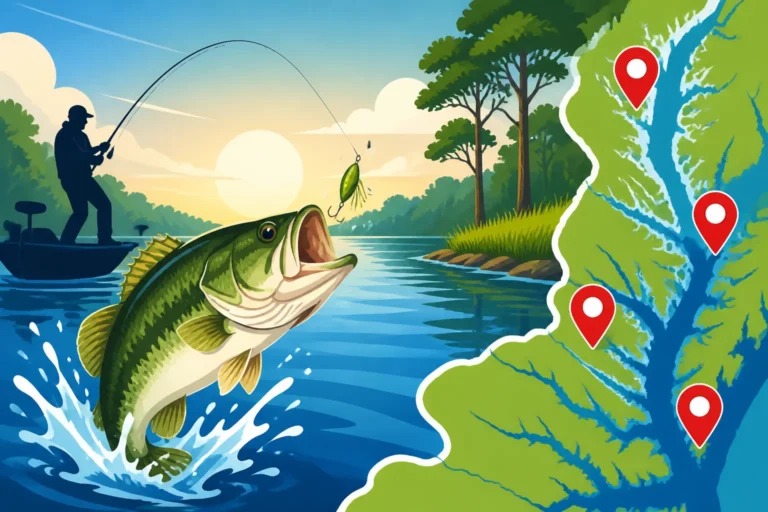
Upstream, above the fall line in areas around Laurel and Bowie, the Patuxent offers classic freshwater fishing. Here, the river is narrower, often shallower, and characterized by riffles, pools, and plenty of woody debris. This is a haven for those who enjoy a more intimate fishing experience, away from the bigger boats and expansive waters of the lower Bay tributaries. It’s perfect for wading or using a kayak, allowing you to stealthily approach prime spots.
This section is primarily home to species that thrive in flowing freshwater. You'll find good populations of largemouth bass lurking under cover, various sunfish species eager to hit a small lure, and even some healthy channel catfish in deeper pools. The challenge here often lies in navigating the terrain and understanding how water levels affect fish behavior, especially after a good rain. Local knowledge is invaluable, and sometimes just exploring new stretches can lead to unexpected hot spots.
Middle Patuxent: Brackish Transitions and Tidal Influence
As the Patuxent widens and becomes influenced by the tides, particularly south of Route 50 in Anne Arundel and Calvert counties, you enter the brackish water zone. This is where the magic of the estuary truly begins, a dynamic environment where freshwater and saltwater species can coexist and often thrive. This transition zone is a biological hotspot, rich in baitfish and invertebrate life, making it a prime feeding ground for many desirable game fish.
Anglers often find themselves targeting a broader array of species here, including the coveted striped bass (rockfish to us Marylanders), healthy populations of white perch, and an increasing number of invasive blue catfish and northern snakeheads. The fishing here is heavily influenced by the tide; understanding how the ebb and flow move bait and position fish along structure is paramount to success. Many of the creeks and coves branching off the main river in this section offer excellent opportunities for kayak or small boat anglers looking for sheltered waters.
Lower Patuxent: Bay Influence and Salty Encounters
Closer to the Chesapeake Bay, particularly from Solomons Island northward towards the mouth, the Patuxent takes on a decidedly more saltwater character. The river is wide, deep, and subject to stronger tidal currents, mirroring the conditions found in the main Bay. This is where you'll find larger schools of migratory fish, along with resident species adapted to higher salinity.
This lower section is a major draw for targeting larger striped bass, especially during their migratory runs. Beyond striped bass, you can also encounter bluefish, croaker, and even some flounder in the deeper channels and near structure. This area is often fished by larger charter boats and private vessels, which can cover more water and access deeper parts of the channel or artificial reefs. The Patuxent's deep waters and abundant structure make it a fantastic destination for those seeking bigger, harder-fighting fish, and it's a great spot to explore using services like FishingBooker to find a local captain who knows these waters intimately.
Key Fish Species and Their Seasons
The beauty of fishing the Patuxent River lies in its incredible biodiversity. Depending on the season and the section of the river, you can fill your cooler or bend your rod with a wide variety of fish. Knowing what to target and when to target it is half the battle, especially in a system as dynamic as the Patuxent. Many a trip has been salvaged by adapting to what’s biting, rather than stubbornly chasing a species that just isn’t there.
Striped Bass (Rockfish)
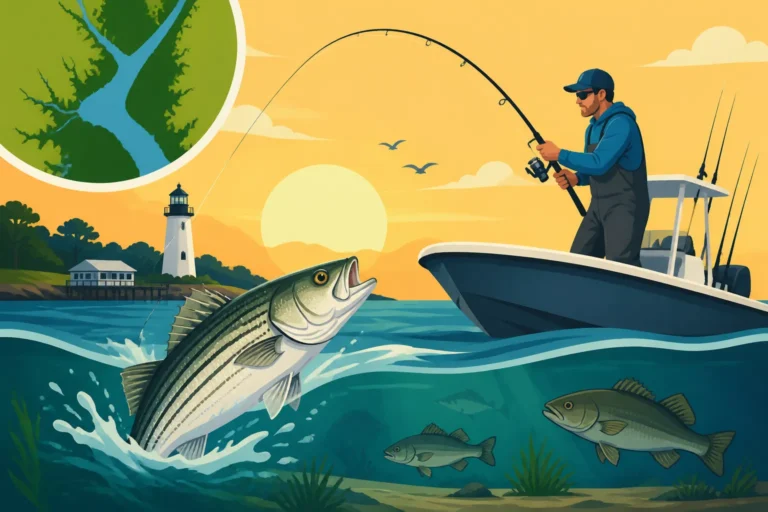
Maryland's state fish, the striped bass, is undoubtedly one of the biggest draws to the Patuxent. They frequent the middle and lower river sections, especially during their spring and fall migrations. In spring, larger "trophy" fish move through the main stem and its tributaries for spawning, while in the fall, resident and migratory fish feed aggressively as they prepare for winter. You'll want to keep a close eye on the Maryland Striped Bass Season and Rockfish Rules as they can change from year to year to ensure sustainability.
During the spring trophy season, anglers often troll large lures or live-line bait in the deeper channels of the lower Patuxent. As summer approaches, the fish tend to move to deeper, cooler waters, often congregating around ledges, oyster reefs, and bridge pilings. Fall is a fantastic time for jigging or casting soft plastics, as striped bass often school up to chase baitfish. Remember, a Maryland Fishing License Guide for 2026 is essential, and understanding specific slot limits and bag limits is crucial for ethical angling.
White Perch
If there's a fish that defines the Patuxent's widespread appeal, it's the white perch. These feisty panfish are abundant throughout the middle and lower river, and even venture into the tidal freshwater sections. They are a fantastic target for anglers of all skill levels, offering consistent action and delicious table fare. You'll often find them schooled up, so once you find one, you've usually found many.
Spring is prime time for their spawning runs, when large schools of white perch move into shallower creeks and coves. This is a great time for light tackle, using small spinners, jigs, or bait like grass shrimp or bloodworms. During summer and fall, they tend to move to deeper channel edges, oyster reefs, and around submerged structure. Bottom fishing with a simple two-hook rig and a piece of bloodworm or Fishbites is incredibly effective. For those who enjoy light tackle or fly fishing, chasing these willing biters can be an absolute blast. They're a fantastic fish for kids and beginners, offering immediate gratification. You can learn more about their movements in articles like White Perch Spawning Runs in Maryland Rivers.
Blue Catfish and Northern Snakehead
These two invasive species have become prominent residents of the Patuxent, particularly in its middle and upper tidal freshwater sections. While they pose a threat to native ecosystems, they also offer exciting, hard-fighting action and are excellent eating. Maryland encourages anglers to harvest them, with regulations often reflecting this goal. You can check out Maryland Blue Catfish Limit, or Lack of One and Maryland Snakehead Fishing Rules for current details.
Blue catfish are voracious eaters and can grow to impressive sizes. They are found throughout the Patuxent, preferring deeper holes and channel edges. Bottom fishing with cut bait (like pieces of gizzard shad, menhaden, or even chicken liver) is highly effective. They bite year-round, making them a reliable target when other species might be less active. Northern snakeheads, with their unique appearance and aggressive topwater strikes, are often found in shallow, vegetated areas, especially in the brackish and tidal freshwater sections. Frog lures, weedless soft plastics, and even live minnows are excellent choices for targeting these challenging fish. They provide an intense fight and can often be sight-fished, adding an extra layer of excitement. To really get a handle on how to pursue them, consider reading up on Techniques for Catching Snakehead in Maryland.
Here’s a quick overview of some of the Patuxent’s most popular species:
| Species | Prime Season | Typical Habitat | Recommended Baits/Lures | Notes |
|---|---|---|---|---|
| Striped Bass | Spring, Fall | Channel edges, structure, deeper holes | Live spot, eels, jigs, soft plastics, trolling lures | Maryland's state fish; check regulations carefully |
| White Perch | Spring, Summer, Fall | Tributaries, oyster reefs, docks | Bloodworms, grass shrimp, small jigs, spinners | Excellent table fare, great for all ages |
| Blue Catfish | Year-round | Deeper channels, holes | Cut bait (shad, menhaden), chicken liver | Invasive species, encouraged to harvest |
| Northern Snakehead | Spring, Summer, Fall | Shallow, vegetated areas | Frog lures, weedless soft plastics, live minnows | Invasive species, encouraged to harvest |
| Largemouth Bass | Spring, Summer, Fall | Upper river, coves, woody debris | Spinnerbaits, crankbaits, plastic worms, topwater | Found in fresher sections of the river |
| Channel Catfish | Spring, Summer, Fall | Deeper sections, slow current | Nightcrawlers, cut bait, stink baits | Good numbers in mid-to-upper river |
Prime Fishing Locations and Access Points
The Patuxent River offers a wealth of fishing locations, whether you prefer to cast from shore, launch a kayak, or head out on a larger boat. Knowing the best places to access the water and the types of structures that hold fish can make all the difference. Many anglers get frustrated trying to find good spots, but with a little planning, the Patuxent opens up beautifully.
Public Piers and Shoreline Access
For those without a boat, the Patuxent still provides plenty of opportunities. Several public piers and parks offer access to the river's bountiful waters, particularly in the middle and lower sections. These spots are fantastic for bottom fishing, casting lures, or simply enjoying a peaceful day by the water.
- Sollys Boat Yard and Pier (Lusby): Located in the lower Patuxent, this area provides access to deeper, saltier waters. The pier is a great spot for bottom fishing for white perch, spot, croaker, and even the occasional striped bass. It’s a classic community fishing spot that welcomes anglers.
- Lower Marlboro Pier (Upper Marlboro): Further upstream into the brackish zone, this pier offers a different kind of experience. Anglers here often target white perch, catfish, and can even encounter snakeheads in the surrounding shallow, vegetated areas. It's a quieter spot, ideal for a relaxed fishing session.
- Jug Bay Wetlands Sanctuary (Bristol): While primarily a nature preserve, certain areas offer managed fishing access, particularly for freshwater and tidal freshwater species. It's a great spot for kayak anglers or those seeking a more tranquil setting, focusing on largemouth bass, sunfish, and pickerel in its upper reaches. Just be sure to check their specific regulations before you go, as they are a protected area. If you're looking for more general options, you can always check out Best Piers and Shore Fishing Spots in Maryland.
Boat Ramps and Kayak Launches
If you have a boat or kayak, your options on the Patuxent expand exponentially. The river's varying widths and depths mean different types of vessels are better suited for different sections. A kayak is perfect for stealthily exploring the upper river's tight bends and shallow creeks, while a larger powerboat allows you to cover vast stretches of the lower river and its main channels.
- Parran's Marina (Lusby): A popular full-service marina in the lower Patuxent, offering easy access to the deeper, main stem of the river and its confluence with the Chesapeake Bay. This is a prime launch point for targeting striped bass, bluefish, and bottom fish. It's a great spot for those planning a longer day out on the water.
- Kings Landing Park (Huntingtown): Situated in the middle Patuxent, this park offers a convenient boat ramp suitable for smaller powerboats and excellent kayak access. It’s an ideal launch for exploring the brackish water marshes, targeting white perch, catfish, and snakeheads. The extensive marshlands here provide excellent cover for many species.
- Patuxent River Park – Jug Bay (Upper Marlboro): This is another excellent spot for smaller boats and kayaks, providing access to the tidal freshwater and brackish sections of the upper Patuxent. The slow currents and abundant vegetation make it a prime location for largemouth bass, snakehead, and crappie. Its tranquil setting is perfect for a peaceful paddle and cast. For those who enjoy hitting the water in a smaller craft, this is truly a gem.
Fishing Charters and Guides
Sometimes, the best way to tackle a complex river system like the Patuxent is to tap into local expertise. Charter captains and fishing guides make their living knowing the Patuxent inside and out – where the fish are biting, what baits they prefer, and how the tides are affecting the action. This can save you countless hours of trial and error, especially if you're visiting for a short trip or are new to the area.
Many experienced captains operate out of ports along the Patuxent, particularly around Solomons Island and Deale. They offer trips specifically tailored to striped bass, white perch, or even blue catfish and snakehead. Using a platform like FishingBooker can be incredibly helpful for finding reputable guides and comparing options. Just search for Patuxent River, and you'll find a range of experienced professionals ready to put you on fish. They often supply all the gear, bait, and most importantly, the knowledge. This is a particularly good option if you're looking for Family-Friendly Charter Trips in Maryland or want to get serious about trophy fishing without investing in all the specialized equipment yourself.
Effective Techniques and Baits for Patuxent Angling
Now that you know where to go and what to chase, let's talk about the how. The Patuxent's diverse habitats and fish species mean that a varied approach to techniques and baits will yield the best results. Don't be afraid to switch things up if one method isn't working; flexibility is key to consistent success on these waters.
Live-Lining and Chumming for Striped Bass
In the middle and lower Patuxent, particularly during warmer months and active feeding periods, live-lining is an incredibly effective technique for striped bass. This involves using live baitfish, typically spot or small menhaden, hooked through the nose or back and allowed to swim naturally near structure or channel edges. The natural movement of the bait is often irresistible to larger striped bass. Many experienced anglers deploy a chum slick simultaneously to attract fish to their area, creating a feeding frenzy that draws striped bass from afar.
For chumming, frozen blocks of ground menhaden are slowly deployed from a bucket or bag, creating a scent trail in the current. Your live baits or even cut baits are then fished within this slick. This method requires a bit of patience and often works best when anchored over known fish-holding structures like oyster reefs, ledges, or channel drop-offs. Always pay attention to the Maryland Fishing Size and Catch Limits by Species when live-lining, as you want to ensure any fish you keep are within legal parameters.
Bottom Fishing for Perch and Catfish
Bottom fishing is perhaps the most universally effective and accessible technique on the Patuxent, especially for white perch, blue catfish, and channel catfish. It's simple, requires minimal gear, and often provides consistent action. A basic bottom rig consists of a sinker at the bottom, with one or two snelled hooks tied above it on short leaders. This allows your bait to rest right on the riverbed where these species typically feed.
For white perch, the go-to baits are bloodworms, grass shrimp, or small pieces of Fishbites. Cast your rig near docks, bridge pilings, oyster bars, or channel edges, and wait for the distinctive taps. For blue catfish and channel catfish, stronger tackle is recommended, and baits like cut menhaden, shad, chicken liver, or even commercial stink baits are highly effective. Focus your efforts on deeper holes, channel bends, and areas with slower currents. This technique is fantastic for anglers of all ages and is a staple on the Patuxent River.
Casting and Jigging with Artificials
For a more active approach, casting and jigging artificial lures can be incredibly rewarding, especially when targeting striped bass, largemouth bass, and snakeheads. This method allows you to cover more water and actively seek out fish.
- Jigging: In the deeper parts of the Patuxent, vertical jigging with metal jigs or soft plastic swimbaits (like Z-Man or Bass Kandy Delight) is a popular method for striped bass. Drop your lure to the bottom and work it up and down with sharp snaps of the rod, mimicking a wounded baitfish. Focus on bridge pilings, channel edges, and submerged structure.
- Casting Soft Plastics and Spinners: For white perch, small spinnerbaits, grub-tailed jigs, or tiny swimbaits are highly effective. Cast them around docks, fallen trees, and shallow grass beds. Largemouth bass in the upper river will readily strike spinnerbaits, crankbaits, plastic worms, and topwater lures fished around lily pads, submerged timber, and shoreline cover.
- Topwater for Snakehead: Nothing beats the excitement of a topwater strike from a northern snakehead. Frog imitations, buzzbaits, and walk-the-dog style lures fished over lily pads and thick vegetation are incredibly effective. The visual strike is exhilarating! Many anglers find success using a heavy-action rod and braided line to pull these powerful fish out of dense cover. For a deep dive into specific gear and strategies for these unique fish, consider reading Techniques for Catching Snakehead in Maryland.
Navigating Regulations and Ethical Angling
Fishing the Patuxent River, like all Maryland waters, comes with a responsibility to understand and abide by fishing regulations. These rules are put in place to protect fish populations, ensure fair chase, and preserve the angling experience for future generations. Ignoring them can lead to significant fines and penalties, and frankly, it just isn't what we do as responsible anglers.
Understanding Your Maryland Fishing License
One of the most common points of confusion for Patuxent River anglers is determining which license they need. Because the river transitions from freshwater to tidal estuarine waters, your license requirements can change depending on where you're fishing.
- Nontidal Waters: In the upper, purely freshwater sections of the Patuxent, you'll generally need a Maryland Nontidal vs Tidal Fishing License, Explained license. This covers fishing in lakes, ponds, and streams that are not influenced by the tide.
- Tidal Waters: As you move into the brackish and saltwater sections of the Patuxent, you'll need a Chesapeake Bay and Coastal Fishing License. This license covers fishing in the main stem of the Chesapeake Bay, its tidal tributaries (including most of the Patuxent), and the Atlantic coastal waters.
- Consolidated Licenses: Maryland also offers consolidated licenses that cover both tidal and nontidal fishing, which can be a convenient option if you plan to fish various areas of the Patuxent. Always make sure to get the appropriate license before casting your line. Platforms like FishingBooker often remind users to check local license requirements, which is a helpful safeguard for out-of-state visitors. You can purchase your license easily online through the Maryland Department of Natural Resources (DNR) website.
Size and Catch Limits
Each species you might encounter in the Patuxent River has specific size and catch limits designed to manage their populations. These regulations are vital for conservation, especially for popular species like striped bass. For example, striped bass often have a slot limit, meaning you can only keep fish within a certain length range, and daily bag limits. Blue catfish, being an invasive species, often have no size or catch limits, with anglers encouraged to harvest as many as possible.
It's crucial to consult the current Maryland DNR fishing guide before each trip, as regulations can change seasonally or even mid-year based on scientific assessments of fish stocks. Carrying a measuring device and being familiar with how to properly measure fish is essential. Releasing undersized or over-slot fish gently and quickly is a sign of responsible angling. Taking the time to understand these rules, like those outlined in Maryland Fishing Size and Catch Limits by Species, helps ensure the health of our fisheries.
Best Practices for Ethical Angling
Beyond licenses and limits, ethical angling practices are paramount on the Patuxent. This includes:
- Catch and Release: When practicing catch and release, especially for sensitive species or during closed seasons, use appropriate techniques such as barbless hooks, minimizing handling time, and reviving fish before release.
- Respecting Private Property: Always be mindful of private property when accessing the river. Stick to designated public access points and ramps.
- Leave No Trace: Pack out everything you pack in. Dispose of all trash, including discarded fishing line, properly. The Patuxent is a beautiful resource, and it’s up to all of us to keep it that way.
- Boating Safety: If you're using a boat, practice safe boating, know your navigation rules, and be aware of other river users, including paddlers and swimmers.
Preparing for Your Patuxent Fishing Adventure
A successful fishing trip on the Patuxent is often a well-prepared one. It's not just about what bait you have, but what gear, safety measures, and even local knowledge you bring to the table. Don't let a lack of planning ruin what could be a fantastic day on the water.
Essential Gear for Patuxent Fishing
The gear you bring will depend heavily on the section of the Patuxent you plan to fish and your target species. However, some items are universally helpful:
- Rods and Reels: A medium-action spinning rod with 8-12lb test line is a versatile choice for most Patuxent species, from white perch to smaller striped bass. If targeting larger striped bass or blue catfish, a medium-heavy rod with 15-30lb test (or even heavier braided line) is recommended.
- Terminal Tackle: A variety of hooks (sizes 1/0 to 6/0 for catfish and bass, smaller sizes 4 to 8 for perch), sinkers (pyramid, egg, or bullet weights from 1/2 oz to 3 oz), swivels, and leader material are essential.
- Lures and Baits: Stock up on the baits and lures mentioned earlier: bloodworms, grass shrimp, cut bait, various soft plastics (grubs, swimbaits), spinnerbaits, and topwater frogs.
- Cooler and Ice: For keeping your catch fresh, and for your drinks and snacks.
- Measuring Device: A tape measure or ruler is non-negotiable for adhering to size limits.
- Pliers/Forceps: For easy and safe hook removal.
- Sun Protection: Sunscreen, a wide-brimmed hat, and polarized sunglasses are vital for long days on the water.
- Rain Gear: Maryland weather can change quickly. A lightweight rain jacket is always a good idea.
- First-Aid Kit: For minor cuts, scrapes, or hook incidents. You can often find a comprehensive list of suggested items in guides like What to Bring on a Maryland Fishing Charter.
Weather and Tide Considerations
The Patuxent River's fishing conditions are heavily influenced by weather and tides. Before heading out, always check the forecast for wind, temperature, and precipitation. High winds can make boating unsafe and casting difficult, especially on the wider lower river.
Tides are particularly important in the middle and lower Patuxent. Many species, especially striped bass and white perch, become more active during certain stages of the tide as baitfish are pushed around or concentrated. Generally, the hour before and after a high or low tide can be highly productive, as currents are often strongest, activating feeding behaviors. However, in some areas, the slack tide can also be excellent. Consulting a local tide chart for your specific fishing location on the Patuxent is crucial for maximizing your chances.
Leveraging Local Knowledge
One of the greatest advantages you can have on any unfamiliar waterbody is local knowledge. Whether it's chatting with anglers at a tackle shop, joining online fishing forums, or hiring a guide, these insights are priceless. Locals often know about subtle nuances of the river, like a hidden oyster bar, a seasonal pattern, or a specific lure color that's been hot.
For those planning a trip, especially from out of state, don't hesitate to reach out to local bait and tackle shops near the Patuxent. Shops like Bunky's Charter Boats in Solomons or Angler's Sport Center in Annapolis (a bit further afield but still a great resource) are often goldmines of current information. They can tell you what's biting, where, and what baits are working best. And, as mentioned before, consider checking out FishingBooker to find a local charter that specializes in the Patuxent. A good guide can fast-track your learning curve and make for an unforgettable experience.
Disclaimer
Please be aware that fishing regulations in Maryland, including those for the Patuxent River, are subject to change. Always consult the latest Maryland Department of Natural Resources (DNR) fishing guide and regulations before your trip to ensure compliance. This guide is for informational purposes only and does not constitute legal advice or an exhaustive list of all regulations.