Winter Fishing for White Perch in Maryland
Many anglers think the fishing slows down to a crawl in Maryland once the temperatures drop, especially for smaller species like white perch. It's a common frustration to pack away the gear, assuming the fish are simply gone until spring. But what if I told you that winter can actually be a surprisingly productive, and often overlooked, time to target white perch? This guide will walk you through everything you need to know to successfully pursue these feisty fish in Maryland's colder months, revealing that winter can actually offer some of the most consistent action for those brave enough to embrace the chill.
The Winter White Perch Challenge: Why They're Worth the Chill
When the cold air bites and the water temperature plummets, many people assume that all the good fishing is over until spring. It's easy to pack away the rods and reels, settling in for a long winter of dreaming about warmer days. However, this mindset often leads anglers to miss out on some truly fantastic opportunities, especially when it comes to white perch in Maryland. These resilient little fighters don't just disappear; they simply change their patterns, and understanding these shifts can lead to some incredibly rewarding days on the water.
The Myth of Winter Slump: Why Perch Fishing Can Be Great
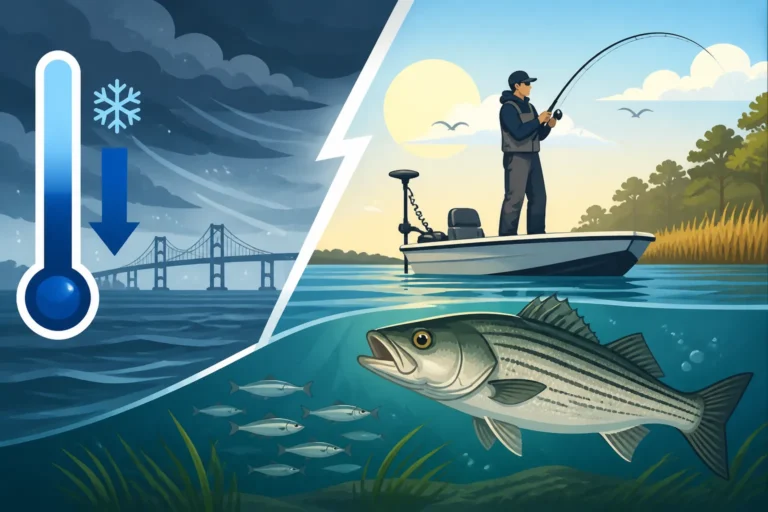
There's this pervasive idea that fish stop biting in winter, or that they become so lethargic it's not even worth trying. While it's true that their metabolism slows down, white perch still need to eat. The key difference is that their feeding windows might be shorter, and their preferred locations definitely change. Instead of being spread out in shallow waters, they tend to consolidate into larger, denser schools in deeper, more stable environments. This means that once you find them, you can often experience red-hot action that rivals any summer bite, making the effort of braving the cold well worth it. You just need to adjust your approach from what you'd do during the Best Time of Year to Fish in Maryland.
Advantages of Cold-Weather Perch Fishing
Beyond the sheer joy of catching fish when others are homebound, winter white perch fishing offers several distinct advantages. Firstly, there's significantly less fishing pressure. You'll often have prime spots all to yourself, which is a rare treat on Maryland's popular waterways. Secondly, because the fish school up so tightly, once you locate a productive area, you can often catch many fish from a single spot without needing to move. This can lead to impressive numbers and a full cooler for the dinner table. Plus, the crisp winter air and serene, often stark, landscapes offer a unique kind of beauty that's its own reward for being out on the water.
What Makes White Perch a Top Winter Target
White perch are an ideal species for winter angling due to their schooling behavior and their willingness to bite even in frigid conditions. Unlike some other species that become incredibly finicky, white perch, when found, are usually quite aggressive. They're also abundant in both tidal and many nontidal waters throughout Maryland, meaning you likely don't have to travel far to find a good spot. Their smaller size makes them perfect for light tackle, adding to the fun, and they are absolutely delicious on the plate, providing a tangible reward for your efforts. Understanding the White Perch Spawning Runs in Maryland Rivers is important for knowing their lifecycle, but in winter, they're focused purely on survival and feeding.
Decoding Winter White Perch Behavior and Habitat
To consistently catch white perch in winter, you absolutely have to understand where they go and why. Their behavior undergoes a significant shift as water temperatures drop, and trying to find them in their summer haunts will almost certainly lead to frustration. Instead, think deep, think structure, and think about their basic survival needs in a cold environment.
Deep Water Holds: Where Perch Gather
When winter settles in, white perch move out of the shallows and seek the stability of deeper water. This isn't just a preference; it's a survival mechanism. Deeper waters typically maintain a more consistent temperature, offering a refuge from the extreme cold fronts that can rapidly chill shallow areas. Look for them in main river channels, deep holes, dredged areas, or the deeper sections of reservoirs. In the Chesapeake Bay tributaries, this often means focusing on depths of 20 to 50 feet, sometimes even deeper. The key is to find areas where the depth drops off dramatically, providing them with a comfortable wintering zone. For instance, in the deeper sections of the Patuxent River or the Choptank, they'll often stack up in the main channels.
Preferred Structures and Cover in Winter
Just finding deep water isn't enough; you need to pinpoint where in that deep water they'll be. White perch, even in winter, are drawn to structure. This could be anything from oyster reefs and submerged humps to bridge pilings, channel edges, and even artificial reefs. These structures provide cover from currents, ambush points for feeding, and a sense of security. When scouting a new area, use your electronics to look for sudden changes in depth or bottom composition, and pay close attention to any marks that indicate baitfish or schools of larger fish. Often, the perch will be just off the main channel, tucked into a depression or along a hard bottom edge. Even fishing Best Piers and Shore Fishing Spots in Maryland can be productive if they extend into deep water with good structure nearby.
Forage and Feeding Habits in Cold Water
White perch still feed in winter, but their metabolism is slower, meaning they're not expending as much energy chasing down fast-moving prey. They'll often feed opportunistically on smaller, slower-moving organisms. This includes small baitfish like silversides or juvenile anchovies, as well as worms, shrimp, and other invertebrates that live on the bottom. Your presentation, therefore, needs to be subtle and enticing. Think slow jigging, dead sticking, or light bottom rigs that keep your bait in their strike zone for longer. The goal isn't to trigger a chase, but to present an easy, irresistible meal. Consider the size of their winter forage when selecting your lures.
Essential Gear and Rigging for Cold-Weather Perch
Having the right gear makes a huge difference in winter white perch fishing. Sensitivity is paramount, as bites can be incredibly subtle, feeling more like a slight weight or tap rather than an aggressive strike. Your tackle doesn't need to be heavy-duty, but it does need to be precise and robust enough to handle the elements.
Rods, Reels, and Line for Sensitivity
For rods, you'll want something light to medium-light with a fast or extra-fast action. A sensitive tip is crucial for detecting those faint winter bites. A 6 to 7-foot spinning rod is usually ideal. Pair this with a small, lightweight spinning reel in the 1000 to 2500 size range. The emphasis is on balance and sensitivity, not brute force. For line, 6 to 8-pound test monofilament or fluorocarbon is a good starting point. However, many experienced anglers opt for a thin braided line (around 10-15 pound test) with a 4 to 6-foot fluorocarbon leader (6-8 pound test). The braid offers superior sensitivity with no stretch, allowing you to feel every bump and whisper of a bite, while the fluorocarbon leader provides invisibility and abrasion resistance. You can find excellent options on Amazon for all of these components.
Lures and Baits That Entice Winter Perch
When it comes to lures, smaller is almost always better in winter. Think finesse. Popular choices include small jig heads (1/16 to 1/8 ounce) tipped with tiny soft plastic grub tails, Gulp! Alive! minnows or bloodworms, or even small pieces of real bait like bloodworms, grass shrimp, or a small piece of clam. Blade baits, small Kastmasters, or even tiny spoons can also be effective when jigged vertically. The key is to mimic the small, vulnerable prey that perch are looking for. On days when artificials aren't cutting it, a simple bottom rig with a fresh piece of bloodworm can often outproduce everything else.
Here's a quick comparison of common winter perch baits and lures:
| Bait/Lure Type | Description | Pros | Cons |
|---|---|---|---|
| Bloodworms | Natural, irresistible scent. | Extremely effective, natural attraction. | Can be messy, expensive, limited availability. |
| Grass Shrimp | Natural, small, great for finicky fish. | Excellent natural presentation, often readily available. | Fragile, can be hard to keep on the hook. |
| Small Soft Plastics | Mimic baitfish/insects, versatile. | Durable, reusable, wide range of colors/shapes, cost-effective. | Lacks natural scent (unless pre-scented), requires angler action. |
| Blade Baits | Vibrating metal lures. | Good for covering water vertically, strong vibration appeal. | Can be snaggy, requires active jigging. |
| Tiny Spoons (e.g., Kastmaster) | Flashy metal lures. | Excellent flash and vibration, good casting distance. | Can be too aggressive for very lethargic fish. |
| Gulp! Alive! Baits | Scented soft plastics (minnows, worms). | Combines realism with powerful scent, highly effective. | Can be pricier than traditional soft plastics. |
Terminal Tackle for Finesse Presentations
Your terminal tackle needs to be as subtle as your presentation. Use small, sharp hooks – typically size 4 to 8, depending on the bait size. Aberdeen hooks are popular for their thin wire, which doesn't harm live bait as much and tends to straighten out before breaking off on snags. If you're using jig heads, opt for those with a fine wire hook. For bottom fishing, a simple dropper rig or a Carolina rig with a small barrel swivel, an egg sinker (1/8 to 1/4 ounce), and a short leader works well. Always tie strong, reliable knots. Small jig heads and soft plastics are readily available on Amazon, making it easy to stock up on a variety of colors and sizes.
Mastering Winter White Perch Techniques
Successfully catching white perch in winter isn't just about having the right gear; it's also about employing the right techniques. The way you present your lure or bait is critical, often needing a lighter touch and more patience than in warmer months.
Vertical Jigging in Deep Water
Vertical jigging is perhaps the most effective technique for winter white perch. Because they are often schooled tightly in deep water, dropping a lure directly into the school can be incredibly productive. Start by locating a school of fish on your fishfinder. Once you're positioned above them, drop your jig or bait to their depth. The key is a subtle, controlled action. Instead of aggressive jerks, think small, gentle lifts and drops, just enough to impart some action to your lure or bait. Let the lure settle on the bottom for a few seconds, then lift it a few inches and let it flutter back down. Sometimes a tiny quiver or "dead stick" technique, holding the lure perfectly still, is all it takes to trigger a bite from a finicky fish. This technique is similar to some Bottom Fishing Techniques for Maryland Catfish, but with much lighter tackle.
Bottom Fishing with Bait
When white perch are particularly lethargic or simply not responding to artificial lures, a classic bottom rig with natural bait is often the ticket. A simple two-hook dropper rig with bloodworms or grass shrimp can be deadly. Cast your rig to your desired location, let it sink to the bottom, and then simply let it sit. The scent from the bait will do most of the work. Watch your rod tip very closely for any twitch, bend, or sudden slack in the line. Because the bites can be so light, it's easy to miss them if you're not paying attention. Keep your drag set light, as a sudden tug from a larger perch can snap light leader lines. This method is especially effective when fishing from shore or Best Piers and Shore Fishing Spots in Maryland that reach deep water.
Understanding Subtle Bites and Hooksets
One of the biggest challenges in winter perch fishing is detecting the bite. It's rarely a violent strike like you might feel from a summer rockfish. Instead, it might be a subtle tap, a slight increase in weight, or even just your line going slack as a fish picks up your bait and swims towards you. Don't stare off into the distance; keep your eyes glued to your rod tip. If you feel anything out of the ordinary, even a phantom touch, set the hook with a gentle but firm sweep of the rod. Remember, the fish aren't trying to tear the rod out of your hand. They're often just mouthing the bait, so a quick, responsive hookset is essential to connect. This is where a sensitive setup truly shines. Learning the Best Time of Day to Fish Maryland's Chesapeake Bay can also help narrow down your focus for when bites might be more frequent.
Navigating the Elements: Staying Warm and Safe
Winter fishing in Maryland can be incredibly rewarding, but it also demands respect for the elements. Cold weather poses unique risks, and being unprepared can quickly turn an enjoyable outing into a miserable, or even dangerous, situation. Prioritizing warmth and safety is non-negotiable.
Layering for Comfort and Safety
The key to staying warm in cold weather is layering. Don't just throw on one thick jacket; instead, wear several thinner layers that you can add or remove as conditions change. Start with a moisture-wicking base layer (like merino wool or synthetic materials) to keep sweat away from your skin. Add an insulating middle layer, such as fleece or down, for warmth. Finally, a waterproof and windproof outer shell is crucial to protect against rain, snow, and biting winds. This system traps warm air and allows you to adapt to fluctuating temperatures throughout the day. Don't forget a warm hat; a significant amount of body heat is lost through your head.
Cold Weather Gear Essentials
Beyond your clothing, several pieces of gear are essential for winter fishing. Warm, waterproof boots are critical to keep your feet dry and prevent frostbite. Insulated, waterproof gloves are also a must, especially for handling cold fish, bait, and tackle. Many anglers prefer thin, sensitive gloves for fishing and thicker, warmer gloves for downtime or handling fish. Hand warmers and toe warmers, found easily on Amazon, can be lifesavers on particularly frigid days. Consider bringing a thermos with a hot beverage like coffee or soup to warm you from the inside out. A portable heater (if fishing in a boat or pop-up shelter) can also make a huge difference in comfort.
Safety Considerations on Winter Waters
Winter fishing carries inherent risks that must be taken seriously. If you're heading out on a boat, ensure all safety gear is in top condition, including life jackets (worn at all times!), a fully charged battery, and functioning lights. The water is dangerously cold, and even a quick dip can lead to hypothermia. Always tell someone where you're going and when you expect to return. Be mindful of ice if you're fishing in smaller, shallower impoundments like some sections of Fishing Loch Raven Reservoir or other Best Maryland Lakes for Freshwater Fishing. Check ice thickness carefully if you venture out. Consider taking a friend along; fishing with a buddy is always safer in cold weather. Always review the Cold-Weather Fishing Tips for Maryland's Chesapeake Bay before heading out. And remember, understanding the Maryland Nontidal vs Tidal Fishing License, Explained is crucial to ensure you're fishing legally, regardless of the season.
Disclaimer
Please note that fishing regulations in Maryland, including those for white perch, can change. Always consult the latest Maryland Department of Natural Resources (DNR) rules and regulations before heading out on your fishing trip to ensure compliance with current laws.