How Water Clarity Affects Fishing in the Chesapeake Bay
As a Maryland angler, few things can throw a wrench into your carefully laid fishing plans quite like unexpected changes in water clarity. You head out, full of optimism, only to find the water is either crystal clear, making every fish skittish, or a murky, chocolate milk mess that leaves you wondering if anything is even swimming beneath the surface. It's a common frustration, and understanding how water clarity impacts the bite in the Chesapeake Bay is absolutely crucial for adapting your strategy and still finding success. This guide will dive deep into how clarity works, how fish react, and what you can do to put more fish in the boat or on the shore, no matter what the Bay throws at you.
Understanding Water Clarity: What It Is and Why It Matters
Water clarity isn't just about how clear the water looks from the surface; it's a dynamic factor that dictates everything from a fish's ability to see its prey to an angler's choice of lure. In a vast and diverse ecosystem like the Chesapeake Bay, clarity can change rapidly and dramatically, often within the same day or even just a few miles. Ignoring it is like trying to drive with your eyes closed – you might get lucky, but you're probably going to miss your target.
Defining Clarity: Transparency vs. Turbidity
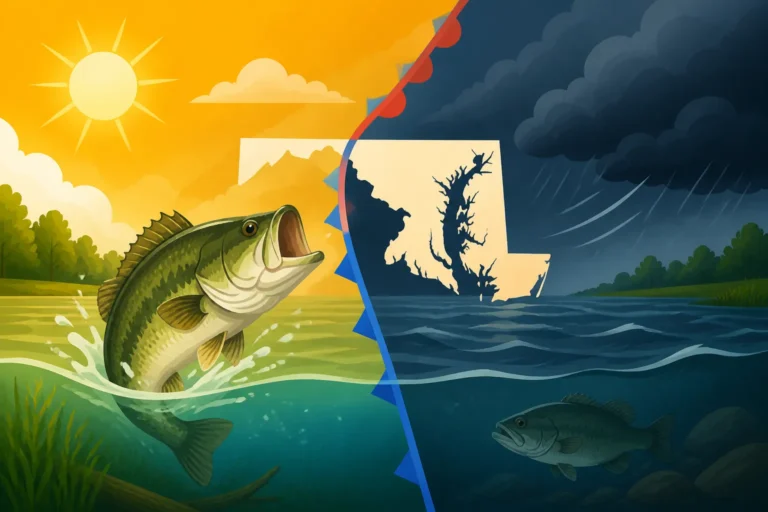
When we talk about water clarity, we're essentially talking about how transparent the water is. Transparent water allows light to penetrate deeply, making it easy to see submerged objects, bait, and fish. This is what most anglers consider "clear water." On the flip side, "turbid" or "murky" water contains a high concentration of suspended particles, like silt, clay, phytoplankton, or even pollutants. These particles scatter and absorb light, reducing visibility significantly.
Think of it like trying to see through a pane of clean glass versus a pane coated in fine dust. The clearer the "glass," the better fish can see their food, and the better predators can spot their prey. For us, it means we can often see the bottom in shallower areas or watch our lures work. When the water is turbid, that visibility shrinks, affecting both the fish's world and our fishing approach. It's not just a visual aesthetic; it's a fundamental environmental condition that influences fish behavior and, by extension, our chances of a successful catch.
Common Causes of Murky Water in the Bay
The Chesapeake Bay, being an estuary fed by numerous rivers and subject to powerful tidal forces, experiences a wide range of water clarity conditions. Understanding why the water gets murky can help you anticipate changes and even predict where clearer water might be.
One of the biggest culprits is rain runoff. After a significant rain event, especially in developed areas or agricultural regions, rivers and streams carry vast amounts of sediment, soil, and organic matter into the Bay. This "chocolate milk" effect can spread for miles, turning entire sections of the Bay opaque. How Rain Affects Fishing on Maryland Rivers is a great read if you want to understand this more fully. Another major factor is wind. Strong winds, particularly those sustained over several hours or days, can churn up the shallow bottom of the Bay, suspending fine sediments and making the water cloudy. This is especially true in areas with soft, silty bottoms.
Then there are the tides. While tides generally move water in and out, strong tidal currents can also stir up bottom sediments, particularly in shallower channels or near mud flats. During outgoing tides, especially after heavy rains, rivers can dump a concentrated load of murky freshwater into the Bay, pushing clearer saltwater further south. Conversely, incoming tides can sometimes bring in clearer ocean water, depending on the location. How Tides Affect Fishing in Maryland's Chesapeake Bay delves deeper into these dynamics. Finally, algae blooms can also contribute to turbidity, particularly in warmer months. While not always "murky" in the brown sense, dense algal growth can significantly reduce light penetration and oxygen levels, impacting fish activity. Even human activities like dredging can temporarily create localized areas of extreme turbidity.
How Fish React to Changes in Water Clarity
Fish are incredibly adaptable creatures, but sudden or extreme changes in their environment, like water clarity, can stress them and alter their behavior. As anglers, recognizing these reactions is key to figuring out how and where to cast your line. It's not just about what we can see, but what they can perceive.
Visibility and Feeding Behavior
Imagine trying to find your dinner in a pitch-black room versus a dimly lit one. That's essentially what fish deal with when water clarity shifts. Many predatory fish in the Bay, like striped bass (often called rockfish here), are highly dependent on their eyesight to hunt. In clear water, they can spot baitfish from a distance, making them more aggressive and prone to chasing down fast-moving lures. Conversely, in murky conditions, their visual advantage is diminished. They become less reliant on sight and more on other senses.
This is where scent and vibration come into play. Fish like blue catfish, for instance, are superb scent feeders, often thriving in murky water where their barbels and keen sense of smell give them an edge. Similarly, snakeheads, which often inhabit vegetated, stained waters, use lateral lines to detect vibrations from prey, regardless of how cloudy the water is. If your target species is a sight feeder, murky water can make them lethargic or force them to feed by feel or sound, often closer to the bottom or structure. In clear water, however, even a subtle movement or the flash of a lure can trigger a strike. It's a dance between predator and prey, mediated by light and visibility.
Comfort Zones and Habitat Shifts
Just like we prefer certain environments, fish have comfort zones, and water clarity is a big part of that equation. When the water turns murky, fish, especially sight-feeding predators, may seek out clearer pockets of water. This could mean moving into slightly deeper channels where suspended particles settle more readily, or congregating near the edges of turbid plumes where clearer water meets the muddy. They might also move closer to structure – docks, pilings, submerged wrecks, or oyster reefs – using these as ambush points where they can hide and wait for unsuspecting prey to come closer in the low visibility.
Conversely, in extremely clear water, some fish can become very "spooky" or skittish, especially if there's a lot of boat traffic or direct sunlight. They might retreat to deeper water, find shaded areas, or hold tighter to cover to feel more secure. This is why you often find fish hugging the bottom or hiding in grass beds when the sun is high and the water is like glass. Their survival instincts tell them to be wary when they're easily visible to predators (or anglers!). Recognizing these habitat shifts is crucial; you need to think like a fish and ask yourself: "If I were a striped bass right now, where would I feel safest and still have a chance to eat?"
Adapting Your Fishing Strategy to Water Clarity Conditions
Once you understand why water clarity matters and how fish react, the next step is to adjust your own game plan. This is where experience and a willingness to experiment truly pay off. Don't be afraid to change things up – what works perfectly in gin-clear water might fail miserably in a chocolate milkshake.
Lure and Bait Selection for Different Clarity Levels
This is perhaps the most direct way to adapt your strategy.
In Murky Water (Low Visibility):
- Vibration and Sound: Forget subtle, natural presentations. You need to grab attention. Use lures that displace a lot of water and create strong vibrations. Spinnerbaits, chatterbaits, and noisy topwater plugs with rattles are excellent choices for species like snakeheads and bass. For rockfish, large soft plastics with paddle tails or lipped crankbaits that wobble aggressively can be effective.
- Color Contrast: Bright, fluorescent, and contrasting colors stand out best in low light and turbid conditions. Think chartreuse, bright orange, hot pink, or even stark white. Black can also create a strong silhouette against a brighter sky, making it surprisingly effective in very dark water. Don't be afraid to go bold! Many anglers swear by Best Lure Colors for Jigging Chesapeake Bay Rockfish for these conditions.
- Scented Baits: Live bait is often king in murky water because fish rely so heavily on their sense of smell. Cut bait, like pieces of menhaden or eel, soaked in fish attractant, works wonders for catfish and even sluggish striped bass. Artificial baits infused with scent are also a smart move. Best Bait for Blue Catfish in Maryland Rivers often highlights scented options.
- Natural Mention: When preparing for a trip with potentially murky conditions, many anglers stock up on a variety of bright, noisy lures and potent scent additives, often finding a great selection on Amazon to cover all their bases.
In Clear Water (High Visibility):
- Natural Colors and Subtlety: Fish can see everything, so your presentation needs to be as natural as possible. Opt for realistic baitfish patterns – silvers, whites, blues, greens, and browns that mimic the local forage. Smallmouth bass on the upper Potomac, for example, will often shy away from anything too flashy in clear flows.
- Less Flash, More Realism: Instead of loud rattles, focus on lures with realistic swimming actions or subtle flashes. Soft plastics that accurately imitate baitfish, slender jerkbaits, and unweighted worms are often preferred. Fly fishing, with its delicate presentation, often excels in clear, calm conditions for trout and perch.
- Smaller Baits: In clear water, fish often become more selective. Downsizing your bait or lure can make a big difference, especially if fish are seeing a lot of angling pressure.
- Stealth: Cast further away from the fish, use lighter line, and reduce boat noise. Any unnatural movement or sound can send them scattering.
Fishing Techniques and Presentation Adjustments
It's not just what you throw, but how you throw it.
For Murky Water:
- Slower Retrieve: In low visibility, fish need more time to locate your bait using their lateral line and sense of smell. A slower, more deliberate retrieve allows them to hone in.
- Noise and Vibration: Add pops, jerks, or pauses that create noise and vibration. For bottom fishing, occasionally bounce your weight off the bottom to stir up sediment and create a puff, drawing attention. When fishing structure, make sure your lure bumps or scrapes against it to create sound.
- Targeting Structure: Fish will often hold tighter to cover in murky water. Fan cast around docks, bridge pilings, submerged wrecks, and channel edges multiple times to ensure your bait gets into their strike zone. Bottom fishing techniques are particularly effective here.
For Clear Water:
- Faster, Erratic Retrieve (Sometimes): While subtlety is key, a fast, erratic retrieve can trigger a reaction strike from a fish that can clearly see its meal attempting to escape. Think about a quick retrieve with frequent pauses or twitches.
- Long Casts and Stealth: The clearer the water, the more important it is to keep your distance. Long casts prevent you from spooking fish. Consider wading or using a trolling motor to approach spots quietly.
- Focus on Cover and Shade: In bright, clear conditions, fish will often seek the refuge of shaded areas or dense cover. Cast into shadowed spots along shorelines, under docks, or into deep structure. Remember, Fishing Maryland Waters at Dawn vs Dusk can greatly impact your success in clear conditions, as low light offers more cover.
Optimal Fishing Locations Based on Clarity
Knowing where to find better clarity or where fish will congregate due to clarity changes is a powerful tool.
When the Bay is Murky:
- River Mouths (after rain): While rain makes rivers murky, the mouths of smaller creeks and rivers can sometimes offer a boundary where clearer ocean-fed or Bay water meets the muddy plume. Striped bass and white perch often stage at these transition zones, waiting for baitfish to be flushed out.
- Deeper Channels and Drop-offs: Suspended particles tend to settle in deeper, calmer water. Fish may retreat to these areas where visibility is slightly better or where they feel more secure from predators above.
- Sheltered Coves and Creeks: Areas protected from wind and strong currents may retain clearer water longer than exposed main Bay areas. These can be prime spots after a blow.
- Target Species-Specific: Focus on species that don't mind the murk, like blue catfish, which are often found in the muddy depths of the Potomac or Susquehanna.
When the Bay is Clear:
- Around Structure: Fish will often hug pilings, rock jetties, and submerged oyster reefs more tightly for ambush opportunities and cover. They feel vulnerable in open, clear water.
- Deep Water: Some fish will move to deeper water where light penetration is less intense and they feel less exposed.
- Areas with Submerged Vegetation: Grass beds provide excellent cover in clear water, offering both hiding spots for predators and refuge for baitfish.
- Moving Water: Current can sometimes help dissipate ultra-clear conditions by stirring up just enough particulate matter to make fish feel more comfortable. Tidal rips and eddies can be productive.
Tools and Tips for Assessing Water Clarity
You don't need fancy gadgets to get a handle on water clarity, though some tools can certainly help. Often, your own eyes and a bit of local knowledge are your best assets.
Simple Visual Cues from Shore or Boat
The easiest way to assess water clarity is, quite simply, to look at it!
- The "Secchi Disk" Method (informal): While there's a scientific tool called a Secchi disk, you can do your own informal version. If you're on a boat, slowly lower a white object (like a white coffee cup or even your lure) into the water until you can no longer see it. The depth at which it disappears gives you a rough idea of visibility. If it disappears inches below the surface, it's very murky. If you can see it several feet down, it's pretty clear.
- Color and Tint: Is the water brownish, indicating a lot of sediment from runoff? Greenish, suggesting an algae bloom? Or is it a crisp, clear blue or green, typical of cleaner Bay or ocean waters? The color alone tells a story.
- Suspended Particles: Look closely at the water near your boat or the shoreline. Can you see small flecks, silt, or debris suspended in the water column? The more you see, the murkier it is.
- Light Penetration: On a sunny day, can you see the bottom in shallow areas? Do shadows appear distinct or fuzzy underwater? This indicates how much light is making it through.
Sometimes, just looking at the difference between the water coming out of a creek and the water in the main body of the Bay can give you a clear picture of a transition zone where fish might be holding.
Leveraging Technology and Local Knowledge
While your eyes are a great starting point, there are other ways to get intel on water clarity.
- Online Resources (General, not real-time): Many state DNR websites (like the Maryland Department of Natural Resources) offer general information on typical conditions in different regions of the Bay or historical data. While they won't give you real-time readings, they can inform you about what to generally expect for a given area or season. Remember to also check their Maryland Fishing Regulations Guide, Where to Find It for any updates that might indirectly relate to environmental conditions.
- Local Bait and Tackle Shops: These places are goldmines of current, localized information. The folks working there often talk to dozens of anglers every day and have their ears to the ground. They can tell you exactly what the water looks like, what's biting, and what lures are working best in current conditions. They often know when Maryland's 2026 Striped Bass Season Dates are, and what the water looks like.
- Fishing Forums and Social Media Groups: Online communities for Maryland fishing can be great for getting recent reports from fellow anglers. People often share pictures and descriptions of water conditions, which can be invaluable before you even leave the house. Be sure to check posts from the last 24-48 hours for the most relevant info.
- Personal Observation Over Time: The more you fish a particular spot, the better you'll get at understanding its unique clarity patterns. You'll learn how it reacts to different winds, tides, and rainfall amounts. Keeping a simple fishing journal, noting conditions, locations, and success, can help you build this invaluable personal database. For example, knowing which areas tend to stay clearer or get muddier can help you pick the best location for Kayak Fishing Techniques for Maryland Waters or any other fishing style. For instance, sometimes you just need a good pair of polarized sunglasses, available on Amazon, to cut through glare and better assess underwater visibility in clearer conditions.
Conclusion
Understanding how water clarity affects fishing in the Chesapeake Bay isn't just a minor detail; it's a fundamental aspect of becoming a truly successful angler. From the moment you size up the water's color from the shore or boat, to the lures you choose from your tackle box, every decision should be informed by the conditions. By recognizing the causes of turbidity, anticipating how fish will react, and consciously adapting your baits, techniques, and locations, you'll dramatically increase your chances of a productive day on the water. The Bay is a dynamic environment, always changing, and the best anglers are those who can read its subtle cues and adjust their approach with confidence. So, next time you head out, take a good look at the water – it's trying to tell you something important!
Disclaimer
This article is for general informational purposes only and does not constitute professional advice. Laws, prices and regulations vary by location and change over time. Consult a qualified professional for guidance on your specific situation.