Are Chain Pickerel Good to Eat?
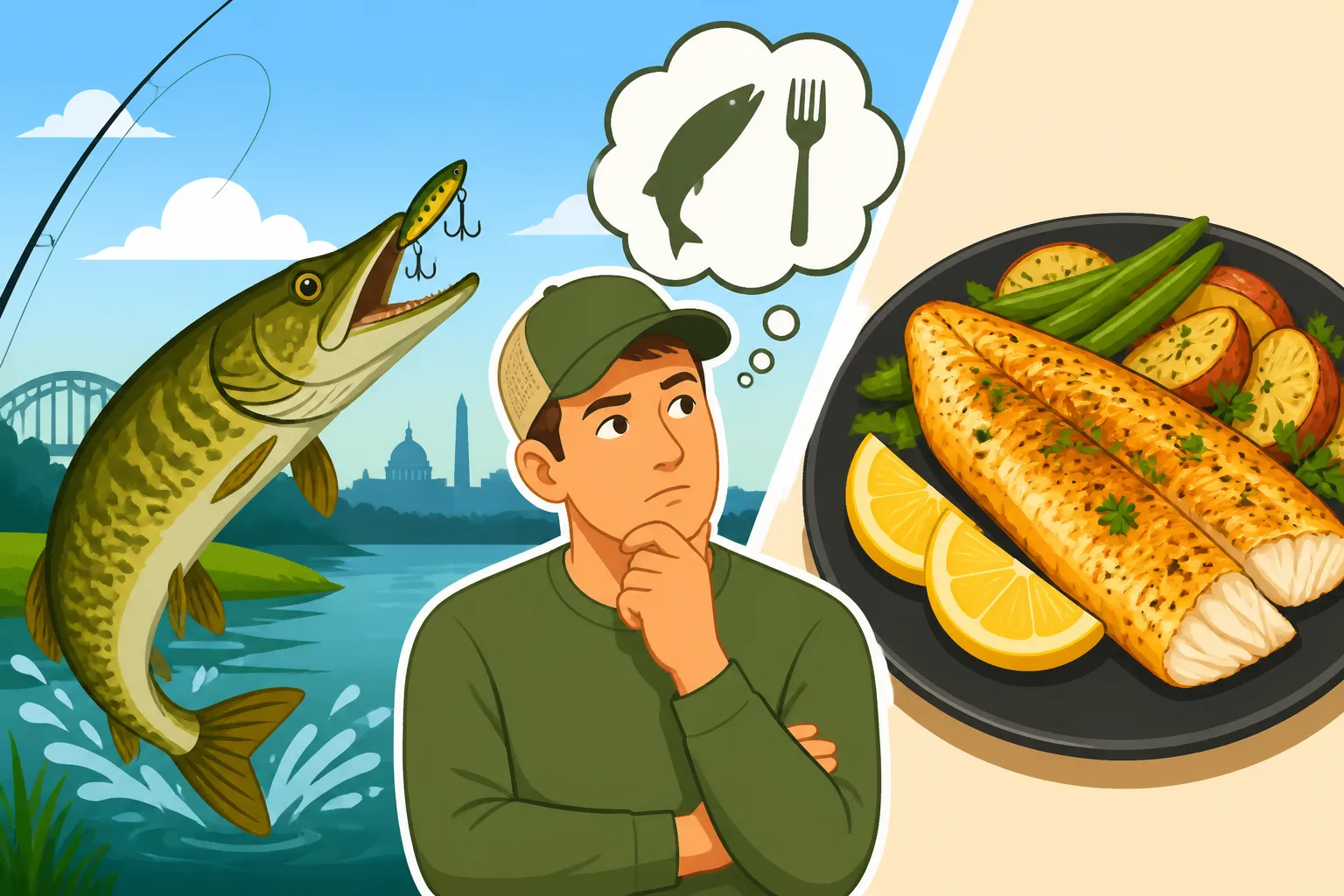
Many Maryland anglers find themselves pulling in a feisty chain pickerel and then pausing, rod in hand, wondering if this toothy predator is actually good for the dinner table. It's a common dilemma, as pickerel have a reputation, often unfounded, for being overly bony or less desirable than other game fish. This guide is here to cut through the myths and give you the real scoop on whether those Maryland chain pickerel are worth the effort to clean and cook, offering practical advice and delicious possibilities.
The Truth About Eating Chain Pickerel in Maryland
Let's address the elephant in the room right away: Yes, chain pickerel are absolutely good to eat! The hesitation many anglers feel often stems from a lack of familiarity with preparing them or tales of their "y-bones," which we'll definitely tackle. But from a purely culinary standpoint, these fish offer a delightful, mild flavor and firm, white meat that can be incredibly satisfying. Many seasoned Maryland anglers who have taken the time to learn how to prepare them consider pickerel a hidden gem, often preferring them over some more commonly sought-after species for their table fare.
The perception that pickerel are not worth eating sometimes comes from comparing them directly to heavily farmed or ocean fish that are naturally boneless or very easy to fillet. Wild-caught freshwater fish, particularly those with a unique skeletal structure like the pickerel, require a little more know-how, but the reward is certainly there. Think of it as a culinary adventure, a chance to truly appreciate a local Maryland species that's abundant and, when handled correctly, incredibly tasty. It's a bit like learning to deal with crab shells – a little work for a lot of flavor!
Dispelling Common Misconceptions
One of the biggest misconceptions about chain pickerel is that their meat is mushy or "muddy" tasting. This couldn't be further from the truth, especially for fish caught in clean, cool Maryland waters. Just like any fish, the flavor can be influenced by diet and water quality, but generally, a pickerel from a healthy pond, lake, or river will have clean, white flesh. The "muddy" taste is often associated with bottom feeders or fish from stagnant, warm water, which isn't typically where healthy pickerel thrive.
Another myth centers around the idea that they are "too bony" to bother with. While it's true that pickerel have a distinctive set of "Y-bones" running along their lateral line, this isn't an insurmountable problem. It just means you can't fillet them quite like a largemouth bass or a simple white perch. We’ll delve into specific filleting techniques that make these bones a non-issue, turning what seems like a daunting task into a manageable process. It’s all about having the right tools and knowing a few simple tricks. Forget the fear, embrace the technique!
What Anglers Say About Their Flavor
Talk to a local who has mastered the art of cleaning a chain pickerel, and you'll often hear high praise. Many describe the meat as mild, flaky, and sweet, often compared to walleye or even crappie. It's not an overly "fishy" flavor, which makes it appealing to a wide range of palates, including those who might be hesitant about stronger-tasting fish. The texture is firm and lean, holding up well to various cooking methods without falling apart.
For families with younger anglers, teaching them how to catch and then prepare a pickerel can be a fantastic experience. Imagine the satisfaction of catching a fish from a local spot, learning the unique filleting technique, and then enjoying a delicious meal that evening. It creates a deeper connection to the sport and to the natural resources we have here in Maryland. You might be surprised to find that once you get past the initial learning curve, chain pickerel quickly become a favorite for the frying pan or grill.
Overcoming the Bone Challenge: Filleting and Preparation
The "Y-bone" issue is undoubtedly the main reason many anglers shy away from keeping chain pickerel. These bones are a series of small, forked bones that run through the fillet, making a traditional straight-cut fillet tricky. But don't despair! With a little patience and the right technique, you can easily remove these bones, leaving you with delicious, boneless portions of meat.
Preparing your pickerel properly starts immediately after the catch. If you plan to eat them, it’s best to dispatch them quickly and place them on ice. This helps maintain the quality and firmness of the meat, preventing it from getting soft. A cool, clean fish is always going to yield the best-tasting fillets. Keep a cooler with ice handy when you're out fishing the creeks and ponds for them.
The Y-Bone Challenge: Filleting Techniques
There are a couple of popular methods for dealing with the Y-bones. The goal is to either cut around them or score them so finely that they are rendered harmless during cooking.
Method 1: The Five-Cut Fillet
This is perhaps the most common and effective method for creating truly boneless pickerel fillets. It involves making extra cuts to remove the Y-bone section.
- Initial Fillet: Start by making a cut behind the gill plate, down to the backbone. Turn your knife and cut along the backbone towards the tail, removing the entire side fillet.
- Rib Bone Removal: Lay the fillet skin-side down. Carefully cut out the rib cage section.
- Identify Y-Bones: The Y-bones are located in a strip above the lateral line, running from the head-end of the fillet about two-thirds of the way down. You can often feel them with your finger.
- Two Parallel Cuts: Make a cut on one side of the Y-bone strip, then another parallel cut on the other side of the strip. This creates a long, narrow strip of meat containing most of the Y-bones.
- Remove the Strip: Carefully lift and remove this bony strip. You'll be left with two boneless pieces from each side of the fillet.
- Skinning: Finally, skin these boneless pieces.
This method leaves you with two lean, boneless strips of meat per side, perfect for frying or baking. It might sound complex, but with practice, it becomes quite quick. There are many excellent video tutorials online showing this specific technique, which can be a huge help if you're a visual learner. You might even find a good electric fillet knife on Amazon helpful for making clean, precise cuts once you get the hang of it, especially for larger fish.
Method 2: Scoring the Fillet
This technique is often used for smaller pickerel or if you prefer to keep the fillet intact. After removing the main fillet and de-ribbing it, you make a series of very fine, shallow cuts (scoring) across the Y-bone section, perpendicular to the bones. The idea is that these cuts will be close enough together that the bones will essentially "disappear" or become so small they are unnoticeable after cooking, especially with high-heat methods like deep-frying. This method is less foolproof than the five-cut approach but can work for certain preparations.
Alternative Cooking Methods for Bone-in Pickerel
If the thought of filleting still feels too intimidating, or if you have smaller pickerel, you can also cook them whole or in larger sections and deal with the bones at the table, much like you would with a small trout or panfish.
- Pan-frying Whole: For small pickerel (under 15 inches), you can scale them, remove the guts, and then score the sides deeply before pan-frying. The high heat can help soften the smaller bones, and the scoring aids in cooking and bone breakdown.
- Fish Patties/Cakes: This is a fantastic way to utilize pickerel meat, especially if you're not confident in filleting. Cook the fish (whole or in chunks) by steaming or boiling until the meat is flaky. Once cooled, pick the meat from the bones, discarding any Y-bones or other problematic bits. Then, flake the meat and combine it with breadcrumbs, seasoning, and an egg to form patties, which can be fried or baked. This ensures a completely boneless experience. You can find excellent recipe ideas for fish cakes online or in classic seafood cookbooks available on Amazon.
| Preparation Challenge | Chain Pickerel | White Perch | Blue Catfish | Striped Bass |
|---|---|---|---|---|
| Bones | Y-Bones (moderate difficulty to remove) | Few, easy to fillet | Few, easy to fillet | Few, easy to fillet |
| Skinning | Easy | Easy | Easy | Moderate |
| Flesh Type | White, firm, flaky | White, flaky | White, firm, dense | White, firm, flaky |
| Flavor Profile | Mild, slightly sweet | Mild, sweet | Mild, versatile | Rich, distinct "fishy" |
| Best Cooking | Frying, baking, fish cakes | Frying, grilling, baking | Frying, grilling, smoking | Grilling, baking, blackening |
Flavor Profile and Best Cooking Methods for Maryland Chain Pickerel
Once you’ve got those beautiful, boneless fillets or prepared sections, the culinary world is your oyster – or rather, your pickerel! The mild, slightly sweet flavor and firm texture of chain pickerel make them incredibly versatile in the kitchen. They really do shine when cooked simply, allowing their natural taste to come through.
Maryland is blessed with diverse fishing opportunities, from Fishing Maryland's Chesapeake Bay, A Complete Guide to the serene waters of Maryland's Deep Creek Lake Fishing Guide. Many of these waters hold healthy populations of chain pickerel, making them an accessible target for anglers wanting to put fresh fish on the table. Knowing how to properly prepare your catch ensures no delicious fish goes to waste.
Flavor Comparisons to Other Maryland Fish
If you're wondering what to expect, think of chain pickerel as having a flavor profile somewhere in the family of other popular panfish, but with its own distinct character.
- Compared to White Perch: Pickerel have a similar mild sweetness to white perch, but their flesh is often firmer and less delicate. If you enjoy the subtle taste of white perch, you'll likely appreciate pickerel. Check out Are White Perch Good to Eat? for more on this popular panfish.
- Compared to Largemouth Bass: The flesh of pickerel is generally whiter and less prone to flaking than largemouth bass, which can sometimes have a slightly stronger flavor depending on their diet.
- Compared to Walleye: Many anglers draw a comparison to walleye, particularly in texture and the clean, non-fishy taste. While not identical, if you're a fan of walleye, pickerel will be a welcome addition to your menu.
- Compared to Blue Catfish: While Are Blue Catfish Good to Eat From Maryland Rivers? is a resounding yes, their texture is usually denser and fattier, especially with larger specimens. Pickerel are leaner and flakier.
The key takeaway is that chain pickerel offer a pleasant, subtle flavor that stands on its own and can be seasoned to complement a wide array of dishes. It's truly a fish that surprises people who try it for the first time with an open mind.
Optimal Cooking Methods to Enhance Flavor
Because of their firm, white flesh and mild flavor, pickerel are incredibly versatile. Here are some of the best ways to cook them to really make them shine:
- Pan-Frying: This is a classic for a reason! Dredge your boneless pickerel fillets in seasoned flour, cornmeal, or a light batter, and pan-fry in hot oil (like canola or peanut oil) until golden brown and cooked through. The crisp exterior and flaky interior are simply divine. A simple seasoning of salt, pepper, and perhaps some Old Bay will work wonders.
- Baking or Broiling: For a lighter, healthier option, bake or broil your fillets. Place them on a baking sheet, drizzle with olive oil, sprinkle with herbs (dill, parsley, lemon pepper work well), and bake at 375-400°F (190-200°C) until the fish flakes easily. Broiling gives a nice browned top.
- Grilling: Thicker fillets can be grilled. Brush them with oil and season, then grill over medium-high heat. Be careful not to overcook, as leaner fish can dry out. Using a fish basket on the grill can prevent sticking and breaking.
- Deep-Frying: If you've used the scoring method for bone-in pieces, deep-frying can be an excellent option. The high heat helps to crisp up the smaller bones, making them less noticeable. A good beer batter or a simple breading works well here.
- Fish Tacos: The firm, mild fillets are perfect for flaking into fish tacos! Pan-fry or bake them, then serve in warm tortillas with your favorite salsa, cabbage slaw, and a squeeze of lime.
- Fish Chowder or Stew: If you have smaller pieces or are going the fish patty route, pickerel meat makes an excellent addition to fish chowders or stews, where its mild flavor absorbs the surrounding ingredients beautifully.
No matter your chosen method, remember that fresh, wild-caught fish often cooks quickly. Overcooking is the enemy of any delicious fillet, so keep a close eye on it!
Catching and Handling Pickerel for the Table in Maryland
Catching chain pickerel in Maryland is usually a fun and often productive experience. They are aggressive feeders and can be found in a variety of waters, making them a great target for anglers of all skill levels. If you intend to eat your catch, a few considerations during and after the catch can significantly improve the quality of your meal.
When you're out fishing, it's always good to be prepared. If you're targeting species like pickerel, it's wise to have a Maryland Fishing License Guide for 2026 in mind and understand the local regulations. Being prepared also means having the right tools for handling your catch, whether you're releasing them or keeping them for dinner.
Where to Catch Chain Pickerel in Maryland
Chain pickerel are widely distributed throughout Maryland's freshwater and brackish (nontidal) waters. You'll find them in:
- Ponds and Small Lakes: Many of Maryland's smaller public and private ponds are home to healthy pickerel populations. They love weedy areas where they can ambush prey.
- Nontidal Rivers and Creeks: Rivers like the Severn, Magothy, Patuxent (upper nontidal sections), and various Eastern Shore rivers (like the Pocomoke and Nanticoke in their upper reaches) can hold excellent numbers of pickerel. They are often found lurking in submerged vegetation or around fallen trees. You'll want to understand the Maryland Nontidal vs Tidal Fishing License, Explained to make sure you're properly licensed for these waters.
- Reservoirs: Smaller reservoirs might also have them, particularly in areas with good cover.
Lures like spinnerbaits, spoons, jerkbaits, and even topwater frogs can be very effective for pickerel. They have a mouthful of sharp teeth, so using a wire leader is highly recommended to prevent bite-offs. If you plan to keep them, a pair of long-nose pliers or a jaw spreader can be invaluable for safely removing hooks without injuring yourself or the fish unnecessarily.
Health and Safety of Eating Wild-Caught Pickerel
When eating any wild-caught fish, it's always wise to be mindful of local advisories. While chain pickerel are generally considered safe and healthy to eat, particularly from clean waters, occasionally state agencies will issue consumption advisories for specific water bodies due to contaminants like mercury or PCBs. Always check the latest Maryland Department of the Environment (MDE) or DNR advisories for the specific body of water you're fishing in. This information is typically available on the official state websites and in the annual fishing guide.
Beyond potential advisories, pickerel are a lean source of protein and contain beneficial omega-3 fatty acids, similar to many other freshwater species. As with any wild game, proper handling from the moment of catch to the kitchen is paramount for food safety. Rapid cooling, quick cleaning, and appropriate cooking temperatures will ensure your pickerel dinner is not only delicious but also safe. For a great resource on catch handling, consider looking for a general guide on fish preparation on Amazon.
So, the next time you reel in a Maryland chain pickerel, don't just admire its striking pattern before releasing it. Consider taking it home for a meal. With a little effort and the right technique, you'll discover that these toothy predators are a surprisingly delicious addition to your table, offering a fresh, mild flavor that’s truly worth the small amount of extra effort. Enjoy the bounty of Maryland's waters!
Disclaimer
This article is for general informational purposes only and does not constitute professional advice. Laws, prices and regulations vary by location and change over time. Consult a qualified professional for guidance on your specific situation.