Maryland Rockfish Slot Limit Explained
For many Maryland anglers, the rules around catching our beloved rockfish—or striped bass, as they're officially known—can feel like navigating a constantly shifting maze. Just when you think you've got the hang of it, a new season brings updated regulations, especially when it comes to that often-confusing "slot limit." It's incredibly frustrating to want to do the right thing and be a responsible angler, only to worry if you're truly understanding the latest measurements. This comprehensive guide is designed to unravel the mysteries of the Maryland rockfish slot limit, explaining what it is, why it exists, and how to confidently comply so you can focus on the thrill of the catch.
Understanding the Rockfish Slot Limit: What It Means for Maryland Anglers
Navigating fishing regulations can sometimes feel like you need a law degree and a crystal ball. Among the myriad of rules for our state fish, the striped bass, the "slot limit" often causes the most head-scratching. It's not just a simple minimum size; it's a specific window that requires anglers to be extra diligent.
Defining the Slot Limit Concept
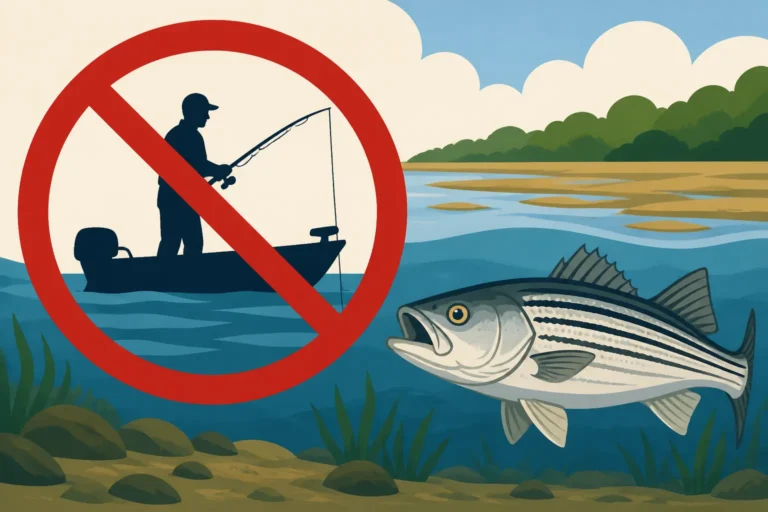
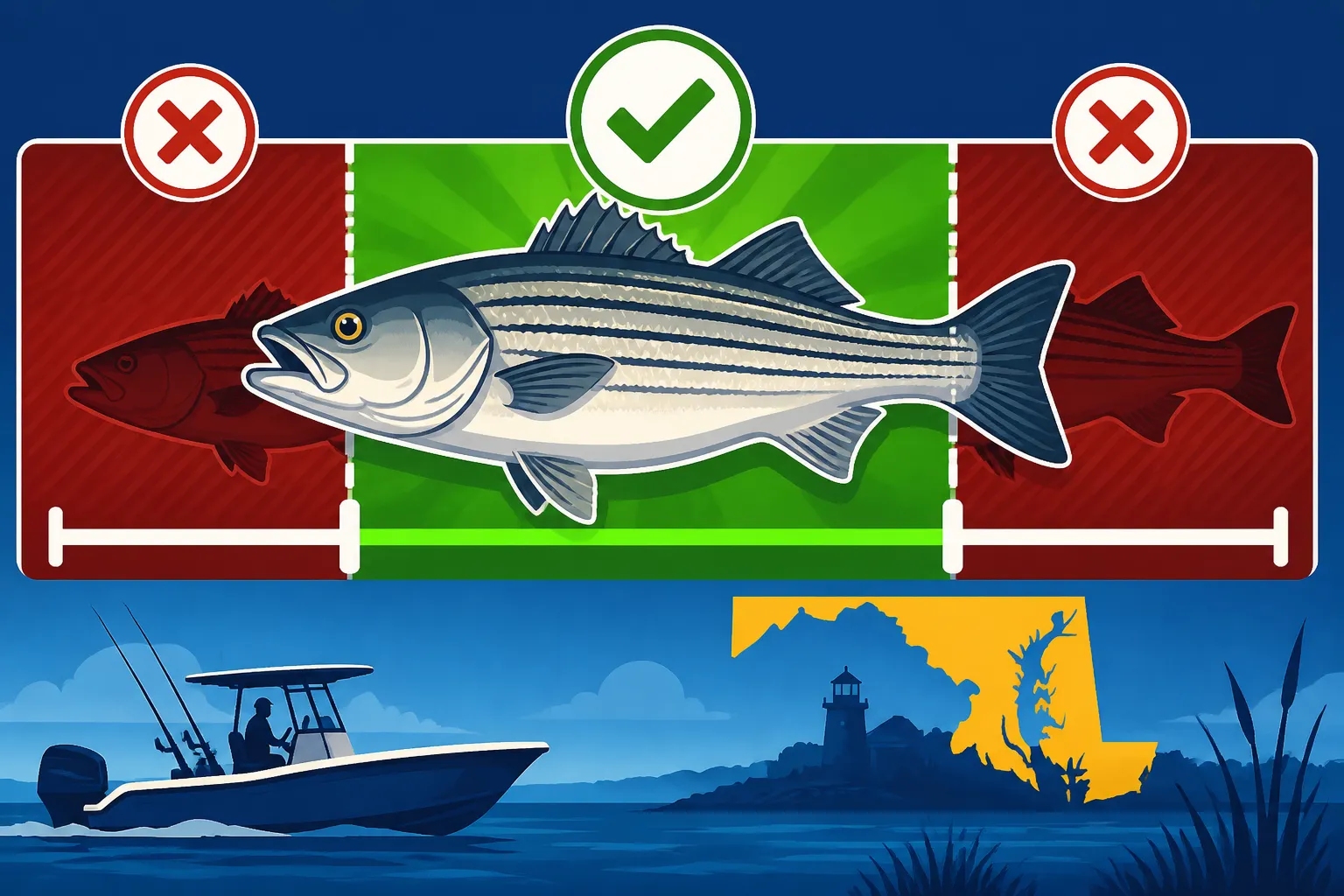
At its core, a slot limit isn't just a minimum size you can keep; it's a specific size range. This means that any fish you catch must fall within two designated lengths – a minimum and a maximum – to be legally harvested. If a fish is too small, you have to release it. If it's too big, you also have to release it. It's a precise window, and stepping outside of it in either direction means that fish isn't destined for your cooler. This concept is fundamentally different from a straightforward "minimum size limit," where any fish above a certain length is fair game. The added upper limit is what truly defines a "slot."
The primary goal of a slot limit is to protect specific age classes of fish within a population. Instead of just letting everything grow past a certain point, it strategically allows certain sizes to be harvested while safeguarding others. For striped bass, this often means protecting the younger, rapidly growing fish, and, critically, the large, mature spawning females that are essential for the species' future. It's a more nuanced approach to fisheries management than simply setting a single minimum length.
Why Maryland Uses a Slot Limit for Striped Bass
Maryland, like many other states along the Atlantic coast, employs a slot limit for striped bass because it's a powerful tool for conservation and sustainable fisheries management. The Chesapeake Bay is the largest striped bass nursery on the East Coast, making responsible stewardship paramount. The species has faced significant challenges over the years, including overfishing and habitat concerns, which have necessitated adaptive regulations. You can learn more about the overall rules in our guide to Maryland Striped Bass Season and Rockfish Rules.
One of the main reasons for the slot limit is to protect the crucial "spawning stock" – particularly the larger, older female striped bass. These bigger fish are the most prolific egg producers, and their contribution to the next generation of rockfish is immense. By requiring the release of these larger fish, the slot limit aims to keep them in the water to reproduce, bolstering future populations. Simultaneously, the minimum size ensures that juvenile fish have a chance to grow and mature, contributing to the overall health and stability of the stock before they become eligible for harvest. It's a balancing act designed to allow recreational fishing while also ensuring the long-term viability of this iconic species.
The Current Maryland Rockfish Slot Limit Explained
Alright, let's get down to the nitty-gritty of the actual numbers. Because regulations can change, it's always best to check the Maryland Department of Natural Resources (DNR) website for the absolute latest information before you head out. However, for the most part, the core principle of the slot limit for striped bass in Maryland's primary fishing grounds has been consistent for a while.
Specific Measurements for Chesapeake Bay
Currently, for the recreational fishery in the Chesapeake Bay and its tributaries, the Maryland rockfish slot limit often dictates that you can only keep striped bass that measure between 19 and 24 inches, inclusive. This means a fish exactly 19 inches long is legal, as is one exactly 24 inches. But if your fish is 18 ¾ inches, it must go back. If it's 24 ¼ inches, it also must go back. It's a tight window, and precision matters. Anglers are usually limited to one fish per person per day within this slot. This daily bag limit interacts directly with the slot, meaning you can only retain one fish that perfectly fits those dimensions, even if you catch several legal-sized fish. This strict adherence to both size and quantity is critical for compliance and conservation. For a more detailed breakdown of daily allowances, check out our piece on Maryland Striped Bass Daily Limit Per Angler.
It’s easy to get frustrated when you hook a magnificent, massive rockfish, only to realize it's just over the 24-inch mark and has to be released. Many anglers have been there, feeling that bittersweet pull of letting a potential trophy go. But remember, those bigger fish are the backbone of the spawning population, and releasing them ensures more rockfish for future generations.
How Ocean City and Coastal Waters Differ
Now, here's where it can get a little trickier, and where paying attention to your specific fishing location becomes paramount. While the 19-24 inch slot limit is generally for the Chesapeake Bay and its tributaries, the regulations for fishing in the Atlantic Ocean, including the waters off Ocean City and our coastal bays, can be entirely different. These regulations are often managed in conjunction with other states along the Atlantic coast, leading to varying rules.
For anglers venturing out of Ocean City, whether surf fishing, fishing from a pier, or on a charter, the striped bass size limits might be a straightforward minimum size, or a different slot limit altogether. For example, in the past, ocean regulations might allow a different length fish or even a different bag limit. This distinction is crucial, as you absolutely cannot apply Bay regulations to ocean fishing, or vice versa. Always consult the Maryland DNR website or the latest fishing guide specifically for Atlantic Ocean and coastal bay regulations before you drop a line there. Our guide to Maryland Striped Bass Minimum Size in the Ocean vs the Bay can offer further clarity on these distinctions, ensuring you're compliant no matter where you cast.
The Science Behind the Slot: Protecting Spawners and Sustaining Populations
Understanding the "why" behind these regulations often helps anglers accept and adhere to them, even when they mean letting a beautiful fish go. The slot limit isn't some arbitrary rule; it's a carefully calculated conservation strategy based on scientific data about striped bass biology and population dynamics.
Protecting Reproductive Spawning Stock
One of the most critical aspects of the slot limit is its role in protecting the reproductive "spawning stock" of striped bass. As fish grow larger, they typically become more reproductively mature. For striped bass, the largest females are the most prolific egg producers. A truly massive female can lay millions of eggs in a single spawning season, contributing significantly more to the overall population than several smaller, younger females combined. By requiring the release of these larger, often trophy-sized fish (those above the maximum length of the slot), Maryland's DNR ensures that these invaluable breeders remain in the water to continue their vital role in reproduction.
This strategy is a long-term investment in the health of the striped bass fishery. If too many of these large spawners were removed, the overall reproductive capacity of the population would decline, leading to fewer successful spawning events and, eventually, fewer fish for everyone to catch in the future. The slot limit acts as a protective shield for the genetic future of the species, ensuring that the "big mamas" continue to do their job and keep the Bay vibrant with new life.
Ensuring Growth of Younger Fish
Conversely, the lower end of the slot limit is equally important, serving to protect juvenile and sub-adult striped bass. When a minimum size limit is set at, say, 19 inches, it means that all the smaller fish below that length have a chance to grow larger, mature, and contribute to the population before they are harvested. This is often referred to as allowing for "recruitment" into the fishery, meaning these fish get to grow into the size classes that are eventually available for anglers.
Without this protection for younger fish, there's a risk of harvesting too many fish before they've had a chance to reach reproductive maturity or even contribute significantly to the overall biomass of the stock. The slot limit, by focusing harvest on mid-sized fish, aims to create a healthier age structure within the striped bass population. It allows a good portion of the population to survive past their first few years, ensuring there are enough fish to eventually become those critical spawners, and also enough to keep the overall population robust for anglers year after year.
Practical Application: Measuring, Handling, and Compliance on the Water
It's one thing to read about the slot limit; it's another entirely to implement it correctly when you're out on the water, the adrenaline is pumping, and a beautiful rockfish is on your line. However, mastering these practical aspects is key to enjoying your trip without the stress of potential violations.
Accurate Measurement Techniques
When it comes to the slot limit, precision is non-negotiable. "Close enough" simply won't cut it, and guessing could lead to fines. You need to know how to measure your catch accurately, every single time. The official measurement for striped bass in Maryland is from the tip of the snout to the tip of the tail (with the tail compressed, meaning squeezed together, to achieve the maximum length). This isn't just to the fork of the tail, so be mindful of that distinction.
To ensure accuracy, invest in a reliable measuring device. A flat, rigid bump board is often the best choice for boat anglers, as it provides a solid surface to bump the fish's snout against and clearly marks the length. Flexible tape measures can work for shore anglers, but make sure the fish is laid flat and straight. A quality fish ruler with clear markings is another excellent tool. You can find excellent, durable bump boards and rulers on Amazon, often designed specifically for the rigorous conditions of saltwater fishing. Remember, a quick and accurate measurement is not only about compliance but also about minimizing the stress on the fish, especially if you need to release it.
Best Practices for Catch and Release
Since a significant portion of your catch will likely fall outside the legal slot and need to be released, mastering proper catch-and-release techniques is just as important as knowing the slot limit itself. The goal is to return that fish to the water in the best possible condition to ensure its survival. This starts even before you reel it in. Consider using circle hooks, which are often required or highly recommended for striped bass when using bait. Circle hooks tend to lodge in the corner of a fish's mouth, making them much easier to remove and greatly reducing gut-hooking, which is often fatal.
When you bring a fish aboard that's outside the slot, handle it as gently and quickly as possible. Avoid touching its gills or eyes. If you can, use a de-hooking tool to remove the hook without ever lifting the fish out of the water. If you must bring it aboard for a quick measurement, use wet hands or a wet towel to minimize the removal of its protective slime coat. Support the fish horizontally, especially larger ones, to avoid damaging internal organs or its spine. Get that measurement, snap a quick photo if you like, and then gently return the fish to the water, allowing it to swim off under its own power. Sometimes, a gentle forward and backward motion in the water can help revive it, especially if it put up a long fight. If you're looking for more comprehensive advice on Maryland Catch and Release Rules During Closed Seasons, practicing these techniques will serve you well.
Common Angler Misunderstandings and Penalties
Even with the best intentions, it's surprisingly easy to make a mistake when trying to adhere to complex fishing regulations. Unfortunately, ignorance of the law is never an excuse, and misunderstandings can lead to costly and frustrating penalties.
"Just a Little Over" or "Just a Little Under"
This is perhaps the most common trap anglers fall into, and it's born from a combination of eagerness and a slight misjudgment. You've caught a beautiful fish, it looks perfect, and you measure it quickly, perhaps without quite compressing the tail fully or getting the snout perfectly against the bump. It looks "about right." The problem is, enforcement officers aren't looking for "about right." They're looking for exact compliance. A fish that is 18.9 inches when the minimum is 19 inches, or 24.1 inches when the maximum is 24 inches, is still considered an illegal fish.
It's tempting, especially after a long day of fishing or if it's the only fish you've caught, to fudge the numbers slightly in your head. But imagine this scenario: a Maryland Natural Resources Police (NRP) officer approaches your boat or cooler at the ramp. They will meticulously measure your fish. If it's even a fraction of an inch outside the slot, it's a violation. That small "fudge" factor can quickly turn into a big headache, leading to fines and the potential loss of your catch. When in doubt, always err on the side of caution and release the fish.
Fines and Consequences for Violations
The consequences of violating Maryland's fishing regulations, including the rockfish slot limit, are no joke. They're designed to be deterrents, reflecting the seriousness of conserving our valuable fishery resources. Penalties can vary depending on the severity and frequency of the offense, but generally, you're looking at significant fines. These fines can easily run into the hundreds of dollars, and they often increase for multiple violations or for especially egregious breaches of the rules.
Beyond the monetary cost, you could also face the suspension or revocation of your Maryland fishing license, which means no more fishing for a set period. In some cases, your fishing gear, including rods, reels, and even your boat, could be seized. The impact isn't just financial; it's also a blow to your reputation as a responsible angler. No one wants to be known as someone who doesn't respect the rules. It's far better to take the extra minute to measure correctly and release a questionable fish than to face the legal and financial repercussions. For a detailed look at the broader implications, read our guide on Maryland Fishing License Penalties for Violations.
Here's a quick reference table for the common Chesapeake Bay rockfish slot limit:
| Measurement Type | Chesapeake Bay (General Recreational) | Action Required |
|---|---|---|
| Minimum Length | 19 inches | Release if under 19 inches |
| Maximum Length | 24 inches | Release if over 24 inches |
| Legal Slot Range | 19 inches to 24 inches, inclusive | Only fish within this range may be kept |
| Daily Bag Limit | 1 fish per person | No more than one fish per angler per day |
Note: Always verify current regulations with the Maryland DNR, as rules can change.
Keeping Up with Ever-Changing Regulations
If you've been fishing in Maryland for any length of time, you know that fishing regulations aren't set in stone. They're a living, breathing document that evolves based on scientific data, environmental conditions, and the health of fish populations. This constant flux can be incredibly frustrating for anglers who just want to understand the rules and enjoy their time on the water.
Why Rules Change Seasonally and Annually
The reason fishing rules, especially for a highly managed species like striped bass, change so frequently is rooted in adaptive management. Fisheries biologists and managers regularly conduct stock assessments to evaluate the health and population size of species like rockfish. These assessments take into account factors such as spawning success in previous years, overall mortality rates, fishing pressure from recreational and commercial sectors, and environmental conditions that impact survival. If a stock assessment shows a decline in the population or concerns about reproductive capacity, regulations will be adjusted to reduce harvest and help the stock recover. Conversely, if the population is robust, there might be slightly more liberal harvest opportunities.
These changes can happen seasonally, for example, specific rules for Maryland's 2026 Striped Bass Season Dates or even within a single year if emergency closures or modifications become necessary. It’s an ongoing process to ensure sustainable fishing for future generations, even if it means we, as anglers, have to stay on our toes. Embracing this dynamic nature is part of being a responsible steward of our natural resources.
Where to Find the Most Current Information
Given the dynamic nature of fishing regulations, relying on old knowledge or assumptions is a recipe for disaster. The single most authoritative and up-to-date source for Maryland fishing regulations is the Maryland Department of Natural Resources (DNR) website. Before every fishing trip, especially if you're targeting striped bass or other regulated species, make it a habit to check the DNR's fishing and boating pages. They typically publish a comprehensive annual fishing guide, but also post real-time updates for any emergency closures or rule changes that occur mid-season.
Beyond the website, many anglers find it helpful to download the official DNR fishing guide to their phone or even purchase a printed, waterproof copy to keep on their boat. You can often find copies of the official Maryland DNR Fishing and Boating Guide, Explained on Amazon. Consider subscribing to DNR email alerts or following their official social media channels, as these are often used to disseminate urgent updates. Remember, knowing the rules is your responsibility as an angler, and staying informed is the best way to avoid unintentional violations and ensure you're contributing to the conservation of Striped Bass: Maryland's State Fish for years to come.
Disclaimer
The information provided in this guide is for general informational purposes only and is subject to change. Maryland fishing regulations, including those pertaining to the rockfish (striped bass) slot limit, are frequently updated by the Maryland Department of Natural Resources (DNR). It is the sole responsibility of each angler to consult the official Maryland DNR website or the most current Maryland Fishing and Crabbing Guide before engaging in any fishing activity to ensure compliance with all applicable laws and regulations.