Fishing Maryland’s Chesapeake Bay, A Complete Guide
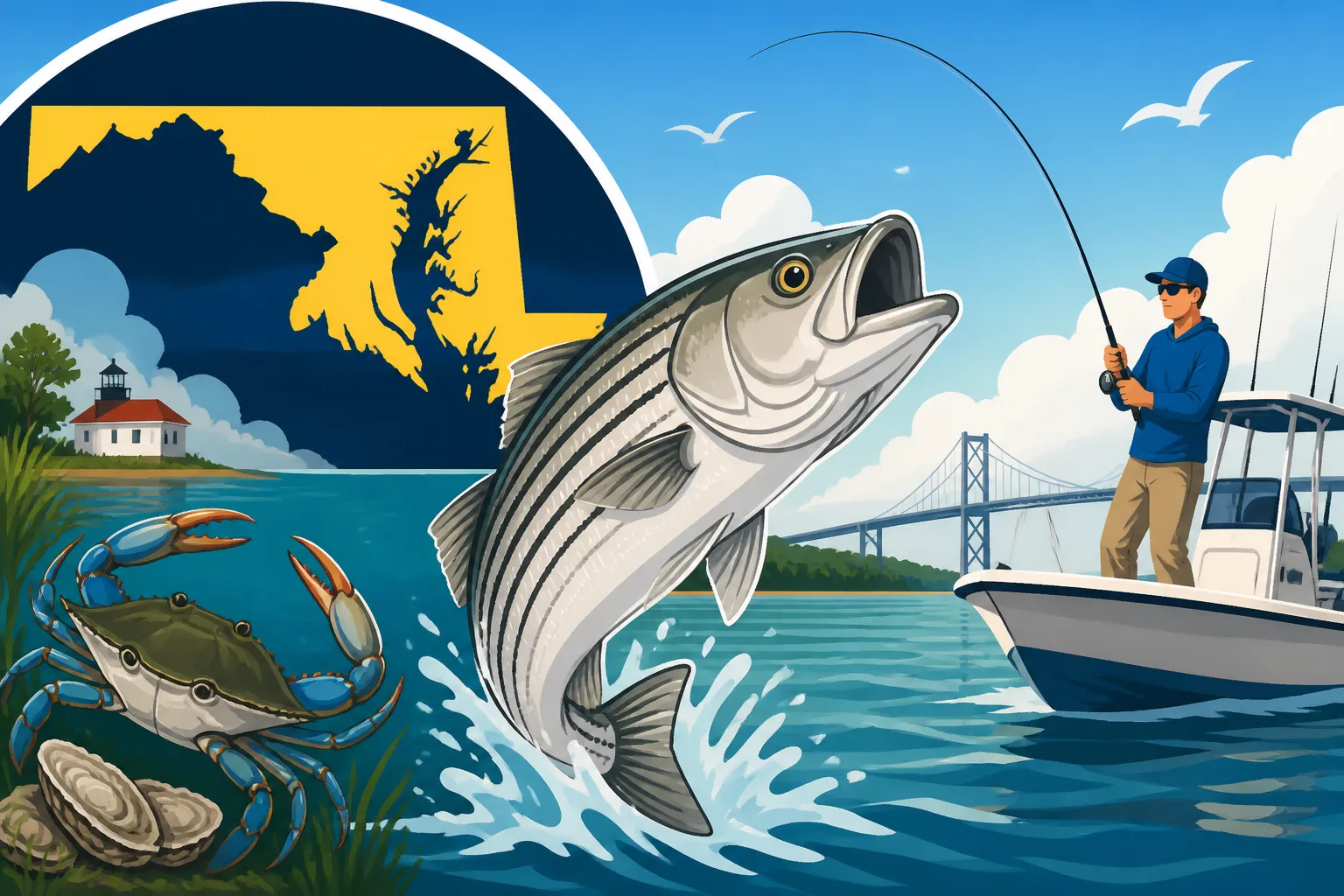
Fishing Maryland's Chesapeake Bay can feel like stepping into a whole different world, a vast and complex ecosystem that holds incredible promise for anglers but can also be incredibly intimidating if you don't know where to start. Many folks feel overwhelmed by the sheer size of the Bay, the changing tides, the countless species, and the ever-evolving regulations, wondering how anyone could possibly master it all. This comprehensive guide is here to unravel those complexities, providing you with all the insights you need to confidently explore and successfully fish Maryland's iconic Chesapeake Bay.
Understanding the Bay's Unique Ecosystem for Anglers
The Chesapeake Bay isn't just a large body of water; it's a dynamic, intricate ecosystem where freshwater from rivers meets the salty Atlantic Ocean. This constant ebb and flow creates a unique environment that impacts every aspect of fishing, from where fish live to what they're biting on. If you want to consistently find success, getting a handle on these foundational elements is absolutely key.
Tidal Influences and Water Salinity
The Bay's most defining characteristic, especially for fishing, is its tidal nature. Unlike a lake, the water level and currents here are constantly shifting with the moon's gravitational pull. You'll notice significant changes in water depth, current speed, and even clarity depending on whether the tide is coming in (flood tide) or going out (ebb tide). These tidal movements dictate when and where baitfish and gamefish feed. For instance, a strong outgoing tide can concentrate baitfish in certain areas, making them easy targets for hungry predators. Conversely, an incoming tide might push cooler, saltier water further up the Bay, invigorating some species.
Beyond the tides, salinity plays a huge role. The northern reaches of the Bay, fed by major rivers like the Susquehanna, are much fresher, almost like a massive lake, hosting species like largemouth bass and various catfish. As you move south towards the mouth of the Bay near the Atlantic, the water becomes increasingly salty, providing habitat for true saltwater species such as red drum, flounder, and black sea bass. The mid-Bay, a true brackish zone, is where the magic happens for many anglers, as it hosts a mix of both freshwater and saltwater species, creating incredible diversity. Understanding this salinity gradient helps you predict which species you're likely to encounter in different parts of the Bay and choose your tactics accordingly. Knowing How Tides Affect Fishing in Maryland's Chesapeake Bay can significantly boost your success.
Habitat Diversity: Deep Channels, Grass Beds, and Structures
The Chesapeake Bay offers an incredible variety of habitats, each attracting different fish species. Deep shipping channels, for example, act as highways for migrating fish like striped bass and bluefish, providing cooler water and ample prey. These channels also feature steep drop-offs and ledges that fish use as ambush points. Knowing where these channels run and how to fish their edges is a fundamental Bay fishing skill.
Then there are the vast underwater grass beds, particularly prevalent in the shallower regions and tributaries. These submerged grasses are nurseries for baitfish, crabs, and juvenile gamefish, providing both food and protection. When conditions are right, these grass beds can hold incredible numbers of hungry fish, from white perch to rockfish. Fishing around the edges or even through these beds with weedless lures can be incredibly productive. Finally, the Bay is dotted with various man-made and natural structures: bridge pilings (like those of the Chesapeake Bay Bridge), oyster reefs, sunken wrecks, and jetties. These structures break up currents, provide shelter, and attract bait, making them magnets for predatory fish looking for an easy meal. Each type of structure requires a slightly different approach, but they are almost always worth investigating.
Understanding the Bay's Food Web and Baitfish
At the heart of any productive fishery is a robust food web, and the Chesapeake Bay's is incredibly rich. Knowing what the target species are eating helps you choose the right bait and lures. Menhaden (or "bunker" as they're often called) are perhaps the most important forage fish in the Bay. These oily, schooling fish are a primary food source for striped bass, bluefish, and other predators. When you find schools of menhaden, you'll often find gamefish close behind.
Other crucial baitfish include spot, croaker, anchovies, and various silversides. Crabs, particularly blue crabs, also represent a significant food source for many Bay species, especially larger striped bass and red drum. Even smaller fish like white perch and juvenile yellow perch become prey for larger predators. When choosing your bait or artificial lure, always try to "match the hatch" – that is, imitate the size, color, and action of the predominant baitfish or crustaceans in the area. This deep understanding of the local food chain gives you a significant advantage, helping you decide between live bait, cut bait, or a specific type of lure.
Prime Fishing Locations Across the Chesapeake Bay
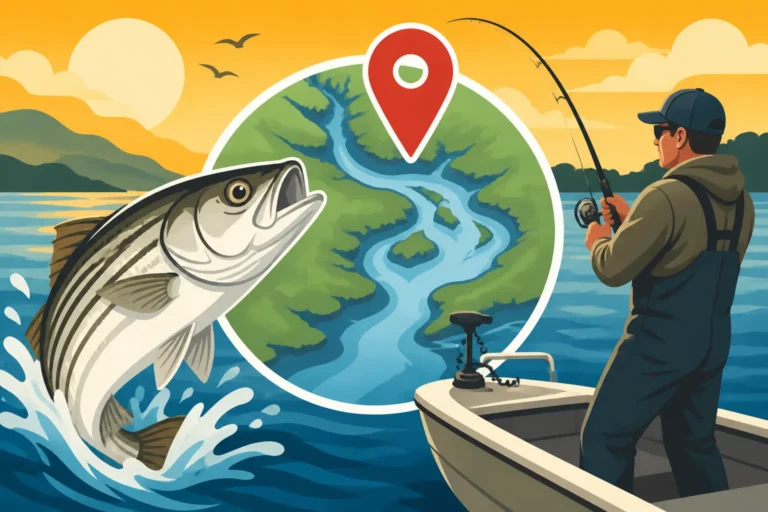
Given the Chesapeake Bay's immense size, knowing where to cast your line can feel like an impossible task. But fear not, because the Bay offers a wealth of incredible fishing grounds, each with its own charm and target species. From the bustling upper reaches to the more expansive lower Bay, there's a perfect spot waiting for every angler.
Upper Bay Hotspots: Susquehanna Flats to Bay Bridge
The Upper Chesapeake Bay, generally considered north of the Chesapeake Bay Bridge, is a truly unique fishing destination. Here, the freshwater influence is strongest, particularly from the Susquehanna River, creating a brackish environment that teems with life. One of the most legendary spots is the Susquehanna Flats. This vast, shallow area, rich with submerged aquatic vegetation, is world-renowned for its trophy largemouth bass fishing, particularly in the spring. It's also an incredible place to find northern snakehead. During the striped bass spawning run, the area around the Conowingo Dam on the Susquehanna River becomes a major draw. However, remember that specific closure dates and regulations apply here, so always check the latest rules before heading out.
Moving south, the waters around Havre de Grace offer diverse fishing, from catfish in the river to striped bass in the Bay proper. As you approach the iconic Chesapeake Bay Bridge, the fishing opportunities multiply exponentially. The bridge pilings themselves create immense structure, attracting striped bass, white perch, and even tautog. The deep channels and surrounding ledges are prime trolling grounds for larger rockfish, especially during the spring and fall migrations. Areas like Sandy Point State Park offer excellent shore access and pier fishing for various species. Many anglers book charters out of ports like Middle River, Dundee Creek, or Kent Island to access these productive upper Bay waters, especially during peak Maryland Striped Bass Season and Rockfish Rules.
Mid-Bay Havens: Annapolis to Solomons Island
The Mid-Chesapeake Bay, stretching roughly from the Chesapeake Bay Bridge down to the Patuxent River, is arguably the most popular and productive fishing region in Maryland. This is the heart of the brackish zone, where a perfect blend of salinity creates ideal conditions for a wide array of species. The waters around Annapolis, with its numerous creeks and rivers like the Severn and South River, are fantastic for white perch, crappie, and smaller striped bass, particularly in the quieter backwaters. The Bay Bridge itself continues to be a major draw, with its expansive structure holding fish year-round.
Further south, the Patapsco River, leading into Baltimore, offers excellent opportunities for striped bass, white perch, and abundant blue catfish. The Eastern Shore tributaries, such as the Chester, Choptank, and Miles Rivers, are also incredibly popular, known for their spring white perch runs and excellent striped bass fishing, especially during the fall. Fishing the Bay Bridge pilings for striped bass, or even drifting the oyster reefs in the Choptank, are classic Bay experiences. The area around Solomons Island, where the Patuxent River meets the Bay, is another mid-Bay hotspot. This region boasts deep channels, extensive oyster reefs, and excellent access to both the Patuxent and main stem of the Bay, making it a prime location for targeting larger striped bass, bluefish, and even some flounder in the warmer months. It's a fantastic area to explore if you're looking for Best Places to Fish in Maryland that offer varied fishing.
Lower Bay Gems: Point Lookout and Beyond
As you venture into the Lower Chesapeake Bay, from the Patuxent River south to the mouth of the Potomac River and out to Point Lookout, the water becomes increasingly saline, hinting at the nearby Atlantic. This region often sees the largest migratory striped bass during the spring trophy season and offers some of the best opportunities for saltwater species that prefer higher salinity. Point Lookout State Park, located at the very tip of Southern Maryland, is an excellent example. Its long fishing pier and surrounding waters are fantastic for catching a mix of species, including striped bass, bluefish, flounder, and even red drum or speckled trout on occasion.
The vast mouth of the Potomac River is another significant feature of the lower Bay, offering unparalleled blue catfish fishing, especially in the deeper channels, alongside excellent striped bass and white perch opportunities. Further south and east, towards the Tangier Sound and the waters surrounding Smith and Tangier Islands, you'll find shallower, grassier areas that hold excellent populations of speckled trout and flounder. These remote, often calmer waters are a haven for light tackle enthusiasts. Offshore of the lower Bay, anglers can also find black sea bass on artificial reefs and wrecks. For those seeking a charter experience in this area, you'll find many skilled captains departing from ports like Solomons Island or Point Lookout, ready to put you on fish in these productive, saltier waters.
Key Fish Species to Target in the Chesapeake Bay
The beauty of fishing the Chesapeake Bay lies in its incredible biodiversity. Depending on the season, location, and your chosen technique, you can encounter a wide range of desirable fish species. Some are iconic, deeply tied to the Bay's identity, while others are newcomers altering the ecosystem.
The Iconic Striped Bass (Rockfish)
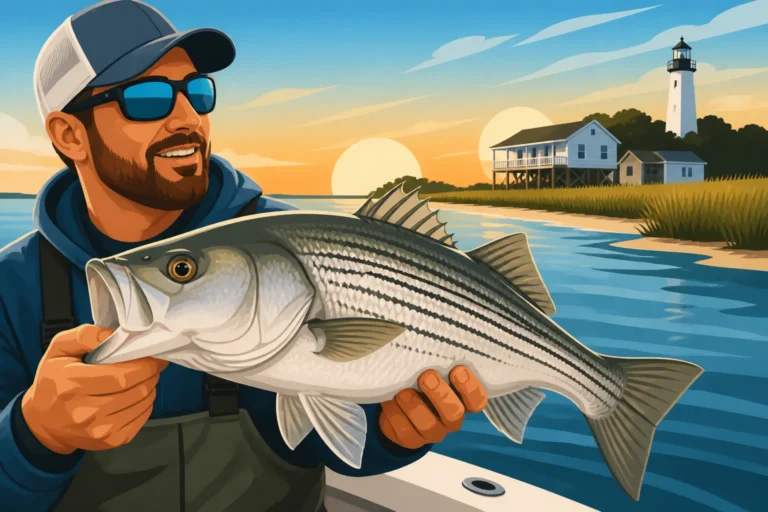
When most people think of fishing the Chesapeake Bay, they think of striped bass, or "rockfish" as they're affectionately known in Maryland. These powerful, silver-sided predators are the undisputed kings of the Bay, providing thrilling action for anglers of all skill levels. Striped bass migrate into the Bay each spring to spawn in its freshwater tributaries, offering opportunities for trophy-sized fish. Throughout the summer and fall, they can be found throughout the Bay, feeding voraciously on baitfish like menhaden.
Maryland has a strict slot limit and season for striped bass to ensure the sustainability of the population, so always double-check the latest Maryland Striped Bass Season and Rockfish Rules before heading out. Anglers target them using a variety of methods, including trolling with large lures, jigging with soft plastics or metal, live-lining spot or eels, and casting topwater plugs in shallow water. The thrill of hooking into a hard-fighting rockfish is a quintessential Chesapeake Bay experience. Whether you're chasing schoolies in the shallows or a hefty keeper in the channels, the striped bass remains the Bay's premier gamefish.
Abundant White Perch and Yellow Perch
While striped bass get all the glory, the humble white perch is arguably the most abundant and consistently catchable gamefish in the Chesapeake Bay. These feisty panfish are found throughout the Bay and its tributaries, from nearly fresh water to quite salty areas. They are incredibly popular among families and beginner anglers because they are plentiful, bite readily, and are delicious to eat. White perch are particularly active during their spring spawning runs up the tidal creeks, providing incredible action for shore anglers and boaters alike. During the summer and fall, they school up around structure like oyster reefs, bridge pilings, and channel edges.
Yellow perch, while also popular, are typically found in the fresher, upper reaches of the Bay and its tributaries, particularly during their own spring spawning runs. They are celebrated for their vibrant colors and tasty fillets. Both white and yellow perch respond well to small jigs, spinnerbaits, and classic bottom fishing rigs baited with bloodworms, grass shrimp, or pieces of fish. You can learn more about White Perch in Maryland's Chesapeake Bay to maximize your chances. Targeting perch is a great way to guarantee some bending rods and a delicious fresh meal.
Invasive Species: Blue Catfish and Snakehead
The Chesapeake Bay's ecosystem is constantly changing, and the introduction of invasive species has brought both challenges and new fishing opportunities. The blue catfish is a prime example. These massive freshwater catfish, introduced decades ago, have exploded in population, particularly in the Potomac and Susquehanna Rivers and their tidal portions of the Bay. They grow to enormous sizes, offering incredible sport for those with heavy tackle. While they pose a significant threat to native species by competing for food and preying on them, anglers are encouraged to catch and keep as many as possible, as there are no size or creel limits on them. They are also excellent table fare.
Another significant invasive species is the northern snakehead, a unique and aggressive predator from Asia. Snakeheads thrive in the shallow, vegetated backwaters and tidal creeks of the upper Bay and its tributaries, especially the Potomac River. They are known for their explosive topwater strikes and powerful fights. Like blue catfish, anglers are encouraged to harvest snakeheads and not release them once caught. These fish have truly altered the fishing landscape, offering exciting new targets. Exploring Maryland Invasive Fish Rules: Blue Catfish and Snakehead is essential for any angler wanting to contribute to the Bay's health while enjoying a thrilling catch. Don't forget, catching a Maryland Blue Catfish, an Invasive Giant, is a unique and encouraged experience.
Other Popular Catches: Flounder, Bluefish, and Croaker
Beyond the headline acts, the Chesapeake Bay offers a supporting cast of fantastic gamefish that add variety to any angler's trip. Flounder, with their delicious white meat, are a popular target, especially in the saltier waters of the lower Bay and its coastal bays. They are often found lurking on sandy or muddy bottoms, ambushing baitfish. Drifting with minnows, squid, or Gulp! artificial baits on a flounder rig is a classic and effective method.
Bluefish are another exciting species, known for their aggressive strikes and sharp teeth. These powerful fighters travel in schools and can provide fast and furious action, especially during their migratory runs in the summer and fall. They'll readily hit a variety of lures, from metal spoons to topwater plugs, and are a blast on light tackle. Croaker, also known as hardheads, are another staple of Bay fishing. These bottom dwellers are plentiful, especially in the summer, and can be caught on small baits like bloodworms or squid. While not as flashy as a striped bass, they provide consistent action and are excellent eating. Depending on the season and location, you might also encounter red drum, spot, speckled trout, and various other species, making every trip to the Bay an adventure.
Effective Fishing Techniques for Bay Anglers
Fishing the Chesapeake Bay is a game of adapting to conditions and knowing the right tactics for your target species. There's no single "best" way to fish, but rather a toolbox of techniques that, when used strategically, will lead to consistent success.
Trolling for Predatory Fish
Trolling is perhaps the most widely used and effective method for covering large expanses of the Chesapeake Bay, especially when targeting migratory striped bass and bluefish. It involves dragging lures or baited rigs behind a slow-moving boat, covering a lot of water to find actively feeding fish. The beauty of trolling is its versatility; you can deploy multiple lines at different depths using planers, downriggers, or inline weights to present baits at various levels in the water column. Popular trolling lures include bucktails, spoons, swim shads, and umbrella rigs, often dressed with surgical hoses or plastic worms. The key is to vary your speed, lure colors, and depths until you find what the fish are responding to.
A common setup might involve a combination of tandem rigs and single lures, staggered behind the boat to avoid tangles. Trolling along channel edges, over submerged structure, or near schools of baitfish can be incredibly productive. It's an excellent way to locate fish before switching to more active casting or jigging if you find a concentration. Many Maryland Striped Bass Fishing Techniques revolve around effective trolling strategies, particularly for targeting larger fish.
Jigging and Live-Lining Strategies
When fish are concentrated in specific areas, such as around bridge pilings, oyster reefs, or schools of bait, jigging becomes an incredibly effective, active fishing technique. Jigging involves vertically dropping a weighted lure (a jig) to a desired depth and then rhythmically lifting and dropping it to mimic a wounded baitfish. Metal jigs, soft plastic paddle tails on jig heads, and even traditional bucktail jigs are all popular choices. This method allows for precise presentation and can be deadly when fish are holding tight to structure or suspended in the water column.
Live-lining is another extremely potent technique, especially for larger, finicky striped bass. This involves hooking a live baitfish, typically a spot, menhaden, or eel, and allowing it to swim freely near known fish concentrations. The natural action of the live bait is often irresistible to predatory fish. Anglers will often drift or anchor near schools of baitfish, deploying their live baits with minimal weight or a small sinker to keep them in the strike zone. Finding fresh live bait can sometimes be a challenge, but the results often speak for themselves. This method requires patience and a good understanding of where the fish are holding, but it's one of the most exciting ways to hook into a trophy.
Bottom Fishing and Chumming
For those who prefer a more relaxed approach or are targeting species like white perch, croaker, blue catfish, or flounder, bottom fishing is a go-to method. This involves using a weighted rig to present bait directly on or near the bottom. Simple bottom rigs, like a top-and-bottom rig or a fish-finder rig, are incredibly effective. Baits typically include bloodworms, squid, pieces of peeler crab, or cut fish (for catfish). This technique is highly productive around oyster reefs, channel edges, piers, and other structures where bottom-dwelling species congregate.
Chumming takes bottom fishing a step further, creating an irresistible scent trail to draw fish to your location. A chum pot filled with ground menhaden or other oily fish is suspended in the water, slowly releasing a plume of scent and small bait particles. This attracts baitfish, which in turn attract larger predatory fish. When chumming for striped bass, anglers will often deploy live baits or unweighted chunks of cut bait into the chum slick, allowing them to drift naturally with the current. This method can lead to intense feeding frenzies and is particularly effective during warmer months when fish are actively feeding. It's a fantastic way to bring the fish to you, making for some truly memorable fishing experiences.
Seasonal Strategies for Chesapeake Bay Fishing Success
The Chesapeake Bay is a year-round fishery, but its character changes dramatically with the seasons. Understanding these shifts is crucial for maximizing your chances of success, as different fish species become active, migrate, or spawn at specific times.
Spring: Spawning Runs and Trophy Season
Spring in the Chesapeake Bay is a time of immense excitement for anglers. As water temperatures begin to rise, the Bay comes alive. The most anticipated event is the striped bass (rockfish) spawning run, when massive schools of mature fish migrate from the Atlantic into the Bay's freshwater tributaries to reproduce. This period, typically from April through May, offers anglers the chance to catch true trophy-sized striped bass. Strict regulations apply during this time, often including a "trophy season" with specific size limits and harvest dates, followed by a general season. You should always consult the Maryland DNR for the most up-to-date Maryland Fishing Size and Catch Limits by Species.
Beyond striped bass, spring also sees the prolific white perch and yellow perch runs. These fish move into shallower creeks and rivers to spawn, providing fantastic light tackle action for anglers fishing from shore or small boats. Many anglers also target blue catfish as they become very active in the warmer spring waters, especially in the Potomac and Susquehanna Rivers. The overall message for spring is: target migratory and spawning fish, paying close attention to the specific regulations and where the fish are concentrating. This is arguably the most action-packed time of year.
Summer: Diverse Opportunities and Warm Water Tactics
As the Bay fully warms up in summer, the fishing transitions. While the large trophy striped bass have typically moved out to the ocean or dispersed, there are still plenty of resident striped bass to be found, often holding in deeper, cooler waters around structure or actively feeding in the early mornings and late evenings. The focus often shifts to other species as well. Flounder become a prime target in the saltier lower Bay and coastal areas, often drifting over sandy bottoms. Bluefish arrive in force, providing thrilling, aggressive bites throughout the Bay.
White perch fishing remains excellent, with schools congregating around oyster reefs and piers. The invasive blue catfish are incredibly active in the rivers, offering non-stop action, and northern snakehead can be found striking topwater lures in the shallow grass beds. Summer fishing often means earlier starts or later evenings to avoid the midday heat and boat traffic. Chumming becomes a very effective tactic for drawing fish in, and light tackle fishing for a diverse range of species can keep lines tight. It's a great time for families to get out on the water, with ample opportunities for panfish and abundant species. Overall, summer fishing in Maryland offers incredible diversity if you know where to look.
Fall: The Epic Run and Migratory Species
Fall is another peak season for Chesapeake Bay fishing, rivaling spring in its excitement and productivity. As water temperatures begin to cool, the Bay experiences a massive "fall run" of striped bass as they migrate south towards the ocean for the winter. These fish are actively feeding to build up energy for their journey, creating incredible opportunities for anglers. Trolling, jigging, and live-lining are all highly effective during this period, especially around major migratory routes like channel edges and the Bay Bridge.
Bluefish continue to be plentiful, often mixed in with the striped bass, and can provide fast and furious action. White perch fishing remains strong as they school up before the onset of winter. Bottom fishing for croaker and spot is also productive. Beyond these, the cooler fall waters can also bring opportunities for species like speckled trout in the lower Bay. The crisp air, vibrant foliage, and aggressive feeding patterns of the fish make fall an absolutely prime time to be on the water. Many consider it the Best Time of Year to Fish in Maryland for sheer action.
Winter: Cold-Weather Challenges and Opportunities
While many anglers pack away their gear for the winter, the Chesapeake Bay still offers unique fishing opportunities for those willing to brave the cold. Fishing certainly slows down, and many species become dormant or move to deeper, warmer waters, but some remain active. Striped bass can still be found, often schooling in deep channels where water temperatures are more stable. Jigging with heavy metal jigs or soft plastics is a common technique, targeting these lethargic but still catchable fish.
Blue catfish, being incredibly hardy, remain a viable target throughout the winter, particularly in the tidal rivers. They will often concentrate in deep holes and channels. Ice fishing is also a possibility in the extreme upper reaches of the Bay or in very shallow, protected tidal ponds if conditions allow for safe ice thickness, often targeting yellow perch or crappie. However, open water winter fishing demands careful preparation: warm clothing, attention to safety, and a willingness to adapt. While the numbers of fish might be lower, the solitude and challenge of a winter catch can be incredibly rewarding.
Essential Gear and Preparation for Your Bay Trip
Embarking on a fishing trip in Maryland's Chesapeake Bay requires more than just a rod and reel. The Bay is a vast, open body of water, and proper preparation, from selecting the right tackle to prioritizing safety, is crucial for a successful and enjoyable experience.
Rod, Reel, and Line Selection
Choosing the right rod and reel setup depends heavily on what species you plan to target and your preferred fishing method. For general Bay fishing, covering everything from white perch to smaller striped bass, a medium-action spinning rod (7-foot to 7-foot 6-inch) paired with a 3000-4000 series spinning reel spooled with 15-20 lb braided line is a versatile choice. This setup offers enough backbone for larger fish but is sensitive enough for lighter bites.
If you're specifically targeting larger trophy striped bass, especially for trolling or live-lining, you'll want to step up to a medium-heavy to heavy-action casting rod (7-foot to 8-foot) paired with a conventional reel (like a Penn Squall or Shimano Tekota) capable of holding 30-50 lb braided line, often with a monofilament top shot for abrasion resistance. For bottom fishing for perch or croaker, lighter tackle (medium-light spinning rod with 10 lb braid) works perfectly. Always use a fluorocarbon leader (20-40 lb for striped bass, 8-15 lb for perch) to reduce visibility and protect against abrasion. Having a few different setups can make your Bay trip much more adaptable.
Lures, Baits, and Terminal Tackle Essentials
The array of lures and baits for Chesapeake Bay fishing can be overwhelming, so it’s best to have a versatile selection. For striped bass and bluefish, consider a range of artificials:
- Jigs: Soft plastic paddle tails (4-6 inches) on 3/4 to 2 oz jig heads in chartreuse, white, or pearl. Metal jigs (1-3 oz) for deeper water or vertical jigging.
- Spoons: Crippled Herring or similar metal spoons for trolling or casting.
- Topwater Plugs: For explosive shallow water action, especially for snakehead or striped bass.
- Bucktails: A classic choice, often tipped with a plastic or real worm for added attraction.
For white perch, croaker, and bottom species, keep it simple:
- Baits: Bloodworms, grass shrimp, squid strips, and peeler crab are all highly effective. For blue catfish, fresh cut bait like gizzard shad or perch is deadly.
- Rigs: Pre-tied top-and-bottom rigs for perch/croaker, or fish-finder rigs for heavier bottom fishing.
- Terminal Tackle: A selection of swivels, snaps, sinkers (pyramid, egg, bank), hooks (circle hooks are often mandatory for striped bass, especially when live-lining, so check regulations), and leader material. Don't forget a good pair of pliers, line clippers, and a hook remover. A tackle box with organized compartments will save you endless frustration on the water.
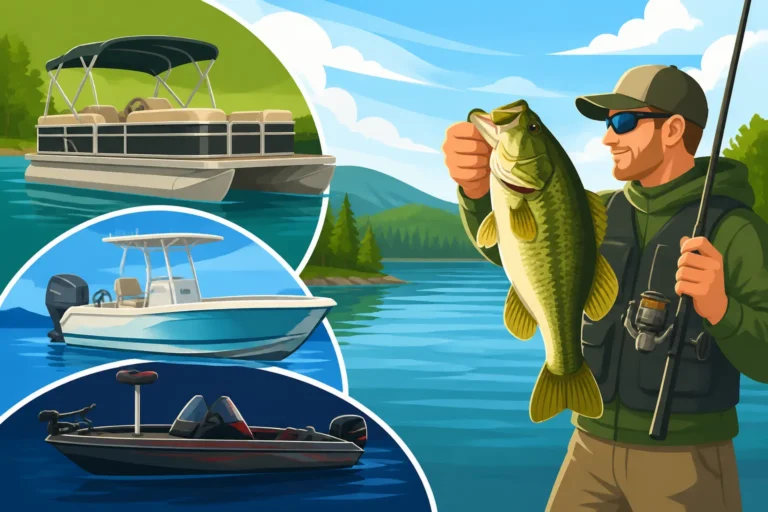
Safety Equipment and Boating Considerations
The Chesapeake Bay can be beautiful, but it can also be unforgiving, especially for boaters. Safety should always be your top priority. Ensure your boat is equipped with all required safety gear, including:
- Life Jackets: One Coast Guard-approved PFD for every person on board, readily accessible. Children 13 and under must wear them at all times on vessels under 21 feet.
- Visual Distress Signals: Flares (day/night) or an electronic visual distress signal.
- Sound Producing Device: Horn, whistle, or bell.
- Fire Extinguisher: If required for your vessel size.
- Navigation Lights: If operating between sunset and sunrise.
- Throwable Flotation Device: A cushion or ring buoy.
- First-Aid Kit: Essential for minor injuries.
Beyond the legal requirements, consider carrying extra water, sun protection, a VHF radio, a fully charged cell phone (in a waterproof case), and a reliable GPS/chartplotter. Weather can change rapidly on the Bay, so always check the forecast before departing and be prepared to head back if conditions deteriorate. Familiarize yourself with marine weather forecasts, especially wind and wave predictions. Having a float plan, telling someone where you're going and when you expect to return, is also a smart practice. Remember, a safe day on the water is a good day, regardless of the catch.
Navigating Regulations and Licenses for the Bay
One of the most challenging aspects of fishing in Maryland's Chesapeake Bay is staying on top of the ever-changing regulations. The Maryland Department of Natural Resources (DNR) works tirelessly to manage fish populations, and as a responsible angler, it's your duty to understand and adhere to these rules. Ignoring them can lead to hefty fines and impact the future of fishing.
Maryland Fishing License Requirements
Before you even think about casting a line, you need the proper Maryland fishing license. The Bay is considered tidal water, so you will generally need a Maryland Bay & Coastal Sport Fishing License if you are fishing in the main stem of the Chesapeake Bay or its tidal tributaries. If you plan to fish freshwater (nontidal) lakes and ponds in addition to the Bay, you might consider a Consolidated Sport Fishing License, which covers both. Non-residents have specific license options, including annual or shorter-term licenses like the Maryland 7-Day Fishing License Options, which are great for visitors.
There are also exemptions for certain age groups (like children under 16, who generally do not need a license) and special circumstances (such as fishing on free fishing days or on a licensed charter boat where the boat's license covers passengers). It’s critical to understand the nuances, for example, the difference between a Maryland Nontidal vs Tidal Fishing License, Explained. You can purchase your license easily online through the Maryland DNR's COMPASS system or at various authorized license agents across the state. Always carry your license with you when fishing, as DNR enforcement officers regularly check.
Understanding Size, Creel, and Season Limits
This is where things can get complex, but it's arguably the most important aspect of responsible fishing. Maryland employs a system of size limits (minimum and sometimes maximum lengths), creel limits (daily possession limits), and seasonal closures for specific species to protect them during vulnerable periods, like spawning, or to manage overall harvest. For instance, striped bass often have a slot limit, meaning you can only keep fish within a certain size range, and specific open and closed seasons that can vary by year and even by month.
It's not just striped bass; species like flounder, bluefish, and even some panfish have their own regulations. Invasive species like blue catfish and snakehead often have no possession limits, with anglers encouraged to harvest as many as possible. These rules are subject to change, sometimes even mid-season, based on scientific assessments of fish stocks. The best way to stay informed is to frequently check the Maryland DNR website, especially their annual fishing guide, or pick up a hard copy wherever licenses are sold. Always know the current Maryland Fishing Size and Catch Limits by Species before you head out.
Special Regulations for Specific Species or Areas
Beyond the general size, creel, and season limits, the Bay sometimes has special regulations that apply to specific species, gear types, or localized areas. For example, certain areas might have gear restrictions, such as requiring barbless hooks for trout fishing in particular streams, or specific areas closed entirely during certain spawning events, like the Susquehanna Flats during the striped bass spawning season.
Another important regulation to be aware of is the requirement for a Maryland Saltwater Angler Registration, which is free and mandatory for anyone age 16 or older fishing in tidal waters, even if they are exempt from needing a full Bay & Coastal license (e.g., fishing from a licensed charter). This registration helps the DNR collect vital harvest data for scientific management. Understanding these special nuances is what separates a knowledgeable, responsible angler from one who might inadvertently break the rules. It's truly a continuous learning process, but one that is essential for preserving the Chesapeake Bay's incredible fishery for generations to come.
Hiring a Charter or Guide for Chesapeake Bay Fishing
For many anglers, especially those new to the area or without their own boat, the thought of navigating the vastness of the Chesapeake Bay and its complex fishing scene can be daunting. That's where a professional fishing charter or guide truly shines. They offer an invaluable service, turning a potentially overwhelming experience into a seamless and highly productive one.
Benefits of a Professional Guide
Hiring a professional Chesapeake Bay fishing guide or charter captain comes with a multitude of benefits that can dramatically enhance your fishing trip. First and foremost, guides possess an intimate, real-time knowledge of the Bay. They know where the fish are biting right now, what baits they're hitting, and what techniques are working best. This local expertise, honed over countless hours on the water, means you spend less time searching and more time fishing. They constantly track water temperatures, bait movements, and fish patterns, giving you a significant advantage.
Beyond their knowledge, guides provide all the necessary gear. This means high-quality rods, reels, tackle, and often bait are supplied, eliminating the need for you to invest in expensive equipment or worry about what to bring. They also handle all the difficult logistics, from boat maintenance and navigation to understanding the myriad of fishing regulations and ensuring all safety requirements are met. For visitors, it takes the stress out of unfamiliar waters. It's like having a local expert lead you to the best restaurants – but for fish! They can teach you new techniques, help you identify fish, and provide a comfortable, safe platform from which to fish.
Choosing the Right Charter for Your Needs
With a plethora of charter operations across Maryland's Chesapeake Bay, selecting the right one can seem like a task in itself. Your choice should align with your fishing goals, budget, and group size. Consider what you want to target: Are you after trophy striped bass, a fun day catching white perch with the family, or perhaps an intense blue catfish outing? Some charters specialize in certain species or techniques, so check their websites or ask directly. For example, some captains focus heavily on trolling for rockfish, while others excel at light tackle jigging or even fly fishing.
Next, think about your group. Are you a solo angler, a couple, a family with young children, or a larger corporate group? Charters range from small boats that take 2-4 anglers to larger party boats that can accommodate dozens. Pricing will vary accordingly, with half-day and full-day options common. Websites like FishingBooker can be an excellent resource for browsing Maryland Chesapeake Bay Fishing Charters, What to Expect, comparing prices, reading reviews, and directly booking reputable captains. Don't be shy about calling captains beforehand to discuss your expectations and ensure they can accommodate your group and target species. A good charter captain will be happy to answer your questions and help you plan the perfect trip.
What to Expect on a Guided Trip
Once you've booked your charter, knowing what to expect can help you prepare and maximize your enjoyment. Most charters provide all fishing gear, bait, and tackle, and the captain or mate will usually clean and bag your catch at the end of the day. You should plan to bring your own food and drinks, sun protection (hat, sunglasses, sunscreen), appropriate clothing layers for changing weather, and a cooler to take your fillets home. Don't forget your camera to capture those memorable moments!
Upon arrival, your captain will typically provide a brief safety orientation and review the day's plan. They'll guide you to the fishing grounds, set up the gear, and offer instruction if needed. While it's customary to tip the mate (if applicable) and/or captain at the end of a productive and enjoyable trip (typically 15-20% of the trip cost), always check if gratuity is already included. Remember that fishing is called "fishing" and not "catching" for a reason – there are no guarantees. However, a good charter captain will work tirelessly to put you on fish, making your Chesapeake Bay fishing adventure as successful and memorable as possible.
Disclaimer
Fishing regulations, license requirements, and fish populations are dynamic and subject to change. While this guide aims to provide accurate and up-to-date information, it is your responsibility as an angler to always consult the official Maryland Department of Natural Resources (DNR) website or their current fishing guide for the most precise and timely regulations before engaging in any fishing activity. Always prioritize safety on the water and adhere to all local, state, and federal laws.