Fishing the Choptank River
The Choptank River is one of Maryland's true treasures, a sprawling tidal estuary that can feel both incredibly promising and overwhelmingly vast to even seasoned anglers. Many folks come here drawn by the legends of incredible rockfish runs or the sheer abundance of panfish, only to find themselves unsure where to start on such a large, diverse waterway. This comprehensive guide is designed to cut through that uncertainty, helping you understand the Choptank's unique characteristics, identify prime fishing spots, and master the techniques needed to make your next trip a resounding success.
Understanding the Choptank River: A Brief Overview
The Choptank River, originating in Delaware and flowing westward into the Chesapeake Bay, is a truly magnificent body of water. It's the largest river on Maryland's Eastern Shore, boasting diverse habitats that support an incredible array of fish species. From its narrow, freshwater upper reaches to its wide, salty mouth, the Choptank offers a different fishing experience around every bend. For many of us who grew up fishing Maryland, the Choptank holds a special place, often being where we caught our first big striped bass or filled a cooler with white perch.
From Freshwater Headwaters to Tidal Riches
The journey of the Choptank River begins far inland, where it flows as a relatively narrow, freshwater stream. These upper sections, often less explored by the masses, offer excellent opportunities for species like largemouth bass and various panfish. As the river progresses downstream, it gradually widens, deepens, and becomes increasingly tidal, eventually transitioning into brackish water where freshwater and saltwater species coexist. This transition zone, often found around Denton and Ridgely, is a real hotspot, providing a unique blend of angling possibilities. Further downstream, past Cambridge, the river becomes fully tidal and increasingly saline, mimicking the open Chesapeake Bay itself. Understanding these distinct zones is crucial, as the types of fish you'll encounter and the techniques you'll use will shift dramatically from one section to another. It's like fishing three different rivers rolled into one!
Key Features and Habitat for Fish
What makes the Choptank such a rich fishery isn't just its size, but the incredible variety of underwater structure and habitat it offers. You'll find everything from shallow grass flats and muddy bottoms in the upper tidal reaches, perfect for ambush predators like snakehead, to deep channels, oyster reefs, and submerged bridge pilings closer to the Bay. These structures provide vital cover, feeding grounds, and spawning areas for various species. For instance, the deeper holes and ledges, particularly in the lower Choptank, are prime spots for large striped bass and blue catfish to hold. Conversely, the shallower docks and bulkheads in towns like Cambridge and Oxford are magnets for white perch and smaller rockfish. Paying attention to navigation charts and local knowledge about these submerged features can dramatically improve your fishing success. The river also boasts numerous smaller creeks and tributaries, such as Cabin Creek, Tuckahoe Creek, and the Tred Avon River, which serve as crucial nursery grounds and offer fantastic fishing in their own right, especially during spawning runs.
Prime Fish Species to Target in the Choptank
The Choptank River is a smorgasbord for anglers, offering a diverse palette of fish species throughout the year. While some species are resident, others are migratory, making seasonal timing a critical factor in what you'll find biting. Knowing what to expect allows you to tailor your gear and techniques for maximum enjoyment and success.
The Elusive Striped Bass
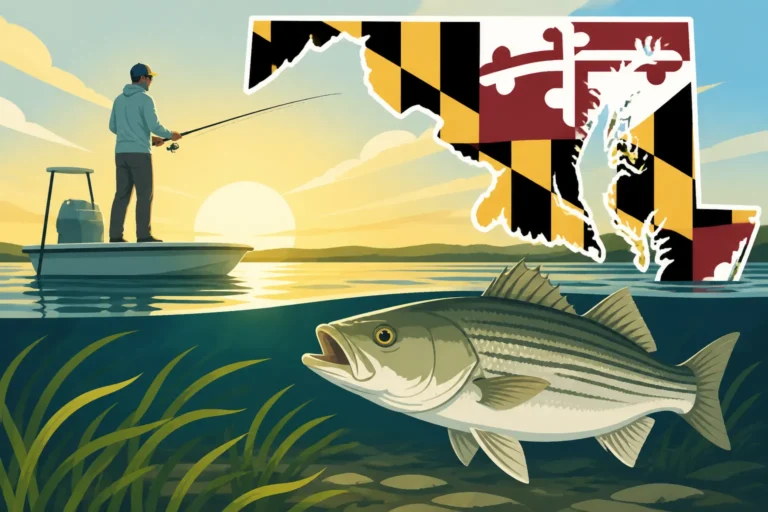
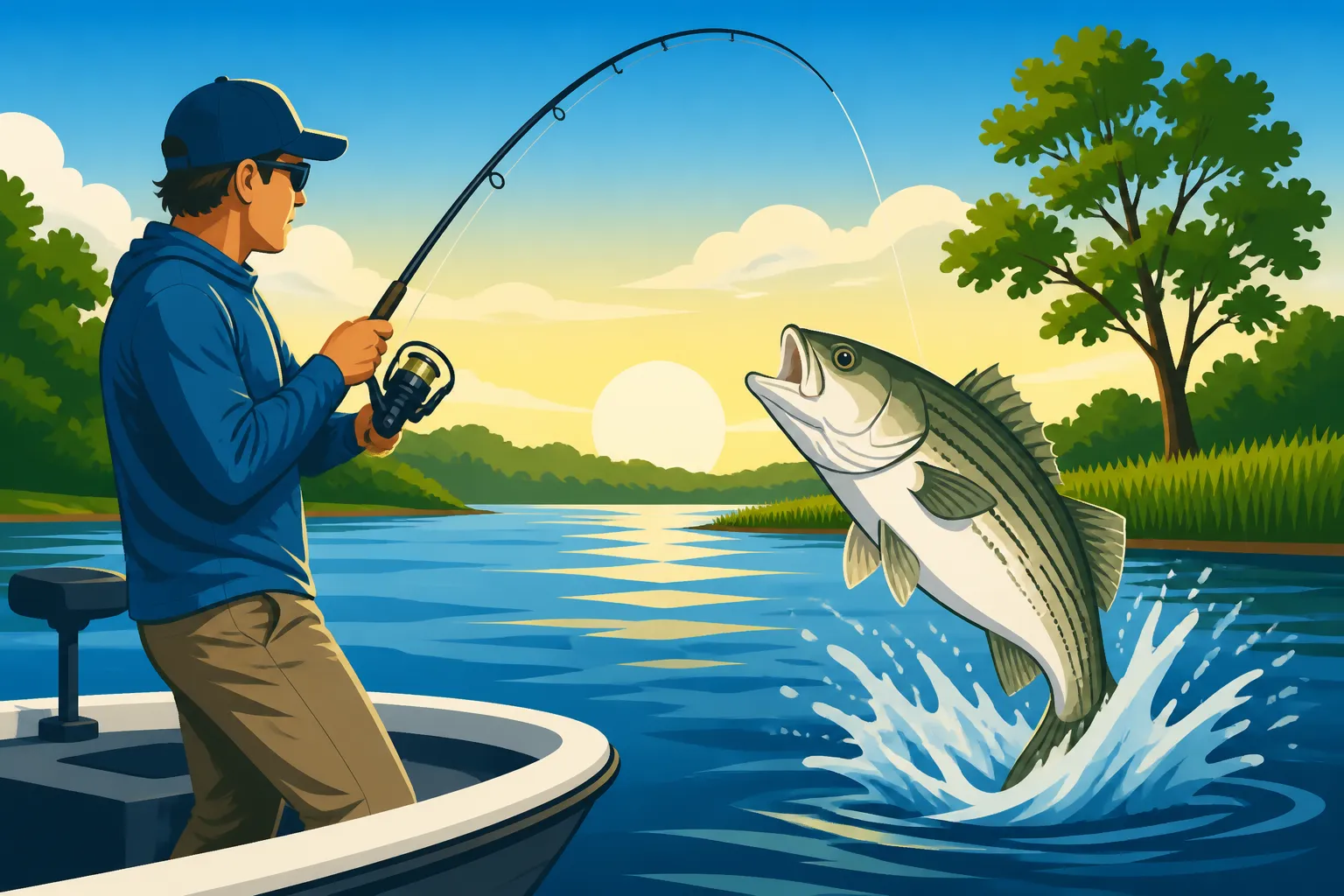
Ah, the striped bass, or "rockfish" as we lovingly call them here in Maryland! This iconic species is the undeniable king of the Chesapeake Bay, and the Choptank River is one of its most important spawning grounds. During the spring, usually from April to May, massive schools of migratory striped bass surge into the river to spawn, offering incredible opportunities for catch-and-release fishing, and later, during specific harvest seasons, a chance to take home a keeper. Throughout the rest of the year, resident striped bass, often smaller but feisty, can be found holding around structure like oyster bars, channel edges, and bridge pilings throughout the tidal sections of the river. Targeting them requires understanding their behavior, and many anglers swear by methods like trolling tandem rigs, jigging soft plastics, or live-lining spot. You'll want to keep an eye on the official Maryland's 2026 Striped Bass Season Dates and Maryland Striped Bass Season and Rockfish Rules to ensure you're fishing legally and responsibly, as regulations frequently change to protect this vital species.
Abundant White Perch and Yellow Perch
If you're looking for consistent action and delicious table fare, look no further than the white perch and yellow perch in the Choptank. These panfish are incredibly abundant and can be caught almost year-round. White perch are particularly prolific throughout the tidal river, congregating around docks, piers, shell bottoms, and bridge pilings. They are fantastic fighters on light tackle and make excellent eating. Yellow perch, while also present in the tidal sections, tend to be more associated with the brackish and freshwater areas, especially during their early spring spawning runs. Both species offer superb family-friendly fishing, providing non-stop action for anglers of all skill levels. Targeting them is relatively simple, often involving bottom rigs with bloodworms or grass shrimp, or small jigs and spinners. Learning the intricacies of White Perch in Maryland's Chesapeake Bay can really up your game when fishing the Choptank's productive waters. For those looking for early spring action, checking out Fishing for Spring-Run White Perch in Maryland will give you a leg up.
Invasive Blue Catfish and Snakehead
While the Choptank is home to many beloved native species, it also hosts a growing population of invasive fish like the blue catfish and northern snakehead. These species are voracious predators, and Maryland actively encourages anglers to harvest them, often with no size or creel limits. Blue catfish have exploded in numbers in the Choptank, particularly in the middle and lower tidal sections. They grow to immense sizes, offer a powerful fight, and are excellent to eat. They tend to hold in deeper channels and holes, often preferring cut bait like fresh bunker or even pieces of chicken. The northern snakehead, another invasive species, has also established a foothold in the Choptank and its tributaries. These aggressive ambush predators are typically found in shallow, weedy areas and offer explosive topwater strikes. Targeting them with frog lures or chatterbaits can be an incredibly exciting experience. It's vital to know the rules surrounding these fish, as the Maryland Department of Natural Resources (DNR) wants you to kill them upon capture. For more detailed information on these interesting, albeit problematic, fish, check out our guides on Maryland Blue Catfish, an Invasive Giant and Northern Snakehead in Maryland Waters.
Best Fishing Spots and Access Points on the Choptank
One of the biggest challenges for new anglers on the Choptank River is simply figuring out where to go. The river is immense, with countless coves, creeks, and main stem areas. Knowing the most productive spots and how to access them can save you a lot of time and lead to a more successful and enjoyable outing. Whether you prefer fishing from shore or have access to a boat, the Choptank offers a variety of options.
Public Piers and Shoreline Access
For those without a boat, the Choptank still provides numerous excellent opportunities for shore-based fishing. Public piers and shoreline parks offer convenient access to productive waters, often allowing you to target white perch, smaller striped bass, and even blue catfish without needing a vessel.
One of the most popular spots is the Bill Burton Fishing Pier State Park (formerly the Choptank River Bridge). This iconic location near Cambridge offers phenomenal fishing directly into the main river channel. It's a fantastic place to cast for striped bass, especially during the spring and fall migrations, and white perch are almost always present. The pier's length allows anglers to reach deeper water, and the structure of the old bridge pilings creates excellent fish habitat. Another great option for shore access is Great Marsh Park in Cambridge, which provides shoreline access and a fishing pier, though it might not offer the same deep-water access as the Bill Burton Pier. Smaller community piers in towns like Oxford and Trappe also provide opportunities, often yielding good catches of white perch and bottom fish. Just remember that even from a pier, you'll still need to have a valid Maryland Fishing License Guide for 2026 if you're over the age of 16.
Boat Ramps and Marina Hubs
For boaters, the Choptank River opens up an entirely new world of fishing possibilities, allowing access to deeper channels, remote oyster reefs, and the mouths of numerous productive tributaries.
Cambridge is a major hub for Choptank River boaters, offering several excellent public and private boat ramps. The Public Landing in Cambridge is a prime example, providing easy access to the main stem of the lower Choptank, putting you within striking distance of prime striped bass and blue catfish grounds. From here, you can quickly reach the deep channels and oyster beds that fish frequent. Further upriver, near Denton, there are public ramps that give access to the upper tidal and brackish sections, which are excellent for yellow perch in the spring and offer different challenges for bass and snakehead anglers. Marinas in towns like Oxford and Trappe also provide ramp access, often with associated bait shops and services. Before heading out, consider using platforms like FishingBooker to browse local charter options if you're unfamiliar with the specific nuances of navigating and fishing these waters, or if you want to explore different parts of the river with an experienced captain.
Navigating the Choptank's Tributaries and Creeks
While the main stem of the Choptank commands much of the attention, its numerous tributaries and creeks are often overlooked gems, especially for those seeking a more intimate fishing experience or targeting specific species. These smaller waterways offer calmer waters, diverse habitat, and can be incredibly productive.
Tuckahoe Creek, which flows into the upper Choptank, is a renowned spot for yellow perch during their spring spawning runs. It's also a fantastic place for largemouth bass and various panfish throughout the warmer months, with plenty of fallen timber and lily pads providing cover. Similarly, Cabin Creek and La Trappe Creek offer excellent opportunities for white perch and smaller striped bass, especially as they narrow and offer more sheltered conditions. The Tred Avon River, flowing into the Choptank near Oxford, is another significant tributary, famous for its oyster beds and productive striped bass fishing, particularly during the fall. Navigating these tributaries often requires smaller boats or kayaks, allowing you to get into shallower waters that larger vessels can't reach. They are perfect for exploring, casting light tackle, or fly fishing. When planning your trip, consider searching for "Fishing the Choptank River Near Cambridge" for more specific local insights into these vibrant waters.
Effective Techniques and Baits for Choptank Success
Fishing the Choptank River, with its wide array of species and diverse habitats, demands a versatile approach to techniques and bait. What works for a trophy striped bass in the deep channel won't necessarily entice a white perch from a dock piling. Understanding the most effective methods for your target species will significantly increase your catch rate and overall enjoyment.
Trolling and Jigging for Striped Bass
When it comes to targeting striped bass in the Choptank, especially the larger migratory fish, trolling and jigging are consistently productive methods. Trolling involves dragging lures or baits behind a moving boat, covering a lot of water and presenting your offering at various depths. Popular setups include tandem rigs with chartreuse or white bucktails, umbrella rigs mimicking schools of baitfish, or large swim shads. During the spring trophy season or the fall migration, trolling along channel edges, drop-offs, and around prominent points in the lower and middle Choptank can be incredibly effective. Vary your speed and depth until you find what the fish are reacting to.
Jigging is another highly effective technique, especially when you've located schools of striped bass on your fish finder. This involves vertically dropping a weighted jig (like a metal spoon or a soft plastic on a heavy jig head) down to the fish and then imparting an erratic retrieve. White, chartreuse, and pearl are classic colors that always seem to produce. Jigging is more active and allows for a direct fight with the fish, often preferred by anglers who like the hands-on approach. It's particularly effective around bridge pilings, artificial reefs, and deep-water structure. Remember, when you're battling these powerful fish, having the right gear is key, so don't skimp on rod and reel quality. For more in-depth strategies, our guide on Maryland Striped Bass Fishing Techniques offers plenty of expert advice.
Light Tackle for Perch and Panfish
For the abundant white perch, yellow perch, and other panfish in the Choptank, light tackle is not only effective but also incredibly fun. These species don't require heavy gear, and using lighter rods and reels allows you to feel every nibble and enjoy the fight.
The most common and consistently productive method for perch is bottom fishing with a simple two-hook dropper rig. Use small hooks (sizes #4 to #8) baited with bloodworms, grass shrimp, or small pieces of Fishbites. Cast near docks, piers, oyster shell beds, or any submerged structure, and let your bait rest on the bottom. White perch are notorious for their subtle bites, so pay close attention! Small spinners and jigs are also highly effective, especially when perch are actively feeding. Cast and retrieve small Mepps spinners, Rooster Tails, or 1/16 to 1/8 ounce jig heads tipped with a tiny soft plastic grub or a piece of Gulp! alive bait. This can be particularly exciting during the spring white perch runs up the Choptank's tributaries. For yellow perch, during their early spring spawning, live minnows suspended under a bobber can be unbeatable. These methods are perfect for anglers of all ages and are guaranteed to put smiles on faces and fish in the cooler.
Targeting Invasive Species
Successfully targeting blue catfish and northern snakehead in the Choptank involves specific techniques tailored to their habits. These invasive species are often overlooked by anglers focused on native gamefish, but they offer exciting angling opportunities and help the ecosystem by reducing their numbers.
For blue catfish, which can grow to immense sizes, heavy conventional tackle is recommended. They are primarily bottom feeders and have an incredible sense of smell. The absolute best bait is fresh cut bait; think fresh bunker, herring, or even chicken gizzards. Use a heavy bottom rig with an 8/0 or larger circle hook, weighted to hold your bait on the bottom in deeper channels, holes, and along ledges. The Potomac River has become a blue catfish haven, and many of the techniques used there translate directly to the Choptank. Fishing in the evening or at night can also be very productive for these nocturnal feeders.
Northern snakehead are visual predators that prefer shallow, vegetated areas. Targeting them requires a more aggressive approach. Topwater lures, especially frog imitations, are incredibly exciting to use. Cast them into dense lily pads, hydrilla mats, or grass beds, and work them with a stop-and-go retrieve. The explosive strike of a snakehead is unforgettable! Chatterbaits and swim jigs fished through sparse cover are also highly effective. Use heavy braided line to pull them out of thick vegetation. Remember, if you catch a snakehead, do not release it. Maryland DNR strongly encourages anglers to remove them from the ecosystem. Consider checking out Maryland Blue Catfish Possession Rules and Maryland Snakehead Fishing Rules for the latest guidelines on these species.
| Species | Best Baits / Lures | Primary Locations | Prime Season | Tackle Recommendation |
|---|---|---|---|---|
| Striped Bass | Live Spot, Bucktails, Swim Shads, Umbrella Rigs | Channel edges, Bay Bridge Pilings, Oyster Reefs, Mouth of Tribs | Spring/Fall | Medium-Heavy Spinning/Conventional |
| White Perch | Bloodworms, Grass Shrimp, Small Jigs, Spinners | Docks, Piers, Shell Bottoms, Creek Mouths | Spring, Summer, Fall | Light Spinning |
| Yellow Perch | Live Minnows, Small Jigs, Spinners | Upper Tidal/Brackish Creeks & Rivers, Inlets | Early Spring | Ultralight Spinning |
| Blue Catfish | Fresh Cut Bait (Bunker, Herring, Chicken) | Deep Channels, Holes, River Bends | Year-Round | Heavy Conventional |
| Northern Snakehead | Topwater Frogs, Chatterbaits, Swim Jigs | Shallow Weedy Areas, Lily Pads, Hydrilla Beds | Spring, Summer, Fall | Heavy Baitcasting |
Seasonal Fishing Strategies for the Choptank River
The Choptank River is a dynamic fishery, constantly changing with the seasons. What's biting and where they're biting is heavily influenced by water temperature, migration patterns, and spawning cycles. A successful angler understands these seasonal shifts and adjusts their strategies accordingly. Knowing the best time of year to pursue specific species can make all the difference between a slow day and a banner one.
Springtime Blitzes and Spawning Runs
Spring on the Choptank River is an absolutely electric time for anglers. As water temperatures begin to rise, the river truly comes alive, hosting some of the most anticipated fishing events of the year. This is when the anadromous species, those that live in saltwater but spawn in freshwater, make their way upriver.
The most famous of these migrations is the striped bass spawning run. Usually starting in April, large migratory rockfish surge into the Choptank to lay their eggs. While there are strict regulations during this period, often favoring catch-and-release, the sheer numbers of large fish present offer incredible opportunities for anglers. Targeting these fish with large soft plastics, swim shads, or even trolling deep-diving crankbaits can be incredibly effective. Following the striped bass, or sometimes overlapping, are the yellow perch and white perch spawning runs. In early spring, yellow perch make their way into the upper tidal and freshwater tributaries, offering fantastic action on small jigs and live minnows. Soon after, white perch follow suit, moving into the lower sections of the creeks and rivers. These are prime times for light tackle anglers to fill coolers with delicious panfish. For those interested in this specific seasonal action, exploring Best Time of Year to Fish in Maryland can offer broader context, and Fishing for Spring-Run White Perch in Maryland will provide localized tips.
Summer's Bounty and Warm Water Tactics
As spring transitions to summer, the Choptank River fully embraces warmer temperatures, and fishing patterns shift. While some species become less active, others thrive in the heat, offering consistent action if you adapt your approach.
In the height of summer, white perch remain a staple in the Choptank, often congregating around deeper structure, oyster beds, and cooler water pockets. They can be found in good numbers around docks, piers, and drop-offs, eagerly hitting bloodworms, grass shrimp, or small jigs. This is also prime time for blue catfish, which are incredibly active in the warm water and can be targeted effectively with cut bait in the deeper channels throughout the middle and lower river. Northern snakehead will also be very active in their shallow, weedy haunts, exploding on topwater frogs during early mornings and late evenings. Striped bass often become more sluggish in the main river as water temperatures peak, often retreating to cooler, deeper water or less saline environments. However, smaller resident striped bass can still be caught around structure and current breaks, especially during dawn and dusk. Night fishing can also become a very productive strategy during the dog days of summer, as many species become more active under the cover of darkness.
Fall Migration and Feeding Frenzies
Fall is arguably the most exciting season to fish the Choptank River, as many species begin an aggressive feeding frenzy in preparation for winter, and migratory fish return to the Bay. The cooling water temperatures re-invigorate the fishery, leading to some of the best action of the year.
The fall striped bass run is the highlight for many anglers. As baitfish move out of the tributaries and into the main Bay, striped bass intercept them in major rivers like the Choptank. Trolling, jigging, and casting topwater plugs become incredibly effective as rockfish aggressively chase schools of bait. The middle and lower Choptank, particularly around major points and channel edges, become prime hunting grounds. This is a fantastic time for both size and numbers of striped bass. White perch also enjoy a resurgence in activity, feeding heavily throughout the river before retreating to deeper holes for winter. They can be caught in large numbers using the same light tackle methods as in spring and summer. Additionally, blue catfish continue their active feeding, and snakehead will still be present in their shallow areas until water temperatures drop significantly. Fall weather can be unpredictable, but the fishing often makes the effort well worth it.
Essential Gear and Regulations for Choptank Anglers
Before you even think about wetting a line in the Choptank, it's crucial to be prepared with the right equipment and a clear understanding of Maryland's fishing regulations. Being caught unprepared, or worse, in violation of the rules, can quickly turn a fun day into a frustrating one. The Maryland Department of Natural Resources (DNR) works hard to manage our fisheries responsibly, and it's every angler's job to know and follow the rules.
Must-Have Tackle and Equipment
Your tackle setup will largely depend on what species you intend to target, but a few basics will cover most scenarios in the Choptank River. For general-purpose fishing, especially for white perch and smaller striped bass, a medium-light to medium power spinning rod (7-foot length is versatile) paired with a 2500-3000 series spinning reel spooled with 10-15 lb braided line is an excellent choice. This setup offers sensitivity for lighter bites and enough backbone for decent-sized fish.
If you're specifically targeting larger striped bass or hefty blue catfish, you'll want to step up to a medium-heavy or heavy power rod with a larger spinning or conventional reel (4000-6000 series or a comparable conventional reel), spooled with 20-50 lb braided line. This allows for heavier lures, larger baits, and the power needed to muscle in bigger fish from deeper water. Don't forget an assortment of terminal tackle: swivels, sinkers (egg sinkers or pyramid sinkers for bottom fishing), hooks (sizes #6 to 8/0 depending on target species), and various lures like bucktails, jig heads, and soft plastic grubs. Safety gear is also non-negotiable, especially if you're on a boat. Always have life vests for everyone onboard, a first-aid kit, navigation lights, and a VHF radio or fully charged cell phone for emergencies. A good cooler, plenty of water, and sunscreen are also essential for a comfortable day on the water.
Understanding Maryland Fishing Regulations
Maryland's fishing regulations are designed to protect fish populations and ensure sustainable angling for future generations. Ignorance of the law is no excuse, and penalties for violations can be steep. The first and most critical piece of equipment you need is a valid Maryland fishing license. Generally, if you're 16 years or older, you need a license to fish in Maryland. The specific type of license depends on where you're fishing (tidal vs. nontidal), your residency, and the duration of your trip. For the Choptank River, which is primarily tidal, a Maryland Chesapeake Bay Sport Fishing License Explained is often what you'll need.
Beyond the license, it's absolutely crucial to familiarize yourself with the size and catch limits for each species you intend to target. These regulations can change annually, and sometimes even mid-season, particularly for popular species like striped bass. For example, striped bass often have a slot limit, meaning only fish within a specific size range can be kept. Maryland Fishing Size and Catch Limits by Species is an invaluable resource that you should consult before every trip. Some species, like blue catfish and snakehead, have no limits and are encouraged to be harvested. There are also specific rules about gear, such as the use of barbless hooks in certain areas or during specific seasons. Always carry a measuring device to ensure your catch meets the legal requirements. You can find the most up-to-date information on the Maryland DNR website or by picking up a copy of their annual fishing guide. Being responsible means being informed.
Disclaimer
Please remember that fishing regulations, seasons, and local conditions are subject to change. Always consult the latest Maryland Department of Natural Resources (DNR) publications or website before heading out to fish the Choptank River. This guide is for informational purposes only and does not constitute legal advice or an exhaustive list of all regulations. Be safe, fish responsibly, and protect our precious natural resources.