How to Fish Maryland’s Chesapeake Bay by Season
The Chesapeake Bay is a majestic, ever-changing beast, and figuring out how to consistently catch fish there can feel like solving a complex puzzle. Many anglers, especially those new to its waters, get frustrated when their favorite summer spot is barren in spring, or their fall techniques yield nothing in winter. This guide is designed to demystify seasonal fishing in Maryland's incredible Chesapeake Bay, offering practical advice and deep insights to help you adapt your strategies and find success no matter what the calendar says.
The Dynamic Chesapeake Bay: A Seasonal Overview
The Chesapeake Bay isn't just a body of water; it's a living, breathing ecosystem that undergoes dramatic transformations throughout the year. These shifts, driven primarily by temperature and light, directly influence where fish are, what they're eating, and how they behave. Ignoring these seasonal nuances is like trying to catch a train that's already left the station – you'll likely miss out. Understanding these fundamental changes is the first step to becoming a truly adaptable and successful Bay angler.
Understanding the Bay's Annual Rhythms
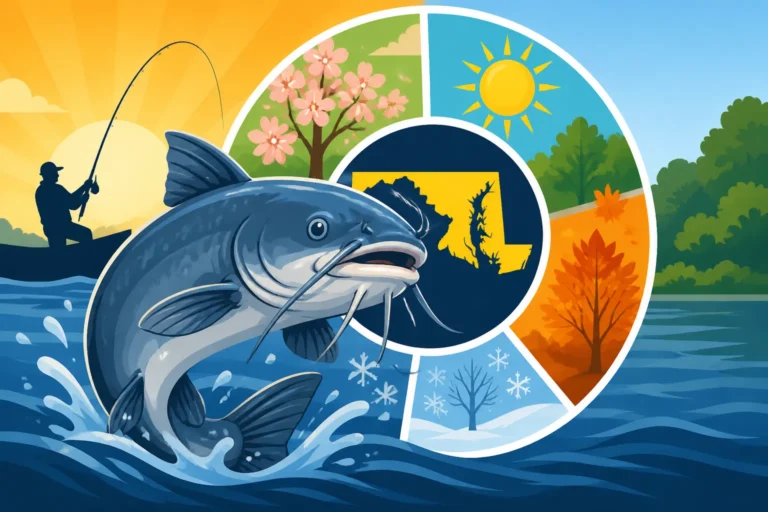
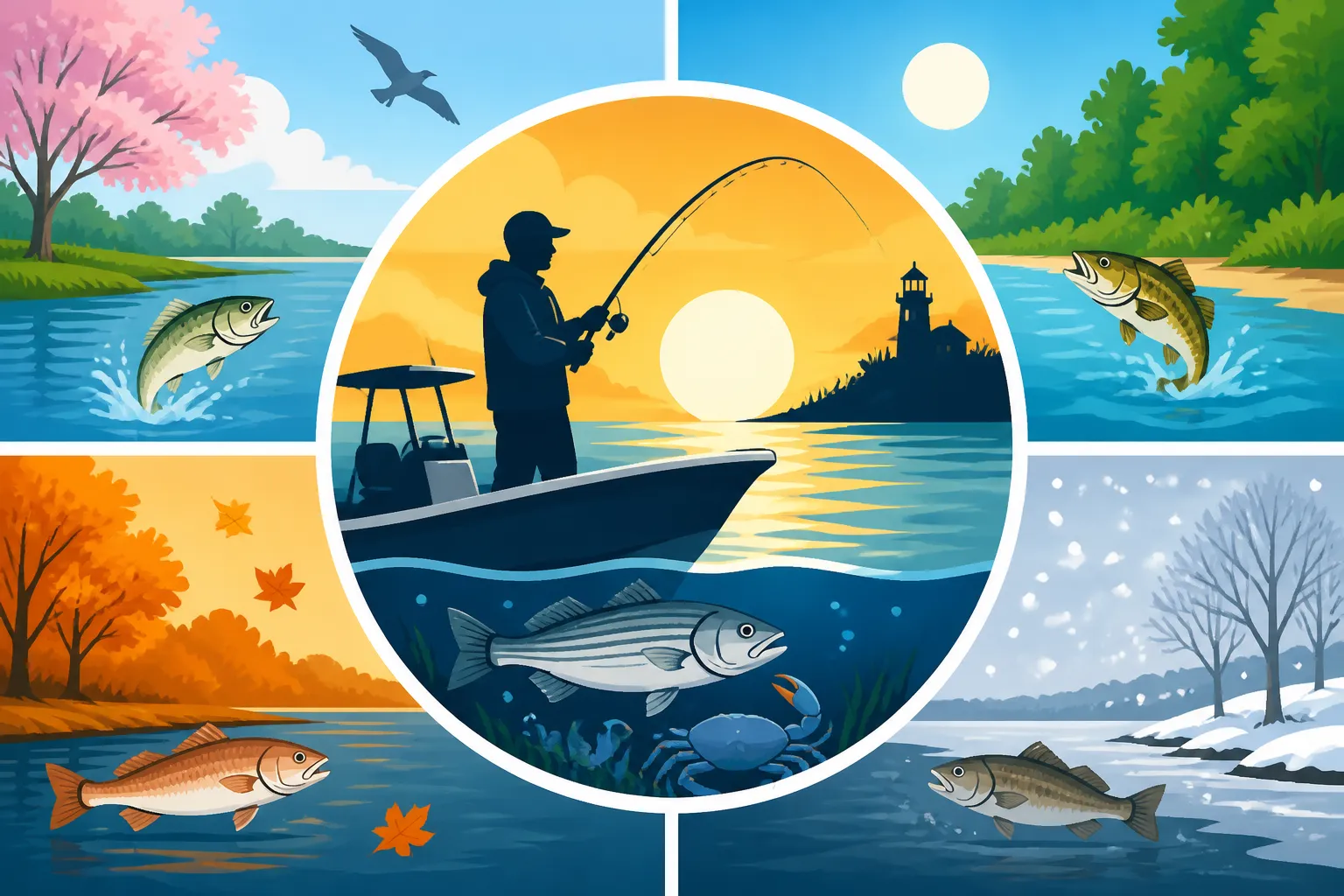
Think of the Bay as having distinct personalities that emerge with each season. In spring, it's a bustling nursery; summer sees it as a vibrant, productive feeding ground; fall is its migratory highway; and winter transforms it into a quiet, often challenging, but still rewarding fishery. Each of these "personalities" requires a different approach, a different set of expectations, and often, different gear. The Bay's complex network of rivers, shallow flats, deep channels, and oyster reefs means that while some fish migrate out, others move in, or simply shift their locations within the Bay. It's a constant dance between predator and prey, influenced by everything from freshwater inflow to the moon phase.
How Water Temperature Dictates Fish Behavior
Water temperature is, without a doubt, the single most crucial factor dictating fish behavior in the Chesapeake Bay. Fish are cold-blooded, meaning their metabolism, activity levels, and even their preferred depths are directly tied to the water temperature. As the Bay warms in spring, fish become more active, moving into shallower waters to spawn and feed aggressively. When summer heat peaks, some species seek cooler, deeper waters, while others thrive in the warm, oxygen-rich shallows. The cooling temperatures of fall trigger massive feeding frenzies as fish prepare for winter, and in winter, their metabolism slows dramatically, requiring a much more subtle approach from anglers. For example, How Water Temperature Triggers the White Perch Spawn? is a perfect illustration of how temperature directly impacts a species' most critical life events. Keeping an eye on water temperature gauges on your boat's fish finder or even a simple handheld thermometer can give you a massive advantage, helping you pinpoint where fish might be most comfortable and active.
Spring: The Bay Awakens with Spawning Runs
Ah, spring! There's a palpable excitement in the air, not just for us anglers, but for the fish too. After the dormancy of winter, the Bay explodes with life as water temperatures rise, triggering vital spawning migrations. This is often when anglers have their best shot at trophy-sized fish, as large individuals move into the tidal rivers and upper Bay. However, with these opportunities come strict regulations, especially concerning the highly prized striped bass, also known as rockfish.
Targeting Trophy Striped Bass and White Perch
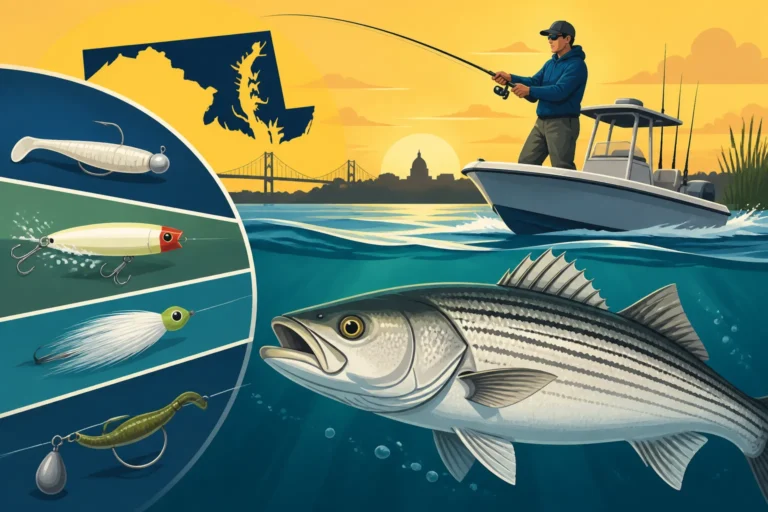
Spring is synonymous with the Striped Bass: Maryland's State Fish spawning run. Huge female rockfish, some weighing over 50 pounds, migrate from the Atlantic Ocean into the Bay's freshwater tributaries like the Choptank, Patuxent, and Nanticoke Rivers to lay their eggs. This is the fabled "trophy season," typically in April and early May, where anglers can target these giants. Techniques vary, but trolling large parachutes, Mojo rigs, and sassy shads near channel edges and river mouths is a common and effective method. Many anglers focus on areas around the Bay Bridge and the upper Bay, where these fish congregate. When it comes to Trolling vs Jigging for Maryland Striped Bass, trolling is often the go-to for covering ground and intercepting these migrating behemoths.
Beyond striped bass, spring is also prime time for White Perch in Maryland's Chesapeake Bay. These feisty panfish make their own spawning runs up tidal creeks and rivers, offering incredible light tackle action. Look for them in shallow, brackish waters, often in areas with structure like fallen trees or docks. Small spinnerbaits, shad darts, and bloodworms or grass shrimp on bottom rigs are killer baits. This is a fantastic opportunity for families or new anglers to experience consistent bites.
Early Season Catfish and Other Freshwater Opportunities
While the focus often shifts to striped bass, spring also presents excellent opportunities for catfish, especially the burgeoning populations of Maryland Blue Catfish, an Invasive Giant. These powerful fish are less impacted by the colder early spring waters and can be found in the deeper channels of the major tidal rivers like the Potomac, Patuxent, and Susquehanna. They feed aggressively on cut bait, chicken livers, and even commercially prepared baits. Catching these invasives is not only a blast but also helps the Bay's ecosystem.
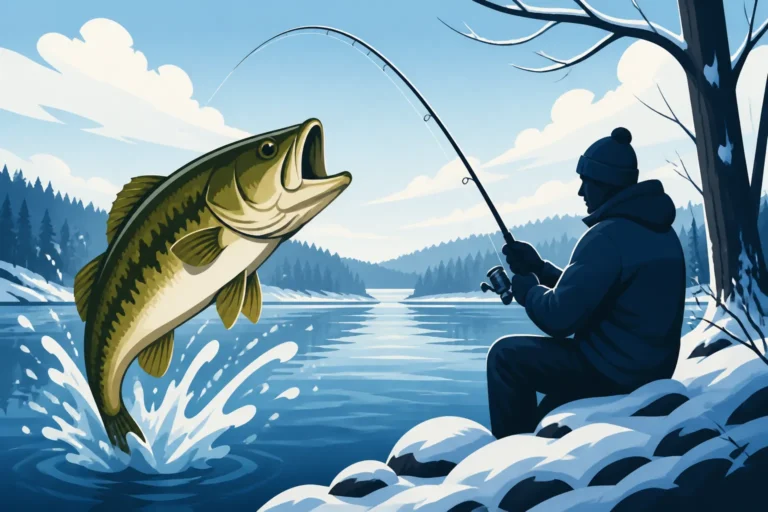
Additionally, as the freshwater influence increases with spring rains and runoff, species like largemouth bass and crappie become more active in the upper reaches of the tidal rivers and their associated ponds. Targeting them with traditional freshwater techniques like plastic worms, spinnerbaits, and jigs can provide a rewarding diversion if the Bay itself is too rough or the striped bass bite is slow.
Navigating Spring Regulations and Closures
Spring regulations are perhaps the most critical to understand in Maryland, especially regarding striped bass. The season for keeping trophy striped bass is very specific and limited, often involving slot limits (e.g., one fish per person within a certain size range). It's vital to check the Maryland Department of Natural Resources (DNR) regulations meticulously each year. Spawning rivers often have specific closures during the peak spawning period to protect the breeding stock. Fishing within these closed areas, even for catch and release, is strictly prohibited and can result in significant penalties. Understanding Maryland Striped Bass Season and Rockfish Rules is non-negotiable for spring angling. Make sure your Maryland Fishing License Guide for 2026 is up to date, as license requirements apply even for catch-and-release fishing in many areas.
Summer: Abundance, Heat, and Diverse Fisheries
Summer fishing in the Chesapeake Bay is a mixed bag of opportunities and challenges. The Bay teems with life, but the high water temperatures can make some species sluggish, while others thrive. This is the season for diverse angling, from chasing fast-moving pelagics to bottom fishing for dinner. However, it also brings the infamous August closure for striped bass, a period that often frustrates anglers but can be easily navigated with some planning.
Chasing Summer Rockfish, Bluefish, and Spanish Mackerel
While the spring trophy season for striped bass is over, summer still offers excellent opportunities for smaller, legal-sized rockfish. These fish often school up around structure like the Fishing Near the Chesapeake Bay Bridge pilings, oyster reefs, and channel edges, particularly during cooler mornings or evenings. Maryland Striped Bass Fishing Techniques like jigging with soft plastics or metal lures, live-lining spot (a favorite bait), or even casting topwater plugs in low light can be incredibly effective.
But summer truly shines with the arrival of bluefish and Spanish mackerel. These toothy speedsters migrate into the Bay seeking baitfish and offer exhilarating fast-paced action. Look for them busting bait on the surface, especially in the middle and lower Bay. Trolling small spoons (like Clark Spoons) at high speeds is a classic method for Spanish mackerel, while casting metal jigs or poppers into schools of breaking fish works wonders for both species. You can often find great deals on these specialized lures on Amazon.
Flounder and Bottom Fishing in the Shallower Waters
When the sun is high and the air is stifling, turning to bottom fishing can be a highly productive and relaxing alternative. Summer is prime time for flounder, particularly in the shallower, clearer waters of the lower Bay and its tributaries. Drifting over sandy or grassy bottoms with minnows, strips of squid, or Gulp! artificial baits on a flounder rig is the go-to technique. The Eastern Shore creeks and the waters around Ocean City's back bays are perennial hot spots.
Beyond flounder, summer bottom fishing can yield a bounty of other delicious species like spot, croaker, and even some smaller black sea bass in the Bay's mouth. These fish are usually eager to bite on bloodworms, peeler crab, or squid presented on simple bottom rigs. It's a fantastic way to fill a cooler with fresh seafood, and often a great option for kids who enjoy constant action.
Managing the Summer Heat and August Rockfish Closures
The summer heat can be brutal on both anglers and fish. Staying hydrated, wearing appropriate sun protection, and planning trips for early mornings or late evenings can make a huge difference. High water temperatures also mean that fish, especially striped bass, are more susceptible to stress. If you're practicing catch and release, minimize handling time, keep the fish in the water, and consider moving to cooler, deeper waters.
The most significant summer challenge for many is the Why Is Maryland's Rockfish Season Closed in August?. This closure, designed to protect stressed striped bass populations during the hottest months, can feel like a fishing drought. However, it's an excellent opportunity to focus on other species. This is when aggressive tactics for invasive blue catfish or snakehead really pay off, as these fish thrive in warm water. Alternatively, targeting white perch, spot, croaker, or even venturing offshore for tuna and mahi-mahi are great ways to keep your lines tight during the rockfish hiatus.
Fall: The Chesapeake Bay's Epic Migration
For many Maryland anglers, fall is the undisputed champion of fishing seasons. As the oppressive summer heat breaks and water temperatures begin to drop, the Chesapeake Bay comes alive with a sense of urgency. Fish feed aggressively, bulking up for the lean winter months, and massive schools of baitfish trigger frenetic feeding events. This is a season of abundance, energy, and some of the most memorable fishing experiences the Bay has to offer.
The Fall Rockfish Run: Strategies for Success
The "Fall Rockfish Run" is legendary for a reason. Striped bass that have spent the summer scattered across the Bay and its tributaries begin to group up, pushing south towards the Bay's mouth and eventually out into the Atlantic. These fish are actively chasing schools of baitfish like bunker (menhaden) and mullet, creating spectacular surface blitzes. Identifying these feeding frenzies, often marked by diving birds, is key.
Chumming and Chunking for Maryland's Chesapeake Bay Striped Bass becomes a highly effective tactic during the fall, especially when fish are concentrated. Anchoring up-current and deploying a slick of ground bait (chum) can draw in rockfish, which are then targeted with cut bait (chunks) or live bait on circle hooks. Trolling remains a staple, but jigging with heavy spoons or soft plastics directly into schools of breaking fish offers incredible light tackle action. The Best Time for the Fall Striped Bass Run in Maryland typically spans from late September through December, peaking in October and November.
Targeting Perch, Specks, and Other Migratory Species
While striped bass dominate the headlines, fall offers a plethora of other exciting targets. White perch, having spent the summer in various parts of the Bay, also begin to school up and move to deeper holes and channels in the lower rivers as water temperatures drop. They'll readily hit sabiki rigs, small jigs, or bottom rigs baited with bloodworms or grass shrimp.
The lower Bay and Tangier Sound also become prime real estate for speckled trout (often called "specks" or "spotted seatrout") as they stage before moving south. These beautiful, hard-fighting fish are suckers for soft plastic jigs and topwater lures fished over grass beds and shallow oyster reefs, particularly in the calmer waters of the Eastern Shore. Look up local guides who specialize in these species; you might even find their favorite lures and tackle on Amazon.
Preparing for Colder Weather and Shorter Days
Fall fishing can be incredibly rewarding, but it also means preparing for rapidly changing weather conditions. Mornings can be crisp, and afternoons surprisingly warm, only for the temperature to plummet again by evening. Layers are essential. Waterproof and windproof outer gear is crucial, as spray on a boat can quickly lead to hypothermia in cold air. Shorter days mean less fishing time and colder water at dawn and dusk, so planning your trip around the prime bite windows becomes even more important. Always tell someone your float plan, especially as the weather becomes more unpredictable.
Winter: Embracing the Cold-Water Challenge
Winter fishing in the Chesapeake Bay is not for the faint of heart, but for those willing to brave the cold, it can offer some truly unique and rewarding experiences. The Bay becomes quieter, the crowds thin out, and the fish that remain are often concentrated, offering the opportunity for some memorable catches. Success in winter hinges on understanding how fish conserve energy in cold water and adapting your tactics accordingly.
Finding Winter Holdover Striped Bass and Perch
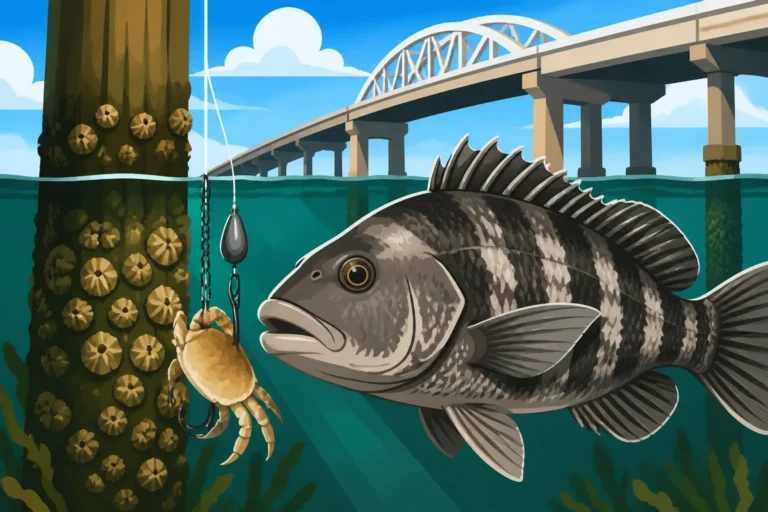
Many striped bass leave the Bay entirely for the ocean in winter, but a significant population of "holdover" rockfish remains, particularly in the deeper parts of the Bay and its major tributaries. These fish are often found in deep channel edges, around structure like bridge pilings (like the Fishing Near the Chesapeake Bay Bridge pilings again), and near power plant discharges where water temperatures are slightly elevated. They are lethargic due to cold water, so a slow, patient approach is critical. Vertical jigging with heavy metal jigs or large soft plastics (like the popular BKD baits) fished directly on the bottom can elicit a strike. Maryland's Winter Catch and Release Striped Bass Season can be fantastic, but remember that the fish are delicate in cold water, so practice careful catch and release.
White perch also congregate in deep channels during winter, often in massive schools. Finding these schools with a good fish finder is the hard part; once located, they can be caught consistently with small jigs tipped with bait or sabiki rigs. Look for them in depths of 30-60 feet, often near oyster beds or other bottom structure.
Aggressive Tactics for Invasive Catfish and Snakehead
Winter might slow down many native species, but it often supercharges the bite for invasive species like blue catfish and northern snakehead. These fish are incredibly resilient and remain active even in cold water. In fact, some of the biggest blue catfish are caught during the coldest months. They'll aggressively hit cut bait (gizzard shad, clam bellies, chicken breast) presented on the bottom in deep holes and channels of rivers like the Potomac and Susquehanna. There's no limit on these fish, so you can fill your cooler and help the environment at the same time.
Northern snakehead, while usually associated with shallow, weedy areas, will also retreat to deeper holes and cover in winter. However, on warmer winter days or during a prolonged warm spell, they can still be caught on jigs, large minnows, or even slower-moving chatterbaits in their typical haunts. Their firm, white meat makes them an excellent winter table fare. Check out Maryland Blue Catfish Possession Rules and Maryland Snakehead Fishing Rules for more details on these invasive species.
Essential Cold Weather Gear and Safety
Winter fishing demands serious attention to cold weather gear and safety. Hypothermia is a real danger. Dress in layers, prioritizing wool or synthetic materials over cotton, which loses its insulating properties when wet. Invest in high-quality waterproof and windproof outerwear, insulated boots, and heavy gloves. Chemical hand warmers can be a lifesaver.
Beyond personal warmth, ensure your boat is winter-ready. Check your battery, fuel lines, and safety equipment. With fewer boats on the water, self-reliance is key. Always wear a life jacket, and let someone know your plans before you go. Having a thermos of hot coffee or soup can make a world of difference in your comfort and endurance.
Mastering Techniques and Essential Gear for Every Season
Successful fishing in the Chesapeake Bay isn't just about knowing where the fish are, but how to catch them, and with what. Each season presents unique challenges and opportunities, demanding a flexible approach to your techniques and a thoughtful selection of your tackle. Investing in the right gear, and knowing when and how to use it, will significantly increase your odds of success year-round.
Seasonal Bait and Lure Selections
Your bait and lure choices should always align with what the fish are naturally feeding on and their activity levels, which change dramatically with the seasons.
- Spring: For trophy striped bass, large trolling lures like parachutes, Mojo rigs, and large sassy shads in chartreuse, white, or bunker patterns are popular. For white perch, small jigs (1/16 to 1/8 oz) tipped with bloodworms, grass shrimp, or tiny plastic grubs work wonders. Live minnows are great for early season catfish.
- Summer: For rockfish, live spot is king, but jigging soft plastics (like Bust 'Em Baits) or metal jigs is also effective. For bluefish and Spanish mackerel, fast-trolled spoons (Clark Spoons, Drone Spoons) or metal casting jigs are essential. Bottom fish like croaker and spot love bloodworms, squid, and peeler crab. Flounder prefer minnows, squid strips, or Gulp! shrimp.
- Fall: The fall run means mimicking baitfish. Large soft plastics, metal jigs, and swimbaits are excellent for casting into blitzes. For trolling, umbrellas, surgical hoses, and large bucktails are effective. Fresh cut bunker (menhaden) or live eels are deadly for chunking or live-lining. Perch will hit jigs or bottom rigs with small pieces of bait.
- Winter: Fish are lethargic. Slow, vertical jigging with heavy metal jigs (like the "Stingzillla" or "Tsunami") or large, scented soft plastics (BKD's are a local favorite) is the key for holdover rockfish and perch. For blue catfish, fresh cut bait (shad, herring, clam) on heavy bottom rigs is unbeatable.
Adapting Your Approach: Trolling, Jigging, and Live-Lining
No single technique works year-round on the Bay. Being proficient in several methods will make you a more versatile and successful angler.
- Trolling: Ideal for covering large areas and intercepting migrating fish, especially in spring and fall for striped bass, and summer for bluefish and Spanish mackerel. It requires a boat, rods with line counters, and a variety of lures to present at different depths. Learn about Trolling Bucktails for Maryland Striped Bass for a classic approach.
- Jigging: Fantastic for targeting fish holding on structure or schools of fish busting on the surface. It can be done from a boat, kayak, or even a pier. Vertical jigging works well in deep water for winter holdovers, while casting and retrieving jigs is deadly during fall blitzes. For specific tips, check out Jigging Techniques for Maryland's Chesapeake Bay Striped Bass.
- Live-lining: Using live bait, typically spot or eels, is incredibly effective for striped bass, particularly in summer and fall. This involves hooking a live baitfish and letting it swim naturally, often near structure or a chum slick. It requires keeping bait alive, which means a good livewell.
- Bottom Fishing: A reliable technique year-round for species like catfish, perch, croaker, and flounder. Simple bottom rigs with bait are all you need. Great for beginners and targeting species that hug the bottom.
Must-Have Gear for Year-Round Bay Anglers
While specific gear changes by season, some items are universally valuable:
| Gear Item | Seasonal Importance | Notes |
|---|---|---|
| Good Quality Rods & Reels | All seasons | Medium-heavy spinning and casting setups for general Bay use. Heavier trolling gear for spring/fall trophy rockfish. Light tackle for perch. |
| Fish Finder/GPS | All seasons, critical for winter and deep water | Essential for locating structure, baitfish, and fish schools. GPS helps navigate and mark hot spots. Brands like Garmin and Lowrance are popular. |
| Waterproof Clothing | All seasons, critical in spring/fall/winter | High-quality rain gear, waterproof boots, and layered clothing are non-negotiable for comfort and safety. You can find excellent options from Grundens or Helly Hansen on Amazon. |
| Polarized Sunglasses | All seasons | Reduces glare, helps spot fish and structure, and protects eyes from UV. |
| Tackle Box with Essentials | All seasons | Variety of hooks, sinkers, swivels, leader material (fluorocarbon is great), pliers, and a sharp knife. |
| Measuring Board/Tape | All seasons, crucial for legal compliance | Essential for accurately measuring your catch to ensure it meets Maryland Fishing Size and Catch Limits by Species. |
| Life Jackets | All seasons, mandatory for safety | Always wear them, especially in colder months or rough water. |
| Cooler | All seasons | For keeping your catch fresh and your drinks cold. |
Don't skimp on safety gear. Beyond life jackets, a VHF radio, flares, a first-aid kit, and an anchor with sufficient rode are essential every time you leave the dock, regardless of the season.
Navigating Maryland's Fishing Regulations and Conservation
Fishing in Maryland's Chesapeake Bay isn't just about catching fish; it's about being a responsible steward of this incredible natural resource. The Bay is a complex ecosystem, and its health directly impacts our fishing opportunities. Understanding and adhering to regulations, and practicing sound conservation principles, ensures that future generations can enjoy the same experiences we do today. This involves more than just buying a license; it's about a commitment to ethical angling.
Understanding Licenses, Catch Limits, and Seasons
The first, and most fundamental, step to fishing legally in Maryland is to acquire the correct fishing license. This can sometimes feel confusing, as there are different licenses for tidal versus nontidal waters, and resident versus nonresident options. For most Chesapeake Bay fishing, you'll need a Maryland Chesapeake Bay Sport Fishing License Explained, which covers the tidal waters of the Bay and its tributaries. Even if you're just visiting for a short trip, there are options like a Maryland 7-Day Fishing License Options. Remember that certain activities, like crabbing with pots, might require additional permits or endorsements, such as the Maryland Crabbing and Fishing Combination License.
Beyond the license, it's absolutely critical to stay informed about species-specific regulations. These include:
- Size Limits: Minimum or maximum lengths for fish you can keep. Striped bass often have a "slot limit" where only fish within a specific size range can be retained.
- Creel Limits (Bag Limits): The number of fish of a particular species you can keep per person per day.
- Seasons: Specific periods when certain species can be harvested, and times when they are closed to fishing entirely. These can change frequently, so always check the latest DNR guide.
- Gear Restrictions: Rules on the type of hooks (e.g., circle hooks for striped bass when using bait), number of rods, or types of gear allowed.
These rules are not arbitrary; they are carefully crafted by fisheries managers based on scientific data to protect fish populations and ensure their sustainability. Violating these regulations can lead to hefty Maryland Fishing License Penalties for Violations, so ignorance is no excuse. Always keep a copy of the current year's fishing guide, either physically or digitally, on hand.
The Importance of Conservation and Ethical Angling
As anglers, we have a direct stake in the health of the Chesapeake Bay. Practicing conservation and ethical angling isn't just a suggestion; it's a responsibility.
- Catch and Release Best Practices: When releasing fish, especially delicate species like striped bass in warm water or trout, minimize handling. Use barbless hooks, or pinch down barbs on your lures, to make removal easier. Handle fish gently, support their weight horizontally, and revive them properly before release. Avoid dragging fish onto dry land or boat decks.
- Respecting Habitats: Be mindful of where you anchor, cast, and wade. Avoid disturbing sensitive habitats like oyster reefs, submerged aquatic vegetation (SAV) beds, and spawning grounds.
- Waste Management: Pack out everything you pack in. Never litter, and dispose of fishing line properly, as it can be a serious hazard to wildlife.
- Reporting Violations: If you witness poaching or illegal fishing activities, report them to the Maryland DNR. This helps protect the resource for everyone.
- Invasive Species: When catching species like blue catfish or northern snakehead, understand their impact. Maryland encourages anglers to keep and harvest these species, and in most cases, prohibits their live transport or release back into the wild. Knowing Maryland Invasive Fish Rules: Blue Catfish and Snakehead is crucial for helping to manage these populations.
By embracing these principles, we contribute to a healthier Bay, ensuring that the thrill of a bending rod and the joy of a fresh catch remain a cherished part of Maryland's identity for generations to come.
Common Pitfalls and How to Improve Your Seasonal Success
Even seasoned anglers encounter challenges on the Chesapeake Bay. It's a complex, ever-changing environment, and what worked yesterday might not work today. However, many common frustrations can be overcome with a bit of foresight, adaptation, and a willingness to learn. By understanding these pitfalls and actively working to avoid them, you can significantly enhance your seasonal success and overall enjoyment on the water.
Overcoming Weather Challenges and Reading the Tides
One of the biggest frustrations for Bay anglers is unpredictable weather. A beautiful forecast can quickly turn into a rough, windy day, making fishing miserable or even dangerous. Similarly, not paying attention to the tides can lead to a slow bite or difficulty navigating certain areas.
- Weather: Always check the forecast from multiple reliable sources before heading out. Pay attention to wind speed and direction, as well as swell height. A strong wind against the tide can create dangerously choppy conditions, especially in open areas of the Bay. If conditions are questionable, consider fishing a more protected area, like an upriver tributary, or reschedule. Remember that conditions can change rapidly, so having good foul-weather gear is crucial. Layers are your friend, as temperatures can fluctuate wildly, particularly in spring and fall.
- Tides: The Bay is a tidal estuary, and understanding How Tides Affect Fishing in Maryland's Chesapeake Bay is paramount, especially in its tidal rivers and shallower zones. Fish often become more active during moving water (incoming or outgoing tide) as it stirs up bait and concentrates prey. Slack tide, when the water is still, can often lead to a slower bite. Different species and locations might prefer a specific tide stage. For example, some shallow flats fish might feed best on an incoming tide as water floods new areas, while fish on channel edges might prefer an outgoing tide as bait is swept past them. Use a reliable tide chart and plan your fishing windows around these movements. Apps for your smartphone can be invaluable for real-time tide and current data.
Learning from Each Trip and Staying Flexible
No two days on the Bay are exactly alike, and sometimes the fish just aren't where you expect them to be, or biting what you're throwing. The ability to adapt and learn from every experience is what separates consistently successful anglers from those who get frustrated.
- Keep a Fishing Log: This might sound old-school, but jotting down details after each trip can reveal patterns you wouldn't otherwise notice. Note the date, time, weather conditions (wind, air temp, water temp), tide stage, location, species caught, baits/lures used, and any other observations. Over time, you'll start to see correlations between these factors and your success, helping you make more informed decisions on future trips.
- Don't Be Afraid to Change: If your go-to spot isn't producing, don't waste hours there. Move! Try different depths, different lures, different baits, or even a completely different technique. Fish are constantly on the move, and their preferences can change throughout the day. If trolling isn't working, try jigging. If live-lining is slow, try bottom fishing.
- Talk to Other Anglers: While some anglers guard their secrets fiercely, many are happy to share general information about what's biting and where. Marina staff, bait shop owners, and even fellow anglers at boat ramps or piers can provide valuable, up-to-the-minute intel. Local fishing forums and social media groups are also great resources.
- Embrace the "Skunk": Everyone has slow days, or even days where they don't catch a single fish (a "skunk" in angler's lingo). Don't let it get you down. Even a slow day on the water is better than a good day at the office, right? View every trip as a learning opportunity, and celebrate the small victories, like seeing a new bird species or enjoying a beautiful Bay sunset. Your persistence and willingness to learn are what will ultimately lead to more rewarding experiences in the long run.
Disclaimer
Fishing regulations and conditions in Maryland's Chesapeake Bay can change frequently. Always consult the latest Maryland Department of Natural Resources (DNR) fishing guide or website before heading out on the water. This article is for informational purposes only and should not be considered a substitute for official regulations or professional safety advice. Adhere to all local, state, and federal laws, and prioritize personal safety at all times.