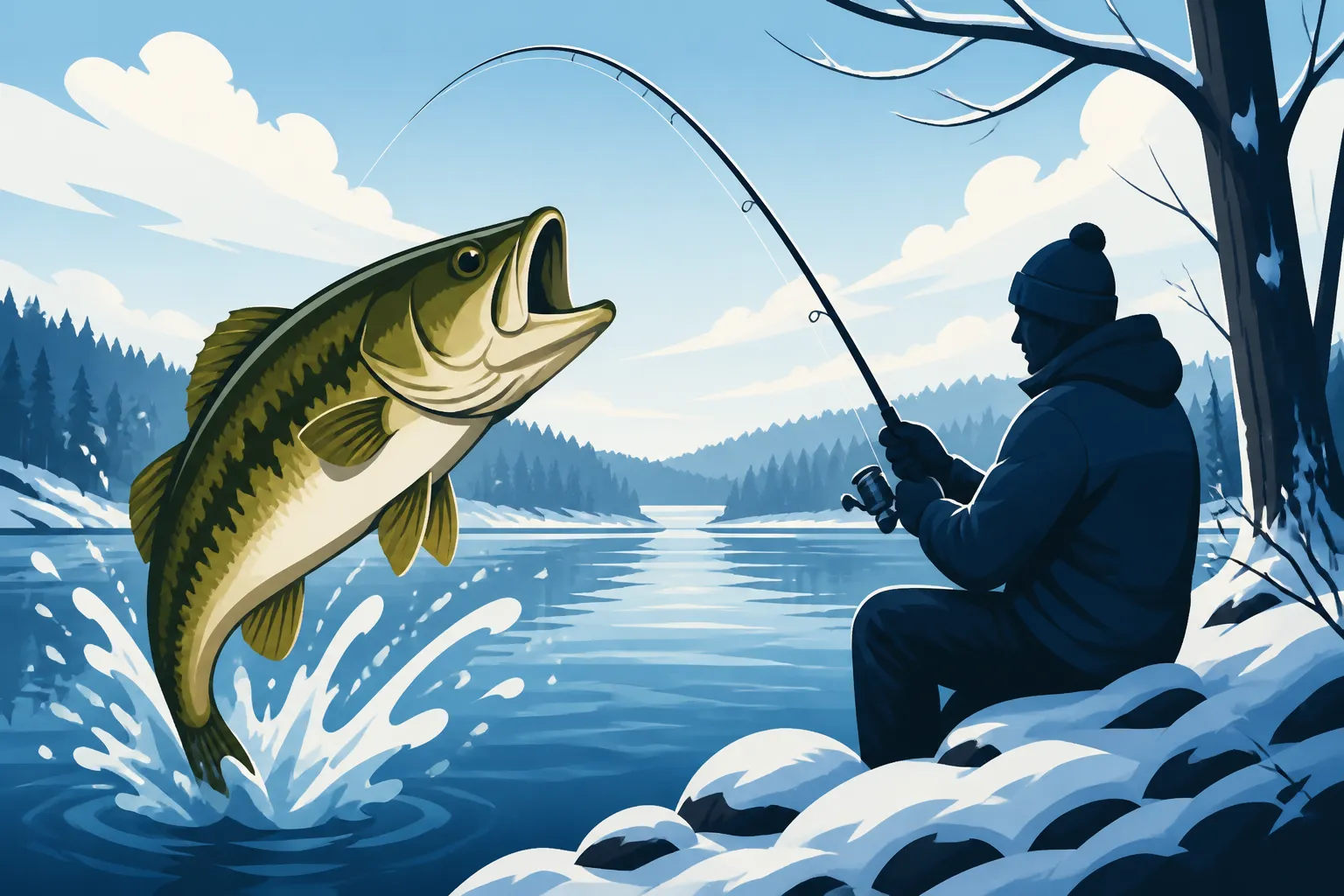
Fishing Loch Raven in Winter
Many anglers assume that once the crisp days of autumn give way to the biting chill of winter, their fishing rods are destined for storage until spring. But for those who know, winter fishing at Loch Raven Reservoir can be incredibly rewarding, offering peaceful solitude and some surprisingly hot bites. This guide will walk you through the unique challenges and fantastic opportunities that await you when you decide to brave the cold and fish Loch Raven during its quietest season.
Navigating Loch Raven in the Colder Months
Winter transforms Loch Raven Reservoir into a serene, often stunning landscape, but it also fundamentally changes how the fish behave and how you need to approach your angling. Understanding these shifts is the first step to a successful cold-weather outing.
Understanding Winter Water Conditions and Fish Behavior
As air temperatures drop, so does the water temperature in Loch Raven. This cooling process significantly slows down the metabolism of most fish species, making them less active and often congregating in deeper, more stable thermal zones. Instead of aggressively chasing prey across vast stretches, they tend to conserve energy, moving slowly and holding tight to structure or subtle changes in depth. This means that your approach needs to be slower, more precise, and focused on presentation rather than rapid retrieve.
Oxygen levels also play a role, but less so in larger, well-circulated reservoirs like Loch Raven compared to stagnant ponds. Still, cold water generally holds more dissolved oxygen, so that's not typically a limiting factor. What is critical is understanding that fish are looking for efficiency. They won't expend much energy to feed, so your bait needs to be practically handed to them, often right on their noses. Don't expect them to move far for a meal; instead, focus on finding their holding areas and presenting lures directly within their strike zone.
You'll often find schools of baitfish, like shad or minnows, also grouping tightly in deeper water, and where the bait goes, the predators often follow. So, if you can locate large schools of forage fish using your sonar, you're likely on the right track to finding game fish. This deep-water schooling behavior is a key difference from warmer months when fish might be more spread out. Targeting these specific zones, rather than casting aimlessly, becomes paramount.
Accessing the Reservoir and Key Winter Regulations
Loch Raven Reservoir is a municipal water supply managed by Baltimore City, and as such, it comes with specific rules for access. During the winter, these regulations are still in effect, and some practical considerations come into play. Private boats are permitted, but only with a valid Watershed Permit. If you're planning to launch your own kayak or small boat, make sure your permit is current and that you understand the rules regarding electric motors only. The boat rental operations, which are popular in warmer months, typically cease operations when the weather turns truly cold, so don't count on renting a vessel on a chilly winter morning.
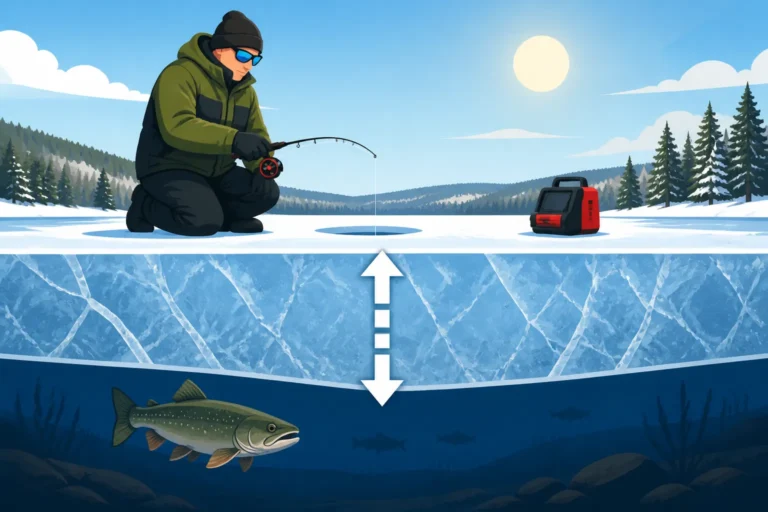
Shore access is generally available from designated areas around the reservoir, but remember that many paths can become slippery with frost or ice, especially in shaded areas. Always exercise caution when moving around the shoreline. A critically important regulation for winter anglers at Loch Raven, and indeed most Baltimore City reservoirs, is the absolute prohibition of ice fishing. While it might seem tempting on a solidly frozen day, attempting to ice fish on Loch Raven is illegal and dangerous, due to unpredictable ice thickness and potential liability. The best bet for ice anglers is to check out other, smaller impoundments or head west to places like Deep Creek Lake if conditions permit, but always verify local rules first. For those interested in general freshwater rules, our guide on Maryland Nontidal vs Tidal Fishing License, Explained offers a good overview of the state's diverse regulations.
Another point of consideration is the fishing license itself. You absolutely still need a valid Maryland fishing license to fish Loch Raven, even in the depths of winter. The state's Department of Natural Resources (DNR) doesn't offer seasonal exemptions for cold weather. Make sure you have your Maryland Fishing License Guide for 2026 in order before you head out, and remember that senior anglers might have specific options available, as detailed in articles like Maryland Senior Fishing License Cost.
Top Winter Species and Proven Tactics for Loch Raven
While some species slow down significantly, others offer excellent winter angling opportunities at Loch Raven. Understanding which fish are most active and what techniques work best will make your cold-weather excursions much more productive.
Targeting Crappie: The Winter King
Crappie are arguably the undisputed kings of winter fishing at Loch Raven. These panfish tend to school up in large numbers, often around submerged structure like brush piles, fallen trees, or channel edges in deeper water. Once you locate a school, you can often catch multiple fish, providing fantastic action on a cold day. Their metabolism is still active enough for them to feed, especially during stable weather patterns, but their bites will be subtle.
The key to winter crappie success is a slow, methodical presentation. Tiny jigs, usually 1/32 to 1/16 ounce, tipped with small soft plastics or live minnows are incredibly effective. Colors like white, chartreuse, black, or even natural shiner patterns work well. Popular brands often found on Amazon, like Bobby Garland's "Baby Shad" or Crappie Magnet jigs, are great starting points. When fishing from a boat, vertical jigging directly over structure you've identified with your sonar is the most efficient method. For shore anglers, casting small jigs and retrieving them very slowly, letting them sink and suspend near cover, can also produce. Don't be afraid to let your jig sit almost motionless for several seconds before giving it a tiny twitch. Sometimes, the crappie will hit it on the fall, or just after it's been still. If you’re really serious about targeting these winter beauties, our guide on Crappie Fishing in Maryland Reservoirs goes into even greater detail. Finding the "Best Coves at Loch Raven for Crappie]() is also a strategy that pays off, as these protected areas can hold stable schools.
Chasing Chain Pickerel and Bass: Cold-Water Opportunities
While largemouth bass tend to be less active in the coldest water, they can still be caught, especially on warmer winter days or during a slight warming trend. However, the true cold-water predator at Loch Raven that provides consistent action is the chain pickerel. These toothy fish remain quite active in cold water and are often found lurking in weed beds, around fallen timber, or along drop-offs where they can ambush unsuspecting prey. They are incredibly aggressive, even in winter, and can provide a thrilling fight.
For both pickerel and bass, slow-moving reaction baits often trigger strikes. Spinnerbaits with large blades that provide a lot of flash and vibration, or slower-moving jerkbaits that can be twitched and paused for extended periods, are excellent choices. Large, unweighted soft plastics, like fluke-style baits, fished slowly with long pauses can also entice a strike from a lethargic bass. Target areas with remaining weed growth or woody cover, as these provide ambush points and slightly warmer microclimates. Pay close attention to subtle structures like rock piles or transitions from shallow to deep water. You can often find a wide array of effective jerkbaits and soft plastics on Amazon, allowing you to experiment with different colors and sizes to match the mood of the fish. For more on targeting specific bass species, check out Fishing Loch Raven Reservoir for Largemouth Bass. Our broader article on Chain Pickerel in Maryland Ponds and Rivers also offers great insights into these feisty predators.
Yellow Perch and Walleye: The Deep-Water Challenge
Yellow perch, while known for their incredible spring runs, also school up in deeper parts of Loch Raven during winter. They share similar feeding habits with crappie in colder water, making small jigs and minnows effective. Look for them over humps, deeper flats, or along the bottom of channels. Much like crappie, a slow, patient approach is critical. You might need to use a slightly heavier jig or a drop-shot rig to get your bait down to their depth quickly and keep it there consistently. The bites will often feel like a light tap or simply added weight on your line.
Walleye, though less prevalent than other species, are present in Loch Raven and are highly sought after by dedicated anglers. Winter can be an excellent time to target them, as they become more concentrated in deeper areas. Trolling deep-diving crankbaits or vertical jigging with blade baits or live minnows on a jig head are common tactics. Walleye are light biters, so a sensitive rod and braided line will help you detect those subtle strikes. Focus on main lake points, deep humps, and the edges of creek channels, particularly during low light conditions or at night. Finding them can be a challenge, but the reward of a fresh walleye dinner is well worth the effort. For general cold-water strategies that can be applied here, our piece on Cold-Weather Fishing Tips for Maryland's Chesapeake Bay offers some transferable knowledge on how fish react to lower temperatures.
| Species | Preferred Winter Depth | Best Winter Baits/Lures | Key Tactics | Best Conditions |
|---|---|---|---|---|
| Crappie | 15-30 feet (near structure) | Small jigs (1/32-1/16 oz), minnows | Vertical jigging, slow retrieve, dead sticking | Stable cold weather |
| Chain Pickerel | 5-20 feet (near weeds/cover) | Jerkbaits, spinnerbaits, large soft plastics | Slow retrieves, twitching, long pauses | Slightly warmer winter days |
| Largemouth Bass | 15-25 feet (deep structure) | Jerkbaits, jigs, slow-moving creature baits | Slow presentations, target steep drops | Warming trends, sunny days |
| Yellow Perch | 20-40 feet (humps, channels) | Small jigs, minnows, drop-shot rigs | Vertical jigging, slow bounces, still fishing | Consistent cold |
| Walleye | 25-50 feet (channel edges) | Deep-diving crankbaits, blade baits, minnows | Trolling, vertical jigging, low light | Overcast, low light |
Essential Gear and Critical Safety for Your Winter Trip
Winter fishing isn't just about what bait you use; it's crucially about staying warm, safe, and comfortable. Preparing with the right gear can make or break your experience on a chilly day at Loch Raven.
Dressing for Success: Staying Warm and Dry
The biggest challenge in winter fishing is often simply staying warm. Dressing in layers is absolutely non-negotiable. Start with a moisture-wicking base layer (think synthetics or merino wool) to pull sweat away from your skin. Cotton is a definite no-go as it retains moisture and will make you cold. Over that, add insulating layers like fleece or down for warmth, and top it off with a waterproof and windproof outer shell. This shell will protect you from unexpected rain, snow, or the biting wind that often whips across the open water of Loch Raven.
Don't forget your extremities! A warm hat that covers your ears is essential, as a significant amount of body heat is lost through the head. Insulated, waterproof gloves are a must, though you might want a thinner pair for dexterity when tying knots or handling fish, and thicker mittens or "lobster claw" gloves for when you're just waiting. Your feet also need robust protection: wool socks layered under insulated, waterproof boots will keep them toasty. Many excellent options for these types of cold-weather apparel can be found readily on Amazon, offering a variety of price points and features. Remember, it's always better to overdress and shed layers than to underdress and freeze. Our Best Gear for Winter Striped Bass Fishing in Maryland article, while focused on a different species, has universally applicable advice on cold-weather apparel.
Tackle Adjustments for Cold-Water Angling
Your fishing tackle needs some adjustments for winter, too. Fish are less aggressive, so highly sensitive rods are a huge advantage for detecting subtle bites. A medium-light to medium power rod with a fast or extra-fast action, paired with a small spinning reel, is ideal for most winter applications at Loch Raven. Line choice is also critical: consider using a fluorocarbon main line or a fluorocarbon leader with braided mainline. Fluorocarbon is nearly invisible in the water, has less stretch, and sinks, which can be beneficial in deeper, clearer winter waters. It also performs well in cold temperatures, unlike some monofilaments that can become stiff and prone to memory.
When it comes to lures and baits, downsize. Smaller jigs (1/32 to 1/8 ounce), micro-spoons, and tiny soft plastics are often more effective. Colors can vary, but often natural tones or subtle contrasts work well in clearer winter water. Live bait, especially small minnows (shiners or fatheads), can be incredibly effective when fished on a bare hook or a tiny jig head, especially for crappie and yellow perch. Remember to have a small bait bucket to keep your minnows alive. You can find a vast selection of these specialized winter fishing tackle items, from sensitive rods to tiny jigs and even live bait aerators, on Amazon. Our guide to Fishing Techniques for Crappie in Maryland Reservoirs offers specific jigging advice, while Best Jigs for Crappie at Loch Raven delves even deeper into tackle for these popular winter targets.
Prioritizing Safety on and Around Cold Water
Beyond just staying warm, safety is paramount when fishing in winter conditions. The risk of hypothermia is significant if you get wet or are exposed to cold temperatures for too long. Always tell someone where you are going and when you expect to return. Consider carrying a fully charged cell phone in a waterproof case, along with a portable power bank. A first-aid kit, a whistle, and a bright, reflective vest are also good additions to your safety gear, especially if you're out before dawn or after dusk.
If you're fishing from a boat, even a small kayak, always wear a properly fitted life jacket. Cold water immersion can quickly incapacitate you, making it difficult to put on a life jacket once in the water. Keep a spare change of warm, dry clothes in a dry bag, and make sure to have plenty of warm drinks and high-energy snacks. The boat ramp areas or shore access points can be icy, so wear appropriate footwear with good traction. And remember, as stated earlier, ice fishing is not permitted on Loch Raven. The dangers of unpredictable ice thickness and the isolation of being on a frozen reservoir make it an extremely risky endeavor. Always prioritize your safety over catching fish, and when in doubt, stay home and plan for a safer day.
Disclaimer
Fishing regulations and conditions can change rapidly. Always consult the latest Maryland Department of Natural Resources (DNR) guidelines and local reservoir rules before planning your trip. The information provided in this guide is for informational purposes only and does not constitute official advice. Be sure to check weather forecasts, water conditions, and ice reports if applicable, and prioritize your safety above all else.