How Tides Affect Fishing in Maryland’s Chesapeake Bay
Oh, the Chesapeake Bay! There's nothing quite like spending a beautiful day out on the water, gear ready, spirits high, only to find the fish have developed a sudden case of lockjaw. Many seasoned anglers and eager newcomers alike often overlook one of the most crucial elements dictating fishing success in these unique waters: the tide. It's a frustrating riddle trying to understand why a spot that was red-hot yesterday is stone-cold today, even with the same bait and tackle. This comprehensive guide is here to unravel the mysteries of how tides affect fishing in Maryland's Chesapeake Bay, giving you the insights and strategies to confidently plan your next trip and increase your chances of a truly epic catch.
Understanding the Chesapeake Bay's Tidal Dance
Before we can even think about casting a line, it's essential to grasp the fundamental mechanics of the Bay's tides. They aren't just random water movements; they're a predictable, powerful force that dictates much of the underwater world.
What Exactly Are Tides and Why Do They Matter Here?
At its core, a tide is the rise and fall of sea levels caused by the combined gravitational forces of the moon and the sun, and the rotation of the Earth. It’s a cosmic dance happening right in our fishing grounds! For the Chesapeake Bay, things get a little more intricate than your typical ocean beachfront. The Bay is an estuary, a semi-enclosed coastal body of brackish water with one or more rivers or streams flowing into it, and with a free connection to the open sea. This unique geography significantly influences how those gravitational pulls manifest as tidal currents.
The long, narrow shape of the Bay, coupled with its varying depths and countless tributaries, creates a complex system where tidal influence diminishes as you move further north from the mouth. The tidal range—the difference between high and low tide—is much greater closer to the Atlantic Ocean, around places like Virginia Beach, and gradually lessens as you head up into the rivers and the upper Bay. This means a "good tide" near Solomons Island might behave quite differently than one near Havre de Grace. Understanding this regional variation is absolutely crucial, as what works in one part of the Bay might be completely ineffective just a few miles away.
The Anatomy of a Tidal Cycle in the Bay
A complete tidal cycle usually involves two high tides and two low tides within roughly a 24-hour period, a pattern known as semi-diurnal. However, due to the Bay's unique shape and the interaction with various river systems, some areas might experience a mixed semi-diurnal tide, where one high tide is significantly higher than the other, or a diurnal tide (one high, one low per day) further up some tributaries. Knowing which type of cycle affects your chosen fishing spot is your first step to becoming a tidal master.
Let's break down the key players in a tidal cycle:
- High Tide: The point when the water level is at its maximum. This often pushes water into shallower areas, making new feeding grounds accessible to fish.
- Low Tide: The point when the water level is at its minimum. This can concentrate fish in deeper channels or force them out of skinny water.
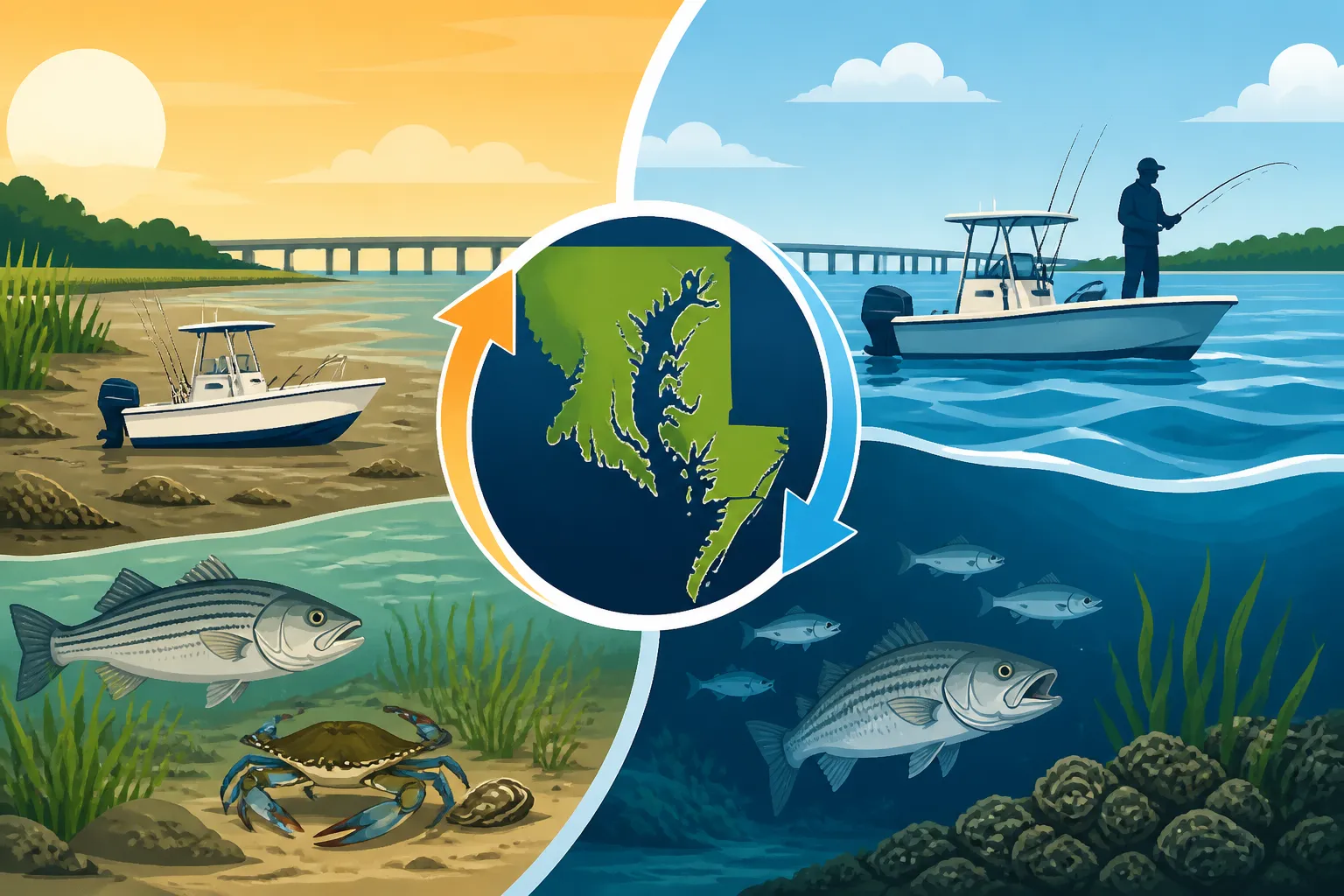
- Flood Tide: The period of rising water from low tide to high tide. This is often when baitfish are pushed into structure, and predator fish might move shallower.
- Ebb Tide: The period of falling water from high tide to low tide. This often pulls bait and nutrients out of creeks and shallows, drawing predator fish to channel edges and points.
- Slack Tide: The brief period of minimal current movement right before or after the peak of high or low tide. This can be a quiet time for fishing, but not always unproductive, as we’ll discuss later.
The strength of these currents also varies greatly depending on the moon phase, with stronger "spring tides" (during new and full moons) and weaker "neap tides" (during quarter moons). Strong currents can be fantastic for dislodging bait, but sometimes they can be too strong, making it difficult for fish to feed efficiently or for anglers to keep their bait in the strike zone. Finding a detailed local tide chart, easily accessible through many fishing apps or online, is truly your secret weapon here.
How Tidal Movements Influence Fish Behavior
Tides are not just about water going up and down; they are the lifeblood of the Bay ecosystem, fundamentally shaping how fish live, feed, and move. Understanding these influences is key to predicting where and when fish will be active.
The Connection Between Tides and Forage Movement
Think of the tide as a giant conveyor belt for food. When the water starts moving, whether it's the flood or ebb, it dislodges countless organisms from their hiding spots. Tiny crabs, shrimp, worms, and even smaller baitfish that were tucked away in the grasses or on oyster reefs suddenly find themselves caught in the current. This creates an irresistible buffet line for larger predatory fish.
During a strong ebb tide, for instance, water rushes out of smaller creeks and shallow flats, carrying with it a smorgasbord of disoriented baitfish like silversides and juvenile menhaden. Predators, especially striped bass (our beloved rockfish), will often position themselves at the mouths of these creeks or along channel edges, waiting to ambush anything that gets swept out. Similarly, a flood tide pushing water into these same areas can push bait further in, making fish like white perch follow the food. If you're struggling to locate bait, a good fish finder, like those readily available on Amazon, can help you spot schools of baitfish being pushed around by the currents, giving you a strong indicator of where the predators might be.
Oxygen Levels and Water Temperature Fluctuations
Tidal movements are also crucial for maintaining a healthy and dynamic aquatic environment. As tides flush through an area, they bring in fresh, oxygenated water. This is particularly vital in shallower creeks and embayments, especially during hot summer months when oxygen levels can drop. Actively moving water from the Bay also helps to circulate and often temper water temperatures.
Consider a hot summer day in a shallow river. If the tide is slack and still, the water can become stagnant and warm, making fish sluggish and less inclined to feed. However, once the tide starts to move, especially an incoming flood tide from the main Bay, it can bring in cooler, more oxygenated water. This infusion of healthier water can invigorate fish, triggering a feeding spree. Conversely, in colder months, a strong incoming tide might bring in slightly warmer water from deeper parts of the Bay or ocean, activating fish in shallower zones. Understanding these subtle shifts in water quality and temperature, driven by the tides, allows you to anticipate when and where fish will be most comfortable and active.
Predator Ambush Points and Current Breaks
Predatory fish in the Chesapeake Bay are opportunistic and smart. They don't want to expend excessive energy fighting strong currents if they don't have to. Instead, they cleverly use the tide to their advantage, positioning themselves in ambush points where they can effortlessly snap up passing prey. This is where understanding structure becomes paramount.
Think about bridge pilings, jetties, oyster reefs, or even subtle channel edges and humps. These are prime locations for current breaks. As the tide rushes past, it creates eddies or slack water zones directly behind these structures. Striped bass, bluefish, and even some species of catfish will often hold in these calmer spots, waiting for the current to sweep food directly into their strike zone. The key is to cast your lure or bait upstream of the structure, allowing the current to carry it naturally into these ambush points, presenting it as an easy meal. For instance, fishing around the prominent pilings of the Bay Bridge or the Route 50 bridge during a strong current can be incredibly productive if you know where to position your boat and how to present your bait. Knowing how to target these specific areas is a critical aspect of Jigging Techniques for Maryland's Chesapeake Bay Striped Bass, for example.
Best Tidal Conditions for Different Species
While the general rule of "moving water is good water" often holds true, different species have their own preferences when it comes to tidal phases. Tailoring your approach to the target species can significantly improve your catch rates.
Striped Bass Rockfish and Tidal Preferences
Our beloved striped bass, or rockfish as they're affectionately known in Maryland, are highly attuned to tidal movements. For many anglers, the period around ebb tide is often considered prime time. As the water flows out of shallower creeks, rivers, and flats, it carries with it a bounty of baitfish and crustaceans. Striped bass will position themselves along channel edges, points, and humps where they can intercept this outgoing smorgasbord. This is particularly effective in larger river systems like the Choptank, Patuxent, or even the main stem of the Bay.
However, don't discount the flood tide. As water pushes into shallower areas, especially those with submerged structure like oyster reefs or grass beds, it opens up new feeding opportunities. Stripers will move into these areas, nosing around for crabs, shrimp, and baitfish that are now within reach. Many successful anglers targeting Maryland Striped Bass Fishing Techniques will tell you that the beginning and end of a tide cycle—when the water is moving strongest—are often the most productive. The period of "slack tide," when the water is barely moving, can sometimes be slower, but it's not always dead. During slack, fish might consolidate in deeper holes or around specific structures, making them easier to pinpoint if you have a good fish finder.
White Perch, Spot, and Croaker: Bottom Feeders and Tides
These popular panfish and bottom dwellers also thrive on tidal currents. White perch, spot, and croaker are generally less active during slack tides. They prefer water movement because it dislodges and carries their food—small invertebrates, worms, and tiny baitfish—directly to them.
For these species, fishing during both flood and ebb tides is generally productive. They'll often school up in deeper channels or around structure where currents concentrate food. For example, during a strong ebb, white perch might gather at the mouths of smaller creeks, picking off morsels washed out. On a flood tide, they might move onto shallower oyster beds or shell bottoms to forage. When targeting White Perch in Maryland's Chesapeake Bay, many anglers find success by using bottom rigs with bloodworms or grass shrimp, allowing the current to spread the scent and bring the fish to their bait. Stronger tides mean more food, and therefore, more active feeding. You might find yourself constantly re-baiting because they're hitting so hard!
Flounder and Bluefish: Tides in the Lower Bay and Coastal Waters
When we talk about species like flounder and bluefish, especially further south in the Bay or near the Ocean City inlets, the tidal influence can be even more pronounced, albeit with slight nuances.
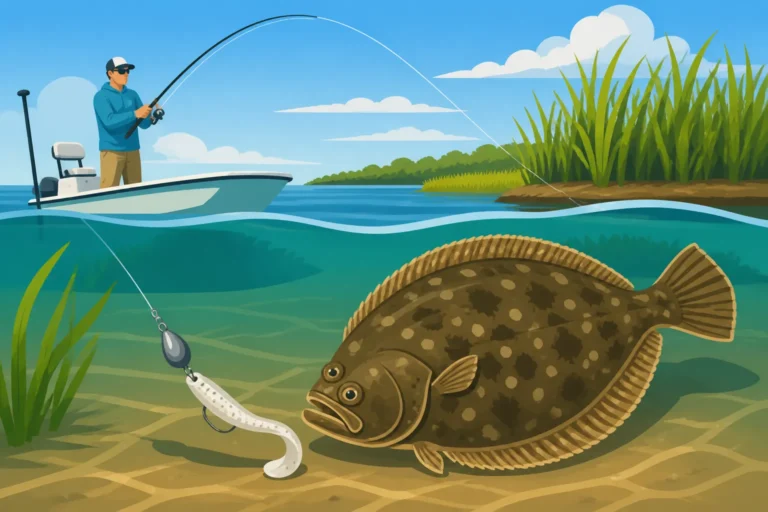
Flounder are ambush predators, often burying themselves in the sand or mud, waiting for unsuspecting prey to swim by. For flounder, a strong moving tide, whether flood or ebb, is ideal. The current disorients baitfish and pushes them along, making them easy targets. Drifting with the current over productive bottom, like channel edges or sandy flats near structure, is a very effective technique for flounder. They'll face into the current, ready to strike. The incoming tide through the Ocean City Inlet, for instance, is notorious for bringing in hungry flounder. Understanding the specific Flounder Fishing in Maryland regulations, especially size and catch limits, is always important when heading out.
Bluefish are aggressive, fast-moving predators that absolutely love a good current, especially when it concentrates baitfish. They will often crash through schools of bait, creating a frenzy. Both strong flood and ebb tides can trigger bluefish feeding binges, particularly in areas where bait is plentiful and currents create chokepoints. This could be around major channel junctions, inlets, or prominent points. When you see gulls diving and water churning, it's often a sign of bluefish pushing bait to the surface, and that action is usually tide-driven.
| Tidal Phase | Typical Current Strength | Impact on Bait Movement | Preferred by Species (General) | Notes for Anglers |
|---|---|---|---|---|
| High Tide Peak | Weak / Slack | Minimal, bait might spread out in newly covered areas | Less active, fish might hold deep in structure | Can be good for finding consolidated schools; requires precise lure placement. |
| Ebbing Tide | Moderate to Strong | Flushes bait out of shallows, concentrates along channels | Striped Bass, White Perch, Bluefish, Catfish | Excellent for targeting points, channel edges, creek mouths. Use heavier weights or longer casts. |
| Low Tide Peak | Weak / Slack | Minimal, bait concentrated in deeper pockets | Less active, fish might seek deepest available water | Can be challenging; consider changing locations or tactics. |
| Flooding Tide | Moderate to Strong | Pushes bait into shallows, over structure, into creeks | Striped Bass, White Perch, Flounder, Speckled Trout | Good for targeting submerged structures, grass beds, and flats. Drifting techniques often productive. |
| Slack Tide | Very Weak / None | Very little movement | Less active, but can still find fish holding in specific spots | Patience is key; sometimes a pause allows fish to relax before the next feeding window. |
Practical Strategies for Tidal Fishing Success
Knowing about tides is one thing, but actually using that knowledge to your advantage on the water is where the magic happens. It takes a bit of planning and adaptability, but the rewards are well worth it.
Reading a Tide Chart and Planning Your Trip
The absolute first step to successful tidal fishing is learning how to read and interpret a tide chart. Gone are the days of guessing! Most coastal communities have readily available tide tables, often online, through fishing apps, or even print versions found in local tackle shops. Popular apps like Tides Near Me, Saltwater Tides, or even simply searching "NOAA tide chart [your location in Maryland]" will give you incredibly accurate predictions. When planning your trip, don't just look for "high tide" or "low tide." Pay close attention to the times of the tide changes. The hour or two leading up to and following the peak of high or low tide (when the water is moving the strongest) are often the most productive feeding windows.
For example, if you plan to fish a specific point known for striped bass on an outgoing tide, you'll want to arrive an hour or two before high tide, allowing you to fish through the peak outgoing current. Conversely, if you're targeting flounder in an inlet on an incoming tide, aim to be there an hour or two before low tide. Remember that tide times can vary significantly even within short distances in the Bay. A tide station near Annapolis might have a different peak time than one near Kent Island. Always choose the station closest to your intended fishing spot for the most accurate prediction. Many fishing magazines and local tackle shops will also publish seasonal tide predictions, which can be useful when considering Best Time of Year to Fish in Maryland.
Adjusting Techniques for Varying Tidal Flows
Once you're out on the water, the tide dictates your tactics. You can't just fish the same way regardless of the current. You need to adjust your bait presentation, lure weight, and even your boat positioning.
- Lure and Bait Presentation: When the current is strong, lighter lures or baits will be swept away too quickly, making it hard to stay in the strike zone. You'll need heavier jig heads, sinkers, or diving plugs to get your offering down to where the fish are holding. For bottom fishing, a good general rule is to use just enough weight to hold your bait in place, but not so much that it's completely static. If the tide is slack, you might switch to lighter jig heads, soft plastics, or even topwater lures, as there's less water resistance to contend with. If you’re live-lining, the current can actually help distribute the scent of your bait.
- Boat Positioning: Anglers in boats have a huge advantage in positioning themselves to work the current. For instance, to fish a channel edge on an outgoing tide, you might position your boat slightly upstream of your target, casting downstream and allowing your lure to drift naturally into the current seam. If drifting for flounder, you’ll want to drift with the tide, presenting your bait ahead of your boat. For stationary fishing like chumming, anchoring correctly so you don't swing out of the chum slick is crucial. You can find essential anchoring gear and tackle, including a wide array of lead weights, on Amazon.
- Chumming and Live-lining: These techniques are incredibly effective when timed with the tides. A consistent current will carry your chum slick downstream, creating an aromatic trail that draws fish to your boat. Similarly, live baits like spot or bunker, when suspended in a current, will swim naturally and attract attention. Without moving water, the chum simply falls to the bottom, and live bait has less natural movement to entice a strike.
Safety Considerations with Strong Tides and Currents
While beneficial for fishing, strong tides and currents can also pose significant safety hazards, especially in the Chesapeake Bay where conditions can change rapidly. Always prioritize safety over catching fish.
- Anchoring: Always ensure your anchor is appropriately sized for your boat and the expected currents. Deploy enough rode (rope/chain) – typically a 7:1 ratio of rode length to water depth – to ensure a secure hold. Be aware that currents can change direction, potentially swinging your boat unexpectedly. If anchored near a bridge piling or jetty, maintain a safe distance to avoid being pushed into it.
- Navigation: Strong currents can make steering challenging, especially for smaller boats. Always consult marine forecasts for wind and current predictions. Be particularly cautious in narrow channels, inlets, and around major structures where currents can be exceptionally strong.
- Kayak Fishing: For kayak anglers, understanding Kayak Fishing Safety Tips for Maryland's Chesapeake Bay is paramount. Strong tides can quickly turn a leisurely paddle into a strenuous battle against the current. Plan your routes to use the tide to your advantage, especially on long paddles. For instance, paddle upstream on an incoming tide and let the outgoing tide assist your return. Always wear a PFD (personal flotation device), carry a reliable communication device, and let someone know your float plan. Also, be aware of how much faster the current is moving you than you perceive, especially if you're focused on fishing.
Common Tidal Fishing Misconceptions and Troubleshooting
Even with all the knowledge, fishing the tides can sometimes feel like an uphill battle. Let's clear up some common misunderstandings and offer advice for when things aren't going as planned.
The "Always Fish Moving Water" Myth Explored
While it's generally true that moving water brings better fishing, saying you always have to fish moving water is a bit of an oversimplification. There are definitely times when slack tide, or even very slow-moving water, can be productive. Extremely strong currents, for example, can sometimes be too strong. Fish might hunker down to conserve energy, making them less willing to chase a lure or bait struggling against the flow. In these situations, fish might move to the very edges of current breaks, or even seek deeper, calmer water.
Slack tide, the brief period of little to no current, is often dismissed as dead time. However, this isn't always the case. During slack tide, baitfish that were scattered by strong currents can sometimes regroup and consolidate in deeper channels or around specific structures. Predatory fish might use this calmer period to move into these areas. Sometimes, a subtle bait presentation is exactly what's needed during this lull. It's a great time to try fishing vertically with jigs or soft plastics, as you don't have to contend with current drag. Don't be afraid to experiment during slack periods; you might be surprised.
When the Tides Don't Seem to Be Working
You've checked your tide chart, arrived at the perfect time, and the water is moving exactly as predicted, but the fish just aren't biting. What gives? Remember, tides are just one piece of the puzzle. There are many other environmental factors that influence fish behavior:
- Weather Fronts: A sudden cold front can shut down a bite regardless of the tide. Fish become less active and move to deeper, more stable water.
- Water Clarity: Heavy rains can muddy up the water, making it harder for fish to see your bait and impacting their feeding aggression. Clearer water is often preferred for sight feeders.
- Water Temperature: Extreme temperatures, either too hot or too cold, can make fish lethargic.
- Barometric Pressure: Stable or rising pressure often correlates with better fishing, while rapidly falling pressure (before a storm) can make fish less active.
When the tides aren't producing, it's time to troubleshoot. Don't be stubborn! Try changing your location, even if it's just moving a few hundred yards. Experiment with different baits or lures. Sometimes a subtle color change, a different retrieve speed, or switching from artificials to natural bait can make all the difference. Patience and observation are your best friends. Pay attention to what's happening around you – bird activity, baitfish jumping, or even subtle surface disturbances can indicate feeding fish, regardless of the tide. And don't forget to keep an eye on the official Maryland Fishing Size and Catch Limits by Species to ensure you're always fishing responsibly.
Local Knowledge vs. Generic Tide Charts
While tide charts provide excellent scientific data, they don't always tell the whole story, especially in a complex system like the Chesapeake Bay. This is where local knowledge becomes invaluable. The way a tide behaves in a small creek can be dramatically different from the main Bay, and a generic tide chart for a major port might not capture these nuances.
Talk to the folks at your local bait and tackle shop. They are often treasure troves of information, not just about what bait is working, but how the tides are truly affecting specific areas. They'll know about "micro-tides" in certain creeks or how specific underwater structures create unique current dynamics that aren't reflected in a standard chart. For example, a tide chart might say the current is flowing one way, but a local angler knows that a particular point or bar creates a strong eddy that fish stack up in. Visiting reputable shops like Anglers Sport Center in Annapolis or Bunky's Bait & Tackle in Chesapeake Beach can offer a wealth of up-to-date, hyper-local advice. Combine the scientific predictions of the tide chart with the wisdom of experienced locals, and you'll be well on your way to mastering tidal fishing in the Chesapeake Bay. To truly become a Chesapeake Bay expert, consider reading a comprehensive guide like Fishing Maryland's Chesapeake Bay, A Complete Guide.
Disclaimer
The information provided in this guide is for general informational purposes only. Fishing conditions, regulations, and tidal patterns can change. Always consult the latest Maryland Department of Natural Resources (DNR) regulations and local weather and marine forecasts before heading out. Fishing involves inherent risks; always prioritize safety.