Why Is Maryland’s Rockfish Season Closed in August?
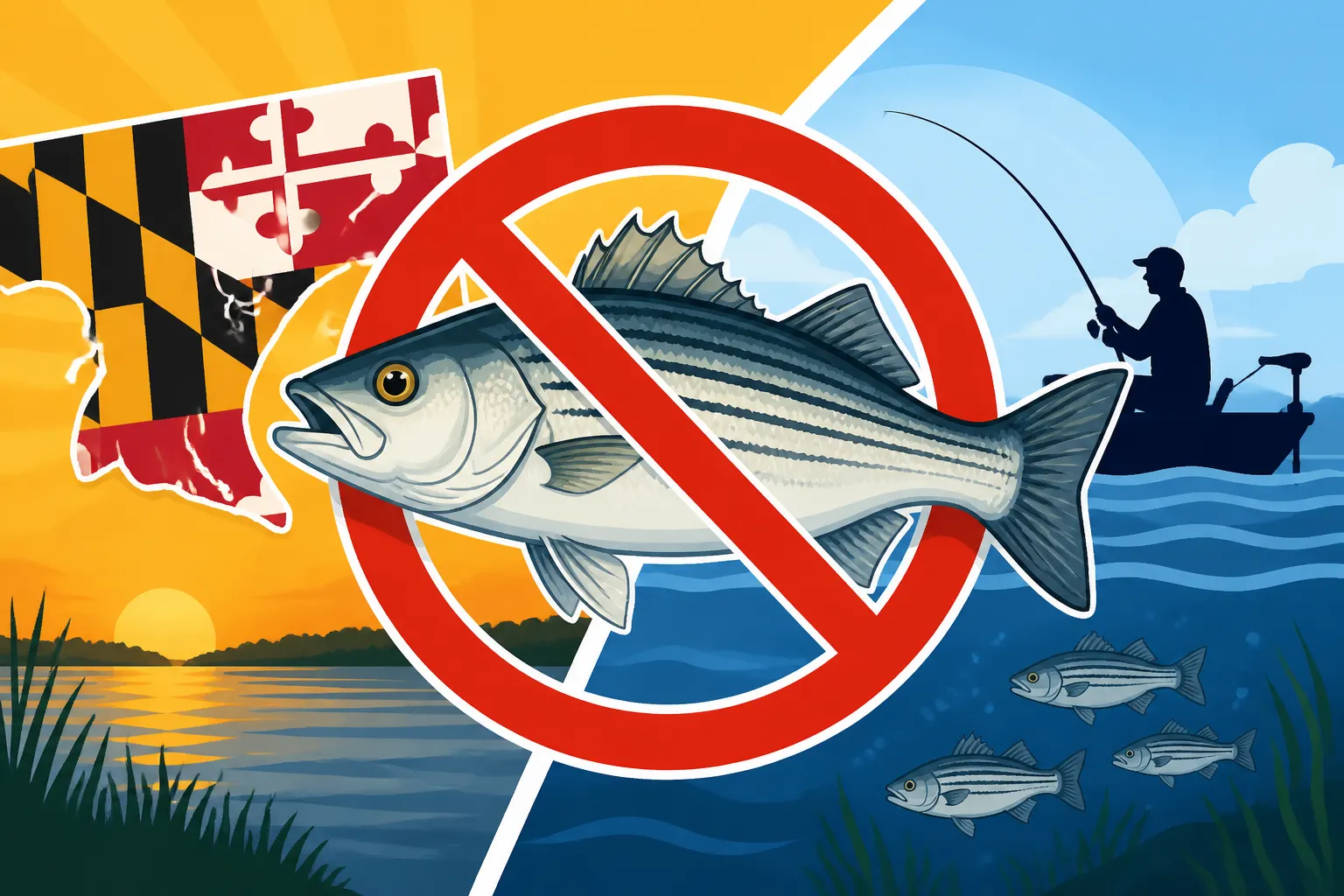
Oh, the infamous August Rockfish closure in Maryland! It’s a frustrating reality for so many of us who live for the thrill of reeling in a feisty Striped Bass. You've got your boat ready, the bait's fresh, and the weather is prime, only to remember that for an entire month, our beloved rockfish are off-limits for retention in most areas. It feels like a punch to the gut, doesn't it? But there's a good reason for it, and this guide is going to dive deep into exactly why Maryland's Rockfish season is closed in August, what that means for your fishing plans, and what amazing alternatives await you.
Understanding the Rockfish Closure in August
It might feel like the Maryland Department of Natural Resources (DNR) is just trying to make our lives harder, but trust me, these regulations are put in place for a very critical reason: to protect the Striped Bass population. The August closure, specifically for the Chesapeake Bay and its tributaries, isn't arbitrary; it's a carefully considered biological decision rooted in the survival and long-term health of these iconic fish.
The Biological Imperative: Spawning and Stress
August in Maryland is, let's be honest, hot. And that heat doesn't just make us humans uncomfortable; it significantly impacts our fish friends, especially Striped Bass. These are cool-water fish, and when water temperatures in the Chesapeake Bay climb, often reaching into the upper 70s or even 80s Fahrenheit, it puts immense physiological stress on them.
Think about it: when you're working out on a scorching summer day, your body is under a lot more strain, right? Your heart rate is higher, you're breathing harder, and you're at a greater risk of exhaustion. It's similar for rockfish. When water temperatures are high, the oxygen levels in the water drop. Striped Bass need a lot of oxygen, and this combination of warm water and lower oxygen makes them incredibly vulnerable. If a rockfish fights hard on a line in these conditions, even if you try your best to revive it, the chances of post-release mortality skyrocket. The stress of the fight, coupled with inadequate oxygen, often proves fatal. The DNR closes the season to minimize this mortality, particularly for larger, more reproductively important fish. It's a tough call for anglers, but a necessary one for the species.
Protecting the Future: Conservation Goals
The August closure is a direct result of ongoing conservation efforts aimed at rebuilding and sustaining the Striped Bass stock throughout the Atlantic coast, including the Chesapeake Bay, which is the primary nursery for the majority of the population. The health of the Striped Bass population has seen its ups and downs over the decades, leading to a host of complex regulations over time, including Maryland Striped Bass Season and Rockfish Rules.
The goal isn't just to have some rockfish; it's to have a healthy, thriving population that can withstand environmental pressures and continue to provide recreational and commercial fishing opportunities for generations to come. By implementing closures during times of high stress or critical life stages, such as August's heat, the DNR is trying to give the fish a fighting chance. It's about thinking long-term rather than short-term. These closures are an investment in the future of the fishery, ensuring there are enough fish to spawn and grow, supporting the entire ecosystem and our cherished fishing traditions. It's a collective effort, and while it requires sacrifice from us anglers, it's for the greater good of the resource.
What Happens During the August Closure
So, the calendar hits August 1st, and suddenly, most of the Chesapeake Bay and its tidal tributaries become off-limits for Striped Bass retention. It’s a hard pill to swallow, especially when the fishing might feel like it’s picking up! But it’s crucial to understand what this closure truly means for anglers and how you absolutely must abide by the rules. The repercussions of not doing so can be pretty severe, trust me.
Catch and Release Rules During the Closure
This is where it gets a little tricky and where many anglers can mistakenly get themselves into trouble. During the August closure in the Chesapeake Bay and its tidal tributaries, it is not illegal to accidentally catch a Striped Bass. What is illegal is to keep it, or more specifically, to target them. The rules generally state that if you inadvertently catch a Striped Bass, you must immediately release it without removing it from the water if at all possible, and do so in a manner that causes the least harm. This means no photoshoots, no bringing it onto the boat, just a quick, gentle release.
Moreover, targeting Striped Bass in the main stem of the Chesapeake Bay and its tidal tributaries is prohibited during this time. This isn't just about keeping the fish; it's about not even trying to catch them. If you're out fishing for other species, like White Perch or Catfish, and a Rockfish bites, that's one thing. But if you're specifically trolling rockfish lures or casting large swimbaits known primarily for Striped Bass, you could be cited. The Maryland DNR takes this very seriously. Violations can lead to significant fines and even suspension of your fishing privileges. If you're ever in doubt, it's always best to consult the current Maryland DNR Fishing and Boating Guide, Explained or check out What Happens If You Fish in Maryland Without a License? for general violation information. Best practice: plan to target other species entirely during August in the main Bay.
The Impact on Anglers and Businesses
Let’s be real, the August closure is a bummer for recreational anglers. It means adjusting your summer fishing plans, exploring new species, or just sitting on the dock wishing you could be out chasing "rockfish." For many, it's the peak of summer vacation, and the idea of not being able to chase the state fish feels like a missed opportunity. It definitely takes some planning to navigate.
But the impact extends far beyond just our personal fishing trips. It hits the charter fishing industry hard. August is typically a prime month for tourists and local families looking to book a day out on the Bay. Charter captains, who rely on these bookings for their livelihood, must adapt their entire business model for the month. Instead of thrilling clients with Striped Bass action, they pivot to targeting other species like Bluefish, Spanish Mackerel, or bottom fish. While these can be fun trips, they don't always carry the same appeal or price point as a dedicated Striped Bass charter. It requires a lot of flexibility and creativity from these hard-working captains to keep their boats busy. Tackle shops also see a shift, with sales of rockfish-specific gear dipping and other baits and lures for alternative species seeing a rise.
What Else Can You Fish For in August in Maryland
Okay, so Rockfish are largely off the table in the Bay for August. It’s a letdown, I know. But here’s the good news: Maryland’s waters are teeming with other incredible species that are not only legal to catch in August but often thrive in the summer heat! This is an awesome opportunity to diversify your fishing skills and discover new favorites.
Targeting Invasive Species
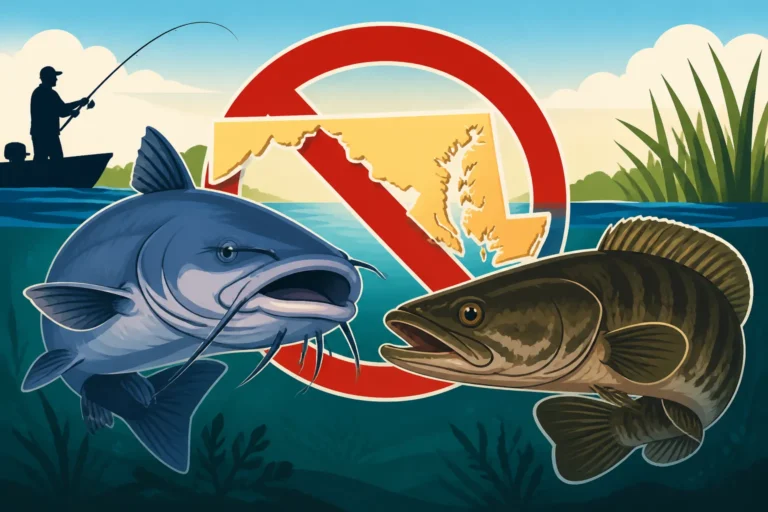
This is perhaps one of the most exciting and productive avenues for anglers in Maryland during August, and frankly, year-round. Our waters, particularly the tidal rivers feeding into the Chesapeake Bay, are battling two major invasive species: the Blue Catfish and the Northern Snakehead. And guess what? The DNR wants you to catch and keep as many of these as you can, with no size or creel limits in most areas!
- Blue Catfish: These giants can be found in incredible numbers, especially in the Potomac, Patuxent, Nanticoke, and Choptank Rivers. They love warm water, making August prime time to target them. They’re voracious eaters and can grow to enormous sizes. A simple bottom rig with cut bait (like pieces of gizzard shad, menhaden, or even chicken liver) is often all you need. You can literally fill a cooler with delicious fillets. Check out Maryland Blue Catfish Possession Rules for details, but generally, the more you catch, the better for the Bay ecosystem. Fishing for these is often an absolute blast, with heavy rods and reels required.
- Northern Snakehead: These fascinating, aggressive fish are widespread in the Potomac River system and some Eastern Shore tributaries. August heat means they're active and often holding in shallow, vegetated areas. Topwater frog lures, chatterbaits, and even live minnows are fantastic for snakehead. They put up an incredible fight and are excellent table fare. There are strict Maryland Snakehead Fishing Rules in place, primarily that it is illegal to transport a live snakehead, so they must be immediately killed upon capture. This is a thrilling, action-packed type of fishing that will make you forget all about rockfish.
Both of these species offer incredible opportunities for constant action and a chance to do some good for the local ecosystem. Plus, they’re truly delicious!
Other Abundant Species
Beyond the invasives, there's a whole host of native species that are fair game and plentiful in August:
- White Perch: These panfish are abundant throughout the Chesapeake Bay and its tidal rivers. They school up in large numbers and are super fun to catch on light tackle. Bloodworms, grass shrimp, or small spinners and jigs are incredibly effective. You can find them around structure like piers, oyster beds, and channel edges. They are fantastic eating, too! In many areas, especially the upper Bay, you can have non-stop action, making them a perfect family-friendly target.
- Bluefish: If you like a strong fight and sharp teeth, Bluefish are your answer. They often move into the Bay in large schools during the summer, chasing baitfish. Trolling with spoons or casting metal jigs into breaking schools of bait can lead to explosive strikes. Just be ready with wire leaders, as their teeth will cut monofilament lines easily. They are exciting, aggressive, and offer a completely different kind of fight than Striped Bass. Make sure to check the Maryland Bluefish Daily Limit.
- Spot and Croaker: These are classic summer bottom fish, especially popular with families and those looking for a tasty dinner. They congregate in the shallower, warmer waters of the Bay and its tributaries. Simple bottom rigs baited with bloodworms or pieces of shrimp will get you plenty of action. They might not be trophy fish, but they're delicious and offer consistent bites, making them ideal for kids or a relaxed day of fishing. Is There a Limit on Spot and Croaker in Maryland? Usually, no, but always check current regulations.
- Flounder: If you're near the coast, particularly around Ocean City and its back bays, August is prime flounder season. Drifting with minnows, squid, or Gulp! artificial baits near channel edges and inlets is a proven method. They're excellent table fare and offer a fun challenge to locate and catch.
Freshwater Alternatives
If the Bay closure just feels too restrictive, or you prefer calmer waters, Maryland has fantastic freshwater fishing opportunities, particularly in its many lakes and reservoirs.
- Largemouth Bass: Lakes like Loch Raven Reservoir, Liberty Reservoir, and Piney Run Lake offer excellent largemouth bass fishing. They are active in the warm water, especially during early mornings and late evenings. Topwater lures, plastic worms, and crankbaits can be highly effective. It's a completely different challenge and a great way to hone your bass skills.
- Panfish: Bluegill, crappie, and sunfish are abundant in almost every pond, lake, and slow-moving river throughout the state. These are perfect targets for light tackle, often with simple bobber and worm setups, making them ideal for beginners and kids. You can find gear for these species easily on Amazon, including small jigs and bobbers.
- Deep Creek Lake: In Western Maryland, Deep Creek Lake offers a completely different fishing experience. While it's known for its smallmouth bass and walleye, the elevation keeps the water temperatures cooler, providing a respite from the Bay's heat. Walleye in particular can be a challenging but rewarding catch in August, often biting deeper in the lake. If you’re looking for a change of scenery and cooler air, this is a great option.
In short, August in Maryland is far from a "no-fishing" month. It’s an invitation to explore the incredible diversity of species our state has to offer. Pack a variety of baits and lures, maybe even grab some specialized gear for blue catfish or snakehead on Amazon, and get ready for some new adventures! For more ideas, you can always check out Best Places to Fish in Maryland.
Preparing for the Rockfish Season Reopening
Just because you can't keep rockfish in August doesn't mean you can't think about them. In fact, smart anglers use this time to regroup, reassess, and get ready for the season's reopening, which often brings some of the most exciting fishing of the year. The anticipation builds, and by being prepared, you'll be ready to hit the water running when the time comes.
Staying Informed About Regulation Changes
This is paramount for any angler in Maryland, but especially when dealing with species like Striped Bass, where regulations can sometimes shift to adapt to the latest stock assessments. The Maryland DNR is constantly monitoring fish populations and may make adjustments to size limits, creel limits (how many fish you can keep), or even season dates. While August's closure is typically consistent, the rules for the reopening and subsequent fall season can sometimes be tweaked.
It's your responsibility as an angler to stay up-to-date. Don't rely solely on what you heard from a buddy at the boat ramp; that information could be outdated.
- DNR Website: The official Maryland DNR website is your best friend. They publish all current regulations and any emergency closures or changes.
- DNR App: Many state wildlife agencies have free mobile apps that provide instant access to regulations, which can be super handy while you’re out on the water.
- Local Tackle Shops: These guys are on the front lines and often have the most up-to-the-minute local information and posted signage.
- Subscribe to Updates: Consider signing up for email newsletters from the DNR or reputable local fishing reports that will alert you to changes.
For a detailed look at the larger regulatory picture, you might want to review the Maryland Fishing License Guide for 2026 or delve into the specifics of a Maryland Chesapeake Bay Sport Fishing License Explained.
Gear and Strategy Adjustments for Fall Fishing
As summer transitions to fall, so do the fish's behaviors and, consequently, your optimal fishing strategies. August is a great time to clean, repair, and restock your gear for the upcoming cooler months.
- Tackle Maintenance: Take this downtime to inspect your rods for broken guides, check reels for smooth operation, and replace any old line. Sharpen hooks or replace dull ones. Nothing worse than losing a trophy fish because of neglected gear. You can find excellent maintenance kits and replacement parts on Amazon.
- Lure Selection: Fall fishing often means different baitfish patterns and water clarity. Striped Bass, for example, might be chasing different schools of bait or holding in deeper channels as water cools. Start thinking about what lures might be most effective. Larger profile baits, jigging spoons, or bucktails might come back into play.
- Cold Weather Gear: Fall fishing can bring crisp mornings and cool evenings. Dig out your layering clothes, waterproof jackets, and maybe even a pair of fishing gloves. Being comfortable on the water means you can stay out longer and focus on fishing, not shivering.
- Boat Maintenance: If you have a boat, August is a good time for those smaller maintenance tasks you put off – checking your electronics, battery terminals, or getting that ding in the hull repaired. This ensures your vessel is tip-top for the fall run.
The fall Striped Bass season can be incredibly rewarding, with cooler water temperatures meaning healthier, more aggressive fish. By using the August closure to prepare, you'll be giving yourself the best possible chance for success when our beloved rockfish are back in season. It's all about foresight and strategy, which are hallmarks of any seasoned angler. This preparation will also help you when determining the Best Time of Year to Fish in Maryland, as fall is a prime season for many species.
August Fishing Alternatives in Maryland: A Quick Guide
| Species to Target | Primary Location | Best Baits/Lures | Notes & Regulations |
|---|---|---|---|
| Blue Catfish | Potomac, Patuxent, Nanticoke, Choptank Rivers | Cut bait (shad, menhaden), chicken liver | No size or creel limits. Aggressive, delicious, and helps reduce invasive population. Heavy tackle recommended. |
| Northern Snakehead | Potomac River & Eastern Shore tributaries (Blackwater, Nanticoke) | Topwater frog lures, chatterbaits, live minnows | No size or creel limits. Must be immediately killed upon capture; illegal to transport live. Exciting topwater action. |
| White Perch | Throughout Chesapeake Bay & tidal rivers | Bloodworms, grass shrimp, small jigs, spinners | Generous daily limits. Excellent table fare, often found in large schools around structure. Great for light tackle and family fishing. |
| Bluefish | Mainstem Chesapeake Bay, near ocean inlets | Metal jigs, spoons, live baitfish | Daily limits apply. Aggressive fighters, bring wire leaders! Look for birds diving on baitfish. |
| Spot & Croaker | Shallow Bay waters & tidal rivers | Bloodworms, shrimp, Fishbites | No size or creel limits (usually). Popular bottom fish, good for kids, delicious fried. Use simple bottom rigs. |
| Flounder | Ocean City back bays, coastal inlets | Minnows, squid, Gulp! artificials | Size and creel limits apply. Drift fishing near channel edges. Excellent eating. |
| Largemouth Bass | Loch Raven, Liberty, Piney Run Lakes, ponds | Topwater lures, plastic worms, crankbaits | Size and creel limits apply. Active in warm water, best at dawn/dusk. Great alternative for freshwater anglers. |
| Panfish (Bluegill, Crappie) | Ponds, lakes, slow rivers | Worms, crickets, small jigs | Generous limits (check specific waters). Easy to catch on light tackle, perfect for beginners and kids. You can easily stock up on small tackle and bait on Amazon for these species. |
Disclaimer
Please remember that fishing regulations, including seasons, size limits, and creel limits, can change. Always consult the latest official Maryland Department of Natural Resources (DNR) rules and regulations before heading out on the water. This guide is for informational purposes only and does not constitute legal advice.