Best Time for the Fall Striped Bass Run in Maryland
Ah, the crisp autumn air, the changing leaves, and the unmistakable feeling that something big is brewing on the water. If you've ever found yourself staring at the calendar, wondering exactly when to mark those prime days for chasing striped bass in Maryland's glorious fall run, you're not alone. It's a question every angler asks, and getting the timing right can mean the difference between a few bites and a truly epic day on the Chesapeake Bay. This guide is here to unravel the mysteries of the fall striped bass run, helping you pinpoint the best windows for action and maximize your chances of success.
Understanding the Fall Striped Bass Run
The fall striped bass run, often simply called "the fall run" by local anglers, is a highly anticipated event in Maryland's fishing calendar. It's a period of intense feeding activity as striped bass, or rockfish as we call them around here, migrate out of the Chesapeake Bay and down the coast. This isn't just a leisurely swim; it's a frantic feast in preparation for the leaner winter months and the upcoming spawning season. Think of it as a grand, natural buffet where the stripers are trying to pack on as much weight as possible.
This migration isn't a sudden, one-day affair; it’s a dynamic process that unfolds over several weeks, heavily influenced by environmental factors. From the upper reaches of the Bay to the lower stretches and out into the ocean, anglers across Maryland eagerly await their turn to intercept these hungry fish. The sheer volume of fish, coupled with their aggressive feeding, makes the fall run one of the most exciting times to be on the water. It’s a chance to witness nature in action and experience some truly unforgettable fishing.
What Triggers the Fall Run?
The primary drivers behind the fall striped bass run are the cooling water temperatures and the mass migration of baitfish. As summer heat gives way to autumn's chill, the Bay's waters begin to drop. This temperature change signals to the striped bass that it's time to move. But more importantly, it kicks off a massive exodus of their preferred food sources, like menhaden (bunker), spot, and various other schooling baitfish, which are moving out of the shallower rivers and creeks and consolidating in the main stem of the Bay before heading out to the ocean.
When these large schools of baitfish start making their journey, the striped bass follow closely behind, gorging themselves along the way. The cooling water also makes the fish more active, as they are no longer dealing with the stress of warm summer temperatures. This combination of an abundant food source on the move and more comfortable water temperatures creates the perfect storm for a spectacular feeding frenzy. Anglers who understand this critical relationship between temperature and baitfish migration are often the ones who find the most consistent success.
The "Blitz" Phenomenon
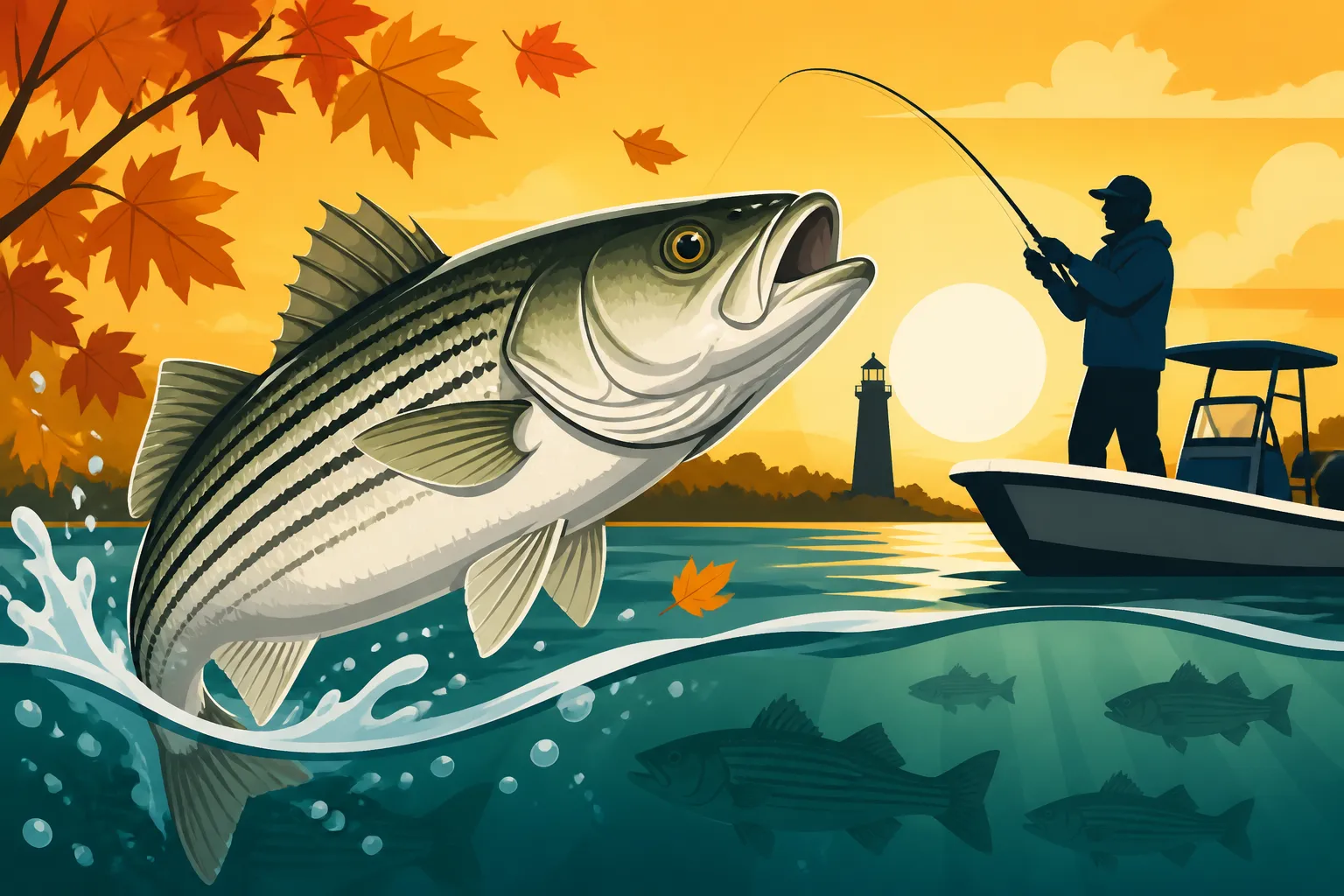
One of the most thrilling aspects of the fall run is the potential for a "blitz." This term refers to an explosive feeding event where large schools of striped bass drive baitfish to the surface, creating a chaotic and visible feeding frenzy. Picture hundreds, sometimes thousands, of birds diving, water churning, and fish busting on the surface as far as the eye can see. It's an incredible sight to behold and an even more exhilarating experience to fish.
During a blitz, stripers are often so focused on feeding that they'll strike almost anything that resembles a struggling baitfish. Topwater lures, jigs, and even spoons cast into the melee can result in hook-ups on nearly every cast. These blitzes can happen anywhere along the migration route – near points, channel edges, or even in open water – and they can last for minutes or, on truly epic days, for hours. Finding a blitz is like hitting the jackpot, and it’s what many anglers dream of experiencing during the fall run. It’s moments like these that make you truly appreciate the abundance of the Bay and the power of these incredible fish.
Timing is Everything: Peak Fall Run Windows
While the fall run technically spans several months, there are distinct windows of opportunity that tend to offer the best fishing, depending on what you're looking for. It's not a single, continuous event but rather a series of waves as different schools of fish make their way through the Bay. Understanding these nuances can help you plan your trips more effectively, whether you're targeting numbers or looking for that trophy fish.
The exact timing can shift slightly from year to year based on weather patterns, particularly how quickly the water cools. However, there are general patterns that hold true most seasons. Being flexible and paying attention to fishing reports and local conditions are key to hitting the sweet spot. You might find some excellent deals on Maryland Fishing License Renewal or even Maryland 7-Day Fishing License Options on a platform like Amazon if you decide to extend your trip based on a hot bite.
Early Fall: September's Subtle Start
As September rolls around, many anglers are still clinging to summer patterns, but the signs of the fall run are already beginning to appear. Water temperatures are slowly starting to drop, and while still relatively warm, the first waves of migrating baitfish, often peanut bunker and small spot, start moving out of the rivers and into the main Bay. At this stage, the striped bass might not be in their full-blown blitzing mode, but they are certainly becoming more active and predictable.
Fishing in early September often means targeting smaller to mid-sized striped bass, which are typically more aggressive and easier to locate. They'll often be found around traditional structures like channel edges, oyster reefs, and bridge pilings, especially during strong tidal flows. This is a great time to hone your jigging or light tackle casting skills before the big crowds descend. You might not catch the biggest fish of the year, but the action can be steady and a lot of fun, making for a perfect day on the water before the true chaos of the peak run begins.
Mid-Fall: October's Prime Action
When October arrives, things really start to heat up, or rather, cool down, for the striped bass. This is often considered the prime window for the fall run in Maryland, especially in the middle and lower Chesapeake Bay. Water temperatures drop significantly, prompting the largest schools of baitfish, including full-sized menhaden and bigger spot, to begin their major migrations. This is when you're most likely to encounter those epic, widespread blitzes that define the fall run.
During mid-fall, the stripers are in full-on feeding mode. You'll find them busting bait on the surface, pushing huge schools of bunker, and creating incredible opportunities for topwater and jigging action. Larger fish also become more prevalent as they move through the Bay. This is the time to be on the water as much as possible, as the action can be fast and furious. Pay close attention to marine forecasts and local fishing reports, as the bite can be concentrated in specific areas based on bait concentrations and currents. Many anglers use this window to participate in Maryland Striped Bass Fishing Techniques like live-lining spot or chumming.
Late Fall: November's Last Hurrah
As November progresses and the days grow shorter and colder, the fall run gradually winds down, but it's far from over. In fact, for those targeting truly large, trophy-sized striped bass, late fall can be one of the best times. The majority of the smaller fish may have already passed through and headed south, leaving behind the larger, more robust stripers that are making their final push out of the Bay. These fish are often staging in deeper channels and around major structure, continuing to feed heavily before moving to their wintering grounds in the ocean.
While the widespread surface blitzes might become less frequent, the fishing can still be phenomenal for those willing to brave the colder weather. Trolling large lures or umbrella rigs in deeper channels, or jigging heavy metal where fish are marked on electronics, becomes a highly effective strategy. This is a time for patience and persistence, but the reward can be a truly massive striped bass – the kind of fish that makes all the effort worthwhile. Don't let the chilly air deter you; some of the biggest stripers of the year are caught during this late-season push. Getting your Maryland Fishing License Age Requirements sorted beforehand is key, especially if you're taking younger anglers.
Key Factors Influencing the Run's Success
The fall striped bass run isn't a static event; its intensity and timing are heavily influenced by a combination of natural factors. Understanding these elements can give you a significant advantage in predicting where and when the best fishing will occur. It's like solving a puzzle, where each piece of information helps you build a clearer picture of the fish's movements and feeding habits.
Anglers who consistently do well during the fall run are often those who are constantly monitoring these variables and adapting their strategies accordingly. It's not just about showing up; it's about showing up smart. For detailed insights on how different environmental conditions impact your success, you might want to read up on articles like Best Time of Day to Fish Maryland's Chesapeake Bay or How Water Clarity Affects Fishing in the Chesapeake Bay.
Water Temperature and Baitfish Movement
As we've touched on, water temperature is arguably the most critical factor. Striped bass are cold-blooded, and their metabolism and behavior are directly tied to the temperature of the water around them. As the Bay's water cools from the mid-70s in early September down into the 50s and even 40s by late November, the stripers become more active and feel an urgent need to feed. The "sweet spot" for aggressive feeding is often considered to be in the 50-65 degree Fahrenheit range.
Hand-in-hand with temperature is baitfish movement. Menhaden, spot, silversides, and other forage fish are also influenced by temperature, migrating out of the shallower, cooling tributaries and schooling up in the main Bay. Where the bait goes, the rockfish follow. Anglers often use their electronics to find large schools of bait, knowing that striped bass will likely be nearby, either actively feeding or staging for an ambush. Keeping an eye on reports of bait concentrations can be as important as tracking the fish themselves. You can find robust depth finders and fish finders on Amazon to help you locate these crucial bait schools.
Weather Patterns and Their Impact
Weather isn't just about comfort for the angler; it plays a huge role in striped bass behavior during the fall run. Cold fronts, in particular, can be game-changers. A strong cold front that brings a sudden drop in air temperature and often strong winds can accelerate the cooling of the Bay's waters, triggering a more intense migration and feeding response from the stripers. Conversely, a prolonged period of warm, stable weather in early fall can delay the peak of the run.
Wind direction and strength are also significant. Strong winds can churn up the water, affecting clarity and making it harder for fish to see bait, or making it uncomfortable for anglers to fish. However, certain wind patterns can also push baitfish into concentrated areas, creating excellent fishing opportunities. For example, a prolonged northwesterly wind might push bait out of certain rivers, while a southerly wind might stack it against northern shorelines. Always check the marine forecast before heading out, not just for safety but also for strategic planning.
Tidal Stages for Optimal Fishing
Like most estuarine species, striped bass are highly influenced by tidal currents, especially during their fall migration. Moving water is key, as it disorients baitfish and creates ambush points for predators. While stripers can be caught at any stage of the tide, the strongest bites often occur during periods of moving water, particularly the outgoing tide. As the tide recedes, it flushes baitfish out of creeks and shallow areas, concentrating them in channels and leading them directly into waiting schools of stripers.
Understanding the tidal charts for your specific fishing area is crucial. Anglers often prefer to fish the last two hours of the outgoing tide and the first hour or two of the incoming tide, when the currents are typically at their strongest. However, don't overlook slack tide completely; sometimes, fish will hold tight to structure during these slower periods, making them vulnerable to precise jigging presentations. Experimentation and local knowledge are your best friends here, and reading up on How Tides Affect Fishing in Maryland's Chesapeake Bay can provide even more detail.
Preparing for the Fall Run
To make the most of the fall striped bass run, a little preparation goes a long way. This isn't the time to realize your reel needs servicing or that you're out of your favorite lures. Being properly equipped and having a plan can significantly increase your enjoyment and success. It's about being ready when that prime window opens up.
Think ahead about the conditions you might encounter – from chilly mornings to potentially rough seas – and ensure your gear is up to the task. The fall run is an exciting time, but it demands respect for both the fish and the elements. Making sure your Maryland Fishing License Guide for 2026 is current is also a great first step!
Essential Gear and Tackle
The fall run can be demanding on your gear, so make sure everything is in top shape. For light tackle casting and jigging, medium-heavy spinning or baitcasting outfits are ideal, capable of handling lures from 1/2 oz to 2 oz or more, and strong enough to subdue powerful stripers. A reliable reel spooled with 20-40 lb braided line is a must, providing the sensitivity to feel subtle bites and the power to fight big fish.
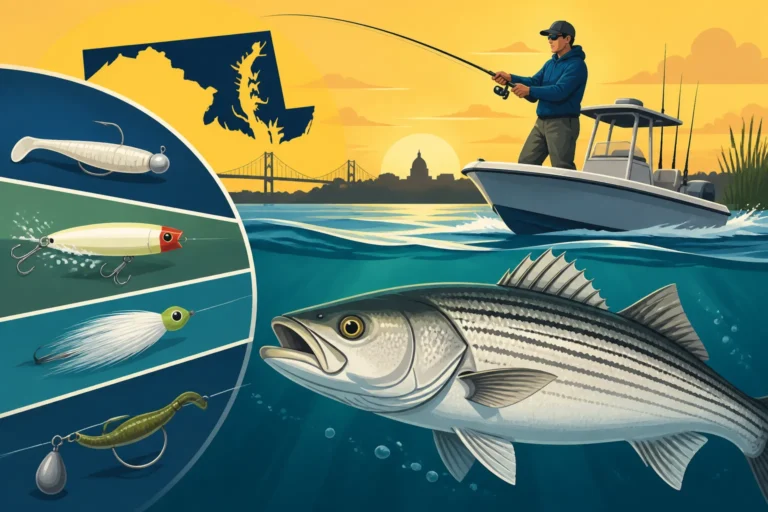
When it comes to lures, a diverse selection is beneficial. Soft plastic jigs in white, chartreuse, or natural baitfish colors are incredibly effective, especially when paired with a heavy jig head to reach deeper fish. Topwater plugs are exhilarating when fish are busting on the surface. Metal spoons and bucktails are also staples. If you're trolling, consider umbrella rigs, shad tandems, or large diving plugs. Don't forget a strong leader material (fluorocarbon is preferred), quality swivels, and a good pair of pliers for hook removal. You can find a vast array of tackle, from jigs to topwater lures, on sites like Amazon, ensuring you're stocked for any scenario.
| Gear Category | Key Items | Considerations for Fall Run |
|---|---|---|
| Rods & Reels | Medium-Heavy Spinning/Baitcasting Rods | 7-8 feet, fast action for casting distance and power. |
| Reels with good drag system | Spool with 20-40 lb braid, enough capacity for long runs. | |
| Line & Leader | Braided Main Line | High sensitivity, strong, low stretch. |
| Fluorocarbon Leader | 20-50 lb, abrasion resistant, nearly invisible. | |
| Lures & Baits | Soft Plastic Jigs | White, chartreuse, natural colors; 1/2 oz to 2+ oz jig heads. |
| Topwater Plugs | Walk-the-dog style, poppers for surface blitzes. | |
| Metal Spoons/Jigs | Heavier options for deeper water, fast retrieves. | |
| Bucktails | Classic and effective, can be tipped with soft plastics. | |
| Live Spot/Eels (if legal/available) | Highly effective for trophy fish, check regulations. | |
| Terminal Tackle | Strong Swivels & Snaps | Quality hardware to prevent break-offs. |
| Pliers, Hook Removers | Essential for safe and efficient de-hooking. | |
| Safety & Comfort | PFD/Life Vest | Always wear it, especially in colder water. |
| Warm, Layered Clothing | Waterproof outer layers, thermal base layers. | |
| Food, Water, Thermos with Hot Drinks | Stay hydrated and energized. | |
| Electronics | GPS/Chartplotter | Navigation, marking productive spots. |
| Fish Finder/Sonar | Locating baitfish and striped bass schools. |
Monitoring Conditions and Forecasts
Staying informed is critical for success during the fall run. The weather and fish movements can change rapidly, so continuous monitoring is essential. Before every trip, check the marine weather forecast for wind, waves, and precipitation. Remember that conditions on the open Bay can be significantly different from those on land, so always err on the side of caution.
Beyond weather, keep an eye on various fishing reports. Local tackle shops, fishing forums, and even social media groups often provide real-time updates on where the fish are biting and what techniques are working. The Maryland Department of Natural Resources (DNR) also offers valuable resources, including fishing reports and data on water temperatures. Cross-referencing these sources can help you pinpoint the hottest action and make informed decisions about where and when to launch your boat, or where to head for shore-based opportunities. Being proactive with your information gathering means more time fishing and less time searching.
Disclaimer
This article is for general informational purposes only and does not constitute professional advice. Laws, prices and regulations vary by location and change over time. Consult a qualified professional for guidance on your specific situation.