Maryland Snakehead Fishing Rules
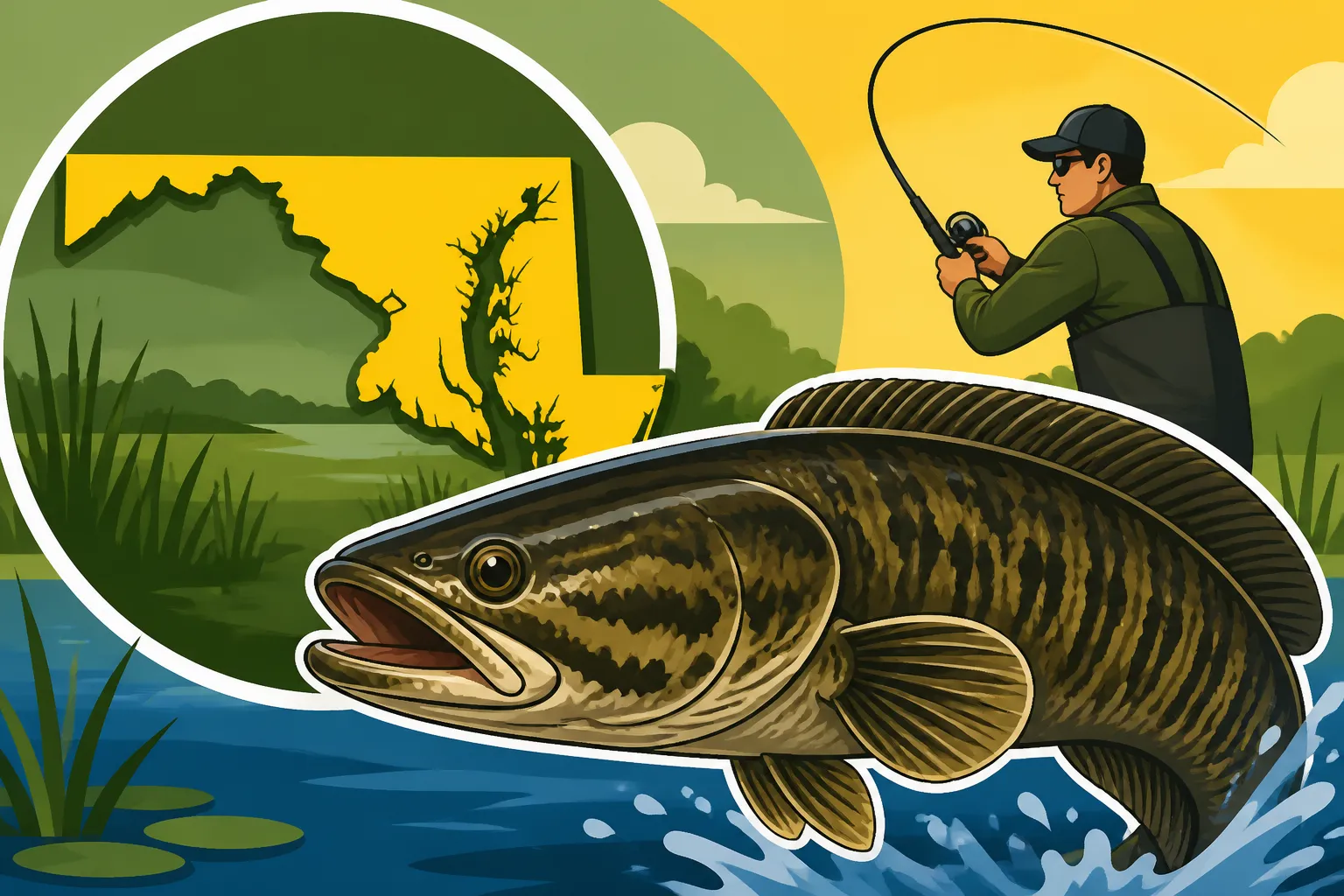
Catching a northern snakehead in Maryland can be an exhilarating, yet often confusing experience for many anglers. You hook into what looks like an alien fish, remember hearing something about them being invasive, and suddenly wonder: "What am I supposed to do now?" This guide is here to untangle all the specific Maryland snakehead fishing rules, offering clarity on regulations, best practices for handling your catch, and even tips on where and how to target these fascinating, yet problematic, fish.
Understanding Why Snakehead Regulations Are So Strict
When you're out on the water in Maryland, you'll quickly notice that the rules for northern snakehead are dramatically different from almost any other fish you might encounter. This isn't just arbitrary; it's rooted in a very real and pressing ecological concern. The Maryland Department of Natural Resources (DNR) has a clear, no-nonsense stance on these fish, and understanding the "why" behind the rules is crucial for any responsible angler.
The Threat of an Invasive Species
The northern snakehead (Channa argus) is a prime example of an invasive species, and its presence in Maryland waters is not by natural means. Originally from Asia, these fish were likely introduced through illegal release by individuals who kept them as pets or for food. Unfortunately, a few misguided actions have led to a widespread problem that impacts our native aquatic life. When we talk about an invasive species, we're referring to a non-native organism that causes harm to the environment, economy, or human health. Snakehead tick all these boxes for Maryland.
Their impact on native ecosystems is particularly alarming. Snakehead are voracious predators, known for their aggressive feeding habits. They compete with native species like largemouth bass, perch, and crappie for food resources and actively prey on smaller fish, frogs, and even ducklings. Imagine a new, highly efficient predator suddenly appearing in a lake or river where local fish haven't evolved defenses against it – that's the scenario unfolding in many of Maryland's waterways. They can disrupt the delicate balance of the food web, potentially leading to declines in populations of species we cherish and rely on for healthy fisheries. This is why the state takes their management so seriously, viewing anglers as a critical line of defense in protecting our native fish populations, as detailed in Maryland's general rules for handling Maryland Invasive Fish Rules: Blue Catfish and Snakehead. They are a top-tier predator, and their ability to thrive and reproduce quickly in diverse habitats makes them a formidable challenge for conservation efforts.
Maryland's Aggressive Management Approach
Given the significant threat snakehead pose, Maryland's DNR has adopted an aggressive management strategy, which directly translates into the strict regulations anglers must follow. Unlike native game fish, where the goal is sustainable harvest and population management, the primary goal for northern snakehead is containment and, ideally, population reduction. The state is actively working to prevent their further spread and mitigate their impact in established areas.
This aggressive approach is why you'll hear the phrase "kill on sight" associated with snakehead. It’s a stark contrast to how we treat most other species, where catch-and-release is often encouraged or even mandated during certain seasons or for specific sizes. For snakehead, the exact opposite is true: releasing a live snakehead back into Maryland waters is illegal. This rule is a direct reflection of the DNR's commitment to controlling this invasive population. Anglers are considered crucial partners in this effort, and every snakehead removed from the ecosystem contributes to protecting our native fish. The state wants to empower anglers to be part of the solution, making it clear that removing these fish is not just allowed, but strongly encouraged, which aligns with the broader objective of Why Maryland Wants Anglers to Kill Invasive Fish.
Essential Regulations for Anglers
The moment you hook a northern snakehead, you become part of Maryland’s invasive species management efforts. Knowing the specific rules about what to do next isn't just good practice; it's legally mandated. Misunderstanding these regulations can lead to serious penalties, so let's get into the nitty-gritty of what Maryland requires from you.
The Crucial "No Release" Rule
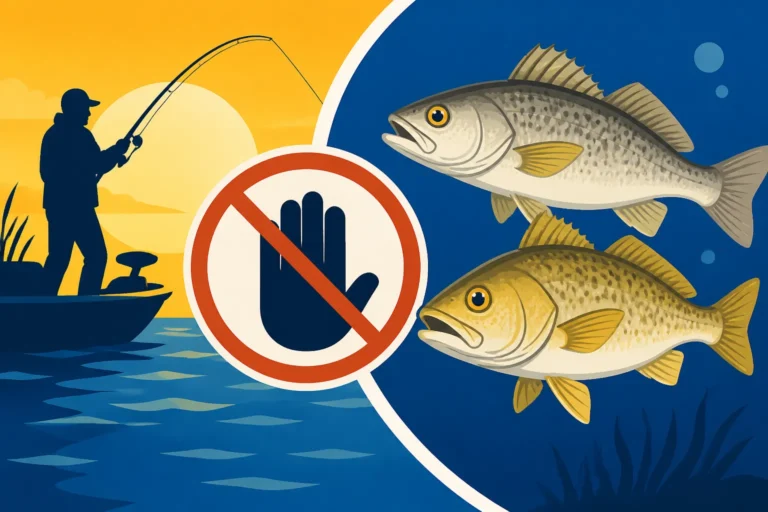
This is, without a doubt, the most important rule to remember when fishing for northern snakehead in Maryland: it is illegal to possess or transport a live northern snakehead. This means that if you catch one, you absolutely cannot release it back into the water alive. The intent behind this regulation is simple: prevent the further spread of this invasive species. Every live snakehead released, even accidentally, can potentially establish a new population or bolster an existing one, exacerbating the ecological problems they cause.
The "kill on sight" directive means you must dispatch the fish immediately and humanely once caught. There's no slot limit, no minimum size, and no creel limit for snakehead; you can keep as many as you catch, regardless of their size, as long as they are no longer alive. This might feel unusual if you're accustomed to carefully releasing undersized fish or practicing catch-and-release for sport. However, for snakehead, the legal and ethical responsibility is to ensure it doesn't return to the water to continue its destructive impact. Failing to dispatch a snakehead and releasing it alive can result in significant fines and other legal repercussions, making it clear that Is It Illegal to Release a Snakehead in Maryland? is a regulation taken very seriously. Always have a plan for what you'll do if you catch one, whether it's a dedicated cooler for transport or a method for dispatching it immediately.
Possession and Transport Rules
Once you've humanely dispatched a northern snakehead, you are then legally allowed to possess it and transport it. The key here is that the fish must be dead prior to transport. This rule is designed to ensure that no live snakehead are inadvertently or intentionally moved from one body of water to another, which could lead to new infestations. Imagine catching a snakehead in the Potomac River, deciding to take it home, and then having it somehow escape your cooler and flop into a local pond or stream – that's precisely the scenario the DNR is trying to prevent.
Therefore, you can confidently take your catch home for consumption, but it must be dead. There are no limits on the number you can possess, as long as they are deceased. For transport, it’s a good idea to have a cooler with ice, not only for keeping the fish fresh but also to avoid any ambiguity about its live status should you be checked by a natural resources police officer. A sturdy cooler that seals well is highly recommended for this purpose, and you can find a wide variety of options on Amazon that will suit your needs. Remember, the prohibition on transporting live snakehead is strict, and violating this can lead to substantial penalties, as detailed in guidelines like Fine for Transporting a Live Snakehead in Maryland. It's always best to err on the side of caution and ensure the fish is clearly deceased before moving it from the immediate vicinity of your catch. Also, while targeting snakehead, ensure you have a valid Maryland fishing license. Whether you're a resident or non-resident, the state requires a license for most fishing activities, and it's essential to understand the general Maryland Fishing License Guide for 2026 to stay compliant.
Practical Steps When You Catch a Snakehead
So, you've hooked a snakehead! The excitement is real, but now it's time to put those regulations into practice. Knowing exactly what to do can make the difference between a successful, compliant outing and a potentially troublesome one. It’s all about being prepared and acting decisively.
How to Safely and Humanely Dispatch a Snakehead
Upon landing a snakehead, your first priority is to dispatch it quickly and humanely. These fish are incredibly resilient, and simply leaving them on the bank or in a bucket won't necessarily kill them fast enough, and could even lead to them escaping. They are known for their ability to survive out of water for extended periods, thanks to their specialized breathing apparatus. This resilience means you need a decisive method.
One of the most common and effective methods is blunt force trauma. A small bat, a sturdy mallet, or a "priest" (a short, heavy club specifically designed for dispatching fish) applied firmly to the top of the fish's head just behind the eyes will do the trick. The goal is to immediately damage the brain. Another method involves severing the gill plates and spine. You can use a sharp, sturdy knife to make a deep cut across the throat, severing the gills and the spinal cord just behind the head. This method not only kills the fish but also helps bleed it out, which can improve the meat quality if you plan to eat it. A quick brain spike, often done with a sharp, pointed tool inserted directly into the brain, is also effective and humane. When doing this, be mindful of their sharp teeth – they can deliver a painful bite even after being landed. Always exercise caution and secure the fish firmly before attempting to dispatch it. This immediate action is exactly What to Do If You Catch a Snakehead in Maryland and ensures compliance with DNR regulations.
Handling and Storing Your Catch
Once the snakehead is dispatched, handling and storing it properly is key, especially if you plan to take it home to eat. And trust me, you'll want to; snakehead are widely regarded as delicious, with firm, white, flaky meat that holds up well to various cooking methods.
First, you'll need a suitable container for transport. A cooler filled with ice is ideal. Place the dead snakehead directly on ice to chill it quickly, which preserves the quality of the meat. If you've chosen to bleed the fish, this will also help keep your cooler cleaner. These fish can grow quite large, so make sure your cooler is big enough to accommodate your catch. For larger specimens, a sizable marine cooler is invaluable, ensuring the fish stays cool for the duration of your trip. You can find excellent, durable coolers on Amazon, ranging from personal sizes to large family-trip options.
Upon returning home, you'll want to process your snakehead as soon as possible. Filleting is straightforward, much like filleting a bass or walleye, though their tough skin might require a sharp, sturdy fillet knife. A good quality fillet knife will make the job much easier, and you can explore various highly-rated options on Amazon that are perfect for handling a fish of this size and texture. Once filleted, the meat can be portioned, vacuum-sealed, and frozen for later enjoyment, ensuring that your efforts in managing this invasive species also provide a tasty reward.
Where to Find Snakehead and Popular Fishing Methods
Successfully catching a northern snakehead isn't just about knowing the rules; it's about knowing where to find them and what techniques work best. These fish have adapted incredibly well to Maryland's diverse waterways, but certain areas and methods will significantly increase your chances of hooking one.
Prime Snakehead Habitats in Maryland
Northern snakehead thrive in shallow, vegetated waters, making many of Maryland's tidal rivers and creeks prime habitat. They prefer slow-moving or stagnant water with abundant submerged vegetation, lily pads, and fallen timber where they can ambush prey. These areas provide excellent cover and ample food sources.
The Potomac River and its tributaries are perhaps the most famous snakehead hotspots in Maryland. Tributaries like Mattawoman Creek, Piscataway Creek, and Occoquan Creek are particularly productive. These areas feature extensive shallow flats with lily pads and grass beds, creating perfect ambush points for snakehead. Further north, the upper Chesapeake Bay tributaries also hold significant populations, including the Gunpowder River, Bush River, and Susquehanna Flats, though the Susquehanna Flats are more renowned for other species, as referenced in guides like Best Spots to Catch Blue Catfish on the Potomac, which shares similar habitat characteristics. The Blackwater National Wildlife Refuge on the Eastern Shore, with its intricate network of shallow marshlands and canals, is another renowned location where these fish flourish. For a more detailed look at where to focus your efforts, specifically on the iconic river, checking out resources like Where to Catch Snakehead on the Potomac River can provide invaluable local knowledge. Essentially, if you find warm, shallow, weedy water with plenty of cover, you're likely in snakehead territory.
Effective Techniques and Gear
Targeting northern snakehead is a thrilling experience, as they are aggressive feeders and powerful fighters. They typically strike with explosive force, making topwater fishing incredibly exciting. When planning your trip, think about gear that can handle a strong, hard-fighting fish in heavy cover.
One of the most popular and effective techniques for snakehead fishing is topwater fishing with frog lures or buzzbaits. Snakehead often lurk just beneath the surface vegetation, and a frog lure retrieved across lily pads or grass mats perfectly mimics their natural prey. The key is to make loud, erratic movements that draw their attention, then pause briefly to entice a strike. The explosive blow-up of a snakehead hitting a topwater frog is something every angler should experience! Other effective lures include chatterbaits and swim jigs with weedless rigging, which can be fished effectively in and around heavy cover. When they’re not on topwater, these lures can effectively probe slightly deeper into the vegetation. You can easily find a fantastic selection of topwater frog lures, chatterbaits, and durable swim jigs on Amazon to stock your tackle box for your next snakehead adventure. For more in-depth advice on this exciting method, resources like Fishing Topwater Lures for Maryland Snakehead and How to Catch Snakehead With Topwater Lures offer fantastic guidance.
Due to their powerful jaws and tendency to dive into heavy cover once hooked, strong line and robust tackle are essential. Many anglers opt for heavy braided line (30-65 lb test) to cut through vegetation and prevent break-offs. A medium-heavy to heavy action rod with a fast tip and a strong reel will give you the leverage needed to pull these fish out of dense weeds. Forget finesse; this is power fishing!
Common Misconceptions and Additional Considerations
Despite their growing presence, northern snakehead are still relatively new to many Maryland anglers, leading to a fair amount of misinformation and exaggerated tales. Separating fact from fiction is important not only for understanding the species but also for ensuring safe and effective angling practices.
Separating Fact from Fiction
One of the most persistent myths surrounding northern snakehead is their ability to "walk on land" for extended periods. While it's true they can survive out of water for several days in moist conditions, and even "wiggle" across short distances using their pectoral fins, they don't actively "walk" long distances like some sort of amphibious monster. Their overland movement is typically limited to crossing short, wet stretches of land to find new water bodies during heavy rains or floods. They're not going to be chasing you down the bank. You can find more detail on their unique terrestrial abilities in discussions like Can Snakehead Really Move on Land?.
Another common concern is whether snakehead are dangerous to humans. While they have sharp teeth and can deliver a nasty bite if handled carelessly, they are not inherently aggressive towards humans. They won't attack swimmers or actively target people. The danger typically arises from improper handling when an angler has just caught one and isn't careful with its thrashing body and powerful bite. Like any wild animal, they will defend themselves if threatened. So, while caution is warranted when handling them, the idea of them being a direct threat to human safety in the water is largely unfounded, a topic often explored when asking Are Snakehead Dangerous to Humans?.
The Role of Anglers in Control Efforts
Ultimately, anglers play a vital role in Maryland's ongoing efforts to manage northern snakehead populations. The DNR actively encourages sport fishing for this species not only because it's an exciting challenge but because every fish removed helps reduce their impact on native ecosystems. By understanding and adhering to the "no live release" rule, you are directly contributing to the state's conservation goals.
Furthermore, anglers are often the first to discover new populations of invasive species. If you catch a snakehead in a waterbody where they haven't historically been reported, it's incredibly helpful to document the catch (e.g., take a photo) and report it to the Maryland DNR. This information helps fisheries biologists track their spread and develop more targeted management strategies. Targeting these fish is a win-win: you get a thrilling fight and a delicious meal, all while doing your part to protect Maryland's native fish. They grow quite large in Maryland waters, so catching a trophy-sized snakehead is a real possibility, as highlighted in size discussions like How Big Do Snakehead Get in Maryland?. By embracing the challenge of snakehead fishing, you become an active participant in maintaining the health of our precious aquatic environments.
| Rule Category | Specific Regulation | Angler Action Required | Penalty for Violation |
|---|---|---|---|
| Release | No live northern snakehead may be possessed or transported. | Must be immediately and humanely dispatched upon capture. | Fines, potential imprisonment, loss of license |
| Possession/Transport | Dead snakehead may be possessed and transported. | Ensure fish is deceased before leaving the fishing site. Store on ice. | Fines if transporting live fish |
| Size/Creel Limits | No size limit, no creel limit. | Keep as many dead snakehead as you catch. | N/A |
| Reporting | Encouraged to report new sightings. | Contact Maryland DNR if caught in a new location. | N/A |
| License | Valid Maryland fishing license required. | Always carry your valid fishing license. | Fines, potential imprisonment |
Disclaimer
Please remember that fishing regulations, including those for invasive species like the northern snakehead, can change. While we strive to provide the most current information, it is always your responsibility to consult the official Maryland Department of Natural Resources (DNR) regulations before heading out on the water. This guide is for informational purposes only and should not be considered a substitute for legal advice or official DNR publications.