Techniques for Catching Tautog Around Bay Bridge Pilings
If you've ever tried to land one of Maryland's feisty tautog, especially around the formidable structures of the Chesapeake Bay Bridge, you know it's not for the faint of heart. These hard-fighting fish are notoriously tricky, masters of their rocky domain, and often leave anglers with bent hooks and frayed nerves. This guide is here to unravel the mysteries of targeting tautog at the Bay Bridge, offering practical techniques and seasoned advice to help you bring more of these delicious fish to your cooler.
Understanding the Tautog's World at the Bay Bridge Pilings
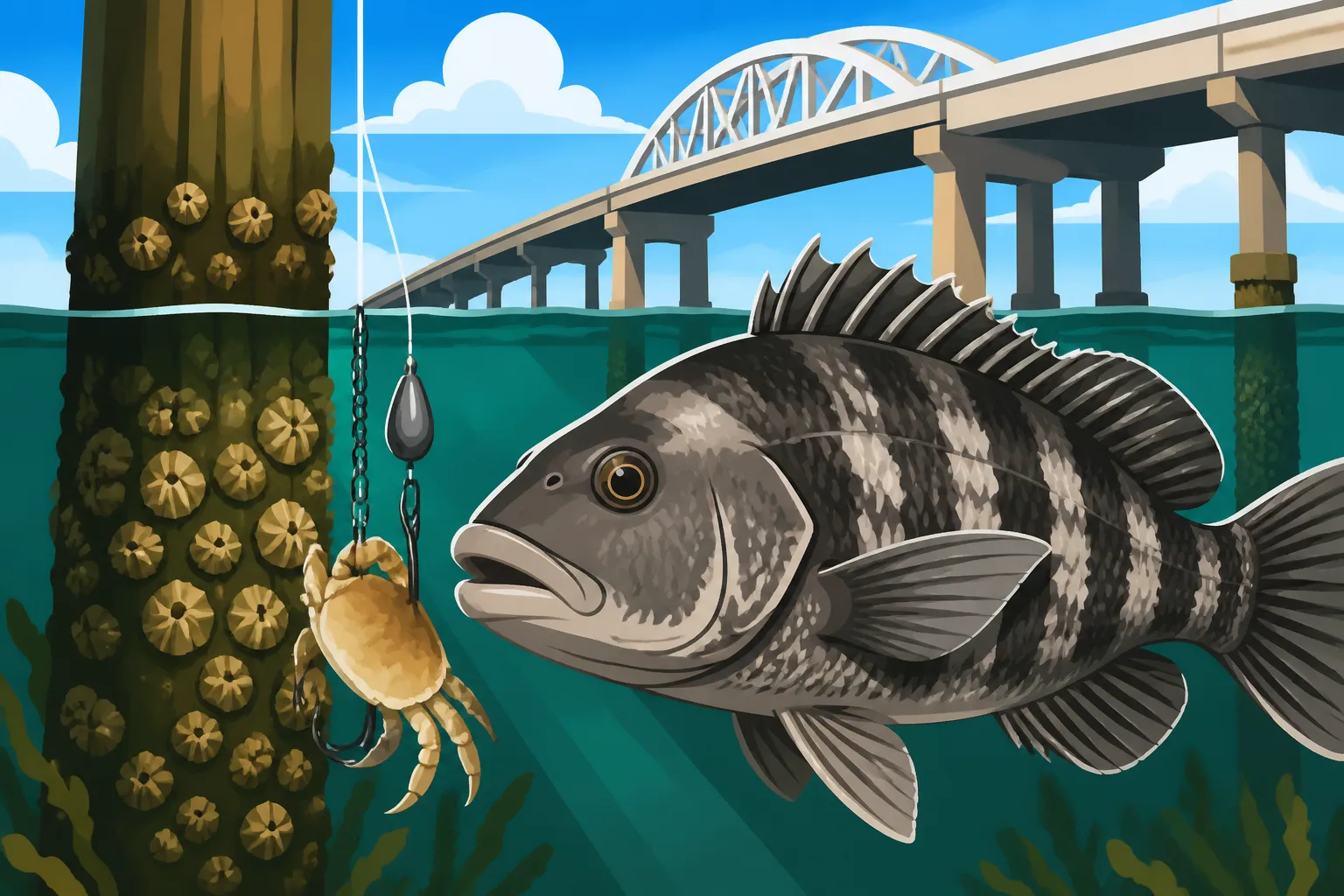
Tautog, often affectionately called "tog" by anglers, are truly creatures of structure. They thrive in environments where they can hide, ambush prey, and find abundant food sources. The Chesapeake Bay Bridge pilings, with their barnacle-encrusted surfaces and deep-water foundations, create an ideal habitat for these bottom-dwelling fish. It's not just a bridge; it's a massive, artificial reef system teeming with life, making it one of the premier spots to find tautog in Maryland.
Why Tautog Love Bridge Pilings
Think about it from a tautog's perspective. The pilings provide an incredible buffet of crustaceans – crabs, mussels, barnacles – which make up the vast majority of their diet. The dense, complex structure offers endless nooks and crannies for them to shelter from predators and strong currents. This combination of food and cover makes the Bay Bridge pilings an absolute magnet for them. They're built to navigate these tight spaces, with powerful jaws designed to crush shells and a stocky body that can withstand the surge of the Bay. To even think about fishing for them here, you need to appreciate their specialized lifestyle.
Tautog Behavior and How it Impacts Your Approach
Tautog are not active chasers; they're ambush predators who prefer to sit tight and wait for a meal to drift by. This means you need to get your bait directly into their living room. They're also incredibly strong for their size, capable of quickly diving back into the structure the moment they feel a hook, leading to immediate break-offs. This behavior dictates everything from your gear choice to your fishing strategy. Patience is paramount, as is the ability to feel the slightest tap on your line amidst the current and boat movement. Before you even think about casting a line, make sure your paperwork is in order. Maryland's waters, especially around a major structure like the Bay Bridge, require adherence to specific regulations. You'll definitely want to check out the Maryland Fishing License Guide for 2026 to ensure you're legal and familiar with all requirements.
Essential Gear for Tautog Fishing at the Bay Bridge
Tackling tautog around the Bay Bridge pilings isn't a job for finesse gear. You need robust equipment that can withstand the brutal environment and the powerful fight of these fish. Investing in the right rod, reel, and terminal tackle is crucial to avoid frustration and increase your chances of success.
Rod and Reel Combinations for Tough Tautog
For tautog, a heavy-action conventional rod, typically 6 to 7 feet long, is your best friend. Look for a rod with a sensitive tip to detect those subtle bites, but plenty of backbone to muscle a fish away from the pilings. Many anglers prefer a fiberglass rod or a composite that offers durability and a forgiving bend. Paired with this, a conventional reel (like a Penn Squall or a Shimano Torium) in a 15-30 size range is ideal. It needs to have a strong drag system and enough line capacity for the deep water around the pilings. Spin reels can work, but conventional reels often provide more torque and control when fighting a fish in tight quarters. You can find a great selection of these robust setups on Amazon, often with helpful reviews from other bottom fishermen.
Line Choices and Terminal Tackle for the Pilings
Your line setup is critical. Start with a main line of 30-50 lb braided line. Braid offers superior sensitivity, allowing you to feel even the softest bites, and has no stretch, which is vital for quick hook sets. However, braid is easily abraded by barnacles. To combat this, you’ll need a strong leader. Attach a 3-4 foot section of 40-60 lb fluorocarbon leader to your braid using a strong knot like an FG knot or a uni-to-uni. Fluorocarbon is more abrasion-resistant and less visible in the water.
When it comes to terminal tackle, simplicity and strength are key. Here’s a breakdown:
- Hooks: Octopus style hooks, often in sizes 1/0 to 4/0, are popular. Many seasoned anglers opt for stout, straight-shank J-hooks or small, strong circle hooks. The choice often comes down to personal preference for hook setting style, but remember tautog are part of a diverse group of fish you might encounter, but they have their own specific rules. It's always wise to be familiar with the Maryland Fishing Size and Catch Limits by Species before you hit the water, as hook type can sometimes influence fish survival in catch-and-release scenarios.
- Sinkers: You'll need pyramid or bank sinkers ranging from 3 to 8 ounces, sometimes even heavier, depending on the current and depth. Carry an assortment! Losing tackle to the pilings is part of the game.
- Rigs: A simple high-low rig is most common. Tie a surgeon's loop or dropper loop about 6-12 inches above your sinker, and another one 12-18 inches above that. Attach your hooks to these loops. Keep your snells short (3-6 inches) to prevent tangles and keep the bait close to the bottom. For those who prefer a guided experience, knowing about Maryland Charter Boat License Coverage for Passengers is helpful, as a good captain will be well-versed in tautog hotspots and rig preferences.
The Secret Menu: Baits and Rigging for Tautog
Tautog are notoriously picky eaters, but their diet primarily revolves around crustaceans. Mastering the art of bait selection, preparation, and presentation is arguably the most crucial aspect of consistently catching these fish around the Bay Bridge. Forget about artificial lures; fresh bait is almost always the answer here.
The Reigning Champions: Green Crabs and Fiddler Crabs
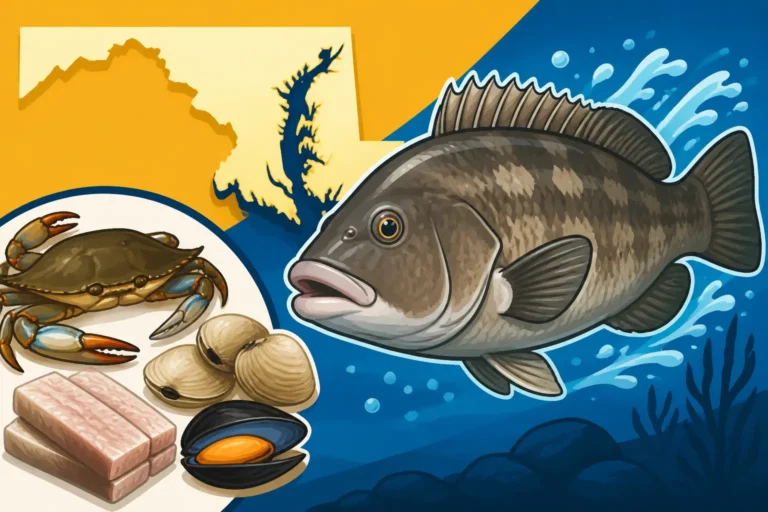
Green crabs are, without a doubt, the king of tautog baits in Maryland. Their hard shell and pungent scent are irresistible to tog. You can typically find them at local bait shops. Here's how to prepare them:
- Small Crabs: If you have small green crabs (under 2 inches), you can often use them whole, pinching off the top legs or cutting them in half to release more scent.
- Medium to Large Crabs: For medium to large crabs, you'll want to quarter them. Remove the legs and crack the shell in half, then half again. This exposes the juicy innards, making it easier for the tautog to get a hold of and releasing more scent. Thread your hook through one of the leg sockets or through the tougher shell material to keep it secure.
Fiddler crabs are another fantastic option, especially for smaller tautog or when the bite is finicky. Their small size means they're often used whole. They're usually only available seasonally, but when they are, they're deadly. Many anglers discover the joy of targeting tautog after exploring other popular species. If you're interested in broadening your horizons, a look at Maryland's Most Popular Saltwater Gamefish can provide great ideas for your next trip, though few are as challenging to bait as the tautog.
Other Effective Baits
While crabs dominate, other baits can also produce, especially if you're having trouble sourcing green crabs:
- Clams: Surf clams or razor clams can be very effective. The challenge with clams is keeping them on the hook. Many anglers will wrap them in elastic thread or a small piece of mesh netting to secure them. Clams have a strong scent trail that can draw fish in.
- Mussels: Similar to clams, mussels are a natural food source for tautog. Break them open and use the meat, securing it firmly to your hook.
- Hermit Crabs: If you can get your hands on them, hermit crabs are another excellent choice. Pop them out of their shells and rig them securely.
Here's a quick comparison of the top tautog baits:
| Bait Type | Pros | Cons | Best Use |
|---|---|---|---|
| Green Crabs | Durable, widely available, strong scent | Can be expensive, requires preparation | Primary bait, all-around effective |
| Fiddler Crabs | Irresistible to tog, natural size | Seasonal, sometimes fragile, can be pricey | Finicky bite, smaller fish, specific conditions |
| Clams | Strong scent, can be bought in bulk | Fragile on hook, easily stolen by nuisance fish | Complementary bait, when crabs are scarce |
| Hermit Crabs | Highly attractive, durable meat | Difficult to source, time-consuming to extract | Premium bait, for serious tog anglers |
Of course, the debate over the absolute best bait for these crustaceans connoisseurs is ongoing, but our article on Best Bait for Tautog Fishing in Maryland offers some excellent insights.
Mastering the Pilings: Techniques for Success
Fishing for tautog around the Bay Bridge is a specialized art form that requires precise boat positioning, a keen sense of touch, and quick reflexes. It's less about casting long distances and more about surgical strikes.
Positioning Your Boat for Optimal Bites
The key to tautog fishing at the Bay Bridge is getting your bait as close to the pilings as possible without getting snagged immediately. This is where boat control becomes paramount.
- Anchoring: Many anglers prefer to anchor up-current or up-tide from a specific set of pilings they want to fish. Allow your boat to drift back until you're within comfortable casting or dropping distance. The goal is to let your bait wash naturally into the structure. You might need a robust anchor and plenty of rode, as the currents around the bridge can be strong.
- Spot-Lock/Trolling Motor: If your boat is equipped with a strong GPS-enabled trolling motor (like a Minn Kota Terrova or Ulterra), this can be a game-changer. The spot-lock feature allows you to hold your position precisely, letting you target individual pilings with incredible accuracy. This minimizes anchoring fuss and allows you to quickly adjust if the fish aren't biting in one spot. These motors, especially the stronger saltwater versions, are also available on Amazon and are a significant investment that pays off in versatility.
Regardless of your method, observe the current and plan your approach. You want your bait to swing into the structure, not away from it. Remember that even if you're fishing from a private boat, you still need to ensure you've met all the necessary criteria, including Maryland Saltwater Angler Registration Requirements if applicable. If boat ownership isn't your thing, there are still ways to enjoy fishing for these tough bottom dwellers. Exploring options like Maryland Fishing License for Non-Boat Anglers can open up possibilities for pier or shore access, though tautog from shore near the bridge is a tougher target.
The Art of the Bite: Detecting and Hooking Tautog
Tautog bites are notoriously subtle. It's often not a dramatic pull, but rather a series of light taps or a slight weight change on your line. This is why braid's sensitivity is so crucial.
- Feel the "Tick": Hold your rod tip low, almost touching the water, and keep a semi-slack line. You're feeling for a "tick, tick, tick" as the tautog mouths the bait. They'll often peck at it to crush the shell before inhaling it.
- The Drop Back: Sometimes, the fish will pick up the bait and swim a short distance. This is called a "drop back."
- Setting the Hook: When you feel that definitive "thump" or sustained pressure, set the hook hard. Tautog have incredibly tough mouths, and you need to drive that hook home. A sweep set or a short, sharp upward jerk is often effective. Don't hesitate, because if you wait too long, they'll often be back in the pilings.
- Fighting the Fish: Once hooked, the fight is on! Immediately try to steer the fish away from the pilings. These fish will try to dive back into the structure at all costs. Maintain constant, heavy pressure and reel fast. If you let them get back into the barnacles, it's almost always a lost fish.
Understanding the nuances of the Bay's currents, particularly How Tides Affect Fishing in Maryland's Chesapeake Bay affects fishing, can dramatically improve your success rate for tautog. A strong moving tide often means better fishing, as it dislodges food and makes the tautog more active. And for a deeper dive into the specific timing for these feisty fish, you might find our guide on Tautog Fishing Around Maryland's Bay Bridge particularly useful, as certain times of year and specific tidal stages are undeniably better.
Timing is Everything
When planning your tautog trip, consider the time of year and tidal conditions. Tautog are primarily a colder water species, with the best fishing often occurring in the late fall through early spring. They can be caught in warmer months, but generally move to deeper, cooler water. The spring and fall periods around the Bay Bridge are prime. Knowing the right time to go can make all the difference. Our comprehensive guide on the Best Time of Year to Fish in Maryland can help you plan your tautog expeditions, giving you a broader understanding of fishing throughout the seasons. While we're talking about the Bay Bridge, it's worth noting that the pilings are also a prime location for other species. If you're planning a multi-species trip, you might also be interested in Fishing the Bay Bridge Pilings for Striped Bass.
Successfully catching tautog around the Bay Bridge pilings is a rewarding challenge. It tests your patience, your gear, and your skill. By understanding their habitat, rigging up properly, using the right bait, and mastering the art of the bite and fight, you'll be well on your way to enjoying some of Maryland's most exciting and delicious fishing.
Disclaimer
This article is for general informational purposes only and does not constitute professional advice. Laws, prices and regulations vary by location and change over time. Consult a qualified professional for guidance on your specific situation.