White Perch in Maryland’s Chesapeake Bay
If you've ever found yourself scrolling through endless pictures of monster rockfish or colossal blue cats, dreaming of that big catch, you might be overlooking one of Maryland's most abundant, delicious, and downright fun-to-catch fish: the humble white perch. Often dismissed as small or "bait," these feisty little fighters offer incredible action and a fantastic meal, yet many anglers don't give them the attention they truly deserve. This comprehensive guide is here to change that, showing you everything you need to know to find, catch, and enjoy white perch across Maryland's iconic Chesapeake Bay and its tributaries.
The Unsung Hero of Maryland Waters: Why White Perch Deserve Your Attention
Let's be honest, white perch don't always get the glory. They aren't the trophy fish that ends up on magazine covers, nor do they pull like a bull red drum. But what they lack in sheer size, they more than make up for in accessibility, abundance, and their willingness to bite. For many Marylanders, especially those who grew up fishing the Bay, catching a mess of white perch on a warm evening is a cherished memory, a foundational fishing experience that can still be recreated with ease.
More Than Just Bait: Debunking Common Misconceptions
It's a common misconception that white perch are only good for bait, typically live-lined for larger striped bass. While they certainly make excellent live bait due to their hardiness and natural presence in the Bay, they are so much more. Many anglers who hold this view have probably never spent an afternoon reeling in dozens of them, feeling the satisfying tug, and then tasting their sweet, flaky meat. They fight above their weight class on light tackle, making them incredibly fun for anglers of all ages and skill levels. Think about it: a day where you're constantly getting bites and bringing in fish, even if they're smaller, often beats a day spent waiting hours for a single strike from a larger, more elusive species. They provide consistent action, which is invaluable for keeping kids engaged or for simply enjoying a relaxing day on the water without the pressure of chasing giants.
The White Perch's Place in Maryland's Ecosystem
White perch play a crucial role in the Chesapeake Bay's intricate ecosystem. They are a significant forage fish for larger predators like striped bass and bluefish, forming a vital link in the food chain. They are also opportunistic feeders themselves, consuming a wide variety of small invertebrates, crustaceans, and even tiny fish. This adaptability is part of what makes them so numerous and widespread. They thrive in brackish and freshwater environments throughout the Bay and its countless rivers and creeks, adapting to varying salinity levels better than many other species. This widespread distribution means that no matter where you are in the Chesapeake Bay region, you're likely not far from a productive white perch spot. Understanding their role helps us appreciate them not just as a catch, but as an integral part of what makes the Chesapeake Bay such a rich and dynamic fishery.
Identifying White Perch: Know Your Catch
Before you start casting, it's always a good idea to know exactly what you're trying to catch, and how to tell it apart from other species. White perch have a few distinct characteristics that make them relatively easy to identify, but there are a couple of look-alikes that can sometimes cause confusion, especially for new anglers.
Key Characteristics and Distinguishing Features
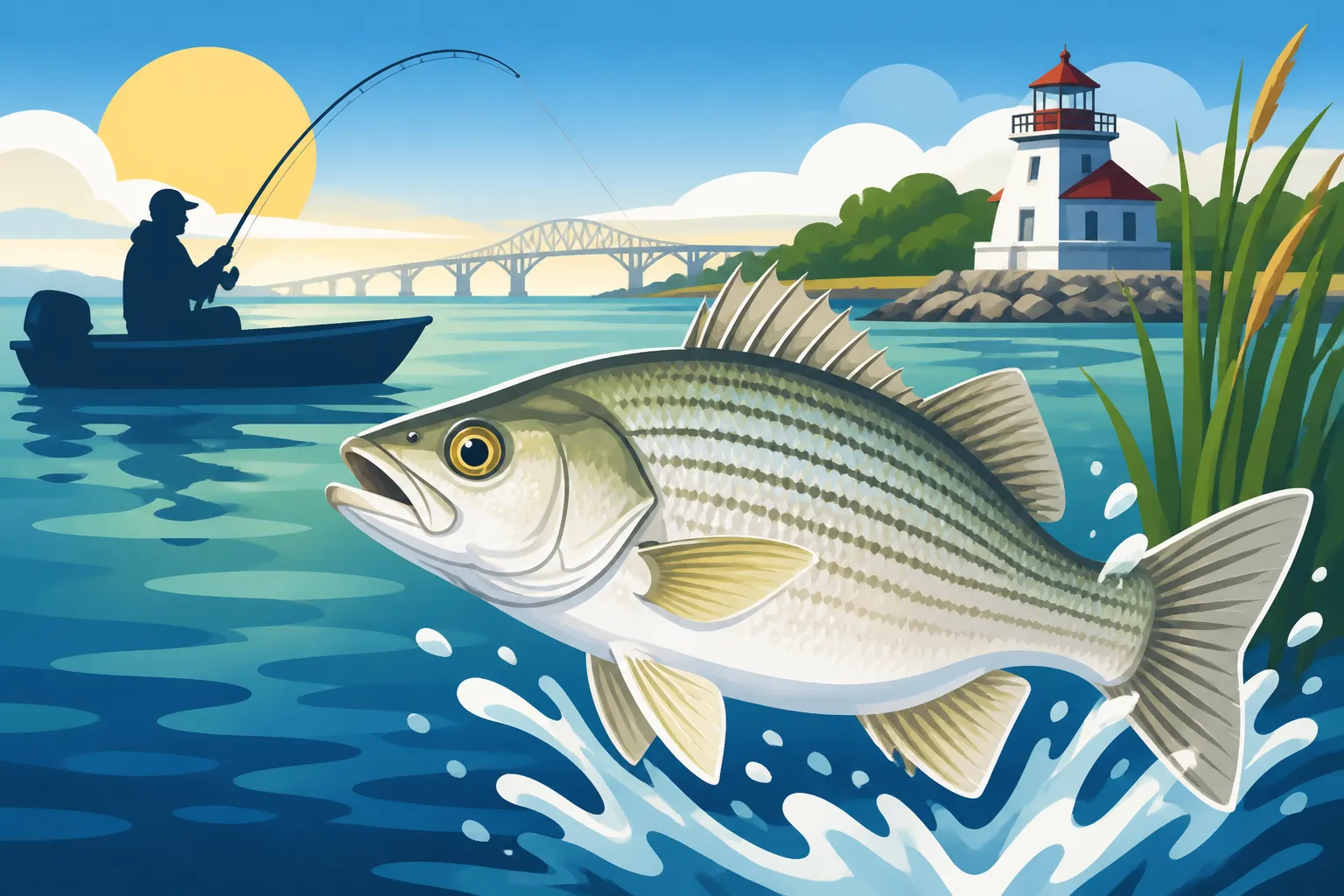
White perch (scientific name: Morone americana) are part of the temperate bass family, which is also home to their larger cousin, the striped bass. They typically have a silvery body, often with a subtle, dusky green or olive tint on their back, fading to a whiter belly. What sets them apart visually are their smooth, sleek bodies, lacking the prominent horizontal stripes that define striped bass. Sometimes, you might see faint, broken lines on their sides, but these are never as distinct or continuous as a rockfish's stripes. Their body shape is generally deeper and more compressed laterally than a striped bass of similar length. They also have two dorsal fins, one spiny and one soft-rayed, which is characteristic of the temperate bass family. Their mouths are relatively small compared to their body size, an important detail when selecting hook sizes. How Big Do White Perch Get in the Chesapeake Bay? is a question many anglers ask, and while they average 7-10 inches, they can grow up to 15 inches, with larger ones offering a surprisingly strong fight.
White Perch vs. Yellow Perch vs. Striped Bass Juveniles
This is where the confusion can sometimes creep in! It's easy to mix up white perch with yellow perch or small striped bass if you're not paying close attention. Here's how to tell the difference:
- White Perch: As described above, silvery body, no distinct stripes, deeper body profile. They lack the dark vertical bars of yellow perch and the prominent horizontal stripes of striped bass.
- Yellow Perch: These are quite distinct. They have a golden-yellow body with 6-8 prominent dark vertical bars on their sides. Their dorsal fins are typically more yellowish or orange. Yellow perch are primarily freshwater or very low-salinity fish in Maryland, though they do make significant spawning runs into tidal freshwaters of the Bay's tributaries in late winter/early spring.
- Juvenile Striped Bass (Rockfish): This is the most common mix-up. Young striped bass have those unmistakable horizontal dark stripes running from gills to tail. Even small ones will show these stripes clearly. Their body shape is generally more elongated and torpedo-like compared to the deeper body of a white perch. It's crucial to correctly identify these, as striped bass have much stricter size and creel limits. Thankfully, How to Identify a Striped Bass vs a White Perch in Maryland is a skill easily learned with practice.
For a quick reference, here's a table comparing the main characteristics:
| Feature | White Perch | Yellow Perch | Juvenile Striped Bass |
|---|---|---|---|
| Color | Silvery, olive-green back, white belly | Golden-yellow, dark back | Silvery, dark back |
| Markings | Faint/broken lines, no strong stripes | 6-8 distinct dark vertical bars | 7-8 prominent dark horizontal stripes |
| Body Shape | Deeper, laterally compressed | More elongated, slightly compressed | Elongated, torpedo-like |
| Habitat (MD) | Brackish & freshwater, throughout Bay & tributaries | Primarily freshwater/low salinity, spawning runs in tidal freshwater | Brackish & saltwater, throughout Bay & Ocean |
| Dorsal Fins | Two, spiny and soft-rayed | Two, spiny (with distinct black spot) and soft-rayed | Two, spiny and soft-rayed |
| Mouth Size | Relatively small | Medium | Larger, prominent |
Remember, knowing the difference is not just for bragging rights; it's essential for compliance with Maryland's fishing regulations! You can find more details on identifying these fish in our guide White Perch vs Yellow Perch in Maryland, What's the Difference.
Where to Find White Perch in Maryland's Chesapeake Bay
One of the great joys of fishing for white perch is their widespread distribution. From the Upper Bay to the Lower Bay, and in nearly every tidal river and creek in between, you're likely to find them. Their preferred habitats vary by season, but they are almost always associated with some kind of structure or depth change.
Tidal Rivers and Estuaries: Hotspots for Perch
The Chesapeake Bay is fed by hundreds of rivers and creeks, and almost all of them hold white perch. Rivers like the Patuxent, Choptank, Chester, Severn, Patapsco, Magothy, and the mighty Susquehanna are prime locations. In the spring, after the spawn, they fan out into these tidal waters, often congregating in shallow to moderate depths. Look for them around points, bends in the river, and areas where smaller creeks flow into the main stem. These tidal rivers offer a mix of brackish and fresh water, creating an ideal environment for white perch to thrive. They particularly love areas with some current, as this brings food to them. Think about places where you see submerged grass beds, fallen trees, or even just subtle changes in the bottom contour – these are all excellent starting points. Many public piers and shorelines in these rivers, like those in Annapolis or along the Patuxent, can be excellent for shore-bound anglers seeking perch.
Structure Fishing: Docks, Piers, and Oyster Beds
White perch are absolute magnets for structure. Anything that offers cover, shade, or a food source will attract them. This makes them a fantastic target for pier anglers or those fishing from shore near docks and bulkheads.
Think about these common structures:
- Piers and Docks: These provide shade and often accumulate barnacles and other small critters that perch love to eat. The pilings themselves are excellent hiding spots. Cast your bait or lure tight to the pilings, or let it drift underneath the dock.
- Oyster Beds and Shellfish Bottoms: Oyster reefs are bustling underwater communities, providing both food and shelter. White perch will cruise these areas, picking off small invertebrates. If you have a fish finder, look for "lumpy" bottom readings in the Bay or its rivers – those are often oyster beds, and they almost always hold perch.
- Riprap and Jetties: Rocky shorelines, bridge abutments, and jetties provide excellent habitat. The rocks create crevices for small prey and offer ambush points for the perch. Casting parallel to these structures, letting your bait or lure bounce along the rocks, can be incredibly effective.
- Bridges and Buoys: Bridge pilings offer deep water access and plenty of vertical structure. Buoys often have growth on their chains that attract small baitfish and crabs, which in turn attract perch.
- Submerged Trees and Brush Piles: In many tidal creeks and rivers, fallen trees or intentionally sunk brush piles create fantastic fish habitat. These spots are often overlooked but can hold large numbers of perch.
When fishing structure, a stealthy approach can make a big difference, especially in shallower water. Try to keep your distance and make accurate casts to avoid spooking the fish.
Deep Channels and Drop-Offs: Wintering Grounds
While spring and summer see white perch spread out, as the water temperatures drop in the fall and winter, they begin to migrate to deeper, more stable environments. This usually means the main channels of the Bay's larger rivers and the deeper sections of the Chesapeake itself. They'll congregate in large schools, often stacking up in depressions, holes, or along the edges of deep channels and drop-offs. If you have a boat with a fish finder, this is where it really shines. Look for bait balls or distinct arches on your sonar screen, often suspended just above the bottom in 20-40 feet of water, sometimes even deeper. Fishing these deeper wintering holes can lead to incredible days, with non-stop action as you drop your bait into a school of hundreds, or even thousands, of hungry perch. Our article on Winter Fishing for White Perch in Maryland delves into this in much more detail, offering specific tips for targeting these cold-water congregations.
The Best Times to Target White Perch in Maryland
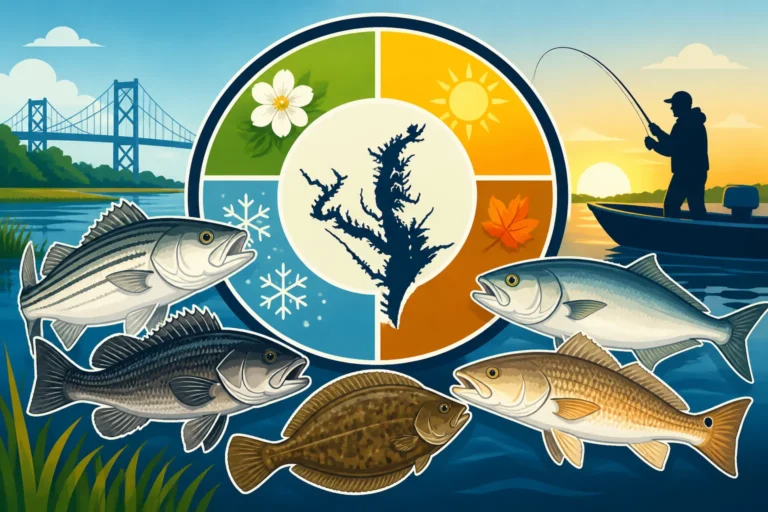
Maryland's white perch fishery offers year-round opportunities, but each season presents unique challenges and rewards. Understanding their seasonal movements and feeding patterns is key to consistent success.
Spring Spawning Runs: A Frenzy of Activity
Spring is arguably the most exciting time to target white perch, especially from late March through May, depending on water temperatures. This is when the annual White Perch Spawning Runs in Maryland Rivers occur. As water temperatures climb into the 50s and 60s Fahrenheit, adult white perch migrate from their deeper wintering grounds into the shallower, fresher upper reaches of the tidal rivers and creeks to spawn. This congregation makes them incredibly accessible and eager to bite. They're focused on feeding heavily before and after spawning to replenish energy reserves.
During this time, look for them in shallow areas with some current, often near brush, docks, or other submerged structure in 3 to 10 feet of water. Small spinnerbaits, tiny jigs tipped with soft plastics, or simple bottom rigs with bloodworms or grass shrimp are deadly. Shore anglers often have a field day during these runs, as the fish move within casting distance of numerous public access points. It's a fantastic time for families and beginners because the action can be non-stop. Our guide to Fishing for Spring-Run White Perch in Maryland provides an excellent deep dive into this prime season.
Summer Structure Fishing: Beat the Heat
As summer arrives and water temperatures rise, white perch typically move out of the very shallow spawning areas and spread throughout the tidal rivers and the main Bay. They still stick to structure, but they often move to slightly deeper water during the heat of the day. You'll find them around bridge pilings, channel edges, deeper docks, oyster reefs, and artificial reefs. Early mornings and late evenings are often the best times to find them actively feeding closer to shore or in shallower depths, but they can be caught throughout the day by targeting deeper structure.
Boaters using fish finders can locate schools holding tight to the bottom in 15-30 feet of water, especially where there are significant depth changes or underwater features. Jigging small metal jigs or soft plastics, or using traditional bottom rigs with peeler crab or bloodworms, will produce results. Don't overlook night fishing for white perch in the summer, especially under well-lit docks or bridge lights, where baitfish are attracted. This season requires a bit more searching but can be incredibly rewarding once you locate a productive piece of structure.
Fall Feeds: Preparing for Winter
Fall is another fantastic season for white perch, as they transition from their summer haunts and begin to school up, preparing for their winter migration. From September through November, as water temperatures start to cool, they feed aggressively to build up fat reserves. This period is often characterized by large schools moving throughout the tidal rivers and Bay, often chasing baitfish.
You'll find them in many of the same places as summer, but often in larger aggregations. Look for them around channel edges, oyster bars, and deeper pockets in the rivers. They can be found higher in the water column when actively chasing bait. Vertical jigging or casting small spoons and jigs can be very effective as they feed with gusto. This is a time when you might catch some of the largest perch of the year, fat and sassy from their autumnal feast. Our detailed article on Fall White Perch Fishing in Maryland's Chesapeake Bay covers the nuances of this productive season, offering tips on locating these active schools.
White Perch Fishing Techniques That Actually Work
You don't need fancy gear or complex strategies to catch white perch. In fact, some of the most effective techniques are incredibly simple, making them perfect for anglers of all skill levels. The key is often presenting a small bait or lure where the fish are holding.
Light Tackle and Simple Rigs: Keep It Easy
The beauty of white perch fishing is that it's perfectly suited for light tackle, which maximizes the fun. A lightweight spinning rod, 6-7 feet in length, with a fast action tip, paired with a small spinning reel (size 1000-2500) spooled with 6-10 lb test monofilament or braided line, is ideal. This setup allows you to feel even the lightest bites and makes every perch, no matter how small, feel like a trophy.
For most situations, a simple bottom rig is all you need. This typically consists of a small sinker (1/4 to 1/2 oz pyramid or bank sinker, depending on current) at the bottom, and one or two dropper loops tied above it, each with a small bait holder hook (size 4 to 8, depending on bait). You can buy pre-tied bottom rigs at almost any tackle shop, or easily tie your own. For a bit more finesse, a simple jig head (1/8 to 1/4 oz) tipped with a small soft plastic grub or a piece of Gulp! can be deadly. Remember, How Tides Affect Fishing in Maryland's Chesapeake Bay can impact how much weight you need to keep your bait on the bottom, so always carry a variety of sinker sizes.
Jigging and Bottom Bouncing: Classic Approaches
These two techniques are incredibly effective for targeting white perch, especially when they are schooled up in deeper water or around structure.
- Jigging: This involves vertically presenting a small jig (metal or soft plastic) directly under your boat or from a pier. Drop your jig to the bottom, then lift your rod tip a foot or two, letting the jig fall back down on a semi-slack line. The idea is to imitate a struggling baitfish or a crustacean fleeing the bottom. Small metal jigs, like Kastmasters or Stingsilvers, in 1/4 to 1/2 oz sizes are great. For soft plastics, consider 1-3 inch grubs, paddle tails, or curly-tail worms on a lead jig head. Experiment with the retrieve speed and jigging motion until you find what the fish prefer. Sometimes a slow, subtle twitch is best, while other times a more aggressive snap can trigger a bite.
- Bottom Bouncing: Similar to jigging, but often used when drifting or casting. With a bottom rig or a weighted jig, you let your bait or lure sink to the bottom, then slowly retrieve it, allowing it to "bounce" or "crawl" along the bottom. This stirs up sediment and imitates a bottom-dwelling critter. This technique is especially good over oyster beds or rocky bottoms. Use a slow, steady retrieve with occasional pauses. When drifting, just let your rig drag along the bottom, lifting your rod to clear snags and feeling for bites.
When fishing deeper channels, especially during the fall and winter, these vertical presentations are often the most productive way to put bait right in front of large schools of perch.
Fly Fishing for White Perch: A Sporting Challenge
For the more adventurous angler looking for a unique challenge, fly fishing for white perch can be incredibly rewarding. It demands a different skill set but offers a truly sporting experience, especially on lighter fly rods. A 3- to 5-weight fly rod with a floating or intermediate line is usually sufficient.
Small streamers, such as Clouser Minnows (in white, chartreuse, or olive), small deceivers, or even simple Woolly Buggers, are excellent choices. Sizes 6-10 are typically good. Presentation is key: cast your fly near structure, along channel edges, or into active schools you've located. A slow, steady retrieve with short strips often entices a strike. During the spring spawning runs, when perch are in shallower water, or during summer evenings near docks, fly fishing can be highly effective and a blast. Catching a dozen feisty white perch on a fly rod can be just as exciting as a single larger fish on heavier gear.
Essential Gear for Successful White Perch Angling
Having the right tools for the job always makes fishing more enjoyable and successful. While white perch fishing doesn't require a huge investment, a few key pieces of gear will make a big difference. Many of these items can be found readily on platforms like Amazon, making it easy to stock up.
Rods, Reels, and Line: Matching Your Setup
As mentioned before, light tackle is the way to go for white perch.
- Rods: A 6 to 7-foot spinning rod with a light to medium-light power and a fast action tip is perfect. Look for something that's sensitive enough to feel those subtle bites but has enough backbone to handle a spirited perch. A good choice would be a rod rated for 4-10 lb line and 1/8-1/2 oz lures. You don't need anything super expensive; many reliable options are available.
- Reels: Pair your rod with a small spinning reel, typically a 1000 or 2500 series. These reels are lightweight, balance well with lighter rods, and provide enough retrieve power for perch. A smooth drag system is beneficial, especially if you accidentally hook into a larger fish.
- Line: For line, 6-8 lb monofilament is a classic choice, offering good knot strength and stretch. However, many anglers prefer 10 lb braided line for its sensitivity and zero stretch, which allows you to feel every bump and bite. If using braid, consider adding a 2-3 foot leader of 8-10 lb fluorocarbon for invisibility and abrasion resistance. This fluorocarbon leader can be a real game-changer in clear water, and you can find great deals on spools of it on Amazon.
Baits and Lures: What They Can't Resist
White perch are not particularly picky eaters, but some baits and lures consistently outperform others.
- Live Baits:
- Bloodworms: The undisputed king of white perch baits. They are incredibly effective, though they can be a bit messy and expensive. A small piece on a small hook is almost irresistible.
- Grass Shrimp: Another fantastic natural bait, especially in shallow, marshy areas. Small and delicate, they are exactly what perch forage on.
- Small Minnows or Live Spot: While more commonly used for striped bass, a small minnow or a tiny live spot can also entice larger white perch, especially when drifted near structure.
- Peeler Crab: When available, small pieces of peeler crab are a potent bait for many Bay species, including white perch.
- Artificial Lures:
- Small Jigs: Lead head jigs (1/8 to 1/4 oz) tipped with 1-3 inch soft plastic grubs, paddle tails, or curly-tail worms are extremely versatile. Colors like white, chartreuse, motor oil, and clear with glitter are often effective.
- Spinnerbaits: Small in-line spinnerbaits, like a 1/8 oz Rooster Tail or Mepps Aglia, are excellent for casting and retrieving, especially during the spring and fall. Their flash and vibration attract fish from a distance.
- Spoons: Tiny metal spoons, such as a 1/4 oz Kastmaster or Stingsilver, can be jigged vertically or cast and retrieved for active fish.
- Gulp! Baits: These scented artificial baits, like Gulp! Alive! peeler crab or bloodworm imitations, are highly effective and a great alternative to live bait if you prefer less mess or can't find fresh worms. You can often find multi-packs on Amazon for a good value.
Terminal Tackle: Hooks, Sinkers, and Swivels
Don't overlook the small stuff; it can make a big difference in your catch rate.
- Hooks: Stick to small, sharp hooks. Size 4 to 8 bait holder hooks are generally perfect for white perch. Aberdeen hooks are popular as they are thin and can bend out to free themselves from snags, preventing you from losing your entire rig. Circle hooks are also a great option for minimizing deep hooking and making catch and release easier.
- Sinkers: Have a variety of sinker weights on hand, ranging from 1/8 oz to 1 oz. Pyramid, bank, or egg sinkers are all good choices. Your choice will depend on the depth and current you're fishing.
- Swivels: Small barrel swivels or three-way swivels are useful for preventing line twist, especially when using bottom rigs or drifting.
- Bobbers/Floats: While not always necessary, a small slip bobber can be effective when fishing over submerged grass or when you want to suspend your bait at a specific depth above the bottom. This is particularly useful for fishing docks or when perch are suspended in the water column.
Maryland Regulations for White Perch: Know Before You Go
Fishing responsibly is crucial for maintaining healthy fish populations for generations to come. White perch are generally quite abundant, but it's still important to be aware of and adhere to Maryland's fishing regulations. These rules can change, so always check the latest Maryland Department of Natural Resources (DNR) guide before you head out.
Size and Creel Limits: Protecting the Resource
One of the great things about white perch is that they typically don't have a minimum size limit in Maryland tidal waters. This means you can keep perch of any legal size. However, there is a daily creel limit, which refers to the maximum number of fish you can keep per person per day. This limit is often generous for white perch, reflecting their abundance.
For example, currently, in tidal waters, the daily creel limit for white perch is often 25 fish per person. It's important to differentiate between tidal and nontidal regulations, as they can sometimes differ. Always consult the most current DNR fishing guide for the specific waters you plan to fish. Catching and keeping a limit of these tasty fish provides a fantastic meal without impacting the overall health of the fishery. If you're looking for Maryland Daily Bag Limits by Species, the official DNR guide is your best friend.
License Requirements for Tidal Waters
Almost all fishing in Maryland requires a fishing license, and white perch are no exception, even if you're just fishing from a pier. The type of license you need depends on where you're fishing and whether you're a resident or non-resident.
- Tidal Water Fishing: If you're fishing in the Chesapeake Bay or any of its tidal tributaries (which is where most white perch are caught), you'll need a Maryland Chesapeake Bay Sport Fishing License Explained or a Maryland Fishing License Guide for 2026. This covers you for both tidal and generally any nontidal public waters too if it's the consolidated license.
- Nontidal Fishing: If you happen to be targeting white perch in purely nontidal (freshwater) lakes or rivers that do not connect to the Bay's tidal influence, you would need a Nontidal Fishing License. However, most anglers targeting white perch will be in tidal areas. Our article Maryland Nontidal vs Tidal Fishing License, Explained can help clarify which license you need.
- Exemptions: There are a few exemptions to license requirements, such as for those under a certain age (typically under 16), or during Maryland's designated Maryland Free Fishing Days each year. Always verify these exemptions with the DNR.
- How to Buy: Obtaining a Maryland fishing license is straightforward. You can typically purchase them online through the Maryland DNR website, at many tackle shops, or at authorized retail agents. Our guide on How to Buy a Maryland Fishing License walks you through the process step-by-step.
It's a small investment to ensure you're fishing legally and contributing to the conservation efforts that keep Maryland's fisheries healthy.
Enjoying Your Catch: Cleaning and Cooking White Perch
One of the greatest rewards of fishing for white perch (aside from the fun fight!) is how absolutely delicious they are. Their meat is firm, white, and has a delicate, sweet flavor. Cleaning them might seem daunting to a beginner, but with a few simple steps, you'll be enjoying your fresh catch in no time. Are White Perch Good to Eat? The answer is a resounding YES!
Simple Steps for Filleting White Perch
Filleting white perch is quick and easy, especially with a sharp fillet knife.
- Preparation: Lay the fish on a clean, stable cutting surface. Use a cutting board designed for fish if you have one, which often has a clamp to hold the fish steady.
- First Cut: Make a cut behind the pectoral fin (the fin just behind the gill plate), cutting down until you hit the backbone. Don't cut through the backbone.
- Along the Backbone: Turn your knife flat and run it along the backbone towards the tail, using short, sawing motions. Keep the blade as close to the backbone as possible to maximize your meat.
- Remove the Fillet: Once you reach the tail, you should have a full fillet attached only by a small piece of skin near the tail.
- Skinning: Lay the fillet skin-side down on your cutting board, holding the tail end firmly. Slide your knife between the skin and the meat, keeping the blade angled slightly down towards the skin. Use a gentle sawing motion, pushing the knife forward while holding the skin taut. The skin should peel away easily.
- Rib Cage (Optional): White perch are small, so the rib bones are usually small too. You can either cut a small "V" shape around the rib cage to remove it, or simply cook the fillet with the small bones in and pick them out as you eat. For larger perch, removing them is recommended.
- Repeat: Flip the fish over and repeat the process on the other side.
You'll be left with two boneless, skinless fillets from each fish. For many, this process becomes second nature after a few fish, and the reward of fresh, clean fillets is well worth the effort.
Our Favorite White Perch Recipes
White perch fillets are incredibly versatile in the kitchen. Their delicate flavor means they don't need heavy seasonings; simple preparations often highlight their natural taste best.
- Classic Fried Perch: This is a fan favorite and probably the most common way to enjoy them.
- Pat your fillets dry.
- Dip them in a milk or egg wash, then dredge them in seasoned cornmeal or a fish fry mix (such as Old Bay seasoning mixed with flour or cornmeal).
- Fry them in hot oil (vegetable, peanut, or canola) at about 350-375°F until golden brown and flaky, usually 2-3 minutes per side. Don't overcrowd the pan.
- Serve hot with lemon wedges, tartar sauce, and a side of coleslaw or hushpuppies.
- Pan-Seared White Perch: A lighter, healthier option that's just as delicious.
- Season your fillets with salt, pepper, and a touch of Old Bay.
- Heat a tablespoon of butter and a tablespoon of olive oil in a non-stick pan over medium-high heat.
- Sear the fillets for 2-3 minutes per side until they have a nice crust and are cooked through.
- Finish with a squeeze of fresh lemon juice and chopped fresh parsley.
- Baked White Perch with Herbs: Perfect for a hands-off meal.
- Preheat your oven to 400°F (200°C).
- Place fillets on a lightly greased baking sheet.
- Drizzle with olive oil, sprinkle with salt, pepper, garlic powder, and your favorite herbs (dill, thyme, or parsley work wonderfully).
- Bake for 10-12 minutes, or until the fish flakes easily with a fork.
- Perch Tacos: A fun way to spice things up!
- Lightly batter and fry or grill your perch fillets.
- Flake the cooked fish into soft tortillas.
- Top with your favorite taco fixings: shredded cabbage, salsa, avocado, a squeeze of lime, and a drizzle of crema or a zesty white sauce.
No matter how you prepare them, fresh white perch from the Chesapeake Bay is a culinary treat that will make you appreciate this humble fish even more. Enjoy!
Disclaimer
This article is for general informational purposes only and does not constitute professional advice. Laws, prices and regulations vary by location and change over time. Consult a qualified professional for guidance on your specific situation.