Fishing Maryland’s Eastern Shore Rivers
Many anglers dream of vast, open waters, but the true magic of Maryland fishing often lies hidden within the intricate network of its Eastern Shore rivers. For newcomers and even seasoned veterans, these winding waterways can feel like a labyrinth of regulations, secret spots, and ever-changing conditions, making it tough to know where to start or what to target. This comprehensive guide is designed to unravel the mysteries of fishing Maryland's Eastern Shore rivers, giving you the insider knowledge you need to navigate these beautiful and productive waters with confidence, from licenses to prime fishing techniques.
Why the Eastern Shore Rivers Are a Maryland Angler's Dream
The Eastern Shore of Maryland boasts a unique charm that extends beyond its quaint towns and historic landscapes right into its vibrant river systems. These rivers, fed by freshwater springs and brooks, eventually merge with the brackish embrace of the Chesapeake Bay, creating an incredibly diverse environment that supports a staggering array of fish species. It’s this rich tapestry of habitats – from shallow, marshy backwaters to deep, dredged channels – that makes these rivers an angler's paradise, offering year-round opportunities that are often more accessible and less intimidating than the open Bay itself.
Ecological Diversity and Backwater Secrets
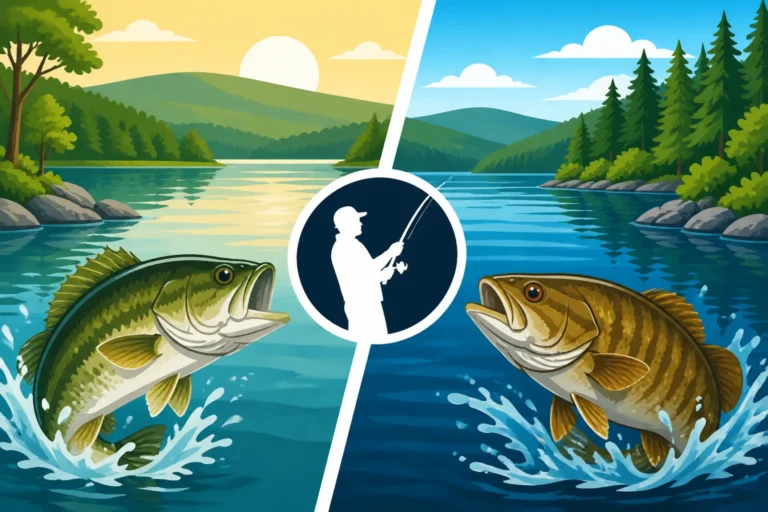
What sets the Eastern Shore rivers apart is their exceptional ecological diversity. Imagine casting your line in a narrow creek where the water is almost entirely fresh, then moving a few miles downstream to find yourself in a tidal zone teeming with saltwater species. This gradient provides a home for everything from largemouth bass and crappie in the upper reaches to striped bass, white perch, and even flounder further down. The countless coves, feeder creeks, and expansive marshlands act as natural nurseries and feeding grounds, protecting juvenile fish and providing abundant forage. Exploring these backwater secrets often yields some of the most memorable catches, far from the crowds.
The vegetation plays a crucial role here too. Submerged aquatic vegetation (SAV) beds, particularly prevalent in healthier stretches, provide cover for baitfish and ambush points for predators. Decaying wood, undercut banks, and oyster reefs (where present) further enhance the complexity of the habitat, giving anglers plenty of structure to target. It's this intricate web of life, often overlooked by those who only focus on the main stem of the Bay, that makes these rivers so consistently productive.
The Allure of Tidal Tributaries
The majority of Maryland's Eastern Shore rivers are tidal tributaries, meaning their water levels and currents are significantly influenced by the daily ebb and flow of the Chesapeake Bay. This tidal action is a double-edged sword: it can make fishing challenging by constantly changing conditions, but it also creates prime feeding opportunities for fish. As the tide pushes in, it brings baitfish and nutrients upstream, drawing in predators. As it recedes, it exposes oyster bars and mud flats, concentrating bait in deeper channels and around current breaks.
Understanding the How Tides Affect Fishing in Maryland's Chesapeake Bay is paramount to success in these waters. The current can be your friend, helping to position your boat and present your bait naturally. Fishing around bridges, points, and channel edges on a moving tide often proves most fruitful. This dynamic environment means no two fishing trips are exactly alike, adding an exciting layer of strategy and discovery to every outing.
Understanding the Eastern Shore River Ecosystems
To consistently catch fish in Maryland's Eastern Shore rivers, it's incredibly helpful to understand the underlying ecosystems at play. These rivers aren't just channels of water; they are complex, living systems with distinct characteristics that influence where fish live, what they eat, and when they are most active. Grasping these fundamentals will empower you to "read the water" more effectively and make informed decisions about your fishing spots and tactics.
Tidal Influence and Salinity Gradients
As mentioned, tidal influence is a defining feature. The salinity of the water changes dramatically from the river's mouth to its upper reaches. Near the Bay, the water is brackish, supporting species like striped bass, bluefish, and flounder. As you move further upstream, the salinity gradually decreases until the water becomes entirely fresh, where you'll find largemouth bass, crappie, and various panfish. This creates distinct zones, each with its own target species.
Anglers need to pay close attention to these gradients. A map showing salinity levels (often found in nautical charts or online resources like NOAA) can be a powerful tool. Furthermore, sudden changes in weather, like heavy rainfall, can drastically alter salinity by flushing freshwater downstream, temporarily pushing brackish-loving fish further towards the Bay. Conversely, prolonged dry spells can allow saltwater to creep further upstream, bringing in species you might not typically expect in those areas.
Key Forage Species and Habitat Types
The health and productivity of any fishery depend heavily on its forage base – the smaller fish and invertebrates that larger gamefish prey upon. In Eastern Shore rivers, this includes a variety of species like silversides, bay anchovies, juvenile menhaden, grass shrimp, and various crabs. The presence and abundance of these baitfish directly influence where and when predatory species will be found. Looking for signs of bait, such as nervous water or diving birds, is always a good indicator of nearby predators.
Habitat types are equally important. These rivers offer a mix of:
- Shallow flats and marsh edges: Ideal for sight-fishing for snakehead or targeting white perch during their spawning runs.
- Deep channels and holes: Crucial holding areas for striped bass, catfish, and other species, especially during extreme temperatures or slack tides.
- Oyster reefs and shell bottom: Prime habitat for filter feeders, which in turn attract bottom-dwelling predators like tautog and black drum in some tidal areas, as well as providing structure for many other species.
- Submerged Aquatic Vegetation (SAV) beds: Critical nurseries and ambush points for largemouth bass, pickerel, and juvenile striped bass.
- Man-made structures: Docks, piers, bridge pilings, and rip-rap provide artificial cover and current breaks that attract various fish.
Understanding which forage species prefer which habitats will help you dial in your lure or bait selection and present it in the most effective way possible. For instance, if you're fishing near grass beds, imitating a small baitfish or frog might be more effective than a deep-diving crankbait.
Top Eastern Shore Rivers to Explore for Anglers
Maryland's Eastern Shore is blessed with numerous rivers, each offering its own unique fishing experience. While they all share common characteristics, distinct features and prevalent species make some more renowned for certain types of angling. Here, we'll dive into some of the most popular and productive rivers, giving you a detailed look at what to expect.
The Choptank River: A Striped Bass and Perch Haven
The Choptank River is arguably one of the most iconic and productive waterways on the Eastern Shore, renowned for its incredible Fishing the Choptank River opportunities. Stretching nearly 70 miles, it offers a vast and varied fishery that caters to almost every type of angler. Its broad mouth near Cambridge gradually narrows as it flows inland, transitioning from brackish Bay waters to freshwater creeks.
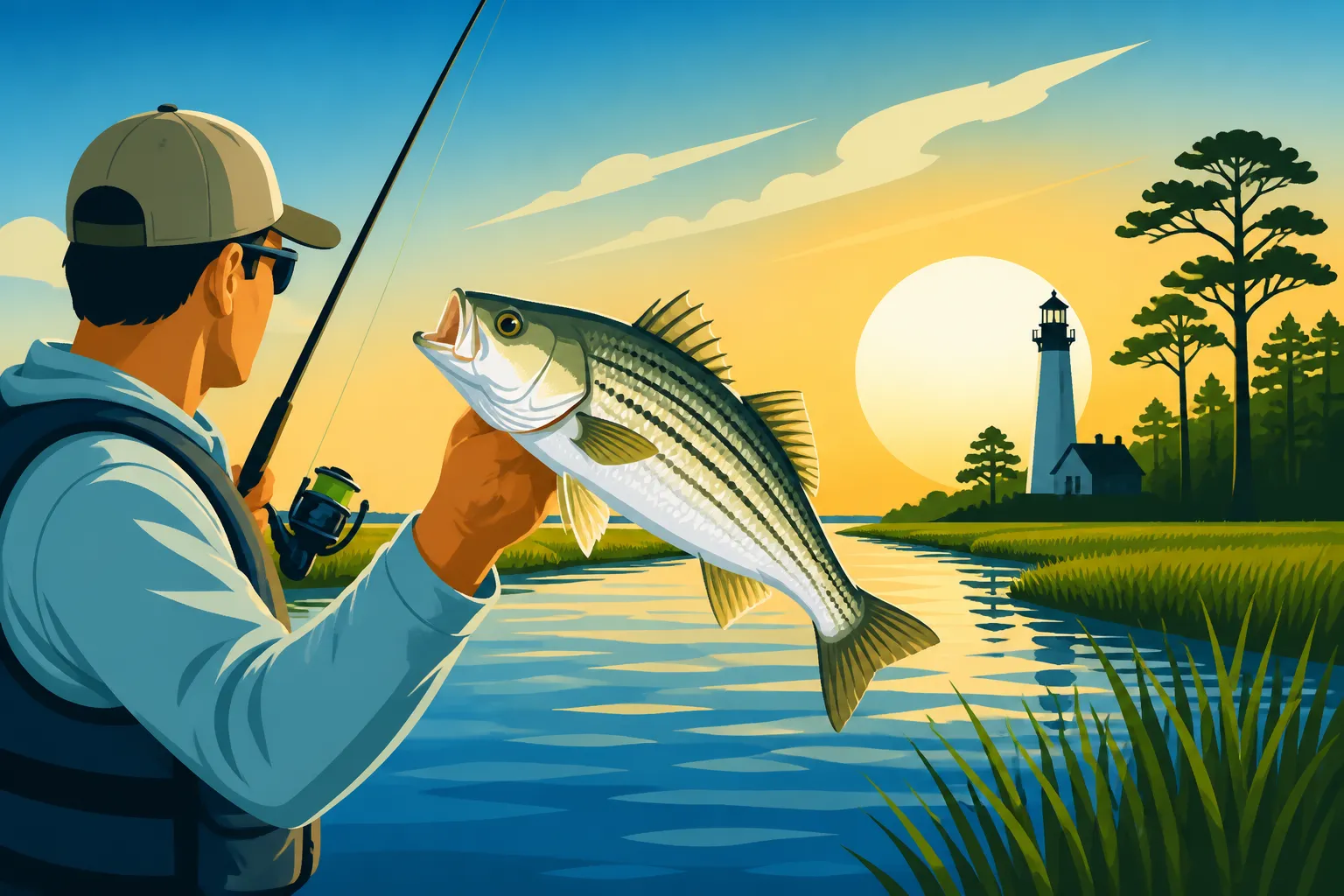
For many, the Choptank is synonymous with striped bass, or rockfish as they're known locally. During the spring and fall migrations, the river sees substantial runs of these coveted fish, drawing anglers from all over the region. Trolling, jigging, and live-lining are popular methods, especially around structure like the Route 50 bridge pilings, channel edges, and points further downstream. The river is also a major spawning ground for striped bass, though anglers must be mindful of strict catch-and-release rules and Maryland Striped Bass Season and Rockfish Rules during these critical times. Beyond striped bass, the Choptank excels for white perch, especially during their spring spawning runs up the creeks, where they can be caught in huge numbers on tiny jigs or bait. Yellow perch also make a strong showing in the cooler months. Bottom fishing for croaker, spot, and various catfish species (including invasive blue catfish) is also highly productive, particularly in the lower and middle sections.
The Nanticoke River: Catfish and Snakehead Hotspot
Flowing south through Dorchester and Wicomico counties before entering Tangier Sound, the Nanticoke River offers a distinctly different angling experience, making it a prime location for Fishing the Nanticoke River. It's particularly famous for its incredible populations of invasive species that have found a comfortable home in its warmer, often slower-moving waters.
The Nanticoke is a true stronghold for blue catfish, which have proliferated in its brackish to freshwater sections. Anglers can expect to catch these powerful fish in impressive sizes and numbers year-round. Cut bait, chicken liver, and potent stink baits are highly effective when fished on the bottom in deeper holes and channel bends. Given their invasive status, there are no possession limits on blue catfish in Maryland, and anglers are encouraged to harvest them. The river is also a primary battleground for the highly sought-after northern snakehead. These aggressive predators lurk in the shallow, vegetated backwaters, coves, and lily pad fields. Topwater frogs, chatterbaits, and swimbaits are excellent choices for targeting snakehead, offering explosive strikes. Anglers must remember that Maryland Snakehead Fishing Rules mandate that caught snakehead must be immediately killed and not released back into the water, as they pose a significant threat to native ecosystems. For those looking for native species, the Nanticoke also holds good numbers of largemouth bass, especially in its tidal creeks and lily pad fields, as well as white perch.
The Chester River: Diverse Fishing Opportunities
The Chester River, nestled between Kent and Queen Anne's counties, is another broad, productive tributary of the Chesapeake Bay. While perhaps less talked about than the Choptank or Nanticoke, it consistently delivers diverse fishing opportunities for Fishing the Chester River. Its relatively protected waters often make it a great option when the main Bay is too rough.
Like many Eastern Shore rivers, the Chester provides excellent striped bass fishing, particularly during the spring and fall runs. Anglers often find success jigging around the bridge pilings of the Kent Narrows and fishing the deeper channel edges. The river's expansive shallow flats and oyster bars also provide excellent habitat for white perch, which are abundant and readily caught throughout the warmer months. Light tackle with bloodworms or grass shrimp is a common and effective method. For those seeking a challenge, tautog can be found around rocky structures and bridge pilings in the lower river during cooler water temperatures. The upper reaches of the Chester, where the salinity drops, offer good opportunities for largemouth bass and pickerel, especially in the numerous creeks and coves that branch off the main stem. This river is a fantastic choice for anglers seeking a mixed bag of species without venturing too far from shore.
The Patuxent River (Eastern Shore Side): Southern Bay Connection
While much of the Patuxent River is on the Western Shore, its extensive tidal reach makes its lower sections, particularly those accessible from Calvert and St. Mary's counties, a significant Eastern Shore influence fishery for Fishing the Patuxent River. It's a key southern Chesapeake Bay tributary with a vast and varied ecosystem.
The lower Patuxent, especially near its confluence with the Bay, is a prime location for targeting larger striped bass, particularly during the trophy season. Live-lining spot or eels, and trolling large parachutes or Mojos, are popular techniques. The river's deep channels and ledges hold fish throughout the year. Beyond striped bass, the Patuxent is excellent for white perch, croaker, and spot, which are often caught bottom fishing with bait. Flounder can also be found in the deeper channels during warmer months, especially around sandy or muddy bottoms. For anglers interested in blue crabs, the Patuxent is also a very productive crabbing ground. Further upstream, as the river transitions to less saline waters, you'll find more largemouth bass, catfish, and various panfish, though the lower, more tidal sections are often the biggest draw for gamefish.
Smaller Gems: Wicomico, Pocomoke, Sassafras, Elk, Bohemia Rivers
Don't overlook the myriad of smaller rivers and creeks that crisscross the Eastern Shore. While they might not be as expansive as the Choptank, these smaller gems offer incredibly intimate and often highly productive fishing experiences, especially for specific species.
The Wicomico River, flowing into the Nanticoke, is an excellent spot for blue catfish and snakehead, mirroring the Nanticoke's invasive species success. Its cypress-lined banks and dark waters provide perfect ambush cover. Further south, the Pocomoke River is a true blackwater river, renowned for its cypress trees and dark, tannic waters. It's a fantastic spot for largemouth bass, pickerel, and crappie in its freshwater stretches, and blue catfish and snakehead as it becomes more brackish. It feels like a journey back in time, offering a wilder fishing adventure.
In the upper Bay region, the Sassafras River, Elk River, and Bohemia River offer outstanding opportunities for striped bass, especially during the spring and fall. These rivers are part of the upper Chesapeake Bay watershed and are crucial spawning grounds. They also hold good populations of white perch, yellow perch, and various catfish. The Sassafras is particularly known for its scenic beauty and calm waters, making it ideal for kayak fishing or smaller boats. The Elk and Bohemia, being closer to the Susquehanna Flats, can also see significant runs of baitfish, which attract larger predators.
| River Name | Primary Target Species (Tidal) | Primary Target Species (Nontidal/Upper) | Noteworthy Features |
|---|---|---|---|
| Choptank River | Striped Bass, White Perch, Croaker, Blue Catfish, Spot | Largemouth Bass, Yellow Perch, Catfish | Major spawning river, diverse habitats, good boat access. |
| Nanticoke River | Blue Catfish, Northern Snakehead, White Perch, Striped Bass | Largemouth Bass, Crappie, Yellow Perch | Invasive species hotspot, blackwater feel, abundant marshes. |
| Chester River | Striped Bass, White Perch, Croaker, Tautog, Blue Catfish | Largemouth Bass, Pickerel, Panfish | Protected waters, Kent Narrows access, diverse species. |
| Patuxent River (ES) | Striped Bass, White Perch, Croaker, Flounder, Spot | Largemouth Bass, Catfish, Crappie | Southern Bay influence, deep channels, trophy rockfish potential. |
| Wicomico River | Blue Catfish, Northern Snakehead, White Perch | Largemouth Bass, Crappie | Nanticoke tributary, dark waters, invasive species. |
| Pocomoke River | Largemouth Bass, Pickerel, Crappie, Blue Catfish, Snakehead | Largemouth Bass, Crappie, Pickerel, Catfish | Blackwater cypress swamps, unique scenery, freshwater focus. |
| Sassafras River | Striped Bass, White Perch, Yellow Perch, Blue Catfish | Largemouth Bass, Pickerel | Scenic, calmer waters, good for kayak fishing, upper Bay influence. |
| Elk River | Striped Bass, White Perch, Yellow Perch, Blue Catfish | Largemouth Bass, Crappie | Upper Bay access, good for early season stripers, baitfish magnet. |
| Bohemia River | Striped Bass, White Perch, Yellow Perch, Blue Catfish | Largemouth Bass, Crappie | Smaller upper Bay tributary, good for mixed bag, quiet fishing. |
Targeting Key Species in Eastern Shore Rivers
Once you've chosen your river, the next step is to understand how to effectively target the species that call it home. Different fish require different approaches, from the lures you use to the techniques you employ. Let's break down some of the most popular gamefish in Maryland's Eastern Shore rivers.
Striped Bass Rockfish: Seasonal Strategies
Striped bass, Maryland's state fish, are the undisputed kings of the Chesapeake Bay and its tributaries. Their presence in Eastern Shore rivers is highly seasonal, peaking during their spring spawning migrations and again in the fall as they fatten up for winter.
- Spring (March-May): This is trophy season in many areas. Larger fish move into the deeper, less saline sections of rivers like the Choptank, Chester, and Elk to spawn. Focus on deeper channels, points, and river bends. Trolling large swimbaits, Mojos, and tandem rigs with heavy weights is popular. Live-lining eels or large spot (where legal) can also be highly effective. Remember to check Maryland's 2026 Striped Bass Season Dates as regulations change frequently.
- Summer (June-August): As waters warm, many larger stripers move out into the main Bay or deeper ocean waters. However, resident populations of smaller to medium-sized fish remain in the rivers, often congregating around oxygen-rich areas, bridge pilings, and shaded structures during the day. Early morning and late evening topwater action can be fantastic around shallow points and grass beds. Jigging soft plastics around structure is also effective. Be aware of the Maryland Striped Bass Daily Limit Per Angler and potential August closures for striped bass harvesting.
- Fall (September-December): The fall run is a feeding frenzy as stripers gorge on baitfish preparing for winter. They can be found throughout the rivers, often chasing schools of bait to the surface. Trolling, jigging, and casting topwater lures or suspending jerkbaits into breaking fish are all highly productive. Look for diving birds, which often indicate striped bass pushing bait from below.
White and Yellow Perch: Panfish Paradises
White and yellow perch are arguably the most accessible and consistently fun fish to catch in Eastern Shore rivers, providing excellent light tackle action for anglers of all skill levels. They are delicious table fare, too!
- White Perch: These ubiquitous panfish are found throughout the brackish sections of nearly all Eastern Shore rivers. Their most exciting season is the spring spawning run (March-April) when they migrate far up into shallow creeks. Anglers can catch dozens on small spinners (like a Perch Pounder), tiny jigs tipped with grass shrimp or bloodworms, or even just a piece of bloodworm on a bottom rig. During summer, they move to deeper water, congregating around oyster reefs, shell bottom, and bridge pilings. A simple bottom rig with a small hook and bloodworm or grass shrimp is deadly. Early morning and late evening are often best.
- Yellow Perch: While less widespread than white perch, yellow perch are a prized catch, particularly in the fresher, upper reaches of rivers like the Choptank, Nanticoke, and Elk. Their spring spawning runs (February-March, often before white perch) draw dedicated anglers. They can be caught using small jigs, tiny spinners, or minnows under a bobber. They tend to prefer cooler water and are often found in deeper holes or near submerged wood during the warmer months.
Invasive Species: Blue Catfish and Northern Snakehead
Maryland's Eastern Shore rivers are on the front lines in the battle against invasive species, particularly blue catfish and northern snakehead. These fish are not only abundant but also provide exciting, hard-fighting angling opportunities with the added benefit of helping the ecosystem by removing them.
- Blue Catfish: These giant invaders are rapidly expanding their range and are now found in virtually all Eastern Shore rivers, with the Nanticoke and Choptank being prime examples. They tolerate a wide range of salinities and can grow to enormous sizes (50+ pounds). They are bottom feeders and respond well to strong-smelling baits. Cut bait (fresh bunker, shad, perch), chicken liver, and commercial stink baits are highly effective. Fish them on a sturdy bottom rig with a heavy weight in deep holes, channel bends, and scour holes near bridges. Remember, there's no limit on Maryland Blue Catfish Possession Rules – harvest as many as you can!
- Northern Snakehead: These aggressive, air-breathing fish are well-established in the Nanticoke, Pocomoke, and other vegetated backwaters. They are ambush predators, preferring shallow, dense cover like lily pads, submerged grass, and woody debris. Topwater lures, especially frog imitations, provide explosive strikes. Spinnerbaits, chatterbaits, and weedless soft plastics are also highly effective. Sight-fishing for snakehead in clear, shallow water is a thrill. Crucially, Is It Illegal to Release a Snakehead in Maryland? No, it is not; you must kill them upon capture. This is one of the few instances where regulations explicitly state you must kill a fish.
Largemouth Bass and Other Freshwater Fighters
As you venture further upstream into the truly freshwater sections of the Eastern Shore rivers and their associated creeks, largemouth bass become the dominant predatory gamefish. These areas offer classic freshwater fishing opportunities.
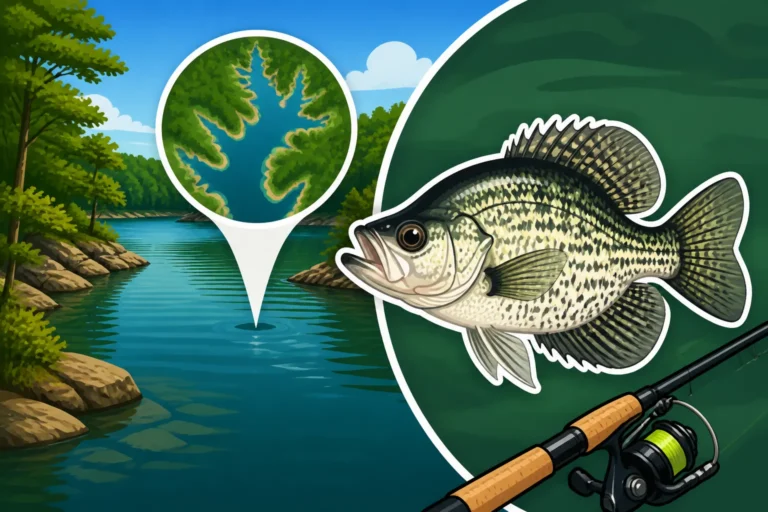
Largemouth bass thrive in areas with abundant cover such as lily pads, fallen trees, brush piles, and healthy submerged vegetation. Rivers like the Pocomoke, upper Nanticoke, and the freshwater sections of the Chester or Choptank are excellent for them. Traditional bass techniques like pitching jigs, flipping soft plastics, casting spinnerbaits, and working crankbaits are all highly effective. Topwater lures, particularly during dawn and dusk in warmer months, can also produce exhilarating strikes. You might also encounter chain pickerel, another aggressive predator that loves similar habitats and will readily strike spinnerbaits or spoons. Various panfish like crappie and bluegill are also abundant in these freshwater stretches, offering continuous action for lighter tackle. Crappie can be targeted around submerged brush and docks with small jigs or minnows.
Essential Gear and Techniques for Eastern Shore River Fishing
Having the right gear and understanding effective techniques are paramount to success when fishing the diverse waters of Maryland's Eastern Shore rivers. The choice between boat and shore, bait versus lure, and specific tackle setups can make all the difference.
Boat vs. Shore Fishing Considerations
Deciding whether to fish from a boat or from shore depends on your access, target species, and personal preference.
- Boat Fishing: A boat, whether it's a kayak, jon boat, or center console, opens up a world of possibilities on the Eastern Shore rivers. It allows you to access remote coves, deep channels, and prime structures that are unreachable from land. With a boat, you can follow bait schools, cover more water, and position yourself optimally for current and structure. Kayaks are particularly excellent for stealthily exploring the shallow, vegetated backwaters for snakehead and largemouth bass. Larger boats are better suited for trolling for striped bass in the main river channels. However, boat fishing requires more equipment (trailer, motor, safety gear), maintenance, and careful navigation, especially in shallow or obstacle-filled areas. Using a service like FishingBooker can help you find local guides and charters if you don't own a boat but want to experience boat fishing.
- Shore Fishing: Many Eastern Shore rivers offer excellent Best Piers and Shore Fishing Spots in Maryland. Public piers, state parks, and fishing access points can provide fantastic opportunities, particularly for white perch, catfish, and smaller striped bass. Shore fishing is more accessible, requires less gear, and is often family-friendly. However, you're limited to fixed locations, and prime spots can sometimes be crowded. It's crucial to research specific access points and check if Do You Need a License to Fish From a Maryland Pier? or if the pier is under a blanket license. Long casting rods can help you reach deeper water or structure from shore.
Baits, Lures, and Tackle Selection
Your choice of bait, lure, and tackle should always be tailored to the species you're targeting and the conditions you're facing.
- Baits:
- Live Bait: Minnows (for perch, crappie, small bass), grass shrimp (perch), bloodworms (perch, croaker, spot), eels (trophy striped bass), and live spot (striped bass) are all highly effective. Live bait often outperforms artificials for finicky fish.
- Cut Bait: Freshly cut pieces of bunker, shad, or even bluegill are irresistible to blue catfish and other bottom feeders. Chicken liver is another excellent catfish bait.
- Soft Baits: Gulp! shrimp, crabs, and fish bites can be fantastic for a variety of species, especially when live bait is unavailable or undesirable.
- Lures:
- Jigs: Bucktail jigs (striped bass, bluefish), jig heads with soft plastic bodies (striped bass, perch, bass, snakehead), and small feather jigs (perch) are versatile and highly effective.
- Topwater Lures: Poppers and walk-the-dog lures are thrilling for bass and snakehead, especially in shallow, vegetated areas.
- Spinnerbaits & Chatterbaits: Excellent for bass, pickerel, and snakehead, especially in and around submerged vegetation.
- Crankbaits & Jerkbaits: Effective for bass, pickerel, and striped bass, particularly when mimicking baitfish.
- Spoons: Good for casting to breaking fish or trolling for striped bass.
- Tackle: Generally, a medium-light to medium action spinning rod and reel combo (6'6" to 7'6") spooled with 10-20 lb braided line (with a fluorocarbon leader) will cover most Eastern Shore river fishing. For heavier striped bass or large catfish, a medium-heavy setup with 30-50 lb braid is advisable. Always match your hook size to your bait and target species – smaller hooks for perch, larger, stronger hooks for catfish and stripers.
Tidal Fishing Strategies and Structure Identification
Mastering tidal fishing is key to consistent success in Eastern Shore rivers. Fish are opportunistic, and the moving water of the tides creates prime feeding conditions by dislodging food and concentrating baitfish.
- Incoming Tide: As the tide pushes in, fish will often move into shallower areas, coves, and onto oyster bars to feed. This can be a great time to target fish around marsh edges and submerged vegetation. Baitfish get pushed upstream, drawing predators with them.
- Outgoing Tide: As the tide recedes, fish often pull back into deeper channels, drop-offs, and around points where the current concentrates bait. Look for current breaks – any interruption in the flow, like a point, bridge pilings, or a log, can create an eddy where fish ambush prey.
- Slack Tide: The periods of high and low slack tide, when the current briefly stops, can be slower. However, some anglers find success fishing deep holes during slack tide, as fish may congregate there. It's often a good time to move to a new spot.
Structure Identification: Learning to "read" the water and identify promising structure is a skill developed over time. Use your sonar (if boating) to find channel edges, submerged humps, oyster reefs, and drop-offs. From shore, look for points, docks, fallen trees, and visible changes in bottom composition. Bridge pilings and rip-rap are always reliable fish magnets, providing both cover and current breaks. Pay attention to changes in water depth, current seams, and areas where baitfish are present – these are all indicators of where gamefish might be lurking.
Navigating Regulations and Licenses for Eastern Shore Rivers
Fishing in Maryland, particularly in its diverse Eastern Shore rivers, requires a good understanding of the regulations. These rules are put in place to manage fish populations sustainably, and failing to adhere to them can result in hefty fines. Don't let the rules be a deterrent; understanding them is simpler than it seems.
Understanding Tidal vs. Nontidal Zones
One of the most crucial distinctions in Maryland fishing regulations is between tidal and nontidal waters. This often dictates the type of license you need and the specific rules that apply.
- Tidal Waters: Most of the Eastern Shore rivers, especially their lower and middle sections where they connect to the Chesapeake Bay, are considered tidal. This means their water levels and currents are influenced by the ocean tides. For tidal fishing, you will generally need a Maryland Chesapeake Bay Sport Fishing License Explained or a Bay & Coastal Sport Fishing license. These licenses cover most saltwater and brackish water species.
- Nontidal Waters: The upper reaches of these rivers, once they become entirely freshwater and are no longer influenced by the tides, are considered nontidal. If you plan to fish these sections exclusively, or in any inland lakes and ponds, you'll need a Maryland Nontidal Fishing License.
- Overlap: Many Eastern Shore rivers have sections where the water transitions from tidal to nontidal. If you plan to fish both tidal and nontidal sections within a given day or season, a Consolidated Sport Fishing License or holding both a Bay & Coastal and a Nontidal license might be your best bet. It's essential to consult the Maryland Department of Natural Resources (DNR) guide or their website to clarify the exact boundaries for the river you're fishing, as they can sometimes be subtle. Knowing the Difference Between a Tidal and Nontidal Maryland Fishing License is critical for compliance.
Species-Specific Limits and Seasons
Beyond the type of license, you must also be aware of the specific regulations for each species you intend to target. Maryland's DNR meticulously manages fish populations, leading to varying size limits, creel limits (the number of fish you can keep), and open/closed seasons.
- Striped Bass (Rockfish): These are heavily regulated. Size limits, daily creel limits (often just one fish per angler per day), and specific open seasons (e.g., spring trophy season, summer, fall) are common. These rules can change annually to reflect stock health, so always check the latest Maryland Striped Bass Season and Rockfish Rules before heading out. Catch and release may be mandatory during certain closures or in specific areas like spawning rivers.
- White and Yellow Perch: These panfish generally have generous daily creel limits and often no minimum size limits, making them excellent targets for family fishing. However, knowing the Maryland White Perch Daily Limit or Maryland Yellow Perch Season and Limit is still important.
- Catfish (Blue and Channel): Blue catfish, being invasive, typically have no size or creel limits, and anglers are encouraged to harvest them. Native channel catfish usually have a generous creel limit. Maryland Blue Catfish Possession Rules are usually quite open.
- Northern Snakehead: As a highly invasive species, there are strict rules: you must kill any snakehead caught immediately and not release it alive. There are no size or creel limits.
- Largemouth Bass: These often have minimum size limits and daily creel limits, similar to other freshwater gamefish.
- Other Species: Always check regulations for other species like flounder, crappie, or pickerel, as limits and seasons can vary.
The best practice is to download or pick up the current Maryland DNR Fishing and Boating Guide each year. This guide is your bible for all things regulation-related.
Where to Get Your Maryland Fishing License
Obtaining a Maryland fishing license is straightforward, but it's crucial to do it legally before you cast your first line.
- Online: The easiest and most convenient way to purchase your license is through the Maryland DNR's COMPASS online licensing system. You can purchase, print, and even store your license digitally on your phone immediately. This is often the quickest option, allowing you to get out on the water without delay. Our guide on How to Buy a Maryland Fishing License provides a step-by-step walkthrough.
- In Person: Many local tackle shops, sporting goods stores (like Bass Pro Shops or Angler's Sport Center), and some DNR service centers sell licenses. Buying in person allows you to ask questions and often pick up local fishing reports or bait.
- Phone: In some cases, you might be able to purchase a license over the phone, though the online system is generally preferred for its speed and convenience.
Remember, if you're a non-resident, you'll need a non-resident license, which typically costs more than a resident license. Children under a certain age (currently 16 in Maryland) often don't need a license, but it's always wise to double-check the specific age requirements, as detailed in our article, Maryland Fishing License Age Requirements.
Access Points and Local Resources
Knowing where to fish and who to talk to for local insights can dramatically improve your success on the Eastern Shore rivers. While secret spots are cherished, plenty of public access points and helpful resources are available.
Public Boat Ramps and Piers
Maryland offers a fantastic network of public boat ramps and fishing piers along its Eastern Shore rivers. These access points are your gateway to exploring the waterways.
- Boat Ramps: Most major Eastern Shore rivers have multiple public boat ramps managed by the Maryland DNR or local municipalities. For example, the Choptank River has ramps in Cambridge, Tuckahoe State Park, and Bill Burton Fishing Pier State Park. The Nanticoke offers ramps in Salisbury, Vienna, and Bivalve. The Chester River has ramps at Crumpton and near Centreville. When planning your trip, always check ramp conditions, parking availability (especially for trailers), and any launch fees. Some ramps are better suited for kayaks and smaller boats, while others can accommodate larger vessels. Websites like the Maryland DNR's launch site directory or apps like Fishbrain often provide detailed information and user reviews on various ramps.
- Fishing Piers: For shore-bound anglers, public fishing piers are invaluable. The Do You Need a License to Fish From a Maryland Pier? varies. For example, the Bill Burton Fishing Pier State Park on the Choptank River allows fishing without a state license from the pier itself (as it's covered by a blanket license), but you'd need one if fishing from a boat. Other piers, especially municipal ones, may require a standard license. Good piers often have amenities like restrooms, cleaning stations, and ample parking. Popular piers can be found in places like Ocean City (though not technically a river, it offers pier fishing), Annapolis (for Bay access), and many smaller river towns.
Local Tackle Shops and Guides
Don't underestimate the wealth of knowledge available at local tackle shops and through professional fishing guides.
- Tackle Shops: These are goldmines of up-to-date information. The folks working behind the counter are often avid local anglers themselves. They can tell you what's biting, where the fish are, what baits and lures are working best, and critical local conditions (like water clarity or recent heavy rainfall). Support these local businesses by buying your bait, tackle, and sometimes even your license from them. Popular shops like Angler's Sport Center (though not on the Eastern Shore, they are a major resource) or smaller, hyper-local shops near the rivers (e.g., in Cambridge, Salisbury, Chestertown) are invaluable.
- Fishing Guides: If you're new to a particular river or want to maximize your chances of success, hiring a local fishing guide is an excellent investment. Guides spend countless hours on the water and know the subtle nuances of each river – the best tides, the secret spots, and the most effective techniques. They also typically provide all the necessary gear, bait, and often cover your fishing license under their charter license (always confirm this!). This can be particularly beneficial for targeting specific species like snakehead or blue catfish, or for navigating the complex tidal waters for striped bass. Websites like FishingBooker can help you find and book reputable guides for specific Eastern Shore rivers, detailing their specialties and availability. It's a fantastic way to learn the ropes quickly and safely.
Conservation and Sustainable Fishing Practices
As responsible anglers, it's our duty to protect the very resources that bring us so much joy. The Eastern Shore rivers are delicate ecosystems, and sustainable fishing practices are essential to ensure that future generations can enjoy them just as much as we do.
Catch and Release Best Practices
While harvesting fish for the table is part of the angling experience, practicing careful catch and release, especially for regulated species like striped bass or for fish you don't intend to keep, is vital for conservation.
- Minimize Handling: Reduce the amount of time the fish is out of the water. Handle fish as little as possible, and with wet hands to protect their slime coat, which is their primary defense against disease.
- Proper De-hooking: Use de-hooking tools or pliers to remove hooks quickly and gently. If a fish is deeply hooked, especially in the gills or esophagus, it's often best to cut the line as close to the hook as possible. Stainless steel hooks will eventually rust out, leaving the fish with a better chance of survival than attempting a traumatic removal.
- Support the Fish: When holding a fish for a photo, support its body horizontally, especially larger fish, to avoid damaging its internal organs or spine. Never hold a fish by the gills or vertically by the jaw if it's a heavy fish.
- Revive Gently: For exhausted fish, especially after a long fight, gently hold them upright in the water, facing into the current, until they regain strength and can swim away under their own power.
Responsible catch and release directly contributes to the health of fish populations, particularly for species under management plans like striped bass. For highly regulated species, you may also encounter Maryland Catch and Release Rules During Closed Seasons.
Protecting the Unique Ecosystems
Our actions on the water have a direct impact on the environment. Protecting the unique ecosystems of the Eastern Shore rivers goes beyond just how we handle fish.
- Respect Regulations: Always adhere to size limits, creel limits, and seasonal closures. These rules are based on scientific data and are designed to protect fish stocks.
- Dispose of Waste Properly: Pack out everything you pack in. Never leave trash, fishing line, or bait containers on shore or in the water. Monofilament fishing line is particularly harmful to wildlife.
- Prevent Invasive Species Spread: This is especially critical in Eastern Shore rivers with species like blue catfish and northern snakehead. If you catch a snakehead, do not release it. If you catch a blue catfish, consider keeping it for the table. Additionally, always clean, drain, and dry your boat, trailer, and gear after use, especially when moving between different waterways, to prevent the spread of aquatic invasive plants and organisms.
- Minimize Disturbances: Be mindful of spawning areas and sensitive habitats. Avoid running your boat over shallow grass beds or through areas marked as critical habitat. Give wildlife their space.
- Support Conservation Efforts: Consider donating to or volunteering with organizations dedicated to Chesapeake Bay and river conservation, such as the Chesapeake Bay Foundation or local watershed groups. Your active participation helps ensure the longevity of these precious resources.
Disclaimer
Please note that fishing regulations in Maryland can change frequently. While this guide provides comprehensive and up-to-date information at the time of writing, it is always your responsibility to consult the latest Maryland Department of Natural Resources (DNR) fishing guide or website before heading out to ensure you are fully compliant with all current laws and regulations. Local conditions and emergency closures can also occur, so staying informed is crucial for a safe and legal fishing trip.