Is It Illegal to Release a Snakehead in Maryland?
One of the trickiest things about fishing in Maryland, beyond mastering your cast or finding that secret honey hole, is keeping up with all the regulations, especially when it comes to invasive species. It’s easy to get confused, or even worry that you might accidentally do something wrong. When you hook into a Northern Snakehead, a fish that's increasingly common in many of our waterways, a common question immediately pops up: Is it illegal to release a snakehead in Maryland? This guide is here to clear up that confusion, lay out exactly what the rules are, and empower you with the knowledge to handle these unique situations responsibly and confidently.
The Straight Answer: No, You Cannot Release a Snakehead in Maryland
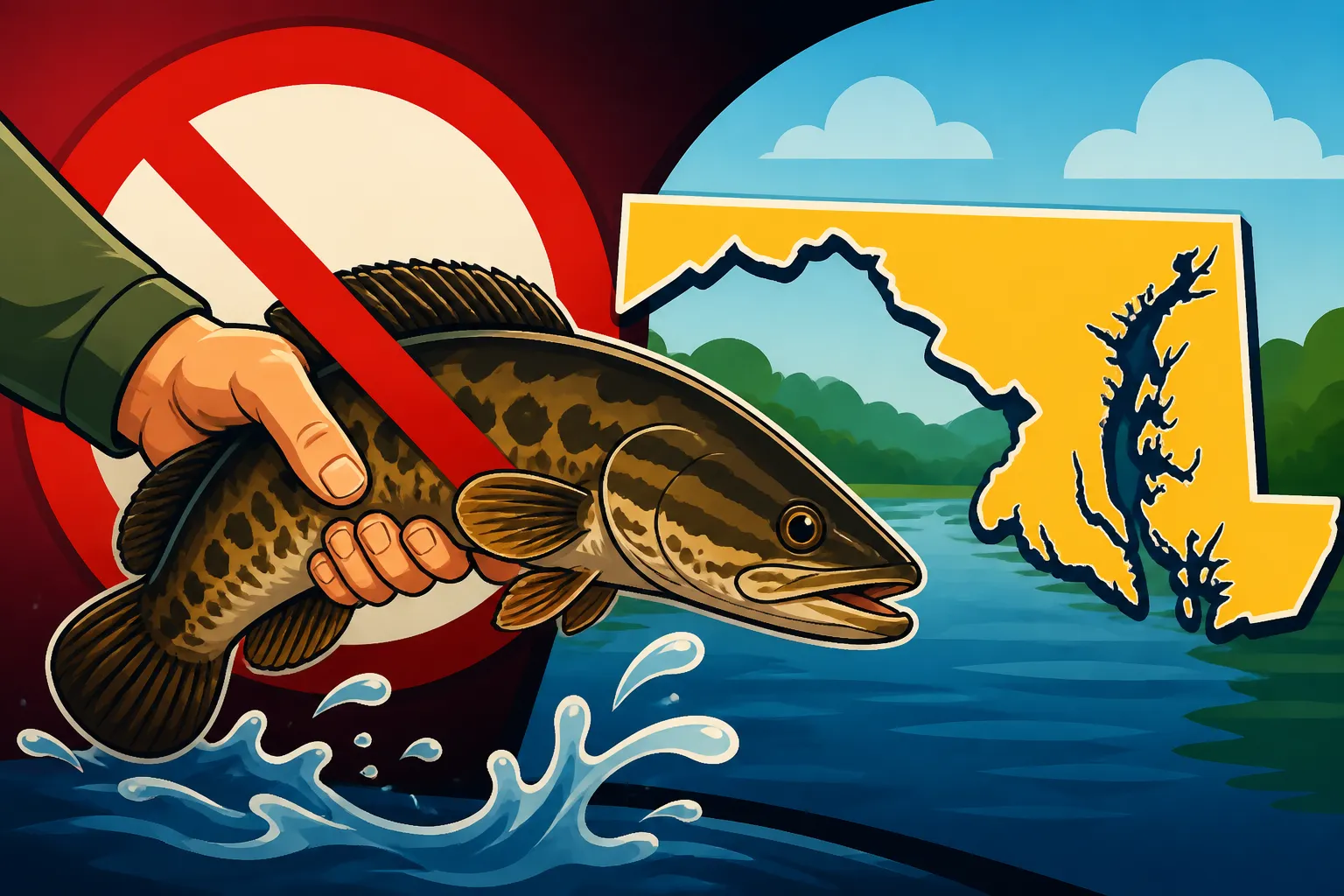
Let's get straight to it: no, it is absolutely illegal to release a Northern Snakehead alive back into any Maryland waters, regardless of where you caught it. This isn't just a strong suggestion; it's a mandatory regulation set by the Maryland Department of Natural Resources (DNR). The rule is quite clear: if you catch a snakehead, you are required to kill it immediately. There's no catch and release for these guys, and definitely no transporting them alive. It's a tough rule for some anglers who are used to practicing catch and release for many other species, but it exists for a very important reason.
Why the Strict Rule? Understanding the Invasive Threat
The reason Maryland DNR, and indeed many other states where they've established populations, has such a stringent rule against releasing snakeheads is simple: they are a highly destructive invasive species. These fish aren't native to North America; they originated in Asia and were first discovered in Maryland waters in the early 2000s, likely introduced through illegal means. Since then, their populations have exploded in many areas, particularly in the Potomac River and its tributaries, as well as parts of the Chesapeake Bay watershed.
The problem with invasive species like the Northern Snakehead is that they upset the delicate balance of our native ecosystems. They're voracious predators, known to eat just about anything they can fit into their mouths, including our beloved native fish like bass, perch, and even smaller baitfish that many other species rely on. Imagine a new apex predator showing up in your neighborhood that has no natural enemies and can reproduce rapidly. That's essentially what the snakehead is doing to our aquatic environments. They compete with native fish for food and habitat, putting immense pressure on already stressed populations. Their ability to survive out of water for short periods and even "walk" across land (though this is often exaggerated, they can wiggle short distances) makes them incredibly difficult to contain once they establish themselves in a water body. This is why strict measures are in place to try and control their spread and mitigate their impact. You can learn more about these efforts in our comprehensive guide, "Maryland Invasive Fish Rules: Blue Catfish and Snakehead".
What the Law Actually Says
The Maryland DNR regulations are unambiguous. They state that if you catch a Northern Snakehead, you must not release it alive. Furthermore, it is illegal to possess a live snakehead or transport one. This means once you've positively identified your catch as a snakehead, your next step must be to humanely dispatch it. There are no exceptions for size, season, or intent. The goal is to remove as many of these invasive predators from our waters as possible.
Failing to adhere to these rules can lead to significant penalties. While the primary goal of the DNR is education and conservation, violations can result in substantial fines and even other legal repercussions. These aren't just minor infractions; they're serious attempts to protect our state's natural resources. It’s crucial for every angler to understand the weight of this regulation. For a deeper dive into the specific rules, check out "Maryland Snakehead Fishing Rules".
Misconceptions and the Importance of Angler Education
One common misconception among anglers, especially those new to fishing in Maryland or those unfamiliar with invasive species, is that if a fish isn't a keeper size, or if they don't intend to eat it, catch and release is always the ethical choice. For almost all native species, this is true and highly encouraged. However, for the Northern Snakehead, this philosophy is directly contrary to conservation efforts. Releasing a live snakehead, even accidentally, contributes to its continued spread and negative impact.
Another point of confusion can be the sheer appearance of the fish. They don't look like your typical bass or perch, and sometimes anglers might be unsure if they've truly caught a snakehead or another, less harmful species. This is where education becomes paramount. Knowing how to correctly identify a snakehead is the first crucial step in complying with the law and doing your part for Maryland's aquatic health. The DNR and various fishing organizations actively work to spread awareness, but it ultimately falls on individual anglers to be informed and act responsibly.
What to Do When You Catch a Snakehead
So, you've hooked into one. Now what? The initial surprise might turn into a moment of uncertainty, but don't worry, handling a snakehead is straightforward once you know the steps. Your actions immediately after landing one are crucial for both compliance and conservation.
Identification: Making Sure It's a Snakehead
Before taking any action, you need to be absolutely certain you have a Northern Snakehead and not a native species like the Bowfin, which can look similar to the untrained eye. Misidentifying a native fish and dispatching it would be a mistake.
Here are the key differences to look for:
- Dorsal Fin: A Northern Snakehead has a very long dorsal fin that runs almost the entire length of its back, with no break. A Bowfin's dorsal fin is also long, but it has a much shorter, distinct dorsal fin followed by a longer anal fin.
- Pelvic Fins: Snakeheads have pelvic fins located directly under their pectoral fins, close to their gills. Bowfins have pelvic fins much further back, closer to the middle of their body.
- Head: The snakehead's head is distinctively snake-like, flattened with a large mouth and sharp teeth. The Bowfin has a more rounded, robust head.
- Tail Spot: Young Bowfin often have a prominent black spot with an orange or yellow halo on the upper part of their tail base, which usually fades or becomes less distinct in adults. Snakeheads typically do not have this feature.
- Body Pattern: Snakeheads usually have a mottled, blotchy pattern that can vary from dark brown to golden tan. Bowfins often have worm-like markings.
Take a quick, careful look. If you're still unsure, take a picture before you do anything, and try to safely contain the fish (perhaps in a cooler or bucket) until you can get a definitive identification. However, once you are sure, the law is clear.
Here's a quick comparison table:
| Feature | Northern Snakehead | Bowfin (Native) |
|---|---|---|
| Dorsal Fin | Very long, continuous, no break, runs almost full back | Long, but distinctly shorter, followed by long anal fin |
| Pelvic Fins | Located far forward, directly under pectoral fins | Located further back, near mid-body |
| Head Shape | Flattened, snake-like, large mouth, sharp teeth | More rounded, robust, broad snout |
| Tail Spot | Typically absent | Often a black spot with halo on tail base (especially in juveniles) |
| Body Pattern | Mottled, blotchy, irregular | Often worm-like patterns, more uniform coloration |
Humane Methods for Dispatching a Snakehead
Once you've positively identified your catch as a Northern Snakehead, the next step is humane dispatch. The goal is to kill the fish quickly and with as little suffering as possible. Simply leaving it on the bank to suffocate is not considered humane and is also a poor practice for managing carcasses.
Here are a few effective methods:
- Brain Spike: This is often considered the quickest and most humane method. Using a sharp, pointed tool (a specialized fish bonker/spike, a screwdriver, or even a strong, sharp knife), penetrate the brain directly behind the eyes. You'll know it's effective when the fish stops moving instantly. Many anglers carry such tools, often available on platforms like Amazon, specifically for dispatching invasive species or fish they intend to keep.
- Clubbing/Bonking: A sturdy club or "fish bonker" can be used to deliver a swift, forceful blow to the head, specifically aiming for the brain. This method is effective but requires a bit more force and accuracy.
- Severing the Spinal Cord: For those comfortable with it, severing the spinal cord directly behind the head with a sharp knife will also instantly kill the fish.
Always handle snakeheads carefully. They have sharp teeth and can thrash powerfully, even after being out of the water for a bit. Using a fish gripper can help maintain control and keep your hands safe during this process. You can find robust fish grippers that are perfect for handling toothy critters on Amazon. Remember, the immediate goal is to prevent its survival and release.
Proper Disposal and Consumption
After you've humanely dispatched the snakehead, you have a couple of options. One of the best options is to take it home and eat it! Northern Snakeheads are actually quite delicious. They have firm, white, flaky meat with a mild flavor, similar to snapper or cod. Many anglers consider them excellent table fare. There are numerous recipes available online, from frying to grilling. This is a win-win: you remove an invasive species and get a tasty meal. In fact, many guides and charter captains specializing in snakehead fishing often clean and fillet the catch for their clients, providing a great opportunity to enjoy your bounty. You can find more cooking tips in guides like, "Are Snakehead Good to Eat?"
If you don't intend to eat the fish, proper disposal is still crucial. Do not simply toss the dead fish back into the water or leave it on the bank. This can attract scavengers, create unpleasant odors, and isn't respectful of the environment. The best approach is to dispose of it in a trash receptacle, treating it like any other fish waste. You could also bury it if you're on private land and it's permitted. The key is to ensure it doesn't become a nuisance or inadvertently contribute to disease or pollution.
Reporting and Preventing the Spread
Beyond immediate dispatch, anglers play a vital role in the broader management and control of Northern Snakehead populations in Maryland. Your observations and actions contribute significantly to ongoing research and conservation efforts.
Reporting Your Catch and Sightings
Maryland DNR relies on angler reports to track the spread of invasive species like the snakehead. If you catch one, especially in a waterbody where you haven't heard of them being caught before, it's incredibly helpful to report your catch. This data helps biologists understand population dynamics, identify new areas of concern, and tailor management strategies.
Typically, you can report your catch through the Maryland DNR website or by contacting your local fisheries office. They might ask for details like the date, location (as precise as possible), size of the fish, and possibly a photo. Even if you only see a snakehead but don't catch it, reporting the sighting can be beneficial. Every piece of information helps paint a clearer picture of their presence in Maryland's diverse waterways.
Gear and Practices to Help Control the Population
Responsible angling practices extend beyond just what you do with the fish you catch. To help prevent the spread of invasive species, including snakeheads and others like the Blue Catfish, always remember to:
- Clean, Drain, Dry: Before moving your boat, kayak, or even just your fishing gear from one body of water to another, thoroughly clean, drain, and dry everything. This includes livewells, bilge water, waders, boots, and nets. Small eggs, larvae, or fragments of plants can cling to gear and be inadvertently transported, starting new invasive populations elsewhere.
- Never Release Bait: Do not release unused baitfish into any water body other than where they were originally caught. Many invasive species (or their eggs/larvae) can be unintentionally transported in bait buckets. If you buy live bait, assume it could contain something undesirable and dispose of it properly in the trash when you're done.
- Inspect Your Equipment: Take a moment to visually inspect your boat, trailer, and fishing gear for any aquatic hitchhikers. Many types of fishing nets, for example, can harbor invasive species if not properly cleaned. You can find sturdy, easy-to-clean fishing nets on Amazon that help minimize this risk.
By being diligent with these practices, you're not only protecting Maryland's waters from snakeheads but from a whole host of other potential invasive threats. For specific guidance on other invasive species, you might be interested in "Maryland Blue Catfish Possession Rules".
The Role of Anglers in Maryland's Ecosystem Health
Anglers are often the first line of defense when it comes to noticing changes in aquatic ecosystems and encountering invasive species. Your presence on the water and your understanding of the rules make you an invaluable asset to Maryland's conservation efforts. By adhering to the "destroy immediately" rule for Northern Snakeheads, reporting your catches, and practicing vigilant clean-drain-dry methods, you're doing more than just following the law. You're actively participating in protecting our native fish populations and preserving the health of Maryland's beautiful and diverse aquatic environments for future generations.
It's a testament to the passionate community of Maryland anglers that many have embraced this responsibility, becoming active participants in the fight against invasive species. Your informed actions make a real difference, helping to preserve the traditions and health of fishing in our state. The frustrations of dealing with an invasive species are real, but so too is the satisfaction of knowing you're contributing to a healthier ecosystem.
Disclaimer
Please remember that fishing regulations, including those concerning invasive species, can change. Always consult the most current Maryland Department of Natural Resources (DNR) fishing guide or website before heading out. This guide provides general information and should not be considered a substitute for official DNR publications.