Do You Need a License to Fish From a Maryland Pier?
It’s incredibly frustrating when you just want to enjoy a relaxing day fishing from a pier, only to be left wondering if you even need a license to do it. The rules can feel like a tangled mess of lines, and nobody wants to inadvertently break the law. This comprehensive guide is here to untangle that confusion, clearly explaining Maryland's fishing license requirements specifically for pier fishing, covering common exceptions, and helping you understand exactly what you need to do before you cast your line.
Understanding Maryland's Fishing License Basics for Piers
One of the most common questions I hear from folks new to fishing in Maryland, or even those who've been around a while but stick to specific spots, is whether a fishing license is truly necessary when you’re just dropping a line off a pier. It feels different, right? You're not on a boat, not wading a stream – you're on solid ground (or wood, or concrete) that often seems publicly accessible. However, the reality is a bit more nuanced than a simple yes or no.
General Rule for Public Piers
Let’s get straight to it: for the vast majority of public piers in Maryland, yes, you absolutely need a valid Maryland fishing license to fish from them. This applies whether you're dangling a simple bait rig, casting lures, or even trying your hand at fly fishing from the pier. The Maryland Department of Natural Resources (DNR) manages fishing resources across the state, and the revenue generated from fishing licenses is crucial for funding conservation efforts, fish stocking programs, habitat restoration, and enforcement that ensures sustainable fishing for everyone. Think of it as your contribution to keeping Maryland's waters healthy and teeming with fish for generations to come. Without these funds, our fishing opportunities wouldn't be nearly as robust.
This rule holds true for popular spots like the piers at Sandy Point State Park, the Ocean City Inlet jetties (which function much like a pier for shore access), or any of the numerous public piers scattered along the Chesapeake Bay and its tributaries. Even if the pier itself doesn't have an attendant or a clear sign, the statewide regulation for recreational fishing still applies. For a deeper dive into all the general requirements, make sure to check out our Maryland Fishing License Guide for 2026.
The Importance of Tidal vs. Nontidal Waters
This is where things can get a little tricky and often trip people up, especially when it comes to choosing the right type of license for pier fishing. Maryland broadly categorizes its waters into two main types: tidal and nontidal.
Tidal waters are those influenced by the tides, primarily the Chesapeake Bay, its rivers and creeks up to the fall line, and the Atlantic Ocean coastal bays and ocean itself. If the pier you're fishing from is on the Chesapeake Bay, like the Matapeake Pier on Kent Island, or on one of the coastal bays near Ocean City, you'll need a Chesapeake Bay & Coastal Sport Fishing License, often simply called a tidal license. These waters are home to species like striped bass (rockfish), bluefish, flounder, spot, and croaker, which are very different from freshwater species.
Nontidal waters, on the other hand, are freshwater lakes, ponds, and rivers above the tidal influence. If your pier is located on a freshwater reservoir like Loch Raven, Liberty Reservoir, or Deep Creek Lake, you will need a Nontidal Sport Fishing License. These areas are typically brimming with largemouth bass, smallmouth bass, various panfish, and stocked trout. The species, fishing techniques, and management strategies differ significantly between these two environments, which is why Maryland has separate licensing systems. Understanding this distinction is paramount when figuring out your pier fishing license. For more information on this, explore our guide on Maryland Nontidal vs Tidal Fishing License, Explained.
Common Misconceptions About Piers and Licenses
Many anglers, particularly those new to the sport or visiting from out of state, harbor a few common misconceptions about fishing from piers that can lead to confusion or even an unexpected fine.
One prevalent myth is that "if you're fishing from shore or a pier, you don't need a license." This is simply not true in Maryland. Unlike some other states or very specific local exemptions, Maryland's general fishing license requirements apply to all public access points, whether it’s a boat, a shoreline, or a pier. The method of access doesn't negate the need for a license. Another misconception is that "only people catching fish need a license." In Maryland, if you are actively engaged in fishing, meaning you have a line in the water, you need a license, regardless of whether you’re having a lucky day or not. This is about participation in the act of fishing, not the outcome. Lastly, some believe that if a pier is part of a state park, the park entrance fee covers fishing. While state parks offer fantastic access, the park entrance fee is separate from the fishing license fee. You’ll need both to legally fish from a pier within a state park like Point Lookout State Park or Gunpowder Falls State Park.
Key Exemptions and Special Circumstances for Pier Fishing
While the general rule is to have a license, Maryland does offer some specific exemptions and special circumstances that can impact whether you need a license to fish from a pier. It’s vital to understand these as they can save you time, money, and potential headaches.
Free Fishing Days
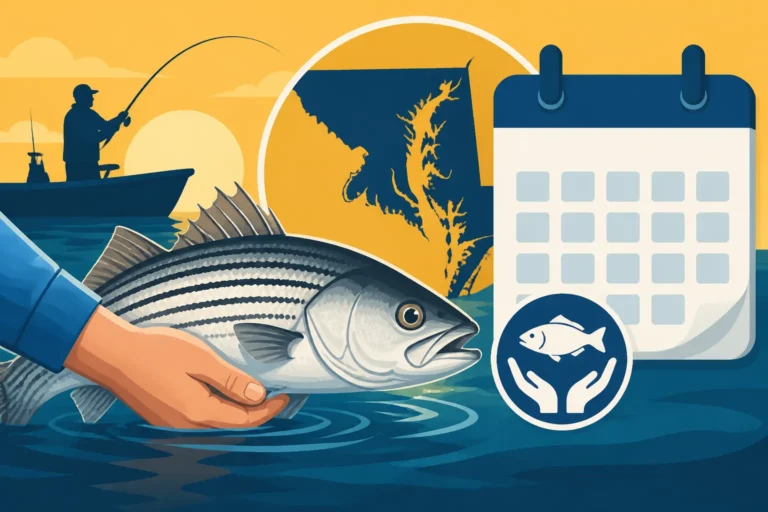
Maryland makes it a little easier for everyone to try their hand at fishing a few times a year by designating "Free Fishing Days." On these specific days, you can fish in tidal and nontidal public waters without needing a fishing license. This is a fantastic opportunity for families, beginners, or those who rarely fish to enjoy a day on the water without the upfront cost of a license. Typically, these days occur on the first Saturday in June, July 4th, and the Saturday after Thanksgiving.
So, if you plan your pier trip for one of these dates, you're in the clear regarding the license! However, remember that all other fishing regulations, such as size and catch limits for specific species, still apply. These days are designed to promote fishing and outdoor recreation, not to bypass conservation rules. Keep an eye on the Maryland DNR website for the exact dates each year, or refer to our detailed post on Maryland's Free Fishing Days in June and July for the most current information. It’s always best to confirm before heading out.
Private Piers and Landowner Rights
The situation changes slightly when we talk about private piers. If you own the land that a pier is on and that pier is on your private property, you, as the landowner, generally have riparian rights that allow you to fish from your own private pier without a state fishing license. This exemption typically extends to immediate family members (spouse, children, grandchildren) who are fishing with you on your private pier.
However, this exemption is quite specific and doesn't apply if you're fishing from someone else's private pier without being the landowner or immediate family, or if you're fishing from a private pier that is part of a commercial enterprise (like a marina pier that charges a fee for access). In those cases, you would still need a license. It's crucial to distinguish between genuinely private access and access that, while on private property, is open to a wider public or commercial use. Always err on the side of caution; if in doubt, get a license.
Reciprocity Agreements (Potomac River)
The Potomac River is a special case in Maryland due to its unique jurisdiction. The Potomac River Fisheries Commission (PRFC) governs fishing regulations on the main stem of the Potomac River. If you're fishing from a pier that borders the main stem of the Potomac, you might be covered by a reciprocity agreement.
Specifically, a valid tidal fishing license from Maryland or Virginia, or a Potomac River Fisheries Commission (PRFC) license, is typically honored for fishing in the main stem of the Potomac River. This means if you have a valid Virginia saltwater license, for example, you might be able to fish from a pier on the Maryland side of the Potomac without needing a separate Maryland license, provided you're within the PRFC's jurisdiction. This doesn't apply to Maryland's tributaries to the Potomac, where full Maryland licensing rules apply. This specific agreement is a great benefit for anglers who frequently fish both sides of the river. If you fish the Potomac, it's worth understanding What Is the Potomac River Fisheries Commission License? for these unique circumstances.
Age Exemptions
Here's some great news for families: Maryland offers an age exemption that can apply to pier fishing. Children under the age of 16 are generally not required to have a fishing license to fish in Maryland, whether from a pier, a boat, or the shore. This is a fantastic initiative to encourage youth participation in fishing and get kids hooked on the outdoors.
So, if you’re planning a family outing to a pier and your little ones are under 16, they can cast away without needing their own permit. This applies to both resident and nonresident children. However, once they hit that sweet sixteen, the license requirement kicks in. This is a common and important exemption to be aware of. For more details on this, take a look at our article, Do Kids Need a Fishing License in Maryland?.
Charter Boat Passengers
While not strictly "pier fishing" in the traditional sense, this is an important point to clarify as charter boats often pick up and drop off passengers at piers. If you book a trip on a licensed Maryland fishing charter boat, you, as a passenger, are typically covered by the charter boat's commercial license. This means you do not need to purchase your own individual recreational fishing license for the duration of that specific charter trip.
Even if the charter boat is temporarily docked at a pier and you're waiting or preparing to board, your fishing activities (if any are allowed before departure) would generally fall under the captain's license once the trip officially begins. This convenience is one of the many benefits of going with a charter service. However, if you decide to fish from the pier before or after your charter trip, on your own, then you would need your own license.
Choosing the Right License for Pier Fishing in Maryland
Once you've determined that you do, in fact, need a license for your chosen pier, the next step is selecting the correct one. Maryland offers a variety of license types, and picking the right one depends heavily on where you plan to fish and for how long.
Tidal vs. Nontidal Licenses
As we discussed earlier, the fundamental choice boils down to whether the pier is in tidal or nontidal waters.
- Chesapeake Bay & Coastal Sport Fishing License (Tidal): This license covers all fishing in the Chesapeake Bay and its tidal tributaries, as well as the coastal bays and Atlantic Ocean. If your pier is on the Bay (like the fishing pier at North Point State Park), or in Ocean City, this is the license you need. This license also covers you for recreational crabbing with a trotline or up to two crab pots.
- Nontidal Sport Fishing License: This license covers all freshwater lakes, ponds, and rivers above the tidal zone. If you're fishing a pier on a body of water like Little Seneca Lake or St. Mary's Lake, this is your go-to.
Some anglers find themselves wanting to fish both types of waters. In such cases, you’d need to purchase both a tidal and a nontidal license, or a Consolidated Sport Fishing License, which combines both and often includes other endorsements like the freshwater trout stamp, making it a comprehensive choice for the avid, versatile angler.
It’s easy to tell which water type a pier belongs to by its location. Piers near Annapolis, Baltimore, or along the Eastern Shore are almost certainly tidal. Piers in Western Maryland's mountains or central Maryland's reservoirs are nontidal. If you’re unsure about a specific location, a quick search for the body of water the pier is on, or a call to a local tackle shop, can clarify the matter. For those specifically looking to fish shore access points and piers, our article on Maryland Fishing License for Piers and Shore Access provides more specific guidance.
Short-Term vs. Annual Options
Maryland understands that not everyone fishes year-round, so they offer flexible license durations to suit different needs.
- Annual Licenses: If you plan to fish from piers (or anywhere else) frequently throughout the year, an annual license is usually the most cost-effective option. It's valid for a full calendar year from January 1 to December 31, regardless of when you purchase it. So, if you buy it in July, it still expires on December 31st of that year. Many dedicated anglers opt for an annual license to avoid the hassle of renewing short-term permits. You can find detailed costs for these in our Maryland Resident Annual Fishing License Cost guide.
- Short-Term Licenses: For visitors or those who only fish once or twice a year, short-term options are ideal. Maryland offers:
- 7-Day Nontidal License: Perfect for a week-long freshwater fishing trip from a pier at a state park.
- 3-Day Chesapeake Bay & Coastal Sport Fishing License: Great for a long weekend trip to a Bay pier or the Ocean City Inlet.
- 7-Day Chesapeake Bay & Coastal Sport Fishing License: Suitable for a full week exploring the Bay's many tidal piers.
These short-term licenses are activated from the date of purchase or a specified start date and are valid for the exact number of days chosen. They offer convenience for occasional anglers without committing to a full year. Compare options to find the best fit in our Maryland 7-Day Fishing License Options article.
Where to Purchase a License
Purchasing a Maryland fishing license is relatively straightforward these days. The Maryland DNR has made it quite accessible.
- Online: The easiest and most convenient way to purchase any Maryland fishing license is online through the Maryland DNR’s Compass system. You can do this 24/7 from your computer or even your smartphone. It’s quick, you get an immediate digital copy, and you can print it out or keep it on your device. This is by far the most popular method for modern anglers. Read more about the process in our guide on How to Buy a Maryland Fishing License.
- Retail Agents: Many sporting goods stores, bait and tackle shops, and even some large retailers like Walmart or Kmart in Maryland are licensed agents for the DNR. You can walk in, provide your information, and walk out with a printed license. This is a great option if you prefer a physical copy or want to grab some bait and tackle at the same time. The staff at these locations are often very knowledgeable about local regulations and can help you choose the right license.
- DNR Service Centers: You can also purchase licenses in person at any Maryland DNR service center during business hours. While less numerous than retail agents, they can offer direct assistance for any complex licensing questions you might have.
When purchasing, you'll generally need to provide some basic personal information, including your name, address, date of birth, and driver’s license number.
| License Type | Water Type | Duration | Who Needs It | Common Pier Examples |
|---|---|---|---|---|
| Chesapeake Bay & Coastal Sport Fishing License | Tidal | Annual / 3-Day / 7-Day | Most anglers 16 and over fishing tidal waters | Sandy Point State Park, Ocean City Inlet, Matapeake Pier |
| Nontidal Sport Fishing License | Nontidal | Annual / 7-Day | Most anglers 16 and over fishing freshwater lakes/rivers | Deep Creek Lake, Loch Raven Reservoir, Liberty Reservoir |
| Potomac River Fisheries Commission (PRFC) License | Potomac River Mainstem | Annual / 7-Day | Anglers fishing the main stem of the Potomac (or MD/VA tidal licenses suffice) | Piers on the main stem of the Potomac River |
| No License Required | Both | Specific Days | Anyone on Maryland's Free Fishing Days | All public piers on designated free fishing days |
| No License Required | Both | N/A | Children under 16 | All public piers, for anglers under 16 |
Practical Tips for Pier Fishing (Beyond the License)
So, you've got your license squared away – fantastic! But successful and enjoyable pier fishing involves more than just legality. Here are some practical tips to enhance your experience and ensure you're fishing responsibly.
Understanding Pier-Specific Regulations
While your fishing license grants you the right to fish, it doesn't mean you can disregard all other rules. Maryland has specific regulations regarding fishing methods, gear, and species-specific limits that apply to all waters, including those around piers.
Always check the current Maryland DNR fishing regulations guide. This guide outlines minimum size limits, daily creel (catch) limits, and any closed seasons for various species. For example, striped bass (rockfish) have very strict size and possession limits that vary by season and location. Flounder also have specific size limits that have recently changed. You'll also find information on things like hook restrictions (e.g., circle hooks for certain species) or areas that might be catch-and-release only. Ignoring these can lead to fines, even if you have a valid license. You can find up-to-date information on Maryland Fishing Size and Catch Limits by Species. Remember, ethical angling means adhering to these rules not just for legal compliance, but for the health of the fish populations.
Some piers might also have their own additional rules, such as no casting nets, no cleaning fish on the pier, or specific hours of operation. Always look for signage when you arrive at a new pier.
Essential Gear for Maryland Pier Fishing
Pier fishing is fantastic because it doesn't always require a boatload of expensive gear. However, having the right essentials can make a huge difference.
- Rods and Reels: A medium-action spinning rod (6-8 feet) paired with a 2500-4000 series spinning reel is a versatile setup for most pier fishing in Maryland. This will handle anything from a feisty white perch to a decent-sized striped bass or flounder. You can find an excellent selection of durable and affordable rod and reel combos on Amazon that are perfect for pier fishing. Look for brands like Penn, Ugly Stik, or Daiwa for reliable options.
- Terminal Tackle: This includes hooks (sizes 1/0 to 4/0 are versatile), sinkers (pyramid or egg sinkers from 1/2 oz to 2 oz depending on current), swivels, and pre-tied bottom rigs or flounder rigs. A good assortment will prepare you for various species. Stock up on these, as snags are common when fishing around structures.
- Bait: The best bait depends on your target species. For tidal piers, bloodworms, squid, peeler crabs, or cut bait (like pieces of fresh spot or bluefish) are excellent for perch, croaker, spot, and flounder. For nontidal piers, nightcrawlers, mealworms, or corn are great for panfish, while shiners or cut bait can attract bass and catfish. Many local tackle shops sell fresh bait, and you can even order some pre-packaged options from Amazon if you plan ahead.
- Tools: Don't forget pliers or a dehooker (for easy hook removal and fish safety), a measuring tape or stick (to check size limits), a cooler with ice (for keeping your legal catch fresh), and a comfortable chair. A landing net with a long handle is crucial for safely landing larger fish from a high pier.
- Comfort Items: Sunscreen, a hat, sunglasses, plenty of water, and snacks are also key for an enjoyable day on the pier. A good pair of polarized sunglasses, available on Amazon, can help you spot fish or structure in the water.
Respecting Fellow Anglers and the Environment
Pier fishing is often a communal activity, and respecting others and the environment ensures everyone has a good time.
- Space and Etiquette: Piers can get crowded, especially on nice days. Be mindful of your casting space and avoid casting over other anglers' lines. Keep noise levels reasonable, and be polite. If someone asks for help or advice, offer it kindly.
- Trash and Waste: Pack out everything you pack in. Dispose of all fishing line, bait containers, and other trash properly. Monofilament line can be deadly to wildlife, so make sure none of it ends up in the water. Many piers have specific recycling bins for fishing line. Leave the pier cleaner than you found it.
- Fish Handling: Practice responsible catch and release for fish you don’t intend to keep or that are undersized. Handle fish gently, minimize their time out of water, and use wet hands to protect their slime coat. If you’re keeping legal fish, dispatch them quickly and humanely, and get them on ice immediately.
By following these guidelines, you contribute to a positive fishing community and help preserve Maryland's beautiful natural resources for all.
Disclaimer
The information provided in this guide is for general informational purposes only and does not constitute legal advice. Fishing regulations in Maryland can change, and it is always the angler's responsibility to consult the most current Maryland Department of Natural Resources (DNR) regulations before fishing.