Maryland White Perch Daily Limit
Navigating the ever-changing landscape of fishing regulations can sometimes feel like you need a law degree just to cast a line! It's especially tricky when you're just looking to enjoy a relaxing day catching a common species like the humble white perch, yet you want to make absolutely sure you're following the rules. This comprehensive guide is here to clear up all the confusion around the daily limits for white perch in Maryland, helping you fish confidently and responsibly.
Understanding Maryland's White Perch Daily Limit
White perch are a beloved fixture in Maryland's waters, offering consistent action and delicious table fare. They're often one of the first fish a new angler catches, and a go-to for seasoned veterans when other species are elusive. Because they're so prolific and popular, having clear regulations on how many you can keep is vital for their sustained health and for ensuring there are plenty for future generations to enjoy.
The Current Recreational Creel Limit for White Perch
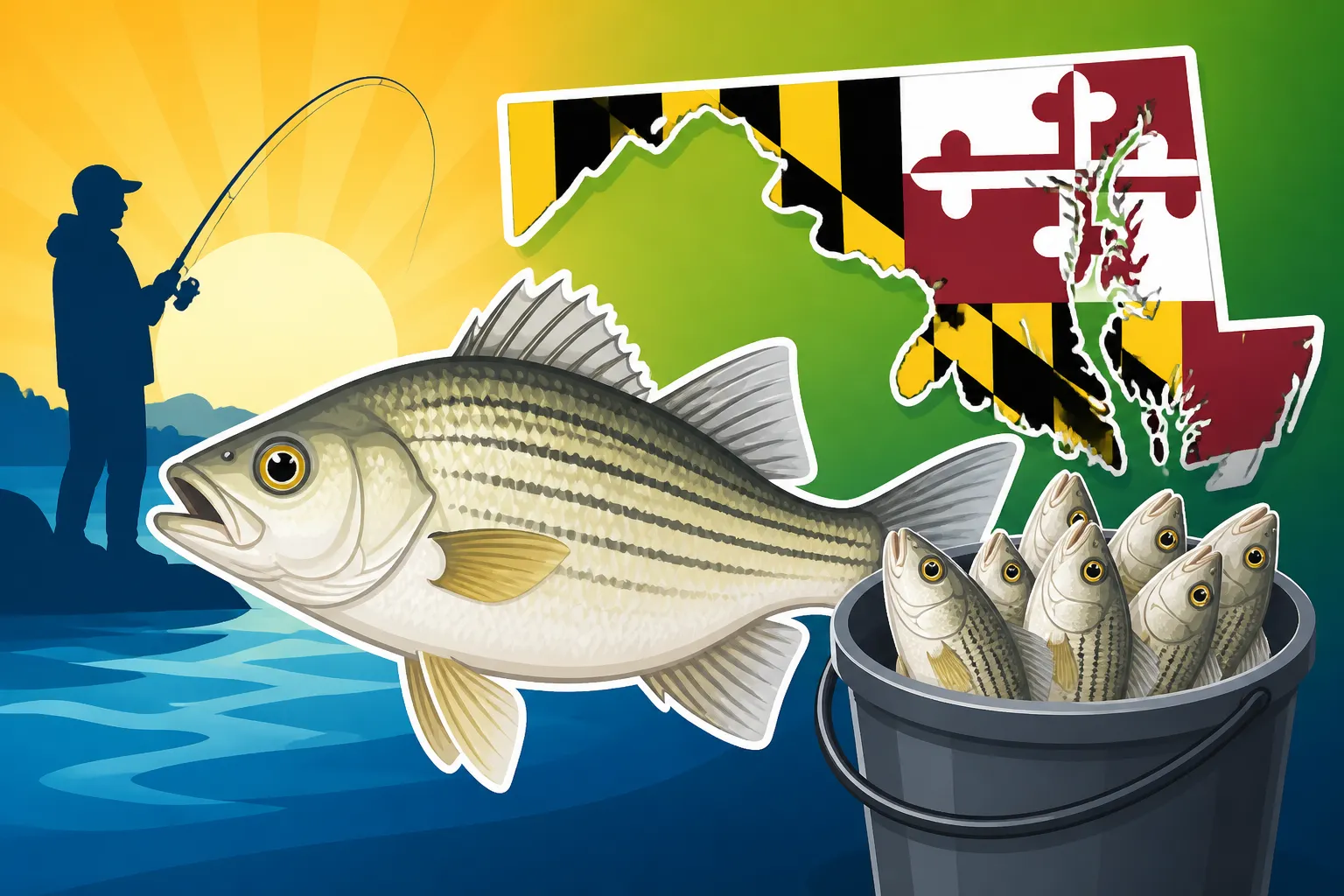
Let's get straight to the point, because that's what most anglers are really wondering. In Maryland, the recreational daily limit for white perch is 25 fish per person. This means that in any single day, an individual angler cannot possess more than 25 white perch, regardless of how many different spots they fished or how many times they went out. It's important to understand that this limit applies to possession, meaning any fish you've caught and kept, even if you're planning to clean them later.
What's also really nice about white perch in Maryland is their simplicity when it comes to size restrictions. Unlike many other species, there is no minimum size limit for white perch. You can keep those feisty little pan-sized perch just as readily as a larger, hand-sized specimen. This makes fishing for them particularly gratifying, as nearly every fish you hook is a potential keeper if you choose to take it home. This straightforward approach removes a layer of complexity that often frustrates anglers when chasing other species that might have an elaborate slot limit or different minimum sizes based on the time of year.
Why Daily Limits Are So Important for White Perch
While white perch seem to be everywhere, these daily limits aren't arbitrary; they're a cornerstone of responsible fisheries management. The Maryland Department of Natural Resources (DNR) carefully monitors fish populations, and setting these creel (daily catch) limits is a proactive way to ensure that even with their abundance, white perch populations remain healthy and sustainable for the long haul.
Consider the immense popularity of white perch. If every angler kept every single fish they caught without any restriction, especially during peak spawning runs when they're highly concentrated, it wouldn't take long to put a serious dent in local populations. These limits help distribute the harvest among many anglers, rather than allowing a few to deplete an area. They also play a crucial role in maintaining the ecological balance of the Chesapeake Bay and its tributaries. White perch are an important prey species for larger predatory fish like striped bass, and they also consume various invertebrates, helping to keep the ecosystem in check. By adhering to the 25-fish limit, we're all contributing to the larger effort of preserving Maryland's diverse aquatic life, ensuring our favorite fishing spots continue to thrive. You can learn more about general fish limits in Maryland by checking out a comprehensive guide on Maryland Daily Bag Limits by Species.
Navigating White Perch Regulations in Different Maryland Waters
Maryland offers a rich tapestry of fishing environments, from the vast expanse of the Chesapeake Bay to secluded freshwater ponds. It's natural to wonder if these varied habitats come with different rules for white perch. Thankfully, for this particular species, the regulations are refreshingly consistent.
Tidal Waters vs. Nontidal Waters: Is There a Difference?
One of the great things about Maryland's white perch regulations is their consistency across different water types. The 25-fish daily limit, with no minimum size, generally applies whether you're fishing in the sprawling tidal waters of the Chesapeake Bay and its tributaries or in the nontidal freshwater lakes and rivers. This means less guesswork for you, which is always a win in my book!
For instance, if you're jigging for white perch in the deep channels of the Choptank River (a prime tidal perch spot), your limit is 25. Similarly, if you happen to find a rare pocket of white perch in a nontidal reservoir like Liberty Reservoir, the same 25-fish rule still applies. This uniformity simplifies things immensely, allowing you to focus more on the fishing itself and less on deciphering location-specific rules.
However, it’s always a good practice to confirm the specific license you need for the waters you're fishing. Tidal and nontidal waters often require different licenses, though the white perch limit itself usually remains constant. For a deeper dive into license requirements, you might want to read our article on Maryland Nontidal vs Tidal Fishing License, Explained. Generally speaking, if you're fishing the Chesapeake Bay, its tidal rivers, or the Atlantic Ocean and its coastal bays, you'll need a tidal water license (or a Chesapeake Bay & Coastal Sport Fishing License). If you're targeting purely freshwater lakes, ponds, or upstream rivers with no tidal influence, a nontidal license is typically required. Getting the right license is a crucial first step, and resources like the Maryland DNR website or even a quick search on Amazon for fishing guides can help clarify.
How Regulations Apply to Different Fishing Methods
The beauty of the white perch daily limit is its universality across fishing methods. Whether you're a seasoned fly angler, a traditional bait fisherman, or someone who loves to cast artificial lures, the 25-fish creel limit remains the same. There are no special allowances or restrictions based on how you choose to entice these eager biters. This means you can pursue them with bloodworms and grass shrimp off a pier, toss small spinnerbaits from a kayak, or even target them with tiny flies on a light fly rod, all while adhering to the same simple limit.
The key takeaway here is that the regulation is focused on the number of fish possessed, not the method of capture. This also extends to how you count your fish. Every white perch you decide to keep, whether it's destined for the dinner table or just for a quick photo before being placed in a cooler, counts toward your 25-fish daily limit. It's a good habit to keep a mental tally, or even a simple clicker, especially if you're having a particularly successful day on the water. This consistent application ensures fair harvest opportunities for everyone and protects the overall population, no matter how you prefer to fish. For those looking to learn more about specific techniques, you might find our guide on Fishing for Spring-Run White Perch in Maryland helpful.
Here's a quick summary table of Maryland's White Perch Regulations:
| Regulation Type | Detail | Notes |
|---|---|---|
| Daily Limit | 25 fish per person per day | Applies to both tidal and nontidal waters. |
| Size Limit | None | You can keep white perch of any size. |
| Water Type | Tidal & Nontidal | Regulations are consistent across most Maryland waters. |
| Fishing Method | Any legal method (bait, lure, fly) | Limit applies regardless of how you catch them. |
| License Req. | Standard Maryland Fishing License required | Ensure you have the correct license for tidal or nontidal waters. |
Practical Tips for Adhering to White Perch Limits and Enhancing Your Trip
Fishing responsibly goes beyond just knowing the numbers; it's about adopting practices that ensure the health of the fishery and the enjoyment of all. When it comes to white perch, these tips can help you stay within the limits while also having a fantastic time on the water.
Best Practices for Catch and Release to Protect the Resource
Even with a generous 25-fish limit and no size restriction, there will be times when you've caught enough for your meal, or you simply want to enjoy the sport of fishing without adding more to your cooler. In these moments, practicing proper catch and release techniques is absolutely paramount. White perch are generally quite hardy, but mishandling can still lead to unnecessary mortality.
Here are some pointers:
- Minimize Air Time: Keep the fish in the water as much as possible. If you must remove it for a quick photo, do so swiftly and gently. The air can be surprisingly harsh on a fish's gills and internal organs.
- Handle with Wet Hands: Always wet your hands before touching a fish. Dry hands can remove the fish's protective slime coat, leaving it vulnerable to disease and infection.
- Use Barbless Hooks (Optional but Recommended): While not required for white perch, using barbless hooks or pinching down the barbs on your hooks makes it much easier to remove them quickly, reducing stress and injury to the fish. You can buy barbless hooks or a simple pair of pliers from Amazon to flatten barbs.
- Use Dehooking Tools: Keep a pair of needle-nose pliers or a specialized dehooking tool handy. These allow for quick and easy hook removal, especially if a fish has swallowed the hook a bit deeper.
- Support the Fish: If lifting a fish for a photo, support its body horizontally, especially larger ones. Avoid holding them solely by the jaw, which can damage their spine and internal organs.
- Revive Gently: If a fish seems sluggish before release, gently hold it in the water, facing into the current, until it regains its strength and can swim away on its own.
By being mindful of these practices, you're not just adhering to the spirit of conservation; you're actively contributing to the robustness of Maryland's white perch fishery. Many anglers find immense satisfaction in a successful catch-and-release, knowing they've done their part to keep the populations thriving. It's a great way to extend your fishing day even after you've hit your possession limit. For those interested in year-round fishing, understanding Maryland Catch and Release Rules During Closed Seasons can be very beneficial.
Essential Gear and Resources for White Perch Anglers
Beyond your rod, reel, and tackle, having a few extra items can make your white perch fishing trips more enjoyable and help you stay compliant with regulations.
- A Reliable Cooler: This might seem obvious, but a good cooler is essential for keeping your catch fresh, especially if you're out all day. Fill it with ice to chill your perch immediately after catching them.
- Fish Counter or Clicker: If you plan on keeping fish and find yourself in a hot bite, a simple handheld clicker (easily found on Amazon) can be invaluable for keeping an accurate tally of your catch. This prevents any accidental over-harvesting, saving you potential headaches later.
- Measuring Tape: Even though white perch don't have a minimum size limit, it's a good habit to carry a measuring tape. Other species you might accidentally catch do have size limits, and having one on hand means you're prepared. It's also fun to see just how big that "jumbo" perch really is!
- Maryland DNR Fishing and Boating Guide: This official guide is your go-to source for all regulations, not just for white perch. It's updated annually and provides comprehensive information on licenses, limits for all species, special areas, and more. You can often pick up a physical copy at bait shops, tackle stores, or DNR offices, or find the latest version online. Learning to navigate Maryland's DNR Fishing and Boating Guide, Explained is a fantastic skill for any angler in the state.
- Digital Resources: The Maryland DNR website is constantly updated and offers real-time information on any emergency closures or changes in regulations. There are also many forums and local fishing groups online where you can ask questions and get advice from fellow anglers.
Having the right gear and knowing where to find official, up-to-date information are key components of a successful and responsible fishing adventure. Whether you're heading to a popular spot like Sandy Point State Park or exploring a quiet creek on the Eastern Shore, being prepared ensures you can focus on the thrill of the catch rather than worrying about the rules. And remember, your Maryland fishing license is often your gateway to these waters, so always make sure it's current. If you need to renew, a guide on How to Renew a Maryland Fishing License Online can help.
Disclaimer
Please remember that fishing regulations, including daily limits and licensing requirements, can change. While this guide aims to provide the most current and accurate information, it is always your responsibility as an angler to check the very latest regulations issued by the Maryland Department of Natural Resources (DNR) before heading out. Always consult the official Maryland DNR website or their latest fishing guide to ensure full compliance.