Maryland Yellow Perch Season and Limit
The anticipation of Maryland's yellow perch run is a feeling many anglers know well, a sure sign that spring is around the corner. But between the excitement, it’s easy to get tangled up in questions about where and when you can legally catch these prized panfish, and how many you can take home. No one wants a surprise fine or to unknowingly harm the fishery. This comprehensive guide will walk you through Maryland’s official yellow perch season and catch limits, so you can focus on the fun.
Understanding Maryland's Yellow Perch Fishing Season
When it comes to yellow perch in Maryland, the good news for anglers is that there isn't a specific closed season. These tasty panfish are generally available to be caught year-round across the state's diverse waterways. However, while you can technically fish for them anytime, their activity and where you'll find them change dramatically with the seasons, making certain times of the year far more productive and popular. It's less about a strict legal season and more about understanding their natural behaviors.
When Yellow Perch are Most Active and Targeted
For most Maryland anglers, the phrase "yellow perch season" instantly conjures images of the incredible spring spawning run. This is truly the peak time to target these fish, typically kicking off in late winter and extending into early spring, generally from late February through March, sometimes even into early April, depending on the weather and water temperatures. This is when the yellow perch migrate from deeper, brackish bay waters or large lakes up into the shallower, freshwater sections of creeks and rivers to spawn.
During this run, they become incredibly concentrated, making them easier to locate and catch. Anglers line the banks of popular spawning grounds, and boats dot the water, all hoping to fill a cooler. The key trigger for this mass movement is water temperature, usually when it reaches the high 40s to low 50s Fahrenheit. If you're wondering about the timing, it’s always a good idea to keep an eye on local fishing reports and the Maryland Department of Natural Resources (DNR) updates, as conditions can shift year to year. While the spring run is legendary, you can still find yellow perch during other seasons; it just requires different tactics and knowledge of their habits.
Key Seasonal Considerations for Different Water Types
Maryland offers a fantastic variety of fishing environments, and how you approach yellow perch fishing will vary greatly depending on whether you're in tidal or nontidal waters. Understanding these differences is crucial for consistent success outside of the main spring run.
In tidal waters, particularly the tributaries of the Chesapeake Bay, yellow perch follow distinct migration patterns. As mentioned, the spring spawning run in rivers like the Choptank, Chester, Nanticoke, and Magothy is legendary. After the spawn, they disperse back into the main bay or the deeper sections of these rivers for the summer, often seeking cooler, oxygen-rich waters and structure like oyster beds, channel edges, or submerged vegetation. Come fall, they'll often stage again, feeding heavily before retreating to deeper areas for the winter. Many anglers find good success in the fall before the water gets too cold. For more insights into how these fish behave across the seasons, our guide on Best Time of Year to Fish in Maryland offers a broader perspective.
Nontidal waters, such as many of Maryland's beautiful lakes, reservoirs, and ponds (like Loch Raven, Liberty, or Deep Creek Lake), offer a slightly different yellow perch experience. Here, the fish don't undertake massive migrations like their tidal cousins. They still spawn in spring, moving into shallower coves and creek arms, but their post-spawn and seasonal movements are more localized within the body of water. During summer, they typically hold in deeper, cooler sections of the lake, often near thermoclines or structure. In winter, particularly in Western Maryland's colder lakes like Deep Creek, yellow perch become a prime target for Ice Fishing in Maryland, where anglers drill holes and fish vertically through the ice. Regardless of the water type, remember that while the fish are always there, knowing their seasonal patterns is what makes an angler truly successful. If you're curious about identifying these fish, check out our piece on White Perch vs Yellow Perch in Maryland, What's the Difference.
Navigating Maryland's Yellow Perch Catch Limits
Beyond knowing when to fish, it's absolutely paramount to understand how many fish you can keep and their minimum size. These regulations are put in place by the Maryland DNR to ensure the sustainability of the yellow perch population for generations to come. Ignoring these rules can lead to hefty fines and directly harm the fishery, something no responsible angler wants to do. It’s always best to be prepared with a good measuring device before you even hit the water; many durable options are available on Amazon that clip right to your tackle box.
Daily Creel Limits and Minimum Size Requirements
Maryland's regulations for yellow perch are straightforward, but they are strict. Currently, anglers targeting yellow perch must adhere to the following:
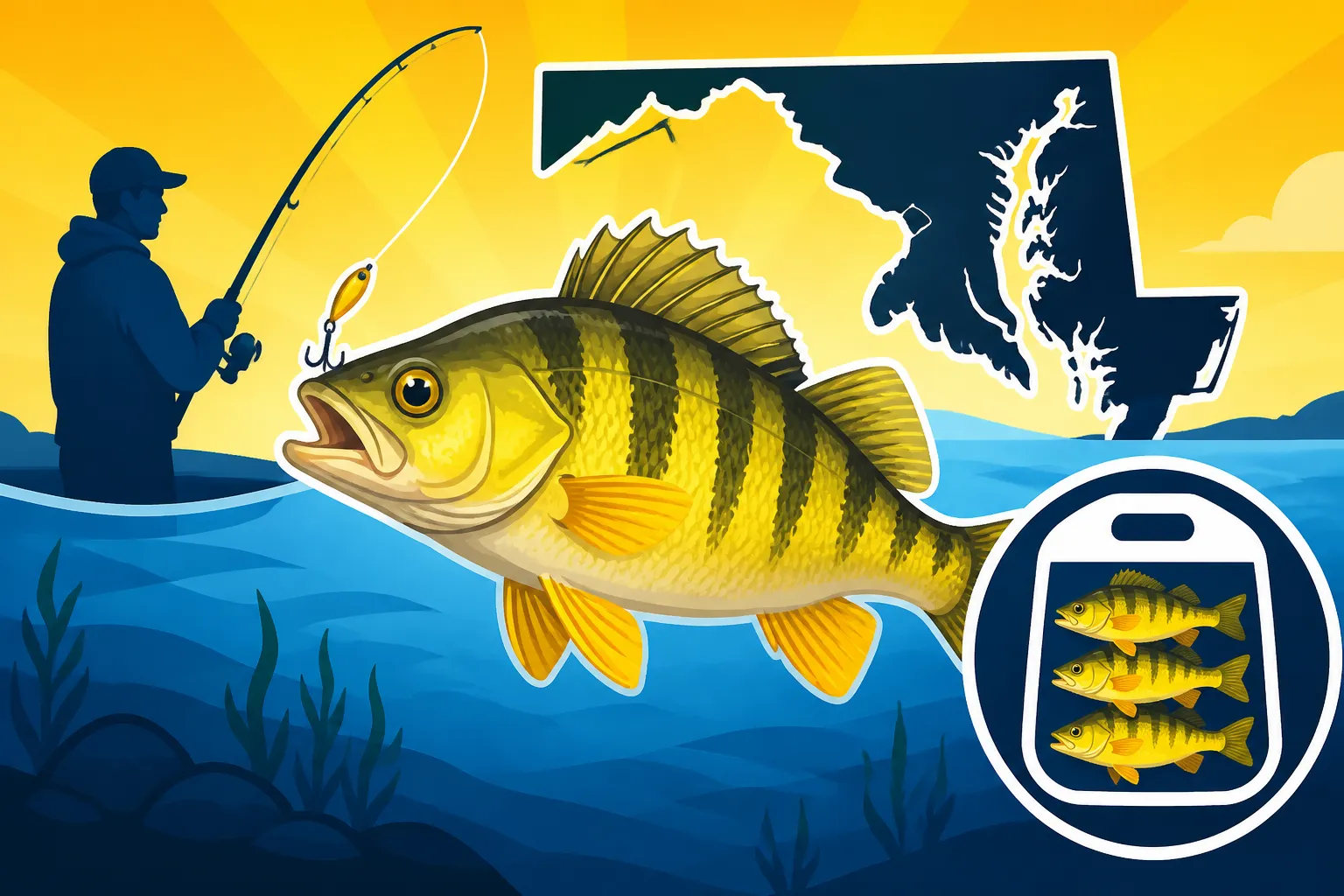
- Daily Creel Limit: 10 yellow perch per person per day.
- Minimum Size Limit: 9 inches total length.
This means that you can only keep ten yellow perch that measure at least 9 inches from the tip of their nose to the tip of their tail. Every fish you catch must be measured immediately, and if it's under the 9-inch minimum, it must be released quickly and carefully back into the water. This minimum size ensures that most fish have had a chance to spawn at least once, contributing to the population before being harvested. The 10-fish daily limit helps prevent overfishing, especially during popular events like the spring run when large numbers of fish are concentrated. For a broader overview of regulations, our guide on Maryland Fishing Size and Catch Limits by Species is an excellent resource.
Imagine you're out on a crisp March morning on the Choptank River, and the yellow perch are biting. You're catching fish left and right. It's crucial to have a ruler handy. If you catch a fish that looks borderline, measure it. If it's 8.75 inches, it goes back. If it's 9 inches exactly, it's a keeper, and you can add it to your count, working towards your 10-fish limit. This disciplined approach ensures we all do our part in conserving this beloved species.
Exceptions and Special Regulations to Be Aware Of
Generally speaking, the 10-fish daily creel limit and 9-inch minimum size for yellow perch are standard across all waters in Maryland, both tidal and nontidal. Unlike some other species, yellow perch typically do not have complex regional regulations or specific seasonal closures for possession. The beauty of yellow perch fishing is its simplicity in terms of rules once you know the basic numbers.
However, anglers should always be diligent about checking the absolute latest version of the Maryland DNR Fishing and Boating Guide. While rare for yellow perch, regulations can change, sometimes mid-season if there are significant conservation concerns or population shifts. You can often find a current PDF version of this guide online. It's your ultimate source for the most up-to-date information. While specific park rules might sometimes apply to fishing access or methods within a state park, the species-specific catch limits for yellow perch usually remain consistent with statewide DNR regulations. It's far better to spend a few minutes reviewing the guide than to face potential penalties for unintentional non-compliance. You can read more about it in our article Maryland's DNR Fishing and Boating Guide, Explained.
Essential Gear and Tactics for Yellow Perch Fishing
Catching yellow perch is one of those timeless Maryland traditions, and while they can be caught with surprisingly simple setups, having the right gear and understanding their habits can dramatically increase your success. You don't need a boatload of specialized equipment, but a few key items will make your time on the water much more enjoyable and productive.
Recommended Tackle and Baits
When it comes to tackle for yellow perch, light tackle is your best friend. These fish don't grow to monstrous sizes, so an ultralight or light action spinning rod, typically 5 to 7 feet long, paired with a small spinning reel spooled with 4 to 6-pound test monofilament or braided line, is ideal. This setup allows you to feel even the most subtle bites and makes fighting these spirited fish a blast. Many anglers also find that having a variety of small jigs and soft plastics, easily ordered from Amazon, can make all the difference on a slow bite day.
For bait, traditional choices often outperform artificials, especially during the spring run. Grass shrimp and bloodworms are perennial favorites and are often considered the gold standard for tempting yellow perch. Live minnows (fathead minnows or shiners) can also be incredibly effective, especially when fished under a bobber or on a simple bottom rig. If you prefer artificials, small jigs (1/16 to 1/8 ounce) tipped with a small plastic grub (like a curl-tail grub or a tube jig) in bright colors like chartreuse, white, or pink, can be deadly. Small spinnerbaits or even tiny spoons can also entice a strike. Many experienced anglers keep a variety of soft plastics and jig heads handy, knowing that yellow perch can be finicky from one day to the next.
Locating Yellow Perch Hotspots
Finding yellow perch often comes down to understanding their preferred habitats at different times of the year. During the renowned spring spawning run, you'll want to focus on shallow, muddy-bottomed creeks and rivers that feed into larger bodies of water. These are the highways the perch use to reach their spawning grounds. Specific areas along the Yellow Perch Runs in Maryland's Upper Chesapeake Bay or tributaries like the Choptank River are legendary for this annual event. Look for areas with slower current, often near submerged logs, brush piles, or reed beds, where they can deposit their distinctive egg strands.
Outside of the spawn, yellow perch often relate to structure. This includes docks, bridge pilings, submerged timber, rock piles, and channel edges. In larger lakes and the main Chesapeake Bay, they might be found schooling over oyster beds or along distinct depth changes. During the warmer summer months, they'll seek out deeper, cooler water, moving back towards river channels or the main bay, but they will still be associated with some form of structure for ambush points. In Western Maryland, especially in winter, look for them schooled up in deeper sections of lakes, often suspended or near the bottom. Knowing where Best Places to Fish in Maryland are for specific species can give you a head start, as yellow perch are often present in many of the same waters as other popular panfish. A reliable fish finder, also available on Amazon, can be a game-changer for locating these schools in deeper water.
Here's a quick rundown of Maryland's general yellow perch regulations:
| Regulation Type | Details |
|---|---|
| Season | Open year-round (no closed season) |
| Daily Creel Limit | 10 fish per person |
| Minimum Size Limit | 9 inches total length |
This table provides a snapshot, but always refer to the official DNR guide for the very latest information. Our guide on How Big Do Yellow Perch Get in Maryland? offers more details on the potential size of your next catch!
Disclaimer
The information provided in this guide is for general informational purposes only and is based on current understanding of Maryland fishing regulations. Fishing regulations, seasons, and limits can change. It is the responsibility of every angler to consult the most current Maryland Department of Natural Resources (DNR) official fishing guide and regulations before heading out to fish. Failure to do so may result in penalties.