Fishing the Patuxent River Near Benedict
Finding a great fishing spot in Maryland that offers both diverse species and a welcoming, less-crowded atmosphere can sometimes feel like searching for a hidden treasure. Many anglers overlook the incredible potential of the Patuxent River, particularly the stretches near the charming town of Benedict. This comprehensive guide is designed to unlock the secrets of fishing this fantastic waterway, ensuring you're well-equipped for a successful and enjoyable outing.
Why the Patuxent River Near Benedict is a True Angler's Gem
The Patuxent River, stretching from its headwaters in Montgomery County all the way to the Chesapeake Bay, is a truly remarkable waterway. But there's something especially captivating about the section near Benedict, Maryland. This area isn't just another fishing spot; it's a vibrant, dynamic ecosystem that offers a unique blend of opportunities that can satisfy nearly every type of angler.
A Unique Blend of Freshwater and Brackish Zones
What truly sets the Patuxent River near Benedict apart is its transitional nature. This part of the river marks a significant shift from the salty, tidal waters of the Chesapeake Bay to increasingly brackish, and eventually, freshwater conditions as you move further upstream. This constant interplay of fresh and saltwater creates a truly diverse habitat, supporting an incredible array of fish species that thrive in these varying salinities. You're not just fishing for one type of fish here; you're entering a biological melting pot.
This dynamic environment means that within a relatively short distance, you can encounter species typically found in saltwater, alongside those that prefer freshwater. The brackish water acts as a buffer and a highway for many fish, providing rich feeding grounds and often serving as a nursery. This unique characteristic is a huge draw for anglers who enjoy the challenge and variety of targeting different fish without having to travel far between radically different environments. It's truly a testament to Maryland's diverse aquatic landscapes.
Accessibility and Local Resources
Benedict offers surprisingly robust access points for anglers, whether you prefer to launch a boat or cast a line from shore. The town itself is modest, but its strategic location on the Patuxent makes it a prime staging area for fishing trips. Public boat ramps are available, providing easy entry to the river's main stem and various feeder creeks. These ramps are generally well-maintained and can accommodate a range of vessel sizes, from small jon boats to larger center consoles.
For those who prefer not to use a boat, there are also opportunities for pier and shore fishing, though these might require a bit more local knowledge to find the prime spots. Exploring the local marinas and waterfront areas can often reveal hidden gems for shore access. Beyond just launching, Benedict and nearby communities also offer essential amenities. You'll find local bait and tackle shops where you can pick up live bait, lures, and get up-to-the-minute local advice on what's biting and where. Sometimes, these smaller, family-run shops offer the best intelligence that only seasoned local anglers would know. If you're planning a trip and need a local expert, platforms like FishingBooker can help you connect with seasoned captains who know the Patuxent like the back of their hand, ensuring you get right to the action without guesswork.
Targeting Popular Species in Benedict Waters
The Patuxent River near Benedict is teeming with life, offering a fantastic opportunity to target a variety of desirable fish. Knowing what species are prevalent and how to approach them will greatly enhance your fishing experience. From the iconic striped bass to invasive but delicious catfish, there's always something biting.
The Mighty Striped Bass Rockfish
No discussion of fishing in Maryland is complete without mentioning the striped bass, affectionately known as rockfish to locals. The Patuxent River is a vital tributary for these prized game fish, serving as a spawning ground and a rich feeding area. While specific seasons and regulations like the Maryland Striped Bass Season and Rockfish Rules will always dictate when and how you can harvest them, these waters consistently offer chances to hook into a striper.
During the spring and fall migrations, the Patuxent truly comes alive with striped bass. Anglers often find success jigging soft plastics or metal spoons around channel edges, bridge pilings, and submerged structures. Trolling with bucktails or swimbaits is another highly effective method, especially when fish are dispersed over broader areas. Live-lining spot or other baitfish is arguably one of the most exciting ways to catch larger striped bass, and during warmer months, you'll often see charters using this method. Remember that understanding the specific Maryland Fishing Size and Catch Limits by Species for striped bass is crucial before you head out. For those looking to maximize their chances, especially for trophy fish, consulting a local guide found on services like FishingBooker can provide invaluable insights into current patterns and hot spots.
Abundant Catfish and Perch
Beyond striped bass, the Patuxent River near Benedict is a fantastic destination for other highly sought-after species, particularly various catfish and the ever-popular perch. These fish offer consistent action and are often perfect for a family outing, providing plenty of bites.
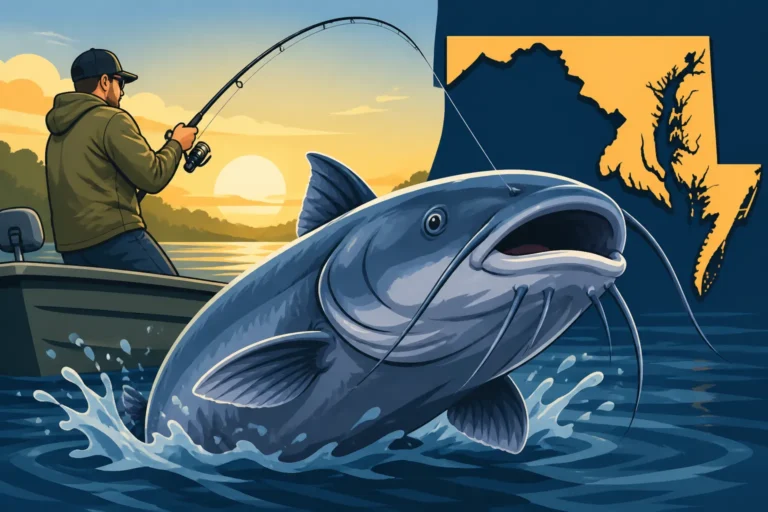
Blue catfish are an invasive species in Maryland, and they thrive in the Patuxent. The good news for anglers is that there are typically no size or creel limits on them, making them a fantastic target for those who enjoy a productive day of fishing and some excellent table fare. These powerful fish can grow to impressive sizes and are often found in deeper channels and holes, especially near structure. Cut bait (like fresh bunker or chicken liver) fished on the bottom is incredibly effective for blue catfish. You might also encounter channel catfish, which are native and just as fun to catch, often preferring similar baits and locations. Meanwhile, white perch are a staple of the Chesapeake Bay and its tributaries. They are abundant in the Patuxent, especially during their spring spawning runs up smaller creeks, but they can be caught year-round. Small jigs, spinners, or bait (like bloodworms or grass shrimp) fished on light tackle will yield plenty of action. Yellow perch, identifiable by their distinct vertical stripes, also make appearances, particularly in the spring. They tend to prefer slightly cooler, less saline waters than white perch and are a joy to catch on small jigs or minnows. Understanding White Perch in Maryland's Chesapeake Bay can give you a leg up on these feisty fighters.
Exploring Other Game Fish
While striped bass, catfish, and perch often steal the show, the diverse ecosystem of the Patuxent River near Benedict means there are other exciting game fish to pursue. Depending on the exact location, water temperature, and time of year, anglers might be pleasantly surprised by what they hook into.
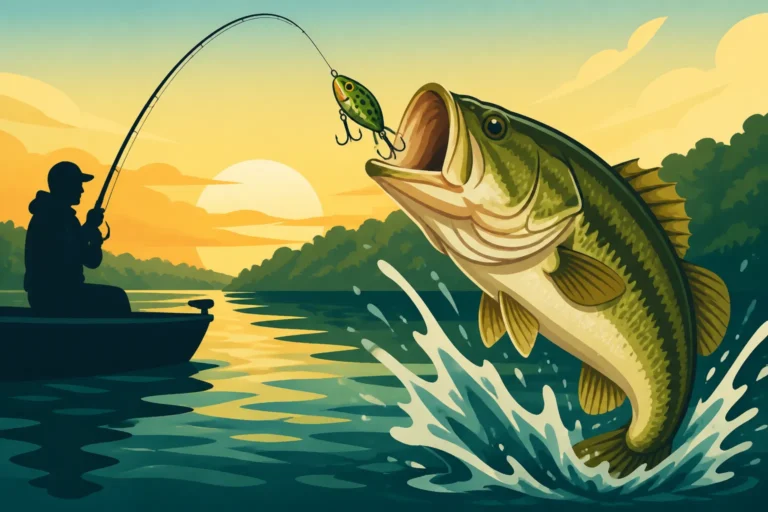
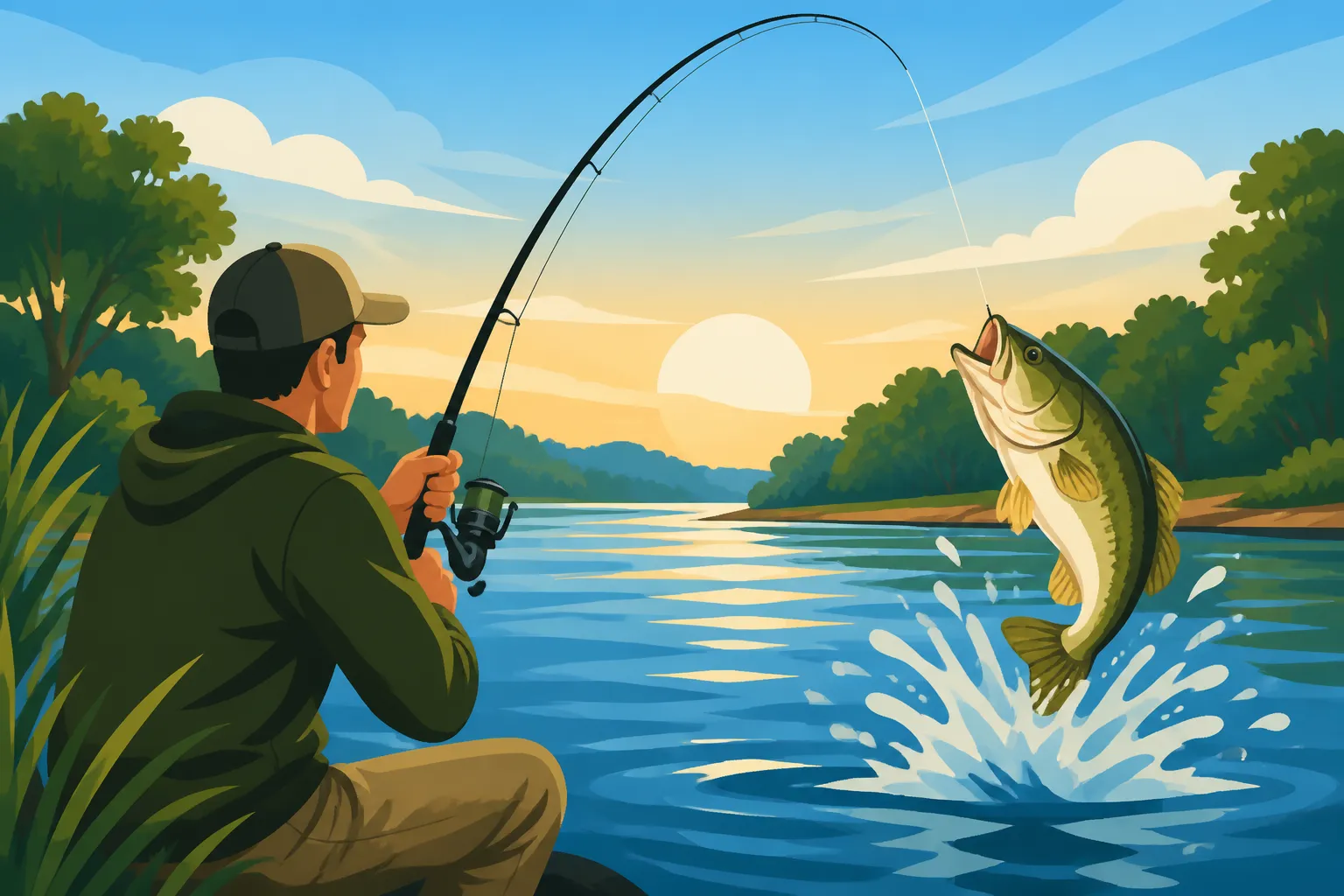
Largemouth bass, while typically associated with purely freshwater lakes and ponds, can be found in the less saline upper stretches and quiet coves of the Patuxent River. They often inhabit areas with submerged vegetation, fallen trees, and docks. Spinnerbaits, plastic worms, and topwater lures can be effective for targeting them, especially during warmer months. Another intriguing species that has found a home in the Patuxent is the northern snakehead. These aggressive, invasive fish offer a unique challenge and an exciting fight. They are often found in shallow, weedy areas and are notorious for striking topwater frogs and chatterbaits. Maryland encourages anglers to harvest snakeheads, so understanding Maryland Snakehead Fishing Rules is important before you go. Additionally, the Patuxent occasionally yields other species like crappie or even transient species like spot and croaker during warmer Bay seasons, particularly further downstream towards the mouth of the river.
Navigating the Waters and Regulations of the Patuxent
Fishing the Patuxent River effectively, especially around Benedict, requires more than just knowing what fish are present. It also means understanding the nuances of its tidal patterns, recognizing key river structures, and, crucially, being fully aware of Maryland's fishing regulations. Missing these details can significantly impact your success and even lead to legal trouble.
Understanding Tidal Influences and River Structure
The Patuxent River is a tidal river for a significant portion of its length, and this tidal influence profoundly affects fishing conditions, particularly near Benedict. Understanding the tides – incoming, outgoing, high, and low – is paramount. Generally, moving water, whether an incoming or outgoing tide, tends to stimulate fish activity as baitfish are pushed around and predators become more active. Many seasoned anglers prefer the periods around a tide change, as the currents slow and fish congregate more predictably.
Beyond tides, river structure plays a critical role. The Patuxent has defined channels, varying depths, and numerous submerged features like oyster beds, fallen trees, and sudden drop-offs. These structures provide cover, ambush points, and feeding areas for fish. Learning to read your fishfinder to identify these underwater contours, or consulting navigational charts, can give you a significant advantage. For instance, striped bass often hold on channel edges or near submerged points where current concentrates bait. White perch and catfish might be found in deeper holes or near the mouths of creeks where they feed. The area around Benedict features several such prime structural elements that concentrate fish.
Essential Licenses and Regulations
Before you even think about casting a line in the Patuxent, you absolutely must ensure you have the correct Maryland fishing license. Maryland's licensing system can seem a little complex, especially with the distinction between tidal and nontidal waters. The Patuxent River near Benedict is predominantly tidal, meaning you'll likely need a Maryland Chesapeake Bay Sport Fishing License Explained. However, if you plan to venture further upstream into increasingly freshwater areas, you might also need a Maryland Nontidal vs Tidal Fishing License, Explained, or potentially a consolidated license.
It's not just about the license, though. You also need to be intimately familiar with the specific regulations for each species you intend to target. This includes minimum and maximum size limits (like the slot limits for striped bass), daily creel limits (how many fish you can keep), and any closed seasons or specific gear restrictions. For example, knowing the Maryland Blue Catfish Possession Rules, which often encourage their harvest, is different from the strict limits on Striped Bass: Maryland's State Fish. Regulations can change, so always check the most current Maryland Department of Natural Resources (DNR) Fishing Guide before each season. Ignorance of the rules is not an excuse, and penalties for violations can be significant, so always err on the side of caution.
Planning Your Patuxent River Fishing Trip to Benedict
A successful fishing trip isn't just about showing up with a rod and reel; it's about careful planning, understanding seasonal patterns, and preparing for the unexpected. The Patuxent River near Benedict offers year-round opportunities, but knowing the best times to go and what to bring will significantly enhance your experience.
Best Seasons and Times to Visit
The Patuxent River, particularly around Benedict, offers a diverse fishing calendar, with certain species becoming more active during specific times of the year. Understanding this seasonality is key to planning a productive trip.
| Target Species | Best Season(s) | Common Bait/Lures | General Location |
|---|---|---|---|
| Striped Bass | Spring, Fall (Trophy in Sp.) | Live spot, eels, cut bait, jigging spoons, swimbaits | Channel edges, structure, bridge pilings |
| Blue Catfish | Year-round (Summer peak) | Cut bunker, chicken liver, prepared baits | Deeper holes, main channel, creek mouths |
| White Perch | Spring, Summer, Fall | Bloodworms, grass shrimp, small jigs, spinners | Tributaries, docks, oyster beds, channel edges |
| Northern Snakehead | Summer, Early Fall | Topwater frogs, chatterbaits, plastic worms | Shallow, weedy backwaters, lily pads |
| Largemouth Bass | Spring, Summer, Fall | Plastic worms, spinnerbaits, crankbaits | Woody debris, lily pads, coves, docks |
Spring (April-May) is often considered prime time, especially for striped bass as they migrate upriver to spawn. The spring also sees robust white perch runs in the Patuxent's tributaries. As summer (June-August) heats up, the striped bass can become more challenging, but bottom fishing for catfish remains excellent, and snakehead become highly active in the shallows. Fall (September-November) brings another fantastic striped bass run as they feed heavily before winter, and perch fishing remains strong. Even winter (December-March) offers opportunities, particularly for blue catfish in deeper holes, and some hardy anglers brave the cold for deepwater striped bass. For a more general overview of opportunities across the state, checking Best Time of Year to Fish in Maryland is always a good idea.
Tips for a Successful Outing
Preparing adequately for your Patuxent River adventure will ensure it's not only successful but also safe and enjoyable. Beyond just knowing your target species and regulations, a few practical tips can make all the difference.
First, consider your gear. While many species can be caught on medium spinning tackle, having a heavier setup for large catfish or trophy striped bass, and a lighter setup for perch, will give you versatility. Always pack appropriate clothing for the weather, including rain gear and layers, as conditions on the water can change quickly. Sunscreen, a hat, and polarized sunglasses are non-negotiable for comfort and eye protection. Don't forget essentials like a cooler with ice for your catch and plenty of water and snacks. Safety should always be a top priority, especially if you're on a boat. Ensure all required safety equipment is on board, including life jackets, flares, and a first-aid kit. File a float plan if you're going out alone. If you're new to the area or prefer to leave the navigation to someone else, booking a charter can be an excellent option. Services like FishingBooker can help you find reputable local captains who offer Maryland Chesapeake Bay Fishing Charters, What to Expect, and they'll often provide all the necessary gear and expertise. Lastly, practice catch-and-release responsibly for any fish you don't intend to keep, minimizing stress on the fish for future angling opportunities.
Disclaimer
The information provided in this guide is for general informational purposes only and is subject to change. Fishing regulations, seasons, and licensing requirements are determined by the Maryland Department of Natural Resources (DNR) and can be updated at any time. Always consult the official Maryland DNR website or publications for the most current and accurate regulations before engaging in any fishing activity.