Fishing the Nanticoke River
The Nanticoke River, flowing through Maryland's Eastern Shore, presents a unique challenge for many anglers: its diverse waters transition from freshwater upstream to brackish, tidal conditions closer to the Chesapeake Bay. This rich tapestry of environments means you could be targeting largemouth bass one day and striped bass the next, often leaving anglers wondering where to start or which regulations apply. This guide will meticulously break down everything you need to know to successfully fish the Nanticoke River, from understanding its distinct sections and the species they hold to essential techniques, access points, and critical licensing information.
The Allure of the Nanticoke River
There's something truly special about the Nanticoke River that draws anglers back year after year. It's not just the promise of a good catch, but the sheer natural beauty and the diverse experiences it offers. For those of us who cherish peaceful mornings on the water and the thrill of diverse fishing, the Nanticoke is a gem.
A Unique Ecosystem: Tidal Freshwater to Brackish Wonders
What truly sets the Nanticoke apart from many other rivers on the Eastern Shore is its incredible ecological gradient. Upstream, particularly north of Vienna, Maryland, and certainly into Delaware, you'll find classic freshwater environments. Think cypress trees lining the banks, lily pads, and slow-moving, dark-stained water that’s perfect for bass and panfish. As you move downstream, however, the river gradually widens and deepens, becoming increasingly influenced by the tides of the Chesapeake Bay. This transition introduces brackish water, where freshwater species mingle with saltwater visitors. It's a truly dynamic zone where you might encounter a bluegill and a striped bass in the same general area, making every trip an adventure. This unique mix of environments is why understanding the river's distinct sections is so vital for successful fishing.
A Rich History and Natural Beauty
Beyond the fish, the Nanticoke River is steeped in history and natural splendor. It's one of the most pristine tributaries of the Chesapeake Bay, with extensive tidal marshes and forested wetlands that provide crucial habitat for a vast array of wildlife, not just fish. Bald eagles frequently soar overhead, ospreys dive for fish, and various waterfowl dot the landscape. Historically, the river was a vital artery for the Nanticoke Indian tribe and later for colonial settlements, with towns like Vienna preserving much of their historic charm. Anglers often find themselves mesmerized by the quiet beauty, the towering bald cypress trees, and the feeling of stepping back in time, making a fishing trip here as much about the experience as it is about the catch.
Prime Fishing Opportunities on the Nanticoke
The Nanticoke River is a veritable buffet for anglers, offering a wide array of species to target throughout its varied reaches. Knowing what fish thrive where and when is key to maximizing your success and enjoyment. It really is incredible how many different kinds of fish you can hook into in a single river system.
Targeting Largemouth Bass and Chain Pickerel
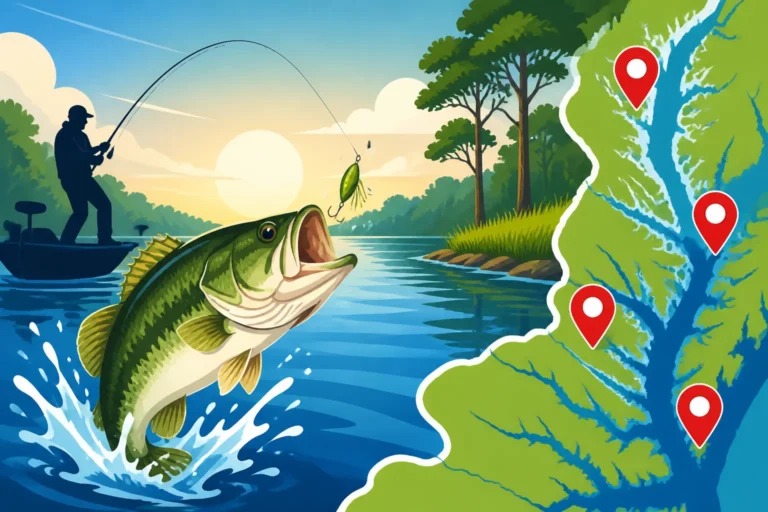
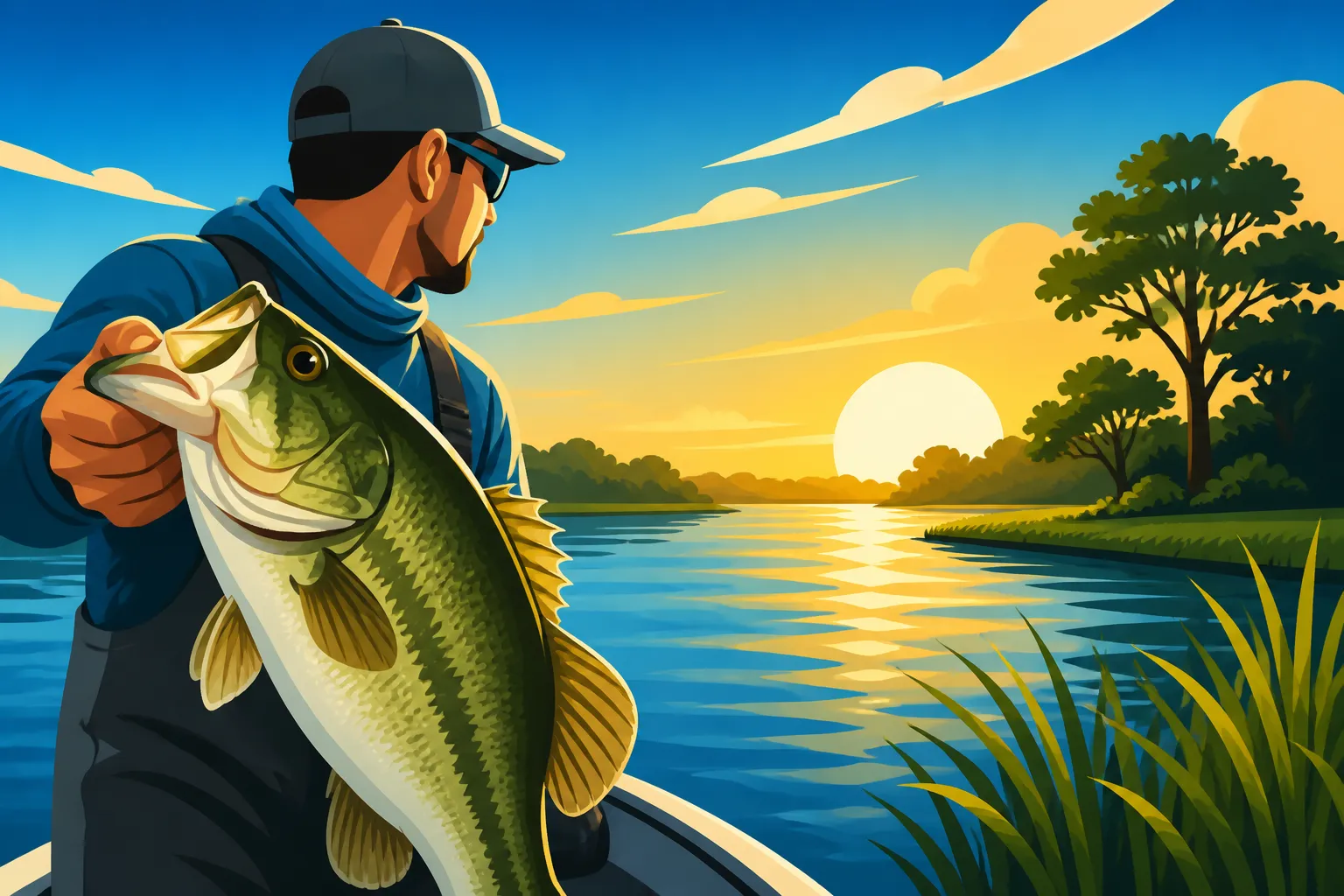
In the upper and middle sections of the Nanticoke, particularly in the many creeks, guts, and shallow backwaters that branch off the main stem, largemouth bass are kings. These areas are characterized by abundant submerged vegetation, fallen timber, and docks – classic bass habitat. You'll find active populations of decent-sized bass, especially during the spring and fall when they're feeding aggressively. Chain pickerel, those toothy freshwater predators, are also very prevalent in these same areas. They love to ambush prey from thick cover, and their aggressive strikes can be a real jolt to your fishing rod. Targeting these species often involves casting into dense cover, working spinnerbaits, crankbaits, or soft plastics around structure. For more detailed insights on catching these freshwater giants, check out our guide on Largemouth Bass Fishing in Maryland.
The Thrill of Catfishing: Blue and Channel Cats
The Nanticoke River is a fantastic destination for catfish, boasting robust populations of both blue catfish and channel catfish. Blue catfish, in particular, have become a dominant species throughout the tidal portions of the river and its major tributaries like the Marshyhope Creek. These invasive giants can grow to impressive sizes and offer a powerful fight, making them a popular target for many anglers. Channel catfish are also abundant, often found in similar habitats, though they tend to prefer slightly clearer waters and don't typically reach the same gargantuan sizes as their blue cousins. The good news about blue catfish is that there's no limit on how many you can keep, and the Maryland Department of Natural Resources (DNR) actively encourages anglers to harvest them due to their invasive nature. For more information on this, you can read about Maryland Blue Catfish Possession Rules.
Chasing Perch and Panfish in the Tributaries
If you're looking for consistent action, especially with younger anglers or those new to fishing, the Nanticoke's tributaries and shallower areas are brimming with white perch, yellow perch, crappie, and various sunfish. These panfish are eager biters and make for excellent table fare. White perch are particularly popular, especially during their spring spawning runs when they congregate in vast numbers in the tidal creeks. Yellow perch also offer excellent fishing in early spring. These species provide a wonderful opportunity for light tackle fishing, offering steady entertainment throughout much of the year. Finding schools of these fish often means finding structure, like docks, oyster beds, or submerged brush, especially where current brings food to them.
Seasonal Visitors: Striped Bass and Flounder
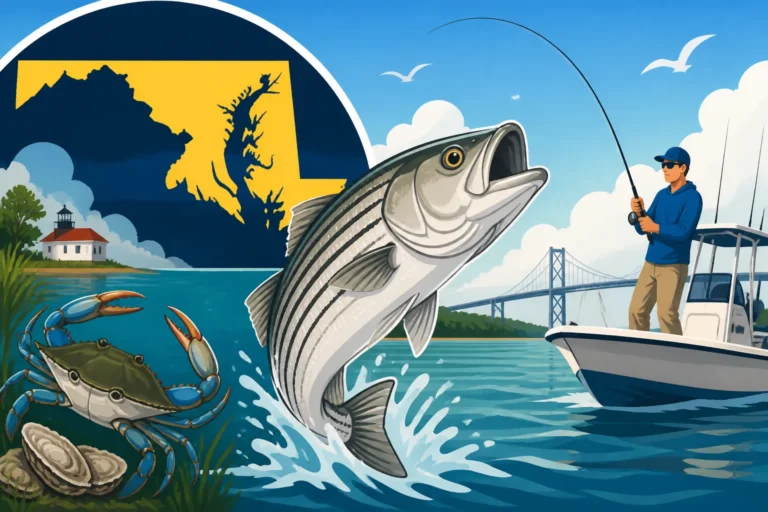
As you move further downstream towards the mouth of the Nanticoke, where it meets the main stem of the Chesapeake Bay, you start encountering more traditional saltwater species. Striped bass, affectionately known as rockfish in Maryland, are seasonal visitors. During their migratory periods in spring and fall, smaller "resident" striped bass can be found in the brackish reaches of the river, chasing baitfish. The Nanticoke offers excellent opportunities for light tackle jigging or casting soft plastics for these prized game fish during their runs. Flounder also move into the lower Nanticoke and its larger tributaries during the warmer months, often setting up ambush points near channel edges, oyster reefs, or other bottom structure. While not as abundant as in some coastal areas, a diligent angler can certainly find success targeting these delicious flatfish in the right spots. Understanding Maryland Striped Bass Season and Rockfish Rules is essential for any angler targeting rockfish.
Essential Techniques and Baits for Nanticoke Success
Fishing the Nanticoke is a nuanced affair, requiring anglers to adapt their tactics based on the specific section of the river they're in and the species they're pursuing. What works upstream for bass might not be effective downstream for catfish. It's all about matching the hatch and the habitat.
Freshwater Tactics: Lures and Live Bait for Bass and Pickerel
For largemouth bass and chain pickerel in the upper and middle river's freshwater sections, stealth and accuracy are often rewarded. Flipping and pitching jigs, Texas-rigged soft plastics, or creature baits into dense cover like lily pads, fallen trees, and weed lines are highly effective. Topwater lures like frogs or poppers can provide explosive strikes during low light conditions or over thick vegetation. Spinnerbaits and chatterbaits are excellent for covering water and triggering reaction bites. Live bait, such as shiners or minnows, can also be deadly when fished under a bobber or free-lined near structure. Remember that pickerel have sharp teeth, so a wire leader can save you from bite-offs. If you want to dive deeper into bass strategies, explore Largemouth Bass Fishing in Maryland.
Bottom Fishing Strategies for Catfish
Catfishing on the Nanticoke, particularly for the abundant blue and channel catfish, largely revolves around classic bottom fishing techniques. A simple rig consisting of a circle hook, a swivel, and an appropriately sized sinker (pyramid or egg sinkers are popular) is usually all you need. The key is bait. Blue catfish are opportunistic scavengers and will eat almost anything, but fresh cut bait like gizzard shad, menhaden, or even strips of white perch can be incredibly effective. Chicken livers, nightcrawlers, and commercially prepared stink baits also work well for both blue and channel cats. Look for deeper holes, channel edges, and areas with current, especially near structure like bridge pilings or submerged timber, where catfish often congregate. For specific bait recommendations, check out our guide on the Best Bait for Blue Catfish in Maryland Rivers.
Light Tackle for Perch and Panfish
When it comes to white perch, yellow perch, crappie, and sunfish, light tackle is the way to go. Small jigs (1/16 to 1/8 ounce) tipped with a small plastic grub, a piece of bloodworm, or a grass shrimp are irresistible to these eager biters. Sabiki rigs, which feature multiple small hooks with flashy teasers, are also incredibly effective when you find a school of perch. A bobber setup with a small hook and a piece of nightcrawler, minnow, or beetle spin is another classic method that consistently produces. Target areas with some current flow, such as creek mouths, docks, bridge pilings, and oyster beds, where these fish actively feed. A sensitive rod and reel combo will allow you to feel the subtle bites of these smaller but feisty fish.
Key Access Points and Navigational Tips
Getting on the Nanticoke River is relatively easy, but knowing the prime access points and understanding the river's navigational quirks will enhance your trip. Whether you prefer fishing from shore or launching a boat, there are options available.
Public Boat Ramps and Shoreline Access
The Nanticoke River and its tributaries offer several excellent public access points for anglers.
- Marshyhope Creek: A significant tributary, Marshyhope Creek, has a public boat ramp in Federalsburg, offering excellent access to freshwater bass and pickerel grounds.
- Vienna: The town of Vienna boasts a public boat ramp and some limited shoreline access, putting you in a prime position to fish the transitional zone where freshwater and brackish species converge.
- Sharptown: Further downstream, Sharptown provides another public ramp, ideal for reaching deeper, wider sections of the river.
- Bivalve/Tyaskin: In the lower river, the public ramp at Bivalve (near Tyaskin) offers excellent access to the main stem of the Nanticoke and its larger tributaries as it nears the Chesapeake Bay, making it a good spot for striped bass, flounder, and larger catfish.
- Salisbury (Wicomico River): While technically on the Wicomico River, a major tributary of the Nanticoke, the ramps in Salisbury offer excellent access to the Wicomico's productive waters, which share many of the same species and characteristics as the Nanticoke itself.
While shore access can be limited due to private property, many of these public ramps also offer some bank fishing opportunities, especially near the docks. Always respect private property and look for designated public fishing areas.
Navigating the Nanticoke's Channels and Obstacles
The Nanticoke River is generally navigable, but prudent boaters should always pay attention to navigation charts and be aware of potential hazards. The main channel is typically well-marked, but venturing into the extensive creek systems and shallow flats requires caution.
- Shallow Waters: Many of the smaller tributaries and backwater areas are extremely shallow, especially at low tide. This is fantastic habitat for fish, but can be problematic for prop-driven boats. Kayaks, canoes, and shallow-draft jon boats are ideal for these areas.
- Submerged Hazards: Be aware of submerged stumps, fallen trees, and old pilings, particularly in the upper and middle sections of the river. These can be prime fish habitat but also pose a risk to props and lower units.
- Tidal Influence: The lower and even mid-sections of the Nanticoke are significantly tidal. Always consult tide charts, as water levels can fluctuate several feet, exposing mud flats or making certain areas inaccessible at low tide. This tidal flow also dictates fish movement and feeding patterns.
Licensing and Regulations for Nanticoke Anglers
Navigating fishing licenses and regulations on the Nanticoke can be a bit confusing due to its unique blend of freshwater and tidal environments. Getting this right is crucial to avoid any unwelcome encounters with law enforcement. It's a common point of frustration for many anglers, but with a little clarity, it's quite manageable.
Understanding Tidal vs. Nontidal Licenses
The most critical distinction on the Nanticoke is often between a Maryland Nontidal vs Tidal Fishing License, Explained.
- Maryland Nontidal Fishing License: This license is required for fishing in the true freshwater sections of the Nanticoke River, typically upstream of Vienna, and certainly throughout its non-tidal tributaries. If you're targeting largemouth bass, pickerel, and panfish in these areas, this is the license you'll need.
- Maryland Bay & Coastal Sport Fishing License (Tidal): As you move downstream from Vienna, the Nanticoke becomes increasingly tidal and brackish. For fishing in these tidal waters, including the main stem and its tidal tributaries, you'll need a Maryland Bay & Coastal Sport Fishing License. This license covers you for species like striped bass, blue catfish, white perch, and flounder in these tidal zones.
Important Note: If you plan to fish both the upper freshwater reaches and the lower tidal sections, you might need both licenses, or consider a Consolidated Bay and Freshwater License if available, which streamlines the process. The lines can be blurry, so when in doubt, it’s always better to be covered. Our comprehensive Maryland Fishing License Guide for 2026 offers a deeper dive into all available options. Also, remember that if you are fishing in federal waters (ocean beyond 3 miles), you might also need a federal saltwater angler registration, though this is less likely to apply directly to Nanticoke River fishing.
Catch Limits and Special Regulations by Species
Beyond the license, each species has specific rules regarding size, creel limits (how many you can keep), and sometimes even specific seasons or gear restrictions. These regulations are designed to protect fish populations and ensure sustainable fishing for everyone.
- Striped Bass (Rockfish): These are perhaps the most regulated fish in Maryland. There are specific slot limits (e.g., 19-24 inches) and daily creel limits (often one fish per person), which can change seasonally and vary between the main Bay and ocean waters. Always check the latest DNR regulations before targeting them. Our Maryland Fishing Size and Catch Limits by Species resource can help clarify these often-complex rules.
- Blue Catfish: Maryland actively encourages anglers to harvest blue catfish due to their invasive status. There are currently no size or creel limits for blue catfish in Maryland waters, including the Nanticoke. This means you can keep as many as you want, of any size!
- Northern Snakehead: Like blue catfish, northern snakehead are an invasive species, and anglers are generally prohibited from releasing them alive back into the water. If you catch one, it's recommended to humanely dispatch it. Be sure to understand Maryland Snakehead Fishing Rules if you plan on targeting them.
- Other Species: White perch, yellow perch, crappie, largemouth bass, and chain pickerel all have specific size and daily creel limits. These are generally consistent statewide but can have special conditions for certain water bodies. Always consult the Maryland DNR website or their annual fishing guide for the most up-to-date information, or refer to our Maryland Daily Bag Limits by Species overview.
It's your responsibility as an angler to know and follow all current regulations. Ignorance of the law is not an excuse for violations.
| Species | Primary Habitat (Nanticoke) | Best Time of Year | Common Baits/Lures | Maryland License Type(s) | Typical Size Range (MD) |
|---|---|---|---|---|---|
| Largemouth Bass | Upper/Mid River (Freshwater) | Spring, Fall | Worms, Jigs, Spinnerbaits | Nontidal | 12-20 inches |
| Blue Catfish | Mid/Lower River (Tidal) | Year-round | Cut Bait, Chicken Liver | Tidal | 15-40+ inches |
| White Perch | Mid/Lower River (Tidal) | Spring, Summer, Fall | Bloodworms, Small Jigs, Sabiki | Tidal | 6-10 inches |
| Chain Pickerel | Upper/Mid River (Freshwater) | Spring, Fall, Winter | Shiners, Spoons, Jerkbaits | Nontidal | 15-25 inches |
| Striped Bass (Rockfish) | Lower River (Tidal) | Spring, Fall | Soft Plastics, Live Bait | Tidal | Varies by season/slot |
| Flounder | Lower River (Tidal) | Summer, Early Fall | Minnows, Squid, Gulp! | Tidal | 15-20 inches |
Planning Your Nanticoke Fishing Adventure
A little planning goes a long way when it comes to fishing the Nanticoke River. Considering the time of year, weather patterns, and whether you want to go solo or with a guide can drastically impact your experience. Nobody wants to drive all that way only to find out it's the wrong season for their target species!
Best Times of Year to Fish the Nanticoke
The Nanticoke River offers productive fishing opportunities throughout the year, but the "best" time really depends on what you're hoping to catch.
- Spring (March – May): This is arguably the most dynamic season. The white perch make their incredible spawning runs up the tributaries, providing fast action. Yellow perch runs are also strong. Largemouth bass and pickerel become very active as water temperatures rise, and the spring striped bass migration brings rockfish into the lower river. It's a fantastic time to target multiple species.
- Summer (June – August): While fishing can slow down in the heat of midday, early mornings and late evenings can be very productive. Blue catfish are abundant and active throughout the summer. Largemouth bass will be in deeper cover or feeding in low light. Flounder are present in the lower river. It's also a great time for panfish with light tackle. Just be mindful of the Maryland Fishing During the August Rockfish Closure rules if you're targeting striped bass.
- Fall (September – November): Fall offers another peak fishing season. Largemouth bass and pickerel go on a feeding frenzy before winter. Striped bass return to the lower river for their fall migration, often providing excellent topwater action. White perch fishing remains strong, and catfish continue to bite reliably.
- Winter (December – February): Don't discount the Nanticoke in winter! While many species slow down, blue catfish remain active, offering some of the best trophy opportunities as they feed heavily. Chain pickerel are also cold-water predators and can be very aggressive, especially on warmer winter days. Ice fishing, however, is not common on the tidal Nanticoke due to inconsistent freezing, though some small, protected nontidal ponds in the watershed might offer brief opportunities. For a broader perspective on seasonal fishing, our guide on the Best Time of Year to Fish in Maryland is a great resource.
Hiring a Local Guide or Charter
If you're new to the Nanticoke River, or simply want to maximize your chances of success and learn the nuances of the local waters, hiring a local fishing guide or charter is an excellent option. These professionals spend countless hours on the river and have an intimate knowledge of the best spots, current regulations, and effective techniques for various species.
A guide can:
- Locate Fish: They know where the fish are hiding based on season, tide, and recent patterns.
- Provide Gear: Most guides provide all the necessary rods, reels, and bait, saving you the hassle of bringing your own.
- Teach Techniques: They can offer valuable tips and instruction, improving your angling skills.
- Ensure Compliance: They are experts on local regulations, ensuring your trip is legal and worry-free.
When looking for a guide, consider using reputable platforms like FishingBooker, which lists numerous licensed captains and guides operating on the Nanticoke River and its surrounding waters. You can find guides specializing in everything from targeting trophy blue catfish to fly fishing for bass in the backwaters. A guide ensures you're set up for success, and you can even find specific "Nanticoke River Fishing Guides for Catfish" through services like FishingBooker, making it easier to plan your ideal trip. Whether it's a dedicated bass trip or a day chasing big blue cats, a local expert found via FishingBooker can make all the difference.
Disclaimer
Please be aware that fishing regulations, including licensing requirements, size limits, and creel limits, are subject to change. It is always the angler's responsibility to consult the latest Maryland Department of Natural Resources (DNR) official regulations before heading out on the water. This guide provides general information and should not be considered a substitute for official regulatory documents.