White Perch vs Yellow Perch in Maryland, What’s the Difference
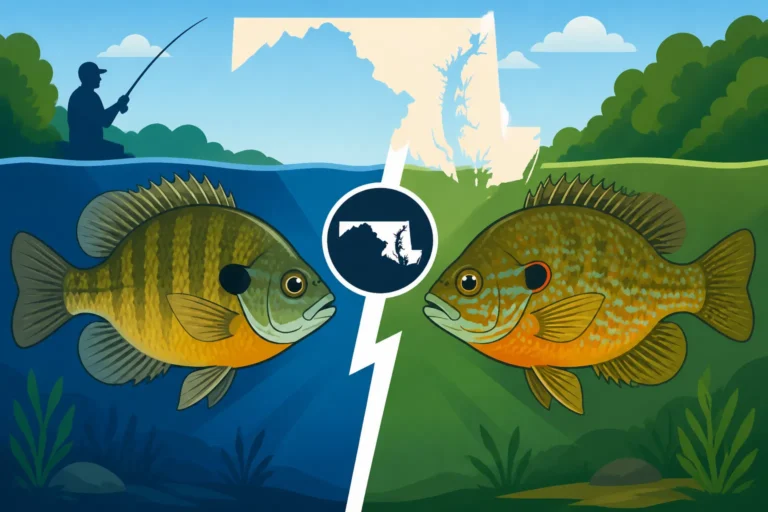
It’s a common scenario for anglers across Maryland: you’re out on the water, you feel that familiar tug, and when you reel in your catch, you’re left scratching your head. Is it a white perch or a yellow perch? While both are beloved panfish in our state, they have distinct characteristics, habitats, and even culinary reputations that can make telling them apart crucial, especially when you consider specific regulations or seasonal patterns. This guide will help you confidently identify white perch versus yellow perch, ensuring you're always in the know about your catch.
The Perch Puzzle: Why Anglers Get Them Confused
Maryland anglers often find themselves in a bit of a quandary when it comes to distinguishing between white perch and yellow perch. It’s not just a matter of casual observation; sometimes, the differences can be subtle, leading to genuine confusion, particularly for those new to fishing our diverse waters. The challenge is real, and it’s totally understandable why these two species can be mistaken for one another.
Overlapping Habitats and Seasons
One of the biggest reasons for the mix-up is that both white and yellow perch can, at times, be found in similar bodies of water, or at least in overlapping zones within Maryland's vast aquatic landscape. Think about the upper reaches of the Chesapeake Bay tributaries, for example. In early spring, you might find yourself casting into a creek that could hold both species, especially during their spawning runs. While white perch are generally more associated with brackish and saltwater, and yellow perch with freshwater, there's a certain overlap, particularly where tidal rivers meet their freshwater sources. This means that a single fishing trip could yield both, making identification on the fly a critical skill. White Perch Spawning Runs in Maryland Rivers are a prime example of where this overlap can occur, creating a "perch paradise" that's also a "perch puzzle" for many.
Similarities in Size and Shape
At first glance, both white perch and yellow perch share a generally similar panfish profile. They're both relatively small, schooling fish, often caught in numbers, and they possess that classic, somewhat oval, compressed body shape. If you're pulling them in quickly on a busy bite, it's easy to assume they're all the same. Their mouths are proportional to their bodies, and their fins, while having distinct features upon closer inspection, can appear quite alike when viewed casually in a bucket or from a distance. A typical catch might range from 6 to 10 inches for both species, making size not always a reliable indicator without a side-by-side comparison. For instance, How Big Do White Perch Get in the Chesapeake Bay? and How Big Do Yellow Perch Get in Maryland? show their size ranges can indeed overlap, adding to the confusion.
White Perch: The Chesapeake Bay's Versatile Staple
Ah, the white perch! For many Marylanders, this is the quintessential Chesapeake Bay panfish. They are abundant, feisty fighters on light tackle, and absolutely delicious. They’re a species that can really get new anglers hooked on fishing, and seasoned veterans return to them year after year for reliable action. You’ll find them almost everywhere in the Bay and its tributaries, making them a true staple of our local angling scene.
Identifying White Perch by Their Looks
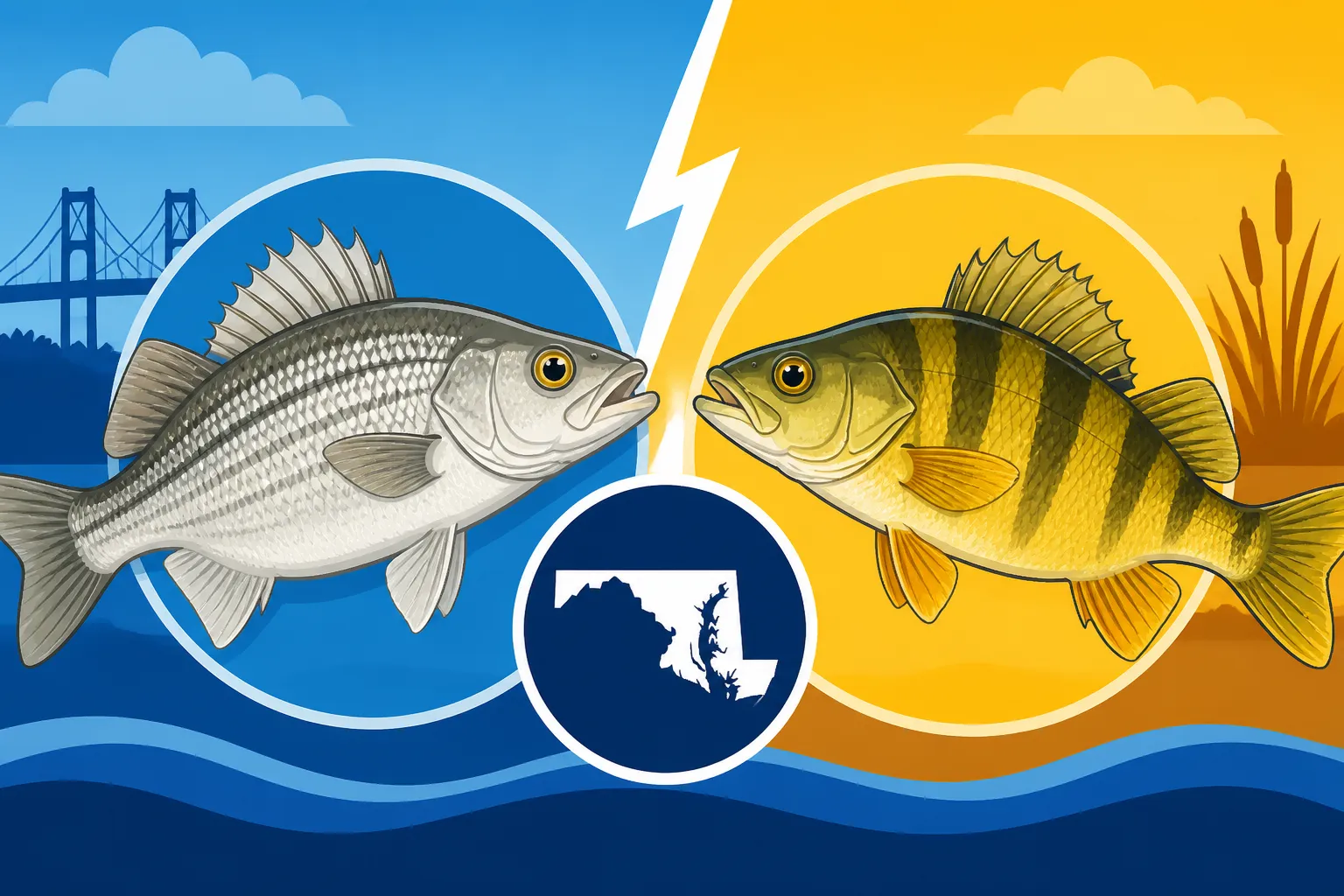
When you pull a white perch from the water, take a moment to really look at it. The first thing you'll notice is their coloration: they're typically a silvery-white on their belly, fading into a darker, often olive-green or grayish color on their back. What really sets them apart is the lack of distinct bars or stripes on their sides. They might have a faint, almost ghost-like banding, but it's never as pronounced as the bold, vertical stripes you'll see on a yellow perch or even a striped bass. Their body is generally deep and compressed, giving them that classic "panfish" look. Their dorsal fins are separated into two distinct parts – a spiny, rigid front section and a softer, rayed back section, which is a key characteristic of the Morone genus, to which they belong, alongside their larger cousin, the striped bass. If you're ever wondering How to Identify a Striped Bass vs a White Perch in Maryland, pay close attention to these fin details and overall body markings!
Where to Find White Perch in Maryland
White perch are incredibly adaptable, thriving in a wide range of aquatic environments. You'll primarily encounter them in the brackish and saltwater sections of the Chesapeake Bay and its tidal rivers. From the Susquehanna Flats down to the Potomac River, and all the smaller creeks and rivers that feed into the Bay, white perch are a common catch. They're often found around structure: piers, docks, oyster reefs, submerged pilings, and channel edges. Fishing Sandy Point State Park or Fishing Point Lookout State Park are classic examples of spots where you can reliably find them from shore or boat. They are also known to make impressive spawning runs far up into freshwater tributaries in the spring, making them accessible even to those without a boat. During the cooler months, they tend to move into deeper channels and holes, congregating in large schools.
White Perch Habits and Diet
White perch are opportunistic feeders, which is part of what makes them so much fun to catch. They'll eat just about anything that fits in their mouth: small minnows, grass shrimp, bloodworms, small crabs, and various aquatic insects. This varied diet means you can catch them on a wide array of baits and lures. They are schooling fish, often found in large aggregations, which can lead to incredible fast-paced action once you locate a school. They're particularly active during dawn and dusk, but can be caught throughout the day, especially if there's good current or structure to hold them. During the spring, their spawning migrations into freshwater creeks are legendary, offering some of the year's best fishing opportunities. Knowing What Water Temperature Triggers the White Perch Spawn? can help you time your trips perfectly for these exciting runs.
Yellow Perch: The Freshwater and Upper Bay Delicacy
The yellow perch is another beloved panfish in Maryland, highly prized for its delicious white, flaky meat. While they share the "perch" name, they are a distinctly different species from white perch, belonging to the true perch family (Percidae). They are often associated with cooler, clearer freshwater lakes and rivers, though they do make significant runs into the upper Chesapeake Bay tributaries in early spring. Targeting yellow perch is a specific pursuit for many anglers, known for their distinct beauty and excellent table fare.
Identifying Yellow Perch by Their Striking Features
When you encounter a yellow perch, the name itself gives away its most prominent feature: its vibrant coloration. They boast a striking golden-yellow body, adorned with 6 to 8 dark, vertical bars that extend from their back down to their belly. These bars are usually quite pronounced and easy to see, even in murky water. Their fins often have a reddish or orange tint, especially their pectoral and caudal (tail) fins, adding to their colorful appeal. Unlike white perch, yellow perch have two dorsal fins that are distinctly separated, but the first (spiny) dorsal fin typically has a darker blotch at its rear base, which is a subtle but consistent identifier. Their body shape is also somewhat more elongated compared to the deeper, more compressed white perch, though this can be harder to discern without a direct comparison.
Prime Yellow Perch Locations in Maryland
Yellow perch, while present in certain freshwater lakes and ponds across the state, are most famously targeted during their spectacular spawning runs in the upper Chesapeake Bay tributaries. Think of rivers like the Choptank, Nanticoke, and Chester on the Eastern Shore, or the Bush and Northeast rivers on the Western Shore. These tidal freshwater and slightly brackish reaches become prime real estate for yellow perch anglers in late winter and early spring. Lakes such as Deep Creek Lake in Western Maryland are also well-known for their healthy yellow perch populations, offering year-round opportunities, including ice fishing. Yellow Perch Runs in Maryland's Upper Chesapeake Bay are an annual highlight for many, drawing crowds to the prime locations. You might even find specialized gear for these runs on platforms like Amazon, from ultralight rods to tiny jigs.
Yellow Perch Habits and Preferences
Yellow perch are primarily freshwater fish, preferring cooler, clearer waters than their white perch cousins. Their diet consists of insect larvae, aquatic invertebrates, and small baitfish. Like white perch, they are schooling fish, and finding one often means finding many. Their feeding activity is often influenced by water temperature, with their most vigorous feeding occurring as the water warms slightly in spring and cools in the fall. They tend to stick closer to the bottom, often found near submerged vegetation, fallen trees, or drop-offs in lakes and rivers. During their spawning runs, they move far upstream into shallow, vegetated areas of rivers and creeks. Understanding Where Do Yellow Perch Spawn in the Upper Bay? is key to intercepting these migrating schools and enjoying some fantastic fishing.
Key Differences at a Glance: White vs. Yellow Perch
While both species offer excellent fishing and eating experiences, knowing how to tell them apart isn't just for bragging rights; it can impact how you fish and even how you interpret regulations. Let's break down the most striking differences you can observe on the water.
Distinctive Physical Characteristics
The easiest way to tell these two apart is by focusing on their visual cues. It's like comparing two cousins – they share some family traits, but they each have their own unique look.
| Feature | White Perch | Yellow Perch |
|---|---|---|
| Coloration | Silvery-white belly, olive-green/gray back; no bold bars | Golden-yellow body; 6-8 distinct, dark vertical bars |
| Dorsal Fins | Two distinctly separated fins; front spiny, rear soft | Two distinctly separated fins; often a dark blotch on front spiny fin |
| Body Shape | Deeper, more compressed (panfish-like) | More elongated, slender |
| Pectoral Fins | Typically clear or slightly dusky | Often reddish/orange tint |
| Mouth | Relatively small, terminal | Slightly larger, more pronounced |
Imagine holding them side-by-side: the white perch will look like a polished silver coin, while the yellow perch will be a vibrant, striped gold bar. The absence or presence of those bold vertical stripes is usually the dead giveaway. If you're struggling, feel their bodies. While subtle, the white perch often feels a bit more robust or "stocky" for its length, whereas the yellow perch feels a bit sleeker.
Habitat and Behavioral Differences
Beyond their looks, white and yellow perch prefer different addresses and behave in slightly different ways, which informs how and where you'll target them.
White perch are truly estuarine specialists. They thrive in brackish water, tolerating a wide range of salinity from nearly fresh to almost full ocean strength. This is why you catch them throughout the main stem of the Chesapeake Bay, its tidal rivers, and even out into the Atlantic coastal bays. They're often found hugging structure, like bridge pilings or oyster beds, using current breaks to ambush prey. Their schooling behavior can be intense; once you find a school, you can often catch them one after another.
Yellow perch, on the other hand, are more of a freshwater species at heart, though they tolerate lower salinities during their spawning migrations. Their prime habitats are clear, cooler freshwater lakes, ponds, and the upper, less saline reaches of tidal rivers. They are generally more sensitive to high salinity than white perch. Their behavior during spawning runs is highly anticipated, as they migrate upstream in significant numbers, often into shallow areas with vegetation, seeking specific conditions for reproduction. Unlike white perch, which are often caught year-round in various parts of the Bay, prime yellow perch fishing outside of lakes often revolves around these spring runs. If you want to dive deeper into their family, check out Maryland Panfish: Crappie, Perch and Sunfish for more on related species.
Fishing for Each: Tailoring Your Approach
Knowing the difference between white and yellow perch isn't just for identification; it should also influence your fishing strategy. While there's certainly overlap in techniques, optimizing your approach for each species can lead to more successful and enjoyable outings.
Techniques and Baits for White Perch
White perch are incredibly cooperative, making them a fantastic target for anglers of all skill levels. They respond well to a variety of tactics. Light tackle is key for maximum fun – think ultralight spinning gear with 4-6 pound test line. For bait, small pieces of bloodworm, grass shrimp, or even fish bites are usually irresistible. Many anglers use bottom rigs with two small hooks (size 4 or 6) tipped with bait, fished directly on the bottom or a foot or so off it. Small spinners, like a gold or silver Mepps or a tiny Kastmaster, are also highly effective, especially when cast and retrieved near structure or over oyster beds. Tiny jigs (1/16 to 1/8 ounce) tipped with a small plastic grub or a piece of Gulp! are another perennial favorite. Drifting over shell bottom or anchoring over a channel edge are classic white perch techniques. The sheer numbers you can catch sometimes require a quick release tool, which you can easily find on Amazon, along with plenty of bloodworms. If you're wondering Best Month to Catch White Perch in Maryland, spring and fall are often phenomenal.
Strategies for Targeting Yellow Perch
Targeting yellow perch, particularly during their spring runs, often requires a slightly different approach. While they can also be caught on bait, small artificial lures tend to be incredibly effective. Ultralight spinning gear is still the way to go. Crappie jigs, often 1/32 to 1/16 ounce, in chartreuse, white, or pink, are yellow perch magnets. Tipping these jigs with a small minnow or a piece of Gulp! crappie fry can further increase your success. Small spinners, like those mentioned for white perch, also work, as do tiny spoons. During their spawning runs, focus on slow-moving stretches of shallow water, often with submerged grass or woody debris. Casting upstream and letting your jig drift naturally with the current is a deadly technique. In lakes, targeting weed lines, drop-offs, and rocky structures with small crankbaits or blade baits can be productive. Knowing Best Month to Catch Yellow Perch in Maryland will lead you directly to those exciting spring runs in the tributaries.
Regulations and Conservation: Why It Matters to Know the Difference
Beyond the fun of identifying your catch, understanding the distinction between white and yellow perch is genuinely important for responsible angling. Maryland's fisheries management is dynamic, and regulations are in place for a reason: to ensure healthy populations for future generations. Not knowing the difference could inadvertently lead to violations or, more importantly, a misunderstanding of conservation efforts.
Maryland's Perch Regulations
Maryland DNR (Department of Natural Resources) manages fish populations to maintain ecological balance and ensure sustainable fishing. While both white and yellow perch are generally abundant, they can have different regulations, especially concerning seasons, creel limits (the number you can keep per day), and occasionally, size limits. For example, Maryland White Perch Daily Limit often allows for a generous number, reflecting their widespread abundance. However, Maryland Yellow Perch Season and Limit might have more specific rules, particularly during their concentrated spawning runs, to protect those critical breeding populations. These regulations can change, so it's always vital to consult the latest Maryland Fishing and Boating Guide or the DNR website before you head out. Understanding these nuances helps protect our valuable resources.
Protecting Our Perch Populations
Both white and yellow perch play crucial roles in Maryland's aquatic ecosystems. White perch are a vital forage species for larger predators like striped bass, bluefish, and even ospreys and eagles in the Chesapeake Bay. Yellow perch, especially in freshwater systems, are important members of the food chain, both as prey and as predators of smaller invertebrates. Overharvesting either species, particularly during their vulnerable spawning periods, could have ripple effects throughout the ecosystem. By understanding the differences, anglers can make informed decisions, respecting catch limits and seasons. Practicing catch and release, especially for larger breeding fish, is always a commendable practice, ensuring that these wonderful panfish continue to thrive for years to come. Remember, every angler has a role to play in conservation, and it starts with knowing your fish.
Disclaimer
This article is for general informational purposes only and does not constitute professional advice. Laws, prices and regulations vary by location and change over time. Consult a qualified professional for guidance on your specific situation.