What Is Rockfish Called Outside of Maryland?
It’s a common scenario: you’re chatting with an angler from out of state, excitedly telling them about your last "rockfish" trip on the Chesapeake Bay, only to be met with a blank stare. Or perhaps you’re planning a fishing vacation yourself and keep seeing references to "striped bass" when you’re looking for your beloved "rockfish." The confusion is real, and it can be frustrating when you're just trying to talk about the fish you love to catch. This guide will clear up the mystery, explaining what Marylanders affectionately call "rockfish" and what it's known as in other parts of the world, helping you bridge that communication gap and understand the superstar species no matter where you cast your line.
Why Marylanders Call it "Rockfish"
For anyone who's spent time fishing in Maryland, "rockfish" is more than just a name; it's a part of our identity, deeply intertwined with the history and culture of the Chesapeake Bay. It's the fish that stirs the soul, the one we chase in spring, summer, and fall, and the undisputed king of our waters. But why do we use this particular name when others don't?
A Deep-Rooted Tradition
The term "rockfish" isn't some recent invention; it's a moniker that stretches back generations, passed down through families and watermen alike. Before modern biological classifications were widely adopted, local names often reflected a fish's appearance, behavior, or habitat. For our beloved striped bass, its tendency to hold around rocky structures, jetties, and reefs in both the Bay and coastal waters likely led to the "rockfish" designation. Imagine the early colonists and Native Americans, observing these powerful fish congregating around submerged rocks or rocky shorelines. The name "rockfish" just made sense. It's a pragmatic, descriptive name that stuck, becoming part of the local lexicon long before any formal naming conventions arrived.
This local tradition is incredibly strong. If you walk into any tackle shop from North East to Point Lookout, or strike up a conversation with an old-timer at a marina, "rockfish" is the term you'll hear. It’s a point of pride, almost like a secret handshake among those who truly understand the magic of Maryland fishing. It speaks to a shared heritage and a deep respect for this iconic species that has sustained livelihoods and provided endless recreation for centuries. Trying to convince a lifelong Marylander to consistently call it a "striped bass" can feel like trying to rename the Bay itself – it just doesn't feel right in our mouths!
Official Recognition and Local Pride
While "rockfish" is deeply ingrained in our local culture, the state of Maryland itself has recognized its importance. It's not just a colloquialism; it’s enshrined in some official contexts too, even though the broader scientific name is acknowledged. The Maryland Department of Natural Resources (DNR), while often using "striped bass" in its formal regulations and scientific documents, will frequently use "rockfish" in public communications, press releases, and popular fishing guides, understanding that this is the language of its constituents.
This dual naming convention highlights the unique bond Marylanders have with this fish. It's the state fish, after all! This dual identity creates a bit of charming confusion for outsiders but makes perfect sense to us. When you're talking about Striped Bass: Maryland's State Fish, you're talking about the rockfish. We are proud of our "rockfish," and the name embodies our identity as a premier fishing destination. It's more than just a fish; it's a symbol of the health and bounty of the Chesapeake Bay, and a source of countless memories on the water.
The "Rockfish" by Any Other Name: Striped Bass
So, if it’s not always a "rockfish," what is it? The definitive, widely accepted common name for the species in question, the one you'll see in most scientific literature, government regulations outside of Maryland, and tackle company catalogs, is "striped bass."
The Scientific and Common Name
The species we affectionately call "rockfish" in Maryland is scientifically known as Morone saxatilis. Its universally accepted common name is "striped bass." This name is descriptive, referring to the prominent horizontal stripes that run along its silvery body, from gill plate to tail. This is the name you'll encounter from Maine down to the Carolinas, and on the West Coast where it was introduced.
Understanding this nomenclature is key when you're communicating with anglers from other states, buying specialized gear online (perhaps from a large retailer like Amazon, where product descriptions will almost exclusively use "striped bass"), or looking up national fishing reports. For instance, if you're trying to find information on Maryland Striped Bass Fishing Techniques or regulations, searching for "striped bass" will yield far more results globally than "rockfish." The consistency of "striped bass" makes it the lingua franca of fishing for this species across its entire range. It's a good habit to recognize both names, even if "rockfish" will always hold a special place in a Marylander's heart.
Understanding the Species: Morone saxatilis
Regardless of what you call it, the fish itself is an incredible creature. Morone saxatilis is an anadromous species, meaning it spends most of its adult life in saltwater but migrates to freshwater rivers to spawn. The Chesapeake Bay is the largest striped bass nursery area on the Atlantic coast, making it vitally important for the species' overall health. These fish are known for their powerful runs, broad shoulders, and tenacious fighting spirit, making them a favorite target for anglers with light tackle or heavy gear.
Their diet is quite varied, consuming everything from small baitfish like menhaden and alewives to crabs and squid, depending on their size and location. What Do Striped Bass Eat in the Chesapeake Bay? is a fascinating topic for any angler. They are opportunistic predators, often found lurking around structure, channel edges, or baitfish schools. Understanding their biology and behavior, rather than just their name, is what truly makes you a better angler. This knowledge allows you to anticipate where they might be, what they might be biting on, and how they react to different Maryland Striped Bass Fishing Techniques.
Regional Monikers and Local Flavor
While "striped bass" is the official common name, and "rockfish" is our beloved Maryland term, the truth is that local dialects and traditions across the United States have given this fish a rich tapestry of other names. It's part of the fun of fishing, discovering these regionalisms.
East Coast Variations
Along the Atlantic seaboard, where striped bass are native, you'll hear a variety of names, each with its own local flavor:
- Striper: This is probably the most common shortened version of "striped bass," especially prevalent in New England and the Mid-Atlantic states outside of Maryland. It's quick, easy, and everyone knows what you're talking about. You'll hear this spoken casually by anglers from New York to North Carolina.
- Linesider: Another popular term, particularly in New England, referring to those distinctive horizontal stripes. It evokes the image of a powerful, streamlined fish with clear markings.
- Squidhound: While less common today, some older New England anglers might use this, especially when referring to striped bass that are actively feeding on squid.
- Greenhead: This name is sometimes heard in coastal areas, describing larger, older striped bass, particularly those with a darker, sometimes greenish hue on their heads and backs.
- Chuck: A very old, somewhat archaic term, mostly found in historical texts or by very seasoned watermen.
Each of these names tells a small story about the fish and the people who pursue it. It’s a testament to how deeply ingrained this species is in the coastal communities up and down the Atlantic.
West Coast and Other Regions
Believe it or not, striped bass also have a significant presence on the West Coast, where they were introduced in the late 19th century. Anglers there primarily refer to them as:
- Striped Bass or Striper: These remain the dominant terms, echoing their East Coast origins. However, they are generally found in different habitats, often in bays, estuaries, and even some freshwater reservoirs.
- Linesider: You might also hear this term used by West Coast anglers, particularly those who have moved from the East or picked up the lingo.
Beyond the coasts, landlocked populations of striped bass (or hybrid striped bass, a cross between striped bass and white bass) are found in many large reservoirs across the country. In these areas, they are almost universally known as "striped bass" or "stripers," sometimes with the added "hybrid" designation to clarify their genetic makeup. When you're looking for specialized fishing tackle for these freshwater giants, you'll definitely be searching for "striped bass lures" on Amazon or at your local outdoor store, not "rockfish lures."
Here’s a quick overview of the most common names:
| Region | Common Names Used | Notes |
|---|---|---|
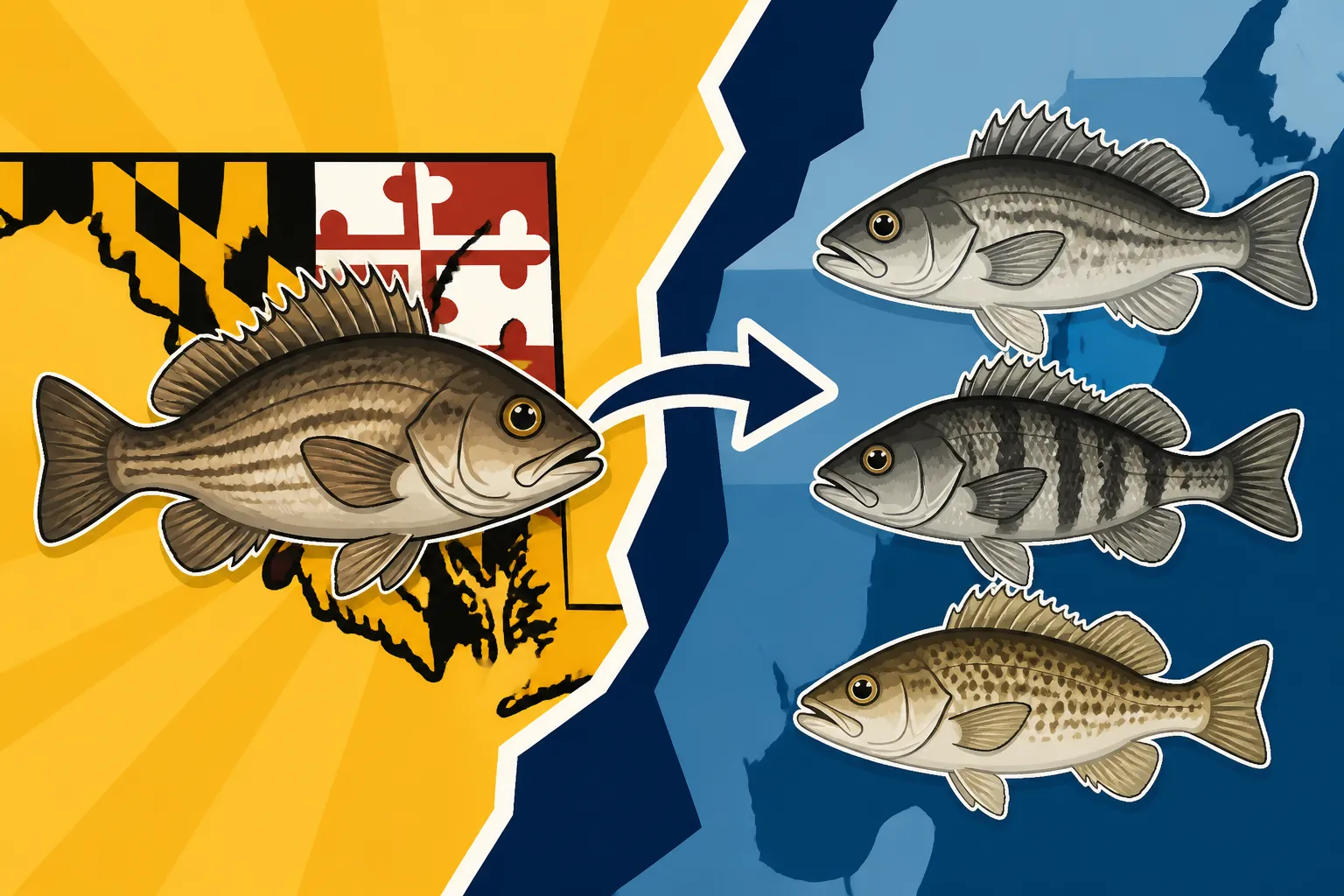
| Maryland | Rockfish, Striped Bass | "Rockfish" is the deeply traditional, most common local term. |
| New England (North) | Striper, Striped Bass, Linesider | "Striper" is very popular, especially for surf fishing. |
| Mid-Atlantic (South MD) | Striped Bass, Striper | "Striped Bass" becomes more prevalent the further south you go. |
| West Coast (Introduced) | Striped Bass, Striper | Primarily coastal bays and large reservoirs. |
| Inland Reservoirs | Striped Bass, Striper, Hybrid Striper (if applicable) | Often landlocked populations, frequently hybrids for stocking programs. |
Understanding these regional differences can save you a moment of confusion and help you connect with fellow anglers, no matter where they call home.
Beyond the Name: Understanding the Fish Itself
Regardless of whether you call it a rockfish, striper, or striped bass, the fundamental characteristics of Morone saxatilis remain the same. It's a magnificent game fish with a fascinating life history and specific preferences.
Habitat and Behavior
Striped bass are highly adaptable. In the Chesapeake Bay, they navigate a complex system of mainstem waters, tidal rivers, and shallow flats. During spring, they surge up rivers like the Choptank, Patuxent, and Susquehanna to spawn. This is a critical time for the species, and understanding Maryland's 2026 Striped Bass Season Dates and Maryland Spawning River Closures for Striped Bass is vital for ethical angling. After spawning, they disperse throughout the Bay, often following baitfish schools. In summer, they tend to move to deeper, cooler waters or seek out shaded areas and current breaks around structures like the Fishing Near the Chesapeake Bay Bridge pilings.
Come fall, as water temperatures drop, they become incredibly active, feeding aggressively in preparation for their winter migration. Many will head out of the Bay and join coastal migratory schools, heading south along the Atlantic Coast. Others, particularly larger fish, may overwinter in the deeper channels of the Bay. Their movements are largely dictated by water temperature, bait availability, and spawning instincts. Knowing these patterns, which are largely covered in guides like Best Time of Year to Fish in Maryland and How Tides Affect Fishing in Maryland's Chesapeake Bay, is far more important than what you call the fish.
Fishing for Striped Bass
Fishing for striped bass (or rockfish, as we say here!) can be an incredibly rewarding experience. These fish respond to a wide array of techniques and baits. Many anglers choose to use artificial lures such as soft plastics on jig heads, swimbaits, or topwater plugs, especially during morning and evening blitzes. Best Lure Colors for Jigging Chesapeake Bay Rockfish can make a huge difference. Trolling with bucktails, spoons, or umbrella rigs is also extremely effective, particularly for covering large areas or targeting fish holding in deeper water. For some, live-lining baitfish like spot or eels is the preferred method for trophy-sized fish, especially when they are lethargic in warmer waters. You can find a huge selection of all these lures and baits on Amazon.
Bottom fishing with cut bait or peeler crab is another classic approach, especially when fish are holding tight to structure or mud bottoms. And let's not forget fly fishing! The sheer power of a striped bass on a fly rod in the shallow waters of the Susquehanna Flats or an Eastern Shore creek is an unparalleled thrill. Whatever your preferred method, having the right gear, from a sturdy rod and reel to a quality fishing line, will enhance your experience. Consider browsing options online from major retailers like Amazon to ensure you have everything you need before your next trip.
Remember, always consult current regulations for Maryland Fishing Size and Catch Limits by Species and specific zones, as these can change to protect the species. For example, Maryland's Striped Bass Slot Limit and What Counts as Legal is critical to understand before keeping any fish.
Conservation Efforts
The striped bass population, like many popular game fish, faces ongoing challenges. Overfishing in the past led to significant declines, prompting strict regulations and concerted conservation efforts. In Maryland and across its range, fisheries managers continually monitor the health of the stock, adjusting catch limits, seasons, and minimum sizes to ensure a sustainable future for this iconic species. Anglers play a crucial role in these efforts by adhering to regulations, practicing catch and release when appropriate, and reporting any violations.
Many anglers actively participate in conservation by using barbless hooks, minimizing handling time, and educating others about responsible fishing practices. Organizations like the Coastal Conservation Association (CCA) are at the forefront of advocating for sound management policies. Every time you head out on the water, you're part of this larger conservation story, helping to ensure that future generations can enjoy the thrill of catching a "rockfish" – or "striped bass" – in Maryland and beyond.
Disclaimer
This article is for general informational purposes only and does not constitute professional advice. Laws, prices and regulations vary by location and change over time. Consult a qualified professional for guidance on your specific situation.