Fishing Point Lookout State Park
Finding that perfect fishing spot where the history runs deep and the waters truly teem with life can feel like searching for a hidden treasure, especially with so many great options in Maryland. Many of us have spent countless hours poring over maps, trying to figure out where the Potomac River truly meets the Chesapeake Bay, and what that unique confluence means for our fishing prospects. This guide aims to clear up that confusion, offering a comprehensive look at what makes Point Lookout State Park an angler's paradise and how you can make the most of your trip, from the iconic fishing pier to the subtle currents along the shoreline.
Understanding Point Lookout State Park's Unique Fishing Appeal
Point Lookout State Park, nestled at the very southern tip of Maryland, isn't just another scenic waterfront; it's a convergence point where the mighty Potomac River empties into the vast Chesapeake Bay. This geographical feature creates a truly dynamic and diverse fishing environment that seasoned anglers and beginners alike find incredibly appealing. The historical echoes of Civil War encampments and steamboat landings fade into the rhythmic lapping of waves, making it a place where you can connect with nature and history simultaneously.
Historical Significance and Diverse Waters
The land at Point Lookout has witnessed centuries of human activity, from Native American settlements to its pivotal role as a Civil War prison camp and later a popular resort destination. This rich history imbues the park with a certain gravitas, but for anglers, its true significance lies in its unique aquatic geography. Here, you're not just fishing a river or a bay; you're fishing a transition zone. The brackish waters, influenced by both freshwater flow from the Potomac and saltwater tides from the Chesapeake, create an ecological melting pot where a wide array of fish species thrive. This mixing of waters brings in different nutrient levels, varying salinity, and unique current patterns, all contributing to a vibrant fishery that constantly changes with the seasons. It's truly a microcosm of what makes fishing in Maryland so special.
Why Point Lookout Stands Out for Anglers
What truly sets Point Lookout apart from other fishing destinations in Maryland is this incredible biodiversity and the variety of fishing opportunities it presents. You can be casting into the open Bay from the pier, targeting species that prefer deeper, more saline waters, or you can turn your attention to the calmer, more brackish Potomac side, where different fish hold court. The park offers both deep-water access and shallow-water flats, making it suitable for multiple techniques, from bottom fishing with natural bait to casting artificial lures for predatory species. The access is fantastic, whether you're bringing a small jon boat, a kayak, or just your trusty surf rod and a bucket of bait. It’s not uncommon to see families enjoying a relaxed day catching panfish right alongside dedicated anglers chasing bigger game, a testament to its broad appeal. Many anglers find it's one of the best spots for Fishing Point Lookout State Park's Jetty, offering both accessibility and prime fishing conditions.
Common Challenges and How to Overcome Them
While Point Lookout offers immense rewards, it's not without its challenges. The primary hurdle for many anglers is the weather and its direct impact on water conditions. Being at the mouth of a large river and on the open Bay means you're exposed to wind, strong currents, and rapid changes in conditions. A beautiful calm morning can quickly turn into a choppy, windy afternoon, making casting difficult and stirring up sediment. Furthermore, the convergence of waters means understanding tidal flows and their effect on fish behavior is paramount.
To overcome these, always check the marine forecast before you go, paying close attention to wind speed and direction. Local weather apps and marine weather sites are your best friends here. For tides, learn to "read" the water and anticipate how incoming or outgoing tides might position fish or carry bait. Having a range of tackle to adapt to different conditions is also smart – lighter rigs for calm days and heavier setups to cut through wind and current. Don't be afraid to switch spots within the park if one area isn't producing; the Potomac side might be calm when the Bay side is rough, or vice versa. Layers of clothing are also non-negotiable, as conditions can change quickly.
Key Fishing Spots and Access Points at Point Lookout
Point Lookout State Park offers a fantastic array of fishing access points, each with its own character and target species. Knowing where to cast your line can make all the difference, transforming a decent day into a truly memorable one.
The Iconic Fishing Pier and Jetty
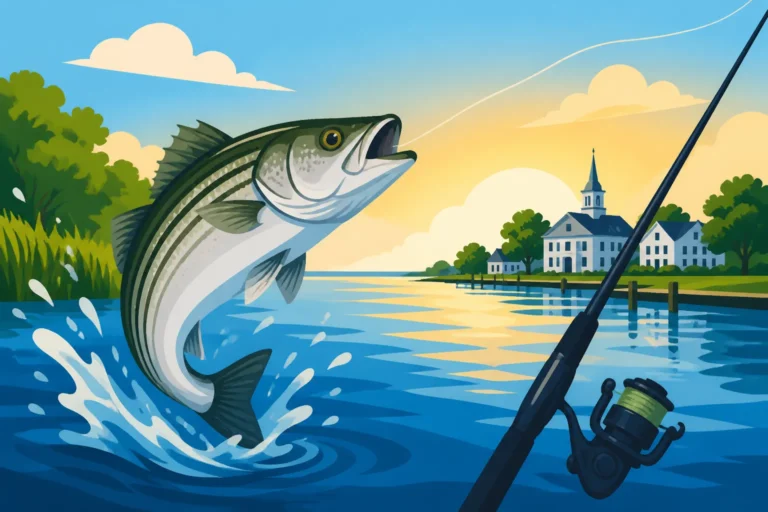
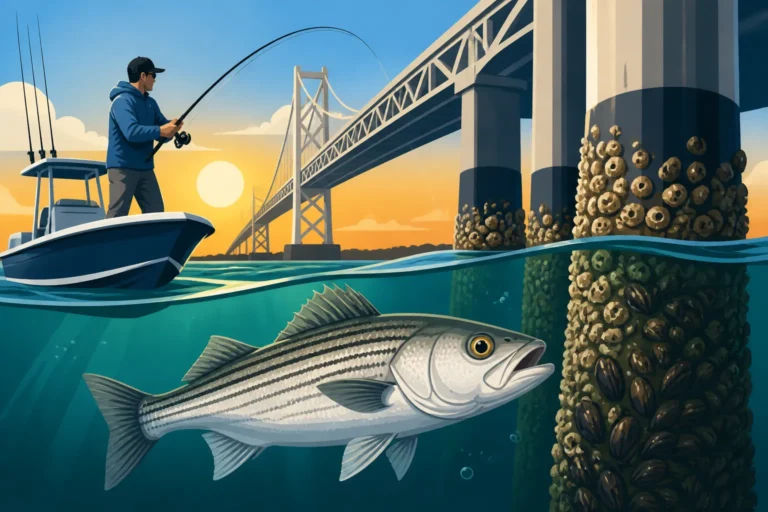
The fishing pier at Point Lookout is arguably the most popular spot in the entire park, and for good reason. It extends a significant distance into the Chesapeake Bay, offering anglers access to deeper waters than they might otherwise reach from shore. This means you can target a broader range of species, from various bottom fish like croaker, spot, and flounder to pelagic species like bluefish and even striped bass (rockfish) when they're running. The pier is a communal spot, often bustling with activity, and it's a great place to learn from experienced anglers.
Adjacent to the pier is the historic jetty, a rugged stone structure that breaks the waves and creates excellent habitat for baitfish, which in turn attracts larger predators. Fishing from the jetty requires more agility and careful footing due to the uneven rocks, but it can be incredibly productive. The cracks and crevices along the jetty provide cover for crabs and small fish, making it a prime ambush point for striped bass and tautog. When using the jetty, remember safety first: wear appropriate footwear with good grip and be mindful of slippery surfaces, especially at high tide or after rain. Many anglers consider this spot when looking into Do You Need a License to Fish From a Maryland Pier?, and for the most part, a Maryland fishing license is indeed required.
Bay Side and River Mouth Fishing
Beyond the immediate vicinity of the pier and jetty, the park offers extensive shoreline access on both the Chesapeake Bay side and towards the mouth of the Potomac River. The Bay side, while more exposed, can be fantastic for surf fishing, especially during migratory runs. Think about casting for striped bass, bluefish, and even red drum during specific seasons. The waves here often bring baitfish close to shore, and anglers using conventional surf casting techniques can do very well. You'll want sturdy rods and reels capable of long casts, often rigged with fish-finder rigs or high-low rigs.
As you move towards the Potomac River mouth, the waters become calmer and slightly less saline, creating a different fishing experience. This area is excellent for targeting species that prefer a mix of fresh and salt, such as white perch and channel catfish, as well as blue catfish, an invasive species that thrives here. Kayak anglers especially love this section for its calmer waters and opportunities to explore shallower coves and marshy areas where fish might hide. The Potomac side can also be a great refuge when the Bay side is too rough, offering consistent action even in less-than-ideal conditions. For those exploring different license options, understanding the Maryland Nontidal vs Tidal Fishing License, Explained is crucial for these varied waters.
Surf Fishing the Potomac River Shoreline
While the Bay side gets a lot of attention for traditional surf fishing, don't overlook the Potomac River shoreline within Point Lookout State Park. This area, particularly the stretch leading away from the historical lighthouse, offers unique surf fishing opportunities. The currents here are influenced more by the river's outflow and the daily tides, rather than the broad swells of the open Bay. This can mean calmer conditions, which are ideal for lighter tackle or for targeting species that prefer less turbulent waters.
Anglers here often find success with bottom fishing rigs for white perch, spot, croaker, and various catfish species. During their spawning runs, you might even encounter yellow perch moving into the lower river. The advantage of the Potomac shoreline is that it often provides a more relaxed fishing experience, especially for families or those new to surf casting. The bottom is generally sandy with some scattered shell beds, making it easy to cast without getting snagged constantly. Just be mindful of boat traffic, especially during peak recreational seasons, and respect other park users enjoying the beaches. It's a great spot to practice your casting techniques or simply enjoy a peaceful day by the water.
Target Species and Seasonal Opportunities
One of the most exciting aspects of fishing Point Lookout State Park is the sheer variety of fish you can encounter throughout the year. The park's unique location ensures a dynamic fishery, with different species moving through with the changing seasons. Knowing what to target and when can dramatically improve your success.
Springtime Action: Perch Runs and Early Rockfish
Spring at Point Lookout is a time of awakening, both for nature and for the local fish populations. As water temperatures begin to rise, two species, in particular, become prime targets: white perch and early striped bass, locally known as rockfish. The white perch will make their annual spawning runs into the shallower creeks and tributaries that feed into the lower Potomac, but significant numbers can still be caught right off the Point Lookout pier or along the Potomac shoreline as they stage before or after their upstream migrations. Light tackle with small jigs, spinnerbaits, or bait like bloodworms and grass shrimp are incredibly effective. It's a fantastic time for consistent action, often yielding dozens of tasty panfish. Many anglers specifically look for White Perch Spawning Runs in Maryland Rivers to time their trips.
The spring also marks the arrival of the first significant pushes of striped bass. These early-season fish, often referred to as "trophy rockfish," are making their way up the Bay to their spawning grounds. While specific regulations on keeping trophy fish apply and seasons can be very tight, catch-and-release opportunities for these larger fish can be exceptional from the pier or by boat near the Point. Later in spring, after the spawning closures, smaller resident rockfish become more active and are a consistent target from shore and pier, often biting on cut bait or artificial lures like soft plastics and bucktails. Staying up-to-date on the Maryland Striped Bass Season and Rockfish Rules is absolutely essential.
Summer Bounty: Bottom Fish and Inshore Delights
Summer at Point Lookout brings warmer waters and a diverse array of bottom-dwelling and inshore species. This is prime time for family fishing trips, as the action can be steady and varied. Croaker, spot, and flounder become abundant, particularly around the pier and jetty. These species are often caught using bottom rigs baited with pieces of peeler crab, bloodworms, or squid. The delicious taste of fresh croaker or spot makes them highly sought after.
Beyond the traditional bottom fish, summer also sees a strong presence of bluefish, which are aggressive fighters and fantastic fun on medium tackle. They'll readily hit metal spoons, topwater plugs, and cut bait. Another species that really comes alive in the summer is the invasive blue catfish. These hard-fighting fish are plentiful in the lower Potomac and can grow to impressive sizes. They'll take almost any cut bait, with fresh chunks of gizzard shad or perch often being irresistible. Targeting blue catfish isn't just great sport; it also helps control an invasive population, making it a win-win. If you're considering a guided trip to maximize your summer catch, particularly for species like flounder or bluefish, checking out options on FishingBooker can provide a great selection of local charters that know these waters intimately.
Fall Frenzy: Striped Bass and Migratory Species
As the cooler air of autumn sweeps across Maryland, Point Lookout truly shines as a fishing destination, especially for those chasing striped bass. The fall run sees massive schools of striped bass migrating down the Chesapeake Bay, gorging themselves on baitfish before heading to the ocean for winter. This is when some of the most exciting fishing of the year occurs. Anglers casting from the pier, jetty, or surf can experience incredible action, often using larger soft plastics, plugs, or live bait like eels or spot. Trolling from a boat in the deeper channels nearby is also incredibly effective.
Beyond striped bass, fall brings other migratory species through the area. Larger bluefish often make a final push through the Bay, providing exhilarating battles. You might also encounter red drum, especially on the more open Bay side, hitting cut bait or large soft plastic baits. Even the bottom fishing can remain productive well into the fall, with larger croaker and flounder lingering before they move to deeper, warmer waters. This season is often considered the Best Time of Year to Fish in Maryland for many anglers, and Point Lookout exemplifies why. Always keep an eye on the specific Maryland Fishing Size and Catch Limits by Species which can change annually.
| Season | Primary Target Species | Secondary Species (Common) | Best Locations | Typical Baits/Lures | Notes |
|---|---|---|---|---|---|
| Spring | White Perch, Striped Bass (early/trophy) | Channel Catfish, Yellow Perch | Pier, Potomac Shoreline, Jetty | Bloodworms, Grass Shrimp, Small Jigs, Cut Bait | Focus on runs in early spring. Check rockfish regulations carefully. |
| Summer | Croaker, Spot, Bluefish, Blue Catfish | Flounder, Striped Bass (resident) | Pier, Jetty, Potomac Shoreline, Bay Side | Squid, Peeler Crab, Cut Bait, Metal Spoons, Plugs | Great for families, consistent action. Invasive blue catfish are plentiful. |
| Fall | Striped Bass (migratory), Bluefish | Red Drum, Larger Croaker, Flounder | Pier, Jetty, Bay Side, Deeper Channels (boat) | Large Soft Plastics, Plugs, Live Spot/Eels, Cut Bait | "Fall Run" is prime time for trophy rockfish and aggressive bluefish. |
| Winter | White Perch, Yellow Perch, Pickerel | Channel Catfish, Striped Bass (catch/release) | Deeper pockets of Potomac, Protected coves | Small Jigs, Minnows, Worms, Blade Baits | Slower action, but dedicated anglers can find good numbers in sheltered areas. |
Essential Gear and Techniques for Point Lookout Anglers
To truly enjoy the diverse fishing opportunities at Point Lookout, having the right gear and understanding effective techniques is crucial. You don't need to break the bank, but being prepared for different scenarios will make your trip far more productive and enjoyable.
Rod and Reel Setups for Diverse Fishing Styles
Given the variety of species and fishing environments at Point Lookout, a versatile rod and reel selection is a smart move. For pier and bottom fishing, a medium to medium-heavy spinning combo (7-8 feet, capable of casting 1-4 ounces) is a workhorse. Spool it with 15-20 lb monofilament or braided line for strength and sensitivity. This setup handles croaker, spot, flounder, and smaller striped bass with ease. It's also suitable for casting lighter artificials.
If you plan to specifically target larger striped bass or venture into the surf, a dedicated surf rod (9-12 feet) paired with a robust spinning reel (5000-8000 series) and 30-50 lb braided line is ideal. This allows for long casts with heavier weights (3-6 ounces) to reach fish holding further out in the Bay or in stronger currents. For those exploring the calmer Potomac side from a kayak or small boat, a lighter medium-action rod (6.5-7 feet) with 10-15 lb line is perfect for casting jigs or small spinnerbaits for white perch, crappie, and smaller bass. Having a few different setups lets you adapt quickly without having to re-tie every time you change your target species or location.
Baits and Lures That Get Bites
The bait you choose can make or break your day at Point Lookout. For bottom fishing on the pier or Bay side, live bloodworms, grass shrimp, and fresh peeler crab are gold. Squid strips are also a versatile and readily available option that many species will hit. For the Potomac side, especially for white perch and catfish, earthworms, nightcrawlers, and small pieces of cut bait (like pieces of spot or alewife) are very effective. Invasive blue catfish are not picky and will often devour large chunks of fresh cut bait.
When it comes to artificial lures, soft plastic swimbaits (3-6 inches) on jig heads (1/4 oz to 1 oz) are incredibly versatile for striped bass, bluefish, and even large perch. Popular colors include chartreuse, pearl, and white. Bucktail jigs (1/2 oz to 2 oz) dressed with a curly tail or Gulp! grub are also highly effective, especially when jigged near the jetty or pier pilings. For aggressive bluefish and active striped bass, metal casting spoons or topwater poppers can provide explosive strikes, especially during the fall run. Don't forget small spinnerbaits or Beetle Spins for white perch in the shallows.
Navigating Tides and Currents
Understanding the tides and currents at Point Lookout is not just helpful; it's absolutely critical for consistent success. Being at the confluence of the Potomac and the Chesapeake Bay means you're dealing with complex current patterns that can drastically influence where fish feed and hold. Generally, the outgoing tide (when water is flowing out of the Potomac and the upper Bay) can be excellent, as it flushes baitfish and nutrients out into the main channels and structures where predatory fish lie in wait. The incoming tide, pushing bait and ocean water into the Bay, can also be very productive, especially around the jetty or pier pilings.
However, it's not just about high or low tide; it's about the movement of the water. The periods of slack tide, right at the peak of high or low tide when the water is relatively still, often see a lull in activity. Fish tend to be most active during the strong tidal flows. Pay attention to local tide charts specifically for Point Lookout or nearby St. Mary's River. Observing how the current moves around the pier and jetty will give you clues as to where fish might be positioning themselves to ambush bait. Adjust your weight and presentation to allow your bait or lure to drift naturally with the current, rather than being dragged against it unnaturally. For a deeper dive into this, check out How Tides Affect Fishing in Maryland's Chesapeake Bay.
Navigating Regulations and Staying Safe
A great day of fishing starts with knowing the rules and prioritizing safety. Point Lookout, like all Maryland fishing destinations, operates under specific regulations designed to protect fish populations and ensure public safety. Being informed helps avoid fines and keeps everyone safe.
Understanding Maryland Fishing Licenses and Park Rules
First and foremost, virtually all fishing in Maryland waters requires a valid fishing license. This holds true for Point Lookout State Park, whether you're casting from the pier, the shoreline, or from a boat. Maryland offers both annual and shorter-term licenses (like 7-day or 3-day non-resident options), so choose what best fits your trip duration. You'll need either a Maryland Bay & Coastal Sport Fishing License or a Nontidal Fishing License, depending on where exactly you plan to cast your line within the park. Given the park's location where tidal and non-tidal influences meet, it's often wise to have a license that covers both, or a consolidated license. You can purchase these easily online through the Maryland Department of Natural Resources (DNR) website or from authorized local vendors. For a detailed breakdown, consult the Maryland Fishing License Guide for 2026.
Beyond state fishing licenses, remember that Point Lookout is a state park, which means there are also park-specific rules. These usually involve operating hours, designated fishing areas, waste disposal, and sometimes restrictions on bait or gear within certain zones. Always check the official Maryland DNR website or the park's bulletin boards for the most current regulations. Respecting catch and size limits for each species is not just law; it's crucial for the sustainability of our fisheries.
Safety First: Weather, Tides, and Local Hazards
Fishing in an exposed location like Point Lookout means being acutely aware of your surroundings and prioritizing safety. The weather can change rapidly. A calm morning can give way to strong winds and choppy conditions very quickly, especially on the Chesapeake Bay side. Always check the marine weather forecast before you go and throughout your day. If thunderstorms are predicted, it’s best to err on the side of caution and pack up.
Tides and currents are powerful forces here. If you're wading, be extremely careful, as strong currents can sweep you off your feet. The jetty, while productive, can be slippery with algae and uneven rocks, especially at high tide. Wear appropriate footwear with good grip and consider a life jacket if you're fishing from the jetty or any other potentially exposed area. If boating, ensure all safety gear (life jackets, flares, sound-producing devices) is on board and in good working order. Also, be mindful of boat traffic, particularly during peak seasons. Lastly, bring plenty of water, sunscreen, and bug spray, especially during warmer months.
Respecting the Environment and Fellow Anglers
One of the cornerstones of responsible angling is respect – respect for the environment and respect for your fellow anglers. Point Lookout State Park is a beautiful natural resource, and it's our collective responsibility to keep it that way. Always pack out everything you pack in, and perhaps even a little more. Dispose of all fishing line, bait containers, and other trash properly. Monofilament line in particular can be deadly to wildlife, so make sure none is left behind.
When fishing on the pier or jetty, be mindful of others around you. Give people adequate casting room, and if you're snagged or have a fish on, communicate clearly to avoid tangles. If you’re playing a large fish, let others know so they can reel in temporarily. If you're fishing near boaters, give them space, and vice-versa. Practicing catch and release, especially for species like striped bass when outside of legal harvest windows, should be done with care to ensure the fish has the best chance of survival. Always wet your hands before handling fish you plan to release, and minimize their time out of the water. For more on safe release, look into Maryland Catch and Release Rules During Closed Seasons.
Beyond the Jetty: Exploring Nearby Waters
While Point Lookout State Park offers an incredible amount of fishing opportunities, the surrounding lower Potomac River and Chesapeake Bay region are equally rich in potential. Exploring these nearby waters can expand your horizons and offer different experiences, especially if you're willing to venture a bit further by boat or with a guide.
Fishing the Lower Potomac River
The lower stretches of the Potomac River, particularly as it broadens before meeting the Chesapeake, are a fantastic fishery in their own right. These waters are heavily influenced by the Bay's tides but still retain some of the characteristics of a large river. This creates prime habitat for a mix of freshwater-tolerant and brackish-water species. Blue catfish truly thrive here and can be targeted with great success using heavy tackle and cut bait. You'll also find abundant channel catfish, white perch, and largemouth bass in certain areas, particularly closer to the mouths of creeks and tributaries.
Boaters can explore extensive marshy shorelines, submerged grass beds, and channel edges that hold fish. Kayak anglers find this area particularly rewarding due to the calmer conditions compared to the open Bay. Popular spots along the lower Potomac include various creek mouths, old pilings, and bridge structures. Fishing the Potomac for blue catfish has become a popular endeavor, and for good reason, as they are often abundant and aggressive. You can find out more about this at Fishing the Potomac for Blue Catfish.
Nearby Chesapeake Bay Tributaries
Just a short drive or boat ride from Point Lookout, you'll find numerous other tributaries flowing into the Chesapeake Bay, each offering unique fishing opportunities. Rivers like the Patuxent River to the north and the St. Mary's River to the west of Point Lookout provide a diverse fishing landscape. These rivers are excellent for targeting white perch, yellow perch during their spring runs, and striped bass. They also offer calmer, more protected waters than the open Bay, making them ideal for smaller boats or kayak fishing on windy days.
The Patuxent River, in particular, is a large and storied fishery, known for its strong white perch populations, excellent striped bass fishing, and even opportunities for species like speckled trout in its lower reaches. The St. Mary's River, a bit smaller, is famous for its blue crabs but also holds good numbers of white perch and striped bass. Exploring these rivers allows you to experience the vastness and variety of Maryland's Chesapeake Bay fishery, each bend in the river potentially holding a new angling adventure. Knowing the Maryland Chesapeake Bay Sport Fishing License Explained will cover you for these broader tidal waters.
Considering a Charter for Deeper Waters
While shore and pier fishing at Point Lookout can be incredibly rewarding, sometimes the best way to experience the full potential of the lower Chesapeake Bay and Potomac River is by booking a fishing charter. A charter captain, with their intimate knowledge of the local waters, current conditions, and fish movements, can put you on fish that are inaccessible from shore. They typically provide all the necessary gear, bait, and often even handle the fish cleaning, allowing you to focus purely on the fishing experience.
Charters from nearby ports like Solomons Island or even closer to Point Lookout often target larger striped bass, bluefish, flounder, and sometimes even species like red drum or black drum in the deeper channels and around specific structures that you can't reach otherwise. If you're interested in a full-day offshore experience targeting tuna or mahi-mahi, Ocean City charters would be your best bet, but for excellent inshore and Bay fishing, a local charter from the lower Bay region is fantastic. Websites like FishingBooker are excellent resources for finding and booking reputable charter captains in the area, offering a wide range of options from half-day trips to specialized trophy hunts. It’s an investment, but for many, the knowledge gained and the potential for a trophy catch makes it well worth it. Before booking, consider what's included by looking at What to Bring on a Maryland Fishing Charter.
Disclaimer
Fishing regulations and conditions in Maryland can change frequently due to conservation efforts, environmental factors, and seasonal adjustments. While we strive to provide the most accurate and up-to-date information, it is always your responsibility to consult the official Maryland Department of Natural Resources (DNR) website or the current Maryland Fishing Guide for the latest regulations, license requirements, and safety advisories before heading out on your fishing trip.