Yellow Perch Runs in Maryland’s Upper Chesapeake Bay
There's a special kind of excitement that ripples through the Maryland angling community each late winter and early spring, and if you've ever felt the frustration of hearing about epic fishing days after they've happened, you know exactly what I mean. We're talking about the eagerly anticipated yellow perch runs in the Upper Chesapeake Bay. This guide is dedicated to equipping you with all the knowledge you need to not just find, but truly thrive in these incredible, fleeting opportunities, ensuring you're ready to intercept those elusive yellow-bellied beauties.
Understanding the Yellow Perch Run Phenomenon in Maryland
The yellow perch run isn't just a casual gathering of fish; it's a natural spectacle driven by an ancient, instinctual urge. For anglers in Maryland, it's one of the first true signs that spring is on its way, bringing with it some incredibly rewarding fishing. But what exactly is happening, and why does it matter so much to us?
What Is a Yellow Perch Run?
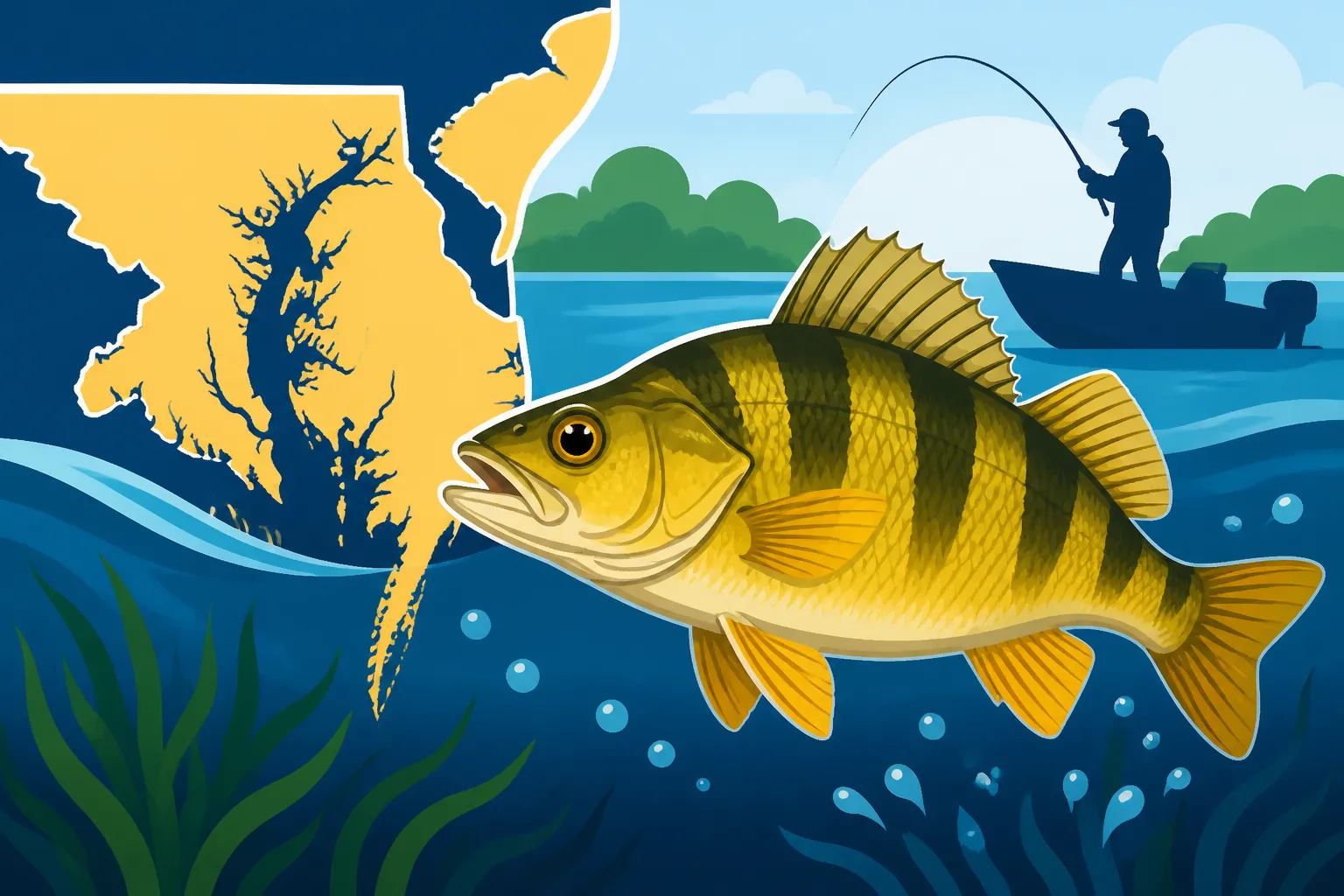
Imagine thousands upon thousands of fish, driven by the primordial need to reproduce, migrating en masse from their deeper wintering grounds up into the shallower, warmer, and often tidal, freshwater tributaries of the Upper Chesapeake Bay. That, my friends, is a yellow perch run. These fish, recognizable by their distinctive golden-yellow bodies and dark vertical bars, are seeking out specific conditions to lay their ribbon-like strands of eggs. It's a sprint against time, and it creates a feeding frenzy as they bulk up for the journey and then recuperate. For us anglers, it means a concentrated population of hungry fish, often willing to bite at a variety of offerings. It's a fantastic opportunity, whether you're chasing dinner or just the thrill of consistent action. If you've ever wondered How Big Do Yellow Perch Get in Maryland?, during these runs, you often encounter some of the larger, egg-laden females, making it a truly special experience.
The timing of these runs is remarkably consistent, often kicking off in late February and continuing through March, though mother nature always has the final say. Water temperature is the primary trigger, with the fish moving when it hits that sweet spot after the ice melts and the days start to lengthen. They travel upstream, navigating currents and searching for prime spawning habitat, making them accessible to both boat and shore anglers. The sheer volume of fish can be astounding, creating memories that last a lifetime, and filling coolers with some of the best-tasting freshwater fish Maryland has to offer.
Why the Upper Chesapeake Bay is Prime for Yellow Perch
The Upper Chesapeake Bay region, encompassing the vast estuaries and rivers that feed into the northernmost part of the Bay, is an absolute hotspot for yellow perch. This area provides the perfect combination of deep, brackish overwintering areas in the main stem of the Bay, and then countless miles of shallow, freshwater, tidal tributaries and creeks. These rivers offer the ideal spawning grounds: areas with slow to moderate current, clean gravel or sandy bottoms, and plenty of submerged structure like fallen trees or brush for egg attachment.
The network of rivers such as the Susquehanna, Northeast, Bush, Elk, and Sassafras Rivers, all contribute to making this area an unparalleled natural nursery. The abundance of forage fish and invertebrates throughout the year allows yellow perch populations to thrive, and when that biological switch flips in late winter, they all head for the same easily identifiable areas. It's not just a specific spot; it's an entire ecosystem perfectly designed for this yearly migration. Understanding this unique geography is key to successful perch fishing. The intricate tidal systems and nutrient-rich waters make it a magnet for many species, and you can learn more about the broader opportunities by checking out Fishing the Upper Chesapeake Bay.
Prime Locations for Yellow Perch Runs in the Upper Bay
Knowing when the yellow perch are running is only half the battle; knowing where to find them is the real secret sauce. The Upper Bay offers a wealth of fantastic options, but some spots consistently produce better than others due to their specific characteristics that appeal to spawning perch.
Key Rivers and Tributaries
When it comes to the Upper Chesapeake Bay, a few river systems stand out as legendary for their yellow perch runs. The Susquehanna River at its lower end, particularly around the famous Fishing the Susquehanna Flats in Maryland area, is a huge draw. As the largest freshwater input into the Bay, its tributaries and backwaters can hold massive numbers of fish. Access points here are plentiful, both for boats and shore anglers, particularly further up the feeder creeks.
The Northeast River and Elk River are also perennial favorites. These rivers, located on the northeastern side of the Bay, offer a myriad of smaller creeks and shallow coves where perch congregate. Boat ramps are available in towns like North East and Elkton, providing easy access to these prime spawning grounds. Similarly, the Bush River and Gunpowder River system, just south of the Susquehanna, have their own productive creeks that see strong perch movements. Finally, don't overlook the Sassafras River on the Eastern Shore, which often hosts excellent runs a little later in the season. These rivers and their countless smaller feeder creeks are where the magic happens, and scouting them out before the run truly begins can give you a significant advantage.
Identifying Ideal Spawning Habitat
Yellow perch aren't just looking for any old shallow water; they're incredibly particular about where they drop their eggs. The key is to look for areas with slow to moderate current, which prevents their delicate egg ribbons from being swept away. Think of bends in creeks, calmer pools just outside the main current, or protected coves. The bottom composition is also crucial: they prefer clean, hard bottoms, often gravel, sand, or a mix of both, rather than thick mud. This allows for good oxygen flow around the eggs.
Beyond the bottom, submerged structure is a huge factor. Yellow perch love to drape their long, gelatinous egg ribbons over brush piles, fallen trees, old docks, pilings, and even submerged vegetation. These structures offer protection for the eggs from strong currents and predators. When you're out scouting, look for these tell-tale signs. On an outgoing tide, the water may reveal some of these submerged branches that are barely visible at high tide. Understanding How Tides Affect Fishing in Maryland's Chesapeake Bay impacts these shallow areas is critical. A rising tide can bring perch further into these shallow, structured areas, while a falling tide might pull them back to slightly deeper creek channels. Look for areas Where Do Yellow Perch Spawn in the Upper Bay? to really dial in your efforts.
Timing Your Trip: When to Expect the Yellow Perch Action
The yellow perch run is a phenomenon governed by the seasons, but within that window, daily conditions can dramatically influence your success. Being in the right place at the right time is paramount, and understanding the nuances of timing is what separates a good day from a truly epic one.
Seasonal Indicators and Water Temperatures
Generally speaking, the prime window for yellow perch runs in Maryland's Upper Bay typically spans late February through March, sometimes even into early April if winter lingers. But don't just mark your calendar by the month; pay close attention to environmental cues. The most critical factor is water temperature. Yellow perch typically begin their serious upstream migration and spawning when water temperatures consistently reach the mid-40s to low-50s Fahrenheit. A sudden warm spell after a period of cold can kick things into high gear, drawing fish en masse from deeper Bay waters.
Conversely, a cold snap can temporarily stall the run, pushing fish back into slightly deeper pockets until conditions stabilize. Watching the weather forecast and checking water temperature reports from local fishing forums or even your own fish finder (if you're on a boat) can be incredibly valuable. These fish are driven by biology, and temperature is the key. It's similar to other spring spawning events, like when What Water Temperature Triggers the White Perch Spawn? in Maryland, though the exact temperatures might differ slightly between species. For a deeper dive into optimal timing for this specific species, you'll want to review Best Time for Upper Bay Yellow Perch Fishing.
Daily Tidal and Weather Influences
Beyond the seasonal window, daily conditions play a significant role in how active the yellow perch are and where they'll be found. Tides are particularly important in the Upper Bay's tidal tributaries. Often, a rising or high tide can be excellent, as it pushes warmer Bay water up into the shallower creeks and allows perch to access areas they couldn't at lower tides. This means they can get further back into those brushy, structured spawning areas. A falling tide can also be productive, as it concentrates fish in deeper channels or eddies as they retreat from the shallows. Observing the current and knowing the tide charts for your specific location is a game-changer.
Weather also has an impact. Overcast days can sometimes keep perch active longer, as bright sun might make them a bit more hesitant in shallow water. Wind can be a blessing or a curse; a gentle breeze can create current and oxygenate the water, but strong winds can make boat control difficult and muddy the water, making fishing tough. While it might seem counterintuitive, you might be surprised by How Rain Affects Fishing on Maryland Rivers can impact fishing, often stirring up sediment or changing water temperature, which can either delay or accelerate the bite depending on the severity and duration.
Essential Gear and Techniques for Yellow Perch
Catching yellow perch during their annual run isn't typically about heavy tackle or complex rigs. In fact, simplicity and finesse often yield the best results. The right gear and a few tried-and-true techniques will set you up for success.
Rods, Reels, and Line Selection
For yellow perch, we're talking light tackle. An ultralight or light action spinning rod, typically 6 to 7 feet long, is perfect. This setup offers the sensitivity needed to detect those subtle perch bites and provides plenty of fun fighting these feisty fish. Pair it with a small spinning reel, in the 1000 or 2000 size, spooled with 4 to 6-pound test monofilament or fluorocarbon line. Braided line in a similar diameter can also work, but if you go that route, be sure to add a fluorocarbon leader of about 18-24 inches to reduce visibility in the often clear spawning waters. Brands like Ugly Stik or a basic Shimano Sienna are excellent choices for rod and reel combos for a reasonable price point. You can find many reliable options on Amazon to suit your budget and preferences.
The key here is balance and sensitivity. You want to feel every peck and bump, especially when fishing with smaller baits or jigs in areas with current. A rod with a fast or extra-fast action will give you that responsiveness, making it easier to set the hook quickly. Plus, handling a smaller, lighter setup all day is just more enjoyable, especially when the action is hot and heavy.
Best Baits and Lures
Yellow perch are not particularly finicky during their spawn, but some baits and lures definitely outperform others. For live bait, grass shrimp are absolute killers, especially during the peak of the run. Minnows (fatheads or shiners) are another prime choice, fished either on a small hook under a bobber or on a simple bottom rig. Bloodworms, though pricier, can also be incredibly effective, especially when the bite is tough.
When it comes to artificial lures, small jigs are king. Think 1/32 to 1/8 ounce jig heads tipped with tiny curly-tail grubs (1-2 inches), small tube baits, or even little soft plastic minnow imitations. Bright colors like chartreuse, white, and yellow are often productive, but don't overlook natural patterns like pumpkinseed or motor oil. Inline spinners, such as a Rooster Tail or Mepps Aglia, in small sizes (1/16 to 1/8 ounce), can also draw strikes. Many anglers swear by a tandem rig, which allows you to fish two baits or lures at once, doubling your chances. You can stock up on a wide variety of these proven lures and baits from Amazon before your next trip.
Mastering Techniques for a Successful Catch
Once you have your gear and bait, it’s all about presentation. Slow and subtle is often the name of the game for yellow perch. If you're using live bait under a bobber, set your depth so the bait is just above any submerged structure or near the bottom. If you're bottom fishing with bait, a simple split shot or small sliding sinker rig can work well.
For jigs, a slow retrieve with subtle twitches or a gentle lift-and-drop motion is usually most effective. Fan cast to cover a wide area, working your way through different depths and currents until you find where the fish are holding. Pay close attention to subtle changes in line tension or light taps – perch bites can be very soft. Sometimes, just letting your jig or bait drift naturally with the current can be incredibly productive, especially if you know there are fish-holding structures downstream. While the techniques for perch are generally light, some principles of Bottom Fishing Techniques for Maryland Catfish can apply, especially when targeting fish holding tight to the bottom in deeper holes. Don't be afraid to experiment with retrieve speeds and jigging actions until you crack the code for that particular day.
Regulations and Conservation for Yellow Perch
While the yellow perch runs offer abundant opportunities, it's crucial to remember that these are spawning fish, and their continued health relies on responsible angling. Maryland has specific regulations in place to ensure these runs remain strong for future generations of anglers.
Maryland's Yellow Perch Limits and Rules
The Maryland Department of Natural Resources (DNR) sets specific regulations for yellow perch to manage the fishery responsibly. These typically include a daily creel limit – meaning how many fish you're allowed to keep in a single day – and sometimes, though less common for yellow perch than other species, size limits. For yellow perch, anglers often find a generous daily creel limit, reflecting the health of the population. However, it's absolutely vital to check the current Maryland DNR fishing regulations before you head out, as these rules can change from year to year based on stock assessments and management goals. Ignorance of the law is never an excuse, and violating regulations can result in fines and other penalties.
It’s always a good idea to refresh your memory on the general rules regarding Maryland Fishing Size and Catch Limits by Species before any fishing trip, and specifically for yellow perch, you'll want to review Yellow Perch Season and Limit. These resources are invaluable for staying compliant and ensuring your fishing trip is both enjoyable and legal.
Responsible Angling and Conservation Practices
Beyond simply adhering to the rules, practicing responsible angling is key to the long-term sustainability of yellow perch populations. During the spawn, many of the fish you encounter will be large, egg-laden females. While legal to keep within limits, consider practicing selective harvest. This means keeping a few for dinner but releasing the largest females, those vital breeders, to ensure they can lay their eggs and contribute to future runs.
When releasing fish, do so gently and quickly. Minimize their time out of water, handle them with wet hands to protect their slime coat, and support their body weight, especially if they are large. If a fish is deeply hooked, it's often better to cut the line as close to the hook as possible rather than trying to remove the hook and causing further damage. Avoid disturbing known spawning areas excessively, and always pack out everything you pack in, leaving no trace behind. These practices ensure that the incredible experience of the yellow perch run can be enjoyed by all for many years to come.
Comparison of Popular Upper Bay Yellow Perch Rivers
To help you plan your next yellow perch adventure, here's a quick comparison of some of the most popular river systems in Maryland's Upper Chesapeake Bay known for their spring runs.
| River System | Primary Access Type | Typical Spawning Habitat | Best Fishing Methods | Notes |
|---|---|---|---|---|
| Susquehanna River | Boat, Shore, Wading | Shallow flats, creeks, woody debris, rock bottoms | Jigs, Live Minnows, Shad Darts | Largest river, can have strong currents; check Conowingo Dam flows. |
| Northeast River | Boat, Shore | Marinas, docks, brush piles, submerged logs | Jigs, Grass Shrimp, Small Spinners | Popular for both boaters and shore anglers, good public access. |
| Elk River | Boat, Shore | Numerous creeks, coves, fallen trees, sandy bottoms | Live Minnows, Jigs, Bloodworms | Offers many smaller tributaries with slower currents. |
| Bush River | Boat, Shore | Shallow backwaters, marsh edges, docks, brush | Grass Shrimp, Jigs, Tandem Rigs | Often a slightly earlier run due to shallow, warming waters. |
| Sassafras River | Boat, Shore | Tributaries, stumps, log jams, soft bottom edges | Jigs, Live Minnows, Grubs | Can have excellent clarity, sometimes runs a bit later in spring. |
Disclaimer
This article is for general informational purposes only and does not constitute professional advice. Laws, prices and regulations vary by location and change over time. Consult a qualified professional for guidance on your specific situation.