Maryland Panfish: Crappie, Perch and Sunfish
For many anglers, especially those just starting out or families looking for a relaxing day on the water, the world of panfish often gets overlooked in favor of bigger, flashier game fish. But let me tell you, dismissing crappie, perch, and sunfish in Maryland is a huge mistake! These delightful little fighters offer some of the most consistent action, delicious table fare, and accessible fishing opportunities across the state. This comprehensive guide is here to celebrate Maryland's panfish, diving deep into where to find them, how to catch them, and why they deserve a top spot on your fishing calendar.
Understanding Maryland's Panfish: More Than Just "Small Fish"
It's a common misconception that panfish are just for kids, or that they don't offer a real challenge. I hear it all the time: "Oh, I'm going for rockfish, not just little perch!" But anyone who's spent a glorious afternoon pulling in a stringer full of fat crappie or feisty bluegill knows better. Panfish are the unsung heroes of Maryland's waterways, providing endless hours of enjoyment, whether you're a seasoned pro or introducing a youngster to the joys of fishing. They are incredibly abundant and found in almost every type of water body, from the smallest farm ponds to the vast Chesapeake Bay.
The Allure of Panfishing for Every Angler
Think about it: when was the last time you went out and got skunked entirely while targeting panfish? It rarely happens! That consistent action is a huge part of their appeal. For beginners, it builds confidence and teaches fundamental skills like casting, setting the hook, and handling fish. For experienced anglers, it's a chance to refine light tackle techniques, enjoy a high catch rate, and often bring home a tasty meal. There's a certain tranquility to panfishing, a slower pace that allows you to soak in the natural beauty of Maryland's outdoors, without the intense pressure or expensive gear often associated with pursuing larger species. Plus, it's incredibly social—perfect for family outings, teaching your kids, or just kicking back with friends.
The simplicity of panfishing also makes it incredibly accessible. You don't need a massive boat or a trunk full of high-tech electronics. A basic rod and reel, a handful of hooks, some bobbers, and a tub of worms can be all it takes. This low barrier to entry is fantastic, allowing more people to connect with fishing and experience the joy it brings. When you want to introduce someone to fishing, especially a child, panfish are often the gateway species because they are so willing to bite.
Defining "Panfish" in Maryland Waters
So, what exactly is a panfish? Generally, it refers to any small-to-medium-sized freshwater or estuarine fish that's considered delicious when fried whole in a pan – hence the name! In Maryland, this broad category includes several distinct and popular species. While the term isn't scientific, it perfectly describes the common characteristics: they're usually small enough to fit in a frying pan, they're abundant, relatively easy to catch, and they make for excellent eating. They also tend to congregate in schools, making it possible to catch many in one spot once you find them.
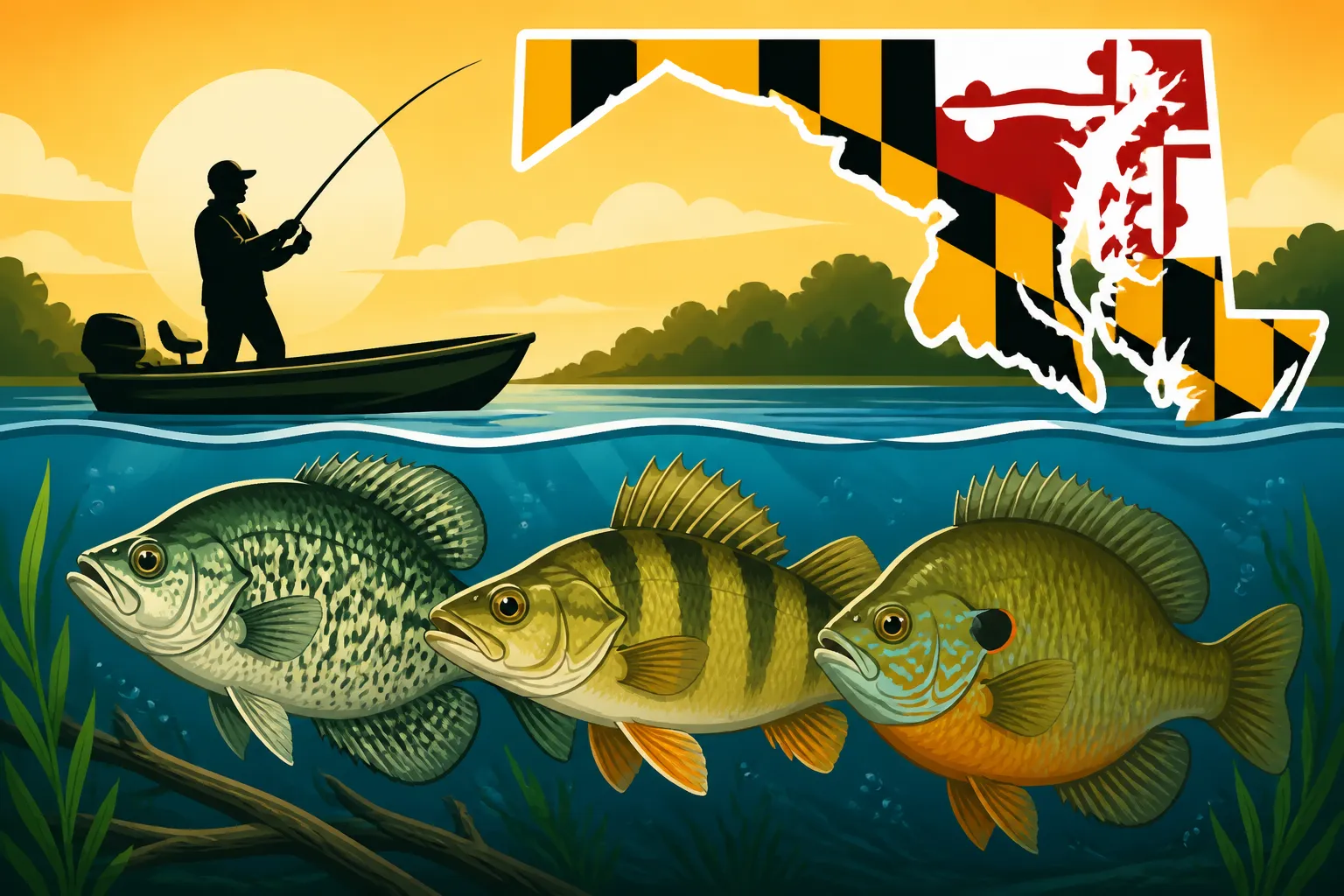
The primary species we're talking about when we say "Maryland panfish" are the various types of crappie (black and white), perch (white and yellow), and the sunfish family, which includes favorites like bluegill, pumpkinseed, and redear sunfish. Each of these species has its own unique characteristics, preferred habitats, and even subtly different flavors, offering a rich diversity for anglers to explore. Understanding these differences will make you a much more successful panfish angler, helping you tailor your approach to what's biting.
Crappie: Maryland's Slab-Sided Delicacy
When it comes to panfish, crappie often hold a special place in the hearts of Maryland anglers. Known for their "slab" sides and delicious white meat, both black and white crappie are highly sought after. They offer a fantastic challenge on light tackle, and finding a school of them can lead to an unforgettable day of non-stop action. Many anglers specifically target crappie, considering them a prize catch among the panfish species due to their size potential and culinary value.
Black Crappie vs. White Crappie: Key Differences and Habitats
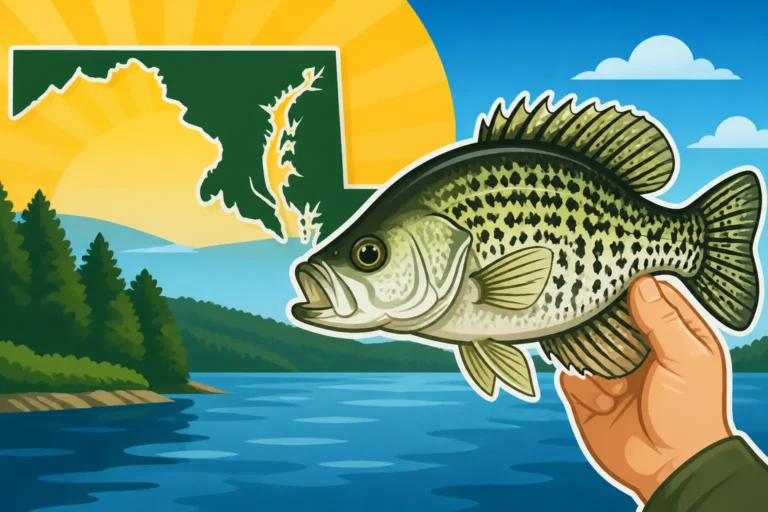
While both are fantastic fish, black crappie and white crappie have some distinct differences. Black crappie typically have a more rounded body shape and are covered in irregular black spots. They prefer clear, cool water with plenty of submerged structure like fallen trees, brush piles, and weed beds. You'll often find them suspended around these structures, waiting to ambush baitfish. Crappie Fishing in Maryland Reservoirs is a great resource if you're looking for specific spots.
White crappie, on the other hand, tend to have a more elongated body and distinct vertical bars on their sides, though these can fade. They are a bit more tolerant of turbid (cloudy) water and are often found in larger rivers and reservoirs, especially in areas with standing timber or brush. They also tend to roam more than black crappie, sometimes suspending in open water. Both species are prolific spawners, creating fantastic opportunities for anglers, especially in the spring.
Best Times and Places to Target Crappie in Maryland
Spring is undeniably prime crappie time in Maryland. As water temperatures rise into the 50s and 60s Fahrenheit, crappie move into shallower waters to spawn. This is when they become highly concentrated and aggressive, making them easier to locate and catch. Look for them in shallow coves, around docks, fallen trees, and brush piles in lakes and reservoirs like Loch Raven, Liberty, and Triadelphia.
During the warmer summer months, crappie retreat to deeper, cooler waters, often suspending over brush piles or along channel edges. In the fall, they'll become more active again, feeding heavily to prepare for winter, often moving back to somewhat shallower cover. Even in winter, dedicated anglers can find them deep, often schooling around structure. You'll want to consult the Maryland Crappie Size and Creel Limits to ensure you're fishing within regulations.
Essential Gear and Techniques for Crappie Anglers
Crappie fishing doesn't require heavy gear, which is part of the fun. A light or ultralight spinning rod (5-7 feet) paired with a small spinning reel spooled with 4-6 pound test monofilament or fluorocarbon line is ideal. This setup allows for sensitive feel and exciting fights. Many anglers, myself included, find a sensitive rod crucial for detecting those subtle crappie bites. If you're looking for a good starter combo, many reliable options are available on Amazon that won't break the bank.
Small jigs are a crappie angler's best friend. Think 1/32 to 1/8 ounce jigs tipped with small plastic bodies (tubes, grubs, tiny minnow imitations). Live minnows, either fished under a bobber or slowly trolled, are also incredibly effective. Techniques vary by season and depth, but slow retrieves, vertical jigging, and "spider rigging" (fishing multiple rods with different depths/baits) are all popular. My personal favorite for spring crappie is a tiny chartreuse jig under a bobber cast near submerged brush.
| Species | Typical Habitat | Preferred Bait/Lure | Spawning Season | Key ID Features |
|---|---|---|---|---|
| Black Crappie | Clear, structured freshwater | Minnows, small jigs (tubes) | Spring (late Apr-Jun) | Irregular black spots, rounded body |
| White Crappie | Turbid, structured freshwater | Minnows, small jigs (grubs) | Spring (late Apr-Jun) | Faint vertical bars, elongated body |
| White Perch | Brackish estuaries, tidal rivers | Bloodworms, grass shrimp, small jigs | Spring (Mar-May) | No distinct markings, silvery/bronze |
| Yellow Perch | Fresher parts of estuaries, lakes | Minnows, grass shrimp, small jigs | Early Spring (Feb-Mar) | 6-8 distinct vertical black bars |
| Bluegill | Ponds, lakes, slow-moving rivers | Worms, crickets, tiny poppers | Spring-Summer | Black spot on gill cover flap, small mouth |
Perch Species: The Backbone of Bay and Freshwater Fishing
Maryland is blessed with two fantastic perch species: white perch and yellow perch. These are incredibly popular panfish, offering consistent action throughout much of the year, particularly in the state's tidal waters and the Chesapeake Bay tributaries. They're often the first fish many Marylanders learn to catch, and for good reason—they're abundant, eager biters, and excellent on the dinner plate.
White Perch: A Chesapeake Bay Favorite
White perch are synonymous with Chesapeake Bay fishing. These adaptable fish thrive in brackish (a mix of fresh and salt) and freshwater environments, making them incredibly widespread. You'll find them in the Bay itself, as well as its countless tidal rivers and creeks. From the Patuxent to the Choptank to the Severn, white perch are a staple. They're often found around oyster beds, docks, bridge pilings, and channel edges. White Perch Spawning Runs in Maryland Rivers are legendary, offering some of the most frantic fishing action of the year.
While they don't get huge, a stringer full of 8-10 inch white perch is a prized catch, offering delicate, flaky white meat. They're aggressive feeders and will readily hit a variety of baits and lures, making them perfect targets for anglers of all skill levels. They provide excellent action even on slower days, and when you find a school, the bite can be non-stop.
Yellow Perch: Early Spring Rewards
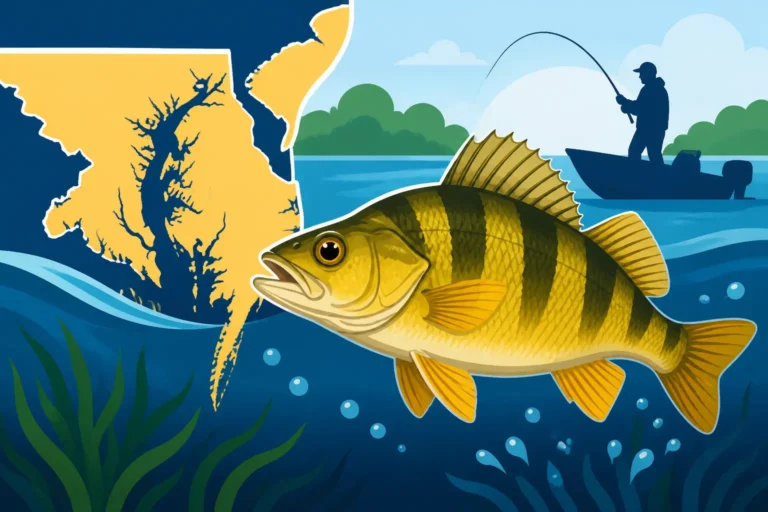
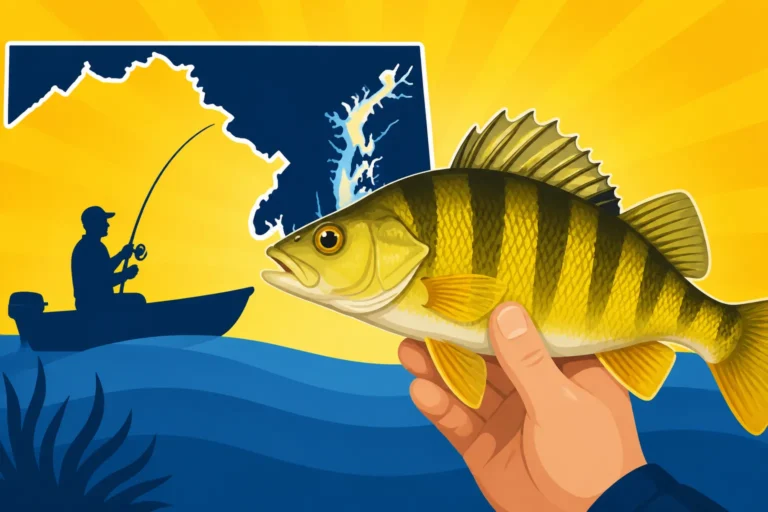
Yellow perch, with their distinctive vertical stripes and often golden hue, are another cherished panfish in Maryland. While they can be found in some tidal areas, they generally prefer cooler, fresher waters than white perch. Their runs in early spring are a time-honored tradition for many Maryland anglers, signaling the end of winter and the beginning of the fishing season. Yellow Perch Runs in Maryland's Upper Chesapeake Bay draw crowds every year to target these beautiful and tasty fish.
You'll find yellow perch in the upper reaches of tidal rivers where the water becomes less salty, as well as in many freshwater lakes and reservoirs. They tend to congregate in deeper holes or along channel edges during the colder months, moving into shallower, vegetated areas to spawn. They are often one of the first fish to really get active after ice-out, providing that much-needed early spring fishing fix.
Distinguishing Between White and Yellow Perch
It's actually quite easy to tell white and yellow perch apart, especially once you've seen a few of each. The most obvious difference is their coloration and markings. Yellow perch, as their name suggests, have a yellowish-gold body with 6-8 distinct, dark vertical bars running down their sides. They also have prominent orange-red fins, particularly the pectoral and pelvic fins. They typically have a more torpedo-shaped body.
White perch, by contrast, are generally silvery, sometimes with a bronzy or olive tint on their backs, and lack any distinct bars or spots. Their bodies are typically deeper and more compressed than yellow perch. They also have two separate dorsal fins, whereas yellow perch have two dorsal fins that are somewhat connected. Knowing these differences is not just for curiosity; it can help you identify what's biting and adjust your tactics accordingly, especially if you're in an area where both might be present. Check out White Perch vs Yellow Perch in Maryland, What's the Difference for more detailed identification tips. Don't forget to review Maryland White Perch Daily Limit and Maryland Yellow Perch Season and Limit before heading out.
Sunfish: The Colorful Fighters of Ponds and Rivers
The sunfish family is truly vast and diverse in Maryland, but when most anglers talk about "sunfish," they're usually referring to species like bluegill and pumpkinseed. These fish are the quintessential backyard pond dwellers, offering vibrant colors, feisty attitudes, and a fantastic entry point into fishing for children. They may not grow as large as crappie, but what they lack in size, they more than make up for in sheer abundance and willingness to bite.
Bluegill: The Ubiquitous Backyard Fighter
Bluegill are arguably the most common and recognizable panfish in Maryland. You'd be hard-pressed to find a pond, lake, or slow-moving river section in the state that doesn't hold a population of bluegill. They get their name from the iridescent blue-green sheen around their gill covers, often accompanied by orange bellies, especially in spawning males. These hardy fish are prolific breeders and voracious eaters, making them incredibly fun to catch.
They are known for their aggressive strikes, even on baits much larger than you'd expect for their size, and their surprisingly strong fight on ultralight tackle. For many of us, bluegill were the first fish we ever caught, sparking a lifelong love for angling. They are a true gift to the recreational fishery, providing consistent entertainment and a healthy food source. For tips on finding them, Bluegill and Sunfish in Maryland Ponds can point you in the right direction.
Pumpkinseed, Redear, and Other Sunfish Varieties
While bluegill are the most common, Maryland waters are home to several other fascinating sunfish species. The Pumpkinseed Sunfish is easily identified by its vibrant, almost jewel-like coloration: iridescent blue lines on its cheek, an orange or red spot on the tip of its gill flap, and often bright orange speckles across its body. They prefer clear, vegetated waters and are truly stunning fish.
The Redear Sunfish, also known as "shellcrackers" for their habit of crushing snail shells, are less common than bluegill or pumpkinseed but are a highly prized catch where they exist. They have a distinct red or orange spot on the edge of their gill cover (hence "redear") and a slightly more pointed snout. They grow larger than other sunfish and are known for their hard fighting ability. You might also encounter Green Sunfish, Warmouth, and other members of the sunfish family, each with their own unique charm and habitat preferences. All these sunfish contribute to the rich biodiversity of Maryland's panfish offerings.
Simple Strategies for Catching Maryland Sunfish
Catching sunfish is wonderfully straightforward, which is why they are perfect for teaching new anglers. The classic setup involves a light spinning rod, a small hook (sizes 8-12), a bobber, and some live bait. Worms (earthworms, nightcrawlers cut into pieces) are universally effective, but crickets, grasshoppers, and even small pieces of bread can work wonders. Many dedicated panfish anglers, like myself, swear by a small container of live bait from a local tackle shop.
For lures, tiny jigs, small spinners, and even micro-sized topwater poppers can provide incredible action, especially for larger bluegill. Fly fishing with small poppers or wet flies is also a delightful way to target sunfish. Look for them in shallow, vegetated areas, around docks, fallen trees, and lily pads. They often congregate in these areas, making them relatively easy to locate. Cast your bait near cover and wait for that telltale bobber dance!
Maryland Panfish Regulations: What You Need to Know
While panfish are abundant, it's crucial to understand and follow Maryland's fishing regulations to ensure these wonderful resources remain healthy for generations to come. Regulations exist to manage fish populations, prevent overfishing, and maintain ecological balance. Ignorance of the law is not an excuse, so always check the latest rules before you head out.
General Statewide Rules for Panfish
For most panfish species in Maryland, the rules are fairly generous, reflecting their abundance. However, "general" doesn't mean "no rules at all." You'll always need a valid Maryland fishing license, unless you're fishing on one of the Maryland Free Fishing Days, or are exempt due to age (typically under 16) or other specific circumstances. Remember, even if kids don't need a license, knowing the rules helps them learn responsible angling.
Beyond licenses, there are often statewide "default" rules that apply if no specific regulation is listed for a particular species in a particular body of water. These usually involve a creel limit (how many fish you can keep) and sometimes a size limit. It's always best practice to consult the Maryland Department of Natural Resources (DNR) Fishing and Boating Guide, which provides detailed and up-to-date information for all species and water bodies. A quick search on Amazon for a tackle box often brings up options with a small compartment perfect for keeping a printed copy or laminated card of key regulations.
Species-Specific Size and Creel Limits
While some panfish have very liberal or even no specific size or creel limits (especially for invasive species like blue catfish and snakehead, which the DNR encourages you to remove), others are managed more closely. For example, both crappie and yellow perch often have statewide creel limits, and sometimes minimum size limits in certain waters, to protect their spawning stock and ensure healthy populations. White perch typically have a very generous creel limit, reflecting their widespread abundance.
These limits can change from year to year based on stock assessments and management goals, so relying on old information is a gamble. Always double-check! For instance, Maryland Crappie Size and Creel Limits, Maryland White Perch Daily Limit, and Maryland Yellow Perch Season and Limit are examples of specific regulations you should be familiar with. Violations can result in fines and other penalties, so it's not something to take lightly.
Navigating Special Management Areas
Maryland also has various special management areas that might have unique rules for panfish. These can include:
- Trophy Trout Management Areas: While primarily focused on trout, these streams might have specific gear restrictions (e.g., artificial lures only, barbless hooks) that could impact incidental panfish catches.
- Reservoirs with Specific Regulations: Large municipal reservoirs like Loch Raven, Liberty, and Prettyboy often have their own specific rules regarding boat horsepower, fishing methods, and sometimes even species-specific limits that differ from statewide defaults. For example, some might have stricter limits on crappie or bass to manage those populations.
- Private Ponds and Community Lakes: While state licenses apply, private waters may have additional rules set by the landowner or community association, such as "catch and release only" or specific limits. Always seek permission and clarify any local rules before fishing private property.
It's your responsibility as an angler to be aware of these localized rules. A good starting point is always the Maryland DNR website, which provides detailed maps and regulations for all public access points and water bodies.
Top Maryland Spots for Panfish Action
One of the greatest things about panfish in Maryland is just how widespread they are. You don't have to travel far to find a great spot, whether you prefer tranquil freshwater lakes or the bustling tidal creeks of the Chesapeake Bay. Knowing where to go is half the battle, and Maryland offers a diverse menu of panfish opportunities. Many of these locations also have great amenities for families, like picnic areas and easy shoreline access.
Productive Freshwater Lakes and Reservoirs
Maryland's freshwater lakes and reservoirs are panfish havens. These bodies of water often feature a mix of crappie, bluegill, pumpkinseed, and yellow perch, providing diverse fishing experiences.
- Deep Creek Lake (Garrett County): While known for its walleye and bass, Deep Creek Lake also holds excellent populations of yellow perch, bluegill, and crappie. Its extensive shoreline, numerous coves, and submerged timber provide ideal habitat. Early spring and late fall can be particularly productive for perch and crappie.
- Loch Raven Reservoir (Baltimore County): A classic panfish spot, Loch Raven is well-known for its crappie and yellow perch. The reservoir has numerous coves and standing timber, especially in its upper reaches, which are prime for these species. Boat rentals are available, making it accessible for anglers without their own craft. Fishing Loch Raven Reservoir offers more specific tips.
- Liberty Reservoir (Carroll/Baltimore Counties): Similar to Loch Raven, Liberty offers excellent crappie and yellow perch fishing. Its deep waters and rocky points hold schools of crappie, especially during cooler months. Shoreline access is somewhat limited, but there are boat ramp options. Fishing Liberty Reservoir will give you more details on this gem.
- Piney Run Reservoir (Carroll County): This smaller reservoir is a fantastic spot for bluegill, crappie, and yellow perch. Its shallower, vegetated areas are perfect for sunfish, while deeper sections hold crappie. It's a great choice for family outings and kayak anglers.
- Triadelphia and Rocky Gorge Reservoirs (Howard/Montgomery Counties): These reservoirs, part of the Patuxent River watershed, also hold strong populations of crappie and various sunfish. They offer quiet, serene settings for a day of panfishing.
These spots, and many others across the state, offer ample opportunity to fill a cooler with delicious panfish.
Tidal Rivers and Creeks for Perch Runs
The Chesapeake Bay and its tributaries are undeniably Maryland's panfish superpower, especially for white and yellow perch. The spring spawning runs in these rivers are legendary.
- Choptank River (Eastern Shore): One of the most famous yellow perch rivers in Maryland. Its upper, fresher sections light up with yellow perch in early spring. It also holds strong populations of white perch year-round, especially around docks and oyster beds in its lower sections. Fishing the Choptank River is a must-read if you plan a trip here.
- Nanticoke River (Eastern Shore): This diverse river is excellent for both white and yellow perch, as well as catfish and other species. Its numerous creeks and marshy areas provide ideal habitat.
- Patuxent River (Southern Maryland): The Patuxent is a productive tidal river for white perch throughout much of the year. Look for them around structure like bridge pilings and rocky shorelines, and in its many feeder creeks during their spring spawn.
- Chester River (Eastern Shore): Another fantastic Eastern Shore river for both white and yellow perch. Its many tributaries offer countless opportunities for bank anglers and small boaters.
- Susquehanna River and Flats (Upper Bay): While famed for striped bass, the upper Susquehanna and its tributaries also hold good numbers of yellow perch and white perch, especially in their fresher sections. Fishing the Susquehanna Flats in Maryland often highlights these opportunities.
These tidal waters offer unique challenges and rewards, with changing tides and salinity levels influencing fish behavior.
Public Piers and Shoreline Access Points
You don't need a boat to enjoy great panfishing in Maryland. There are numerous public piers, docks, and shoreline access points that offer fantastic opportunities.
- Sandy Point State Park (Anne Arundel County): Located right on the Chesapeake Bay, this park offers excellent pier fishing for white perch, especially in spring and fall. It's a convenient spot for anglers near Annapolis and Baltimore.
- Point Lookout State Park (St. Mary's County): At the confluence of the Chesapeake Bay and the Potomac River, Point Lookout offers pier and shoreline fishing for white perch and a variety of other species.
- Ocean City Inlet and Piers (Worcester County): While mostly saltwater species, the Ocean City area piers can produce white perch in the brackish back bays and sometimes even near the inlet.
- Community Piers and Parks: Many towns and communities along Maryland's tidal rivers and lakes have public piers or shoreline access in local parks. These often provide easy access to panfish hotspots. A simple search for "public fishing piers Maryland" will reveal many options.
Always remember that regulations can vary by specific pier or park, so it's wise to check local signage. For more general guidance on fishing spots, refer to Best Places to Fish in Maryland and Best Piers and Shore Fishing Spots in Maryland.
Gear Up for Panfish Success: Rods, Reels, and Baits
One of the beauties of panfishing is its simplicity. You don't need a boatload of expensive, specialized gear. In fact, many successful panfish anglers pride themselves on catching a lot of fish with minimal equipment. However, having the right minimal equipment can significantly enhance your experience and your catch rates.
Choosing the Right Rod and Reel Setup
For panfish, finesse is key. You'll want a setup that's sensitive enough to detect those subtle bites and light enough to make even a small bluegill feel like a trophy.
- Rods: Look for ultralight or light action spinning rods, typically between 5 and 7 feet in length. A fast or moderate-fast action tip will give you the sensitivity to feel delicate bites, while the softer backbone will prevent you from tearing hooks out of thin-mouthed fish like crappie. Graphite rods are generally lighter and more sensitive than fiberglass. My go-to is usually a 6-foot ultralight graphite rod for maximum fun.
- Reels: Pair your rod with a small spinning reel (size 500 to 1000 series). These reels are lightweight, balance well with ultralight rods, and provide smooth drag essential for fighting bigger panfish on light line. Fill your reel with 4 to 6-pound test monofilament or fluorocarbon line. Braided line in lighter tests (like 6-10 lb) can also be used, especially if you tie a fluorocarbon leader for stealth. You can often find excellent, affordable ultralight spinning combos on Amazon that are perfect for getting started.
- Fly Fishing Gear: For those who enjoy fly fishing, a 2-weight to 5-weight fly rod with a matching reel and floating line is perfect for panfish. Small poppers, nymphs, and wet flies are incredibly effective.
Investing in a good quality, sensitive rod makes a huge difference in the enjoyment and success of panfishing.
Essential Baits and Lures for Panfish
Panfish aren't picky, which is great for anglers. However, some baits and lures consistently outperform others.
- Live Bait: This is almost always a winner for panfish.
- Worms: Red wigglers, earthworms, or nightcrawlers (cut into pieces) are irresistible to bluegill, sunfish, and even crappie and perch.
- Minnows: Small fathead minnows or shiners are deadly for crappie and yellow perch, especially when fished under a bobber.
- Crabs and Grass Shrimp: In tidal waters, white perch absolutely gorge on grass shrimp and small pieces of peeler crab or bloodworms.
- Crickets/Grasshoppers: Fantastic for bluegill and other sunfish, particularly in ponds and lakes during summer.
- Artificial Lures:
- Jigs: Small jigs (1/32 to 1/8 ounce) tipped with soft plastic bodies (tubes, grubs, tiny minnow imitations, curly tails) are incredibly versatile. Colors like chartreuse, white, pink, and black are perennial favorites.
- Spinners: Small inline spinners (e.g., Rooster Tails, Mepps) with silver or gold blades can be very effective, especially for perch and larger sunfish.
- Poppers: Micro topwater poppers or small fly-fishing poppers create enticing surface disturbances that aggressive bluegill and crappie can't resist.
- Small Spoons: Tiny Kastmaster-style spoons or similar vertical jigs can work well for crappie suspended in deeper water.
Carrying a diverse selection of both live bait and artificials ensures you're ready for whatever the fish are biting on that day.
Must-Have Accessories for a Productive Day
Beyond rods, reels, and bait, a few key accessories will make your panfishing trip more enjoyable and successful.
- Bobbers/Floats: Essential for live bait fishing, they help suspend your bait at the right depth and signal strikes. A variety of sizes, from small pencil floats for still water to larger slip bobbers for deeper presentations, is useful.
- Sinkers/Split Shot: Small split shot weights help get your bait down to the desired depth. Carry an assortment of small sizes.
- Hooks: A selection of small, sharp hooks (sizes 6-12) is crucial. Aberdeen hooks are popular for live bait as they are thin and tend to straighten out if snagged, saving your line.
- Pliers/Forceps: For safely removing hooks, especially from smaller fish.
- Stringer or Cooler: If you plan on keeping your catch, a simple stringer or a small cooler with ice will keep your panfish fresh.
- Tackle Box/Bag: A compact tackle box or bag to organize your hooks, weights, lures, and other small items. Many affordable, multi-compartment options are available on Amazon specifically designed for panfishing.
- Chair/Bucket: For comfortable bank fishing. A 5-gallon bucket can double as a seat and a gear carrier.
- Sun Protection: Hat, sunglasses, and sunscreen are always good ideas for a day outdoors.
- Bug Spray: Depending on the season and location, this can be a lifesaver.
Having these small but important items ensures you're prepared for anything and can focus on the fun of catching fish.
Conservation and Responsible Panfishing in Maryland
As passionate anglers, we all share a responsibility to protect Maryland's fisheries and natural resources. Panfish may be abundant, but that doesn't mean we should take them for granted. Practicing responsible angling ensures that these delightful fish will continue to thrive for future generations of anglers, including our own kids and grandkids. It's about more than just following the rules; it's about being a good steward of the environment.
Practicing Catch and Release for Future Generations
While panfish are excellent table fare, there's no need to keep every fish you catch. Practicing selective harvest and catch-and-release is a cornerstone of responsible fishing. Consider these guidelines:
- Keep What You'll Eat, Release the Rest: Only take what you and your family can reasonably consume. A stringer full of 20 perch might sound great, but if half of them end up freezer-burned, it's a waste.
- Release Larger Spawners: Often, the biggest panfish are the most prolific spawners, contributing significantly to the population. Consider releasing these larger "brood stock" fish, especially during their spawning seasons, to help ensure healthy future generations. Focus on keeping medium-sized fish for the frying pan.
- Handle Fish Carefully: If you plan to release a fish, handle it as little as possible. Use wet hands to protect its slime coat, and avoid squeezing it. If possible, remove the hook while the fish is still in the water. Barbless hooks can also make release much easier and less traumatic for the fish.
- Minimize Fight Time: Bring fish in quickly to reduce exhaustion, especially in warmer water.
By being mindful of how many and which fish you keep, you contribute directly to the health of panfish populations in Maryland.
Protecting Panfish Habitats
Fish can't thrive without healthy habitats. As anglers, we have a direct stake in protecting the places where panfish live and breed.
- Don't Litter: This seems obvious, but unfortunately, trash is still a problem at many fishing spots. Take out everything you bring in, and if you see trash left by others, consider picking it up. Even small pieces of monofilament can be deadly to wildlife.
- Respect Shoreline Vegetation: Weeds, submerged logs, and lily pads are not just snags; they are vital cover, foraging grounds, and spawning sites for panfish. Avoid needlessly destroying these areas.
- Prevent the Spread of Invasive Species: Always clean your boat, trailer, and gear (including waders and nets) between different water bodies to prevent the transfer of invasive plants, animals, or diseases. This is particularly important for panfish, which are often found in smaller, more isolated water bodies that are highly susceptible to invasives.
- Report Pollution or Habitat Destruction: If you notice anything that looks like pollution, fish kills, or significant habitat damage, report it to the Maryland DNR. They rely on observant citizens to help protect our waters.
A clean, healthy environment benefits not just the fish, but all of us who enjoy the outdoors.
Dealing with Invasive Species While Panfishing
Maryland, like many states, faces challenges from invasive fish species. While panfishing, you might encounter some of these, and knowing how to respond is important.
- Blue Catfish and Northern Snakehead: These are two prominent invasive species in Maryland. They are voracious predators that can outcompete and prey upon native species, including panfish. The Maryland DNR actively encourages anglers to harvest these fish and does not impose size or creel limits on them. In fact, for snakeheads, it's often illegal to release a live one once caught. Always be sure you can correctly identify your catch before releasing it. Maryland Invasive Fish Rules: Blue Catfish and Snakehead offers critical guidance on this.
- European Carp: While not as predatory as blue catfish or snakehead, common carp can stir up bottom sediments, reducing water clarity and impacting habitat for other fish. They are also considered an invasive species in many Maryland waters.
- Proper Disposal: If you catch an invasive species that you don't intend to keep for consumption, ensure you dispose of it properly on land, not by releasing it back into the water or into another water body.
- Education: Learn to identify invasive species and help educate other anglers about their impact and how to properly handle them. The more people who are aware, the better we can manage these threats to Maryland's native panfish populations.
By understanding and adhering to these conservation practices, we can all do our part to ensure that Maryland's panfish continue to provide fantastic fishing opportunities for years to come.
Disclaimer
This article is for general informational purposes only and does not constitute professional advice. Laws, prices and regulations vary by location and change over time. Consult a qualified professional for guidance on your specific situation.